
Best Things to Do in Buenos Aires: Neighborhoods, Food, Tango, and Day Trips
Practical, locally minded guide to the best things to do in Buenos Aires — neighborhoods, food, tango, parks, and nearby day trips. Tips on transport, seasons, bookings, and low-impact choices to pair with the 3 days in Buenos Aires itinerary.
A clear, practical list of the best experiences in Buenos Aires with neighborhood-by-neighborhood guidance, transit realities, sustainable tips, and booking advice — designed as a companion to the main 3 days in Buenos Aires itinerary.
Quick Answer
A clear, practical list of the best experiences in Buenos Aires with neighborhood-by-neighborhood guidance, transit realities, sustainable tips, and booking advice — designed as a companion to the main 3 days in Buenos Aires itinerary.
Who This Page Is For
This page is for travelers planning a stay in Buenos Aires who want clearer decisions about things to do, local logistics, timing, budgeting, and practical trip planning.
How This Page Was Prepared
This page was prepared through a structured editorial workflow that combines destination research, geographic context, and practical travel-planning review.
Plan the Rest of Your Trip
Use this page together with the full itinerary and the related planning pages below to make better booking, timing, transport, and budget decisions.
Top must-dos if you have limited time:
– Morning: walk Plaza de Mayo, Casa Rosada, and the cafés on Hipólito Yrigoyen.
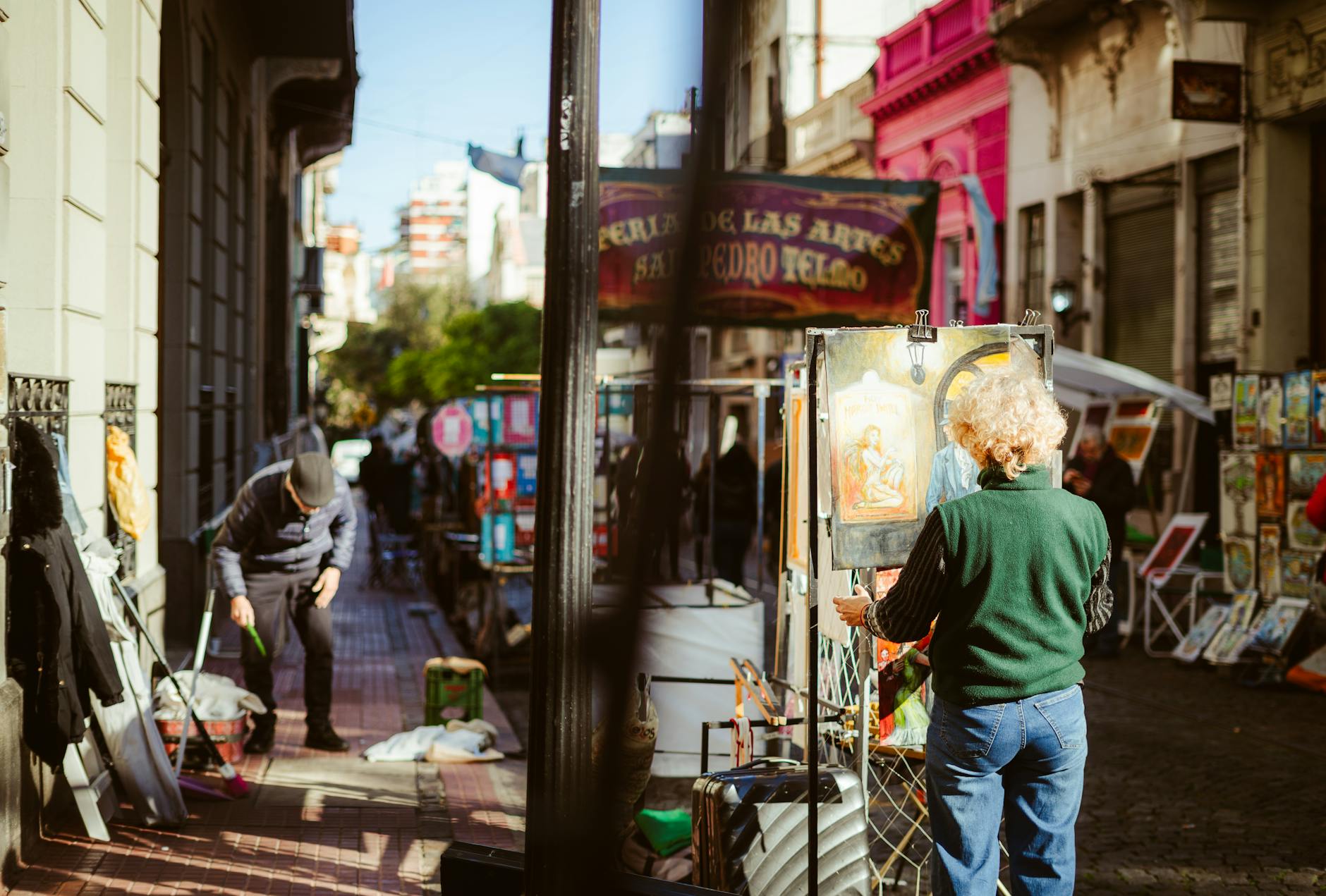
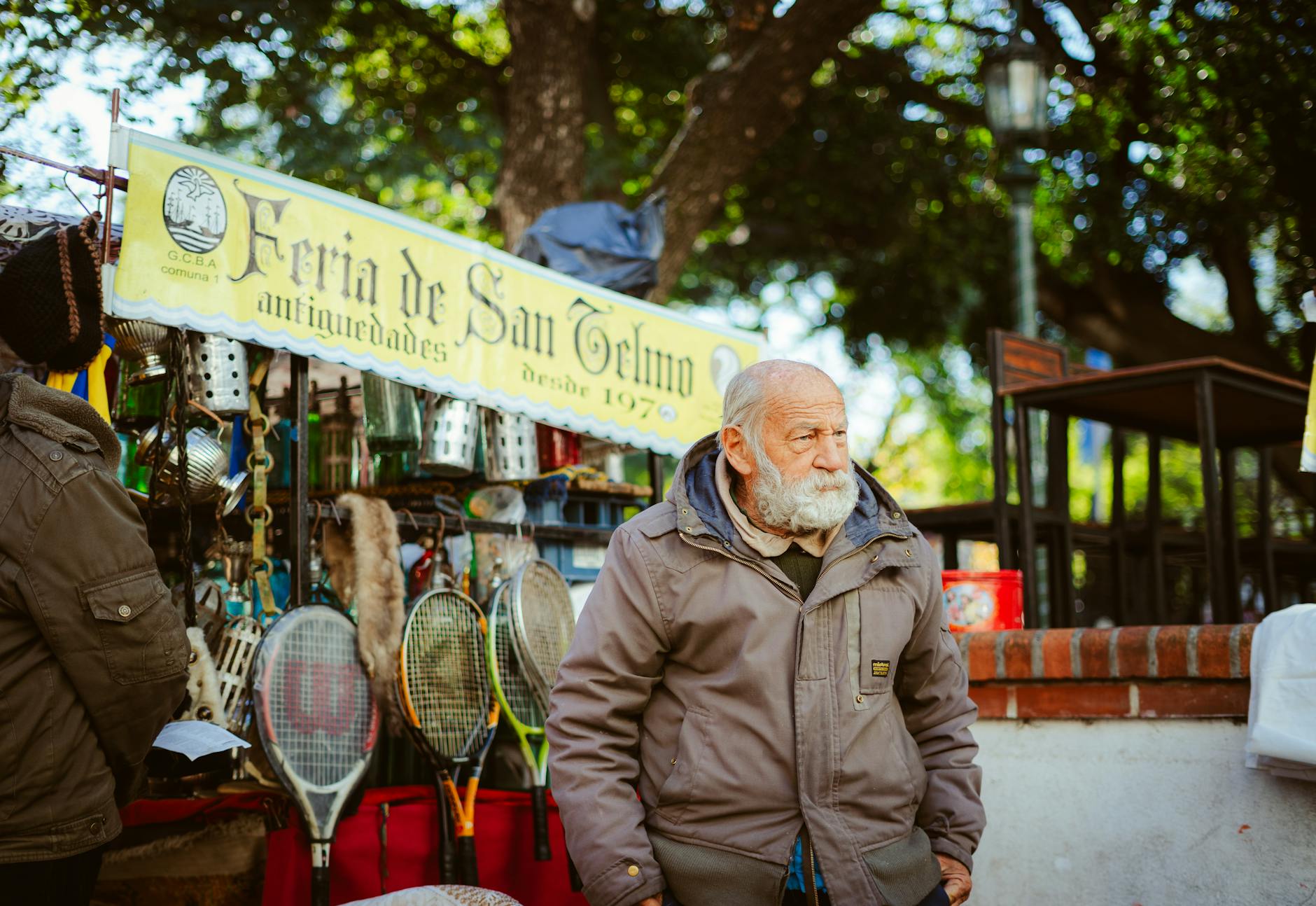
– Midday: San Telmo market (weekend) and a light lunch of empanadas or parrilla.
– Afternoon: Palermo parks (Rosedal) and shops in Palermo Soho.
– Evening: a local milonga or a shorter, authentic tango show plus dinner in San Telmo or Puerto Madero.
– Day trip options: Tigre delta by train, or a long-distance bus to Rosario or Mar del Plata if you want coast or river landscapes.
If you’re following the 3 days in Buenos Aires guide, slot neighborhood explorations and a day trip into day 2 or 3 depending on your pace.
Buenos Aires rewards travelers who trade checklist tourism for time in neighborhoods. This page helps you choose the best things to do based on the time you have, your interests (food, tango, contemporary culture, parks), and your ethical priorities. Use this as a support page for the main 3 days in Buenos Aires itinerary: it points to neighborhood loops, low-impact choices, and practical booking notes so you can stitch activities into that plan without wasting time.
What This Page Helps You Decide
Use this page to quickly choose activities that match your time, energy, and values. It helps you decide:
– Which neighborhoods to prioritize (historic vs. contemporary).
– Which experiences to book in advance (Teatro Colón tour, tango shows, Gaucho or wine day trips).
– When to take a day trip vs. staying local — and how to do it sustainably.
– How to layer low-cost, public-transit options into the 3-day itinerary.
Practical pointers: if your trip overlaps weekend days, move San Telmo to a market day. If nights are important, reserve dinners and tango shows at least 3–7 days ahead in high season.
Top Recommendations
Prioritize by neighborhood and time of day:
Mornings
– Plaza de Mayo & Microcentro: short walking loop to Casa Rosada, Catedral, and Calle Florida for window-shopping. Strike early to avoid crowds.
– Feria de Mataderos (weekends): for gaucho culture and regional crafts — best in spring and autumn.
Afternoons
– San Telmo: Defensa Market, antique shops, café culture; combine with a guided walk that explains porteño history.
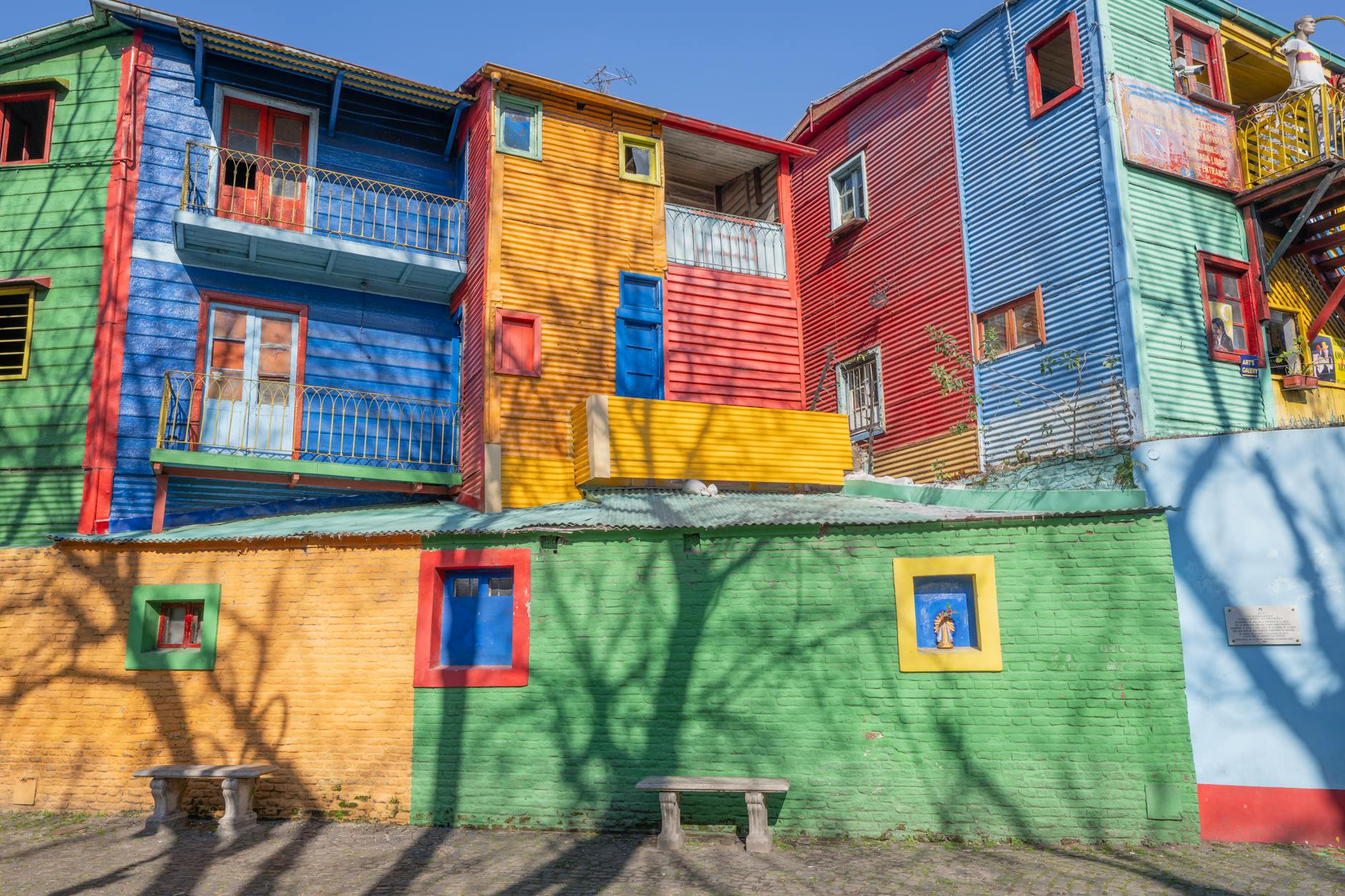
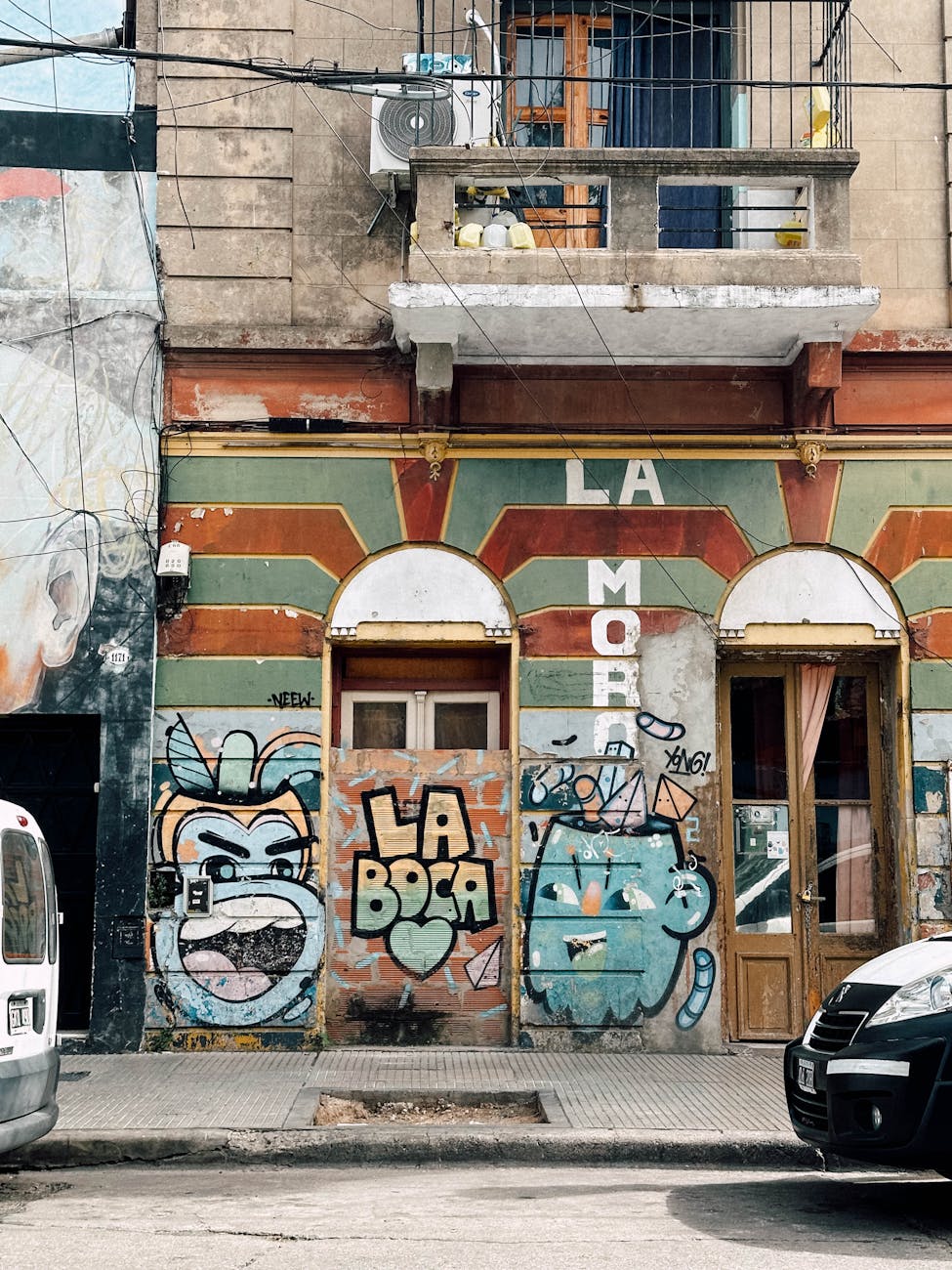
– La Boca and Caminito: vibrant, but tourist-heavy; prefer a guided cultural visit focusing on local artists and history rather than street souvenir traps.
– Palermo (Soho & Hollywood): parks (Rosedal), contemporary art galleries, craft and vegan food scenes.
Evenings
– Tango: choose between a short, intimate milonga (local-first, cheaper) or a curated show at a historic salon. Book milonga lessons in advance if you want to participate.
– Parrilla dinners: look for family-run parrillas in neighborhoods (e.g., Caballito, Almagro) rather than only tourist spots.
Day trips (sustainable options)
– Tigre delta: 40 minutes by Mitre train from Retiro; take a small, licensed boat and opt for local-guide eco tours.
– Rosario, Córdoba, Mendoza, Salta, Mar del Plata: good for extended travel. Use comfortable long-distance buses (Terminal Retiro) or short flights; check schedules and book ahead during school holidays.
Booking tips
– Reserve Teatro Colón tours and tango shows 1–2 weeks ahead in shoulder seasons; 2–4 weeks in high season (Dec–Feb).
– Get a SUBE card on arrival and register it if you plan to use public transport frequently. Keep some small peso notes and coins for markets and small cafes.
Accessibility and time budgets
– Allow 2–3 hours for museum visits (MALBA, Museo Nacional de Bellas Artes).
– Plan extra transit time at peak hours (weekday mornings and late afternoons).
Local Context
Neighborhoods and character
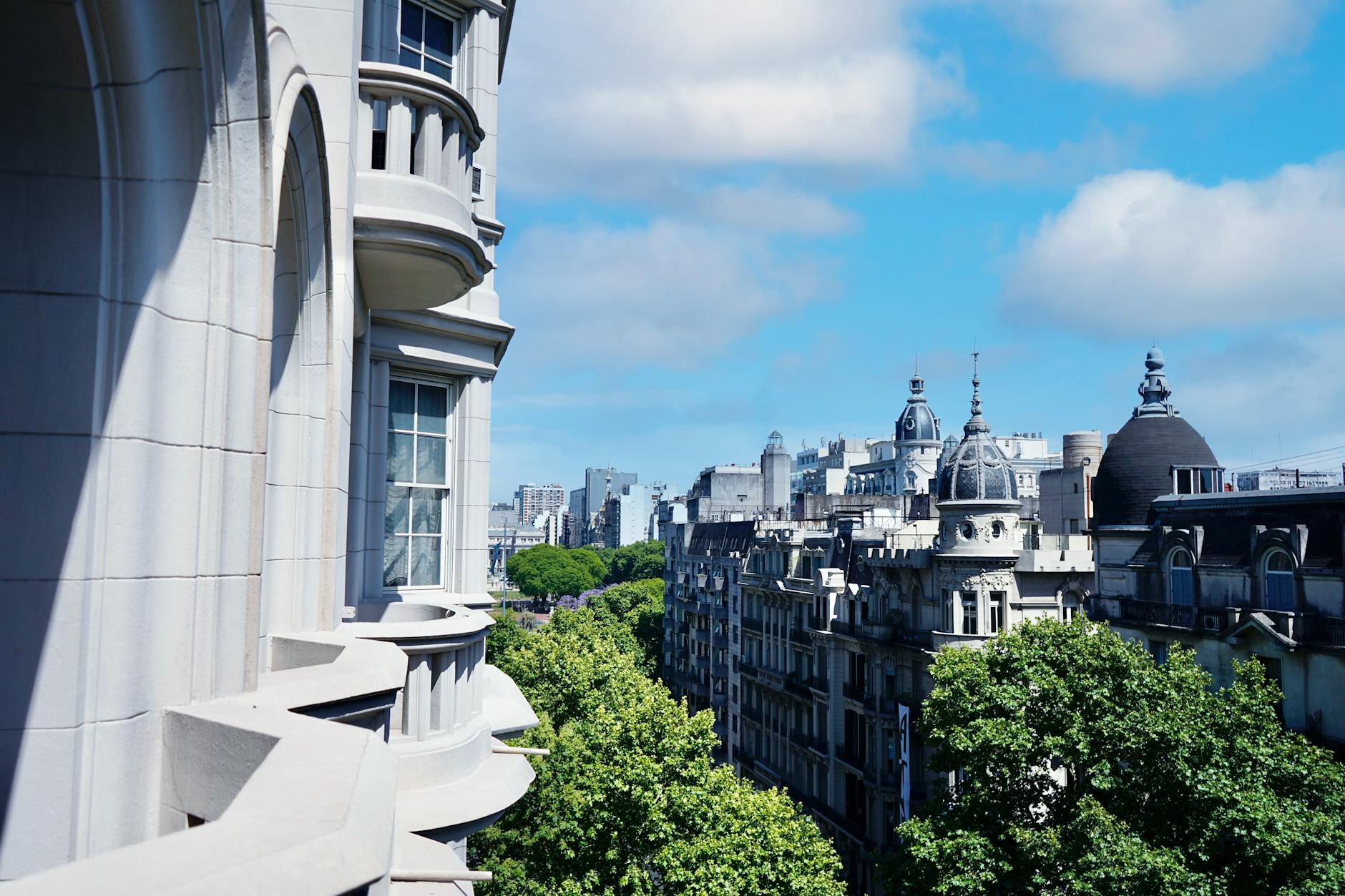
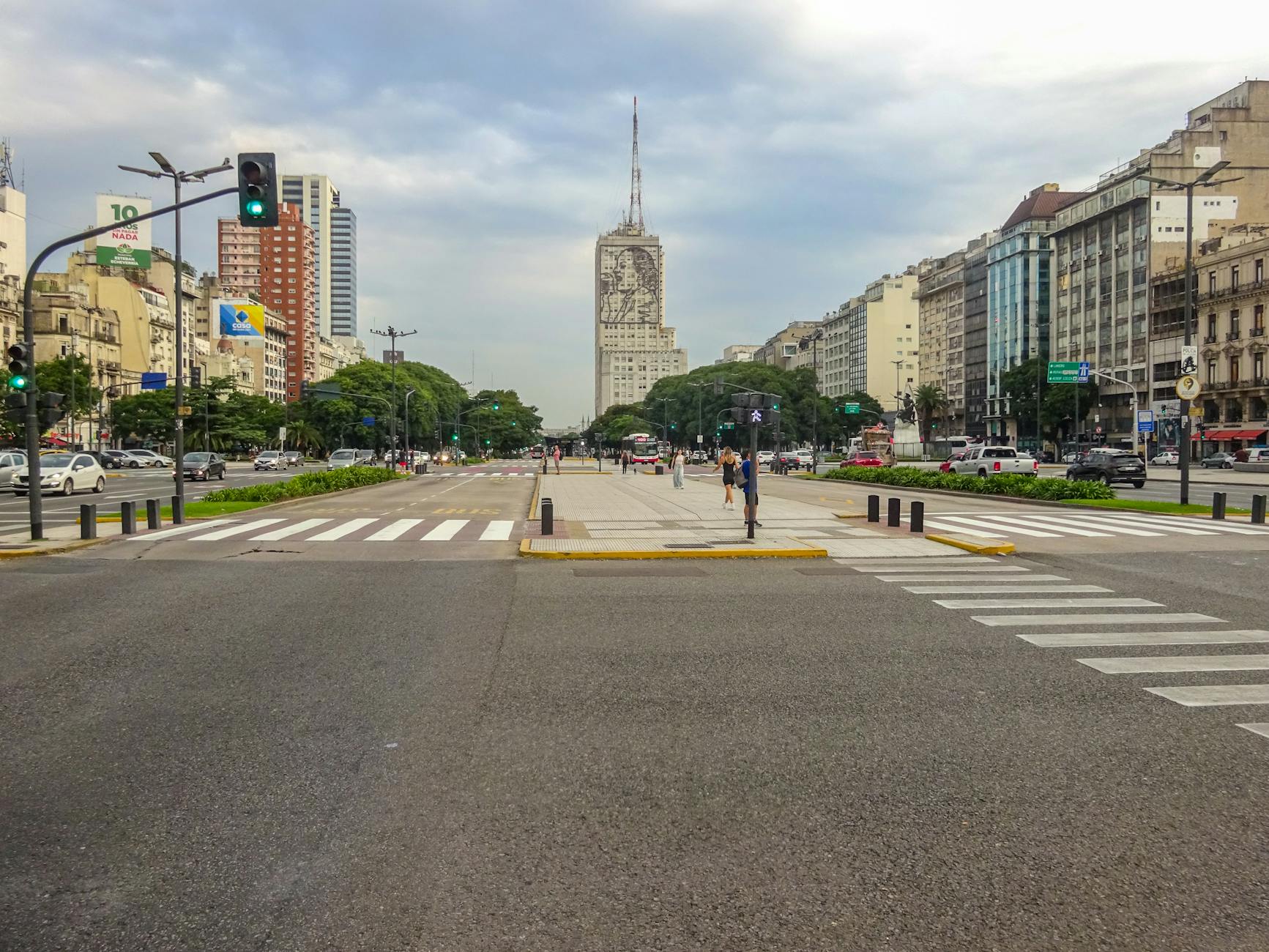
– Microcentro/Plaza de Mayo: historic government core, short walks between major sights.
– San Telmo: cobblestones, antique market, tango bars; busy on Sunday.
– La Boca: colorful Caminito and riverfront — more tourist-oriented, use caution with valuables.
– Palermo Soho & Hollywood: nightlife, design shops, parks; good for slow afternoons.
– Recoleta: museums and cemetery; quieter evenings.
Transport realities
– Subte (metro) is fast but closes early (around midnight) and can be crowded; validate SUBE taps on buses and trains.
– Taxis and remis are plentiful; registered remis or radio-taxis are safer for late rides.
– Long-distance buses from Retiro connect to Rosario, Mar del Plata, Córdoba, Mendoza, Salta; book reputable companies and check luggage policies.
Seasonal patterns
– Summer (Dec–Feb): hot and humid, late nights; book indoor activities for midday.
– Shoulder seasons (Mar–May and Sep–Nov): best balance of weather and fewer crowds.
– Winter (Jun–Aug): cooler, fewer tourists; evenings are cozier for restaurants and theater.
Local etiquette and safety
– Greetings: a single kiss on the right cheek is common among acquaintances; a firm handshake works for first-time, formal meetings.
– Tipping: small tip at cafes and 10% at restaurants when service charge is not included.
– Safety: watch pickpockets in crowded markets and public transport; carry minimal valuables and keep copies of documents.
How to Choose Well
Match activities to your travel priorities:
– Culture and museums: allocate half a day to MALBA and Museo Nacional de Bellas Artes; combine with Recoleta for a compact loop.
– Food and wine: choose a market visit + neighborhood parrilla or a guided food tour focused on small producers.
– Tango: prefer a milonga for authentic local experience; book a lesson if you want to dance later.
– Nature and low-impact: Rent a bike in Palermo or take the train to Tigre and choose small-boat, licensed operators.
Time and budget considerations
– If you have 3 days (see the 3 days in Buenos Aires guide), aim to cover a historic core day, a Palermo/Recoleta day, and either a day trip or an in-depth San Telmo + tango evening.
– For tight budgets: use free walking tours, mercados for meals, and public transport; reserve paid experiences like Teatro Colón tours or wine tastings selectively.
Sustainability filter
– Prefer family-run restaurants and neighborhood shops over chain outlets.
– Ask tour operators about group size and environmental policies when booking nature or delta trips.
Responsible and Local-First Tips
Practical ways to keep your spending local and low-impact:
– Eat at locally owned bodegones, markets, and family parrillas. Ask staff about seasonal, locally sourced dishes.
– Buy crafts directly from artists at San Telmo or Feria de Mataderos; request receipts for fair pricing and avoid plastic packaging.
– Choose small-group or family-run guides for neighborhood and Tigre tours. Look for operators who support local conservation in Reserva Ecológica.
– Reduce waste: carry a reusable bottle and a small bag for purchases; tap water in Buenos Aires is generally treated but bring a filter bottle if you prefer.
– Transport choices: walk and bike where possible; use Subte and trains for longer cross-city trips; prefer licensed taxis or planned remis for late-night travel.
– Respect local rhythms: restaurants seat later (8–10 PM); don’t expect full English fluency in smaller establishments — a few Spanish phrases go a long way.
Common Mistakes to Avoid
- Packing too much into one day: Buenos Aires deserves slow walking and lingering café time.
- Booking every experience through big tour operators: you can often find better-value, local-owned alternatives.
- Assuming restaurants open early: plan dinners after 8 PM and close midday for quieter hours.
- Ignoring transit hours: Subte and many museums close earlier than tourist attractions; check schedules.
- Changing money at random street exchangers: use banks, official casas de cambio, or ATMs; watch fees and carry small pesos for markets.
- Skipping neighborhood exploration beyond the highlights: smaller barrios like Almagro and Colegiales have excellent local dining and fewer tourists.
FAQ
How many days do I need to see Buenos Aires well?
Three full days will cover the essentials—historic Plaza de Mayo, San Telmo, Palermo and a tango evening—if you follow the 3 days in Buenos Aires itinerary. Add extra days for nearby provinces or slower exploration.
Is it easy to get around without a car?
Yes. Use Subte, buses, and trains for most city travel. For late nights or direct airport transfers, use licensed taxis, radio-remis, or prebooked transfer services. Get a SUBE card for convenience.
Are guided tours worth it?
Guided tours are useful for history (Plaza de Mayo), art (MALBA), and nature (Tigre). For tango, choose small, local milongas or specialized cultural tours to avoid touristy shows.
When is the best time to visit to avoid crowds but still have good weather?
Shoulder seasons (March–May and September–November) offer pleasant temperatures and fewer tourists. December–February is lively but hot and busier.
Is tipping required?
Not required but customary. Round up small bills at cafés and leave ~10% in restaurants when service isn’t included.
Are there low-impact ways to visit the Tigre delta?
Yes. Take the Mitre train to Tigre and book a small-boat excursion with a licensed operator who follows channel rules and supports local boatmen. Avoid unlicensed large motorboats that speed through fragile channels.
Conclusion
Buenos Aires rewards curiosity, slow walking, and local-first choices. Use this page to pick activities that fit your energy and values, then slot them into the 3 days in Buenos Aires itinerary for a compact, realistic plan. For onward travel, check schedules at Retiro for buses to Rosario, Mar del Plata, Córdoba, Mendoza, and Salta or short domestic flights—book ahead during holidays. Favor neighborhood businesses, choose small-group nature tours, and leave time to simply sit in a café and watch the city unfold.
How this guide was prepared
This guide was prepared through a structured research that combines destination research, geographic context, itinerary planning logic, and content review.