
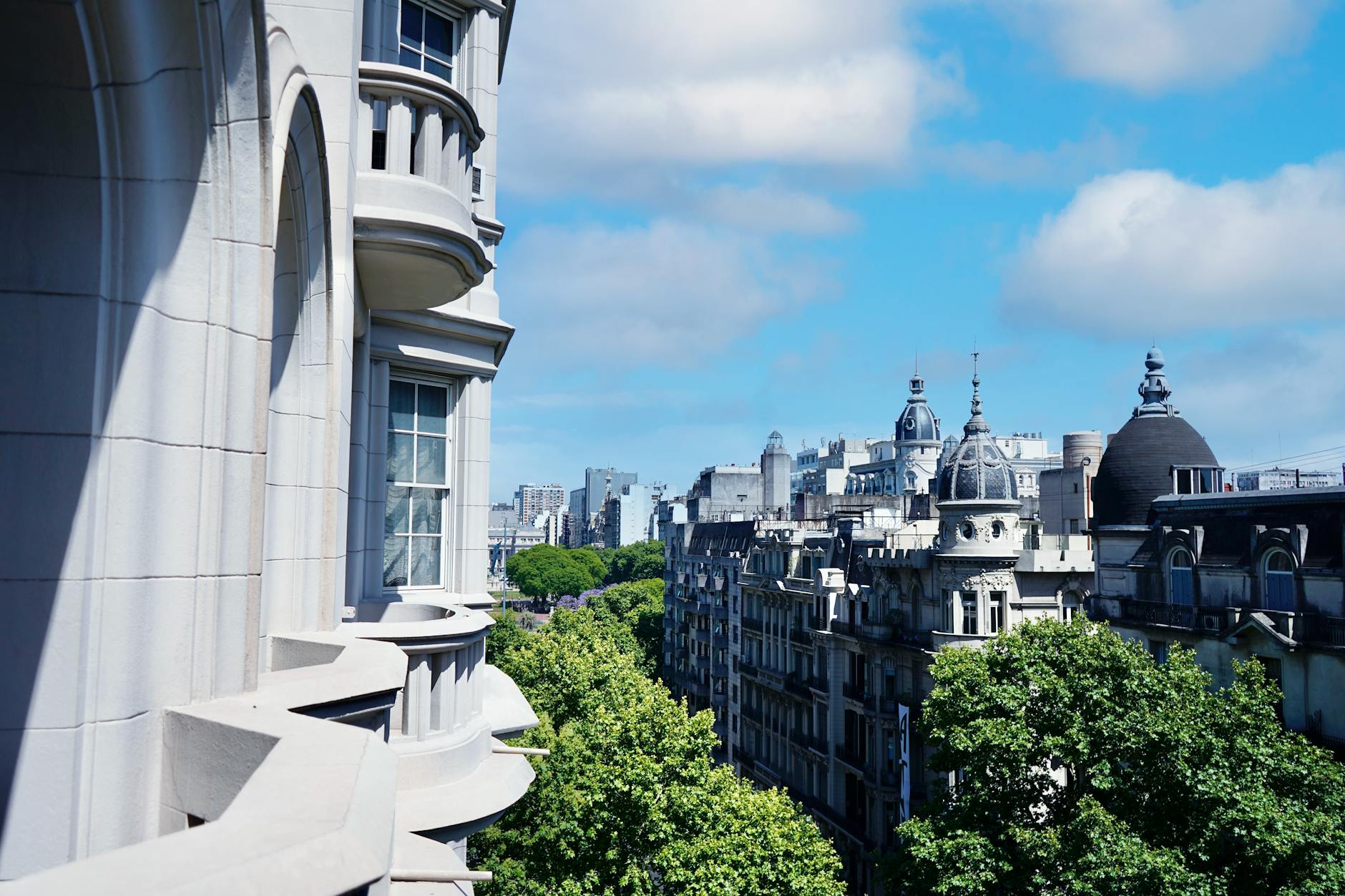
Buenos Aires Travel Budget: Practical Costs, Smart Choices, and Local Tips
Realistic daily budgets, transport and food costs, neighborhood trade-offs, and sustainable tips for planning a budget-conscious Buenos Aires trip. Ideal companion to our 3 days in Buenos Aires itinerary and nearby Argentina connections.
Estimate what a day in Buenos Aires actually costs, where to save without missing local culture, how to get around cheaply and responsibly, and practical booking tips for short stays and onward trips to Rosario, Mendoza, Córdoba, Mar del Plata and Salta.
Quick Answer
Estimate what a day in Buenos Aires actually costs, where to save without missing local culture, how to get around cheaply and responsibly, and practical booking tips for short stays and onward trips to Rosario, Mendoza, Córdoba, Mar del Plata and Salta.
Who This Page Is For
This page is for travelers planning a stay in Buenos Aires who want clearer decisions about travel budget, local logistics, timing, budgeting, and practical trip planning.
How This Page Was Prepared
This page was prepared through a structured editorial workflow that combines destination research, geographic context, and practical travel-planning review.
Plan the Rest of Your Trip
Use this page together with the full itinerary and the related planning pages below to make better booking, timing, transport, and budget decisions.
Typical daily budgets (per person) for a city stay, excluding international flights:
- Shoestring/backpacker: $25–45 USD — hostel dorms, street food/markets, public transport, free walking tours.
- Budget (comfortable): $60–120 USD — private budget hotel or rental, a couple of meals in local restaurants, metro/occasional taxi, one paid attraction.
- Midrange: $120–220 USD — boutique hotels in Palermo/Recoleta, meals at mid-range parrillas, taxis or rideshares, guided tours.
If you're using our 3 days in Buenos Aires guide, plan the midrange numbers for easier pacing. Check current exchange rates before you lock in cash amounts and prefer card payments where possible to avoid poor informal exchange rates.
This page gives quick, usable budget guidance for travelers using our 3 days in Buenos Aires itinerary or anyone planning a short city visit. Costs in Buenos Aires fluctuate with exchange rates and seasonal demand, so the figures below are ranges and practical strategies rather than hard rules. The focus is on local-first choices, low-impact transport, and easy ways to trim costs while still enjoying authentic neighborhoods like San Telmo, Palermo and Recoleta.
What This Page Helps You Decide
This page helps you choose:
- How much cash vs card to carry and where to exchange money responsibly.
- Which neighborhood to stay in for your budget and itinerary (close to the 3-day loop or cheaper alternatives).
- Whether to book domestic buses or flights to nearby cities (Rosario, Mar del Plata, Córdoba, Mendoza, Salta) and when to buy.
- How to allocate your daily budget between food, transport, and attractions.
If you need a day-by-day plan, see the companion 3 days in Buenos Aires guide for an itinerary that pairs well with the budget ranges here.
Top Recommendations
Save smart without missing the city:
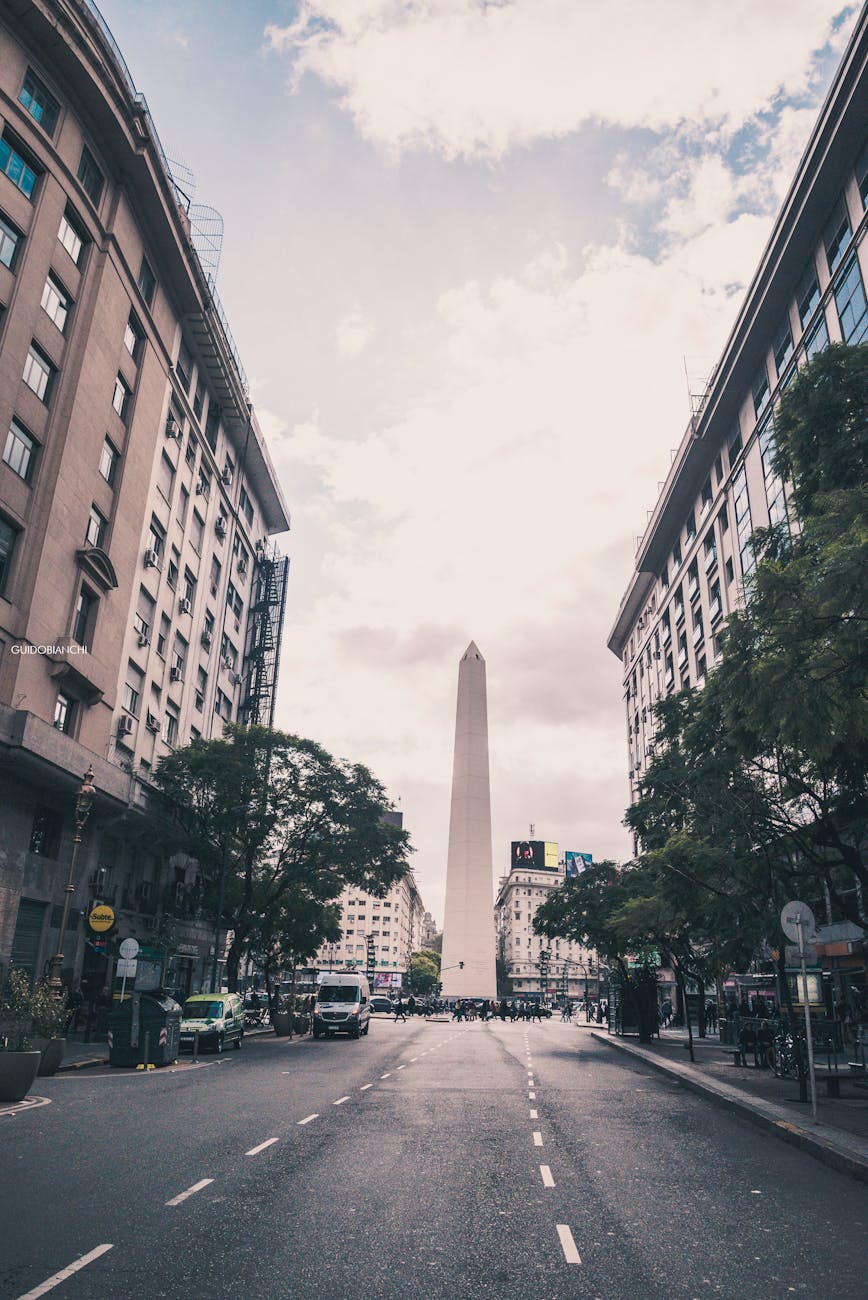
- Stay: Choose a neighborhood that reduces transit time. Palermo and Recoleta suit first-timers who value walkability; Almagro and Caballito are cheaper without losing character.
- Transport: Buy a SUBE card on arrival and top up at kiosks. Use Subte (metro) and colectivos (buses) for most short trips; reserve taxis/rideshares for late nights or when time is tight.
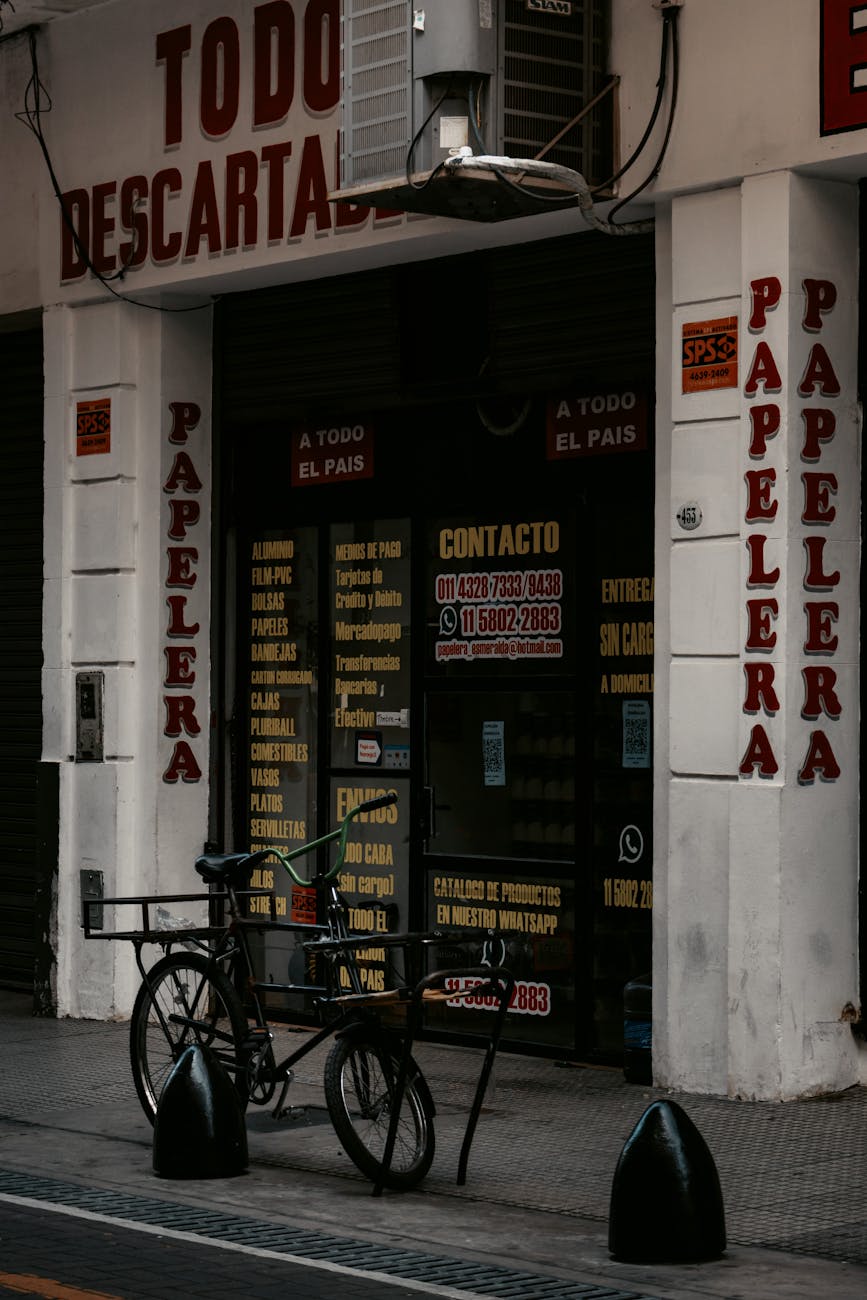
- Food: Eat where locals eat — small bodegas, parrillas off the main tourist streets, and market stalls in San Telmo. Share larger parrilla portions to save money.
- Tickets: Book theatre (sala) or concert tickets at box offices or trusted resellers; for long-distance buses, compare Plataforma10, Central de Pasajes and official company sites.
For onward travel, look for early-bird fare deals to Córdoba or Mendoza, and book long-distance buses to Rosario and Mar del Plata in advance for holidays and weekends.
Local Context
Neighborhoods and seasons matter for cost and experience:
- Palermo (Soho and Hollywood): lively, more expensive lodging and dining; good for nightlife and day walks.
- Recoleta: quieter, museum-heavy, more boutique hotels; good for mature travelers and families.
- San Telmo: historic and budget-friendly with antique fairs on Sundays; excellent for markets and local eateries.
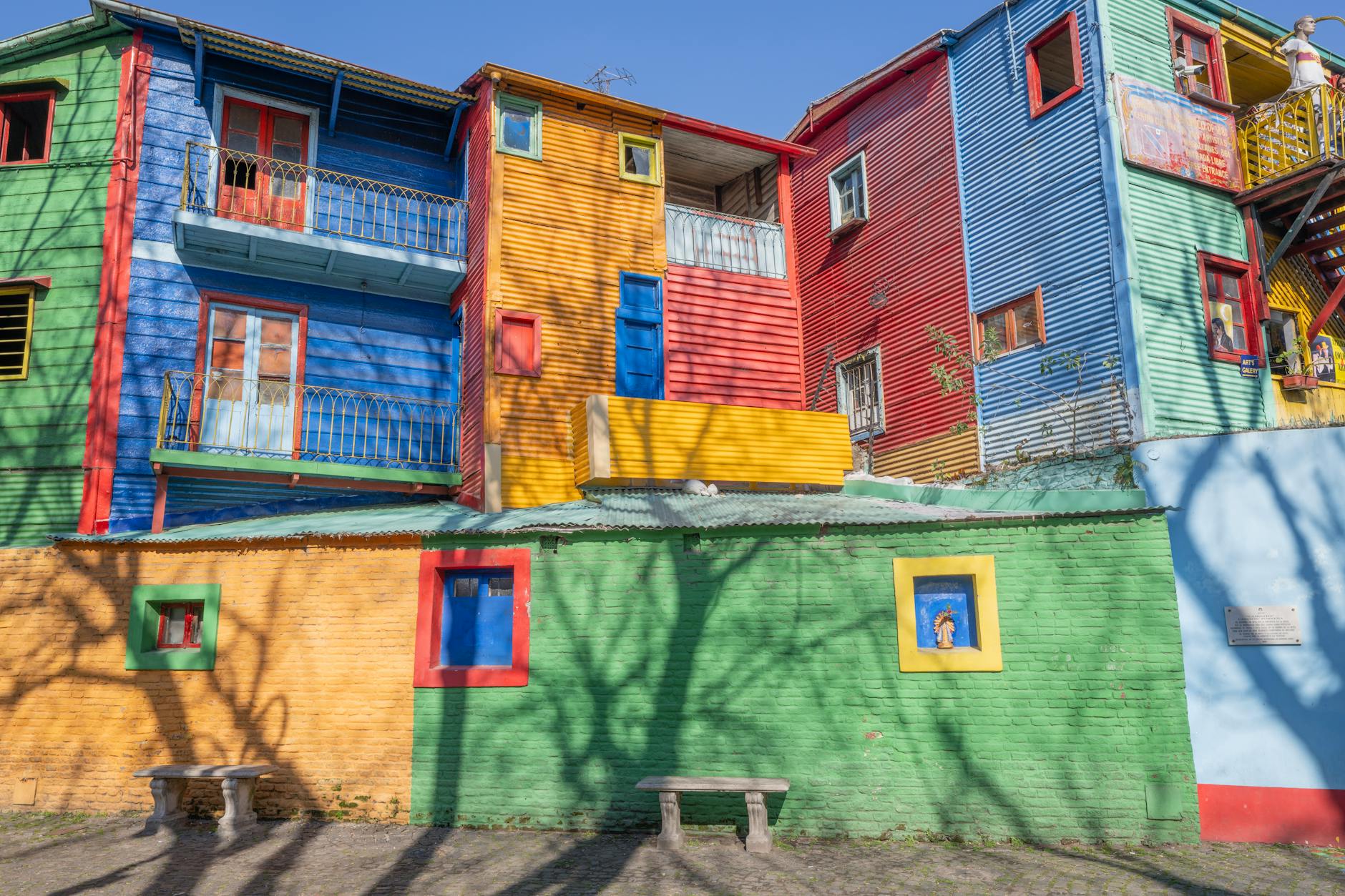
- La Boca: colorful but tourist-heavy along Caminito; stay cautious and limit nighttime visits.
Seasonal notes:
– Peak summer (Dec–Feb) raises prices—book early. Long, hot days suit outdoor dining and riverside walks.
– Shoulder seasons (Mar–May, Sep–Nov) are ideal: lower prices, cooler weather, and fewer crowds.
– Winter (Jun–Aug) is cooler but milder than many capitals; museum visits and theater are good low-cost options.
Transport realities:
– Subte maps are compact and efficient; buses reach areas the Subte does not but are slower. Allow extra time during evening rush.
– For regional trips, long-distance buses (micros) are comfortable and often cost-efficient; trains to some suburban areas are useful but limited outside the city core.
How to Choose Well
Match accommodation and schedule to your priorities:
- If you want to maximize museum and restaurant options with minimal transit time, prioritize Palermo or Recoleta even if nightly rates are higher.
- If you want to minimize lodging costs and don't mind 20–30 minute commutes, look at Almagro, Villa Crespo or Caballito.
- If you plan early-morning buses to Mar del Plata or Salta, choose lodging near Retiro bus terminal or a station with easy taxi access.
Booking advice:
– Use refundable rates for uncertain travel dates where possible. For peak season and weekends in December–February, reserve at least 6–8 weeks ahead.
– For long-distance buses to nearby cities like Rosario or Córdoba, book 1–2 weeks ahead for regular travel, earlier for holidays.
– Compare prices in ARS and USD; some hotels and services accept both and may offer better value in local currency. Always confirm the final price and any card fees before payment.
Responsible and Local-First Tips
Spend locally and reduce impact:
- Choose family-run cafés, parrillas and mercados over international chains. Small purchases at local kiosks and bakeries keep money in neighborhoods.
- Prefer locally owned guesthouses or small boutique hotels with green practices. Ask about linen and energy policies if sustainability is a priority.
- Use reusable water bottles; tap water in Buenos Aires is treated, but carry a filter bottle if you prefer.
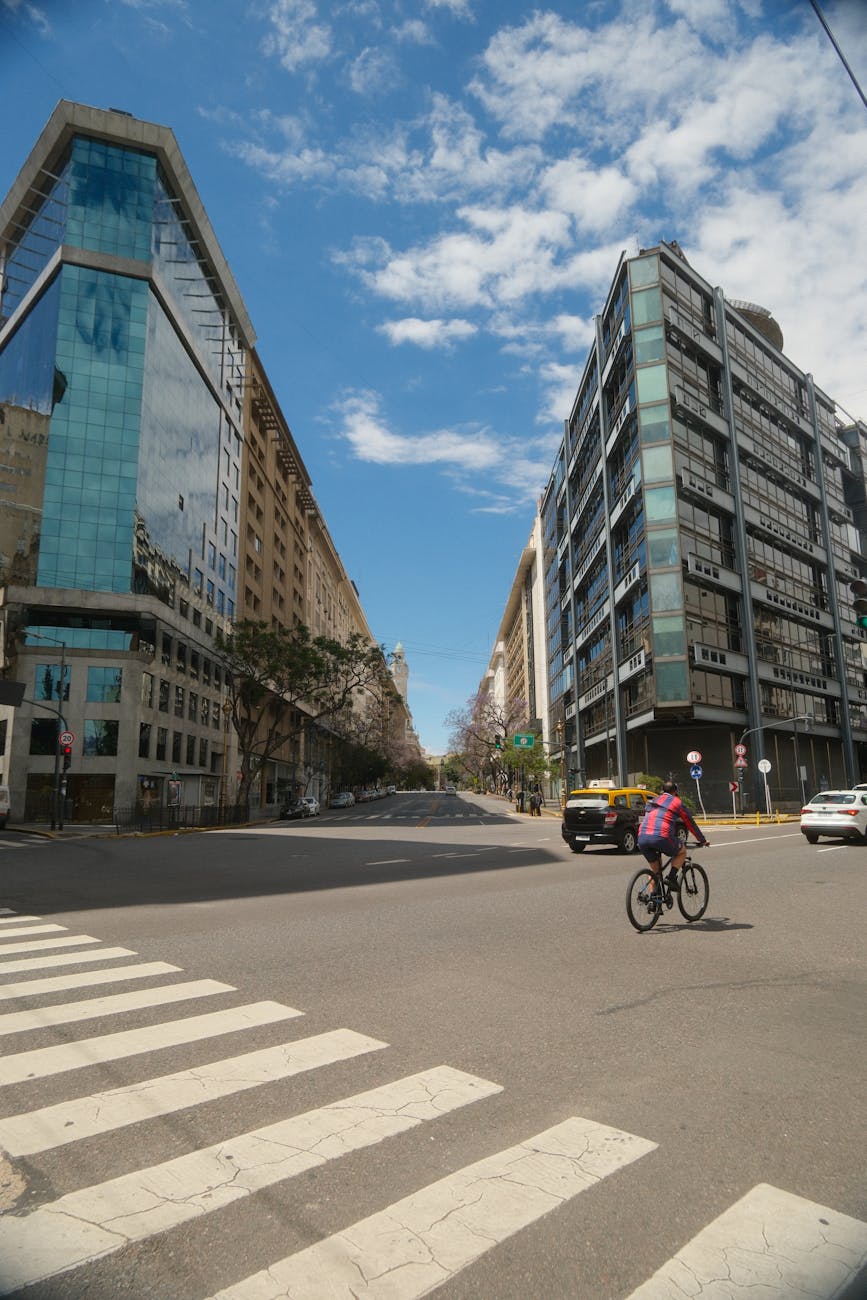
- Walk or cycle short distances — Palermo and Puerto Madero are especially pedestrian and bike-friendly. Use licensed taxis or verified apps for safety and fair pricing.
- Respect neighborhoods: avoid photographing people without permission in markets and residential streets; be discreet in quieter areas like Recoleta cemetery.
Common Mistakes to Avoid
Save frustration and money by avoiding these common errors:
- Don’t exchange large amounts at street “blue” vendors. Use official bank branches, airport kiosks for small amounts, or card payments and withdraw cash from ATMs sparingly.
- Don’t assume taxis accept cards; check the meter and whether the driver can process a card before starting the ride.
- Avoid booking accommodation purely on price without checking neighborhood safety, proximity to transit, and recent guest reviews.
- Don’t over-schedule: Buenos Aires rewards slow discovery. Trying to cram too many distant neighborhoods into one day increases taxi costs and stress.
- Avoid visiting La Boca after dark or wandering away from the main Caminito area; go during daylight and consider a guided walk if you want context and safety.
FAQ
How much should I withdraw on arrival?
Withdraw enough local currency (ARS) for taxis from the airport, a few meals, and SUBE card top-ups — typically the equivalent of 50–100 USD for starters. Use cards for larger purchases and check ATM fees.
Is it cheaper to eat out or cook?
Eating at local bodegas, empanada shops, and market stalls is affordable and culturally rich. Grocery shopping and cooking in an apartment can be cheapest, but restaurants in Buenos Aires often offer good value compared with many capitals.
How do I get the best rate for a long-distance bus?
Book directly on company websites or reputable aggregators. Look for promos during shoulder seasons and buy earlier for holiday weekends. Bring printed or digital tickets to the terminal.
Can I use rideshare apps?
Yes — apps like Cabify and BA Taxis operate alongside radio taxis. For safety, check driver details, vehicle plates, and follow simple precautions like sharing your ride with someone.
Any tipping etiquette?
Tipping is polite but modest. Restaurants typically expect around 10% for table service; rounding up for small purchases and leaving small change for bag carriers is appreciated.
Conclusion
Buenos Aires can be surprisingly affordable for travelers who plan a little ahead and prioritize local options. Use this budget guide alongside our 3 days in Buenos Aires itinerary to match daily costs to your pace and preferences. Book key transport and weekends in advance, favor shoulder-season travel for lower prices and milder weather, and choose local businesses to keep your spending sustainable. If you're continuing to Rosario, Mar del Plata, Córdoba, Mendoza or Salta, factor in extra travel time and book those connections early for the best value.
How this guide was prepared
This guide was prepared through a structured research that combines destination research, geographic context, itinerary planning logic, and content review.