
Getting Around Tokyo — Practical, Local-First Guide
How to navigate Tokyo sustainably and efficiently: train lines, IC cards (Suica/PASMO), last-train realities, walking-friendly neighborhoods, luggage tips, and day-trip connections to Yokohama, Kawasaki, Chiba and more.
Compact, scan-friendly advice for getting between neighborhoods, airports, and nearby cities. Prioritizes public transit, shoulder-season timing, local spending, and low-impact choices to support your 3 days in Tokyo itinerary.
Quick Answer
Compact, scan-friendly advice for getting between neighborhoods, airports, and nearby cities. Prioritizes public transit, shoulder-season timing, local spending, and low-impact choices to support your 3 days in Tokyo itinerary.
Who This Page Is For
This page is for travelers planning a stay in Tokyo who want clearer decisions about getting around, local logistics, timing, budgeting, and practical trip planning.
How This Page Was Prepared
This page was prepared through a structured editorial workflow that combines destination research, geographic context, and practical travel-planning review.
Plan the Rest of Your Trip
Use this page together with the full itinerary and the related planning pages below to make better booking, timing, transport, and budget decisions.
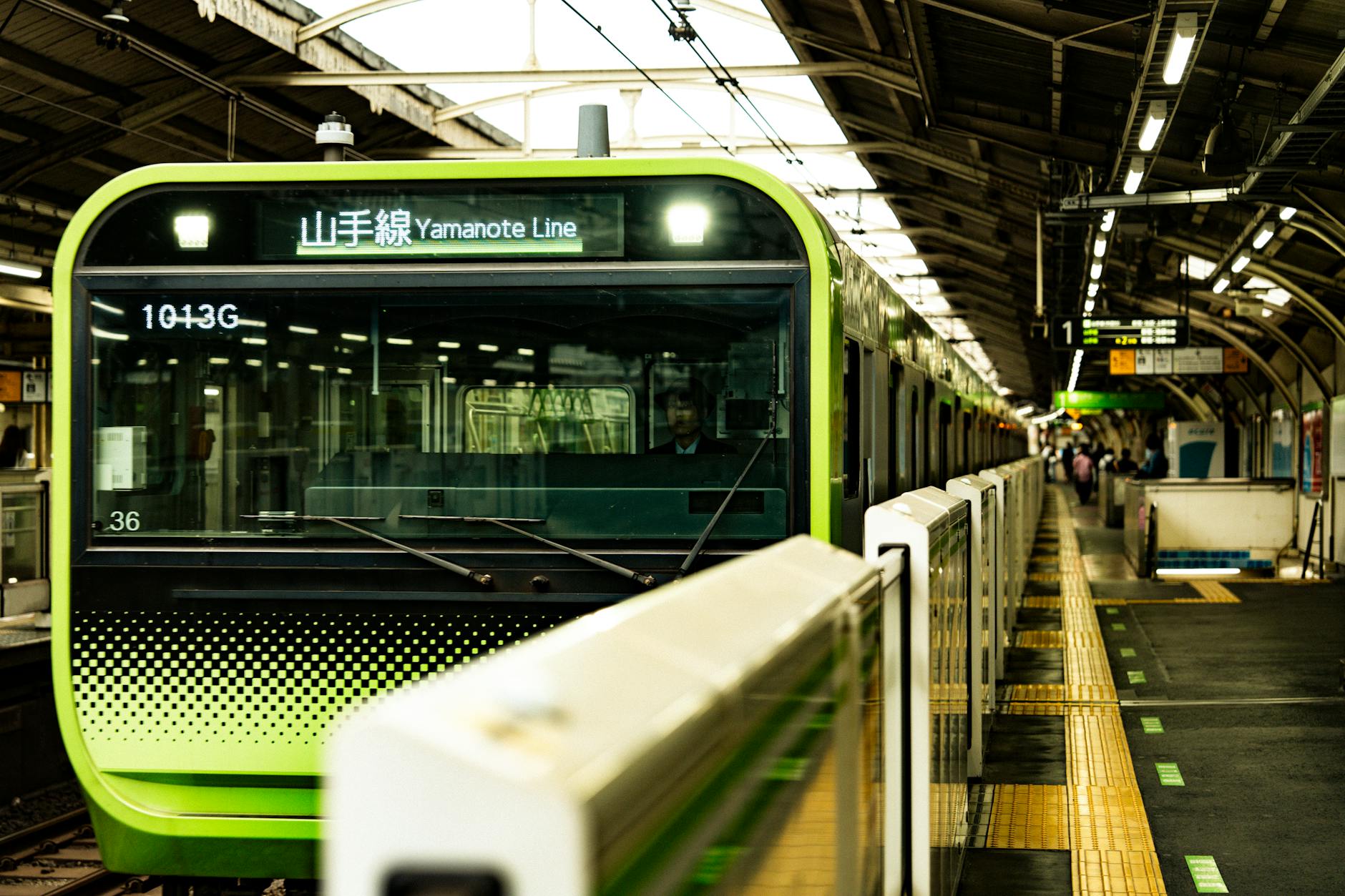
Use a rechargeable IC card (Suica or PASMO) on trains, subways, buses and many shops. For most visitors, the JR Yamanote Line + Tokyo Metro cover the core 3-day loop. Buy a card on arrival, check first/last train times for late nights, and use luggage-forwarding (takkyubin) if you want hands-free neighborhood hopping.
Tokyo is dense but easy to move around when you plan for trains, brief walks, and occasional buses or taxis. This page focuses on practical choices that save time, reduce carbon impact, and keep money in local neighborhoods — ideal as a companion to the main 3 days in Tokyo itinerary and for day trips to Yokohama, Kawasaki, Chiba, Hamamatsu, or Takayama.
What This Page Helps You Decide
This support page helps you choose how to move between neighborhoods and nearby cities without wasting time or budget. It answers:
– Whether to rely on walking vs. subway for a day of neighborhoods (Shinjuku, Shibuya, Harajuku, Omotesando).
– When to use regional trains or passes for day trips (Yokohama, Kawasaki, Chiba, Takayama).
– When to take taxis or airport express trains (Haneda Monorail/Keikyu, Narita Express/Keisei Skyliner).
– How to handle luggage and last-train timing so your evenings match the 3-day Tokyo itinerary.
Top Recommendations
Start here for the most useful, low-impact choices:
– Get a Suica or PASMO at the airport or any major station. It works on JR, Metro, buses and in konbini — avoids paper tickets and keeps lineups short.
– For central Tokyo, rely on the JR Yamanote Line plus Tokyo Metro lines (Ginza, Marunouchi, Hibiya) to connect major sights. Buy single-stop short-distance tickets only if you prefer not to preload a card.
– Book Narita access: Narita Express or Keisei Skyliner for faster airport-city transfers; expect 60–90 minutes. For Haneda choose the Tokyo Monorail or Keikyu Line (20–30 minutes from central Tokyo).
– Avoid rush-hour trains (weekday mornings 7:30–9:30, evenings 17:00–19:30). If you must travel then, allow extra time or walk short hops between close neighborhoods.
– Use luggage forwarding (takkyubin) from the airport to your hotel to travel light, and find coin lockers at major stations for daytime exploration.
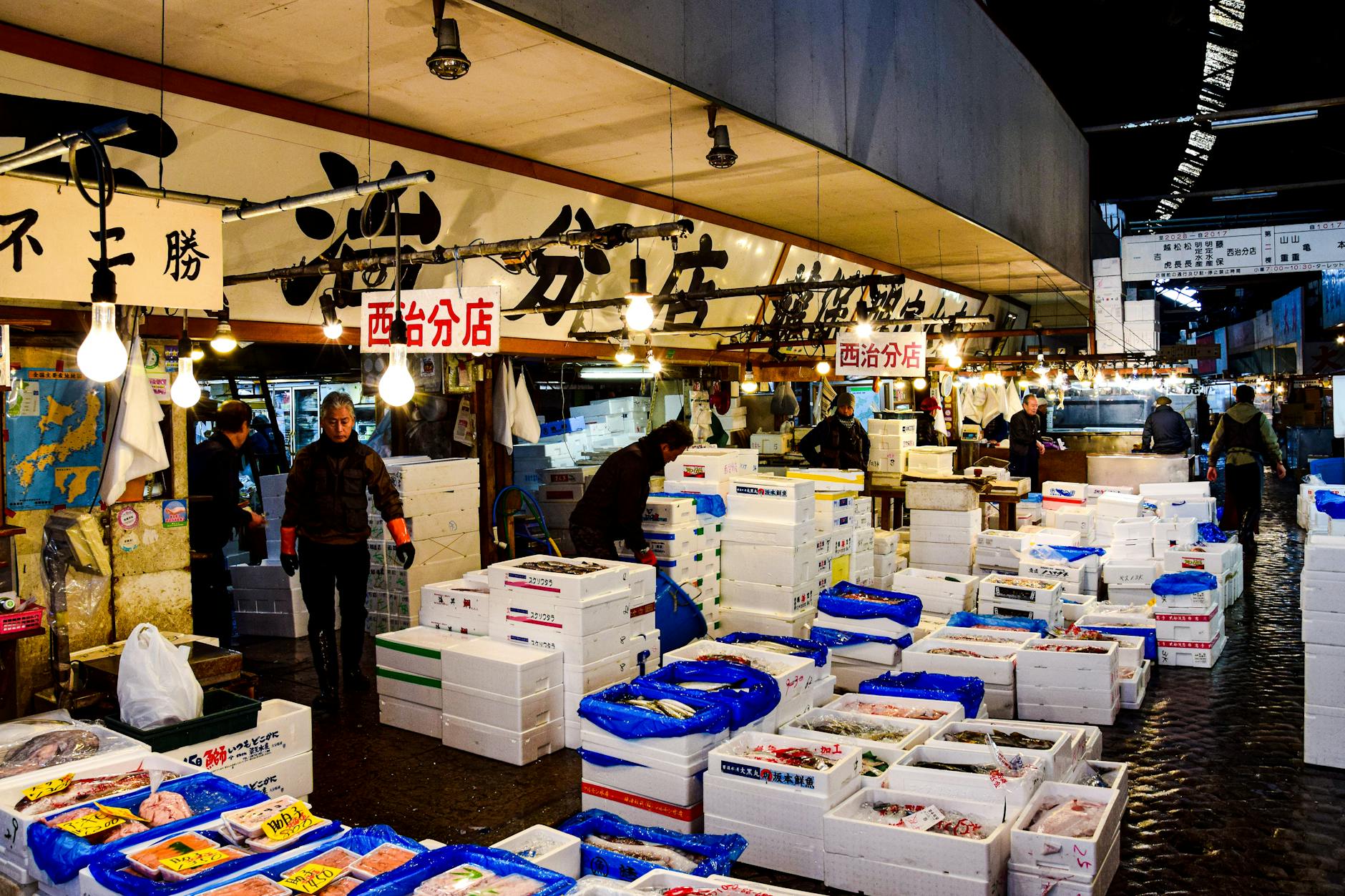
– Prefer local businesses: buy breakfast at a corner bakery in Nakameguro, eat at small izakaya in Ebisu, or shop at Tsukiji Outer Market to support neighborhood vendors.
– Consider day-trip rail passes if you plan longer travel to Takayama or multiple prefectures; for Yokohama and Kawasaki single tickets or Suica trips are usually cheaper.
Local Context
Neighborhood realities:
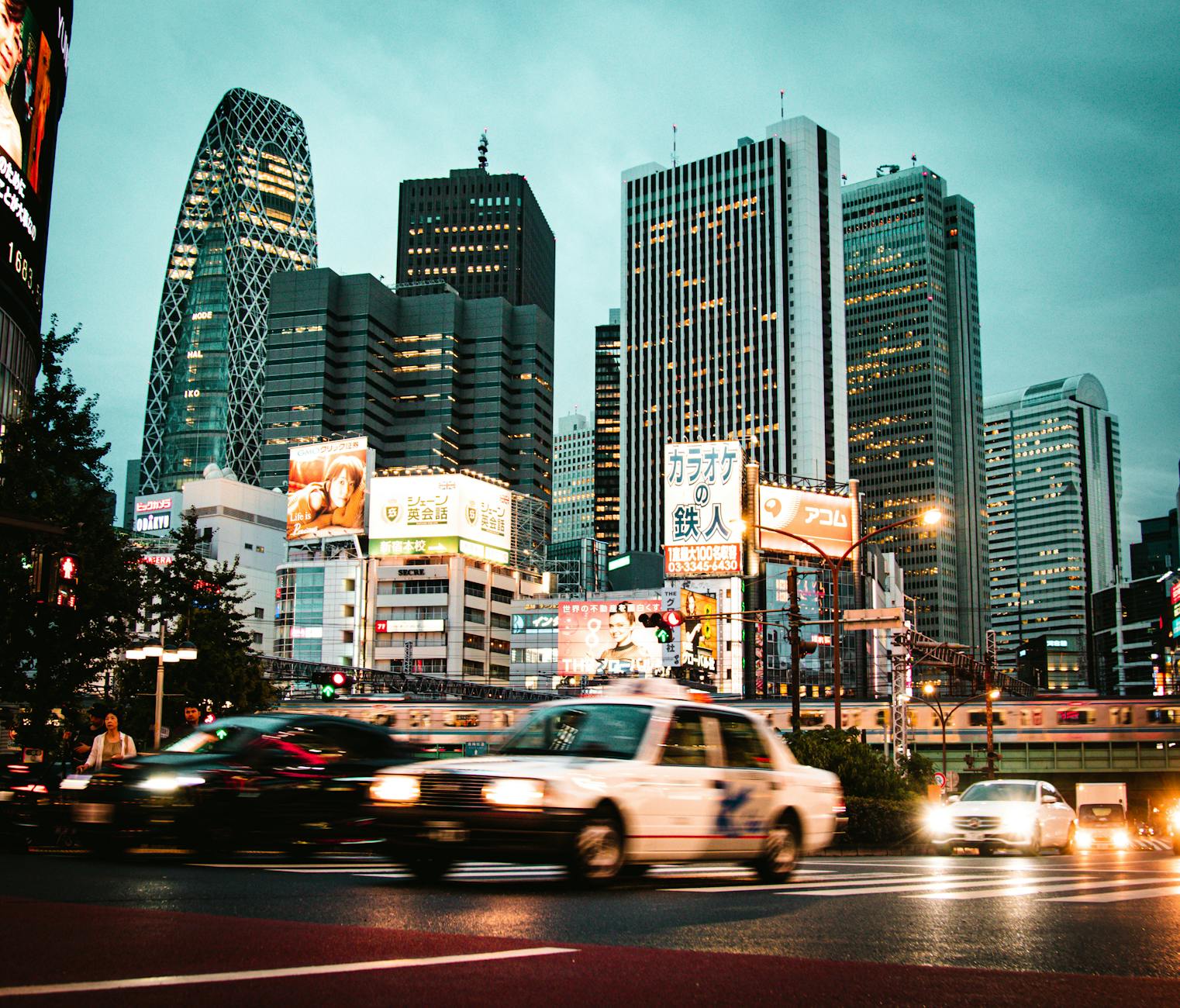
– Shinjuku: a major transport hub with multiple exits; allow 10–20 minutes to walk between east and west sides. Nightlife is concentrated around Kabukicho and Golden Gai.
– Shibuya/Harajuku/Omotesando: compact for walking; Meiji Shrine is a short walk from Harajuku Station. Weekends get crowded — mornings are quieter.
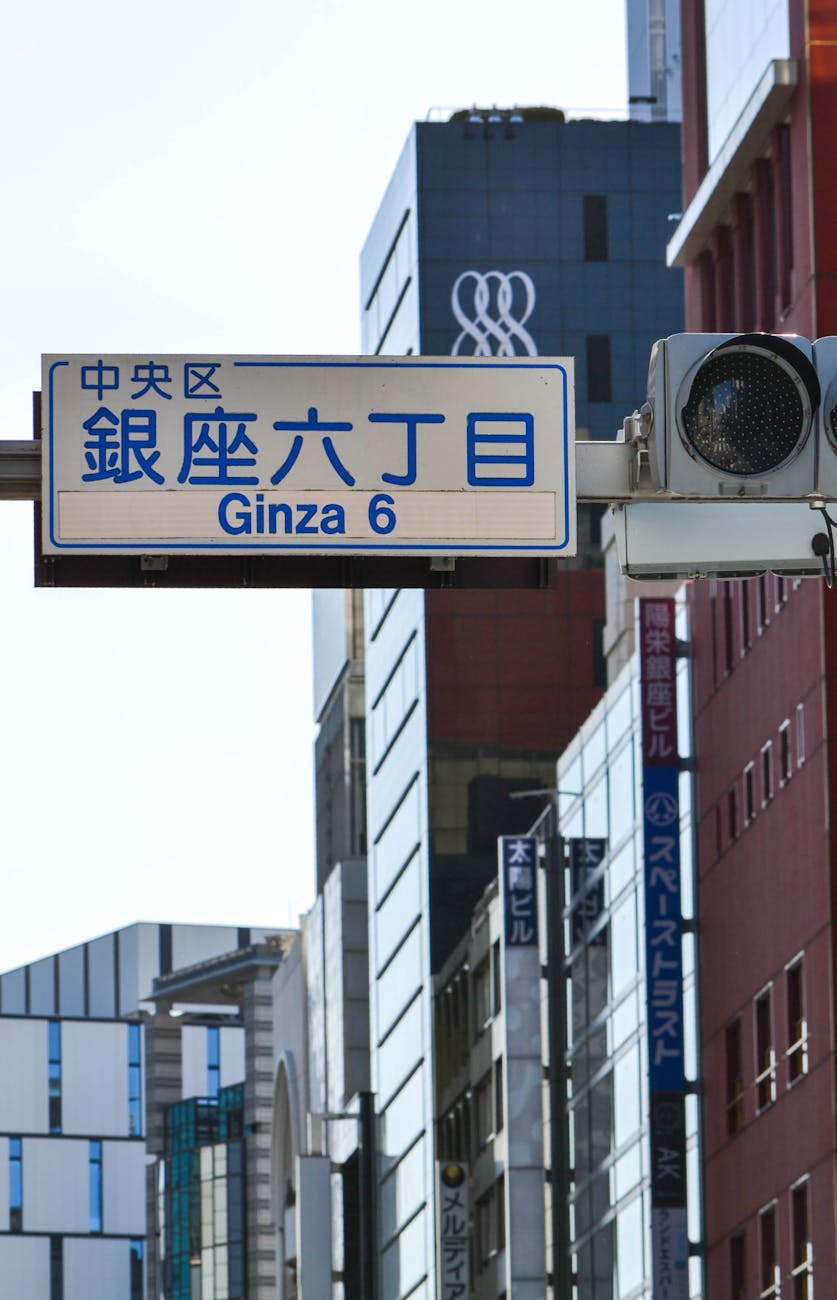
– Ginza: best walked between shops; some streets pedestrianize on weekends. Expect mid-range to high-end dining.
– Asakusa and Ueno: historic districts with excellent street-level markets and museums; connect by Tobu or Ginza Line.
Seasonal patterns:
– Cherry blossom season (late March–April) draws crowds to Ueno, Meguro River and Sumida Park; plan early starts.
– Rainy season (June) raises the value of covered shopping arcades and museums.
– Shoulder months (October–November, February–March) offer pleasant walking weather and lower peak crowds.
Transport realities:
– Stations are large, with multiple exits named by numbers and landmarks; check exit maps in advance for a shorter walk.
– English signage is widespread but always confirm platform numbers on apps. Trains are punctual — arrive on time.
Local etiquette:
– Queue at marked lines on platforms, stand to the left on escalators in most areas (right in Osaka).
– Avoid phone calls on trains, keep voices low, and observe priority seats for elderly or pregnant riders.
– Tipping is not customary in Japan; show appreciation by supporting local vendors and leaving places tidy.
How to Choose Well
Decide based on these simple criteria:
– Time vs. cost: For door-to-door speed to the airport, pay for Narita Express or a taxi to Haneda. For budget travel to Yokohama or Kawasaki use regular JR lines with Suica.
– Distance and luggage: If carrying large bags, use coin lockers, takkyubin, or a taxi for short hops between stations.
– Number of regional trips: If you only plan local Tokyo travel and a single excursion to Yokohama, skip a nationwide JR Pass. If travelling to Takayama or multiple regions, a JR Pass or regional pass may save money.
– Crowds and comfort: Choose early mornings for popular sights. When walking neighborhoods like Yanaka or Kichijoji, prefer shoulder-season days for lower impact and better service at local shops.
Practical booking tips:
– Download Hyper-local apps: Google Maps, Navitime or Japan Transit Planner, and the official JR East app. Keep a screenshot of your hotel address in Japanese for taxi drivers.
– Reserve Narita Express seats during holidays; Skyliner tickets sell fast on peak arrival days.
– Book accommodation near the train line you'll use most often to reduce daily transit time — this makes following the 3 days in Tokyo itinerary smoother.
Responsible and Local-First Tips
Small choices support local communities and reduce impact:
– Use public transit and walking rather than taxis when possible.
– Eat at neighborhood izakaya and mom-and-pop noodle shops instead of large chains to keep spending local.
– Bring a reusable bottle; many stations and convenience stores have filtered water stations.
– Time visits to markets like Tsukiji Outer Market during off-peak hours to avoid congestion.
– Respect seasonal closures and shrine etiquette: remove hats and speak softly, and follow photography rules.
– Choose shoulder-season travel and stagger arrival times across neighborhoods to reduce pressure on small businesses and transit during peak times.
Common Mistakes to Avoid
Watch for these easy-to-avoid errors:
– Assuming one station exit gets you to your hotel: large stations have many exits — check the correct exit number.
– Missing last trains: many lines end around midnight; plan a late-night taxi or book accommodation near nightlife areas.
– Overpacking your day: Tokyo neighborhoods are denser than they look; pick two adjacent areas per day following the 3 days in Tokyo plan.
– Using taxis for routine trips: they’re convenient late at night but costly and less sustainable.
– Expecting universal card acceptance: Suica/PASMO are widely accepted, but some small shops prefer cash — carry a small amount of yen.
FAQ
What card should I buy on arrival?
Get a Suica or PASMO. Buy one at airport kiosks or any JR/Tokyo Metro ticket machine. Top up at machines or convenience stores.
Do I need a JR Pass for 3 days in Tokyo?
No. For a city-focused 3-day stay, local fares plus an IC card are usually cheaper. Consider a JR East or regional pass if you plan multiple day trips beyond Yokohama/Kawasaki.
How do I get from Narita to central Tokyo sustainably?
Take the Narita Express or Keisei Skyliner to central stations; both are efficient. Avoid long taxi rides; consider bus if on a tight budget but accept longer travel time.
Are trains safe late at night?
Tokyo is very safe, but last trains finish around midnight. If you’re out later, use taxis or plan to return by earlier services. Keep an eye on station timetables.
Can I use Suica outside Tokyo?
Yes. Suica/PASMO work across most major cities for trains, subways and buses, and at many stores nationwide.
How do I find quieter times to visit popular spots?
Arrive at popular markets and shrines early (8–9am) on weekdays or late afternoon. Avoid weekend midday peaks, especially during cherry blossom season.
Conclusion
With a Suica/PASMO, a basic sense of the JR and Metro map, and a few low-impact choices (walking, local dining, luggage forwarding), getting around Tokyo supports both efficient sightseeing and neighborhood economies. Use this guide alongside the 3 days in Tokyo itinerary for tightly planned days and add simple rail trips to Yokohama, Kawasaki or Chiba when you want to stretch beyond the city.
How this guide was prepared
This guide was prepared through a structured research that combines destination research, geographic context, itinerary planning logic, and content review.