
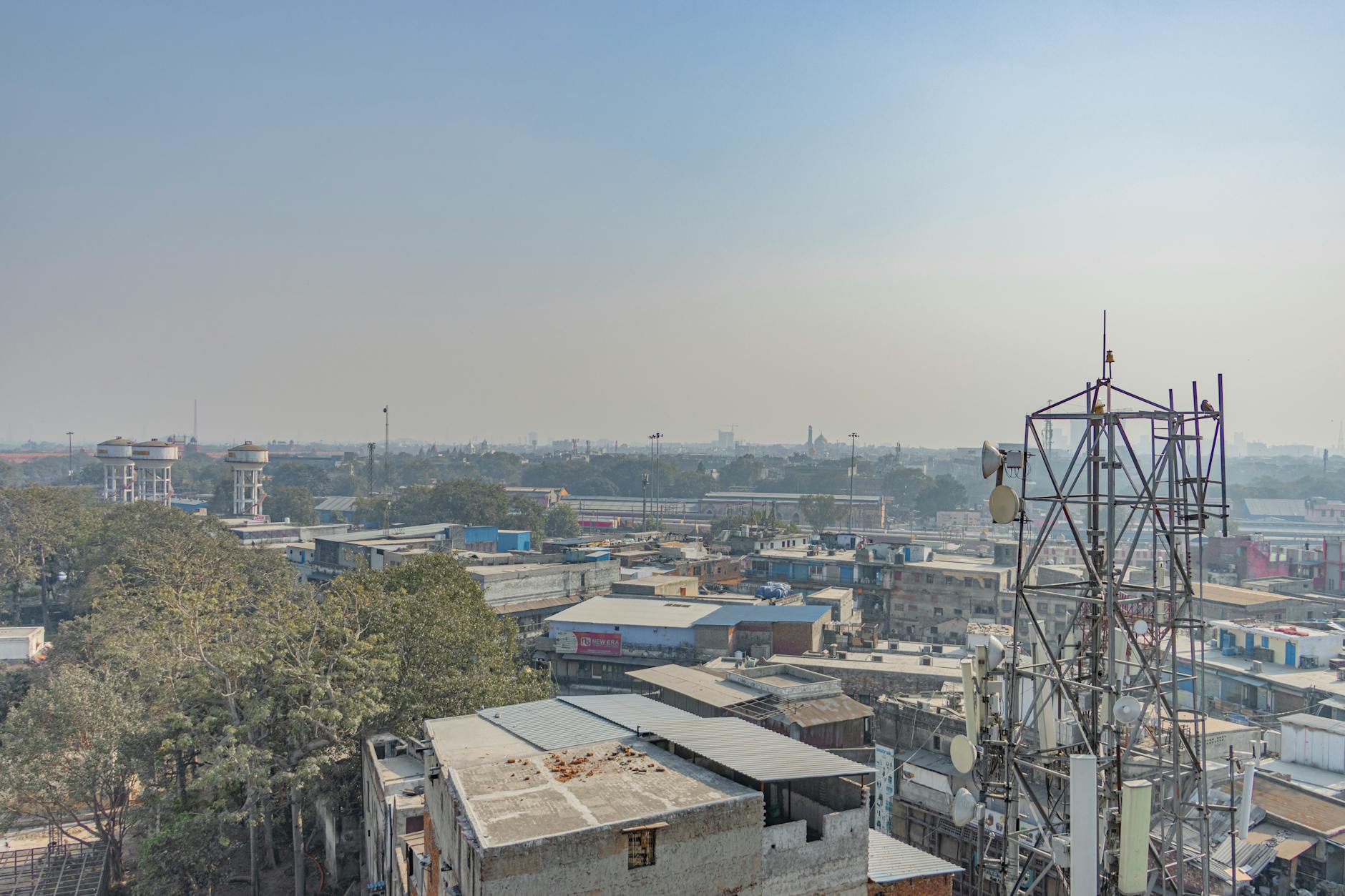
Getting Around New Delhi — Practical, Local-First Transport Guide
Essential, sustainable advice for getting around New Delhi: metro, rickshaws, trains to Agra, airport transfers, neighborhood tips, and low-impact choices for a 3-day visit.
A concise, practical guide to moving around New Delhi for visitors using the city as a base for a 3-day trip and nearby day trips. Focused on low-impact transport, realistic timing, local etiquette, and booking tips.
Quick Answer
A concise, practical guide to moving around New Delhi for visitors using the city as a base for a 3-day trip and nearby day trips. Focused on low-impact transport, realistic timing, local etiquette, and booking tips.
Who This Page Is For
This page is for travelers planning a stay in New Delhi who want clearer decisions about getting around, local logistics, timing, budgeting, and practical trip planning.
How This Page Was Prepared
This page was prepared through a structured editorial workflow that combines destination research, geographic context, and practical travel-planning review.
Plan the Rest of Your Trip
Use this page together with the full itinerary and the related planning pages below to make better booking, timing, transport, and budget decisions.
For most visitors the fastest, safest, and lowest-impact option is the Delhi Metro plus walking and short auto-rickshaw rides in old quarters. Use app-based taxis for late-night or luggage-heavy trips and book intercity trains (Shatabdi/Gatimaan) or private cars for Agra. Prepaid airport taxis and the Airport Express line are reliable for arrivals. Buy a reusable metro smart card or use contactless payments where available to save time.
This page is a transport-focused companion for visitors using New Delhi as a base for a short stay or as part of the 3 days in New Delhi itinerary. It explains realistic travel times, local transport choices, and sustainable alternatives so you can move between your hotel, major sights, and nearby cities like Gurgaon, Noida, Faridabad or Agra with less stress and more local benefit.
What This Page Helps You Decide
Use this guide to choose where to stay, how to reach the airport and railway stations, how to plan day trips, and which transport mode to pick for each leg of your 3-day itinerary. Practical decisions covered include:
- Which neighborhoods are best for access to the metro and attractions (Connaught Place for centrality; Hauz Khas or Greater Kailash for evenings and parks).
- How to get to Agra, Chandigarh, Gurgaon, Noida, and Faridabad from New Delhi.
- When to prefer metro, app-cab, cycle rickshaw, or walking based on time of day and luggage.
- Booking advice for trains, airport transfers, and guided local walks.
Top Recommendations
Key, actionable choices to move efficiently and responsibly:
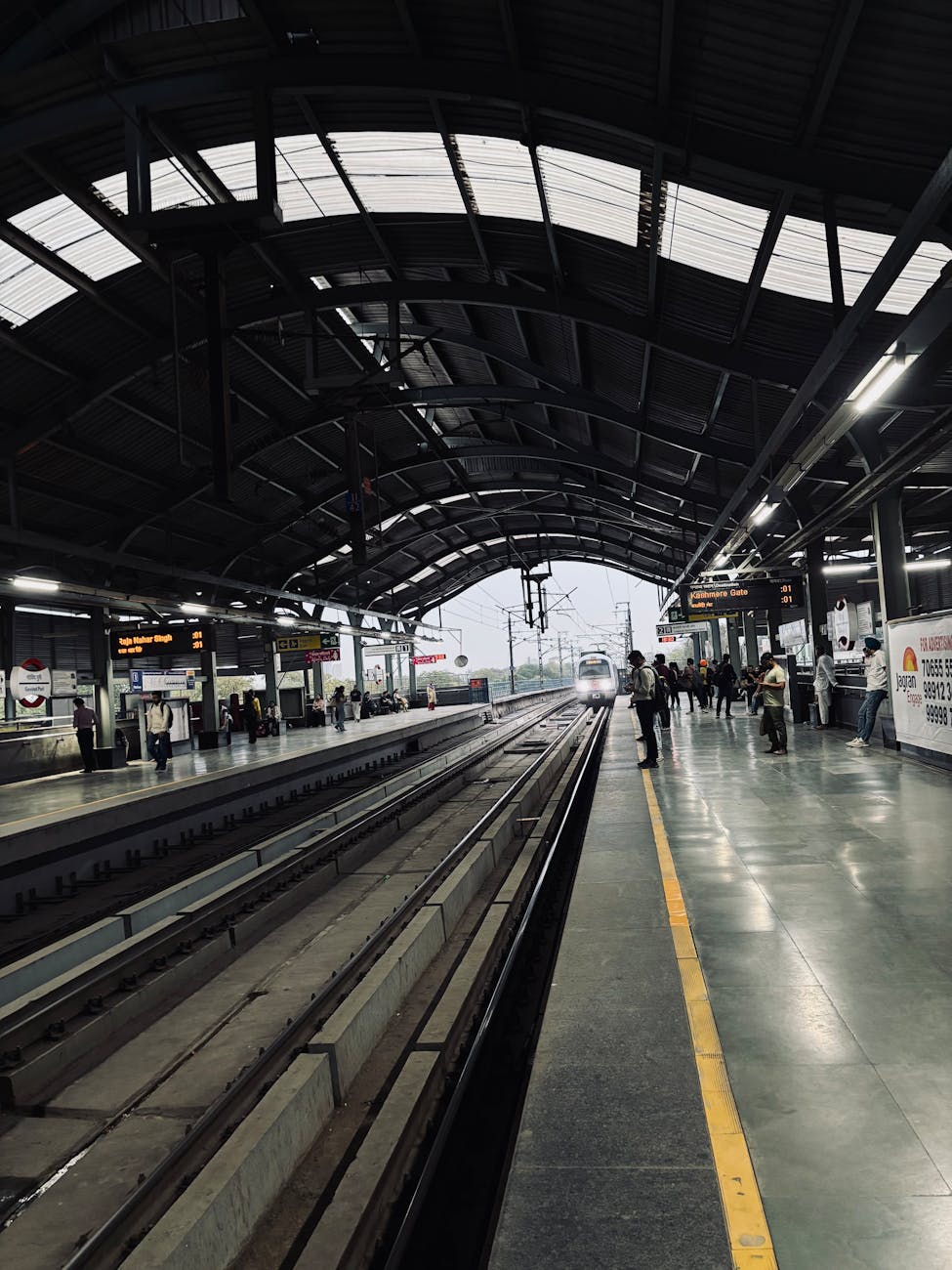
- Metro first: Use the Delhi Metro for most cross-city travel. Major interchange hubs (Rajiv Chowk, Kashmere Gate, New Delhi, Central Secretariat) connect lines that reach Noida, Gurgaon, and parts of Faridabad.
- Walk where practical: Central Delhi, Lodhi Garden, and Hauz Khas are best experienced on foot in cooler hours.
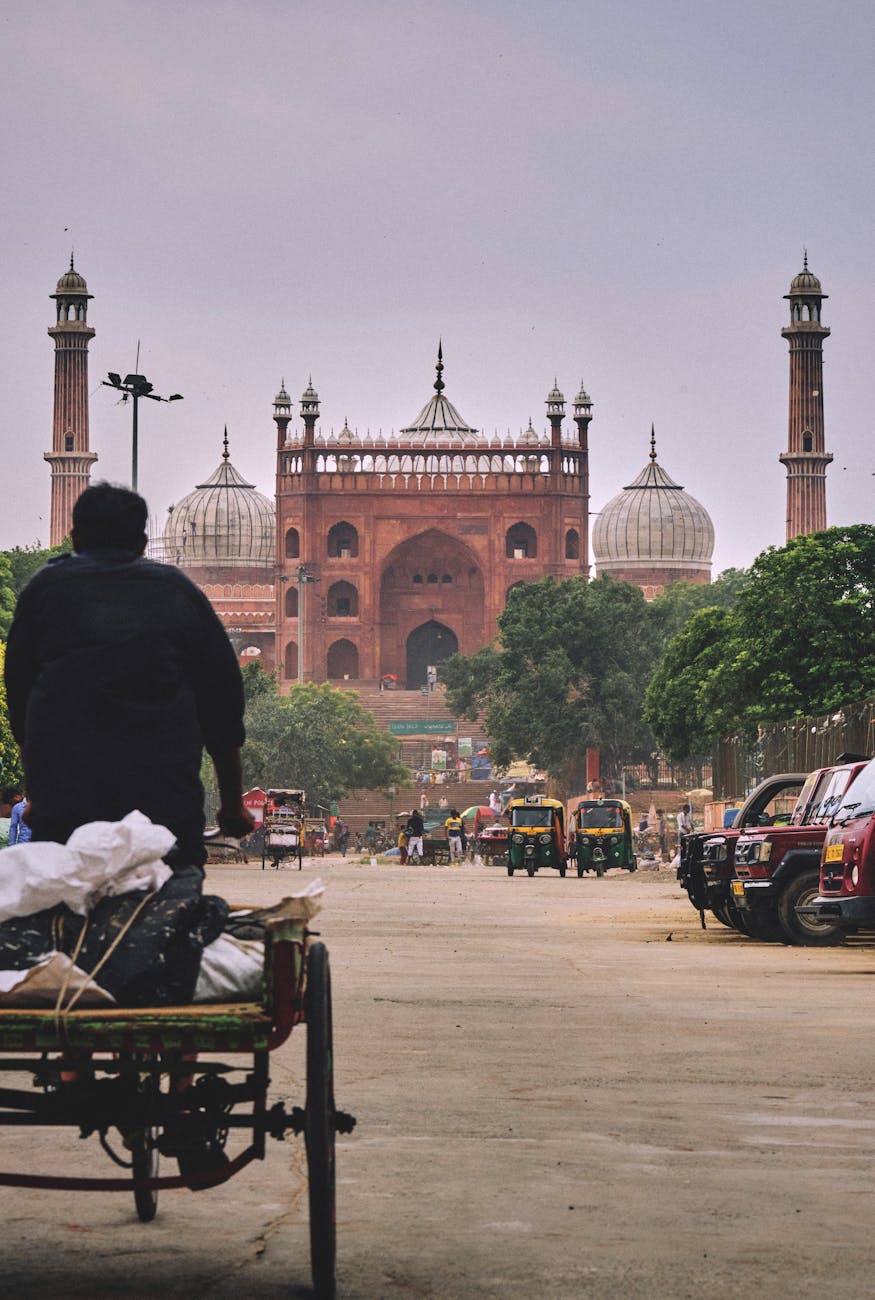
- Short trips in Old Delhi: Use cycle rickshaws or auto-rickshaws for narrow lanes—confirm the meter or agree a price before boarding.
- Airport and big luggage: Use the Airport Express, prepaid airport taxi counters, or a reputable app-cab for early/late flights.
- Day trips: Book Shatabdi/Gatimaan or other express trains to Agra in advance; for smaller groups, a private car can be time-efficient but consider carbon impact.
- Smart card: Get a DMRC metro smart card or use contactless payments for frequent travel and to skip ticket queues.
These choices complement the routes and pacing suggested in the 3 days in New Delhi itinerary and keep travel times predictable.
Local Context
A few local realities that affect travel choices:
- Neighborhoods matter: Connaught Place and the Delhi Cantonment area give central access; Paharganj is cheap but noisy; Hauz Khas, Greater Kailash and South Delhi are better for cafes and evening walks.
- Seasonal patterns: Best travel months are October–November and February–March. Summers (April–June) can be extremely hot; monsoon (July–September) brings delays and humidity. Winter smog can lower air quality from November to February—check AQI before long walks.
- Metro etiquette and logistics: Peak hours (08:00–10:30 and 17:30–20:00) are very crowded. There are women-only coaches, orderly queues at major stations, and security checks at entrances.
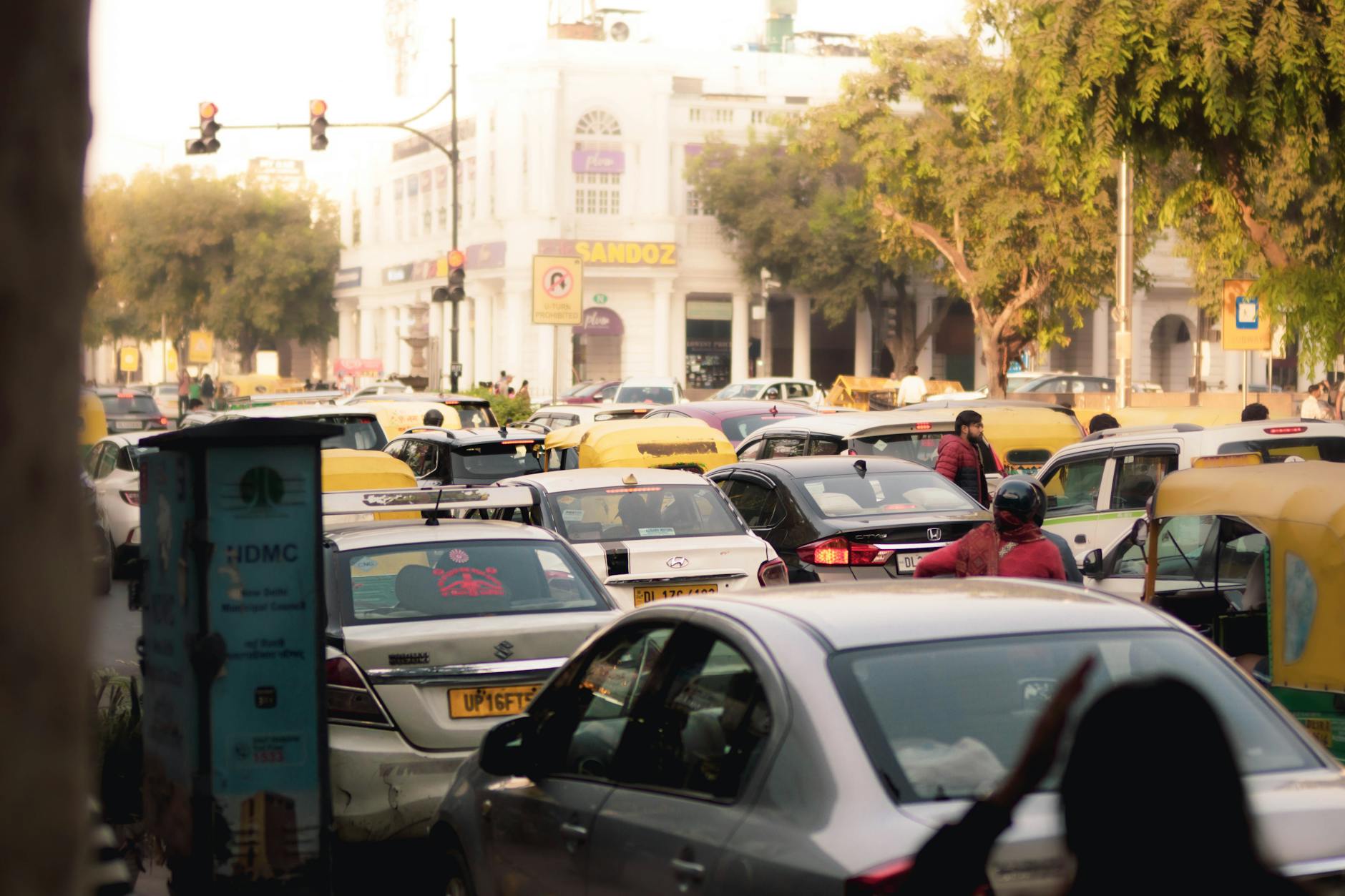
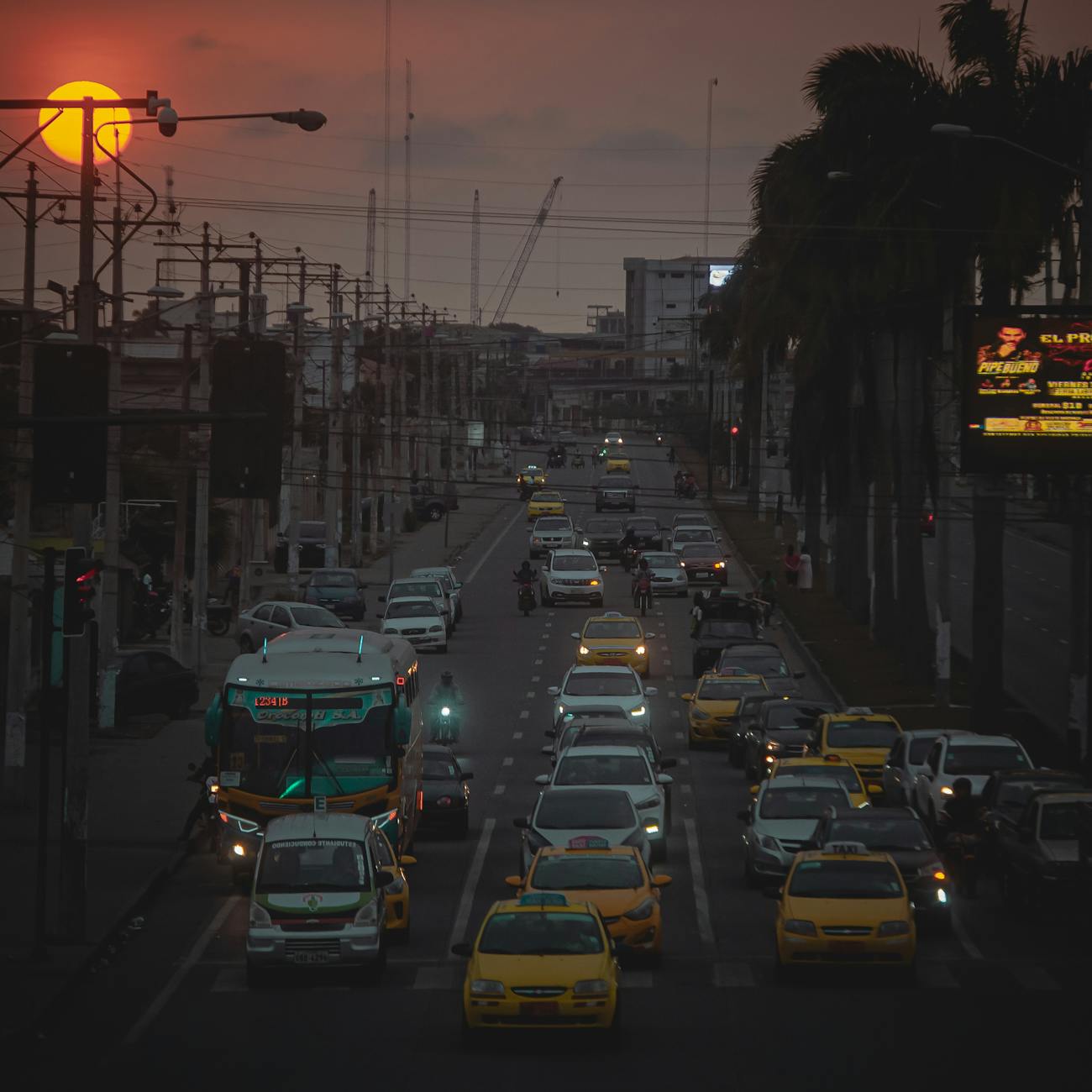
- Road reality: Surface traffic is often slower than it looks. Allow extra time for cars and taxis, especially across the Ring Road or toward Indira Gandhi International Airport.
How to Choose Well
Match mode to context:
- Short, congested trips under 3 km: walking or cycle rickshaw in Old Delhi; auto-rickshaw elsewhere for convenience.
- Cross-city trips of 5–20 km: metro is usually fastest during daytime.
- Night travel or heavy luggage: app-based taxi or prepaid airport taxi counter.
- Day trips to Agra/Chandigarh: book trains well in advance (Indian Railways/IRCTC) or an attentive private driver; factor in early starts.
Practical booking tips:
- Buy metro smart cards at major stations; use them for shorter queues.
- Reserve popular trains 30–60 days ahead for peak seasons and holidays.
- Keep a digital copy of hotel address in Hindi/Devanagari for taxi drivers unfamiliar with English names.
Responsible and Local-First Tips
Make choices that benefit local communities and reduce impact:
- Prefer public transit and shared rides to reduce emissions. The Delhi Metro has a lower per-passenger footprint than cars.
- Spend locally: choose family-run guesthouses, small cafes, and neighborhood shops rather than large chains.
- Use local guides for walking tours of Old Delhi or heritage neighborhoods—book directly with licensed guides when possible.
- Carry a refillable water bottle and keep a small pouch for waste; many public sites now have refill points.
- Respect sites and neighborhoods: remove shoes at temples, ask before photographing people, and keep voices low in religious spaces.
These choices support local businesses and make your visit more authentic.
Common Mistakes to Avoid
Avoid these common errors that waste time or money:
- Assuming app-cabs beat the metro during rush hour — they often get stuck in traffic.
- Not allowing enough time for security checks at major attractions or metro entrances during peak sightseeing times.
- Hailing unmetered rickshaws or taxis and skipping price agreement—use meters or agree fare first.
- Booking last-minute trains for Agra or Chandigarh during peak season.
- Packing large suitcases onto busy metro trains at peak times—plan luggage-friendly transfers at off-peak hours.
- Ignoring air-quality forecasts; plan outdoor walking for clear-air days or early mornings in cooler months.
FAQ
How do I get from Indira Gandhi International Airport (IGI) to central Delhi?
Use the Airport Express for a quick transfer to New Delhi station/Connaught Place area when timings match. For door-to-door, use the prepaid airport taxi desk or trusted app-cab; allow 45–90 minutes depending on traffic.
What's the best way to visit Agra from New Delhi?
Book an express train (Shatabdi or Gatimaan) from New Delhi station for a fast, comfortable trip. For groups or photographers, a private car allows flexible stops; expect 3–4 hours each way by car.
Are the metro and trains safe for solo female travelers?
Generally yes. The metro has women-only coaches and station security; avoid peak-hour crushes, and use women-only berths/areas on trains when available. Stay vigilant at late hours.
Can I use the metro to reach Gurgaon, Noida, or Faridabad?
Yes. Metro lines extend into Gurgaon and Noida; Faridabad is served by extensions as well. You may need local transfers (walking corridors or short rides) for some suburbs—check line maps before you travel.
Do I need to book trains to Chandigarh or other long-distance destinations?
For longer journeys and during peak season, book via IRCTC or through a reputable travel agent well in advance. Sleeper trains and AC coaches sell out during holidays.
Are cycle rentals available in Delhi?
Small-scale cycle rental schemes and guided cycling tours operate in areas like Lodhi Garden and around Rajpath. Use organized operators who maintain bikes and provide helmets.
Conclusion
Plan around the metro for efficient, low-impact travel, combine walking and local transport for authentic neighborhood experiences, and book trains or airport transfers ahead of time. For detailed daily pacing and suggested neighborhoods that match these transport choices, see the companion 3 days in New Delhi itinerary. If you plan day trips, check the linked pages for Agra, Gurgaon, Noida, Faridabad, and Chandigarh for specific schedules and recommended routes.
How this guide was prepared
This guide was prepared through a structured research that combines destination research, geographic context, itinerary planning logic, and content review.