
Getting Around Miami Beach: Practical, Sustainable Options
How to move around Miami Beach efficiently and responsibly: walking, buses, free trolleys, bikes, scooters, rideshares, parking tips, and day-trip links to Miami, Fort Lauderdale and West Palm Beach.
Clear, local-first advice for getting between beaches, neighborhoods, parking, and nearby cities. Perfect as a support page for the 3 days in Miami Beach itinerary—focus on low-impact options, seasonal realities, and practical booking tips.
Quick Answer
Clear, local-first advice for getting between beaches, neighborhoods, parking, and nearby cities. Perfect as a support page for the 3 days in Miami Beach itinerary—focus on low-impact options, seasonal realities, and practical booking tips.
Who This Page Is For
This page is for travelers planning a stay in Miami Beach who want clearer decisions about getting around, local logistics, timing, budgeting, and practical trip planning.
How This Page Was Prepared
This page was prepared through a structured editorial workflow that combines destination research, geographic context, and practical travel-planning review.
Plan the Rest of Your Trip
Use this page together with the full itinerary and the related planning pages below to make better booking, timing, transport, and budget decisions.
Best low-impact way to move: walk the beachfront boardwalk and use the free Miami Beach Trolley plus shared bikes/scooters for medium trips. For trips to downtown Miami or the airport, combine Brightline or Tri-Rail with a rideshare or bus for the last mile. If you must drive, reserve parking in advance and avoid South Beach by car during weekends and high season.
This page is a compact, practical guide to moving around Miami Beach for travelers who prefer local-first, low-impact choices. It’s written to support the 3 days in Miami Beach itinerary—use this as the transport reference while you follow that daily plan. Expect short walks, stand-alone strollable neighborhoods, free local trolleys, shared bikes and scooters, and busy roads at rush hour. Read the short sections that follow for concrete tips on getting to beaches, museums, restaurants, and neighboring cities like Miami, Fort Lauderdale, and West Palm Beach.
What This Page Helps You Decide
Use this page to pick how to get from place to place depending on time, budget, and sustainability goals. It helps you decide:
- Whether to walk, rent a bike, hop a free trolley, or take a rideshare for short hops.
- How to reach Miami Beach from MIA, Fort Lauderdale, or Miami Central station.
- When driving and paying for parking makes sense vs. using public transit or a shuttle.
If you plan to follow the linked 3 days in Miami Beach itinerary, check each day’s neighborhood and use the low-impact option recommended here for that area.
Top Recommendations
Priorities by distance and convenience:
- Walk and explore: South Beach (Ocean Drive, Española Way, Lincoln Road) is compact; plan to walk between most attractions.
- Free trolleys: Use the free Miami Beach Trolley loops for short cross-town hops—great for mornings and afternoons.
- Bikes and scooters: Rent for quick, scenic trips on the boardwalk or Collins Avenue; use bike lanes and lock properly.
- Rideshares and taxis: Best for late nights, airport runs, or trunked luggage. Expect surge pricing on event nights.
- Intercity: Use Brightline or Tri-Rail to Fort Lauderdale and West Palm Beach, then take a local shuttle or rideshare to reach Miami Beach.
Reserve bikes, scooters, and parking in advance when visiting in winter high season (Dec–Apr) or during large events.
Local Context
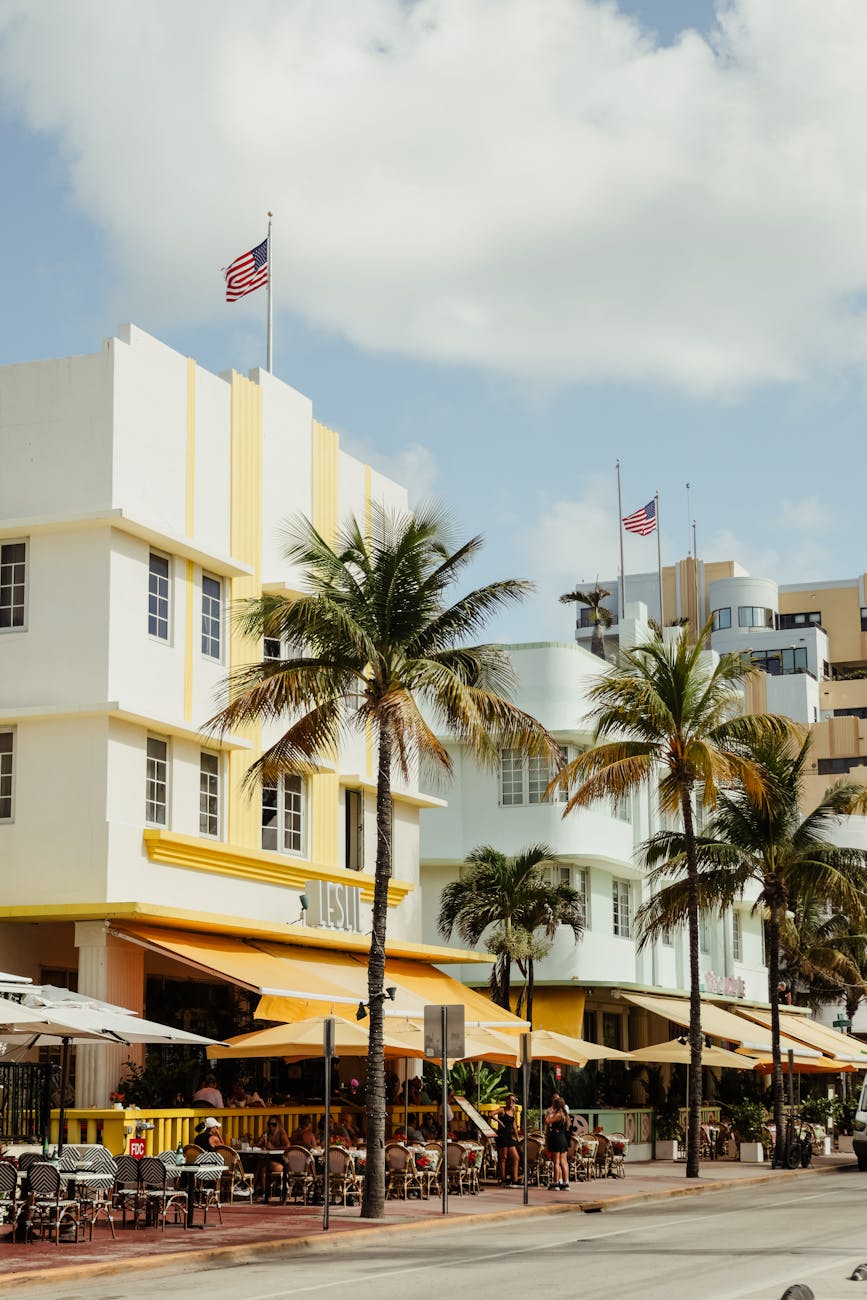
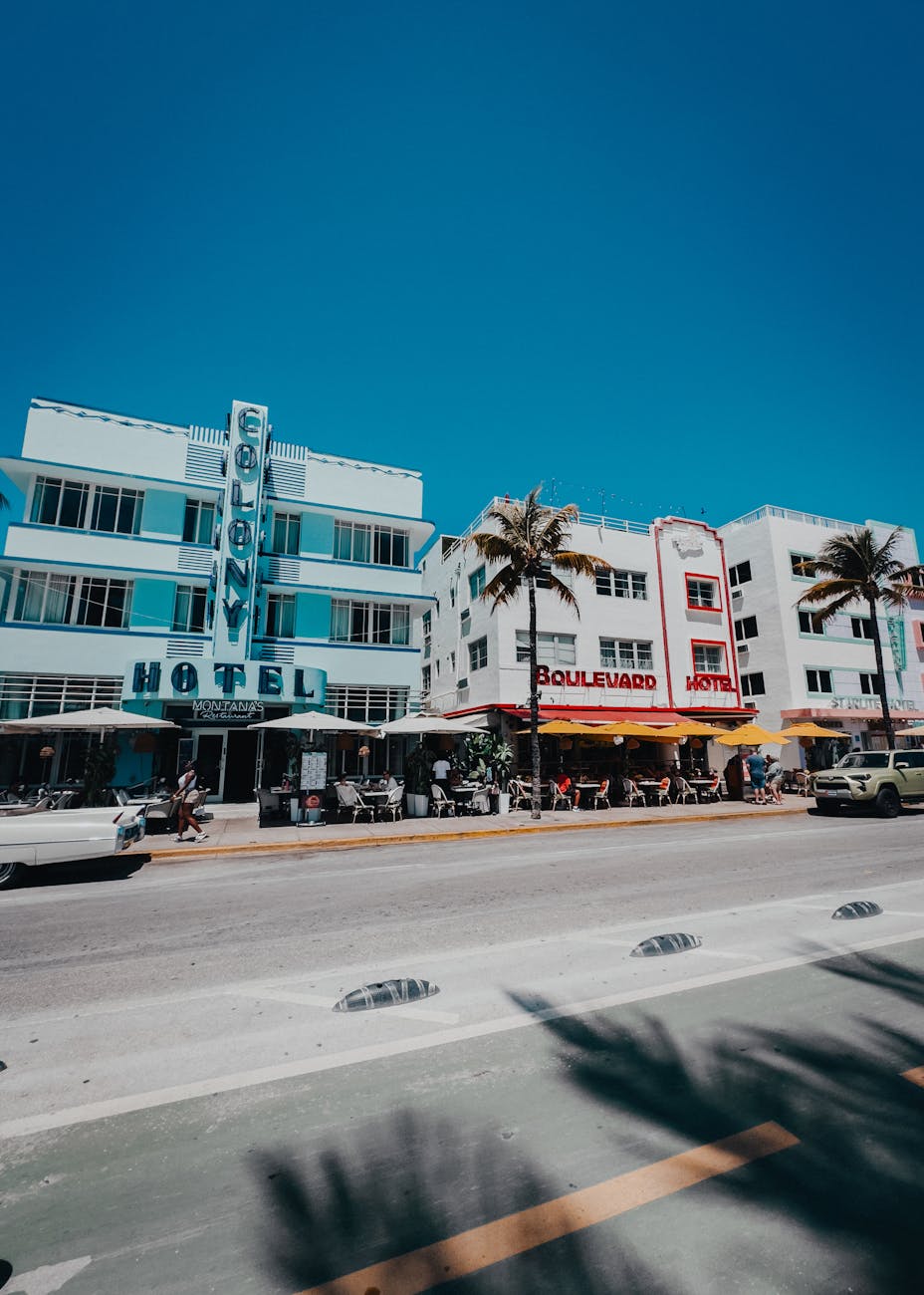
Neighborhood layout: South Beach (Art Deco, Ocean Drive) is the most walkable cluster; Mid-Beach (around 41st–63rd Streets) has hotels like the Fontainebleau area and a longer beach strip; North Beach is quieter and more residential. Traffic realities:
- I-95 and MacArthur Causeway congestion affects travel times to/from Miami and Fort Lauderdale during weekday rush hours. Allow extra time for transfers.
- Miami Beach has restricted through-roads and narrow streets—driving can be slower than expected.
Seasonal notes:
- Winter (Dec–Apr) is busiest: book airport transfers and hotel parking earlier.
- Summer shoulder months see afternoon storms; check schedules for outdoor activities.
Local etiquette and rules:
- Beaches have posted rules about glass, alcohol, and hours—follow lifeguards and signs.
- Tipping: 15–20% in restaurants and for taxis; for trolley drivers or bike shop staff, small cash tips are appreciated for extra help.
How to Choose Well
Match mode to trip length and luggage:
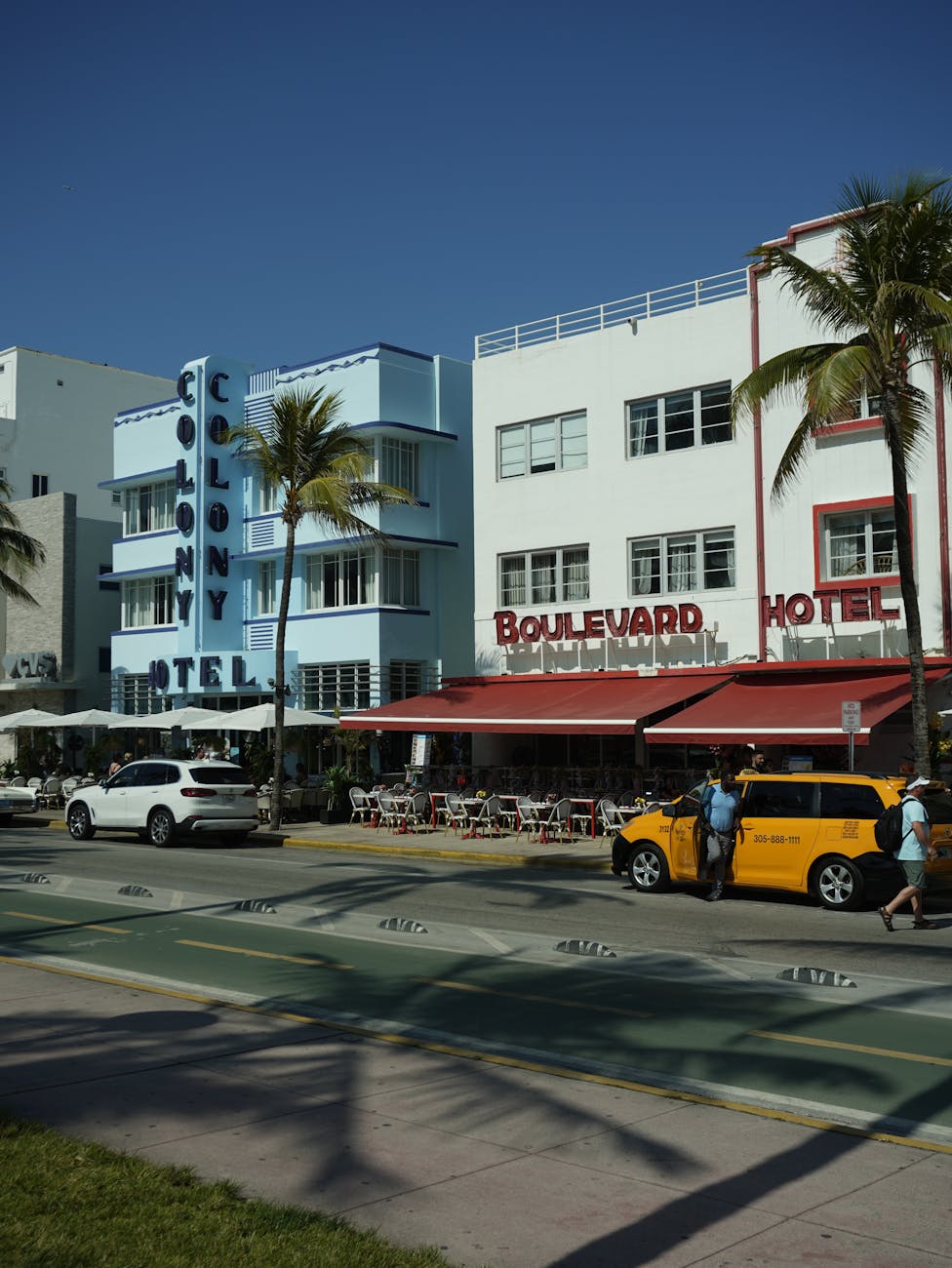
- Under 1 mile: walk. You’ll see markets, cafés, and Art Deco details missed from a car.
- 1–3 miles: bike or scooter—use dedicated lanes and return docks near Lincoln Road or South Pointe Park.
- More than 3 miles or at night: rideshare or taxi for speed and safety.
- To/from MIA: shared shuttle, rideshare, or public bus with one transfer; reserve a private shuttle only if arriving late or with lots of luggage.
Booking practicalities:
- Book airport transfers and event-day parking in advance for winter and event weekends.
- Use local apps or the city site to view trolley routes and real-time bus info.
- For day trips to Miami, Fort Lauderdale, or West Palm Beach, compare Brightline schedules and price to driving—Brightline often saves time and parking hassle.

Responsible and Local-First Tips
Choose options that support the local economy and reduce impact:
- Prefer the free Miami Beach Trolley and public buses for short trips—savings stay local.
- Rent bikes from independent local shops when possible; they often maintain equipment better and employ local mechanics.
- Eat and shop near where you arrive to support small businesses instead of chain outlets at tourist hubs.
- Carry a refillable water bottle and use public filling stations when available.
- Avoid idling rental cars; consolidate errands to reduce trips.
If taking a boat tour or water taxi, pick operators who follow no-wake rules near shorelines and who advertise wildlife-respectful policies.
Common Mistakes to Avoid
Frequent errors that add stress or cost:
- Driving into South Beach without pre-booked parking—expect limited options and high rates.
- Underestimating transfer time to Miami airport or to Fort Lauderdale during rush hours.
- Leaving valuables visible in parked cars on Collins Avenue—break-ins occur.
- Treating scooters like sidewalks: always yield to pedestrians and use bike lanes where present.
Avoid these and you’ll save time, money, and frustration while keeping local neighborhoods pleasant for residents.
FAQ
What’s the easiest way from Miami International Airport (MIA) to Miami Beach?
The simplest door-to-door options are rideshare or taxi (25–45 minutes depending on traffic). For a lower-cost option, take a public express bus to Collins Avenue or combine Brightline/Tri-Rail and a short rideshare. Book shared shuttles in advance for late-night arrivals.
Is it safe to use e-scooters and bike lanes in Miami Beach?
Yes, but follow local rules: wear a helmet if possible, stay in bike lanes, lock bikes to legal racks, dismount on crowded sidewalks, and park scooters in designated zones. Watch for pedestrians and obey traffic signals.
Can I drive to South Beach and park on the street?
Street parking exists but is limited and metered; rates can be high during winter and weekend nights. Use parking apps to pre-pay or reserve a garage. If you plan multiple stops in South Beach, consider parking once and walking or using the trolley.
How do I day-trip to Fort Lauderdale or West Palm Beach?
Brightline trains from Miami to Fort Lauderdale and West Palm Beach save time; you’ll need a last-mile transfer from MiamiCentral to Miami Beach by rideshare or bus. Driving on I-95 is straightforward but subject to rush-hour delays; plan accordingly.
Any etiquette for beaches and neighborhoods?
Follow posted beach rules, respect quiet hours in residential areas (late-night noise is frowned on), tip service staff, and shop at local cafés and markets to keep tourist dollars circulating locally.
Conclusion
Getting around Miami Beach is easiest when you mix walking, free trolleys, and short bike trips. Save driving for when you have to and plan transfers to nearby cities with time buffers. For a full day-by-day plan that maps neatly onto these transport suggestions, see the companion 3 days in Miami Beach itinerary. Thoughtful choices—pre-booking in shoulder season, supporting local shops, and using low-impact transit—make your trip smoother and better for the community.
How this guide was prepared
This guide was prepared through a structured research that combines destination research, geographic context, itinerary planning logic, and content review.