

3 Days in Leipzig: Practical Weekend Itinerary
A practical 3-day Leipzig guide with transit tips, neighbourhood plans, realistic costs, and must-see museums to plan a relaxed weekend.
Three realistic days to sample Leipzig's music, industrial art scene, green spaces and local food without overpacking the schedule.
Expect a city where large boulevards and open squares meet converted industrial yards and leafy parks. The musical pedigree—Bach at Thomaskirche, Gewandhaus concerts—sits alongside an art scene that grew out of former factories in Plagwitz and the university crowd in Südvorstadt. Public transit is frequent and compact; most main sights cluster within a 20–30 minute tram radius of Hauptbahnhof.
Initial impressions can be misleading: the centre feels orderly and easy to navigate, but noise from trams and weekend nightlife on KarLi (Karl-Liebknecht-Straße) is common in the evenings. The city suits travellers who tolerate walking and who like switching between museums, relaxed cafés and industrial-gallery visits. Business travellers will find efficient services and large trains at Hauptbahnhof, while leisure visitors will value shorter distances between different types of attractions.
Is 3 days in Leipzig enough?
Yes—three days are enough to see central highlights: Thomaskirche, Gewandhaus, Völkerschlachtdenkmal, the Baumwollspinnerei in Plagwitz and a neighborhood evening on KarLi. The caveat: museum collectors will need to skip at least one major museum or restrict time in each to avoid a rushed visit.
Who This Guide Is For
Best for culture-minded travellers who like museums, music venues and accessible walking days. Less suitable for travellers wanting a beach holiday, packed long-distance day trips, or those who avoid walking 6–8 km per day.
Local Tips for Leipzig
Practical details that most travel sites skip — specific to Leipzig.
- Buy single and day tickets through the MDV (Mitteldeutscher Verkehrsverbund) app or at DB/stop machines; a single AB ticket is roughly €3–3.50 and a Tageskarte (day pass) about €7–9 — machines accept EC/credit cards and cash.
- Tram and bus routes are run by LVB (Leipziger Verkehrsbetriebe); stop names like Augustusplatz, Hauptbahnhof, and Plagwitz appear on timetables — watch for line changes on Augustusplatz when heading west to Plagwitz.
- Take the S-Bahn S5 or regional RE to reach Flughafen Leipzig/Halle; trains to Hauptbahnhof take about 18–25 minutes and are included in MDV fare zones when ticketed correctly.
- For Gose beer try Bayerischer Bahnhof (historic brewery cellar) near the city centre — small pour of Gose costs around €3–4 and is a local specialty to sample.
- Left-luggage lockers and staffed storage are at Leipzig Hauptbahnhof (Hbf) and cost roughly €4–8 for a day; this is the most practical option for late departures or early check-outs.
How This Guide Was Prepared
Leipzig rewards time spent moving between different layers: the old music quarter around Thomaskirche and Gewandhaus, the Spinnerei galleries in Plagwitz, and large green strips like Clara-Zetkin-Park. Most guides emphasize famous composers but skip the city's industrial-art conversion, GDR-era urban textures and the way public life spills onto KarLi and the weekly markets. This guide was prepared through a structured research that combines destination research, geographic context, itinerary planning logic, and content review.
Plan Your Stay in Leipzig
Use this itinerary as your starting point, then compare areas to stay, transport options, seasonal timing, and realistic daily costs before booking.
Why Visit
Music history is a practical reason to visit: Thomaskirche and the Bach Museum offer concrete programs and guided tours tied to performances at Gewandhaus. Museum choices are compact; Museum der bildenden Künste and the GRASSI museums are within easy reach of Augustusplatz.
Industrial conversion is unusually visible here: the Baumwollspinnerei hosts working studios and changing exhibitions that show how factory space became a living art district. Large green corridors such as Clara-Zetkin-Park and the lakes at Cospuden give room to escape urban density without long travel. Finally, local food culture is specific: Gose beer, Leipziger Allerlei and the city’s pastry traditions provide regional tastes that differ from neighbouring Dresden and Halle.
Quick Planning Tips
Arrive at Flughafen Leipzig/Halle and take the S-Bahn or RE to Hauptbahnhof; trains take about 18–25 minutes and run regularly. If arriving by long-distance train, Leipzig Hauptbahnhof is central and has lockers and tourist information on the main hall.
Buy transit tickets from station machines, the MDV or LVB apps, or at ticket counters; card payments are widely accepted but small cafés and market stalls may prefer cash. A common planning mistake is underestimating walking times between attractions; allow 15–25 minutes for many short trips and check tram timetables for direct lines.

Day 1
Start at Leipzig Hauptbahnhof to orient and collect maps and lockers. From the station, walk 10 minutes to Nikolaikirche on Markt, then cross the square to Mädlerpassage and Auerbachs Keller; allow 20–30 minutes to browse the passage and photos. Walk 5 minutes to Thomaskirche and the Bach Museum; expect 1–1.5 hours if touring the church and the museum collection.
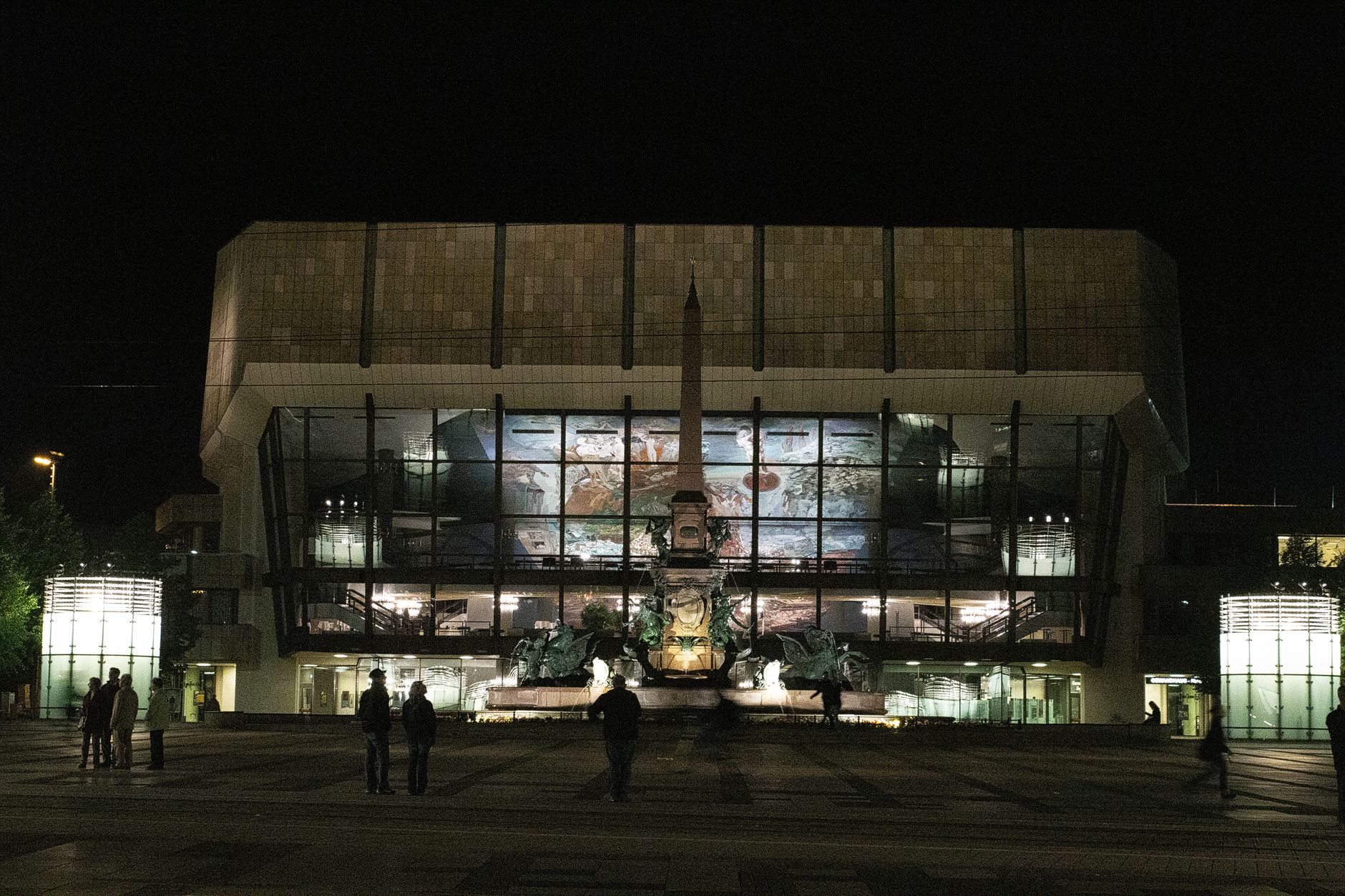
After lunch on Markt or at Auerbachs Keller (traditional menu, mid-range prices around €12–18 for mains), head to Augustusplatz (10 minutes on foot) to visit Museum der bildenden Künste — allocate 1–2 hours. From Augustusplatz take a short tram ride or walk to Gewandhaus to check concert times; if tickets fit the evening schedule, a Gewandhaus concert is a highlight.
Evening recommendation: stroll Karl-Liebknecht-Straße (KarLi) for bars and late cafés — many places stay open until midnight. If preferring quieter evenings, choose a dinner near Augustusplatz and rest early for Day 2.

Day 2
Spend Day 2 exploring Plagwitz and the west side's industrial-art scene. From Augustusplatz take a tram or taxi across the river—allow 20–30 minutes total—to Karl-Heine-Straße and the Baumwollspinnerei complex. Allocate 2–3 hours for galleries at the Spinnerei, plus time for studio shops and the courtyard.
Walk or cycle along the Karl-Heine-Kanal toward Kantstraße for cafés and street art. For lunch choose a riverside café or a small restaurant on Karl-Heine-Straße; many menus feature local game or hearty regional mains in the €10–18 range. In the afternoon, return toward the centre to visit the Panometer (about 25–30 minutes by tram from Plagwitz) and view its large-format panoramas; expect 1–1.5 hours there.
Evening recommendation: head to Bayerischer Bahnhof for an evening Gose and then explore Südvorstadt or Connewitz for live music; late-night trams run to central stops but check the last departures on the MDV app.

Day 3
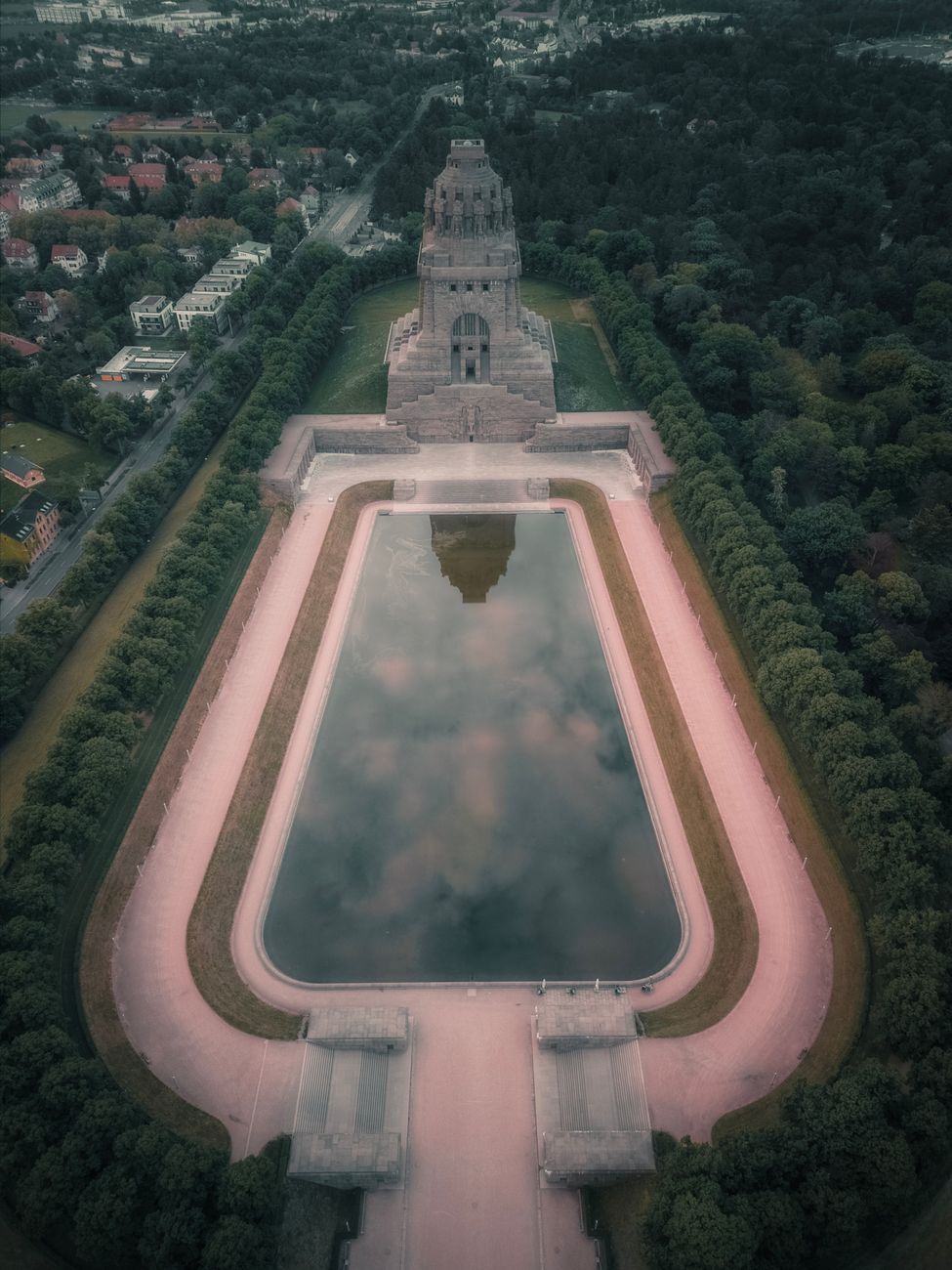
Begin with a morning visit to Völkerschlachtdenkmal (Battle of the Nations Monument) — allow 1.5–2 hours for the tower and small museum; travel time from the city centre is about 15–25 minutes by tram or S-Bahn. After descending, head to the Leipzig Zoo (Gondwanaland conservatory) where a visit usually requires 2–3 hours; it’s best to book timed tickets in peak season.
Return to the center for lunch at a market stall near the Marktplatz or a café by Nikolaikirche. If time allows, visit the Bach Museum or the Museum der bildenden Künste for a final cultural stop — both are reachable within 10–20 minutes from the market area. Practical note for departures: use Hauptbahnhof lockers or station luggage storage if the hotel checkout is early; trains to Flughafen Leipzig/Halle depart regularly and take roughly 20–25 minutes.
Evening recommendation for a late flight: finish with a relaxed meal near the station and plan 45–60 minutes travel time to the airport including a safety margin for security.
Best Local Experiences
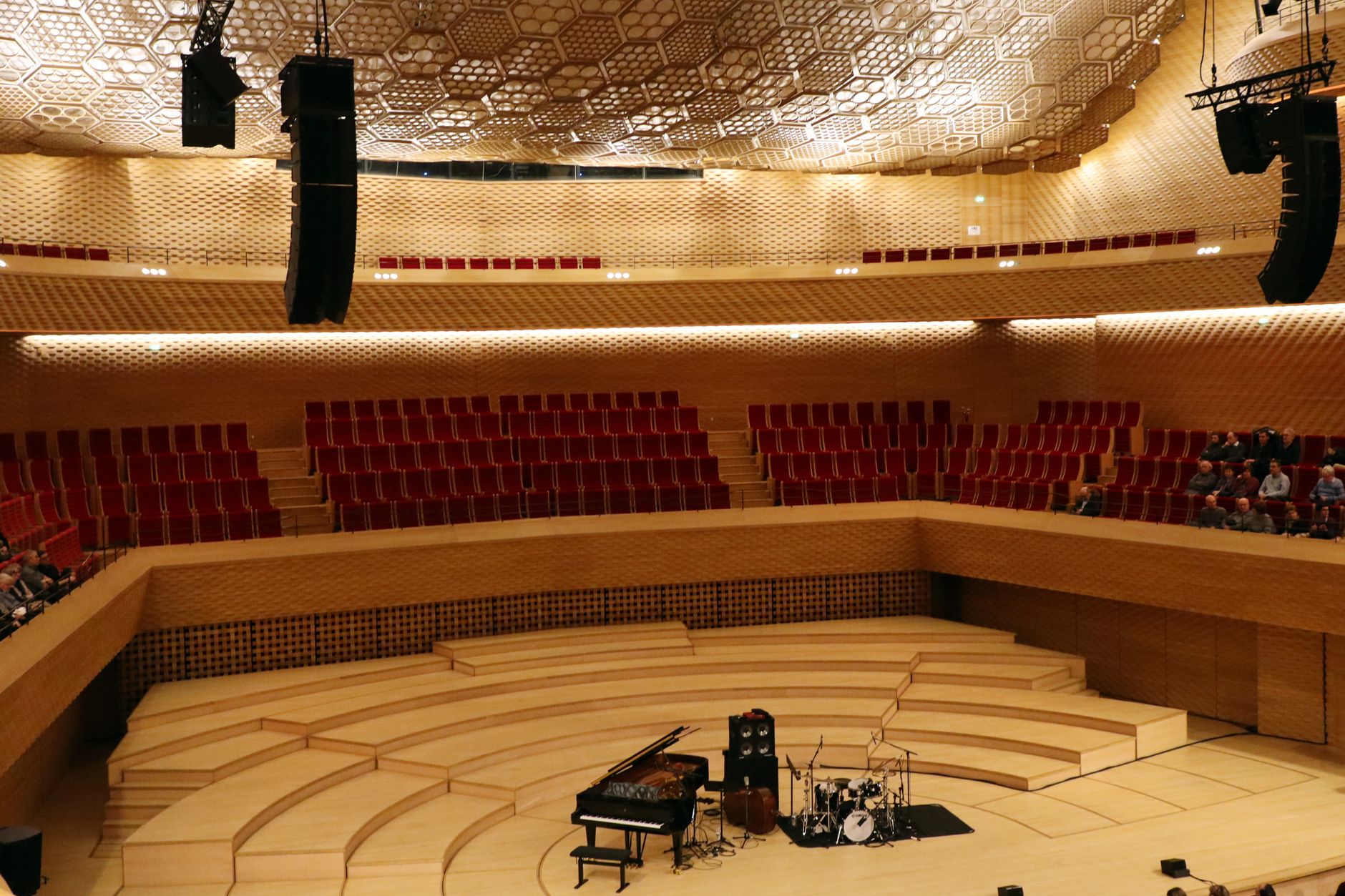
Attend a Gewandhaus concert or a Bach performance at Thomaskirche for direct musical ties that define the city. Browse exhibitions and studios at Baumwollspinnerei (Spinnerei) in Plagwitz for contemporary art in converted factory halls. Visit Bayerischer Bahnhof to taste local Gose beer at the historic brewing site.
Time a visit for a festival if possible: Leipziger Buchmesse (March) draws big crowds, and Wave-Gotik-Treffen (May/June) brings an unusual international scene to the parks. Walk or picnic in Clara-Zetkin-Park on a sunny afternoon and then explore weekend stalls on Markt for regional produce and baked goods. Finally, take a boat or bike ride along the Karl-Heine-Kanal for a practical view of the city's converted industrial waterfront.
Where to Stay
Zentrum (Innere Stadt) — suits first-time visitors who want to be within walking distance of Hauptbahnhof, Thomaskirche and Augustusplatz. Nightly rates vary widely: budget hotels and guesthouses from about €70–120 ($75–130), mid-range €120–180 ($130–195).
Plagwitz — suits travellers focused on galleries, café life and quieter evenings. It’s near the Baumwollspinnerei and canal paths; expect guesthouses and boutique hotels around €60–120 ($65–130) per night. Südvorstadt / KarLi — suits nightlife and student-culture seekers with many bars and cafés on Karl-Liebknecht-Straße. Accommodation ranges from budget rooms €50–90 ($55–95) to mid-range €90–140 ($95–155).
Book within walking distance of a tram stop if staying slightly outside the centre; that provides quick access to Hauptbahnhof and major sights without needing taxis.
Food and Drink
Leipziger Allerlei — a traditional vegetable dish often served with crayfish or a buttered sauce; find reliable versions at older restaurants such as Auerbachs Keller or regional cafés for around €8–15 as a side or light main.
Leipziger Lerche — a pastry originally a meat-filled specialty now mostly a sweet shortcrust tart with almond or cherry filling; buy at traditional bakeries like Ladscheider or local Konditoreien for €2–4.
Gose — a sour, salty wheat beer revived locally; sample at Bayerischer Bahnhof or craft bars with pours around €3–4. Quarkkäulchen — Saxon potato-and-quark pancakes, sweet and served with sugar or jam; a breakfast or dessert option at cafés for €4–7.
Street food and quick eats: currywurst or bratwurst stands near the main squares and markets cost about €3–6. Dinner recommendation: Auerbachs Keller for traditional Saxon dishes (mains €12–25) or a creative menu at a Plagwitz bistro such as ZierlichManierlich (prices similar to mid-range restaurants). For breakfast, try the historic Zum Arabischen Coffe Baum or local cafés on Karl-Liebknecht-Straße for €6–12.
Getting Around
Public transport is run by LVB (trams and buses) and S-Bahn Mitteldeutschland and regional RE trains; key stops are Hauptbahnhof, Augustusplatz, Markt and Plagwitz. Typical single AB fares are about €3–3.50; a Tageskarte (day pass) is roughly €7–9 — buy at station machines or the MDV/LVB apps.
Useful apps include MDV fare and timetable apps, LVB Fahrinfo for tram times, and DB Navigator for regional and S-Bahn services. Taxis from Flughafen Leipzig/Halle to the city centre are approximately €35–45 depending on time and traffic; ride-sharing also operates but local routing can make trams faster for central hops.
Biking is common for shorter journeys; many hotels offer rentals. Validate tickets before boarding where required and keep a printed or screenshot confirmation when using an app.
Best Time to Visit
Spring (April–June): temperatures typically 8–22°C. This period offers blooming parks, fewer tourists than high summer and reasonable hotel prices — a practical best-bet for sightseeing.
Summer (July–August): temperatures commonly 18–28°C with warmer days and more outdoor events; expect higher accommodation rates and busier cafés and concerts. Autumn (September–November): temperatures from about 5–15°C and lower prices after September; colourful parks make walks attractive and festival programming continues in September.
Winter (December–February): temperatures often between −2 and 5°C; Christmas markets run in December and draw crowds, increasing prices and demand for central hotels. For best value and manageable crowds, plan March–May or September–October.
Budget and Practical Tips
Sample daily budget (per person): Budget traveller €60–95 (accommodation €30–60, food €15–25, transport €5–10, entries €10–20). Mid-range €120–200 (accommodation €70–120, food €25–45, transport €8–12, entries €20–30). High-end €250+ covers nicer hotels and concerts.
Entry fees: Museum der bildenden Künste around €8–12, Bach Museum roughly €7–10, Panometer €10–12 and Leipzig Zoo about €20 for adult day tickets (prices vary). Many museums offer reduced tickets for students and seniors.
Tipping: round up or leave 5–10% in restaurants; for small bills many locals simply round up. Carry a small amount of cash for markets and small cafés even though cards are widely accepted.
FAQ
Is Leipzig safe for solo travellers?
Yes; the centre is generally safe by daytime standards, but use usual city caution at night around busy bars and on poorly lit side streets.
How do I get from the airport to the city centre?
Take the S-Bahn or regional RE trains from Flughafen Leipzig/Halle to Hauptbahnhof; journey time is about 18–25 minutes and trains run regularly.
Is a Leipzig city card worth it?
The Leipzig Card offers discounts at museums and some tours; compare the cost to planned museum entries and transport needs before buying — it does not always pay for itself in two days.
Can attractions be visited on foot?
Many central sights are walkable, but Plagwitz and Völkerschlachtdenkmal require short tram or bike rides; expect 20–30 minute connections for those.
Are museums open on Mondays?
Several museums close on Mondays or have reduced hours; check opening times in advance to avoid closed doors.
What’s the best day trip from here?
Dresden and Potsdam are doable by train for day trips, though Dresden requires about 1.5–2 hours each way; Magdeburg and Chemnitz are also reachable by regional trains.
Conclusion
Three days provide a workable slice of music history, contemporary art and neighbourhood life. Most visitors will remember a Gewandhaus concert or the smell of a Gose beer at Bayerischer Bahnhof, combined with walks through converted factory yards in Plagwitz.
If time runs short, prioritise one music venue (Thomaskirche or Gewandhaus) and one neighbourhood experience (Plagwitz or KarLi). That combination captures both the city's historical depth and its present-day cultural energy.
How this guide was prepared
This guide was prepared through a structured research that combines destination research, geographic context, itinerary planning logic, and content review.