
3 Days in Antwerpen: A Compact Art, Food & Port City Itinerary
Plan 3 days in Antwerpen with an art-and-food focused itinerary: museums, historic streets, port views, neighborhoods, transit tips and day-trip ideas.
A carefully paced 3-day Antwerpen itinerary for culture lovers, foodies and short-break travelers. Explore museums, markets, the riverfront and stylish neighborhoods.
A lively northern port city that marries grand Flemish baroque, cutting-edge fashion and a booming food scene. It suits art lovers, design and fashion fans, curious foodies and travelers who want a compact city with walkable neighborhoods. Three days works well because museums and main sights cluster into distinct quarters—Old Town, Het Eilandje, Zuid and Centraal—so you can mix major museums with relaxed wandering, markets and a riverfront pause without rushing.
This guide gives a practical, search-ready 3-day Antwerpen plan with neighborhoods, transit tips and local food picks.
Quick Answer
A carefully paced 3-day Antwerpen itinerary for culture lovers, foodies and short-break travelers. Explore museums, markets, the riverfront and stylish neighborhoods.
Who This Guide Is For
This guide is best for first-time visitors, couples, solo travelers, and anyone planning 3-day city break, art & culture, food & drink in Antwerpen with a balance of highlights, local character, and reasonable spending.
How This Guide Was Prepared
This guide was prepared through a structured editorial workflow that combines destination research, geographic context, itinerary planning logic, and practical travel review.
Plan Your Stay in Antwerpen
Use this itinerary as your starting point, then compare areas to stay, transport options, seasonal timing, and realistic daily costs before booking.
Why Visit
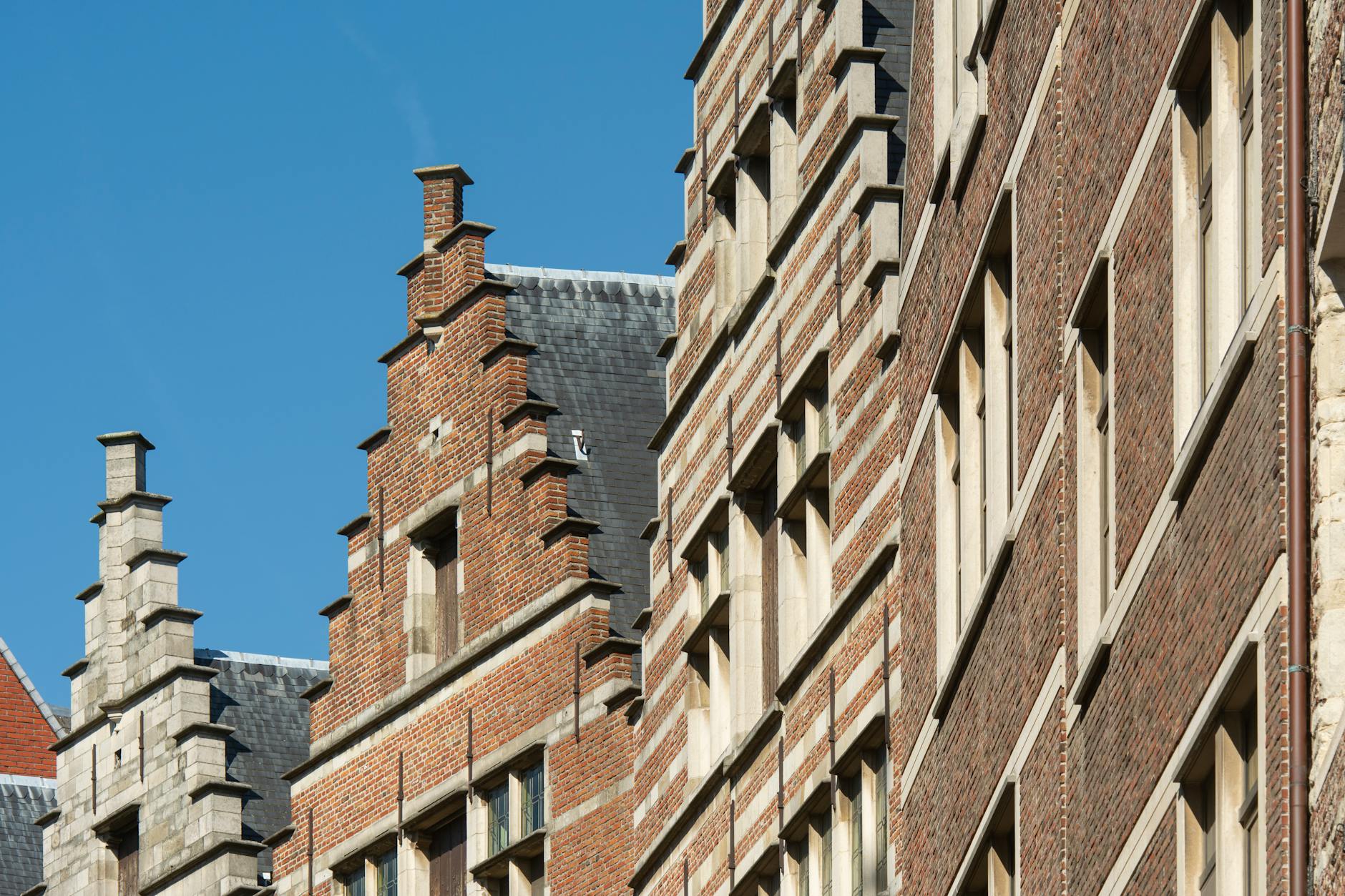
Historic churches and guild houses sit beside modern museum architecture and waterfront cranes. The city is famed for Rubens and baroque art, a global diamond trade, a young fashion scene and a lively culinary landscape—from traditional Belgian taverns to inventive bistros.
It’s an appealing short-break choice because major attractions are compact, public transport is efficient and several excellent day trips (Brussels, Ghent, Bruges) are within an hour by train.
Quick Planning Tips
Book museum tickets online for MAS and Rubenshuis to save queue time. Stay central or on the Zuid side to reduce transit. Carry a contactless bank card; tap payments are widely accepted.
If you plan a day trip, check SNCB/NMBS train times; Brussels is about 40–50 minutes. Buy individual tram and bus tickets via the De Lijn app or use the Antwerp City Card for free museum entry and public transport discounts.
Day 1
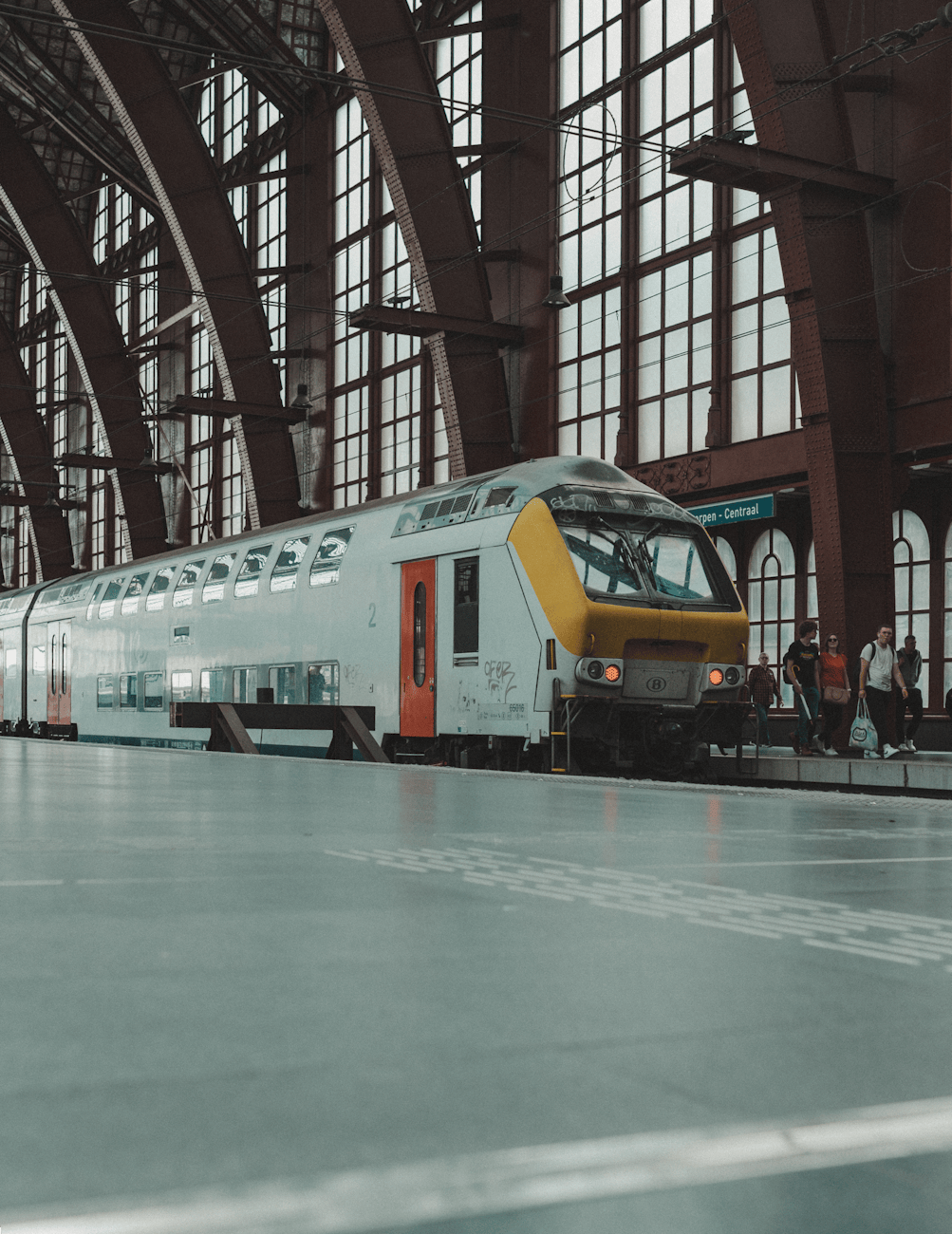
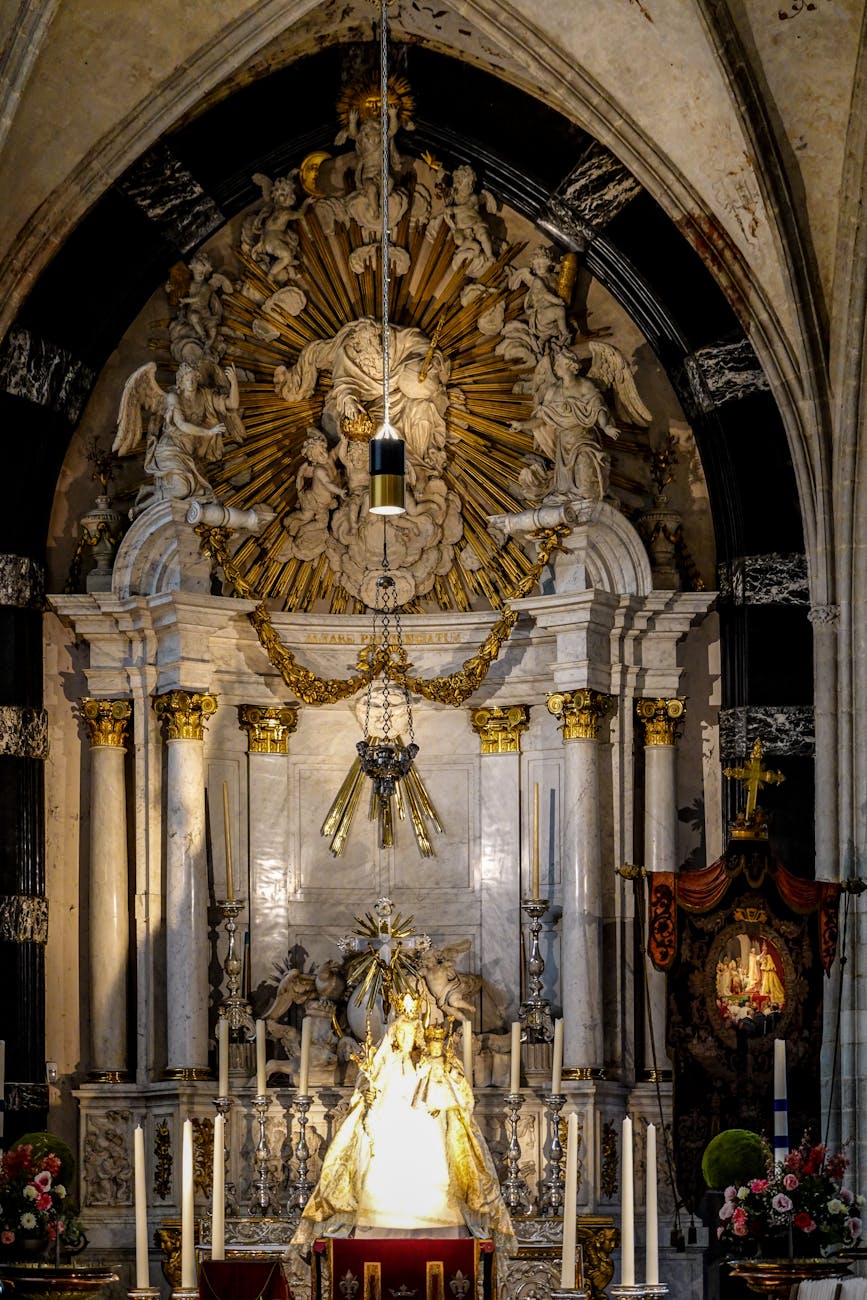
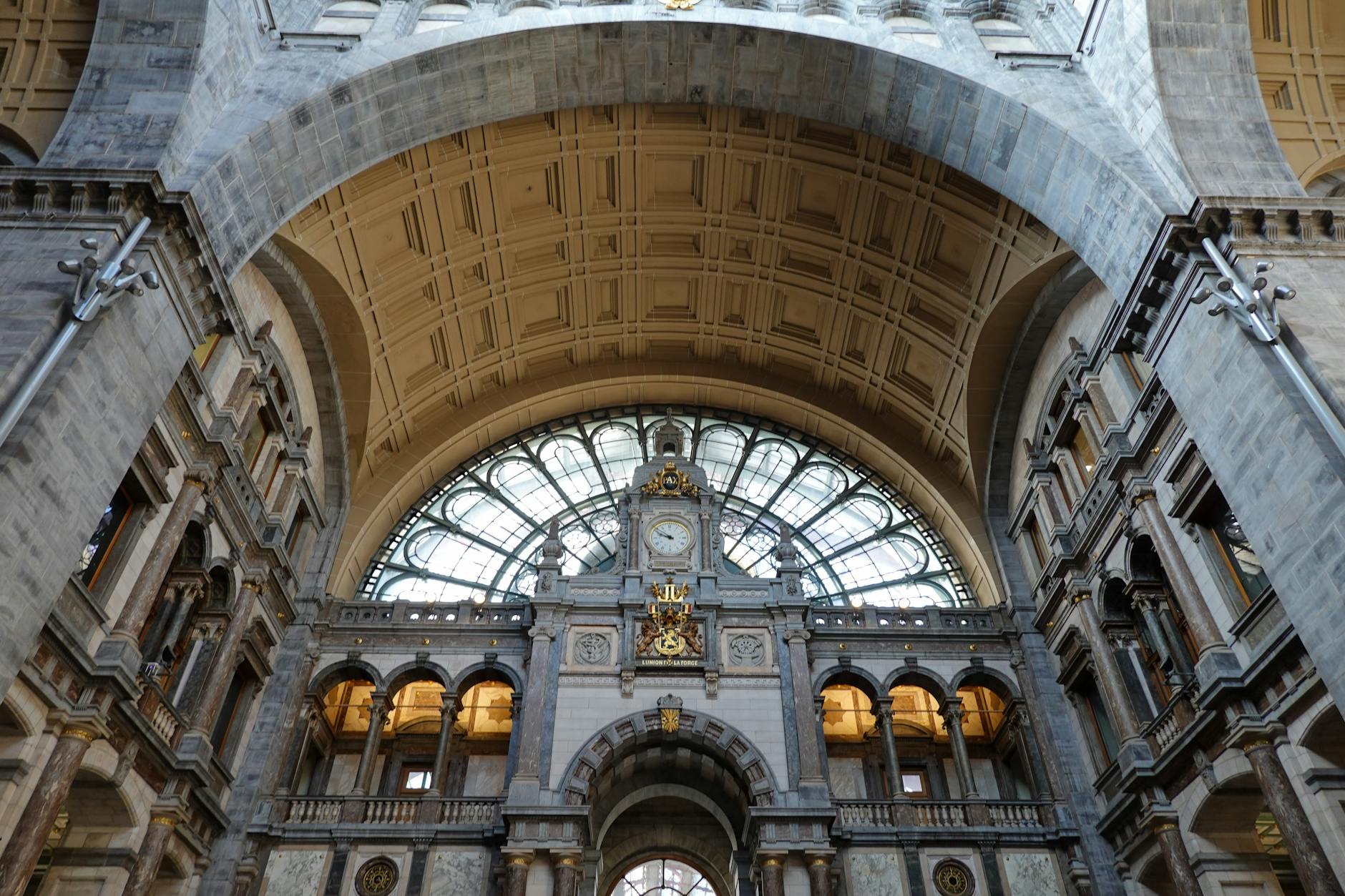
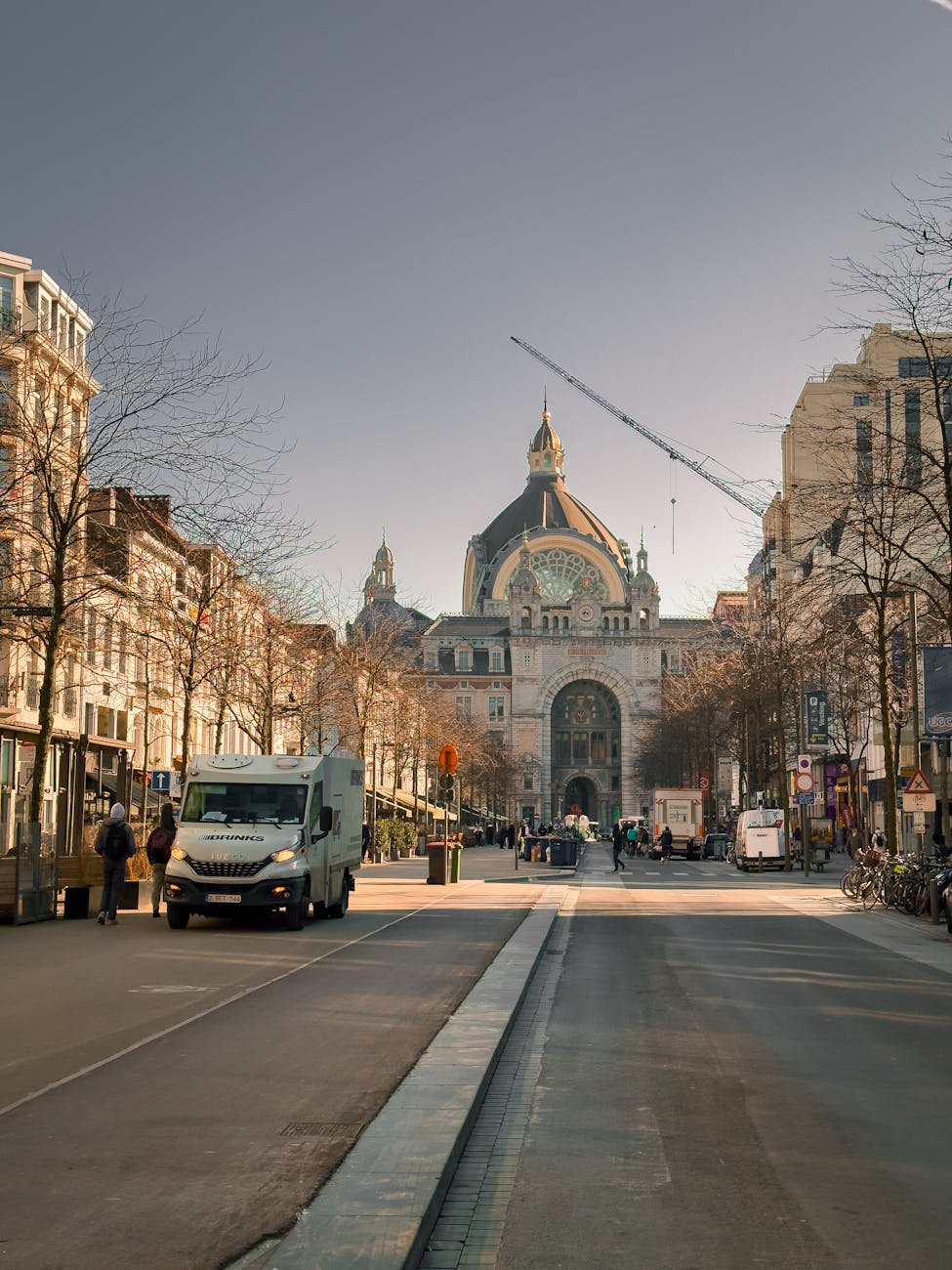
Morning: Start at Central Station, step outside to the Zoo if you like animals, then walk to the Cathedral of Our Lady to see Rubens altarpieces. Meander around Grote Markt and the medieval streets nearby.
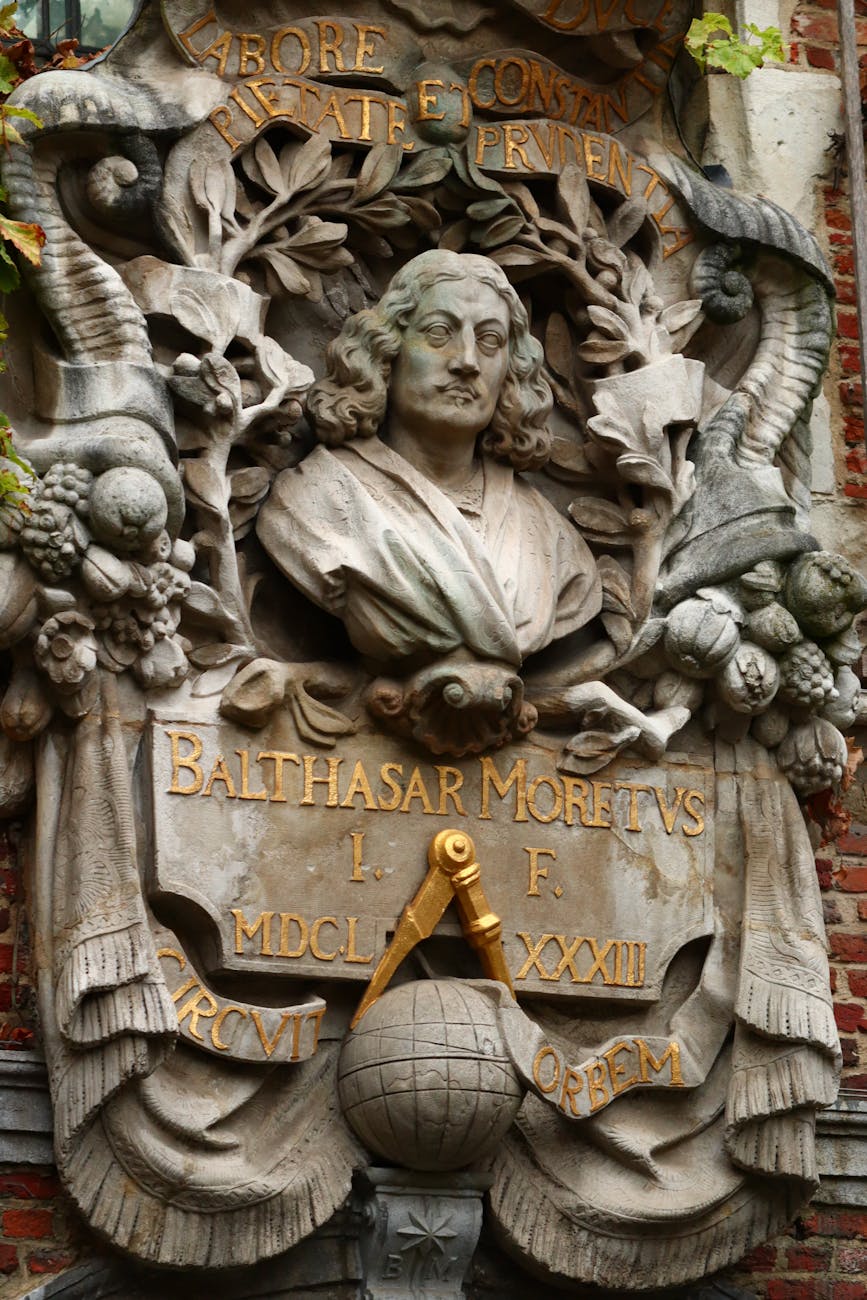
Afternoon: Lunch in the Old Town, then visit the Plantin-Moretus Museum to learn book-printing history. Finish with an early evening drink on Groenplaats or along the Scheldt for sunset views.
Day 2
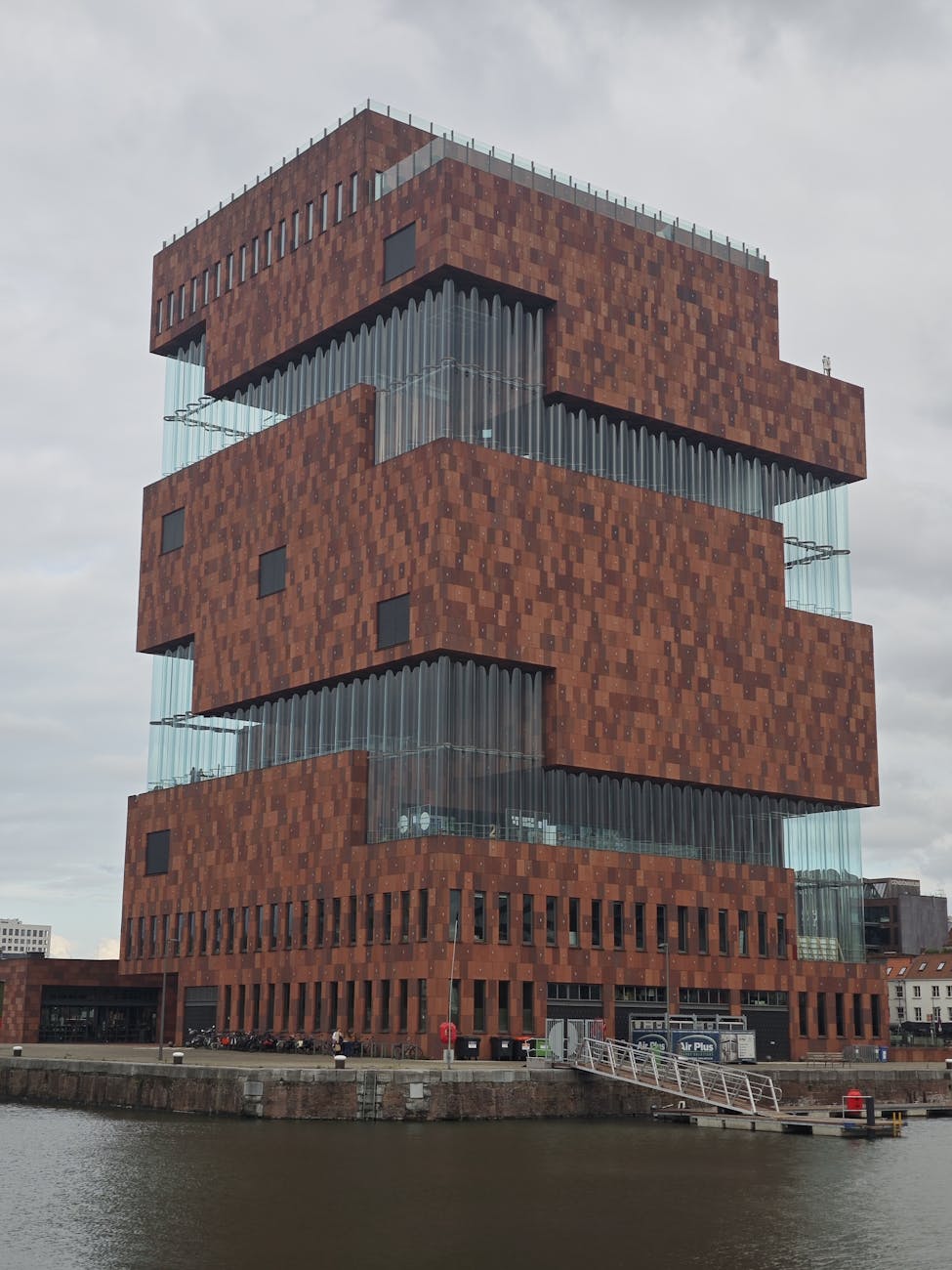
Morning: Head to Het Eilandje and the MAS museum—climb the rooftop for panoramic views of the port. Explore the Red Star Line Museum to understand migration history.
Afternoon: Walk the quay, visit Het Steen fortress and cross to the KMSKA area if museums reopen (check schedules). Dinner in the Eilandje or try seafood and Belgian beers at a nearby waterfront brasserie.
Day 3
Morning: Explore Zuid (South) for contemporary galleries, boutique shops and the stylish café scene—don't miss Zurenborg’s art nouveau streets like Cogels-Osylei.
Afternoon: Visit the Rubenshuis to see the artist’s studio, then hunt for local specialties: Antwerpse handjes cookies, chocolates and fries. If time allows, choose a short train trip to Ghent or Bruges for an extra evening.
Best Local Experiences
Browse the diamond district near Central Station and learn about the trade’s history. Take a short boat tour on the Scheldt for a different perspective of the port.
Wander the antique and vinyl shops in Zuid, sample local beers in traditional brown cafés, and visit Middelheim Sculpture Park for outdoor modern sculpture. Don’t miss street-level fashion boutiques and concept stores around Nationalestraat and Kloosterstraat.
Where to Stay
Old Town/Grote Markt: Best for first-time visitors who want immediate access to historic sights and nightlife.
Centraal Station/Meir: Convenient for trains, shopping and quick connections.
Zuid: Quiet, stylish choice with galleries, cafés and easy tram links. Het Eilandje: Waterside stay for museum proximity and scenic walks.
Choose a base near a tram stop to maximize time and avoid taxis during peak hours.
Food and Drink
Start days with strong coffee and a brioche at neighborhood cafés. Try classic Belgian dishes—moules-frites, stew (stoofvlees) and waffles—and search out mussel restaurants by the river.
Snack on Antwerpse handjes biscuits and artisan chocolate. For nightlife and dining, Zuid and Het Eilandje offer contemporary bistros, while the Old Town has cozy taverns and beer bars. Look for seasonal markets for fresh produce and snacks.
Getting Around
Central areas are very walkable; trams and buses (De Lijn) fill gaps. Buy single tickets in the De Lijn app, or use the Antwerp City Card for unlimited public transport plus museum entry discounts.
Velo Antwerpen city bikes are ideal for short hops. Taxis and ride-hailing apps are available but more expensive. Trains from Central Station connect to Brussels, Ghent, Bruges and other Belgian cities in under 90 minutes.
Best Time to Visit
Late spring (May–June) and early autumn (September) offer mild weather, fewer crowds and many cultural events. Summer is lively but busier; winter is quieter and charming for Christmas markets and lower hotel rates.
Plan museum visits on weekdays if possible to avoid weekend crowds, and check event calendars for temporary exhibitions.
Budget and Practical Tips
Currency: euro. Cards and contactless payments are widely accepted; carry small cash for market stalls. Museums typically open 10:00–18:00; some close on Mondays—check online.
Tipping is appreciated but not obligatory; rounding up or 5–10% in restaurants is common. Emergency number is 112. Learn a few Dutch phrases—most locals speak English—and consider the Antwerp City Card if you plan multiple paid museums and public transport.
FAQ
Is 3 days enough to see the highlights?
Yes. Three days covers main museums, Old Town, Het Eilandje, Zuid and a relaxed riverside walk, with time for dining and a short day trip.
How do I get from Brussels to Antwerpen?
Regular trains from Brussels Central or Brussels-North take about 40–50 minutes to Antwerp Central; book on the SNCB/NMBS app or at stations.
Are museums free with a city card?
The Antwerp City Card covers many major museums and public transport; check the current card inclusions before buying.
Is it safe to walk at night?
Central areas and Zuid are generally safe; use common-sense precautions for late nights in any city.
What languages are spoken?
Dutch (Flemish) is the local language; most people in hospitality and museums speak English, some speak French and German.
Can I do day trips from here?
Yes. Ghent and Brussels are under an hour by train; Bruges is about an hour. Trains are frequent and convenient.
Conclusion
Three days here lets you balance major cultural sites and relaxed neighborhood exploration without hurrying. Mix a museum morning, a riverside afternoon and an evening of local food each day to get a true feel for the city.
Use trams and short walks to save time, book key museum tickets in advance and leave one stretch of day for spontaneous discovery—cafés, galleries and streets often reward the wanderer.
How this guide was prepared
This guide was prepared through a structured research that combines destination research, geographic context, itinerary planning logic, and content review.