
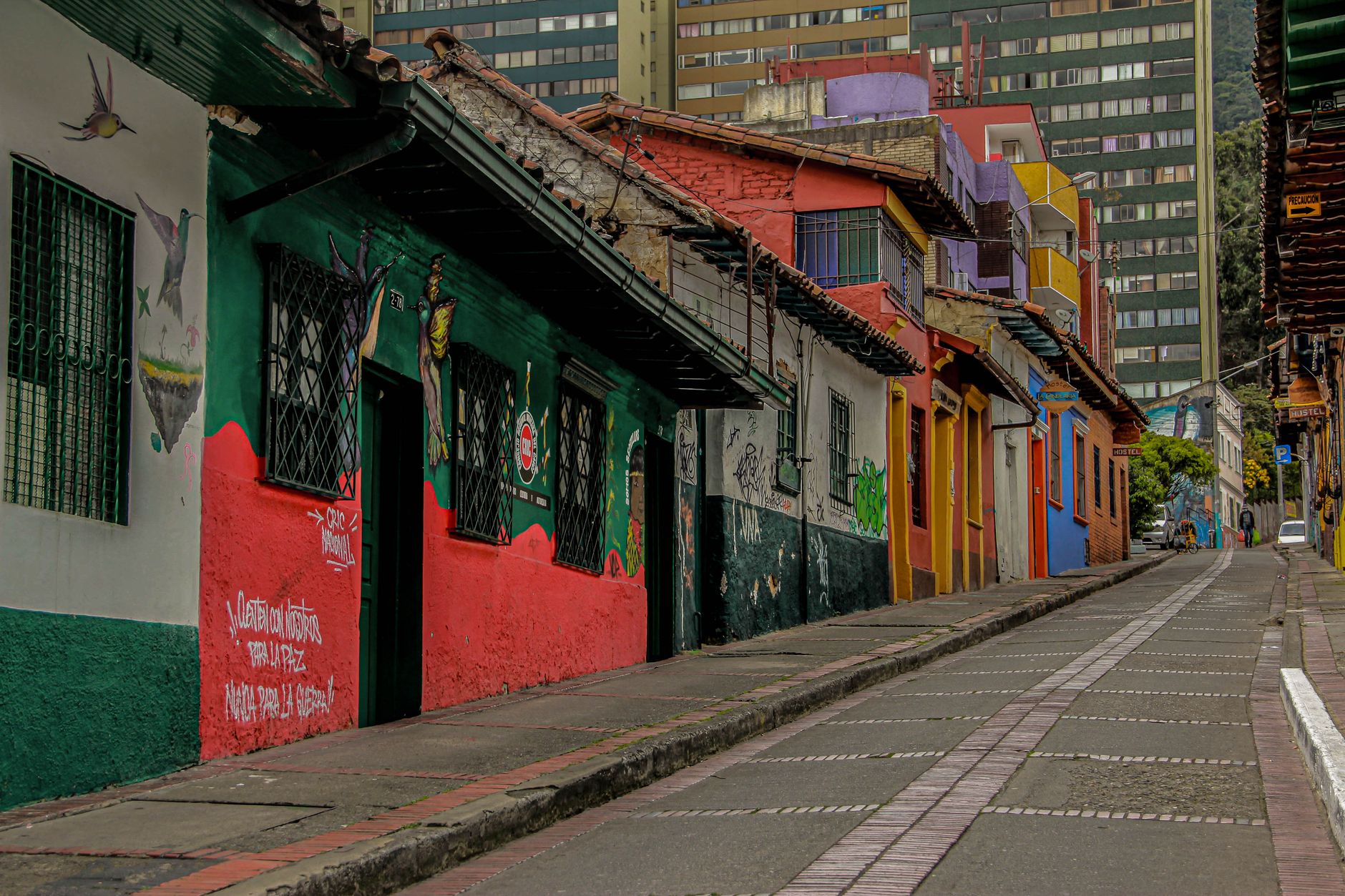
3 Days in Bogota: A Practical Itinerary
Plan 3 days in Bogota with this practical itinerary covering major sights, neighborhoods, food, and transport.
A no-nonsense 72-hour plan for Bogotá that balances La Candelaria's museums, Monserrate's views, local markets, and the modern dining and park scenes with transit and budget realities.
High altitude shapes the beat here: air feels thinner, mornings can be crisp, and hills matter for transport time. Streets around La Candelaria are compact and walkable, while the newer business and dining zones spread north and require buses, taxis or long walks along Carrera Séptima or Avenida El Dorado.
This city is uneven: museums and colonial streets sit beside wide arterial TransMilenio corridors and large parks. Many visitors expect only colonial centrepieces and are surprised by noise, heavy traffic and the size of northern dining neighbourhoods.
Is 3 days in Bogota enough?
Three days in Bogotá is enough to cover La Candelaria museums, a Monserrate visit, a market and one modern neighbourhood like Zona G or Parque de la 93. Expect to skip in-depth day trips (e.g., Zipaquirá salt cathedral) or multiple full-day museum inventories.
Who This Guide Is For
Best for travellers who like museum walks, cafés, street food, and short uphill hikes; not ideal for those wanting a relaxed beach holiday or long countryside treks. Budget travellers comfortable with buses will get more value than those insisting on taxis everywhere.
Local Tips for Bogota
Practical details that most travel sites skip — specific to Bogota.
- Buy a Tarjeta TuLlave at any TransMilenio station kiosk and load COP 10,000–20,000 to test the system; single TransMilenio trunk rides cost about COP 2,650.
- Ciclovía closes main arteries like Carrera Séptima every Sunday and public holiday from about 07:00–14:00 — great for a car-free morning ride or long walk.
- Monserrate funicular or cable car round-trip fares are roughly COP 20,000–30,000 depending on peak times; walking up from Calle 22 can take 60–90 minutes and is much steeper than expected.
- Museo Botero (Plaza de Bolívar) has free entry; bring an ID if seeking discounts at national museums like Museo del Oro which has lower rates for residents.
- Usaquén flea market runs Sundays around Parque de Usaquén from about 09:00 to 16:00 — a reliable choice for crafts, empanadas and brunch spots in one neighbourhood.
How This Guide Was Prepared
This guide treats Bogotá as a high-altitude, sprawling capital where museums, steep hills and long bus corridors define the experience. Many guides either over-romanticize La Candelaria or act as if TransMilenio is interchangeable with a subway; this guide gives practical routes, time costs, and where crowds and noise will matter so three days are useful rather than frustrating. This guide was prepared through a structured research that combines destination research, geographic context, itinerary planning logic, and content review.
Plan Your Stay in Bogota
Use these planning pages to compare areas to stay, expected costs, seasonal timing, and local transport before booking.
Why Visit
The museum density in the historic centre is unusually high for a capital: Museo del Oro, Museo Botero and Museo Nacional offer accessible collections within a few blocks of Plaza de Bolívar. Those who like art and pre-Columbian objects can efficiently see world-class pieces in a short time.
The city's high viewpoint, Cerro de Monserrate, provides a dramatic skyline view and a brisk uphill hike or quick cable car ride that shows how neighbourhoods stack by elevation. The view is one of the clearest single experiences of the urban layout.
Markets and food contrast sharply across neighbourhoods: Paloquemao is a working produce market for cooks, Usaquén has a weekend flea market and Zona G/Parque de la 93 deliver higher-end dining. That makes food itineraries compact and varied.
Quick Planning Tips
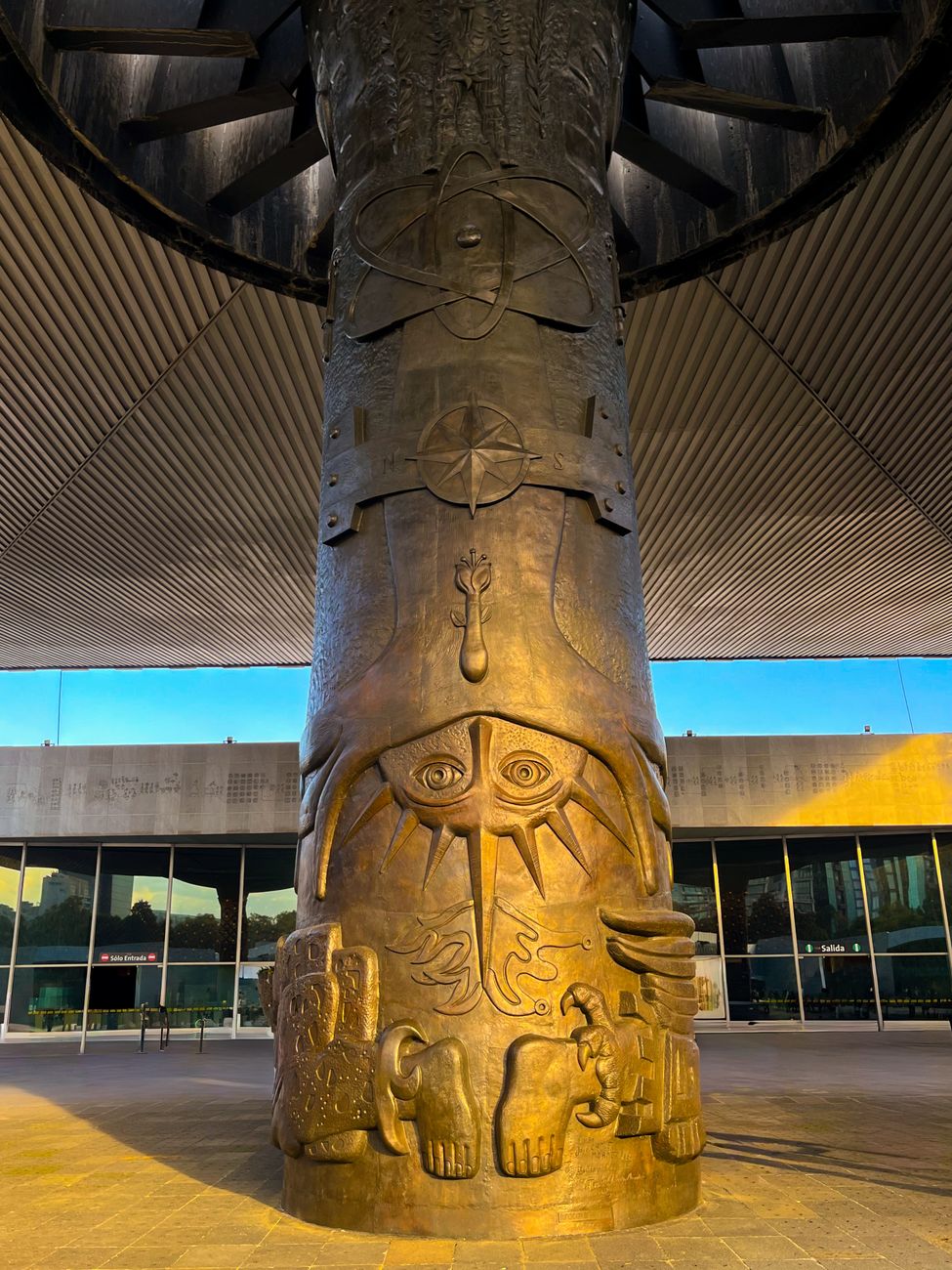
Flying into El Dorado International Airport (Aeropuerto El Dorado) is the usual entry point; a taxi from the airport to Chapinero or Zona G is typically COP 30,000–50,000 (≈ USD 8–13) depending on traffic. There is an airport bus (TransMilenio feeder buses or SITP routes) but luggage on TransMilenio is awkward during peak hours.
Carry a Tarjeta TuLlave for TransMilenio and SITP buses; load small amounts initially to learn how transfers work. Credit cards are widely accepted in mid-range restaurants, but many street vendors and small cafés take cash only, so keep COP 20,000 notes for purchases and tips.
Avoid the planning mistake of scheduling La Candelaria museums and Monserrate on the same afternoon without a midday break; altitude and steep streets make walking slower, and museums can demand concentrated attention.
Day 1
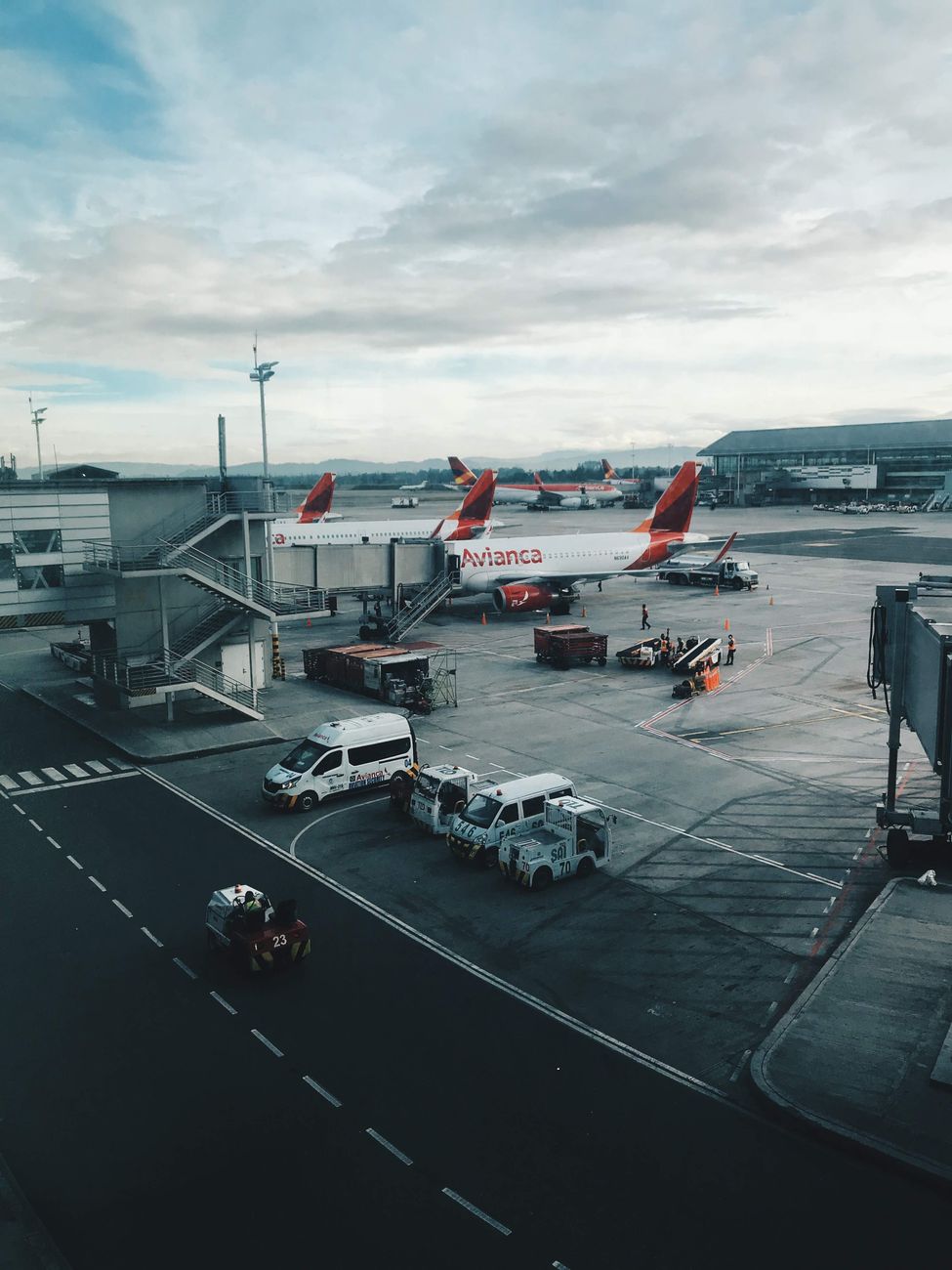
Morning: Start in La Candelaria at Plaza de Bolívar. See the cathedral facade and then walk three minutes to Museo Botero (free entry) to view Fernando Botero's donated works and paintings by international artists. Expect 60–90 minutes at Botero if browsing galleries and the nearby Casa de la Moneda exhibitions.
Late morning: Walk (5–10 minutes) to Museo del Oro for the pre-Columbian metalwork collection. Allow 1.5–2 hours; the ground-floor chronology rooms move fast but special exhibits can add time. The museum has a small café and lockers for backpacks.
Lunch: Eat at La Puerta Falsa (Calle 11 #6-50) for a traditional tamal or ajiaco; a hearty dish runs COP 12,000–20,000 (≈ USD 3–5). Allow 30–45 minutes for the small space.
Afternoon: Walk up Carrera 2 toward Chorro de Quevedo for colonial streets and coffee shops; from Chorro de Quevedo, walk 25–35 minutes or take a short taxi (COP 6,000–10,000) to the base of Monserrate. The funicular or cable car round-trip costs roughly COP 20,000–30,000; plan for 2–3 hours total including queue and time at the summit.
Evening: Descend to Calle 22 or Zona G for dinner. Choose a restaurant in Zona G (short taxi 10–15 minutes) for contemporary Colombian food and a calmer night scene.

Day 2
Morning: Head to Paloquemao Market early (take a taxi or TransMilenio to Calle 26 stations) to see wholesale produce, flowers and breakfast stands; arrive by 07:00–09:00 when stalls are busiest. Try a fruit cup or a pasabocas at the market counters and watch vendors load wholesale orders.
Late morning: Transfer by taxi or TransMilenio to the north: Parque de la 93 for a mid-morning coffee and a walk through green spaces and cafés. The park is a convenient contrast to La Candelaria's narrow streets and offers calmer sidewalks and modern shopping.
Lunch: Eat in Zona G (near Calle 70 and Carrera 11) where mid-range restaurants offer tasting plates and local classics; expect lunch prices of COP 25,000–60,000 (≈ USD 6–15) depending on the restaurant.
Afternoon: Visit the neighbourhood of Chapinero Alto for boutique shops or continue to Usaquén by taxi (20–30 minutes depending on traffic). In Usaquén explore the colonial square and, if it's Sunday, the flea market stalls around Parque de Usaquén for crafts and street food.
Evening: Finish the day in Parque de la 93 or Zona T for bars and restaurants; these areas are more touristic and have safer late-night taxi ranks.
Day 3
Morning: Start with a relaxed breakfast in Chapinero or Los Rosales — many bakeries open by 07:00. Try local panaderías that sell almojábanas and chocolate caliente; a bakery breakfast runs COP 6,000–12,000.
Late morning: Spend time at Museo Nacional if interest in Colombia's social and political collections remains, or choose the modern art focus at MALBA-alike private galleries depending on current exhibits. Museo Nacional is a 15–25 minute taxi from Zona G and requires about 90 minutes to two hours for a proper visit.
Lunch: If checking out and heading to the airport in the afternoon, eat near your neighbourhood or in Suba for faster access to certain flight routes; airport taxis from northern neighbourhoods can take 30–50 minutes in moderate traffic.
Afternoon: For travellers with an afternoon flight, schedule the trip to El Dorado with buffer time: leave central areas at least 2–2.5 hours before domestic flights, 3 hours for international departures. If time remains, a short visit to Parque Simón Bolívar or a quick bike ride on a ciclovía section can be a low-effort way to end the trip.
Evening: If staying a final night, return to a favourite dining neighbourhood for a quieter meal near your accommodation.

Best Local Experiences
Paloquemao Market — early-morning flower and produce auction and strong street-food options. Usual visit time is 07:00–10:00.
Ciclovía on Sundays along Carrera Séptima — rent a bike or walk stretches of the city car-free between 07:00–14:00. A practical way to compare neighbourhoods without traffic.
Usaquén Sunday flea market — crafts, empanadas and brunch culture around Parque de Usaquén from about 09:00–16:00.
Bogotá street food at Calle 26 and near Parque El Virrey — try arepas de huevo or carimañolas from reputable stalls, typically COP 3,000–8,000 per item.
Cultural nights in Zona G and Parque de la 93 — mid- to upper-range restaurants and small music venues mix local chefs and live shows.
Where to Stay
La Candelaria: Suits visitors prioritising walking to museums and colonial streets. Rooms in guesthouses and boutique hotels run roughly COP 60,000–180,000 per night (≈ USD 15–45 / EUR 14–40). Expect noise at night and narrow staircases in older buildings.
Chapinero and Zona G: Suits food-focused travellers and those who want a mix of cafés and mid-range restaurants. Nightly costs are about COP 120,000–320,000 (≈ USD 30–80 / EUR 28–75) depending on hotel class. Easy taxi access to the airport on Avenida El Dorado and to nightlife in Zona T.
Usaquén: Suits weekend travellers who want a quieter, brunch-and-shopping scene, especially on Sundays. Expect boutique hotels and mid-range options at COP 140,000–350,000 (≈ USD 35–88 / EUR 33–82) per night, with a short taxi ride to northern attractions.
Food and Drink
Ajiaco — hearty chicken and potato soup with corn and guascas; classic vendors include La Puerta Falsa (Calle 11) and typical price COP 12,000–20,000.
Arepa de huevo — a fried cornmeal pocket with egg inside sold at street stalls near Paloquemao or local food carts; expect COP 3,000–6,000.
Bandeja paisa — a large plate with beans, rice, chicharrón and plantain available in traditional restaurants; price COP 18,000–35,000 depending on portion size.
Chocolate caliente and almojábana — common breakfast pairing at bakeries in Chapinero; expect COP 6,000–12,000 for both.
Coffee: Specialty cafés in La Candelaria, Usaquén and Chapinero serve regional Colombian beans; a quality pour-over is COP 6,000–12,000. For a local tip, ask for a regional origin (Huila, Nariño) to taste differences.
Getting Around
TransMilenio is the main rapid bus network with trunk lines along Avenida Caracas, Autopista Norte, Calle 80, and NQS. Use a Tarjeta TuLlave for TransMilenio; a single ride on the trunk costs about COP 2,650.
SITP buses cover local routes and integrate with TuLlave. Taxis are plentiful; short city trips typically run COP 7,000–15,000 and airport taxis cost COP 30,000–60,000 depending on distance and traffic. Apps: TransMiApp and Moovit are useful for route planning; ride-hailing apps like Beat and Didi operate in the city.
Biking is practical on Sundays during ciclovía and along protected ciclo-rutas on weekdays. Expect to allocate extra time for all trips because major corridors can be congested during morning and evening peaks.
Best Time to Visit
High season runs from December to early January and during Holy Week; expect higher hotel rates and busy museums. Temperatures in those months average 12–20°C with dry skies but crowded streets.
March–May and September–November offer lower hotel rates and fewer tourists; expect more rain in April and October with temperatures around 10–18°C. June–August is cooler and drier, useful for walking and outdoor views from Monserrate.
Avoid relying on predictable warmth: mornings and evenings can be cool year-round due to elevation, so pack layers and a light rain jacket.
Budget and Practical Tips
Typical daily budget per person on a mid-range plan: accommodation COP 140,000–300,000 (≈ USD 35–75 / EUR 33–70), food COP 40,000–90,000 (≈ USD 10–23 / EUR 9–21), transport COP 5,000–20,000 (≈ USD 1–5 / EUR 1–4), entry fees COP 4,000–20,000 (≈ USD 1–5 / EUR 1–4) depending on museums chosen. A conservative total is about COP 200,000–400,000 per day (≈ USD 50–100 / EUR 46–92).
Tipping: Restaurants usually add a voluntary service line; leaving 10% for good service is standard. For taxis, round up the fare or add COP 1,000–2,000 for convenience; drivers rarely expect tips but appreciate small change.
Practical note: keep small bills (COP 2,000, 5,000, 10,000) for taxis and markets. Watch personal items on crowded TransMilenio corridors and avoid displaying large amounts of cash while on the move.
FAQ
Is Bogotá safe for tourists?
Most central areas and northern neighbourhoods are safe by day; standard precautions apply at night—avoid poorly lit streets, be cautious in crowded TransMilenio stations and use registered taxis or apps after dark.
How do I get from El Dorado Airport to the city center?
Taxis with official airport stickers and ride-hailing apps are the most convenient; expect COP 30,000–60,000. There are also SITP feeders and TransMilenio connections but luggage and peak crowds make those less practical.
Is TransMilenio easy to use for visitors?
Yes if travelling outside peak hours and with a Tarjeta TuLlave; trunk lines cover long distances fast but stations can be crowded and routes require transfers for many trips.
Are museums worth the price and is a city pass useful?
Museo Botero is free and Museo del Oro offers strong value for a modest fee; general city passes are rarely necessary unless planning many paid entries—check specific museum combinations before buying a pass.
Can English be used widely?
Some front-desk staff and tourist-facing restaurant staff speak English, especially in Zona G and Usaquén, but Spanish will be needed for markets, local buses and small vendors.
What about altitude sickness?
The city sits around 2,640 m; light breathlessness and slower pace are common. Avoid heavy exercise on the first day, hydrate and take it easy walking uphill.
Is it worth doing a day trip to Zipaquirá (Salt Cathedral)?
Yes if willing to spend most of a day and leave early; the cathedral is outside the city and transit or organized tours take 1–1.5 hours each way.
Are credit cards widely accepted?
Cards work at mid- to high-range restaurants and hotels; small cafés, taxis and street vendors prefer cash, so carry some COP.
Conclusion
Three days gives a realistic slice of the city's museum circuit, a summit at Monserrate and contrasts between historic La Candelaria and northern dining neighbourhoods. Practical travel choices—using Tarjeta TuLlave, scheduling a morning market visit and leaving buffer time for traffic—turn a tight weekend into a manageable, rewarding trip.
If time becomes tight, prioritise Museo del Oro or Museo Botero plus Monserrate for immediate, unmistakable perspective; those deliver a sense of place faster than trying to cover every museum or neighbourhood.
How this guide was prepared
This guide was prepared through a structured research that combines destination research, geographic context, itinerary planning logic, and content review.