
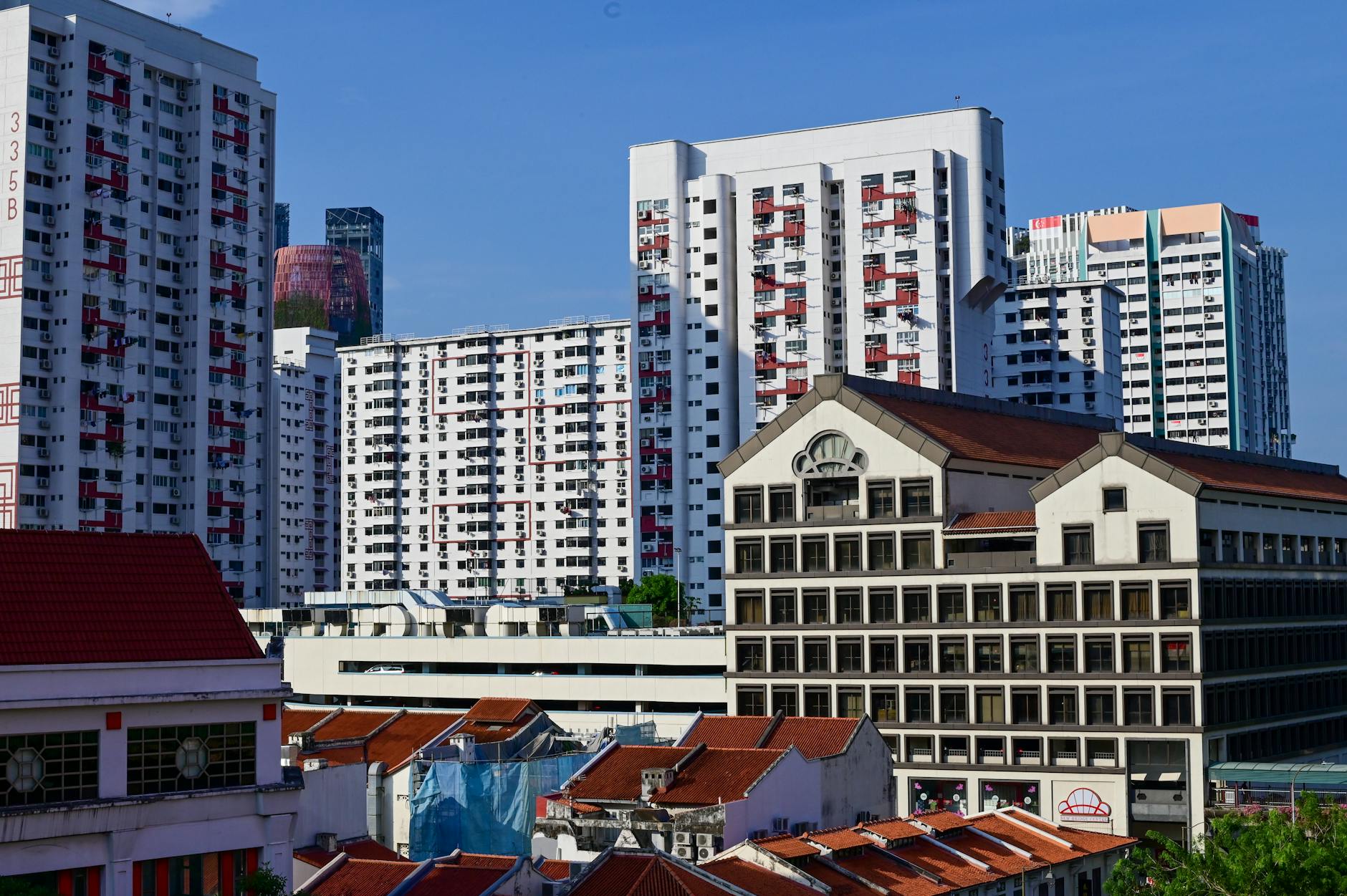
Responsible Travel in Singapore — Practical, Low‑Impact Tips
Practical, sustainable advice for a low‑impact visit to Singapore. Transport realities, seasonal tips, neighbourhood choices, local spending and links to the 3 days in Singapore itinerary.
A concise, practical guide to visiting Singapore responsibly: where to stay, how to get around, local etiquette, best shoulder‑season timing, and low‑impact day trips that complement our 3 days in Singapore itinerary.
Quick Answer
A concise, practical guide to visiting Singapore responsibly: where to stay, how to get around, local etiquette, best shoulder‑season timing, and low‑impact day trips that complement our 3 days in Singapore itinerary.
Who This Page Is For
This page is for travelers planning a stay in Singapore who want clearer decisions about responsible travel, local logistics, timing, budgeting, and practical trip planning.
How This Page Was Prepared
This page was prepared through a structured editorial workflow that combines destination research, geographic context, and practical travel-planning review.
Plan the Rest of Your Trip
Use this page together with the full itinerary and the related planning pages below to make better booking, timing, transport, and budget decisions.
Visit Singapore shoulder seasons (Feb–Apr and Aug–Oct) to avoid peak heat and the busiest travel periods. Use the MRT and buses for nearly every downtown trip, eat at hawker centres to support local vendors, and choose compact neighbourhoods (Tiong Bahru, Joo Chiat, Kampong Glam) to walk more and reduce taxi use. For a short stay, follow our 3 days in Singapore itinerary and add a low‑impact day trip like Pulau Ubin or a train ride to Johor Bahru if you want a taste of Malaysia.
This page helps you plan a considerate, low‑impact visit to Singapore that supports local businesses and minimizes environmental cost. It’s written to complement our practical 3 days in Singapore itinerary and to point you toward sustainable day trips to nearby cities such as Johor Bahru and Kuala Lumpur when you’re ready to explore beyond the island.
Expect clear public transport, compact neighbourhoods, and a year‑round warm climate with rainy spells. Read on for neighbourhood suggestions, seasonal timing, booking tips, and concrete ways to spend money locally.
What This Page Helps You Decide
Use this page to make specific choices that keep your visit low‑impact and locally beneficial:
- Which neighbourhood to base yourself in for walking and easy transit connections.
- When to travel to avoid crowds and heavy rain.
- How to pick experiences that benefit local vendors (hawkers, independent guides, family‑run homestays).
- Which day trips best match a sustainable mindset and limited time.
If you’re assembling a short trip, use these recommendations alongside the 3 days in Singapore guide for an efficient, responsible itinerary.
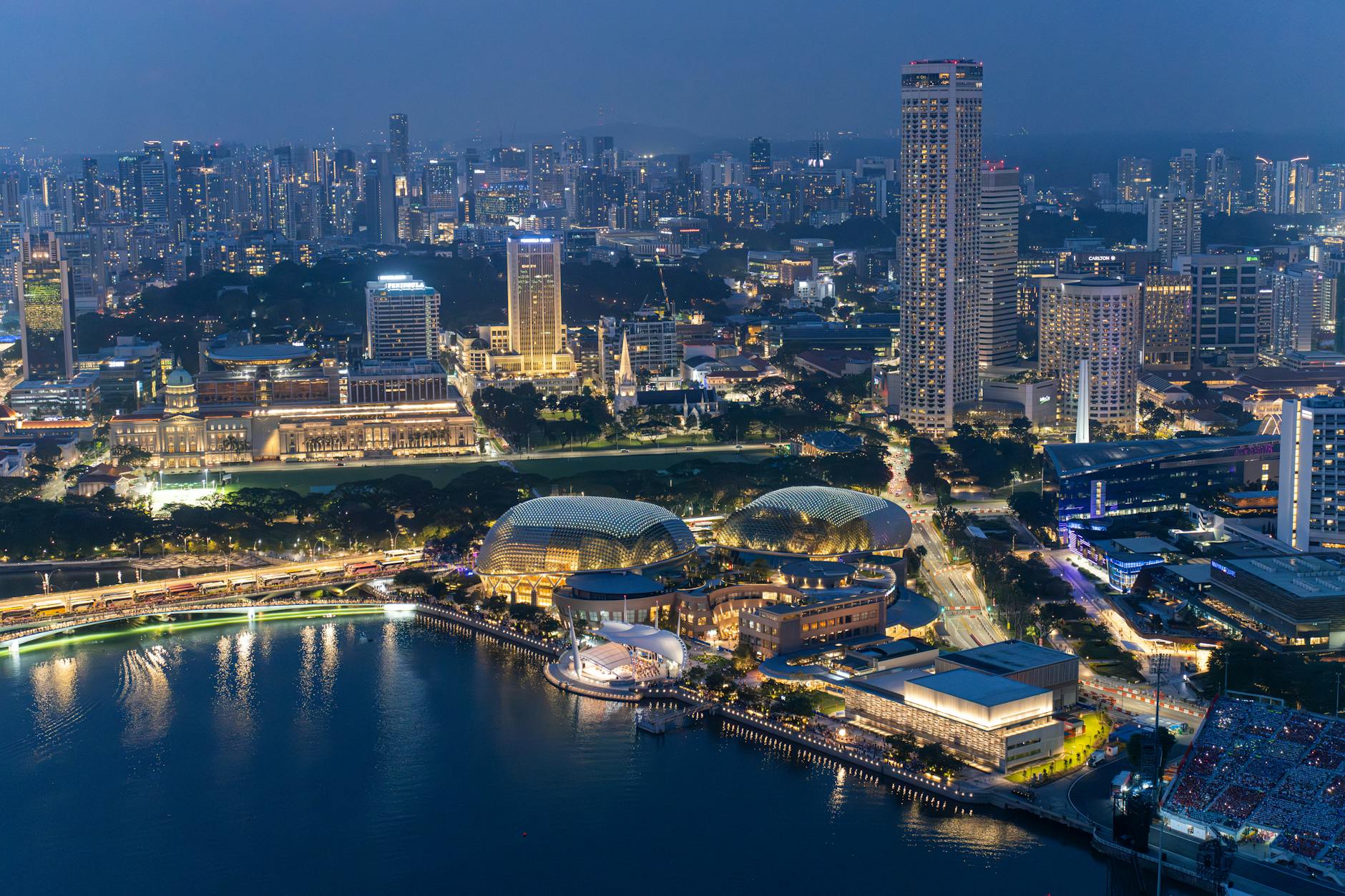
Top Recommendations
Base and movement
- Stay in walkable neighbourhoods: Tiong Bahru for cafes and hawkers, Kampong Glam for culture and boutique shops, or Katong/Joo Chiat for Peranakan heritage and local eateries.
- Buy a Singapore Tourist Pass or use contactless payment on MRT/buses for short stays; it’s cheaper and reduces paper use.
Eating and spending
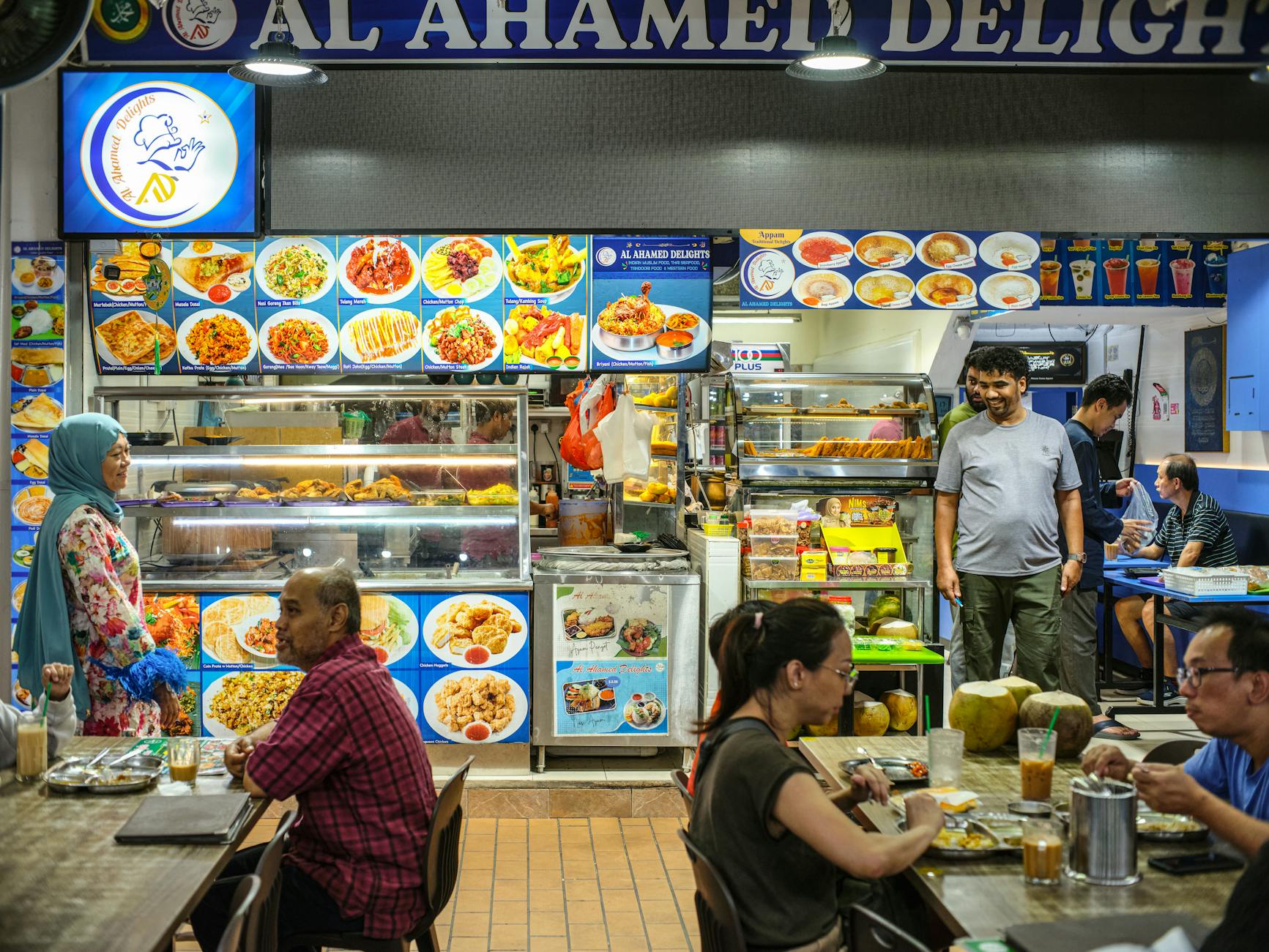
- Eat at hawker centres (Maxwell, Lau Pa Sat, Tekka Centre) to support local cooks and keep costs low.
- Join small‑group food walks or market tours led by local guides rather than large commercial operators.
Nature and low‑impact activities
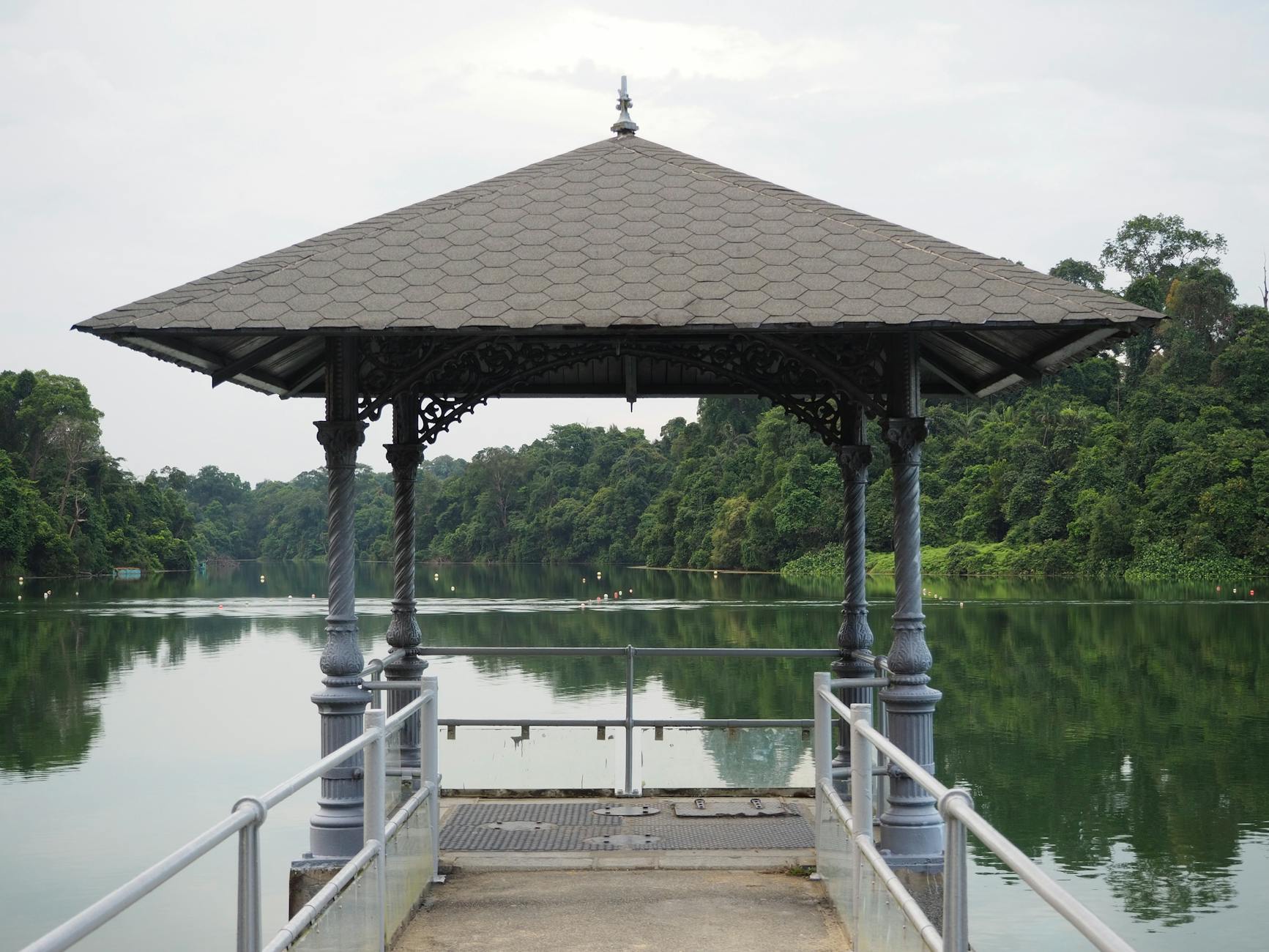
- Choose urban nature: Singapore Botanic Gardens (UNESCO), MacRitchie boardwalk, or East Coast Park cycling to keep visits low‑impact.
- For a rural day trip, take the short boat to Pulau Ubin and rent a bicycle from local vendors.
Day trips and nearby cities
- Johor Bahru is the quickest cross‑border option by bus or train—plan customs time and go for local markets rather than malls.
- For longer regional travel, use trains to Kuala Lumpur when time allows to lower flight emissions.
Booking tips
- Book experiences with small operators directly or via reputable platforms that favor community‑run tours.
- Reserve popular hawker spots or guided walks in advance if they sell out on weekends.
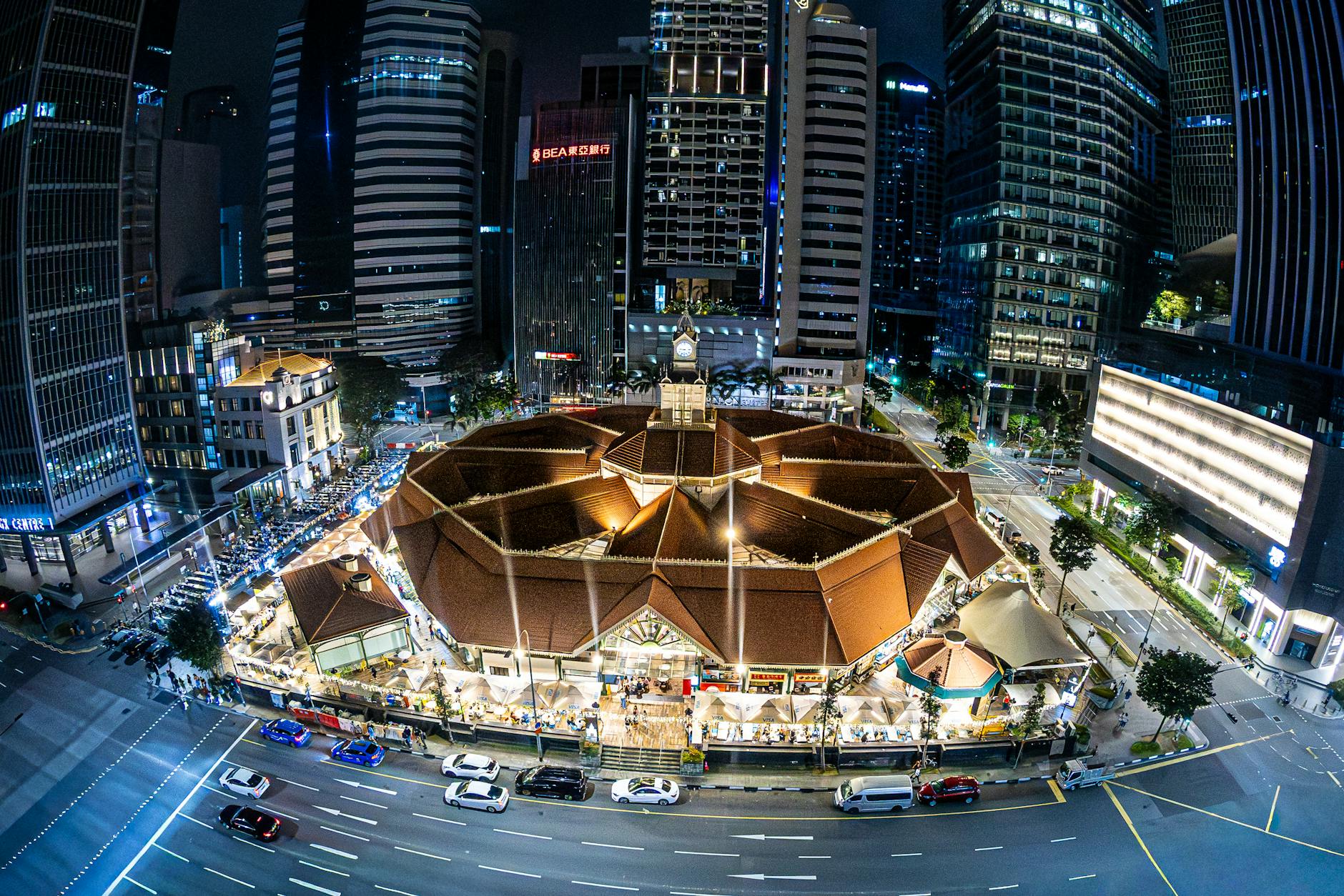
Local Context
Neighbourhoods and transit
- The MRT covers most central and suburban areas; some heritage enclaves (Tiong Bahru, Katong, Kampong Glam) are best explored on foot.
- Buses fill the gaps; apps like SG Trax and Citymapper work well for real‑time routing. Grab is common but pricier than public transport.
Seasonality and weather
- Singapore is equatorial: expect high humidity year‑round. There are wetter months: the Northeast Monsoon (Nov–Jan) brings heavier rain and occasional storms; Feb–Apr and Aug–Oct are generally good shoulder seasons.
- Afternoon showers are common; carry a lightweight rain jacket and pack quick‑dry clothing.
Culture and etiquette
- Public spaces are clean and regulated: no chewing gum, no littering, and fines for spitting. Respect food‑court queuing culture and clear your table after eating.
- Dress modestly when visiting places of worship (Little India, Masjid Sultan in Kampong Glam). Ask before photographing people in private settings.
Economy and pricing
- Hawker meals are affordable; independent kopitiams and coffee shops offer local dishes at lower cost than tourist restaurants. Support neighbourhood vendors rather than chains.
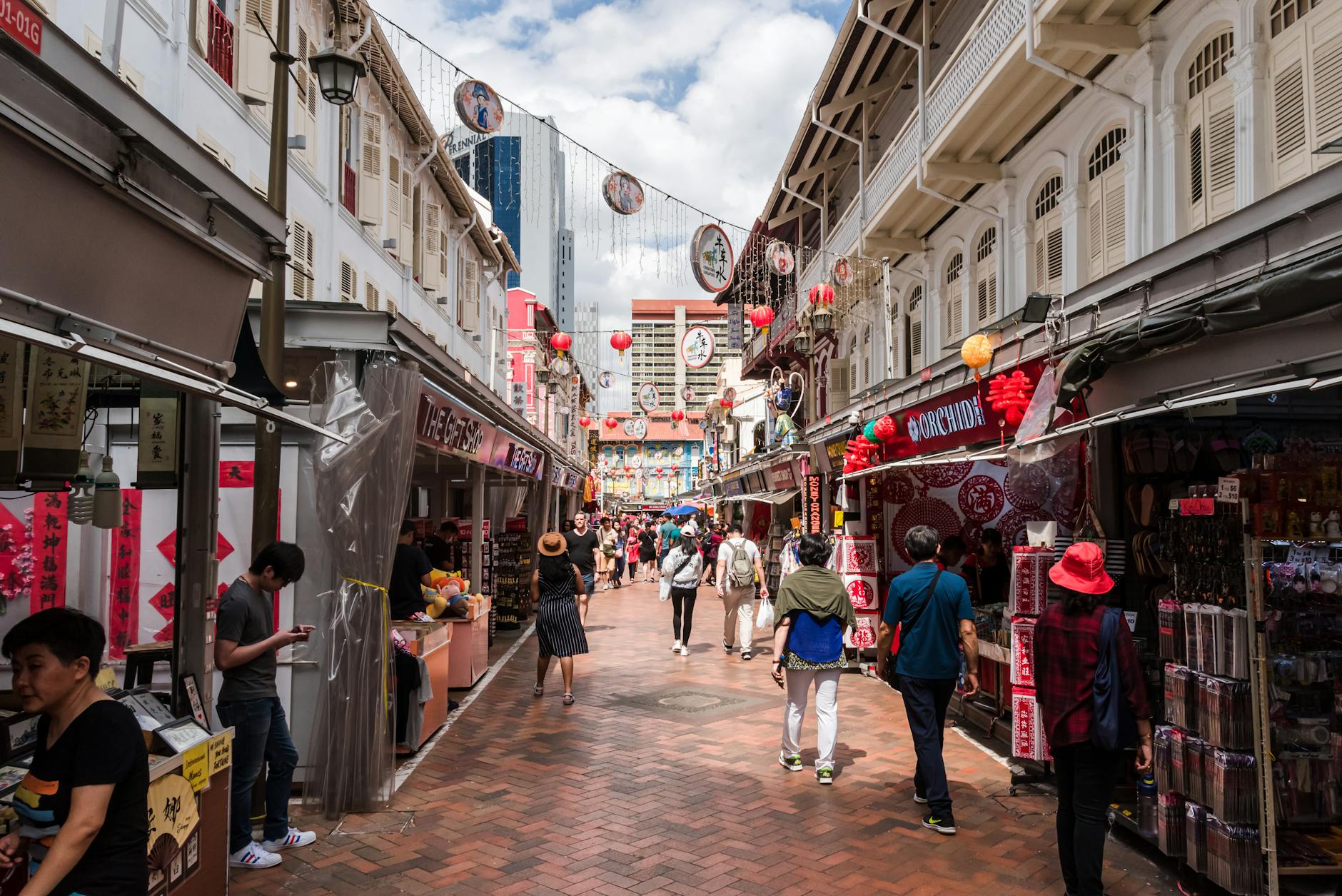
How to Choose Well
Decide based on time, impact, and authenticity:
- Time: For a 3‑day trip, prioritise one nature experience (MacRitchie or Pulau Ubin) plus two neighbourhood walks. Use the 3 days in Singapore itinerary to allocate hours.
- Impact: Prefer public transport, walking, or cycling over taxis. Choose operators that hire local staff and keep tours small.
- Authenticity: Pick community‑run activities (cooking classes in Joo Chiat, heritage walks in Kampong Glam) rather than staged tourist shows.
Practical selection checklist
- Does the operator publish group size limits and local partnerships?
- Are refunds or changes clear in case of sudden rain or transit disruptions?
- Can you pay locally in cash to small vendors, or use contactless for transit and official vendors?
Responsible and Local-First Tips
Spend locally
- Eat at hawker centres and family‑run coffeeshops; buy crafts from independent makers in Haji Lane or Tiong Bahru markets.
Transport choices
- Use MRT and buses for most trips. Rent a bike in East Coast Park or at Pulau Ubin rather than motorised tours.
Waste and water
- Bring a reusable water bottle—many malls and MRT stations have filtered water refills.
- Avoid single‑use plastics and decline plastic bags; bring a lightweight bag for market shopping.
Wildlife and nature
- On Pulau Ubin and nature reserves, stick to marked trails, don’t feed wildlife, and take all rubbish with you.
Community engagement
- Choose guided experiences that directly share income with local communities and explain heritage context.
- Tip thoughtfully: tipping isn’t customary in most hawker stalls, but small tips or positive online reviews help small businesses.
Common Mistakes to Avoid
- Overpacking your schedule. Singapore rewards slow exploration—save time to wander neighbourhoods and sample hawker food.
- Expecting warm weather to mean no rain. Pack for sudden showers and flexible plans.
- Relying only on taxis. They’re easy but add cost and emissions; use MRT for main corridors.
- Eating only at tourist restaurants. You’ll miss local specialties and cheaper, higher‑value meals at hawker centres.
- Underestimating border time to Johor Bahru. Customs and traffic can add significant delays—plan extra time.
FAQ
When is the best time to visit Singapore for lower crowds and milder weather?
Visit in the shoulder seasons, typically Feb–Apr and Aug–Oct, to avoid the heaviest rains and the busiest travel peaks. Still carry rain protection—afternoon showers are common year‑round.
Is public transport easy for first‑time visitors?
Yes. The MRT and bus network cover most central attractions. Buy a reloadable EZ-Link card or the Singapore Tourist Pass for convenience. Use apps for real‑time schedules; taxis and rideshares fill gaps but cost more.
How can I eat sustainably while in Singapore?
Eat at hawker centres and small kopitiams—this supports local livelihoods and keeps costs low. Bring a reusable bottle and reusable cutlery if you plan takeout to reduce single‑use plastics.
Are day trips to Johor Bahru or Kuala Lumpur practical and sustainable?
Johor Bahru is a practical short cross‑border option by bus or train; allow extra time for immigration. For Kuala Lumpur, prefer train travel when possible for lower emissions, but expect longer transit time.
Any etiquette tips I should know?
Queue patiently, clear your own table in hawker centres, avoid public displays of anger, and dress modestly at religious sites. Don’t chew gum or litter—rules are enforced with fines.
How do I find community‑run tours and local guides?
Look for small operators with clear local partnerships, check reviews for mentions of community benefits, and consider contacting neighbourhood associations (Tiong Bahru, Kampong Glam groups) for recommended guides.
Conclusion
Singapore is compact and easy to explore responsibly. Combine efficient public transport, neighbourhood walks, hawker meals, and one nature escape to keep your visit low‑impact and locally beneficial. Use this page with the 3 days in Singapore itinerary to plan a balanced trip, and consider sustainable day trips to Johor Bahru or using trains for longer regional travel.
Small choices—where you eat, how you move, which guides you hire—add up. Prioritise local businesses and low‑impact activities for a more rewarding visit.
How this guide was prepared
This guide was prepared through a structured research that combines destination research, geographic context, itinerary planning logic, and content review.