
Responsible Travel in Marrakesh: Practical, Local-First Advice
Hands-on responsible travel guide to Marrakesh: sustainable riads, low-impact day trips, medina navigation, seasonal tips, local etiquette, and booking advice to support the local economy. Companion: 3 days in Marrakesh.
Practical advice for visiting Marrakesh responsibly. Choose local-first accommodation, low-impact day trips to the Atlas and Essaouira, navigate the medina with respect, and plan around shoulder seasons to reduce crowds and heat stress.
Quick Answer
Practical advice for visiting Marrakesh responsibly. Choose local-first accommodation, low-impact day trips to the Atlas and Essaouira, navigate the medina with respect, and plan around shoulder seasons to reduce crowds and heat stress.
Who This Page Is For
This page is for travelers planning a stay in Marrakesh who want clearer decisions about responsible travel, local logistics, timing, budgeting, and practical trip planning.
How This Page Was Prepared
This page was prepared through a structured editorial workflow that combines destination research, geographic context, and practical travel-planning review.
Plan the Rest of Your Trip
Use this page together with the full itinerary and the related planning pages below to make better booking, timing, transport, and budget decisions.
Yes — you can travel to Marrakesh responsibly with a few simple practices: choose locally run riads, hire licensed local guides for the medina, prefer public or shared transport for day trips, visit in shoulder seasons (March–May, September–November) to avoid extreme heat and crowds, and spend with small businesses and craft cooperatives rather than large tour operators.
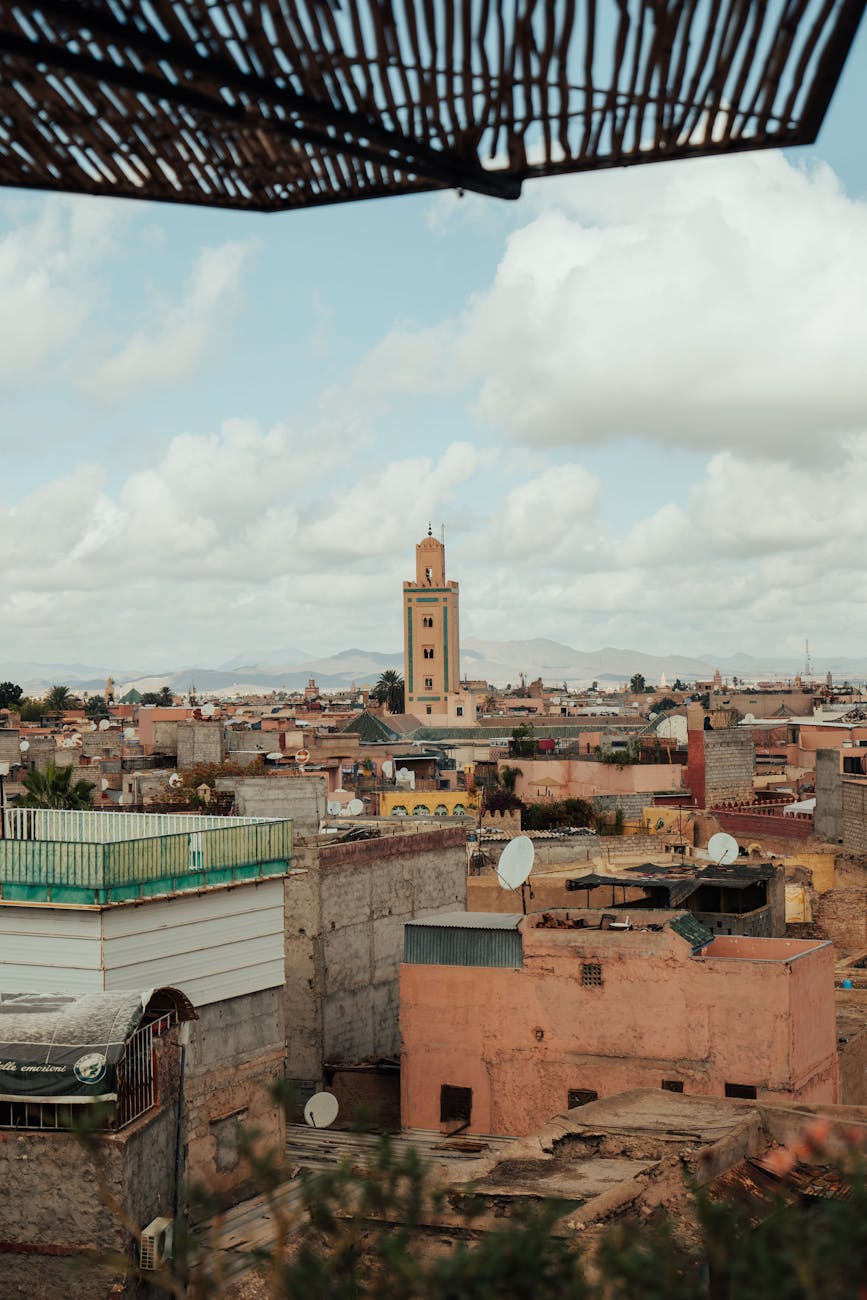
Marrakesh is both an extraordinary sensory destination and a dense urban environment where visitor choices matter. This page gives practical, responsible guidance to support the three-day itinerary in our companion page, 3 days in Marrakesh, and to help you plan low-impact day trips to Essaouira, Agadir or the Atlas foothills. Expect narrow medina lanes, lively souks, a mix of modern Gueliz and traditional neighbourhoods like Bab Doukkala and Kasbah, and hot summers with cool winter evenings.
What This Page Helps You Decide
Use this page to make concrete choices that reduce impact and maximize local benefit:
- Where to stay: riads and locally run guesthouses vs. international hotels.
- How to get around: walking, petit taxi, shared transfers, and intercity buses to Essaouira or Casablanca.
- Which day trips are responsible: community-led Atlas treks, Essaouira coastal trips, vs. high-impact quad-bike tours.
- When to visit: shoulder seasons and timed visits to avoid peak heat and crowds.
This guidance is designed to complement the practical schedule and timing in 3 days in Marrakesh, not to replace it.
Top Recommendations
Priorities for a responsible Marrakesh stay:
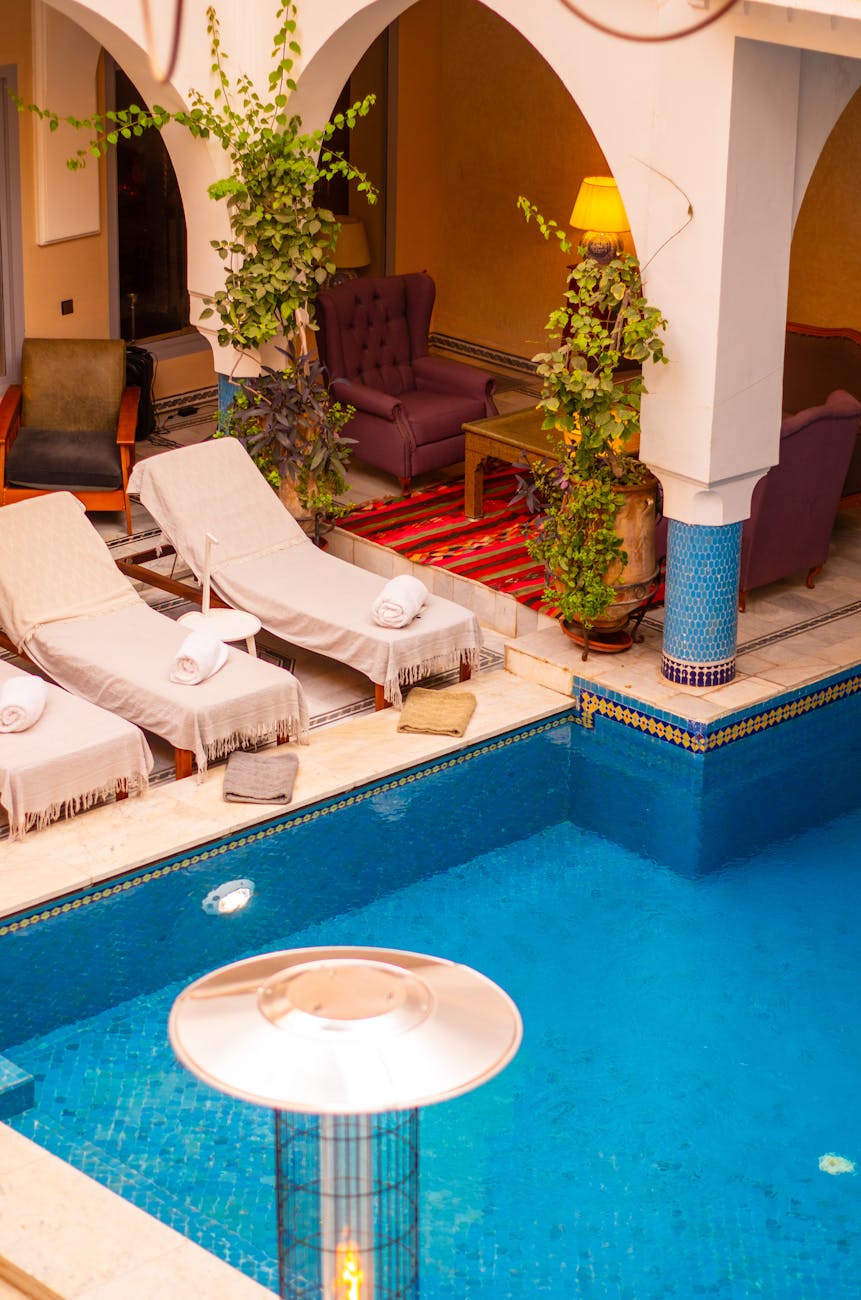
- Stay in a small riad in or near the Medina (Kasbah, Mouassine, Sidi Ben Slimane) that employs local staff and shows transparent community practices.
- Book a licensed local guide for at least one medina walk to support local livelihoods and navigate etiquette, especially around Jemaa el-Fnaa and the souks.
- Reserve timed tickets online for Jardin Majorelle and busy attractions to avoid queues and peak crowding.
- Take one low-impact day trip: a community-based Atlas village visit, or a train/bus to Essaouira instead of a long private transfer.
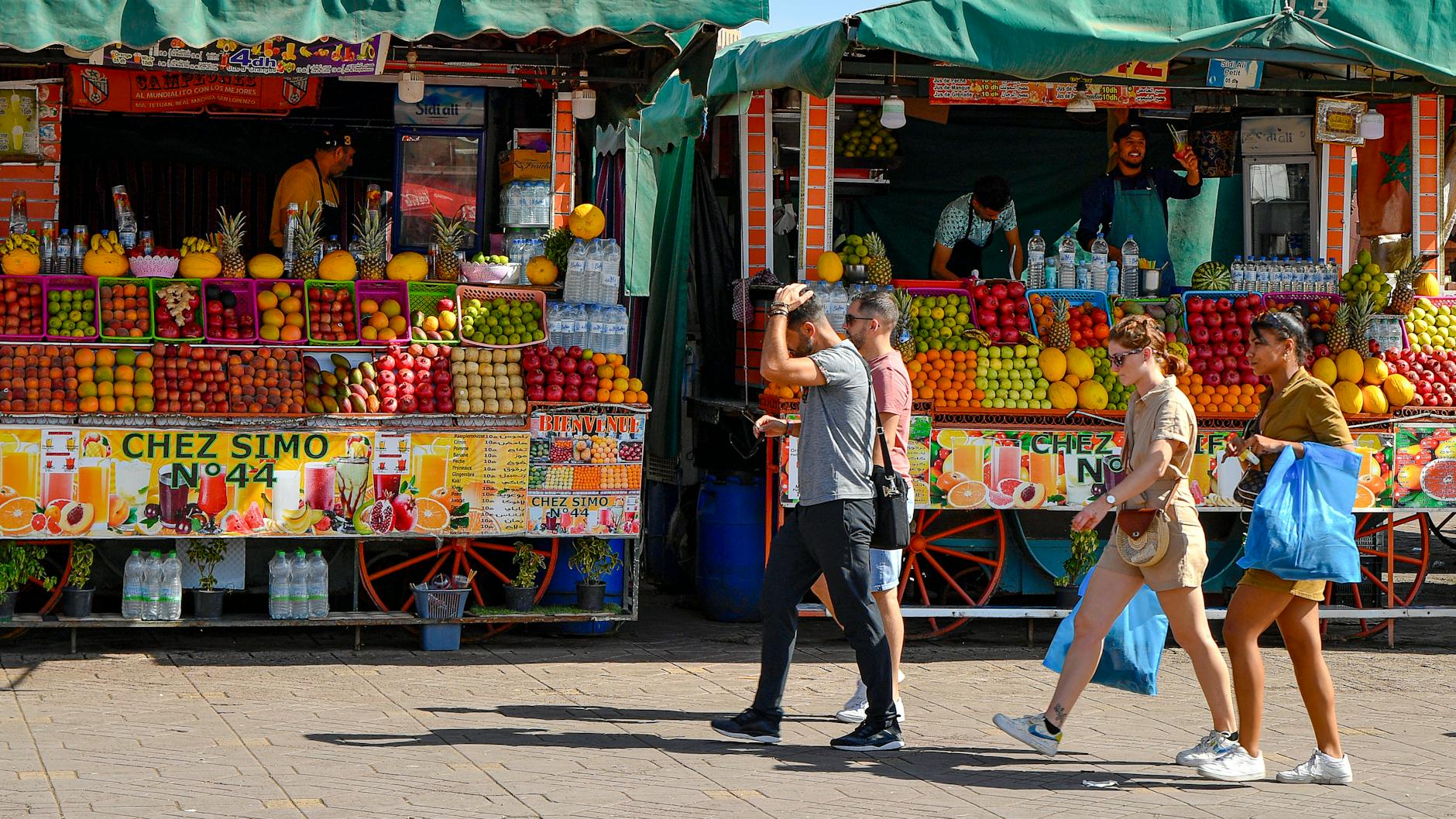
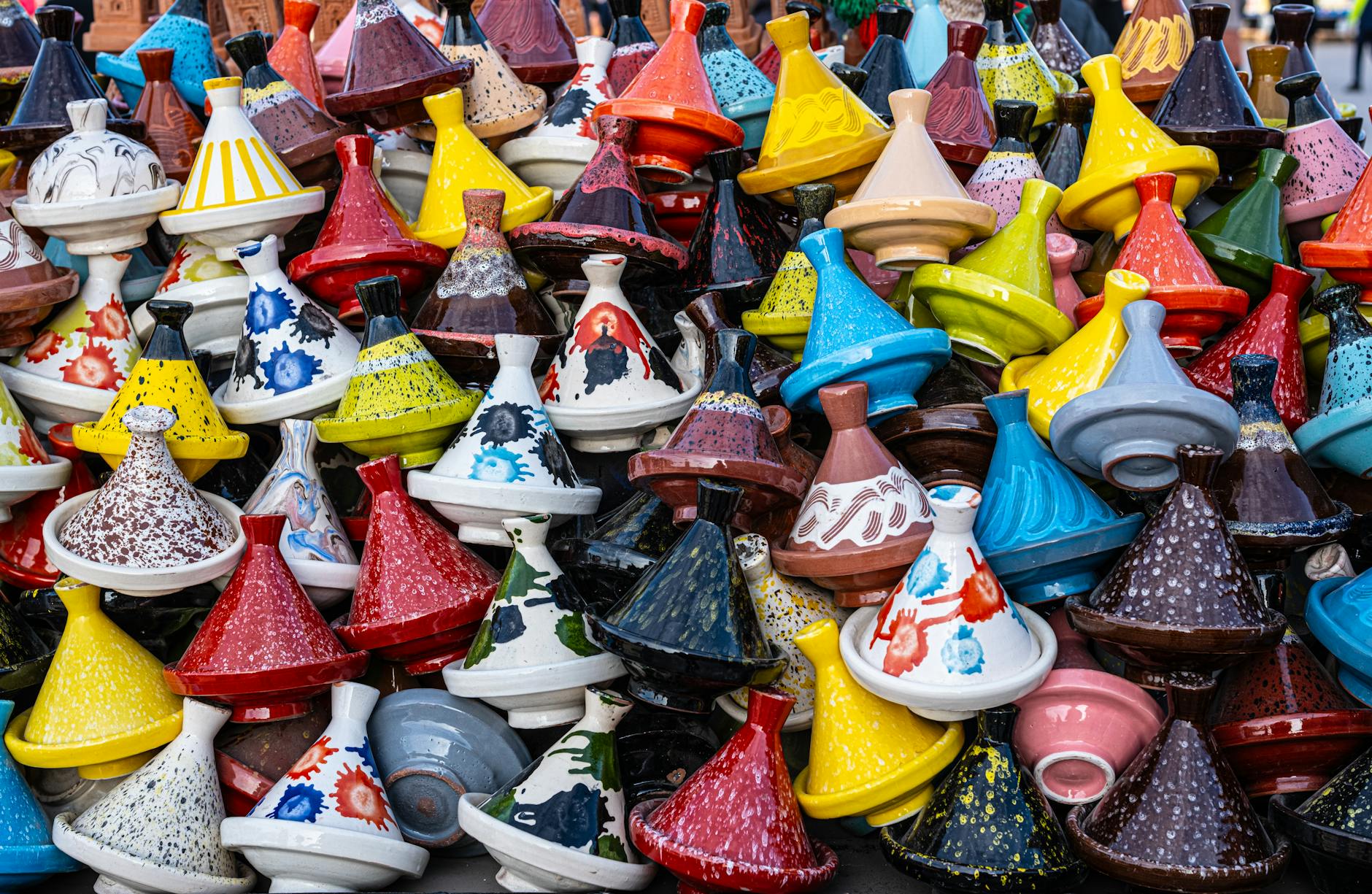
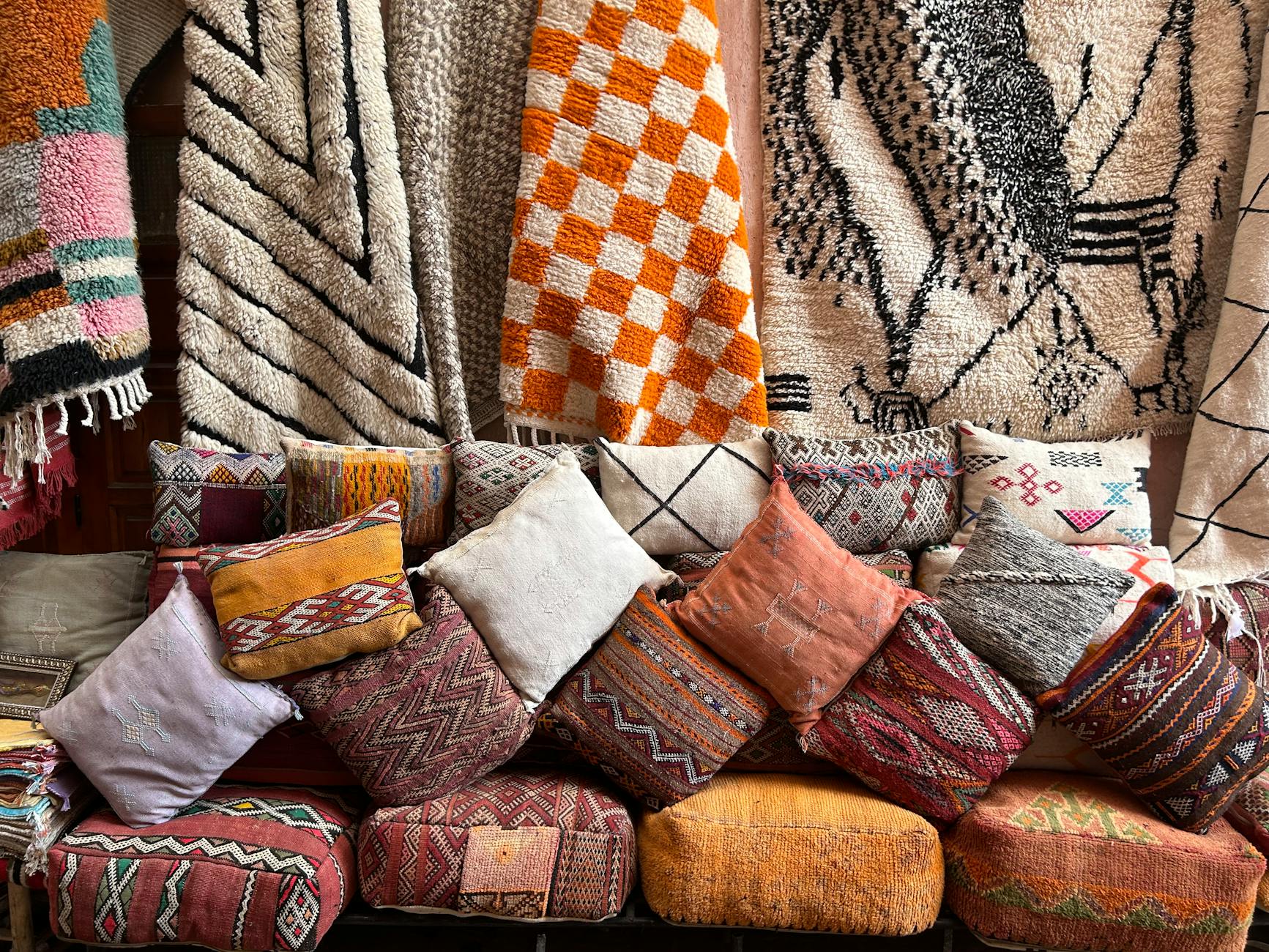
- Spend on local artisans and cooperative-run businesses (weavers, potters, argan cooperatives with fair pay) rather than mass-tourism shops.
Practical booking tip: confirm riad access for arrivals after sunset; many medina doorways and cars aren't permitted inside narrow lanes.
Local Context
Neighbourhoods, seasons, and transport realities:
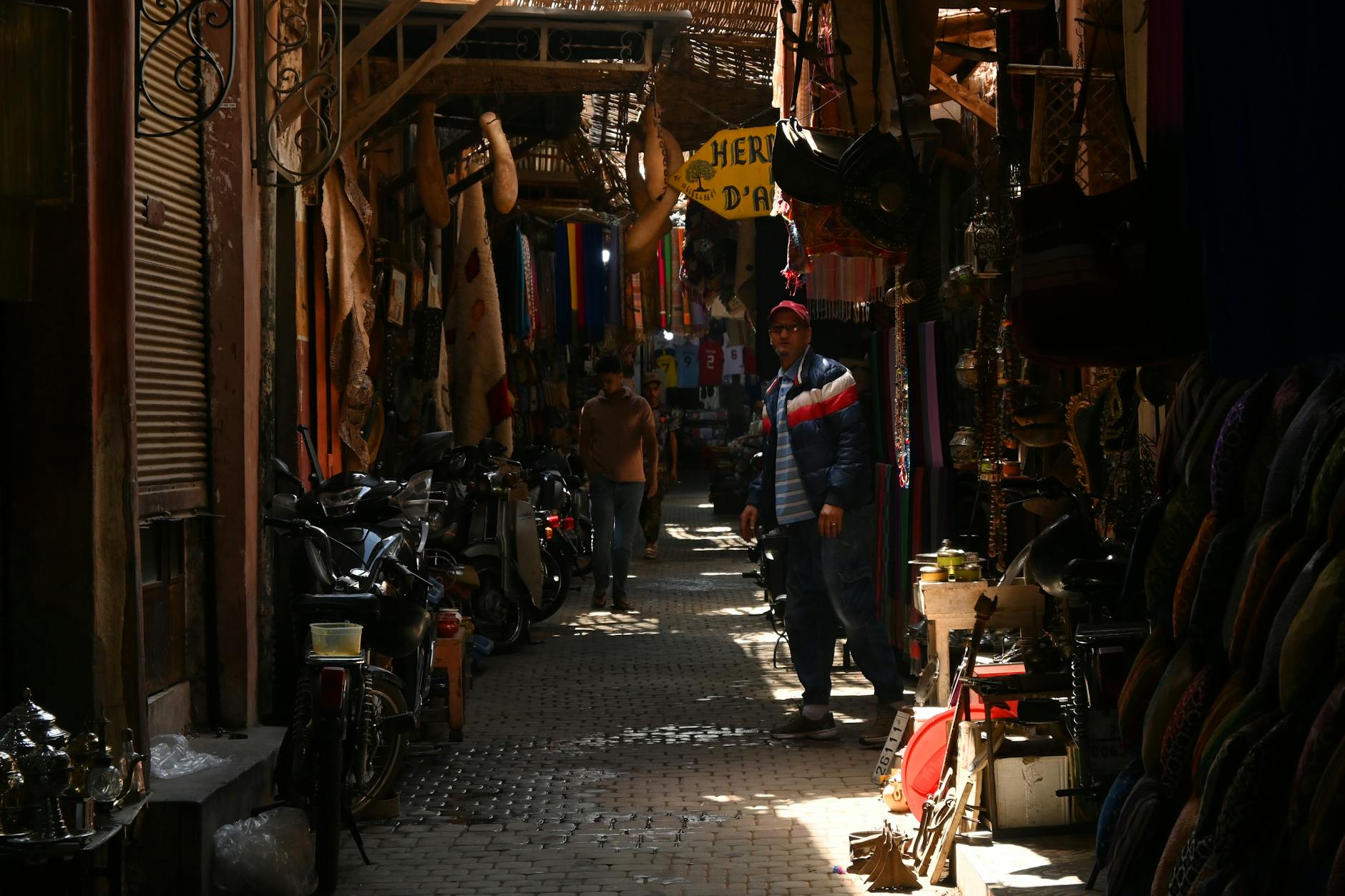
- Medina (historic core): dense, pedestrian-first, full of souks and small riads. Streets are often too narrow for cars; luggage delivery can be arranged with the riad.
- Kasbah and Mellah: near major palaces and museums; good for short walks and evening calm compared with the central square.
- Gueliz and Hivernage: modern districts with cafes, galleries, and tram access; better for longer-stay logistics and supermarkets.
Seasonal patterns:
– Spring (March–May) and autumn (September–November): best balance of weather and fewer crowds.
– Summer: extreme heat in July–August; plan indoor or early-morning activities and short evenings in the medina.
– Winter: cool nights; some riads may not have central heating.
Transport realities:
– Menara Airport is 5–15 minutes by car from central Marrakech but expect traffic entering the medina.
– Petit taxis are metered but can refuse to use meters for short trips; always confirm or agree a price for journeys crossing zones.
– Intercity buses (CTM, Supratours) and trains run reliably to Casablanca, Rabat and Meknes; buses and shared shuttles serve Essaouira and Agadir.
How to Choose Well
Decision-making checklists:
Accommodation:
– Choose riads with small staff teams, local hiring, and waste reduction practices.
– Check recent guest reviews for reliability and mention of local community contributions.
Guides and tours:
– Ask for a professional licence or association; prefer walkable medina tours capped at small groups.
– For Atlas visits, prioritise community-run cooperatives or guides who give a clear breakdown of where fees go.
Food and shopping:
– Eat where locals go: neighbourhood restaurants in Bab Doukkala or Sidi Abdelaziz for affordable, authentic meals.
– Buy from artisan cooperatives or directly from makers; request provenance and avoid mass-produced 'Moroccan-style' goods.
Booking tips:
– Reserve riad pick-up in advance if arriving late; many medina gates are closed for vehicles after dark.
– Carry cash in small denominations for markets and petit taxis; many small vendors do not accept cards.
Responsible and Local-First Tips
Small choices that make a difference:
- Spend locally: prefer family-run riads, neighbourhood cafes, and craft cooperatives.
- Reduce waste: bring a refillable water bottle (filtered water available at many riads), decline single-use plastic bags, and carry small reusable utensils if you picnic.
- Respect people and privacy: always ask before photographing individuals, especially in the Mellah and around religious sites.
- Wildlife and animal welfare: avoid donkey or horse rides that look poorly maintained; seek providers with clear welfare standards or choose walking alternatives.
- Cultural sensitivity: dress modestly in markets and religious settings; remove shoes where requested and follow prayer-time rhythms.
Support community initiatives:
– Book cultural experiences that return revenue to local families or artisans.
– Consider a short volunteer experience or a stay at a social enterprise if time allows, but research for genuine local benefit.
Common Mistakes to Avoid
Frequent errors and how to prevent them:
- Expecting cars everywhere: don’t plan to drive into the medina; arrange luggage transfer with your riad.
- Over-haggling to the point of disrespect: negotiate reasonably and remember haggling supports small incomes.
- Booking high-impact excursions without vetting: avoid unregulated quad-bike or camel farms that show poor animal care.
- Underestimating cash needs: many souk vendors and small eateries are cash-only and prefer small denominations.
- Staying only in tourist bubbles: split nights between the medina and a neighbourhood like Gueliz to see different urban realities.
Quick fix: read recent guest reviews, ask directly about community benefits, and request written confirmations for transfers and pick-ups.
FAQ
Is Marrakesh safe for solo travelers and women traveling alone?
Marrakesh is generally safe but requires situational awareness. Dress modestly, avoid isolated lanes at night, use licensed guides after dark, and prefer trusted transport for solo night journeys.
How much should I tip in restaurants and for guides?
Small tips are appreciated: 5–10 dirhams for small services, 10–50 dirhams for tour guides depending on group size and duration. For riad staff, a few dirhams per service or a small envelope at checkout is normal.
Can I visit the medina without a guide?
Yes, but a licensed local guide adds value: they speed up navigation, explain etiquette, and channel spending to local livelihoods. Hire guides for at least one half-day.
What day trips are responsible from Marrakesh?
Top low-impact options: shared-bus or train to Essaouira, community-guided Atlas village walks, and visits to cooperative argan or craft workshops that display transparent benefit-sharing.
When is the best time to visit to avoid crowds and heat?
Shoulder seasons—March to May and September to November—offer pleasant weather and fewer visitors. If visiting in summer, plan mornings and evenings in the medina and indoor midday activities.
How can I ensure my riad is genuinely sustainable?
Ask about local hiring, waste reduction, water and energy practices, and whether they source food locally. Check independent reviews and whether the property supports local projects or cooperatives.
Conclusion
Responsible travel in Marrakesh is about thoughtful choices that support local people and protect cultural and environmental quality. Use this page alongside our 3 days in Marrakesh itinerary to plan meaningful days, pick neighbourhood-aware accommodation, favour small guides and cooperatives, and choose shoulder-season timing where possible. If you're heading on, consider low-impact stops in Essaouira or a community-led Atlas visit to round out a respectful Moroccan trip.
How this guide was prepared
This guide was prepared through a structured research that combines destination research, geographic context, itinerary planning logic, and content review.