
3 Days in Nanjing: A Compact Itinerary for History, Parks, and Food
Three days in Nanjing: a practical itinerary for history, parks, and riverfront food. Top sights, neighborhoods, transit tips, and where to try salted duck.
A focused 3-day plan to see Purple Mountain memorials, walk the Ming City Wall, cruise the Qinhuai River, and sample the best local snacks.
This city blends deep imperial history, lush green spaces and a lively riverfront food scene. It suits history lovers, families who like parks, and food-focused weekenders who want a compact, walkable destination. Three days is ideal because you can cover the Purple Mountain memorials, the Ming City Wall and a full evening along the Qinhuai River without rushing; the pace leaves time for museums, local snacks, and a transit-friendly base near Xinjiekou or Gulou. Expect mid-sized urban energy, excellent metro connections, and an approachable mix of museums, temples and gardens.
Quick Answer
A focused 3-day plan to see Purple Mountain memorials, walk the Ming City Wall, cruise the Qinhuai River, and sample the best local snacks.
Who This Guide Is For
This guide is best for first-time visitors, couples, solo travelers, and anyone planning 3-day city break, culture & history, weekend getaway in Nanjing with a balance of highlights, local character, and reasonable spending.
How This Guide Was Prepared
This guide was prepared through a structured editorial workflow that combines destination research, geographic context, itinerary planning logic, and practical travel review.
Plan Your Stay in Nanjing
Use this itinerary as your starting point, then compare areas to stay, transport options, seasonal timing, and realistic daily costs before booking.
Why Visit
Historic gravity: key 20th-century and Ming-era sites are concentrated and well-preserved. Nature and views: Purple Mountain and Xuanwu Lake offer easy outdoor escapes within the city. Food culture: street snacks and Jiangsu cuisine are accessible at Fuzimiao and small alleys. Proximity: high-speed rail links make it a great add-on from Shanghai, Suzhou or Hangzhou. The compact center lets you see several major attractions in three days without long transfers.
Quick Planning Tips
Base yourself in Gulou or Xinjiekou for the best transit and dining options. Buy metro cards (Ningbo-like transport card works at ticket machines) or use mobile apps for top-ups. Book any timed tickets for the Sun Yat-sen Mausoleum and the Nanjing Museum in advance on official sites. Pack comfortable shoes for cobblestone sections of the City Wall and stairs on Purple Mountain. Expect hot, humid summers and chilly, damp winters; check weather before you go. Carry a WeChat or Alipay payment method and a translation app for menus and smaller vendors.
Day 1
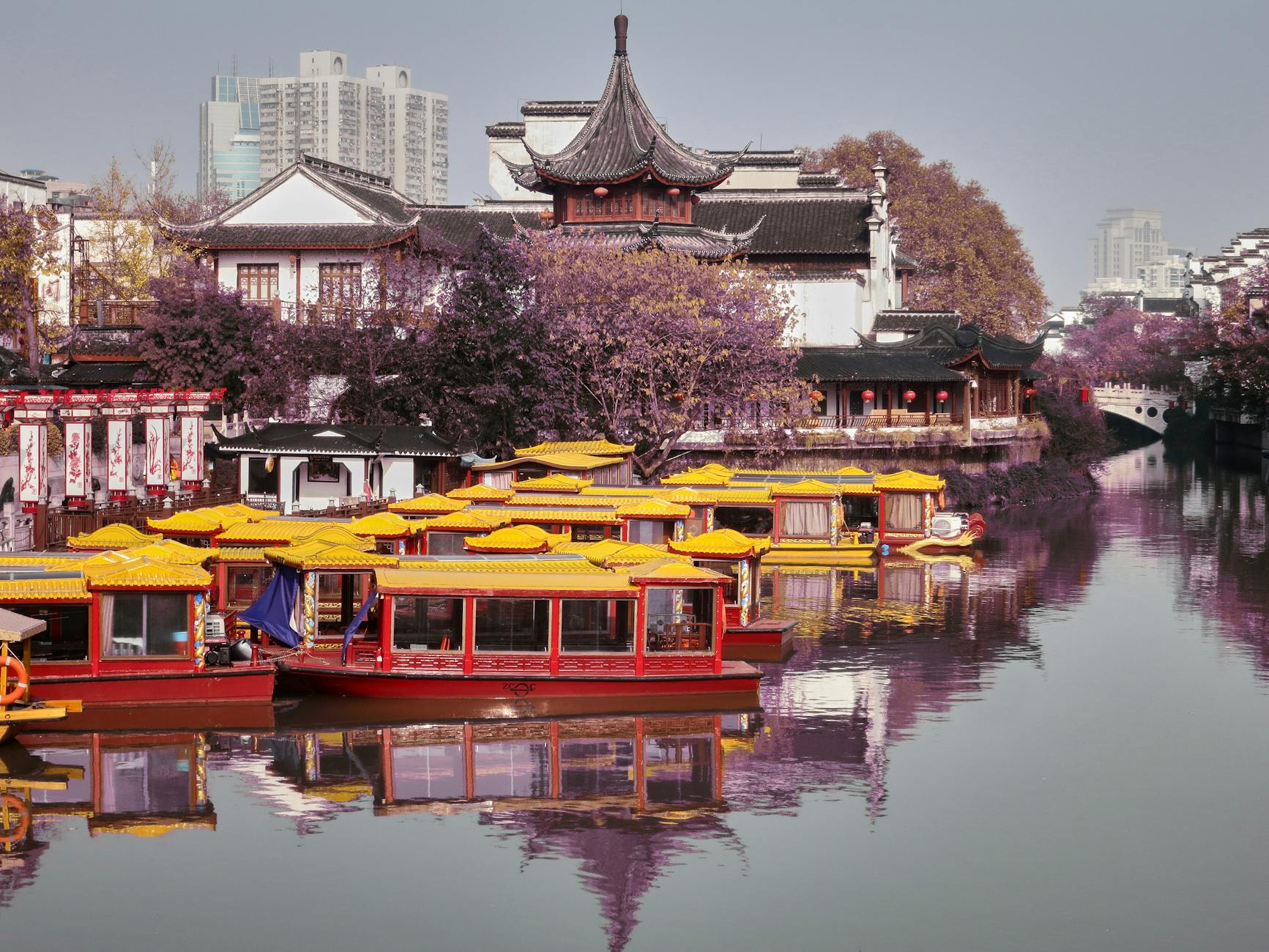
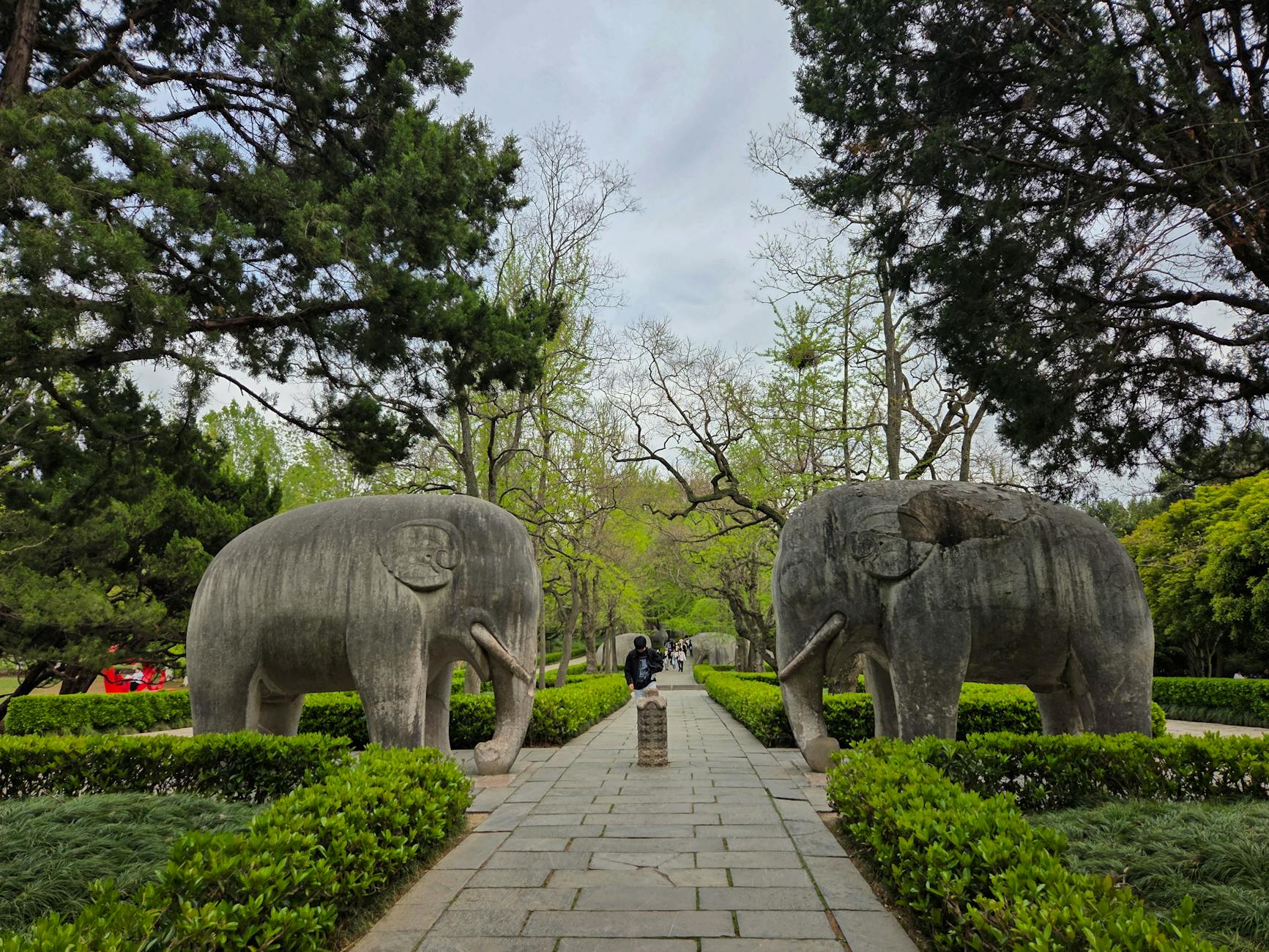
Morning: Start at the Sun Yat-sen Mausoleum on Purple Mountain. Walk the landscaped terraces and visit the nearby Ming Xiaoling Mausoleum with its Sacred Way. Afternoon: Descend into the Purple Mountain Botanical Garden or stop at the Purple Mountain Observatory for views. Late afternoon: Return to Gulou for coffee and a stroll through university-lined streets. Evening: Head to the Confucius Temple (Fuzimiao) area — explore Qinhuai riverbanks, try salted duck and small plates from snack alleys, and consider a short river cruise after dusk.

Day 2
Morning: Walk along the Ming City Wall—choose a preserved section at Zhonghua Gate for fortifications and views. Visit the nearby Nanjing Museum for comprehensive exhibits on Jiangsu history. Afternoon: Stop at the Presidential Palace to trace 20th-century Chinese politics. Late afternoon: Recharge at Xuanwu Lake Park; rent a paddle boat or walk the islands. Evening: Explore the 1912 Bar Street or the Xinjiekou shopping district for dinner and modern nightlife.

Day 3
Morning: Visit the Nanjing Massacre Memorial Hall early to avoid crowds; allow at least 1.5–2 hours. Midday: Try local favourites—duck blood soup, pan-fried dumplings and salted duck—at a recommended stall near Confucius Temple or Shiziqiao. Afternoon: If time permits, take a short trip to Jiming Temple or shop for souvenirs in Lao Qinhuai. Late afternoon/Evening: Finish with a relaxed walk or bike ride around Xuanwu Lake or catch sunset views from a high-rise near Xinjiekou before departure.

Best Local Experiences
Walk the City Wall at dawn for cooler air and quiet photo opportunities. Eat a full snack crawl in the Qinhuai area—stalls, small restaurants and tea houses. Take a Purple Mountain trail to hidden shrines and botanical gardens for a peaceful escape. Visit a tea house to learn Jiangsu tea culture and try local pastries. Spend an evening along the river to hear traditional music near Fuzimiao and see classical architecture lit at night.

Where to Stay
Gulou: lively, near universities, cafes and convenient metro lines. Xinjiekou: central shopping and business district, best for first-time visitors and connections. Confucius Temple (Qinhuai) area: riverfront charm and easier access to night markets. Hexi and Jiangdong offer quieter, modern hotels if you prefer malls and riverside parks. Choose a hotel near a metro line (Line 1, 2 or 3) to maximize sightseeing time.
Food and Drink
Must-try dishes: Nanjing salted duck, duck blood and vermicelli soup, pork buns and sesame pancakes. Where to go: Qinhuai snack alleys near Fuzimiao for traditional stalls; Laomendong for a mix of restaurants; 1912 district for contemporary dining and bars. Tea houses near Confucius Temple offer quiet tastings. For budget meals seek local dai pai dong-style stalls; mid-range restaurants serve Jiangsu cuisine with refined presentations. Carry cash for small vendors and check opening hours—many snack stalls peak in the evening.
Getting Around
Metro: efficient and covers most sights; buy a rechargeable card for convenience. Buses: extensive but slower; useful for reaching outlying Purple Mountain stops. Taxis and DiDi: plentiful and affordable for short hops, especially late at night. Bike sharing: easy for lakeside paths and short trips within central districts. High-speed rail: Lukou Airport connects by Metro Line S1 to the city; high-speed trains link to Shanghai, Suzhou and Hangzhou—ideal for multi-city trips.
Best Time to Visit
Spring (April–May) and autumn (September–October) offer comfortable temperatures and clearer skies—ideal for walking Purple Mountain and lakeside paths. Summer brings heat and humidity, but evening markets are lively. Winter is cool and damp; fewer tourists and lower hotel rates. Cherry blossoms bloom in spring on parts of Purple Mountain—check local bloom forecasts if that’s a priority.
Budget and Practical Tips
Entry fees: many major sites charge modest fees; some museums offer free or reserved-entry days—book ahead. Daily budget: modest meals and metro rides keep costs low; mid-range dinners and private transfers raise expenses. Cash vs digital: WeChat Pay and Alipay are widely accepted; carry some cash for tiny stalls. Language: basic Mandarin phrases help; translation apps bridge most gaps. Safety: the city is generally safe; keep an eye on luggage at busy transport hubs.
FAQ
How much can you realistically see in 3 days?
You can cover major highlights—Purple Mountain, Ming City Wall, Nanjing Museum, Qinhuai River and a memorial site—if you plan and use the metro.
Is the Qinhuai River boat ride worth it?
Yes—especially at night when temples and bridges are lit; it adds context to the old town and is relaxing after daytime walking.
What is the signature local dish to try?
Salted duck is the culinary emblem, but try duck blood and vermicelli soup and local dumplings for variety.
Can I visit on a weekend from Shanghai?
Definitely—high-speed trains make it a straightforward weekend break; morning departures get you a full first day.
Are museums in English?
Major museums have some English signage and audio guides, but a translation app is useful for deeper exhibits.
Is it walkable?
The core is walkable; use the metro for longer hops between Purple Mountain, Xuanwu Lake and outlying museums.
Conclusion
Three days here deliver a satisfying mix of history, park time and food discovery. Move between Purple Mountain, the City Wall and the Qinhuai riverfront at a relaxed pace, use the metro to save time, and leave space for unplanned alleyway snacks. With easy rail links to nearby cities, this itinerary also works as part of a longer Yangtze Delta loop.
How this guide was prepared
This guide was prepared through a structured research that combines destination research, geographic context, itinerary planning logic, and content review.