

3 Days in Alghero: A Weekend Itinerary for History, Sea Caves & Seafood
Explore Alghero in three days: medieval ramparts, Capo Caccia caves, beaches and seafood. Practical 3-day itinerary, transit tips, and local experiences.
A compact, Catalan-flavored Sardinian port with ancient ramparts, nearby sea caves and fine beaches. This guide lays out a practical 3-day plan for history, nature and food.
A compact, Catalan-influenced Sardinian port with honey-colored stone, palm-lined promenades and a lively harbor. It suits history lovers who enjoy walkable old towns, couples seeking sunset views, families who want beaches within easy reach and nature fans aiming for dramatic cliffs and sea caves. Three days is ideal: one day to settle and explore the medieval center and ramparts, one day for Capo Caccia and Neptune’s Grotto or Porto Conte, and one day for beaches, a local market and a slower coastal walk. You’ll have time for good meals, short hikes and at least one boat trip without rushing.
Practical specifics: base yourself in the Centro Storico or Lido di San Giovanni for easy walking. Reserve cave or boat tickets ahead in summer. Pack sun protection and comfortable shoes.
Quick Answer
A compact, Catalan-flavored Sardinian port with ancient ramparts, nearby sea caves and fine beaches. This guide lays out a practical 3-day plan for history, nature and food.
Who This Guide Is For
This guide is best for first-time visitors, couples, solo travelers, and anyone planning 3-day city break, cultural, beach escape in Alghero with a balance of highlights, local character, and reasonable spending.
How This Guide Was Prepared
This guide was prepared through a structured editorial workflow that combines destination research, geographic context, itinerary planning logic, and practical travel review.
Plan Your Stay in Alghero
Use this itinerary as your starting point, then compare areas to stay, transport options, seasonal timing, and realistic daily costs before booking.
Why Visit
A rare mix of Catalan architecture, clear Mediterranean water and accessible natural wonders makes this place special. The town’s ramparts offer sunset panoramas over the gulf, boutiques sell local coral jewelry, and nearby Capo Caccia hides one of the island’s most famous sea caves. The food leans heavily on fresh seafood, local cheeses and Sardinian wines, so culinary discovery is part of the draw.
It’s compact but varied: you can move from a vaulted medieval alley to a sandy beach to a limestone cliff-top trail in under an hour, which is perfect for a short trip.

Quick Planning Tips
Fly into Alghero-Fertilia Airport (AHO) for the quickest access; it's a short transfer to town. If arriving by ferry or train, allow extra time for buses or taxis.
Book Neptune’s Grotto tickets or a grotto boat cruise in advance during June–September. Bring walking shoes for cobbled alleys and cliff paths, and a light windproof layer for evenings on the bastions. Carry cash for small cafes; most places accept cards but remote spots may not.
Plan one flexible day for weather-sensitive activities like boat tours or cliff walks.

Day 1
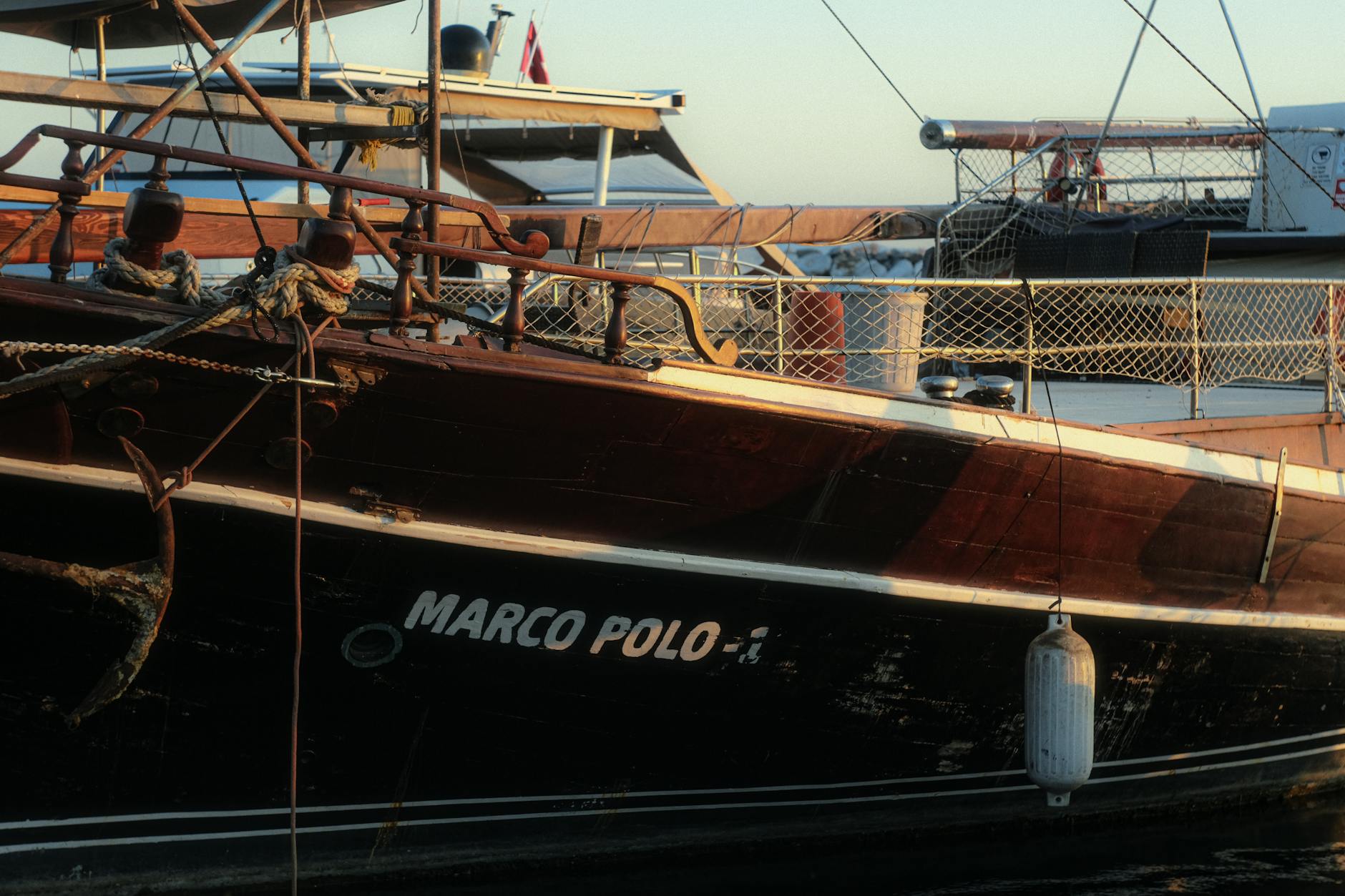
Morning: Arrive, drop bags in the Centro Storico and stroll the Bastioni Marco Polo for a first panorama. Walk along the seafront promenade and explore Torre di Porta Terra.
Lunch: Try a seafood trattoria near the harbor—look for grilled fish or aragosta alla catalana when in season.
Afternoon: Wander narrow lanes off Corso Vittorio Emanuele, visit the Cathedral of Santa Maria and the Coral Museum. Shop for coral pieces and local ceramics.
Evening: Sunset from the bastions followed by dinner on a terrace in the old town. Nightcap on a piazza café.
Day 2
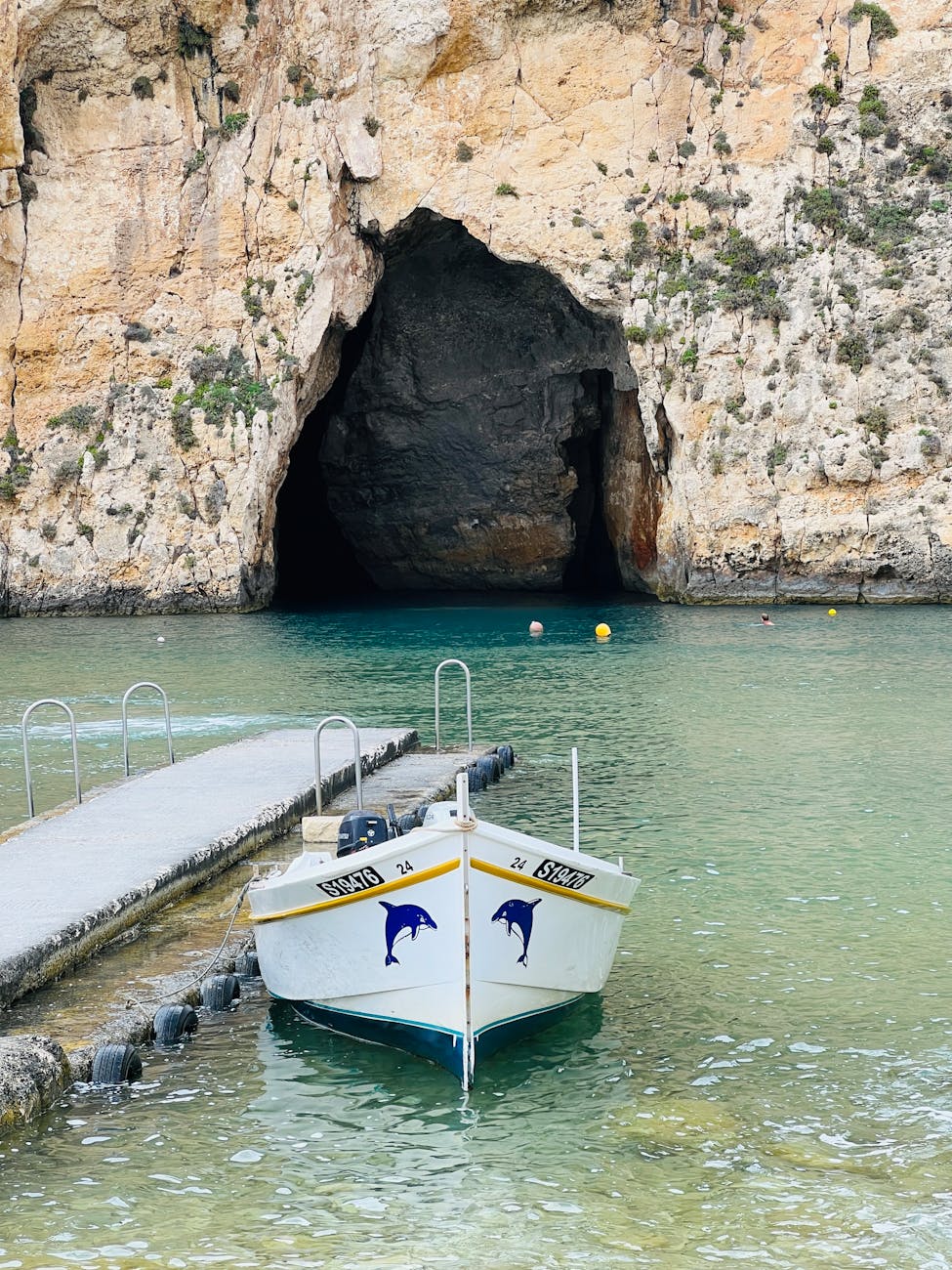
Morning: Head west to Capo Caccia and Porto Conte Natural Park. Choose either a guided boat to Neptune’s Grotto or drive to the top and descend the Escala del Cabirol stairs if you’re fit.
Lunch: Pack a picnic in the park or eat at a seafood spot near the harbour at Cala Viola or Tramariglio.
Afternoon: Hike coastal trails around Capo Caccia or explore Cala Dragunara and Punta Giglio coves for snorkeling. If you prefer archaeology, stop at Nuraghe Palmavera on the return.
Evening: Return to town for relaxed dinner. Consider a wine bar to taste Vermentino or Cannonau.
Day 3
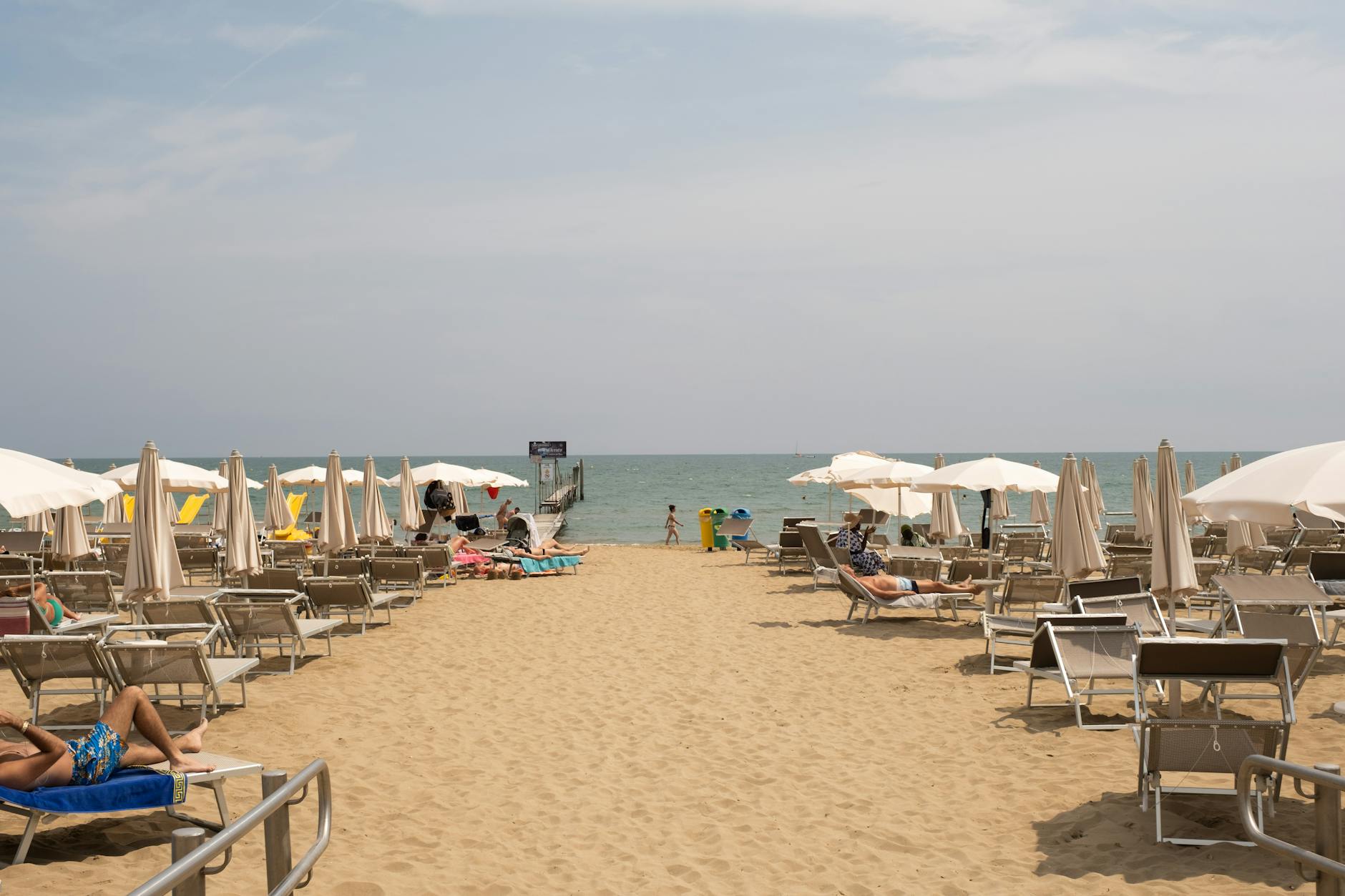
Morning: Beach time—choose Lido di San Giovanni for sand and amenities or Maria Pia for dunes and pine shade. Rent a paddleboard or snorkel near the shallows.
Lunch: Try a casual beachside restaurant for grilled prawns and a glass of Vermentino.
Afternoon: Visit the local fish market by the harbor if it’s running, pick up pantry souvenirs like bottarga or olive oil, and stroll the quieter lanes of Fertilia if you have a rental car.
Evening: Finish with a seaside aperitivo and a final walk along the ramparts to catch the light on the sea before departure.
Best Local Experiences
Boat trip to Neptune’s Grotto—timed either morning for calmer seas or late afternoon for a quieter return.
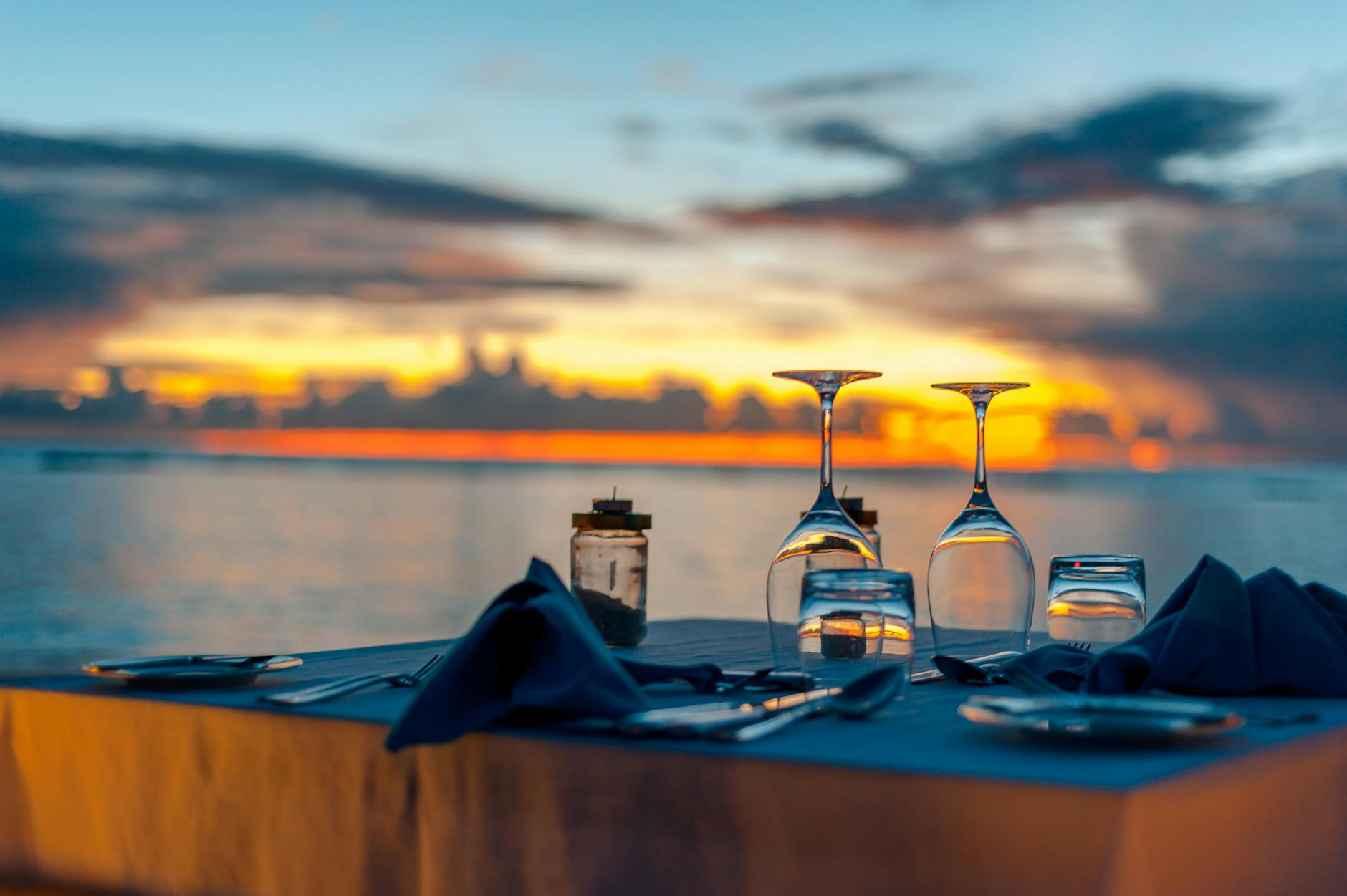
Sunset on the Bastioni Marco Polo paired with a seafood dinner in the old town.
Snorkeling or beginner diving in the clear coves of Porto Conte and Capo Caccia.
Shopping for local coral craftsmanship and Sardinian specialties like bottarga, pane carasau and seadas.
A short wine tasting to sample Vermentino di Sardegna and regional cheeses from small enotecas.
Where to Stay
Centro Storico: Best for first-time visitors who want to walk everywhere—old stone buildings, terraces and immediate access to restaurants and ramparts.
Lido di San Giovanni: Great for beach access and family-friendly hotels, a short walk to town.
Fertilia: Budget and airport-adjacent option with a local feel; handy for early flights.
Porto Conte/near Capo Caccia: Choose an agriturismo or guesthouse if you prefer nature and easy access to hikes and boat departures.
Book early for summer; many top B&Bs are small and fill fast.
Food and Drink
Seafood dominates—look for grilled local fish, mussels, prawns and aragosta (lobster) in season. Try bottarga (cured mullet roe) on pasta and Pane Carasau with local cheeses.
Sweet finish: seadas—fried pastry with cheese and honey.
Wines to try: Vermentino di Sardegna for whites and Cannonau for fuller reds.
Where to eat: Corso Vittorio Emanuele and the harbor area host the best sit-down trattorie; smaller osterie and enotecas are ideal for tasting plates and regional wines.
Market tip: Visit the fish stalls in the morning for the freshest catch and ask vendors for preparation tips.
Getting Around
Alghero-Fertilia Airport is a short drive or shuttle from town; taxis and limited buses serve the route. ARST regional buses connect to Sassari and smaller towns; schedules are sparse on Sundays.
Within town: the historic core is best explored on foot. Taxis and bike or scooter rentals offer quick hops to beaches.
Car hire is recommended for Capo Caccia, Porto Conte and remote beaches—parking near popular trailheads can fill in summer. If you prefer not to drive, book organized boat trips or guided shore excursions.
Best Time to Visit
Late spring (May–June) and early autumn (September) are optimal—temperatures are warm, water is pleasant and crowds are thinner than July–August.
July and August offer guaranteed beach weather and extended services but expect busy streets, higher prices and advanced bookings for caves and tours.
Winter is quiet with limited services but pleasant for off-season walks, lower rates and a more local pace.
Budget and Practical Tips
Budget tiers: hostels and budget B&Bs for economical travel; mid-range hotels in the Centro Storico give convenience; upscale hotels and agriturismi near Porto Conte for nature stays.
Carry euros and small change for market stalls. Tipping is appreciated but not obligatory—round up or leave 5–10% for table service.
Practical: sunscreen, hat, comfortable walking shoes, and a reusable water bottle. Many shops and cafes close for mid-afternoon riposo in low season—plan around it.
Emergency numbers: 112 for general emergencies. Basic Italian phrases help, though many hospitality staff speak some English.
FAQ
How do I get to Neptune's Grotto?
Reach it by car to the Capo Caccia parking then walk down the stairs, or take a seasonal boat from the harbour. Book tickets in high season.
Do I need a car for three days?
Not essential if you stay in the Centro Storico and skip remote coves, but a rental is highly recommended for Capo Caccia, Porto Conte and quieter beaches.
Are the beaches family-friendly?
Yes—Lido di San Giovanni has shallow water and facilities; Maria Pia offers dunes and shade from pine trees.
Is Alghero expensive?
Prices rise in July–August; spring and autumn are more budget-friendly. Dining ranges from casual seafood plates to pricier sea-view restaurants.
What language is spoken?
Italian is primary; a local Catalan dialect (Algherese) appears in place names and culture. English works in tourist spots.
Can I day-trip to Olbia or Cagliari?
Direct day trips are long—Olbia and Cagliari are reachable by regional flights or longer train/bus journeys. For a short stay, focus on the northwest coast and Porto Torres.
Conclusion
Three days here balance town, sea and a touch of wild coast perfectly. Follow the suggested rhythm—old town strolls and rampart sunsets, a day at Capo Caccia and a relaxed beach day—and you’ll leave with a clear sense of the place: Catalan roots, Sardinian flavors and memorable coastal scenery. Book the grotto and prime restaurants in summer, pack layers for breezy evenings, and plan one flexible slot to respond to weather or a local tip. Enjoy the seafood, the light on the water and those cliff-top views.
How this guide was prepared
This guide was prepared through a structured research that combines destination research, geographic context, itinerary planning logic, and content review.