
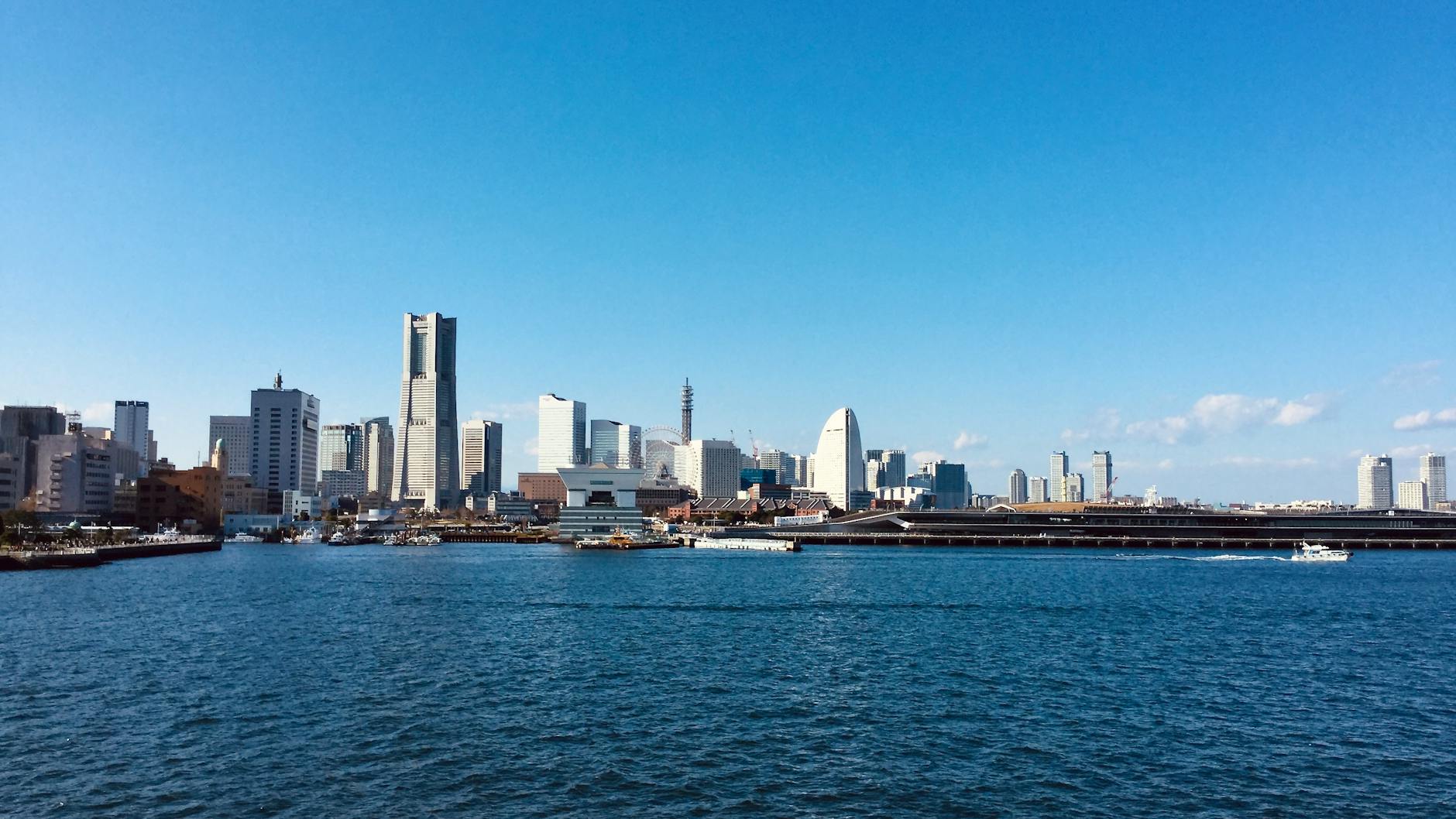
3 Days in Yokohama-shi: 3-Day Yokohama Itinerary: Best of the Port City
Plan 3 days in Yokohama-shi with this practical itinerary covering major sights, neighborhoods, food, and transport.
A compact, waterfront city blending modern skylines, historic foreign settlements and bold food scenes. This 3-day guide covers neighborhoods, top sights, local eats and transit tips.
A compact port city with a futuristic skyline and pockets of 19th-century charm, Yokohama feels both modern and walkable. It suits short-break travelers who want museums, waterfront views, lively food neighborhoods and easy access to Tokyo. Three days works well because you can cover the Minato Mirai waterfront, historic Yamate and Chinatown at a relaxed pace, fit in a museum or garden, and still have time to savor local food and an evening skyline cruise.
This guide lays out a clear, transit-friendly plan with neighborhood tips, museum hours, food streets and where to stay for an efficient weekend.
Quick Answer
A compact, waterfront city blending modern skylines, historic foreign settlements and bold food scenes. This 3-day guide covers neighborhoods, top sights, local eats and transit tips.
Who This Guide Is For
This guide is best for first-time visitors, couples, solo travelers, and anyone planning 3-day city break, weekend break, cultural in Yokohama-shi with a balance of highlights, local character, and reasonable spending.
How This Guide Was Prepared
This guide was prepared through a structured editorial workflow that combines destination research, geographic context, itinerary planning logic, and practical travel review.
Plan Your Stay in Yokohama-shi
Use this itinerary as your starting point, then compare areas to stay, transport options, seasonal timing, and realistic daily costs before booking.
Why Visit
A gateway city with a strong maritime history, Yokohama mixes tall towers, red-brick warehouses, and international cuisine. Highlights include world-class museums (CupNoodles, Ramen Museum), green escapes like Sankeien, and Asia's largest Chinatown. It’s less frenetic than central Tokyo but conveniently close by train, making it a smart choice for culture seekers, foodies and families.
The waterfront promenades offer memorable skyline views at sunrise and after dark; the city's compact transport network makes hopping among neighborhoods quick.
Quick Planning Tips
Book a hotel near Minato Mirai, Sakuragicho or Yokohama Station for easiest access to attractions and shinkansen connections. Buy an IC card (Suica/Pasmo) for subway and private rail—it saves time and avoids small-coin fumbling. For popular museums (CupNoodles, Ramen Museum), check opening hours and consider reserving workshops in advance. Carry yen—some small stalls and izakayas prefer cash. Pack layers: coastal evenings can be breezy even after warm afternoons.
Day 1
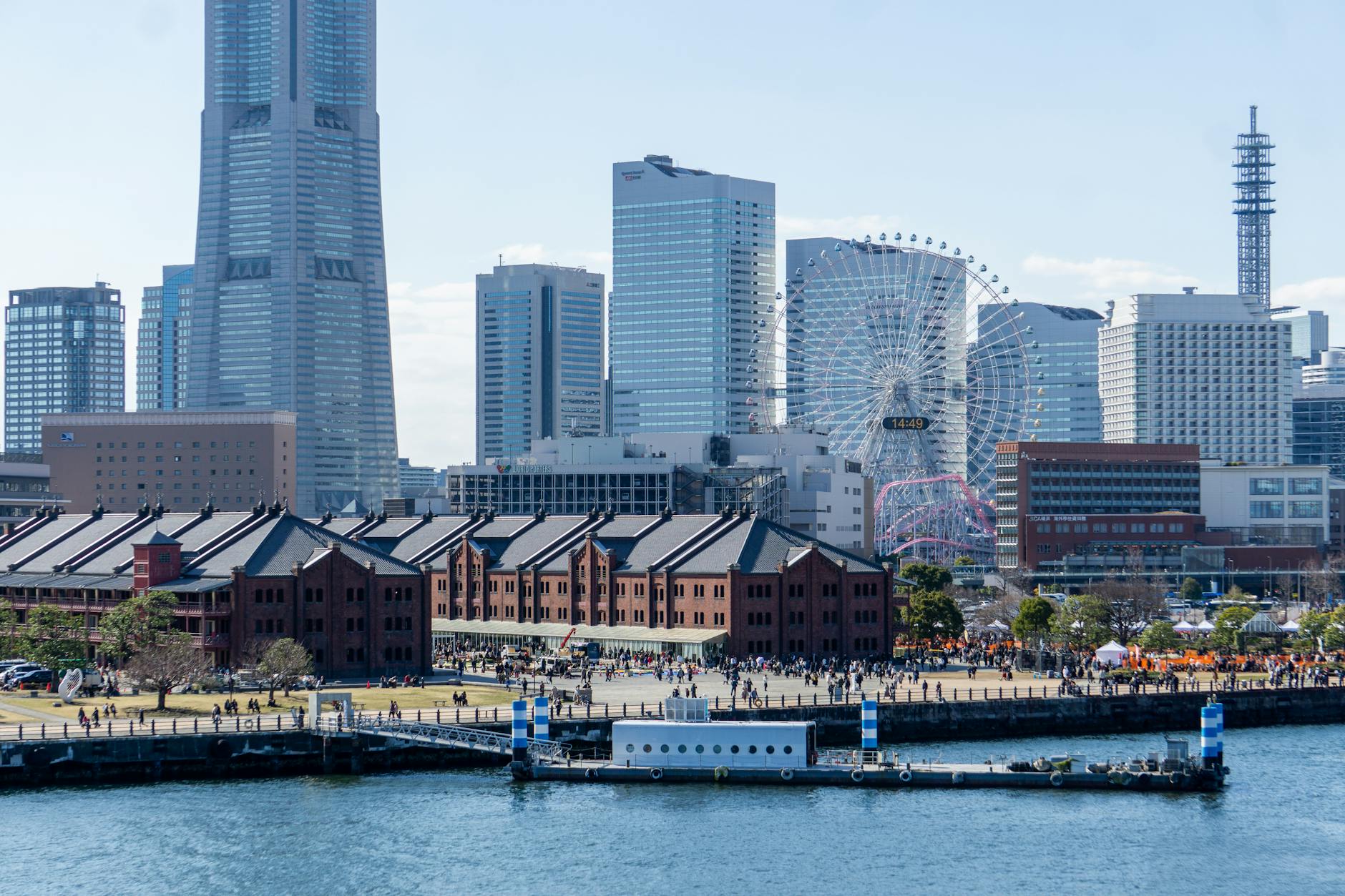
Morning: Start in Minato Mirai. Ride the Cosmo Clock 21 Ferris wheel for views, then visit the CupNoodles Museum (book the noodle-making workshop). Walk to Yokohama Landmark Tower; take the elevator to the Sky Garden for panoramic views.
Afternoon: Stroll along the waterfront to the Red Brick Warehouse for lunch and shopping. Continue to Osanbashi Pier for harbor photography.
Evening: Dinner in the Noge district—small izakayas and craft beer bars. Transit tips: Minato Mirai Line links directly to Yokohama Station and Sakuragicho.
Day 2
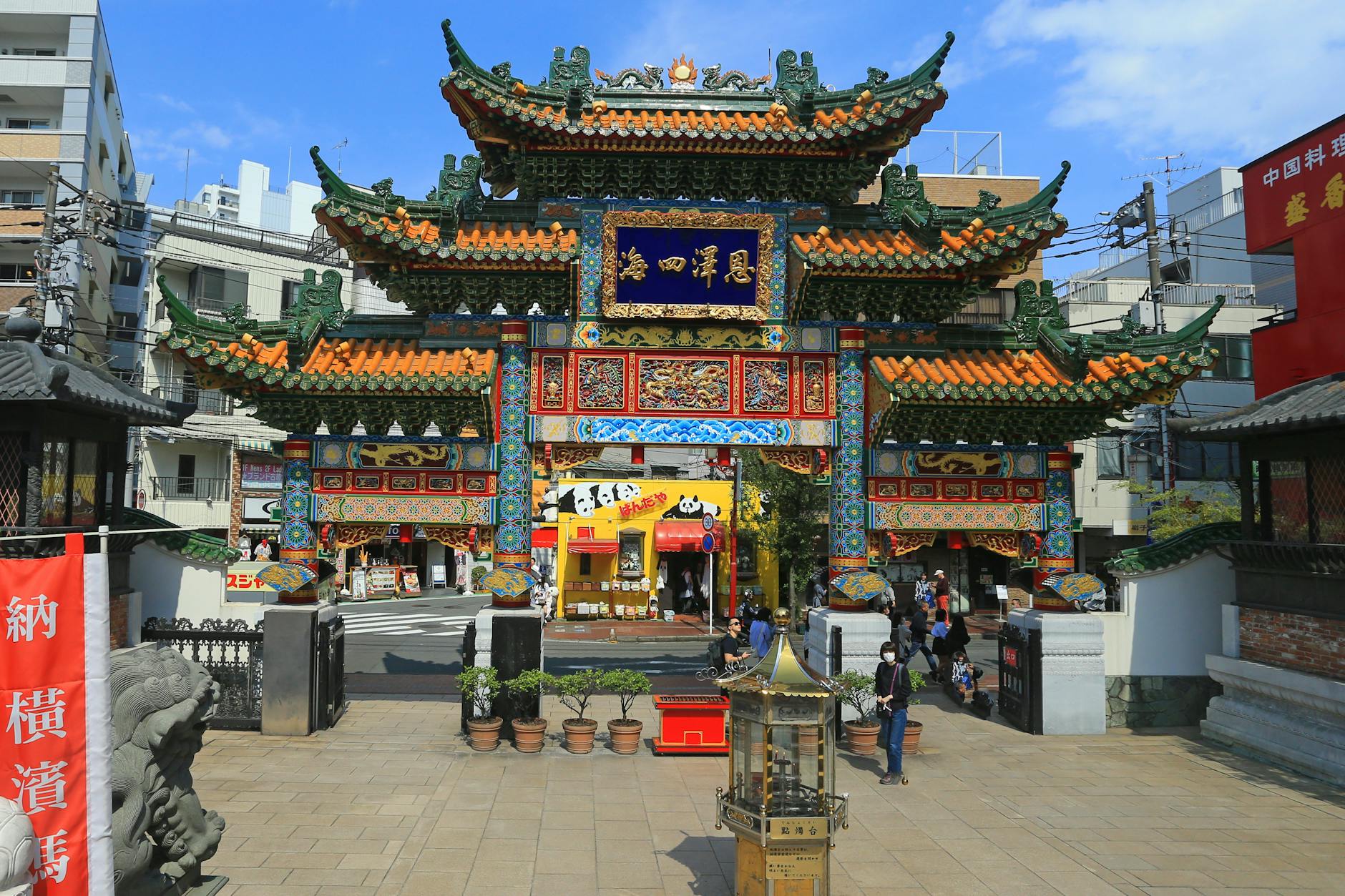
Morning: Explore Yokohama Chinatown—sample steamed buns, shumai and Chinese sweets along the main gates. Walk to Motomachi for boutique shopping and a relaxed café lunch.
Afternoon: Head up to Yamate (foreign settlement) to see Western-style homes and Bluff 18. Then take a short tram or bus to Sankeien Garden for classical Japanese landscaping and historic architecture.
Evening: Return to the waterfront for a sunset harbor cruise or dine at the Red Brick Warehouse. If there's a game, experience baseball night at Yokohama Stadium.
Day 3
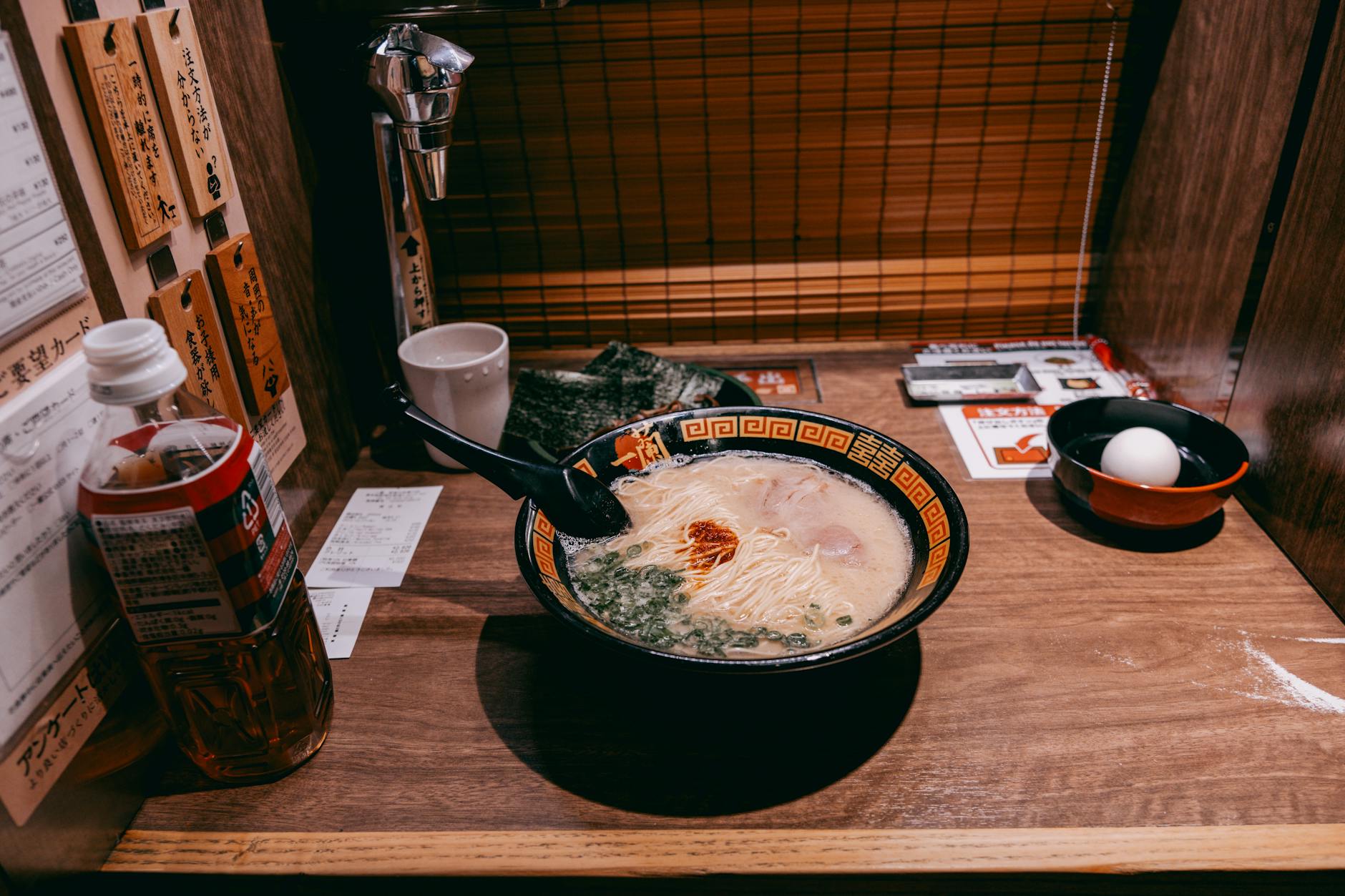
Morning: Visit Shin-Yokohama for the Ramen Museum—try regional bowls and learn ramen history. If you prefer a quieter start, Nogeyama Park and Zoo offer a short, child-friendly visit near Sakuragicho.
Afternoon: Spend your last afternoon shopping around Yokohama Station (Sogo, Porta) or explore lesser-known museums such as the Kanagawa Museum of Modern Literature. Use remaining time to rewalk favorite spots and pick up souvenirs at Motomachi.
Departure: Trains to Tokyo take 25–30 minutes; allow time for luggage and final food stops.
Best Local Experiences
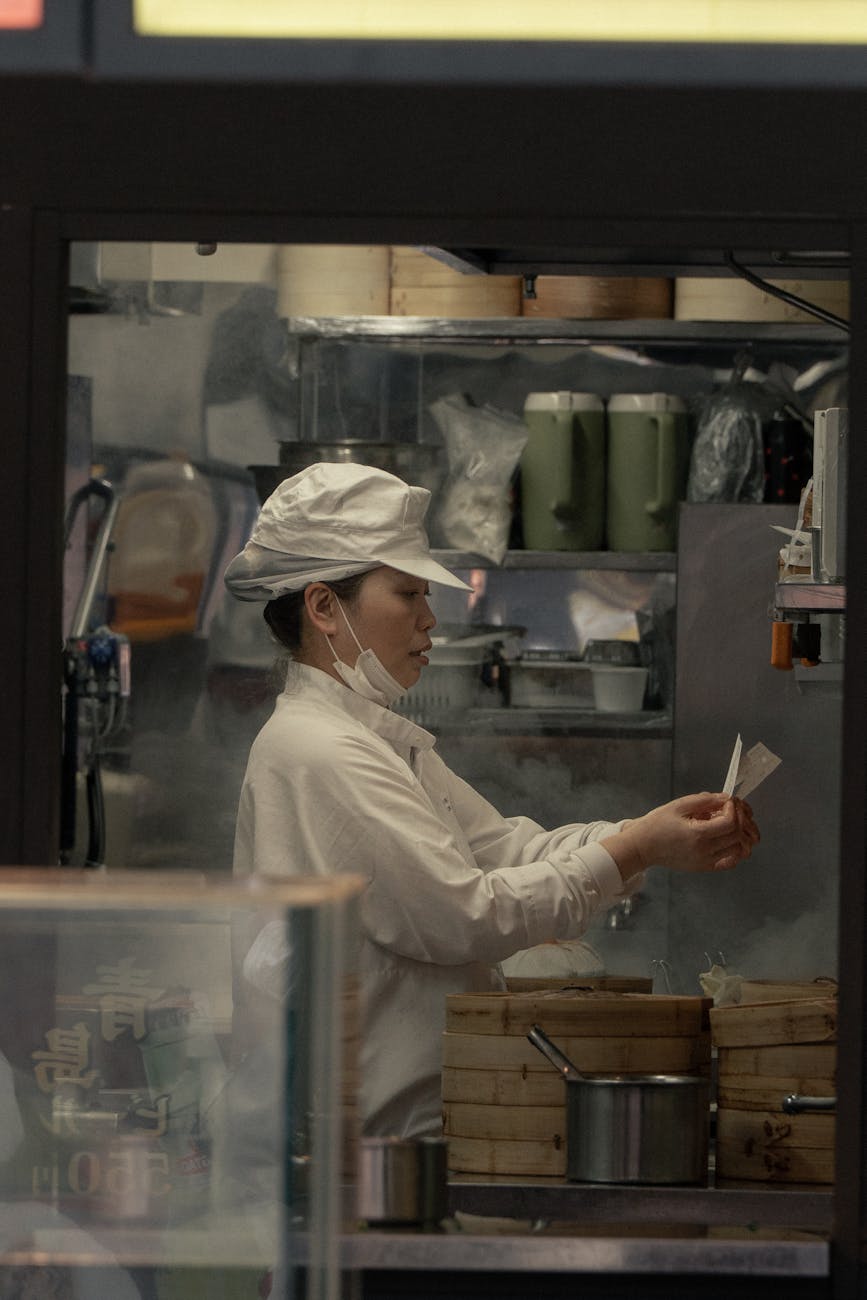
Try street eats in Chinatown: nikuman (steamed pork buns), xiaolongbao and sweet sesame desserts. Make your own cup noodles at the CupNoodles Museum or sample regional ramen styles at the Ramen Museum. Watch the city lights from Osanbashi or Landmark Sky Garden at night. Wander Motomachi’s boutiques and stop in Noge for casual, lively izakayas favored by locals. For a calmer experience, sip tea at Sankeien and photograph seasonal gardens.
Where to Stay
Minato Mirai / Sakuragicho: Best for waterfront access, skyline views and family-friendly hotels. Yokohama Station: Practical hub for shinkansen and regional trains, good for budget travelers. Chinatown / Motomachi: Charming choice for food lovers and boutique hotels. Shin-Yokohama: Convenient if you need shinkansen access or prefer quieter nights. Book early for cherry blossom season and big baseball fixtures.
Food and Drink
Chinatown is the culinary centerpiece—go beyond the main streets to find hole-in-the-wall shops. Local specialties include shoyu (soy) ramen, seafood dishes and yoshoku (Western-influenced Japanese fare) in Motomachi. Try craft beer in Noge and seasonal seafood at waterfront restaurants. For dessert, look for Japanese pastries in Motomachi and Chinese bakeries in Chinatown. Many restaurants accept cards in larger areas, but small stalls often prefer cash.
Getting Around
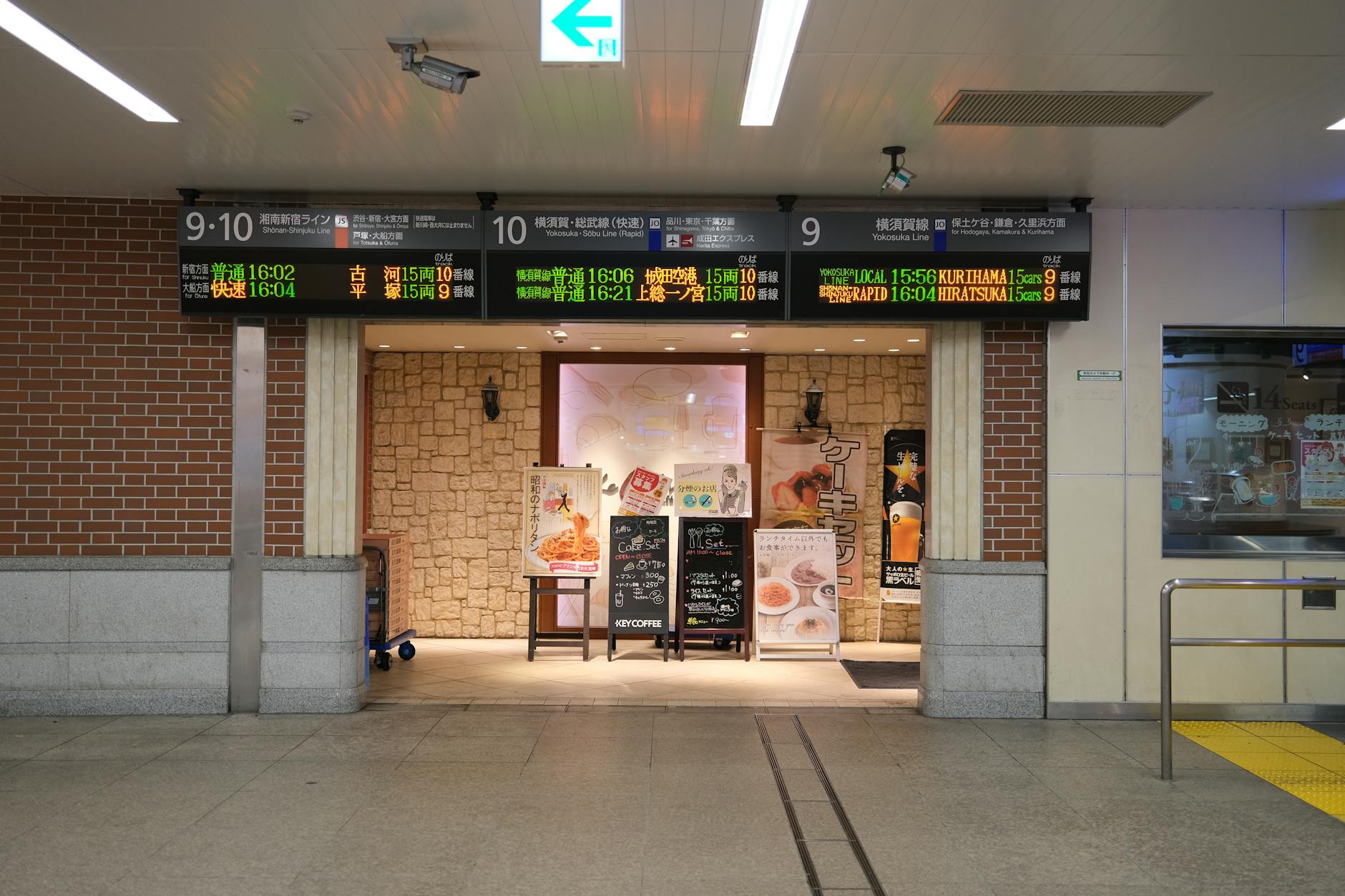
Yokohama is easy to navigate by train and tram. Key lines: JR Tokaido/Keihin-Tohoku to Yokohama Station, Minatomirai Line to Sakuragicho and Minato Mirai, and JR Yokohama Line to Shin-Yokohama. Buy a Suica or Pasmo for seamless transfers. Most attractions are a short walk from stations, but occasional buses or taxis are useful for Sankeien and hillier Yamate streets. From Tokyo, express trains take about 25–30 minutes to Yokohama Station.
Best Time to Visit
Spring (late March–April) and autumn (October–November) offer the best weather and scenery—cherry blossoms in parks and pleasant temperatures for walking. Summer is humid and festival-heavy; expect crowds and higher hotel prices. Winter is mild but brisk along the bay; holiday illuminations in Minato Mirai are beautiful. Avoid Japan’s Golden Week (late April–early May) and New Year’s travel peaks for a calmer visit.
Budget and Practical Tips
Carry some cash—small eateries and markets may be cash-only. Use an IC card to avoid ticket-machine queues. Expect museum admission fees around ¥300–¥1,000 and specialty experiences (noodle workshops) extra. Public restrooms are widely available in stations and major parks; many are high-quality. Tipping is not customary. English signage is common in tourist areas, but a translation app helps in smaller neighborhoods.
FAQ
How long from Tokyo to Yokohama by train?
About 25–30 minutes from Tokyo Station to Yokohama Station on rapid JR services; some local trains take a bit longer.
Is one day enough for Yokohama?
One day hits highlights like Minato Mirai and Chinatown, but three days lets you explore museums, gardens and savor local food without rushing.
Can I visit Yokohama as a day trip from Tokyo?
Absolutely—many travelers visit as a day trip, though an overnight stay lets you enjoy evening views and local nightlife.
Do I need cash in Yokohama?
Carry some cash for small eateries and markets; major hotels and department stores accept cards and IC payments.
Conclusion
Three days in Yokohama gives you a balanced mix of skyline views, historic neighborhoods, immersive food scenes and relaxed parks. Use the efficient rail network to move between Minato Mirai, Chinatown, Shin-Yokohama and scenic Yamate. Book museum workshops ahead, pace your meals to sample street food, and leave time for an evening harbor view—those skyline moments are the city’s most memorable reward.
How this guide was prepared
This guide was prepared through a structured research that combines destination research, geographic context, itinerary planning logic, and content review.