

3-Day Itinerary for Antigua Guatemala: Practical Weekend Plan
A practical 3-day plan for Antigua Guatemala with transport tips, neighborhood picks, prices and weather notes to help plan a realistic weekend trip.
A candid, usable 72-hour plan for Antigua Guatemala that balances ruins, markets, volcano views and local routines while avoiding common tourist pitfalls.
Expect a compact colonial town hemmed in by volcanoes and narrow cobblestone streets where most attractions sit within a 20–30 minute walk from Parque Central. The center is busiest during daylight with a steady stream of day-trippers from Guatemala City and long-term visitors who base themselves here for regional trips. Streets off the main pedestrian axes are quieter; mornings before 9am are the best time to see churches and convent ruins with fewer tour groups.
Many visitors arrive expecting an untouched historical site; the reality includes functioning schools, market deliveries, motorbikes and frequent roadwork. Noise from generators and occasional nearby volcanic ash are part of ordinary life. The place suits travelers who can move at a walking pace, want easy access to markets and museums, and prefer strong visual architecture to big-museum narratives. It is less suitable for people who need continuous late-night transport or who dislike uneven pavement.
Is 3 days in Antigua Guatemala enough?
Yes—three days are enough to cover the central colonial sights, a market, a convent museum and one volcano viewpoint or a guided Acatenango day-hike. It will not allow both a full Acatenango overnight trek and deep exploration of nearby villages; choose one outdoor day or one slow cultural day.
Who This Guide Is For
Best for travelers who want concentrated culture, architecture and easy volcano views on a tight schedule; not ideal for travelers wanting long backpacking transits or a beach-oriented itinerary.
Local Tips for Antigua Guatemala
Practical details that most travel sites skip — specific to Antigua Guatemala.
- Shared shuttle vans from La Aurora airport (GUA) to Antigua are sold at counters outside Arrivals for about Q60–Q120 (≈US$8–15); private taxis typically run Q200–Q350 (≈US$25–45) — confirm the fare before leaving the terminal.
- Museo del Jade and Convento de las Capuchinas often prefer cash; expect entry fees around Q25–Q50 and limited card machines, so carry small Quetzales and a couple of US$10 bills.
- Mercado de Artesanías along 6a Avenida Norte has fixed tourist stalls but also open vendors—start haggling at 40–50% of the first price and keep smaller notes (Q10/Q20) for change.
- Semana Santa (Holy Week) closes many streets around Parque Central and La Merced for processions; hotel rates commonly double and walking routes change for several days—book at least three months ahead if traveling in April.
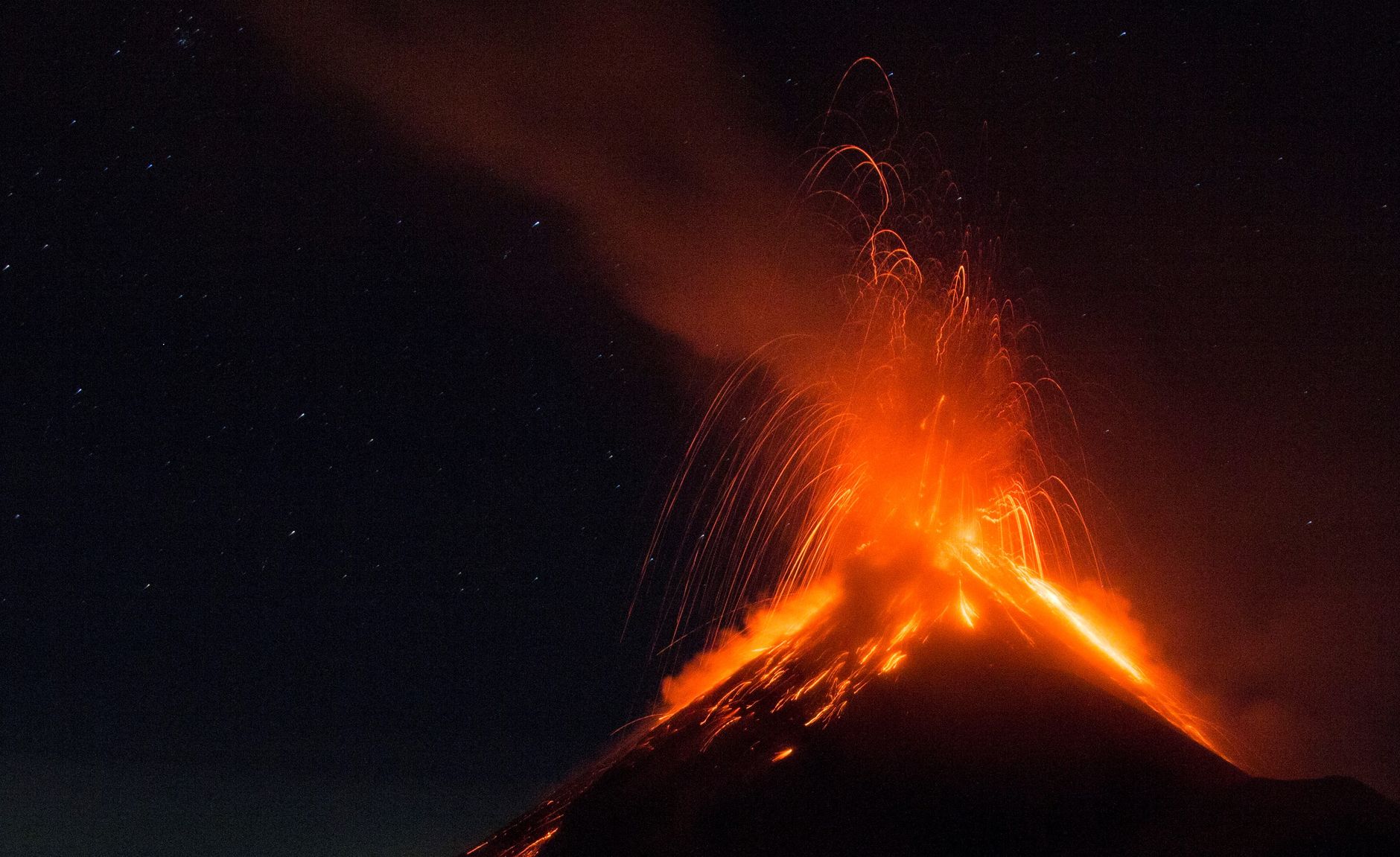
- Volcán de Fuego eruptions can spread ash into Antigua and close local hikes; check INSIVUMEH bulletins and confirm a guide’s decision before booking an Acatenango or Pacaya trip.
How This Guide Was Prepared
Antigua Guatemala is small and intensely walkable but frequently misunderstood: many guides treat it like a preserved museum while ignoring its daily life, market bargaining culture and weather risks from nearby volcanoes. This guide focuses on realistic timings, transit options from La Aurora airport, and practical warnings (Semana Santa crowds, cash-only museums, ash from Volcán de Fuego) that matter for a short visit. This guide was prepared through a structured research that combines destination research, geographic context, itinerary planning logic, and content review.
Plan Your Stay in Antigua Guatemala
Use this itinerary as your starting point, then compare areas to stay, transport options, seasonal timing, and realistic daily costs before booking.
Why Visit
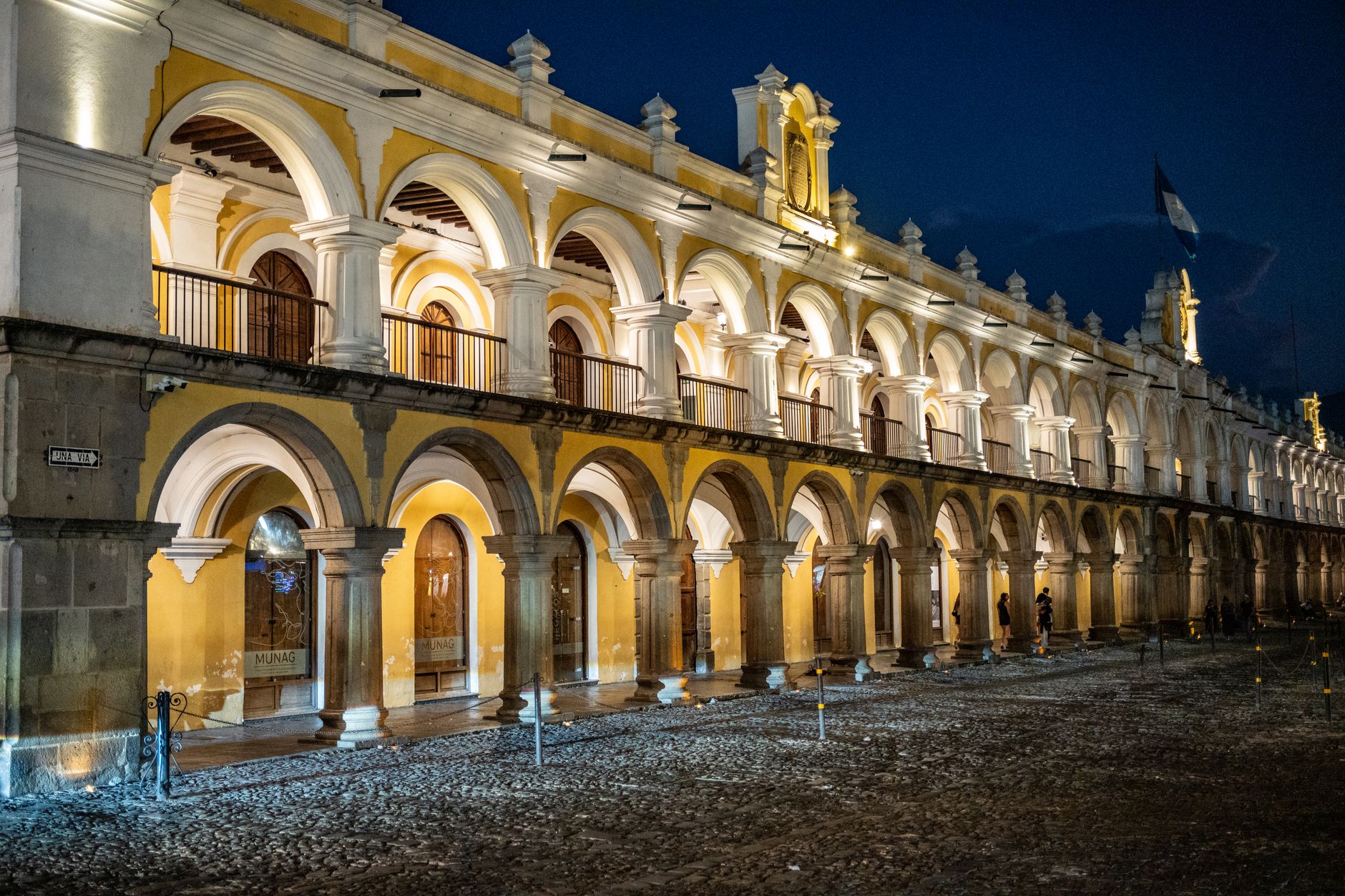
Antigua offers a dense concentration of colonial architecture that can be explored on foot: landmarks such as the Arco de Santa Catalina, Iglesia La Merced and the cathedral ruins are all within a few blocks. Photographers and architecture fans get more in one afternoon here than in many larger cities because the streets preserve façades and cloisters in close proximity.
The local markets and craft scene supply genuinely useful artisan work and jade jewelry—Mercado de Artesanías and a focused visit to Museo del Jade give context to purchases and teach about pre-Columbian material culture. A short uphill hike to Cerro de la Cruz gives one of the classic volcano-backdropped views of the town and Volcán de Agua.
For travelers who like active days without a lot of driving, Antigua offers guided volcano hikes (Pacaya, Acatenango) within a half-day to full-day range and easy access to Guatemala City bus and shuttle connections for onward travel. The town’s compactness lets visitors combine churches, markets and a volcano viewpoint in a single day without long transit times.
Quick Planning Tips
Fly into La Aurora (GUA) and take a shared shuttle van to Antigua from the arrivals area; counters sell seats for about Q60–Q120 (≈US$8–15). For private cars or taxis, confirm the fixed fare at the airport counter (typical private ride Q200–Q350). Avoid taking unmetered street taxis unless a price is agreed first.
Carry Quetzales for small purchases: many museums, mercados and local cafés either take cash only or prefer it. ATMs in Antigua dispense Quetzales but may run low on small denominations during high season—bring some small bills from Guatemala City if possible.
Book accommodation well before Semana Santa (Holy Week) and check current volcanic activity via INSIVUMEH if planning Pacaya or Acatenango hikes. Packing: sturdy walking shoes, a light rain jacket for afternoon storms in the rainy season, and a reusable water bottle (refill at hotels that provide filtered water).

Day 1
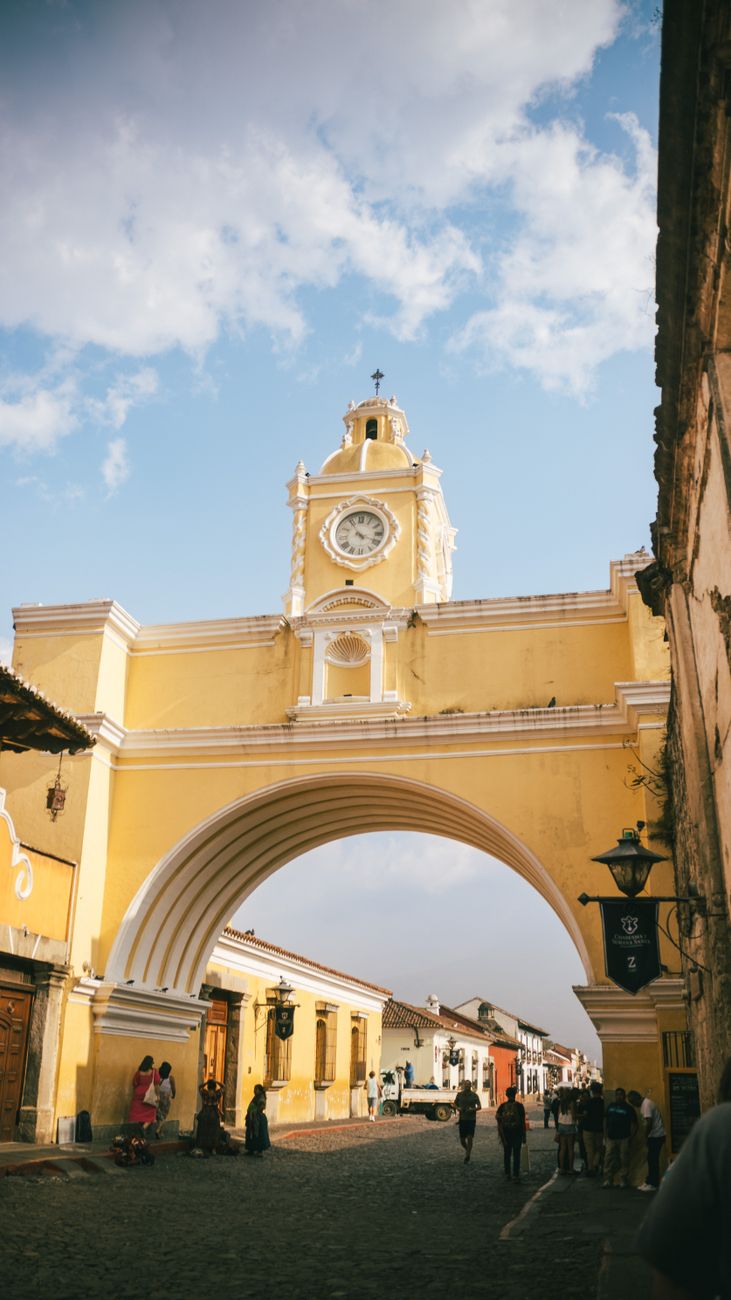
Begin at Parque Central and spend the first hour observing Catedral de Santiago (the ruined cathedral faces the park) and the government palace façades. Parque Central is the transit and meeting point; count on 30–60 minutes to orient and take photos. From there walk east on 5a Calle Oriente to the Arco de Santa Catalina—this is a 5–10 minute stroll and the classic photo spot with volcano views from the right vantage.
After the arch, head north on Calle del Arco for 8–10 minutes to reach Iglesia La Merced. Allow 30–45 minutes to explore the church and its courtyard; the bell tower viewpoint (if open) provides another skyline view. For lunch, eat at Café Condesa near the arch or La Fonda de la Calle Real (both within a 5–8 minute walk) where soups and carne guisada run about Q35–Q80.
Post-lunch, visit Museo del Jade (5–10 minute walk from La Merced) and then the ruins at Convento de las Capuchinas—each site takes 30–60 minutes and often prefers cash for entry (Q25–Q50). Plan a 15–20 minute uphill walk to Cerro de la Cruz in late afternoon for a quieter viewpoint with an expansive panorama—allow 20–30 minutes at the top for photos and descent. Dinner options include Café Sky rooftop for volcano-lit evenings (expect Q80–Q150 per person) or Mesón Panza Verde for a higher-end meal. End the night with an easy stroll near 6a Avenida where small bars and coffee shops stay open late.
Day 2
Spend the morning inside Museo Casa Santo Domingo and its convent complex—allow 1.5–2 hours to see the museum rooms, hotel gardens and small galleries (entry around Q60 for the museum sections). From there walk 8–12 minutes to the Museo del Libro Antiguo and nearby artisan shops along 3a Calle Poniente; combined wandering through these streets is a good slower-museum morning.
After lunch at Mercado de Artesanías (several stands and small eateries; pupusas or pepián plates Q20–Q60), take a tuk-tuk or a 10–15 minute walk to a cooking class or coffee farm pickup point for an afternoon coffee-tour—many farms offer a 3–4 hour package including pickup for about Q150–Q300 (≈US$20–40). This day focuses on local production rather than central monuments and shows where many market goods originate.
Return late afternoon to El Carmen area for pottery shops and smaller galleries; El Carmen is a 10–15 minute walk from the market or a short tuk-tuk. Dinner options in this neighbourhood include smaller family-run restaurants where a full meal is Q50–Q120. For the evening, consider a live-music bar near 6a Avenida or an early-evening rooftop to watch lights on the ruins.

Day 3
Reserve the third day for either a half-day Pacaya trip or a full-day Acatenango hike—choose based on fitness and time. Pacaya runs as a 4–6 hour excursion with local guides and transport (tour cost Q150–Q300 with pick-up; 1–1.5 hours drive each way). If staying town-side, a morning visit to the Jade Museum or small galleries rechecks any missed purchases and uses remaining time.
If not doing a volcano trip, use the morning for a walking tour of smaller churches (Iglesia Santa Catalina, Iglesia de San Francisco) and the municipal market for food souvenirs. Allow 1–2 hours for lunch, then plan for an easy last stop at a chocolate workshop or a quick visit to the textile shops on 6a Avenida Norte. Walking times are short: central blocks are 5–12 minutes between major sites.
Practical note for departures: if catching an afternoon flight from La Aurora, take a shuttle that leaves Antigua at least 3–3.5 hours before departure to allow check-in and city traffic. Private transfers can be faster but cost more. End the trip with a final coffee at a café near Parque Central and confirm shuttle pick-up time the night before.
Best Local Experiences
Mercado de Artesanías on 6a Avenida Norte—strong local crafts and textiles, ideal for bargaining and buying scarves, belts and carved woodwork. Come mid-morning for the best selection.
Semana Santa processions—if traveling during Holy Week, watch the alfombras (sawdust carpets) near La Merced and Parque Central; expect tight crowds and street closures but an intense local ritual experience.
A coffee finca tour outside the town (many pick-up points in Antigua) that demonstrates bean processing and cupping; quality varies so choose a recommended outfit or the coffee shops that list the farm.
Jade Museum and shops—focus on understanding how jade was valued historically and use the museum to avoid overpaying at stalls.
A sunset walk to Cerro de la Cruz for a short uphill view of the town and Volcán de Agua—best in late afternoon to avoid midday haze. Each of these experiences requires little transit time and reveals different local rhythms: market bargaining, religious calendar intensity, agricultural production, craft appreciation and landscape viewing.

Where to Stay
Centro Histórico (near Parque Central): Suits first-time visitors who want immediate access to major attractions and restaurants. Most hotels and guesthouses are within a 5–10 minute walk of the park. Expect nightly costs around Q250–Q700 (≈US$32–90 / €30–80) depending on comfort; budget hostels can be Q60–Q150 (≈US$8–20).
El Calvario / La Merced area: Suits travelers who prefer quieter streets with quick uphill access to viewpoints like the convents and Cerro de la Cruz. Small boutique hotels and mid-range guesthouses cluster here. Nightly costs typically Q300–Q900 (≈US$38–115 / €35–105).
San Jorge / El Carmen: Suits shoppers and people attending workshops or pottery sellers; slightly farther from Parque Central (10–20 minute walk) but often quieter at night. Expect mid-range guesthouses Q220–Q600 (≈US$28–77 / €26–70).
Booking notes: during Semana Santa and major holidays, prices frequently double and inventory tightens. For cheaper nightly rates, consider guesthouses on streets off 6a Avenida and avoid rooms directly on main tourist thoroughfares that charge premium noise and location fees.
Food and Drink
Pepián: A thick meat and vegetable stew with a roasted-spice base; find reliable versions at local fondas like La Fonda de la Calle Real for about Q35–Q60. This is a staple lunch option.
Pupusas: Thick stuffed corn tortillas served at market stalls in Mercado de Artesanías and local comedores; expect Q5–Q15 per pupusa. Good for a cheap street-food snack.
Kak’ik and Jocon are regional dishes from the highlands; some specialty restaurants and food tours offer tasting menus featuring these for Q60–Q150.
Coffee (local): Antigua-region coffee is sold at micro-roaster cafés (e.g., several on 6a Avenida). A quality brewed cup Q10–Q25 and farm tours that include tastings cost Q150–Q300.
Atol de Elote or atol chocolacado: Traditional warm drinks available at breakfast stalls and markets (Q5–Q20). For breakfast, choose a bakery café near Parque Central for pan dulce and coffee (Q25–Q60).
Dinner recommendation: Mesón Panza Verde or Café Sky (rooftop) for a mix of local and international plates; expect Q80–Q200 per person depending on drink choices. Many restaurants add a 10% servicio—check the bill and add 10–15% if service is not included.
Getting Around
There is no metro; the town is primarily pedestrian. Short distances are best on foot: most central attractions are 5–20 minutes apart. Shared shuttle vans are the standard intercity link to La Aurora airport and Guatemala City; counters at the airport sell seats for Q60–Q120. Chicken buses (colorful repurposed U.S. school buses) run between Guatemala City and towns but are less recommended for luggage.
Tuk-tuks operate locally for very short runs (Q10–Q30 within town); negotiate price upfront. Private taxis from La Aurora run about Q200–Q350. Rideshare apps like InDriver sometimes operate in Guatemala City and can be used to arrange pickups but availability in Antigua varies; Waze is the most useful navigation app for drivers.
Single short tuk-tuk or taxi rides within town are typically Q10–Q50. Organized tours and many hotels use WhatsApp to confirm shuttle times and pickups, so exchanging numbers is common. There is no unified transit card; most local transport is cash-based.
Best Time to Visit
Dry season (November to April): Cooler, clearer skies and the most reliable volcano views—daytime highs 22–26°C and nights 12–16°C. Peak crowds arrive December, late February and Semana Santa (variable April week), when prices spike.
Rainy season (May to October): Afternoons often bring heavy showers and the countryside turns green; expect temperatures 20–25°C with cooler nights. Hikes can be muddy and Pacaya may be closed on stormy days; prices are generally lower and hotels have better availability.
Shoulder months (November and late October): Offer a balance of lower prices and improving weather. Avoid Semana Santa unless specifically interested in the processions and prepared to book months ahead.
Budget and Practical Tips
Daily budget estimates per person (mid-range traveler): Accommodation Q300–Q700 (≈US$38–90 / €35–80), food Q100–Q200 (≈US$13–26 / €12–23), transport and local fares Q30–Q120 (≈US$4–15 / €3.5–13), entry fees and tours Q50–Q300 (≈US$6–40 / €5–35). A reasonable daily total for a mid-range traveler is Q500–Q1,200 (≈US$64–155 / €60–140).
Backpacker budget: dorm or cheap guesthouse Q60–Q150 (≈US$8–20), basic meals Q40–Q80 (≈US$5–10) and shared shuttle Q60–Q120 for transfers. High-end travelers: boutique hotels Q900+ per night (≈US$115+).
Tipping: restaurants commonly add a 10% servicio; if not added, 10–15% is appropriate for table service. Small tips (Q5–Q20) are customary for porters, guides and drivers. Carry small Quetzales; many places round down USD payments and give change in Quetzales so insist on Quetzal change for accurate accounting.
Practical safety: petty theft and bag snatches occur in tourist areas—keep valuables zipped and use a money belt when crowded (markets, processions). Pharmacies and basic clinics exist in town; for serious medical issues, Guatemala City hospitals are better equipped.
FAQ
Is Antigua safe to walk around at night?
Many central streets are busy after dark and reasonably safe, but petty theft occurs; avoid poorly lit alleys, keep valuables out of sight and use a taxi or tuk-tuk late at night for longer distances.
How long does the shuttle from La Aurora airport to Antigua take?
Shared shuttles usually take 45–75 minutes depending on traffic; allow extra time during morning and evening peaks.
Is a city pass worth buying for Antigua?
There is no single official city card; buying individual museum tickets (Museo del Jade, Museo Casa Santo Domingo, convents) is generally cheaper unless staying at a hotel that includes entries or tour packages.
Can Pacaya be done in half a day?
Yes—Pacaya day trips typically take 4–6 hours including transport and guided walking time; Acatenango is a full-day or overnight hike and requires more time and fitness.
Are credit cards widely accepted?
Credit cards are accepted at larger hotels, higher-end restaurants and some museums, but many small vendors and markets are cash-only—carry Queztales and small US dollar bills.
Do volcano eruptions affect visits?
Small eruptions from Volcán de Fuego can produce ash that reduces visibility and closes hikes; check INSIVUMEH bulletins and confirm with tour operators before departure.
Is Antigua suitable for families with children?
Yes for short stays—the compact layout and many small museums suit families, but cobblestones and steep sections mean strollers are difficult; plan shorter walking distances and more breaks.
Can day trips be made to Lake Atitlán or Chichicastenango from Antigua?
Day trips are possible but involve long drives; Chichicastenango is best visited on market days (Thursday/Sunday) and needs early starts to return the same day.
Conclusion
Three days in Antigua permit a solid overview: central churches and ruins, hands-on market time, a coffee or chocolate experience and at least one volcano viewpoint or short hike. The clearest memory will likely be the town framed by volcanic peaks and the cadence of market bargaining.
If time becomes tight, prioritize Parque Central, Arco de Santa Catalina, a convent ruin (Capuchinas) and the Cerro de la Cruz viewpoint; those four give a compact sense of architecture, ritual and landscape that defines the place. Leave time to confirm shuttle or airport transport the night before departure to avoid last-minute stress.
How this guide was prepared
This guide was prepared through a structured research that combines destination research, geographic context, itinerary planning logic, and content review.