
Nice on a Budget: Practical Costs, Where to Save, and Smart Choices for a 3-Day Trip
A compact, practical budget guide to Nice for travelers who prefer low-impact choices and local experiences. Daily budgets, neighborhood tradeoffs, transport tips, market meals, and sustainable day trips to Antibes and Cannes.
Clear daily budgets, neighborhood advice, transport realities, and local-first tips to make your 3-day Nice itinerary cheaper and greener without losing the best sights.
Quick Answer
Clear daily budgets, neighborhood advice, transport realities, and local-first tips to make your 3-day Nice itinerary cheaper and greener without losing the best sights.
Who This Page Is For
This page is for travelers planning a stay in Nice who want clearer decisions about travel budget, local logistics, timing, budgeting, and practical trip planning.
How This Page Was Prepared
This page was prepared through a structured editorial workflow that combines destination research, geographic context, and practical travel-planning review.
Plan the Rest of Your Trip
Use this page together with the full itinerary and the related planning pages below to make better booking, timing, transport, and budget decisions.
A practical, modest mid-range budget for Nice in shoulder season (April–May, Sept–Oct) is about €100–€180 per person per day including a modest private room, three simple meals, local transit, and entry to one or two paid attractions. On a tighter budget you can aim for €55–€80/day by using dorms or budget rooms, market meals, and walking. Peak summer (July–August) pushes prices higher and requires advance bookings.
This page helps you pin down realistic costs and low-impact choices for a short trip to Nice, keyed to a companion 3 days in Nice itinerary. It focuses on where to spend and where to save, how neighbourhoods affect budget and convenience, and which day trips are worth the train ride. Recommendations favor local businesses, public transport, market meals, and shoulder-season travel where prices and crowds are kinder.
What This Page Helps You Decide
Use this guide to choose:
- Where to base yourself for the 3-day Nice itinerary (Old Town for atmosphere vs Jean Médecin for connections).
- Daily spending plan that matches your travel style and season.
- Which day trips to take by train (Antibes, Cannes, Marseille) and how to budget them.
- When to book and what to prioritize: accommodation, trains, and popular restaurants.
Practical outcomes: a recommended nightly budget, transport pass choices, and a shortlist of sustainable options that support local vendors and reduce carbon impact.
Top Recommendations
Where to spend a little more:
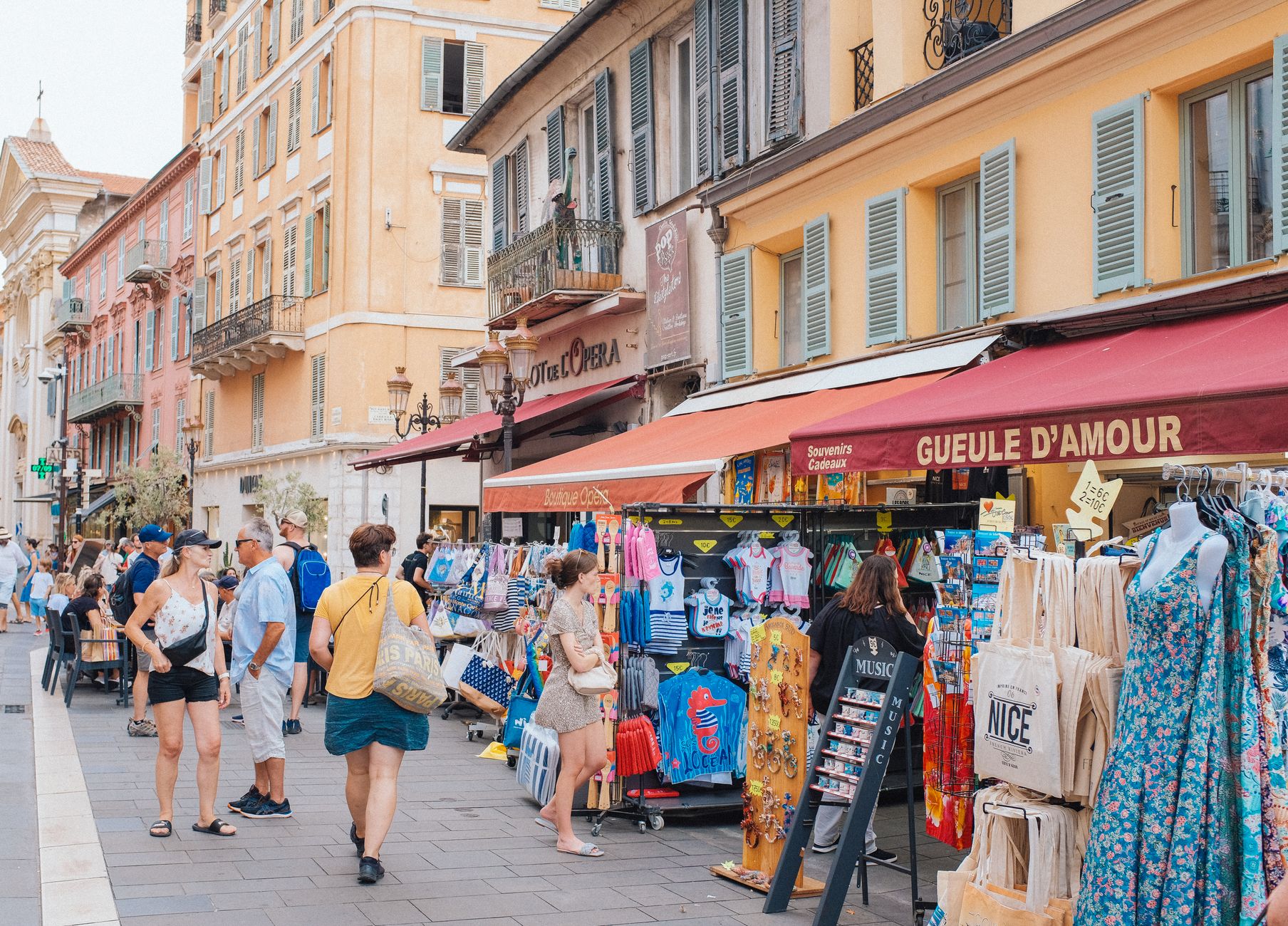
- Accommodation: book a small guesthouse or family-run hotel near Vieux Nice or Port Lympia for convenient access to major sights and evening life. Paying a small premium for central location saves taxi costs and time.
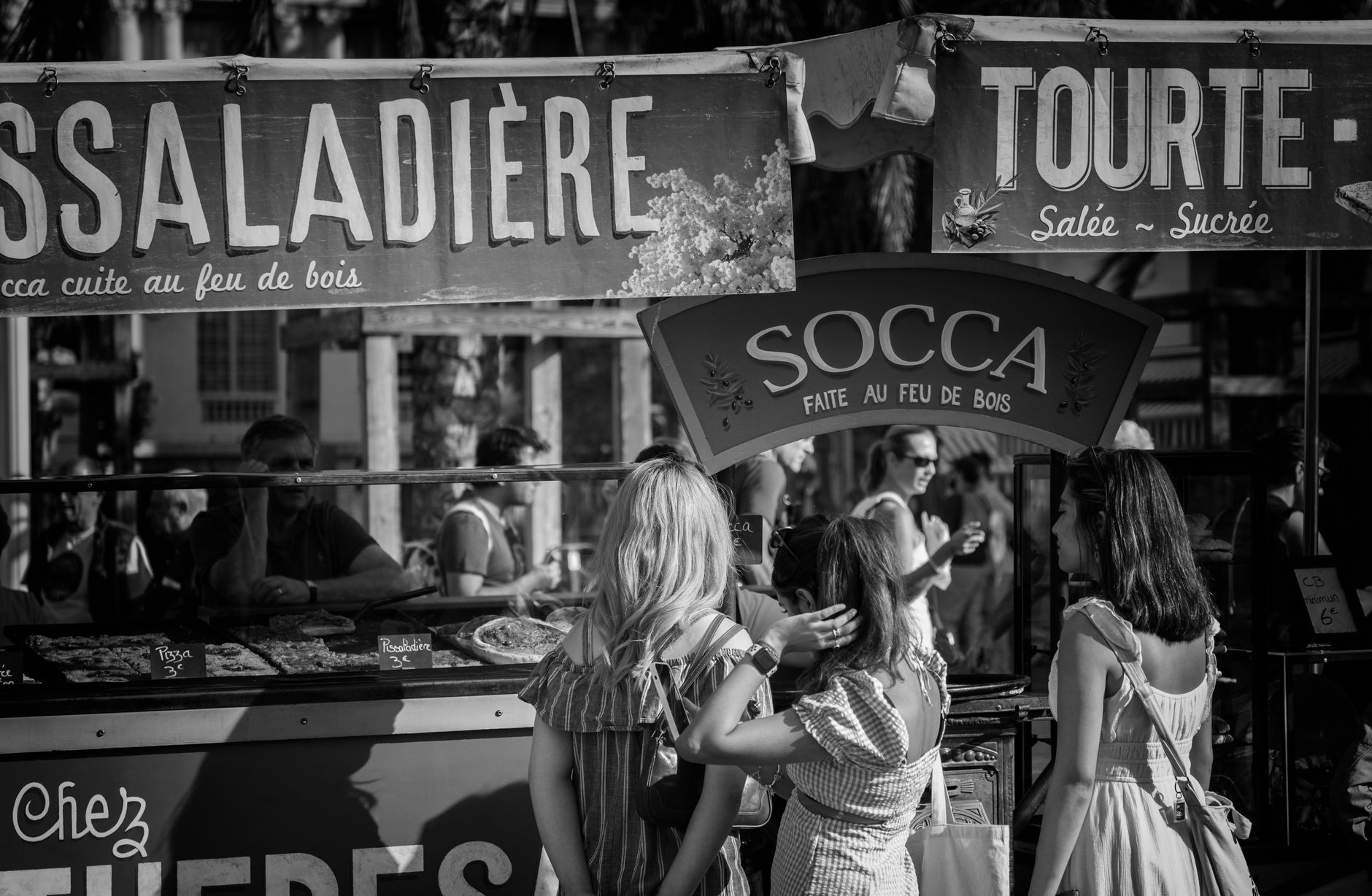
- Meals: enjoy market-prepared socca, pan bagnat or a prix-fixe lunch in the Old Town rather than a tourist trap on the Promenade.
- Transport: buy a day pass or multi-journey carnet for Ligne d'Azur if you plan two or more bus/tram trips a day.
Where to save:
- Self-cater one or two meals from Cours Saleya or Liberation market stalls and small supermarkets.
- Walk between central sites—Nice is compact and flatter than many Riviera towns.
- Choose regional TER trains for Antibes and Cannes instead of private tours.
Useful picks for a 3-day itinerary:
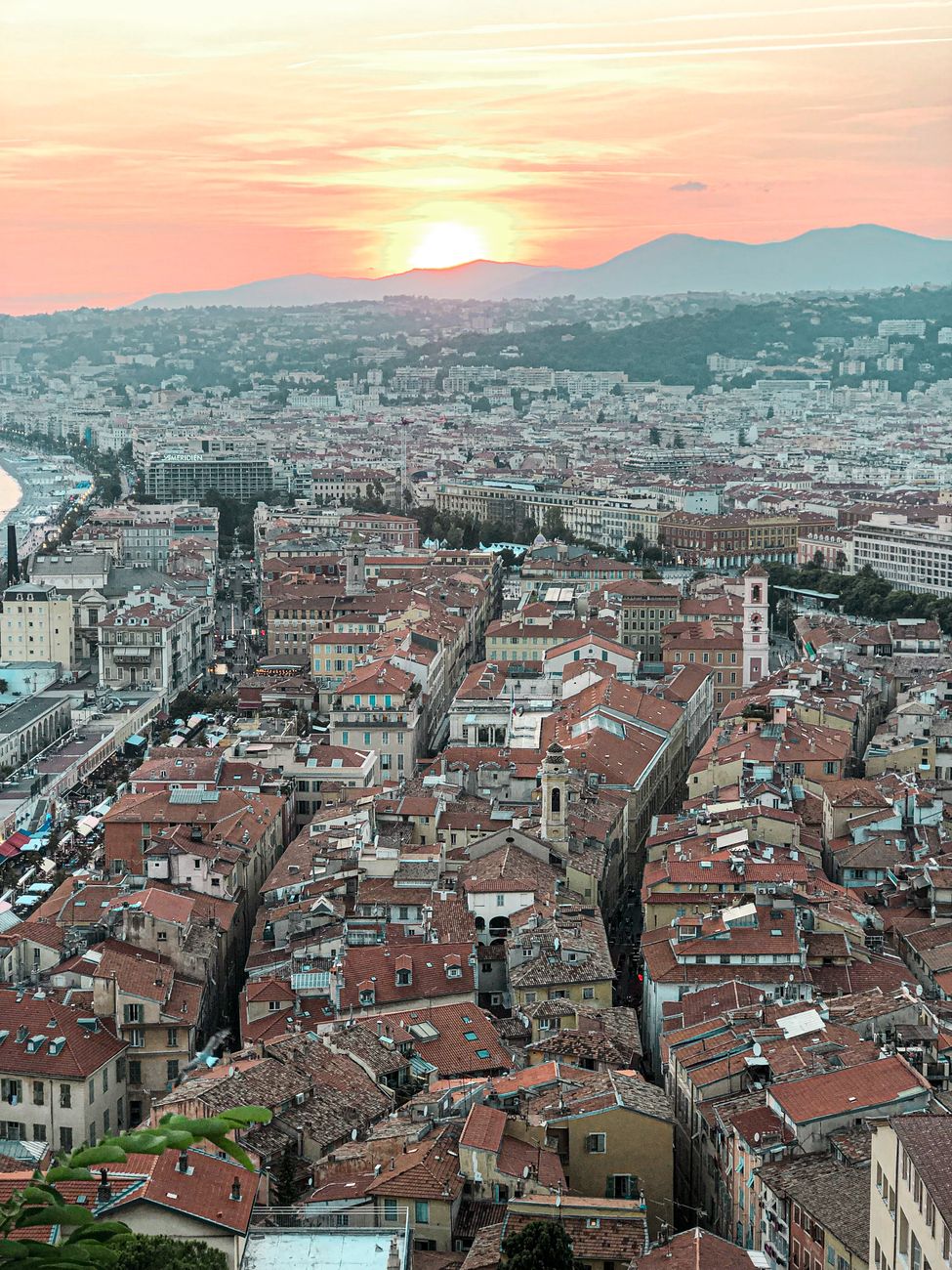
- Morning market breakfast in Cours Saleya, midday beach walk on the Promenade, late-afternoon climb up Colline du Château for sunset.
- A trainside half-day trip to Antibes or Cannes to spread costs and keep travel carbon low.
Local Context
Seasonal realities:
- High season (July–Aug): highest prices, crowded beaches, book months ahead.
- Shoulder season (Apr–May, Sep–Oct): best balance of prices, weather, and fewer crowds—ideal for budget-minded travelers.
- Low season (Nov–Feb): cheaper rates but shorter opening hours for some businesses and cooler weather.
Transport realities:
- Nice Côte d'Azur Airport is a short tram/bus/taxi ride from the centre; allow 30–45 minutes depending on traffic.
- Tram lines (T1/T2) and buses (Ligne d'Azur) cover most of the city; buy tickets at machines, kiosks, or via the app and validate them on board.
- TER regional trains are frequent to Antibes and Cannes (10–30 minutes) and useful for sustainable day trips to Marseille or Aix-en-Provence; reserve longer intercity trips in advance when possible.
Neighbourhood tradeoffs:
- Vieux Nice: atmospheric, best for food and nightlife, can be noisy at night.
- Port Lympia / Liberation: local cafés and markets, good value for food.
- Jean Médecin: shopping and tram access, practical for transit.
- Cimiez: quieter, museums and parks, better if you prefer calm evenings.
How to Choose Well
Pick accommodation by weighing three things: distance to your planned daily loop (Old Town, Promenade, Colline du Château), access to a tram/bus stop, and whether you want quiet evenings.
Booking tips:
- For a 3-day trip: reserve lodging and any must-see museum tickets at least 4–6 weeks ahead in high season; a couple of weeks can suffice in shoulder season.
- For day trips by train: buy TER tickets the day before or use regional apps; last-minute fares are fine but seats fill on peak days.
- Consider an apartment or small B&B if you want to save by cooking—markets like Liberation and Cours Saleya make grocery shopping rewarding.
Accessibility and luggage:
- If you have heavy luggage, choose near Nice-Ville station or a tram stop; some older buildings in Old Town have stairs only.
- If you prefer quieter streets for sleep, choose Port or Cimiez and accept a short tram ride into the centre.
Responsible and Local-First Tips
Spend with small businesses:
- Eat at family-run bistros, buy from the Cours Saleya vendors, and choose artisan food shops.
- Book train day trips instead of motorboat tours to reduce emissions and support local rail.
Low-impact choices:
- Walk the compact centre and use Vélo Bleu bike-share for short trips.
- Carry a refillable water bottle—tap water in Nice is safe.
- Bring a small reusable bag for market purchases.
Respect local etiquette:
- Greet shopkeepers and servers with bonjour; use basic French phrases.
- Dining and service staff expect modest tipping—round up or leave 5–10% for good service.

Common Mistakes to Avoid
Avoid these frequent errors:
- Staying far from the centre to 'save' money without factoring taxi costs and time lost—central saves transport expense and time on a short trip.
- Waiting until the last minute in July–August—availability and prices spike.
- Assuming all restaurants near the Promenade are local—look for menus in French or ask locals for recommendations.
- Not validating bus/tram tickets—inspectors fine non-validated tickets.
- Overbooking day trips—leave time in your schedule to enjoy Nice itself; Antibes and Cannes are easy half-day trips, not all-day obligations.
FAQ
How much should I budget per day in Nice?
For shoulder season, plan roughly €55–€80/day for backpacker-style travel, €100–€180/day for a modest private room and meals, and €200+ for more comfort. Prices vary with season and booking lead time.
Is Nice walkable and easy to get around without a car?
Yes. The central attractions are compact and walkable. Trams and buses (Ligne d'Azur) cover longer routes and the airport link. Buy single tickets, carnets, or day passes depending on use.
Are day trips to Antibes and Cannes expensive?
No—regional TER trains run frequently; expect low single-figure to low-double-figure euros one-way depending on destination and how far in advance you buy. They are an affordable, low-impact way to see nearby towns.
Where is best to eat cheaply and well?
Cours Saleya and Liberation markets, small bakeries, and family bistros a few streets back from the Promenade. Try socca and pan bagnat from market stalls for the most local, affordable meals.
How far in advance should I book in summer?
For July–August, reserve accommodation and major transport at least 6–8 weeks ahead. For shoulder season, 2–4 weeks is often sufficient.
Conclusion
Nice can be affordable without losing charm if you choose a centrally located but modest place to stay, eat locally at markets and family bistros, and use trains for nearby day trips. For your main 3 days in Nice, prioritize walking loops that combine the Promenade, Old Town, and Colline du Château, and slot one low-impact train trip to Antibes or Cannes. Favor shoulder-season travel and local vendors to keep money in the community and your trip low-impact.
How this guide was prepared
This guide was prepared through a structured research that combines destination research, geographic context, itinerary planning logic, and content review.