
Responsible Travel in Nice — Practical Support for a Low-Impact Visit
Practical, local-first advice for visiting Nice responsibly: neighborhoods, transport, seasonal tips, sustainable choices, and day-trip links to Antibes, Cannes, Aix and Marseille. Ideal as a support page for the 3 days in Nice itinerary.
A compact, actionable guide to moving through Nice with low impact—where to stay, how to reach nearby destinations by train, what to book in advance, and sensible local etiquette to protect both community life and your experience. Pairs directly with our 3 days in Nice itinerary.
Quick Answer
A compact, actionable guide to moving through Nice with low impact—where to stay, how to reach nearby destinations by train, what to book in advance, and sensible local etiquette to protect both community life and your experience. Pairs directly with our 3 days in Nice itinerary.
Who This Page Is For
This page is for travelers planning a stay in Nice who want clearer decisions about responsible travel, local logistics, timing, budgeting, and practical trip planning.
How This Page Was Prepared
This page was prepared through a structured editorial workflow that combines destination research, geographic context, and practical travel-planning review.
Plan the Rest of Your Trip
Use this page together with the full itinerary and the related planning pages below to make better booking, timing, transport, and budget decisions.
For a sustainable short stay: base yourself in Vieux Nice, Carré d'Or or the Liberation neighborhood to walk to markets and tram connections. Rely on Vélobleu bikes, trams and TER regional trains for day trips. Avoid peak summer weekends and cruise-ship hours; travel in shoulder seasons (April–June, September–October) for milder weather and fewer crowds. See the 3 days in Nice guide for a ready itinerary and use regional trains for Antibes and Cannes to reduce car use.
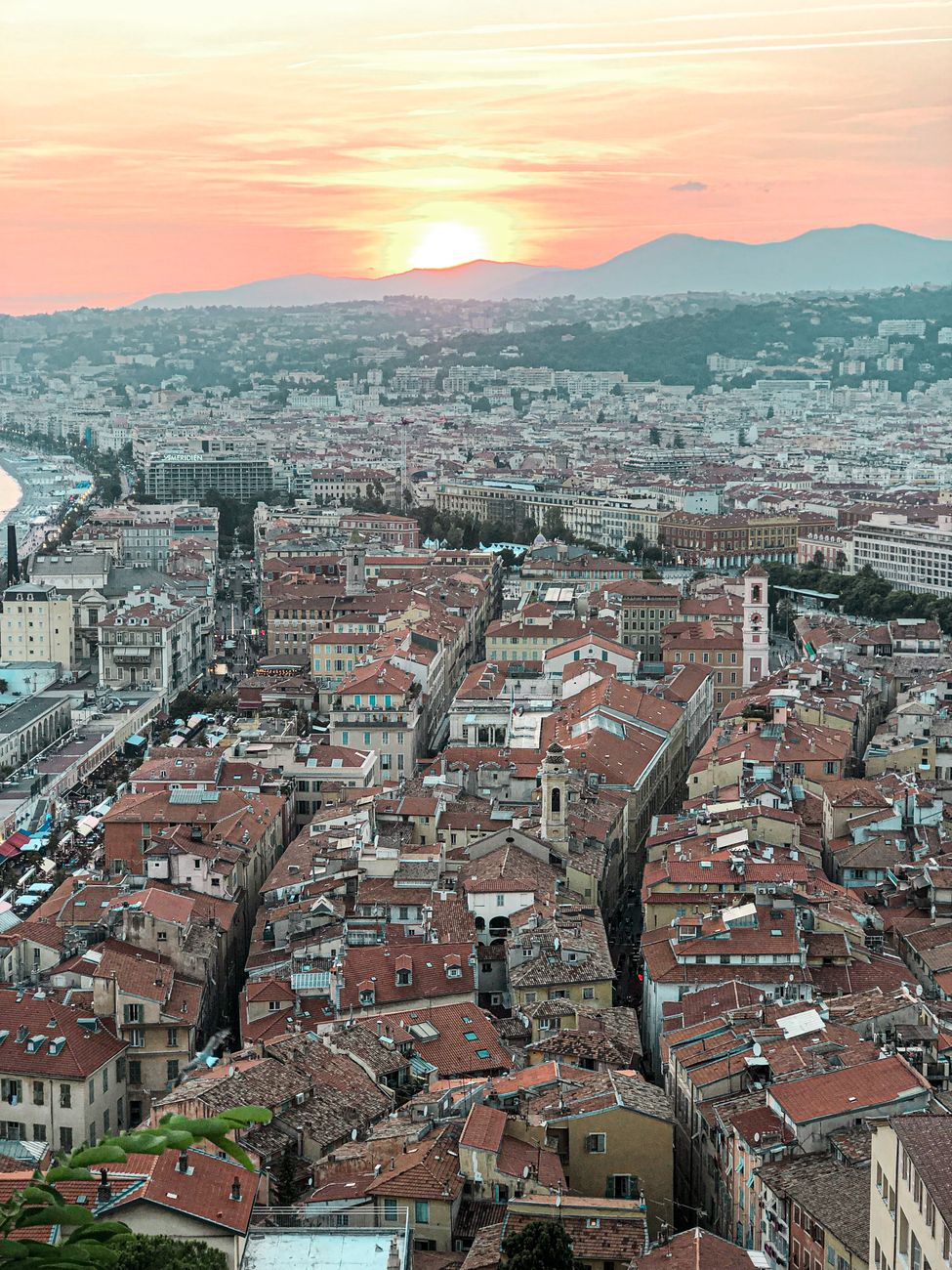
Nice is compact, walkable, and scenically perched between the Mediterranean and low hills. This page gives focused, practical advice for travelers who want a low-impact visit: choosing neighborhoods, moving by public transport and foot, supporting local shops and markets, and making short train day trips to Antibes, Cannes, Aix-en-Provence and Marseille. Use it alongside our main 3 days in Nice guide for an itinerary that minimizes footprint while keeping convenience.
What This Page Helps You Decide
This page helps you pick:
– Where to stay by neighborhood for low-impact access to sights and transit.
– Whether to rent a car or rely on train and bus for day trips to Antibes, Cannes, Toulon and Marseille.
– Which days and times to visit markets, beaches and museums to avoid crowds.
– How to choose local-first experiences—markets, small restaurants, community tours—and responsible beach options.
It’s designed to complement the main 3 days in Nice itinerary by focusing on choices that reduce environmental and social impact.

Top Recommendations
Priorities for a low-impact stay:
– Walk Vieux Nice at dawn, visit Cours Saleya market early for seasonal produce and to support local vendors.
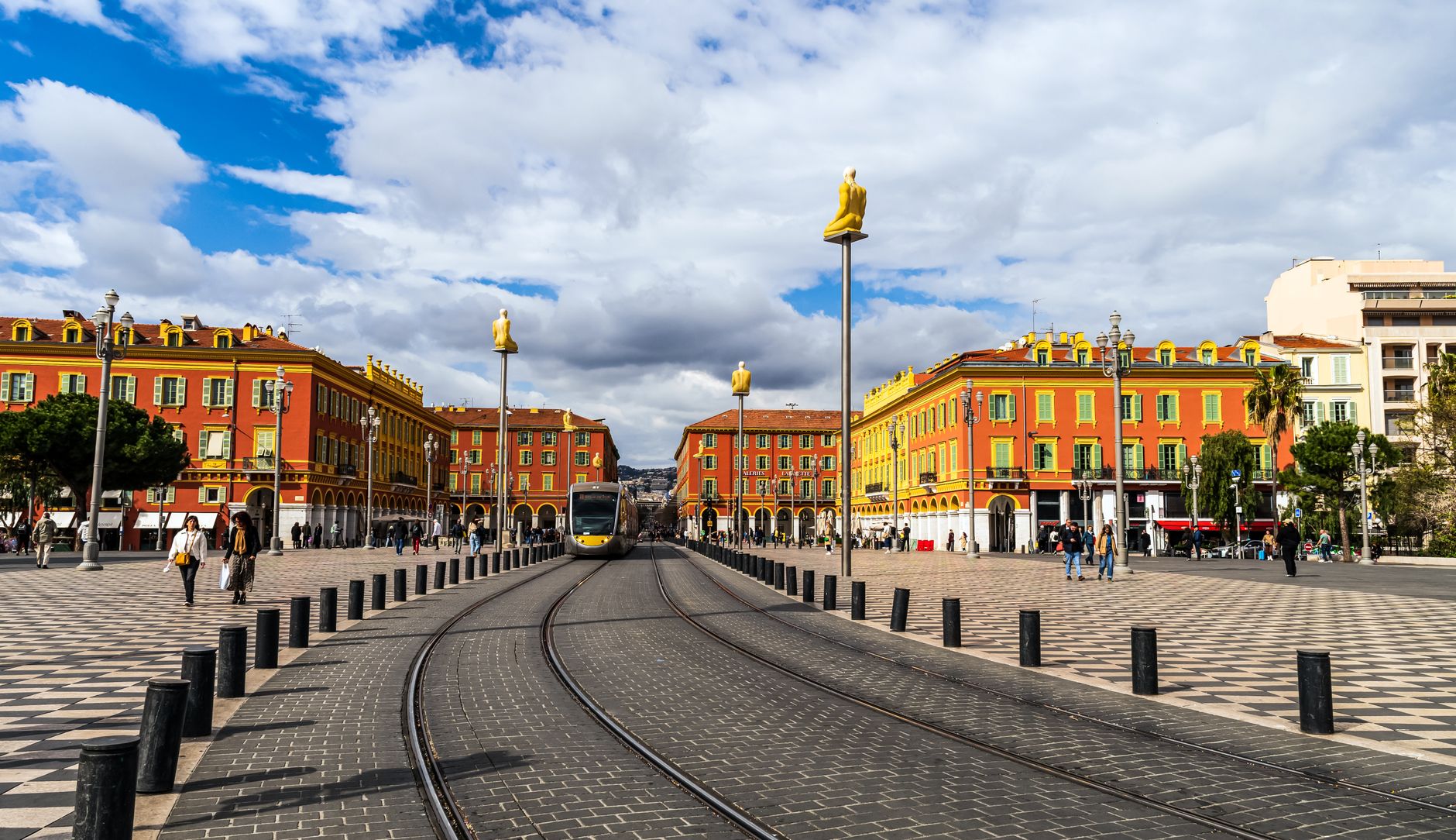
– Use public transport: tram line 1 connects the train station to the seafront; TER trains serve Antibes, Cannes and Marseille.
– Choose small, family-run restaurants in Liberation or Port Lympia rather than tourist strips; look for prix-fixe menus using local ingredients.
– Book museum tickets and timed entries in advance (Musée Matisse, Musée d’Art Moderne) to avoid queues and manage time efficiently.
– Day trips: train to Antibes or Cannes (20–40 minutes) rather than driving; pack a reusable water bottle and take a market picnic for a low-impact lunch.

Local Context
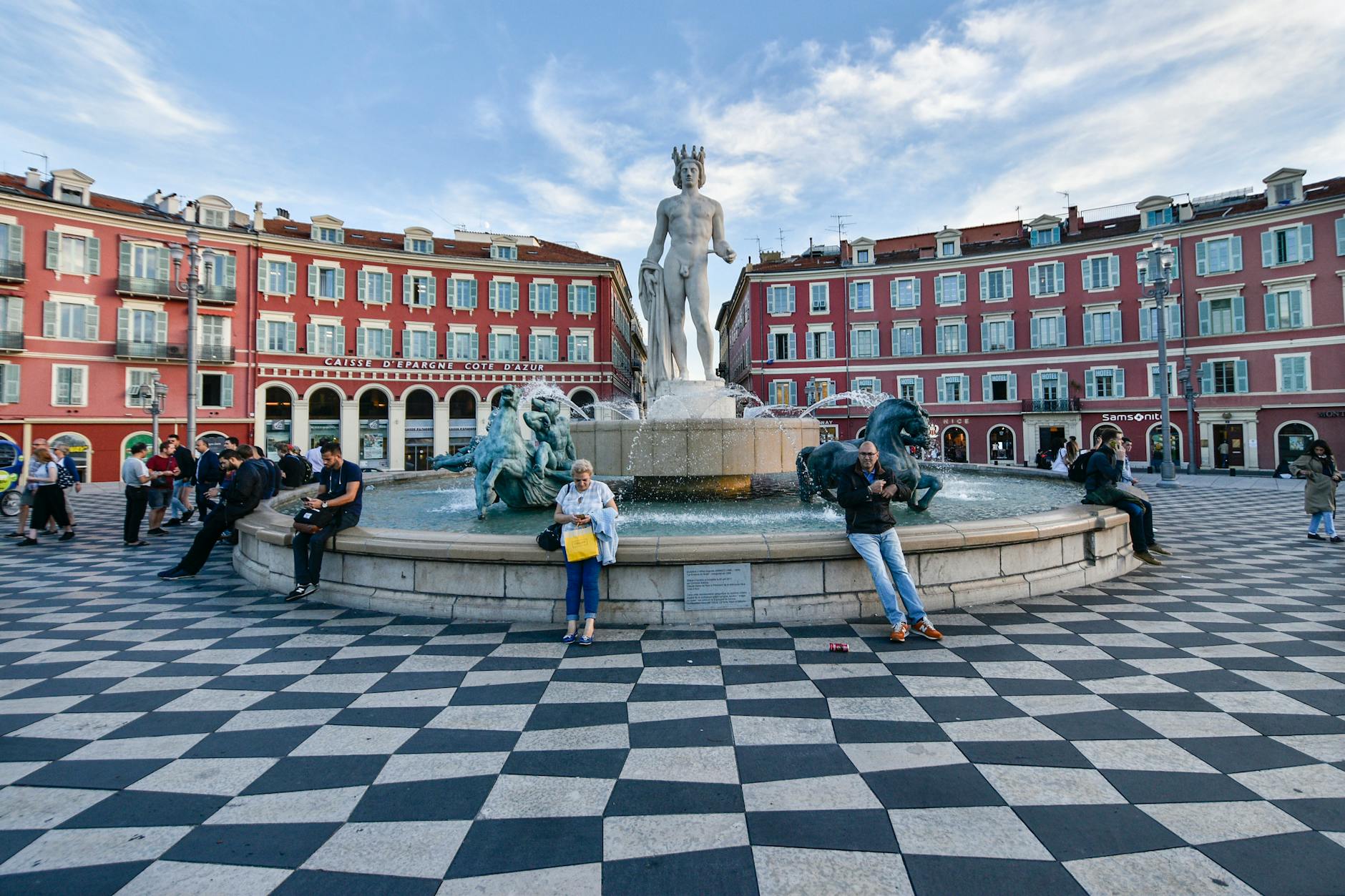
Nice is the largest city on the French Riviera and a regional transport hub. The Old Town (Vieux Nice) is the historical heart; Avenue Jean Médecin and Place Masséna are the commercial spine; Cimiez and Mont Boron are quieter, greener neighborhoods. Tourist pressure peaks July–August and around Carnival (February). Cruise ships add brief but intense flows of visitors—check cruise schedules and avoid the Port at midday on those days.
Public transport is reliable: trams, buses and a dense regional rail network (TER). Bike-share (Vélobleu) fills short-trip gaps. Expect shops and small restaurants to close one afternoon in smaller neighborhoods—check opening hours before planning a late visit.
How to Choose Well
Accommodation:
– Stay near the center (Vieux Nice, Carré d'Or, Liberation or Port) to reduce transit needs. Prefer small guesthouses or locally run hotels with sustainable practices.
Transport and day trips:
– Take TER trains to Antibes (20–25 min), Cannes (30–40 min) and Aix-en-Provence or Marseille for longer trips; book early for the best fares.
– Skip car rentals unless you need remote Provençal villages; parking is limited and fuel and CO2 costs are high.
Tours and experiences:
– Choose small-group or local-guide experiences; verify that tour operators hire local staff and share benefits with communities.
Food and shopping:
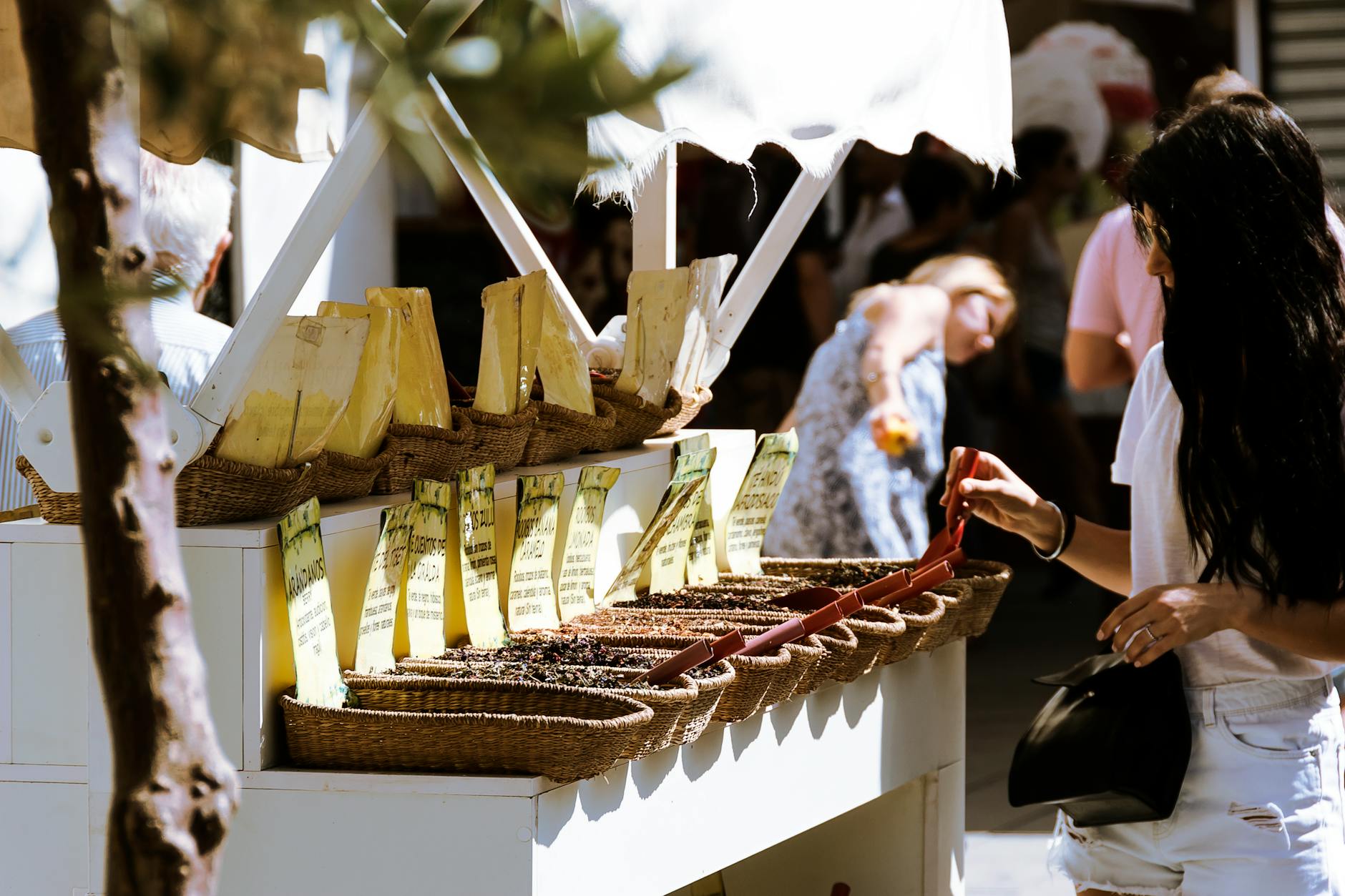
– Buy at markets (Cours Saleya, Liberation) and artisan shops. Ask staff about provenance of fish and produce—seasonality matters.
Responsible and Local-First Tips
Practical ways to reduce impact and support locals:
– Eat locally: prioritize restaurants that list regional ingredients; consider a market picnic to support small vendors.
– Use refillable water bottles—the tap water in Nice is drinkable and many cafes will refill them.
– Prefer public transport, bike-share or walking. Reserve taxis for late-night returns when transit is limited.
– Avoid single-use plastics: bring reusable cutlery and bags when buying market food.
– Respect local life: keep noise levels down in residential streets at night, and follow church and memorial etiquette.
– When taking photos, ask permission before photographing people or small shop interiors.
– If visiting beaches, leave no trace: take your trash, avoid stepping on dune vegetation, and use public facilities rather than private beach services when possible.
Common Mistakes to Avoid
Mistakes that harm the experience or the place:
– Staying far from the center and driving daily: increases emissions and costs, and you miss walking-friendly Nice.
– Booking everything for peak summer weekends without considering cruise-ship arrivals—plan mornings early or late afternoons to avoid crowds.
– Choosing private beaches every day: they exclude locals and increase waste. Mix public and responsibly managed private options.
– Ignoring seasonal opening hours: smaller restaurants and shops may close mid-afternoon or for a full day each week.
– Buying mass-produced souvenirs imported from elsewhere: prefer regional crafts, olive oil, or local ceramics.
– Assuming everyone speaks English: start interactions with “Bonjour” and try a few French phrases as a courtesy.
FAQ
Is a car necessary to visit Nice and nearby towns?
No. For most visitors a car is unnecessary and often a liability. TER regional trains and buses link Nice with Antibes, Cannes and Toulon; local trams and Vélobleu bikes cover the city. Rent a car only if you plan to explore remote interiors or travel on your own schedule.
When is the best time to visit to avoid crowds but still have good weather?
Shoulder seasons—April to June and September to October—offer mild weather, lower prices and fewer cruise-ship and day-trip crowds. February has Carnival energy but more crowds; July–August is hottest and busiest.
How can I support local businesses without overspending?
Shop at markets, eat at family-run bistros and bakeries, and join small local tours. Look for prix-fixe lunch menus and weekday dining for better value. Buying a few quality local items (olive oil, ceramics) is more helpful than many small, low-value souvenirs.
Are beaches free and are there responsible options?
Nice has long public beaches with pebble shorelines that are free. Private beaches charge for sunbeds and services—consider alternating private and public options. Always take your waste with you and avoid glass near the water.
How can I day-trip to Antibes or Cannes sustainably?
Take the TER regional train from Nice Ville—frequent, fast, and low-impact. Trains typically take 20–40 minutes and drop you within walking distance of the old towns and ports. Buy tickets in advance through the SNCF app for best prices and to avoid queues.
Conclusion
Nice rewards travelers who slow down and choose low-impact options. Base yourself centrally, favor walking and public transport, support markets and family-run businesses, and time visits to avoid cruise and peak-summer crowds. For a ready plan, pair this support page with our 3 days in Nice itinerary; use regional trains to reach Antibes, Cannes, Aix-en-Provence and Marseille for easy, eco-friendly day trips. Small choices—where you stay, how you eat, how you move—add up to a better trip for you and for local communities.
How this guide was prepared
This guide was prepared through a structured research that combines destination research, geographic context, itinerary planning logic, and content review.