
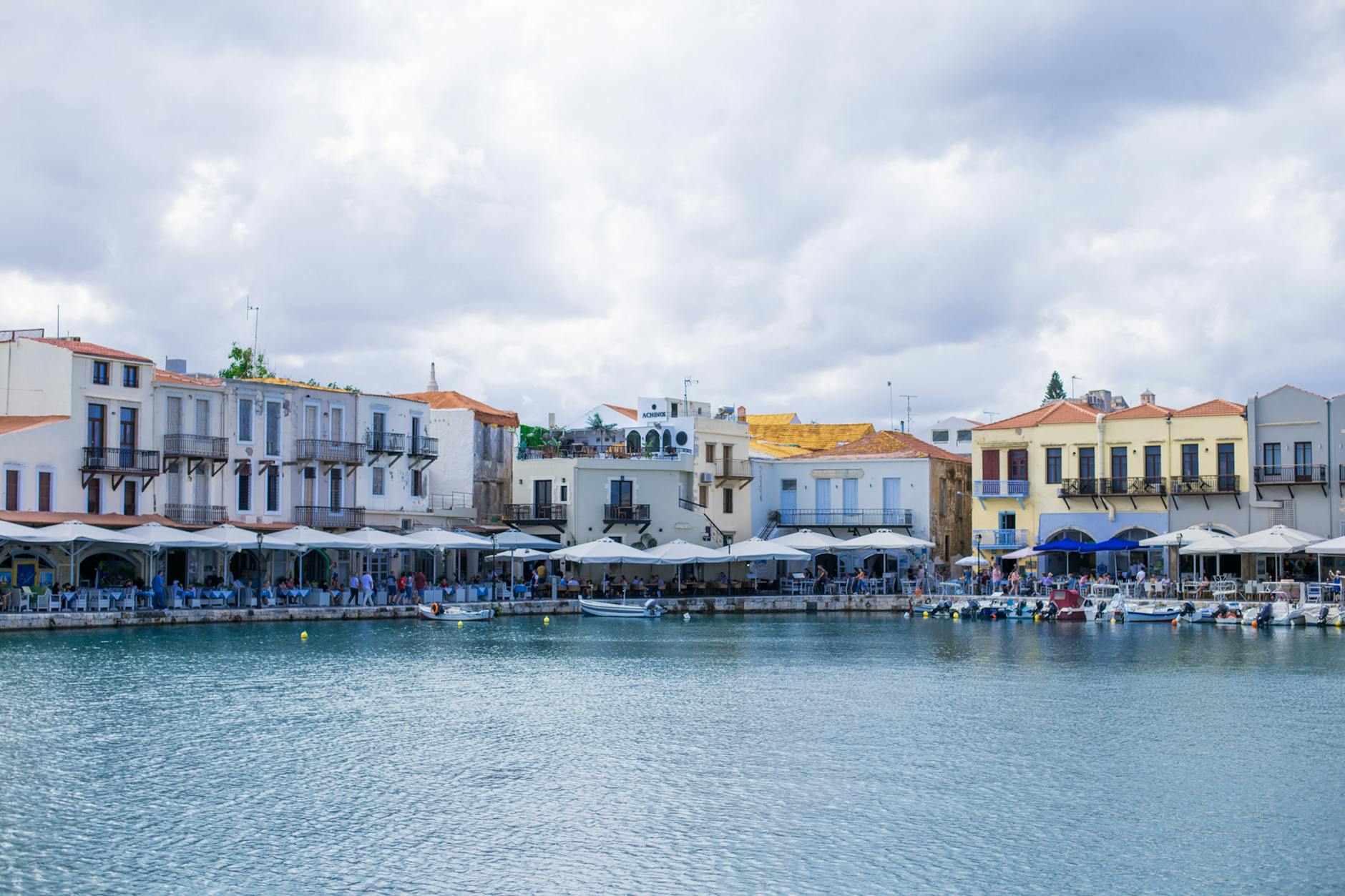
Responsible Travel in Rethymno — Practical, Local-First Support
Practical, sustainable advice for visiting Rethymno: where to stay, when to go, how to travel low-impact, and local-first tips that pair with the main 3 days in Rethymno itinerary.
A concise, scan-friendly support page to help you plan a low-impact, locally beneficial visit to Rethymno—ideal as a companion to the main 3 days in Rethymno guide.
Quick Answer
A concise, scan-friendly support page to help you plan a low-impact, locally beneficial visit to Rethymno—ideal as a companion to the main 3 days in Rethymno guide.
Who This Page Is For
This page is for travelers planning a stay in Rethymno who want clearer decisions about responsible travel, local logistics, timing, budgeting, and practical trip planning.
How This Page Was Prepared
This page was prepared through a structured editorial workflow that combines destination research, geographic context, and practical travel-planning review.
Plan the Rest of Your Trip
Use this page together with the full itinerary and the related planning pages below to make better booking, timing, transport, and budget decisions.
Best time: shoulder seasons (April–May, September–October) for milder weather, fewer crowds, and more locally run businesses open.
Where to base: Old Town for history and walkability; Nea Chora for beach access and fish tavernas; Atsipopoulo/Aggeliana for countryside stays near Arkadi.
Getting there: fly to Heraklion (HER) and take the KTEL bus or a shared transfer; car rental useful for Arkadi and smaller villages but avoid driving into Old Town.
Book: reserve family-run guesthouses and licensed walking tours early for July–August, but enjoy more flexibility off-peak.
This page helps travellers who are using the main 3 days in Rethymno itinerary but want practical, responsible, and local-first decisions for arrival, lodging, day trips and daily life in town. It focuses on what choices reduce impact, support local businesses, and make your short stay more authentic.
If you plan to follow the 3-day route, use these tips to pick neighborhoods, timing, and transport that match your values.
What This Page Helps You Decide
Use this page to choose:
- Which neighborhood to stay in depending on your priorities (historic streets vs. beach vs. rural peace).
- Whether to rent a car or rely on buses and walking for low-impact travel.
- Which day trips to prioritize (Arkadi Monastery, rural villages, or coastal walks) based on season and mobility.
- How to book tours and meals that directly support local operators and producers.
It’s designed to slot into the 3 days in Rethymno plan—use the internal itinerary for timing, and follow these tips to make choices that benefit the local economy.
Top Recommendations
Stay and sleep local
- Choose a family-run guesthouse or small pension in Old Town or Nea Chora. Look for hosts who cook breakfast with local olive oil and seasonal fruit.
Explore by foot and public transport
- Walk the Old Town before 10:00 for cooler temperatures and quieter streets. Use the regional KTEL bus for Chania/Heraklion trips and book intercity buses in advance during peak season.
Day trips and pacing
- Reserve one half-day for the Fortezza and one for a rural visit such as Arkadi Monastery or a guided olive grove walk. Avoid packing every hour: slow, local experiences often matter more than ticking a list.
Book smart
- For July–August, book accommodation and any licensed guided tours 2–3 months ahead. Shoulder season bookings can be more flexible; check cancellation policies and prefer refundable options when possible.
Local Context
Neighborhoods and feel
- Old Town: narrow Venetian streets, Rimondi Fountain, museums, many small shops. Not car-friendly; ideal for pedestrians.
- Nea Chora and the promenade: pebble/sandy beaches, fish tavernas, sunset walks.
- Atsipopoulo and nearby villages: agricultural landscapes, olive groves, good for rural homestays.
Seasonal reality
- High season (July–August): busy, hot, and louder nightlife. Some small businesses operate longer hours to serve tourists.
- Shoulder season (Apr–May, Sep–Oct): best balance of weather, open businesses, and smaller crowds.
- Winter: quieter; many tourism services slow or close—good for research visits or off-season volunteering.
Transport realities
- No island-wide train; buses connect Rethymno with Chania (west) and Heraklion (east). Plan bus transfers, as frequency drops on Sundays and public holidays.
- Airports: Heraklion is ~1 hour by car; Chania ~75–90 minutes. Ferries to Crete arrive at Heraklion and Chania—if arriving by sea from Piraeus, check transfer options to Rethymno.
Local etiquette and customs
- Greet shopkeepers with a short "Kalimera" in the morning.
- Dress respectfully in churches and monasteries; shoulders and knees covered.
- Tipping is appreciated but modest: round up or leave 5–10% at restaurants.
How to Choose Well
Choosing accommodation
- Prioritise small, locally owned guesthouses over large foreign-owned chains to keep spending local.
- Ask hosts about energy and water-saving measures, and whether breakfast uses local produce.
Choosing tours and guides
- Prefer licensed local guides and small-group walking tours that explain history and conservation.
- Ask whether fee income supports local guides or community projects.
Choosing restaurants and shopping
- Eat at family tavernas and shops that display local produce and ask about sourcing (e.g., local cheese, honey, olive oil).
- Buy from artisans and co-ops. Avoid mass-produced souvenirs.
Choosing transport
- Use buses where feasible; rent a small hybrid or fuel-efficient car only if you need rural access. Car-share taxis or private transfers are viable for groups.
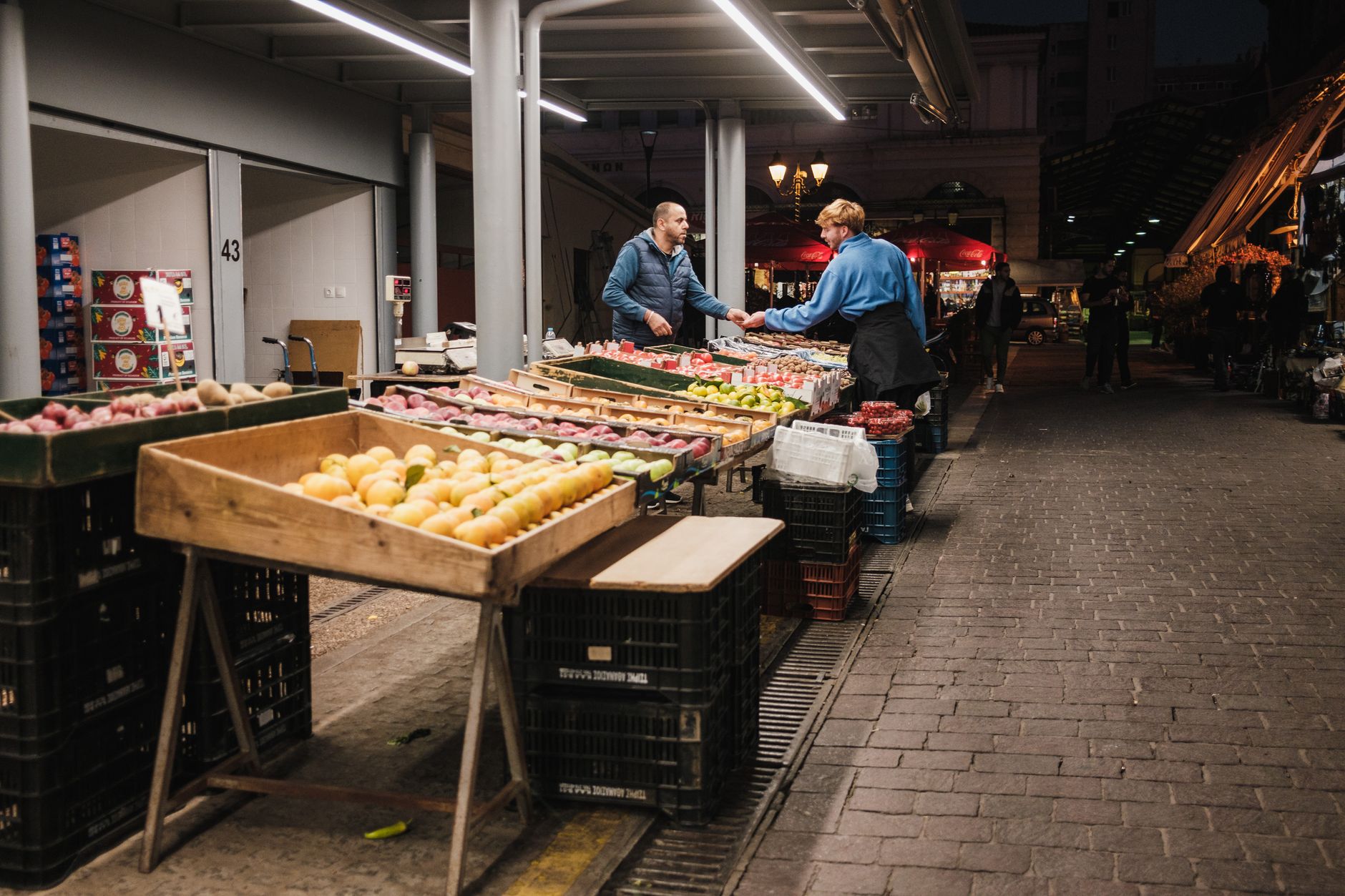
Responsible and Local-First Tips
Spend locally and thoughtfully
- Choose locally owned accommodations, tavernas, and guide services.
- Buy olive oil, honey, and ceramics from cooperatives or individual artisans.
Low-impact activities
- Walk the Old Town, join a small-group coastal cleanup, book an olive grove visit with a family, and use reef-safe sunscreen for snorkeling.
Water and waste
- Tap water in Rethymno is generally drinkable but check with your host; bring a reusable bottle and refill it.
- Avoid single-use plastics and use local refill shops when possible.
Respect cultural and natural sites
- Keep to marked paths in archaeological and natural areas, don’t remove stones or artefacts, and follow signage at Arkadi and the Fortezza.
Support seasonal balance
- Consider visiting in shoulder seasons to support businesses outside peak months and reduce pressure on infrastructure.

Common Mistakes to Avoid
Avoid these frequent missteps:
- Booking a large chain hotel far outside town without arranging local transfers—this reduces local spending and increases vehicle miles.
- Trying to drive into the Old Town—narrow lanes and limited parking make this difficult and stressful.
- Expecting everything to be open in winter—plan and confirm services outside peak months.
- Rushing between sights—Rethymno rewards slow exploration; give extra time for cafes, markets and conversation with hosts.
- Using non-certified boat parties or unlicensed guides—these can harm marine habitats and avoid local accountability.
FAQ
When is the best time to visit Rethymno to avoid crowds but still have good weather?
The shoulder seasons—April to May and September to October—offer warm weather, lower crowds, and most businesses open. Late spring and early autumn are ideal for outdoor activities and local festivals without the July–August peak.
How do I get from Heraklion airport to Rethymno without renting a car?
Take the KTEL regional bus from Heraklion bus station (buses are timed with some arrivals) or book a shared airport transfer through a local operator. Pre-book during high season to guarantee a seat.
Is Rethymno walkable and suitable for low-impact travel?
Yes—Old Town and the harbor are best explored on foot. For rural areas and Arkadi Monastery you may need a bus or car. Prioritise public buses, cycling where appropriate, and guided walking tours for low-impact options.
Are there ethical, local-first tours or experiences you recommend?
Choose small-group history walks led by licensed local guides, family-run olive oil or cheese visits, and fishing-boat excursions that follow local sustainability rules. Ask operators how income supports local communities.
What should I know about food and tipping?
Eat at family tavernas and seasonal cafés; ask about locally sourced ingredients. Tipping is modest—round up or leave 5–10% for good service. Buying directly from markets and producers keeps more money in the local economy.
Conclusion
Rethymno is compact and rich in history; with a few deliberate choices—staying local, travelling off-peak, and choosing licensed, small-scale experiences—you can reduce your impact and leave more benefit for residents. Use this page alongside the main 3 days in Rethymno itinerary for timing and route details, and consider short onward visits to nearby Chania or Agios Nikolaos, or ferry and flight connections through Heraklion, Piraeus, Athens and Kos for a broader, well-planned Crete trip.
How this guide was prepared
This guide was prepared through a structured research that combines destination research, geographic context, itinerary planning logic, and content review.