
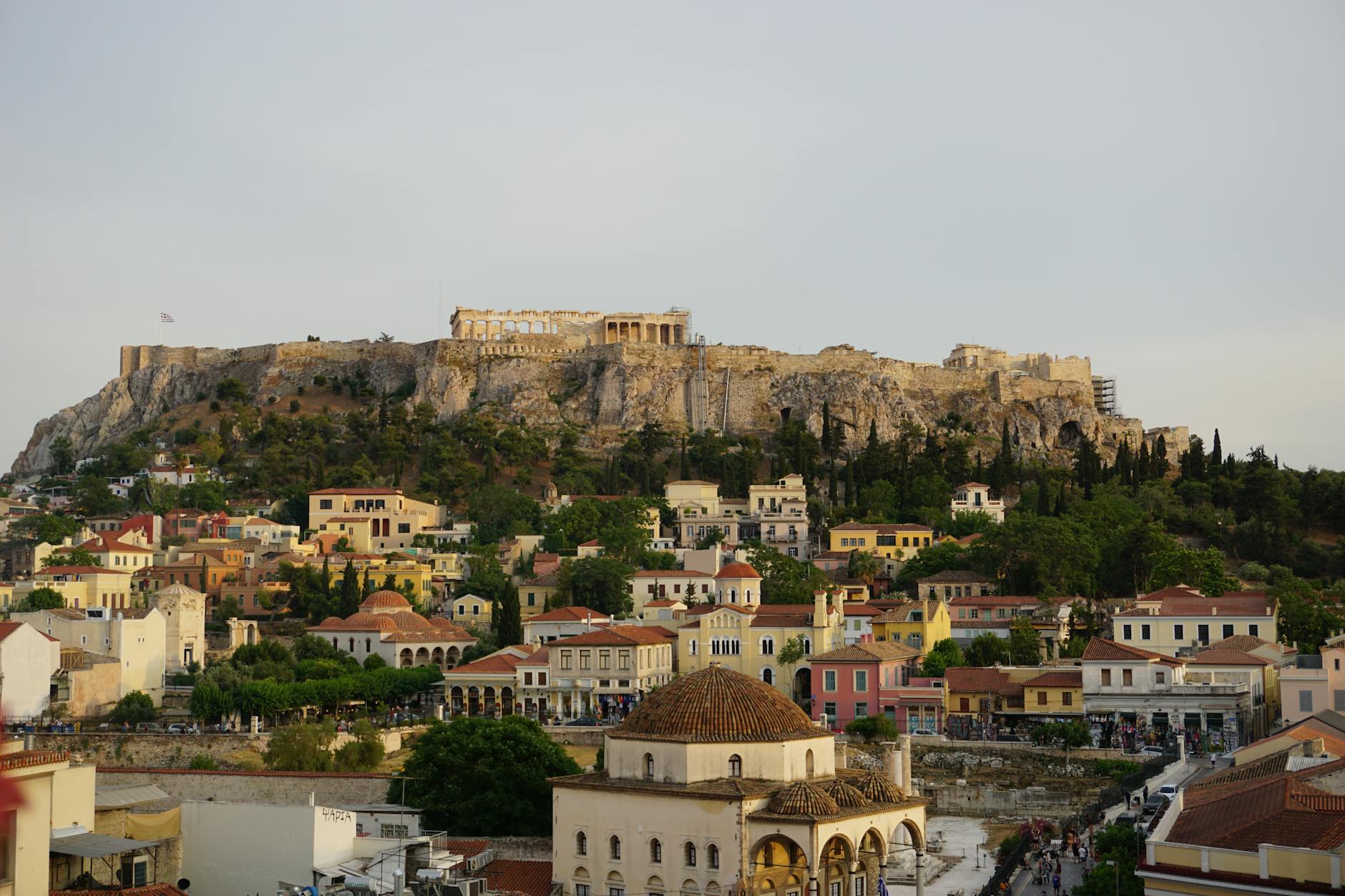
Best Things to Do in Athens — Practical, Local, Low-Impact Choices
A concise, practical guide to the best things to do in Athens with neighborhood tips, sustainable choices, and links back to the 3 days in Athens itinerary.
A focused, easy-to-scan list of Athens experiences — from the Acropolis to local markets — designed to fit into a 3-day plan and to favor local-first, low-impact choices.
Quick Answer
A focused, easy-to-scan list of Athens experiences — from the Acropolis to local markets — designed to fit into a 3-day plan and to favor local-first, low-impact choices.
Who This Page Is For
This page is for travelers planning a stay in Athens who want clearer decisions about things to do, local logistics, timing, budgeting, and practical trip planning.
How This Page Was Prepared
This page was prepared through a structured editorial workflow that combines destination research, geographic context, and practical travel-planning review.
Plan the Rest of Your Trip
Use this page together with the full itinerary and the related planning pages below to make better booking, timing, transport, and budget decisions.
Top picks for most travelers:
- Morning: Acropolis and Acropolis Museum (go early or late to avoid heat and crowds).
- Midday: Stroll Plaka and Monastiraki, visit the Ancient Agora.
- Afternoon: National Archaeological Museum or a food market visit (Varvakios Agora).
- Sunset: Lycabettus Hill or a rooftop bar in Koukaki.
- Evenings: Psiri for local tavernas and live music.
If you have a full day free, consider a short ferry to the Saronic islands from Piraeus or a cultural visit to the Stavros Niarchos Cultural Center.
This support page lists Athens's best things to do with practical advice for fitting them into a main itinerary (see the companion page 3 days in Athens). It focuses on neighborhood-scale experiences, sensible timing, and ways to spend locally and lightly. Use this to pick activities by interest, pace, and season rather than following a generic checklist.
What This Page Helps You Decide
Use this page to choose activities that match your time, energy levels, and values:
- Which neighborhood to base yourself in for walkable access.
- Which sights to book in advance (Acropolis, museums) and which to keep flexible.
- When to shift activities to avoid peak heat and crowds.
- Which day trips pair well with a 3-day itinerary (see 3 days in Athens) and nearby destinations like Piraeus, Chania, Rethymno, Thessaloniki, or Kos.
Practical outcome: a short, sustainable plan that supports local businesses and minimizes time wasted in queues or transit.

Top Recommendations
Must-dos and how to make them low-impact:
- Acropolis & Acropolis Museum: Book timed tickets online and aim for early morning or late afternoon. Prefer small-group or licensed local guides if hiring a guide.
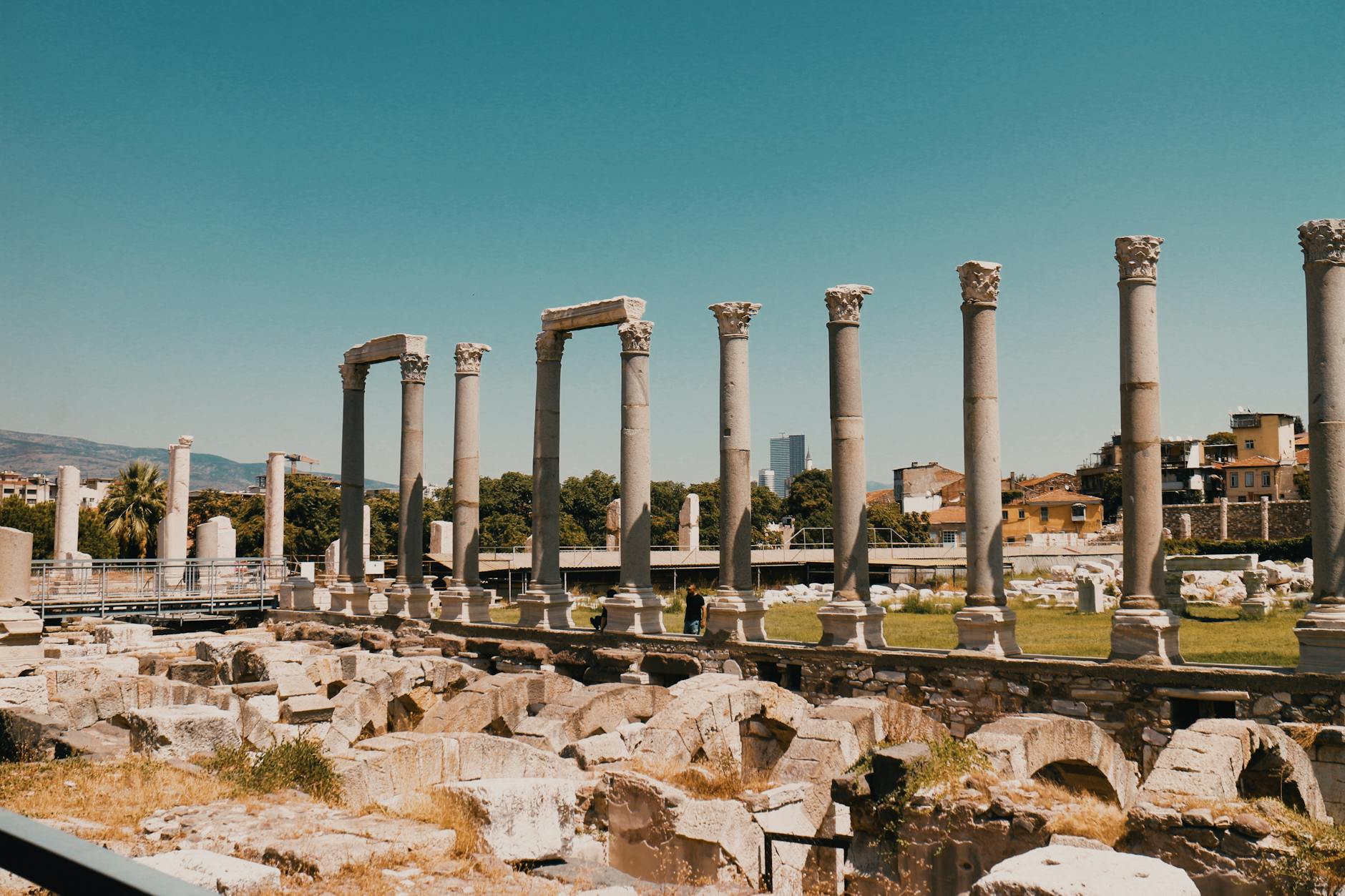
- Ancient Agora and Roman Agora: Explore on foot; these are quieter than the Acropolis and rich in atmosphere.
- Plaka and Anafiotika: Wander the lanes for artisan shops and family-run cafes; avoid touristy souvenir chains.
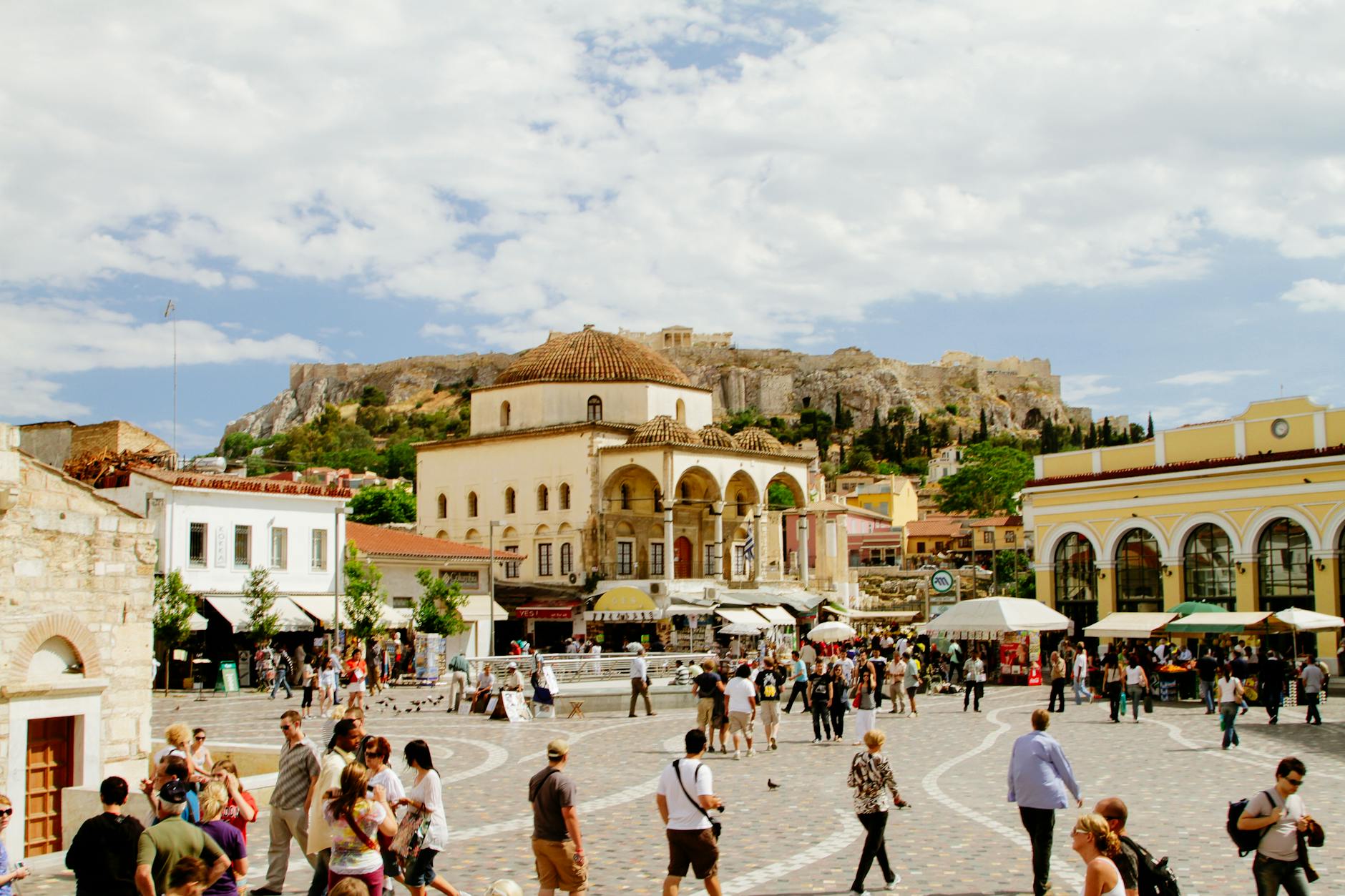
- Monastiraki Flea Market and Varvakios Agora: Browse secondhand stalls and buy produce or snacks from local vendors.
- National Archaeological Museum: Reserve time for this if you love classical art; visit on a cooler afternoon.
- Lycabettus Hill: Walk or take the funicular; sunset views are popular—go slightly earlier to avoid late crowds.
- Stavros Niarchos Cultural Center: Great for free events, landscaped park walks, and sustainable design tours.
- Food-focused: Join a small, local-led food walk in Psiri or Mets to learn about street foods and family recipes.
Day trips: Short ferry to Aegina or Hydra from Piraeus for low-impact island visits; longer options include heading to Crete (Chania, Rethymno) or Kos by plane or overnight ferry—book ferry seats in advance during summer.
Local Context
Neighborhoods and transport realities:
- Plaka and Monastiraki: Tourist-friendly, cobblestones, many restaurants—busy midday.
- Psiri: Evening food and music scene, smaller tavernas and craft shops.
- Koukaki: Popular with locals and visitors for rooftop views and relaxed cafés; convenient for the Acropolis Museum.
- Exarchia: Alternative scene with small galleries and cafés; energetic but be mindful at night.
- Kolonaki: Upscale shops and museums; easy public-transport links.
Transport and season notes:
- The historical center is compact and very walkable; wear good shoes.
- Metro, tram, and buses are efficient; use contactless payment or an Athens transport card. Taxis are abundant but check the meter and fixed airport fares.
- Shoulder seasons (April–June, September–October) offer milder weather and fewer crowds. Summer afternoons can be hot; plan indoor museums or siestas midday.

How to Choose Well
Match choices to time, interests, and impact:
- Short on time (half day): Pick one major site (Acropolis or National Archaeological Museum) plus a neighborhood stroll in Koukaki or Plaka.
- 1–2 full days: Combine Acropolis morning, museum afternoon, and an evening in Psiri; reserve a half-day for a nearby island or Piraeus.
- Interested in food: Schedule a morning market visit, a food-walk in the afternoon, and a tavern dinner in the evening.
- Prefer quiet/slow travel: Visit major sites at opening, choose less-visited museums, and walk the city’s parks (National Garden, SNFCC grounds).
Booking priorities:
- Book Acropolis tickets and popular museum entries ahead, especially in summer.
- Reserve ferry and domestic flights in shoulder and peak seasons.
- For specialized experiences (archaeology tours, cooking classes), book with local, licensed providers to ensure fair pay and quality.
Responsible and Local-First Tips
Practical steps to keep your visit local and low-impact:
- Spend at family-run tavernas, neighborhood bakeries, and markets rather than international chains.
- Choose licensed local guides and small-group experiences to support the local guide community.
- Use refillable water bottles; Athens has many potable water fountains (palia krina) and refill stations.
- Walk or take public transport for short hops; avoid unnecessary taxi rides.
- Buy from artisans in Monastiraki or small craft shops rather than mass-produced souvenirs.
- Time your Acropolis visit outside peak hours to reduce crowding pressure; avoid leaving trash or using single-use plastics.
Seasonal and community sensitivity:
- Respect quiet hours in residential neighborhoods, especially late at night.
- If visiting religious sites, dress modestly (shoulders and knees covered) and speak softly.

Common Mistakes to Avoid
Common pitfalls and how to sidestep them:
- Mistake: Doing the Acropolis at midday in July. Fix: Book early morning or late afternoon; carry water and a hat.
- Mistake: Trying to see every museum in one day. Fix: Prioritize one major museum and a smaller site.
- Mistake: Staying only in Plaka and missing other neighborhoods. Fix: Explore Koukaki, Psiri, and Kolonaki for different atmospheres.
- Mistake: Not booking ferries or Acropolis slots ahead in high season. Fix: Reserve tickets online and keep printed or digital confirmations.
- Mistake: Using only taxis for short trips in the center. Fix: Walk, use the metro, or take short tram rides to cut cost and emissions.
- Mistake: Buying mass-produced souvenirs near tourist hubs. Fix: Seek artisan stalls or cooperatives in Monastiraki and local markets.
FAQ
Do I need to prebook Acropolis tickets?
Yes. Timed-entry tickets are strongly recommended year-round and essential in high season; book online to avoid long queues and unpredictable availability.
Is Athens safe to walk at night?
Generally yes in tourist neighborhoods like Plaka, Monastiraki, and Koukaki. Use normal urban caution, avoid poorly lit backstreets late at night, and prefer licensed taxis after midnight.
How should I get from Athens to Piraeus and the islands?
Take the metro (Line 1) or a taxi to Piraeus port. Ferries to Saronic islands leave frequently; book popular routes in advance during summer.
Which months are best for fewer crowds and milder weather?
April–June and September–October are ideal: warm days, cooler nights, and significantly fewer tourists than July–August.
Are there accessibility options for major sites?
The Acropolis has accessible routes and assistance but some ancient surfaces are uneven. Many museums and the Stavros Niarchos Cultural Center are wheelchair-accessible. Contact sites ahead for specific arrangements.
What about tipping and local etiquette?
Tip modestly: 5–10% in restaurants if service is not included, small change for taxis, and a few euros for helpful guides. Dress respectfully at churches and when visiting religious services.
Conclusion
Athens rewards slow, neighborhood-focused travel more than frantic sight-seeing. Use this page alongside the 3 days in Athens itinerary to build a plan that matches your pace — prioritize early visits, public transport, and local vendors. When you have extra time, link your stay to nearby cities and islands like Piraeus, Chania, Rethymno, Thessaloniki, or Kos for a broader Grecian experience.
How this guide was prepared
This guide was prepared through a structured research that combines destination research, geographic context, itinerary planning logic, and content review.