
Dubai Travel Budget — Practical Costs, Savings, and Local Tips
Realistic daily budgets, transport and attraction costs, booking tips, and sustainable local-first advice for planning a 3-day (or longer) trip to Dubai. Includes neighborhood guidance, seasonality, and links to nearby destinations.
Clear, realistic budgets and booking advice for travelers using the 3 days in Dubai itinerary or extending to Sharjah, Abu Dhabi, Muscat, Doha, or Manama. Focus on low-impact transport, shoulder-season savings, and local experiences.
Quick Answer
Clear, realistic budgets and booking advice for travelers using the 3 days in Dubai itinerary or extending to Sharjah, Abu Dhabi, Muscat, Doha, or Manama. Focus on low-impact transport, shoulder-season savings, and local experiences.
Who This Page Is For
This page is for travelers planning a stay in Dubai who want clearer decisions about travel budget, local logistics, timing, budgeting, and practical trip planning.
How This Page Was Prepared
This page was prepared through a structured editorial workflow that combines destination research, geographic context, and practical travel-planning review.
Plan the Rest of Your Trip
Use this page together with the full itinerary and the related planning pages below to make better booking, timing, transport, and budget decisions.
Typical budgets per person, per day (approximate):
– Low budget: AED 150–300 (~USD 40–80) — cheap hotel/guesthouse, metro, street food, free/low-cost sights.
– Mid-range: AED 400–900 (~USD 110–245) — 3–4 star hotel, mix of metro and taxis, paid attractions.
– Comfortable: AED 1,000–2,500 (~USD 270–680) — beachfront hotel, guided tours, some fine dining.
Plan for higher costs during high season (Nov–Mar) and lower prices in summer. Book key attractions (Burj Khalifa, desert safaris, museum tickets) in advance for the best price and guaranteed slots.
This page gives practical cost guidance and booking advice to support your 3 days in Dubai itinerary, with a focus on affordable, responsible choices. You’ll find realistic daily budgets, neighborhood-based tips to save money without missing local character, transport realities, and suggestions for day trips to nearby cities like Sharjah and Abu Dhabi. If you want to follow a compact city-break plan, pair these budgets with the main 3-day guide to decide where to spend and where to save.
What This Page Helps You Decide
Use this page to:
– Choose a daily budget band to match accommodation and activity priorities for your 3-day visit.
– Decide where to stay: budget-friendly Deira/Bur Dubai vs. walkable Downtown or Marina for convenience.
– Pick transport options (NOL card and metro vs taxis vs ride-hailing) to optimize cost and time.
– Decide whether to add an intercity day trip to Sharjah or Abu Dhabi based on travel time and price.
It’s designed to slot directly into the 3 days in Dubai itinerary: once you pick a budget band, follow the main guide to allocate money across meals, attractions, and transport.
Top Recommendations
High-value choices that keep costs reasonable without losing local flavor:
– Stay near a metro line (Deira, Al Rigga, Al Fahidi, or Bur Dubai) to save on taxis and get quick access to Downtown and the Marina.
– Buy a rechargeable NOL card for metro, tram and buses — it’s cheaper than single tickets and saves time.
– Book Burj Khalifa tickets, desert safaris, and museum entries online and off-peak; evening slots can be pricier.
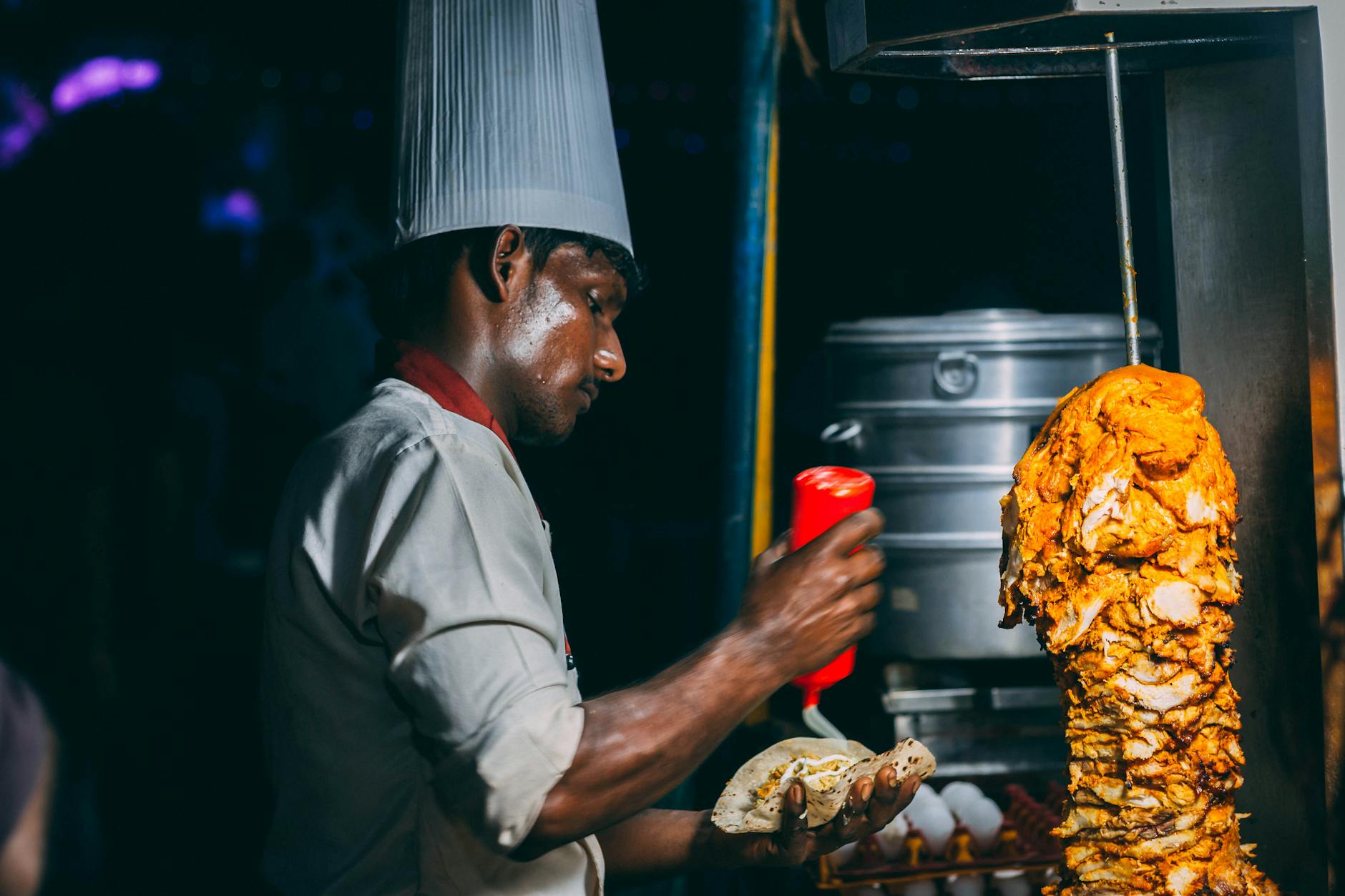
– Eat like a local: try shawarma, biryani houses in Al Karama, and seafood at Deira fish market stalls for full meals under mid-range prices.
– For a low-impact day trip, take the public bus or shared coach to Sharjah and explore its museums and markets instead of a private taxi.
– Favor small, licensed guesthouses or family-run hotels in older neighborhoods — they keep money in the local economy and often offer personalized tips.
Local Context
Seasonality and crowds:
– High season: November to March — cooler weather, full prices and busy attractions.
– Shoulder seasons: April–May and September–October — good tradeoff between price and weather.
– Summer: June–August — hottest and least expensive; many attractions run promotions.
Transport realities:
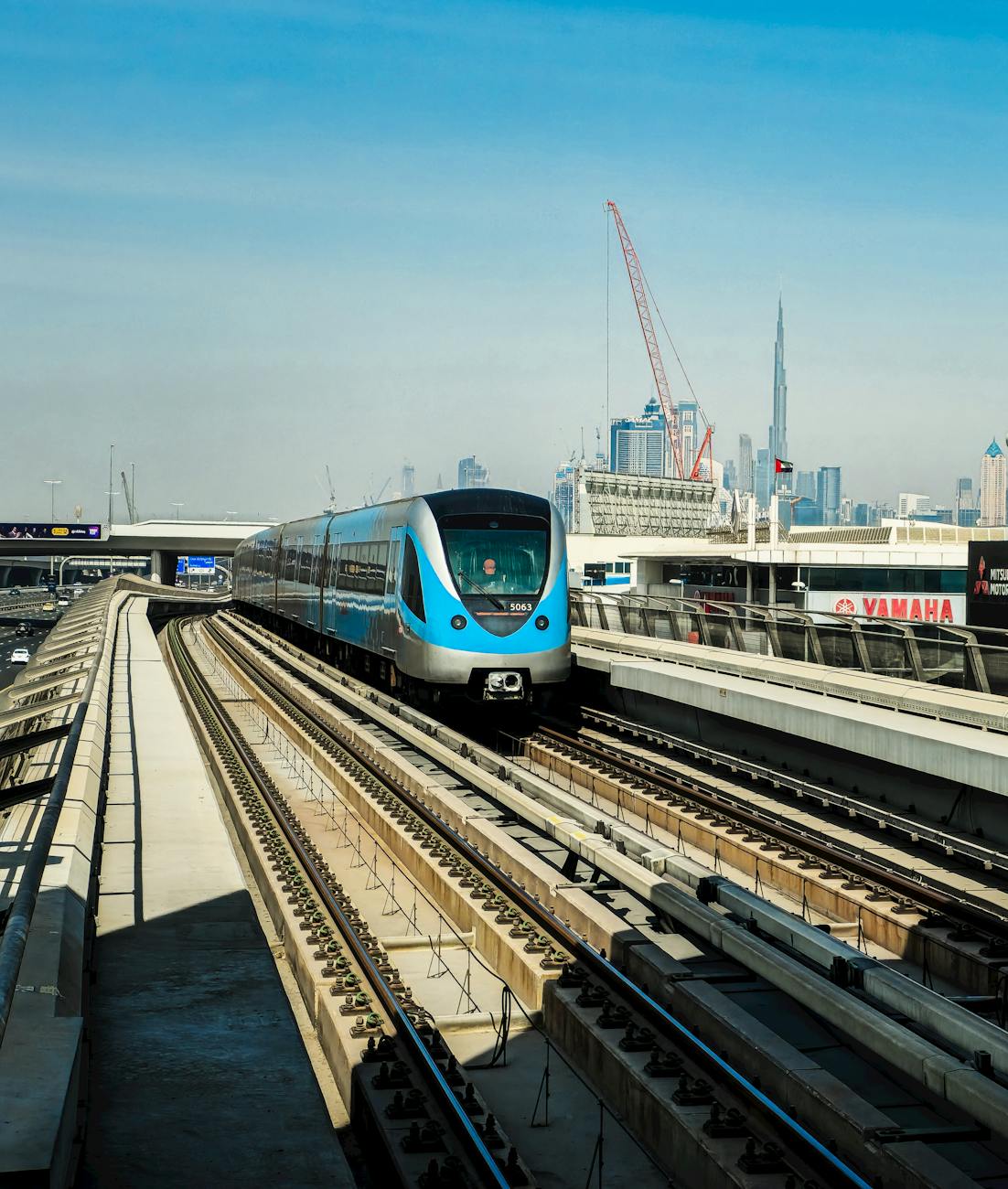
– Dubai’s metro and tram cover most tourist corridors; last-mile often requires a short taxi or walking.
– Taxis and ride-hailing are plentiful but cost more than public transit; factor traffic into airport transfers, especially to neighboring emirates.
– Inter-emirate travel to Sharjah or Abu Dhabi is straightforward by bus or private coach; allow extra time at border checkpoints if applicable.
Local etiquette and legal realities:
– Dress modestly in traditional neighborhoods and mosques; during Ramadan avoid eating/drinking in public during daylight hours.
– Alcohol is available in licensed venues; public drunkenness and disorderly conduct are offenses.
– Use licensed tour operators and accommodations; unlicensed short-term rentals can risk fines and cancellations.
How to Choose Well
Match costs to what matters most to you. Consider these trade-offs:
– Location vs price: Staying Downtown or Marina saves transit time but raises nightly rates; older neighborhoods (Deira, Bur Dubai, Al Rigga) are cheaper and rich in local life.
– Experience vs convenience: Private guided desert safaris and yacht trips cost more but reduce planning time; group tours and public transfers save money.
– Time of year: If you prioritize comfort outdoors, pay the high-season premium for pleasant weather; otherwise, use shoulder season to save.
Practical booking steps:
1. Reserve flights and at least the first night; check airport transfer options (metro from Dubai Airport Terminal 3, taxis from arrivals).
2. Buy or top up a NOL card on arrival for immediate savings.
3. Prebook big-ticket attractions and desert safaris; schedule free/cheap items (beach time, souks, Al Fahidi district) around paid slots.
4. If visiting nearby cities like Abu Dhabi or Muscat, compare low-cost regional flights vs coaches for time and price.
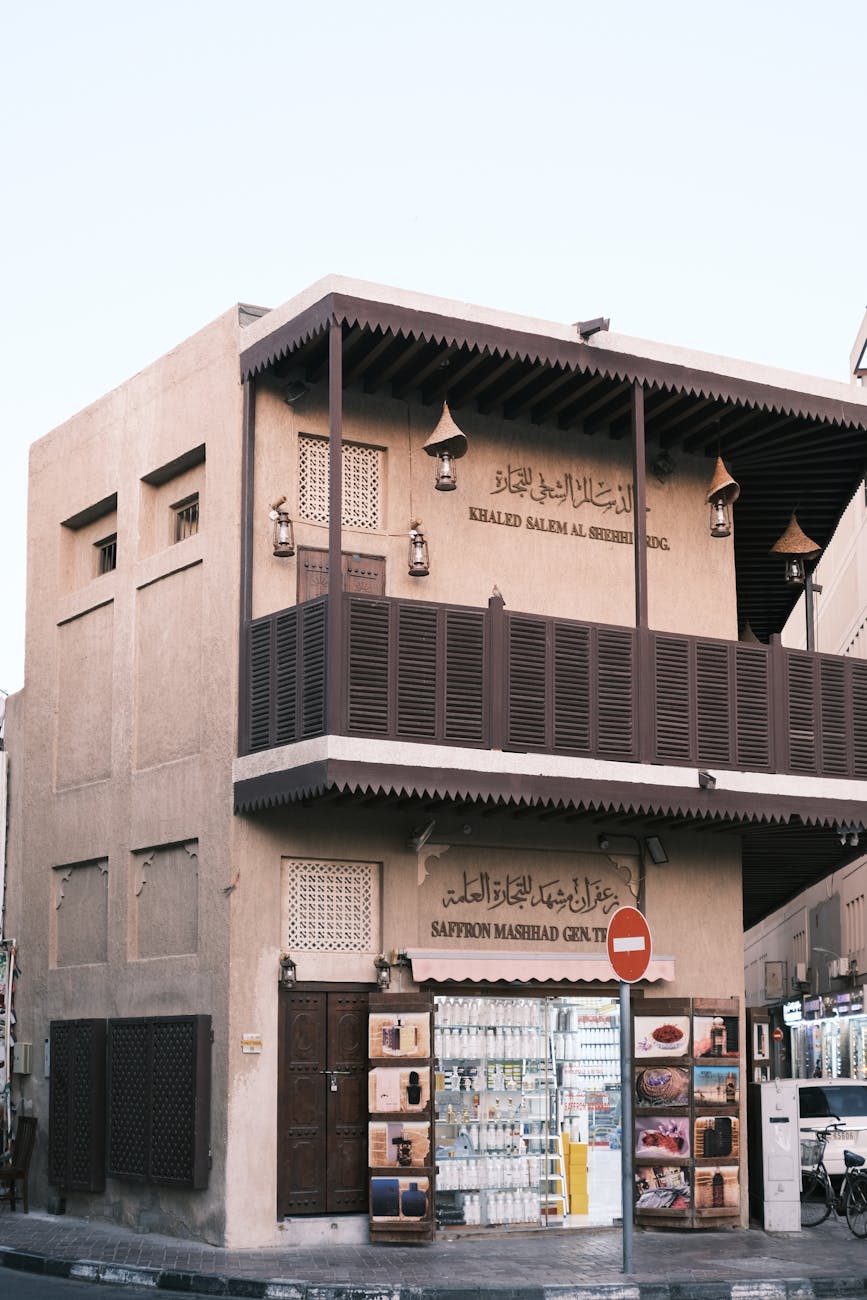
Responsible and Local-First Tips
Prioritize local businesses and low-impact choices:
– Eat at family-run restaurants, markets, and canteens in Deira and Bur Dubai to support local vendors.
– Choose licensed, small-scale tour operators for desert trips that follow conservation guidelines and avoid dune damage.
– Use public transit, walk, or share rides where practical; the metro reduces emissions and is fast for tourist corridors.
– Pick accommodations that demonstrate local hiring or sustainability practices, or small guesthouses that reinvest locally.
– Respect local customs and avoid single-use plastics by carrying a refillable water bottle (tap water is safe in Dubai but check refill points at hotels and malls).
These choices conserve resources and ensure your spending benefits local workers and entrepreneurs.

Common Mistakes to Avoid
- Booking everything last-minute in high season — you’ll pay more and face sold-out slots for popular times at Burj Khalifa and desert tours.
- Staying far from a metro line to save a few dirhams — daily taxi costs and lost time can cancel the savings.
- Assuming all prices are fixed — markets in Deira and Karama expect polite bargaining on small purchases.
- Overlooking municipal fees and tourism levies — hotels add nightly tourism fees; check totals before booking.
- Ignoring Ramadan rules — eating or drinking in public during daylight in Ramadan can draw complaints and fines.
- Using unlicensed guides or unregistered rentals — this risks fines and leaves you without consumer protections.
FAQ
How much should I budget for food per day in Dubai?
Expect AED 30–70 for street food or a casual meal, AED 100–250 for a mid-range restaurant dinner. Mix local cafeterias and one nicer meal to control costs.
Is public transit in Dubai safe and easy for visitors?
Yes. The metro, tram and public buses cover major areas and are safe for tourists. Get a NOL card on arrival for smoother travel and lower fares than single-use tickets.
Are there good cheap places to stay that are still central?
Yes. Deira, Bur Dubai and Al Rigga offer budget hotels and guesthouses with metro access; they provide authentic markets and food at lower cost than Downtown or Marina.
How do I add a day trip to Abu Dhabi or Sharjah without blowing my budget?
Use scheduled intercity buses or shared-coach tours, which are cheaper than private taxis. Book coach tickets in advance for the best rates and timing.
Any booking traps to avoid for attractions?
Avoid opaque “skip-the-line” resellers. Book through official attraction sites or trusted aggregators, and check cancellation policies before buying timed-entry tickets.
Conclusion
Dubai can be done on many budgets without losing authentic local experiences. Use the 3 days in Dubai itinerary to structure your days, pick a sensible neighborhood near a metro line, prebook key attractions, and favor small local businesses for meals and tours. Plan for seasonality, use public transit where practical, and choose licensed operators and accommodations to protect both your trip and local communities. If you’re extending to Sharjah, Abu Dhabi, or regional cities like Muscat or Doha, compare public coaches and regional flights against private transfers to decide what fits your time and budget.
How this guide was prepared
This guide was prepared through a structured research that combines destination research, geographic context, itinerary planning logic, and content review.