

Firenze Travel Budget — Practical Costs, Smart Choices, and Sustainable Tips
Practical Florence (Firenze) travel budget guide: realistic daily costs, neighborhood tips, booking advice, sustainable choices, and quick links to a 3 days in Firenze itinerary and nearby towns like Siena and Lucca.
Clear, practical budgeting for Firenze with neighborhood-aware choices, realistic price ranges for accommodation/meals/transport, museum-booking tips, and low-impact recommendations that complement a 3 days in Firenze itinerary.
Quick Answer
Clear, practical budgeting for Firenze with neighborhood-aware choices, realistic price ranges for accommodation/meals/transport, museum-booking tips, and low-impact recommendations that complement a 3 days in Firenze itinerary.
Who This Page Is For
This page is for travelers planning a stay in Firenze who want clearer decisions about travel budget, local logistics, timing, budgeting, and practical trip planning.
How This Page Was Prepared
This page was prepared through a structured editorial workflow that combines destination research, geographic context, and practical travel-planning review.
Plan the Rest of Your Trip
Use this page together with the full itinerary and the related planning pages below to make better booking, timing, transport, and budget decisions.
Typical per-person daily budgets (mid-2020s prices, in EUR):
- Shoestring/backpacker: €50–80 — dorm or budget guesthouse, cheap groceries, street food, free walking routes.
- Comfortable mid-range: €120–220 — private B&B or 3-star, two meals at trattorie, 1–2 paid museums.
- Higher-end: €250+ — boutique hotels, guided tours, fine dining.
Key money-savers: book Uffizi/Accademia ahead, eat away from tourist squares (try Sant'Ambrogio market), walk or use short tram/bus rides, stay shoulder season (Apr–May, Sep–Oct).
This page gives straightforward, neighborhood-aware cost guidance for planning a budget-conscious trip to Firenze. It’s written to support the main 3 days in Firenze itinerary by helping you choose lodging, meals, transport, and activities that fit realistic budgets while prioritizing local businesses and low-impact travel.
Expect concrete price ranges, seasonal notes, and practical booking advice you can act on before you follow the 3-day plan or when you add day trips to Siena, Lucca, Prato, Montecatini-Terme, or Arezzo.
What This Page Helps You Decide
Use this page to choose:
- Which neighborhood to book in (central vs quieter Oltrarno or Santa Croce).
- How much to budget per day based on your priorities.
- Whether to buy the Firenze Card or single museum prebooked tickets.
- When to visit to lower costs and crowds.
- Which nearby day trips fit a tight budget and short travel times.
If you’re following the 3 days in Firenze guide, this page helps you assign reasonable costs to each day and decide where to spend vs save.
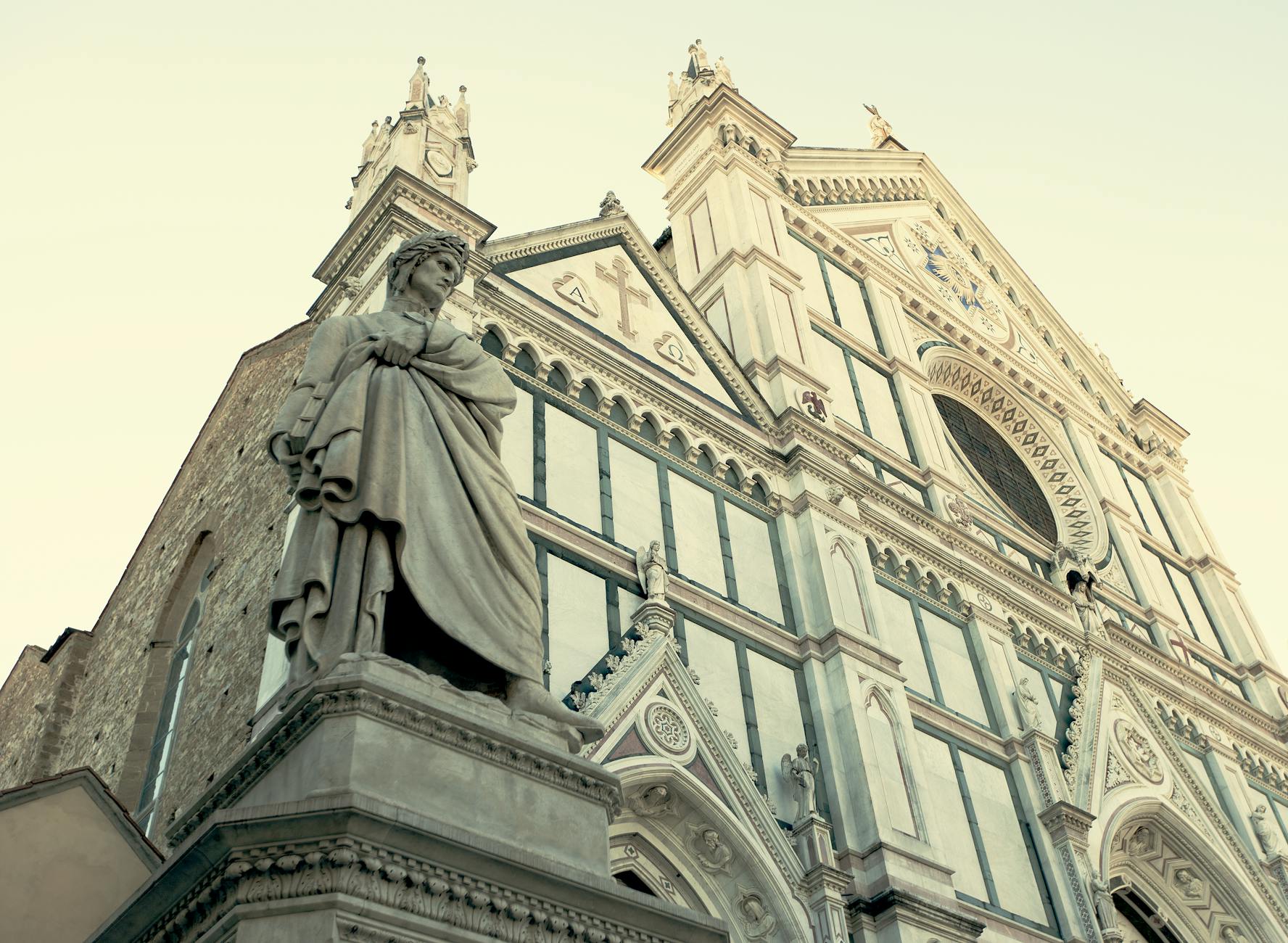
Top Recommendations
Where to save and where to invest:
- Save on lodging: book a centrally located guesthouse or family-run B&B in San Lorenzo, Santa Maria Novella, or San Frediano (Oltrarno) to cut transport costs. Expect private rooms €60–120 in shoulder season; dorm beds €20–40.
- Eat like a local: have coffee at a neighborhood bar (€1.50–2.50), lunch at Mercato Centrale or a panino shop (€4–10), and reserve one mid-range trattoria dinner (€18–30). Avoid fixed-price tourist menus in streets around the Duomo.
- Prioritize attractions: prebook Uffizi and Accademia tickets (Uffizi €20–30, Accademia €12–20) and consider skipping minor paid museums if budgets are tight. Early-morning slots are cheaper for time saved in lines.
- Transport: Florence is compact and walkable. Buy single ATAF bus/tram tickets (~€1.50 for a 90-minute ticket) only when needed. Use regional trains for day trips: Lucca ~1h, Siena ~1.5–2h, Prato ~20–30min, Arezzo ~1h, Montecatini Terme ~30–45min.
- Sustainable stays: favor small guesthouses, agriturismi on city outskirts with shuttle options, or apartments that use local services.

Local Context
Neighborhoods and rhythms:
- Duomo / Historic Centre: Everything’s close; prices and crowds peak here. Good for first-time visitors who value time over money.
- San Lorenzo / Santa Maria Novella: Cheaper hotels, easy station access, good market food.
- Oltrarno / Santo Spirito: Artisan shops, local markets, and a calmer evenings scene. Great for supporting small craftspeople.
- Santa Croce: Good mid-point for restaurants and nightlife without the same price premium as right by the Duomo.
Seasonality and etiquette:
- High season: June–August — higher prices and long lines. Book museums, trains, and accommodation early.
- Shoulder season: Apr–May and Sep–Oct — best balance of price, weather, and open workshops.
- Low season: Nov–Feb can be cheaper but shorter museum hours.
Etiquette: dress respectfully for churches (shoulders/knees covered), use hush tones in sacred spaces, and remember that “coperto” (cover charge) and service percentages often appear separately on bills.

How to Choose Well
A quick decision flow for budget-conscious travelers:
- I want lowest nightly cost: choose dorm or private room in San Lorenzo near the station, use markets and picnic-style lunches.
- I want local character and reasonable price: pick an Oltrarno B&B or family-run guesthouse in Santa Croce and eat at neighborhood trattorie.
- I plan many museums: calculate whether Firenze Card (fast-track access to many sites) saves time and money compared with individual advance tickets. It’s usually worth it only if you’ll visit 3–5 paid museums in 72 hours.
Booking tips:
- Reserve Uffizi and Accademia at least 2–4 weeks ahead in high season; a few days ahead in shoulder season often suffices.
- Choose refundable accommodation rates if travel dates are uncertain.
- For day trips, buy regional train tickets online a day or two before travel; local trains to Prato or Lucca often don’t sell out but earlier trains are cheaper and less crowded.

Responsible and Local-First Tips
Small choices that help the local economy and reduce impact:
- Eat from local markets (Mercato Centrale, Sant'Ambrogio) and neighborhood trattorie rather than global chains.
- Buy directly from artisans in Oltrarno (via dei Serragli, Santo Spirito) to support small studios, and ask before photographing private workshops.
- Walk or cycle short distances; use the tram to reduce car usage and avoid the ZTL (limited traffic zone) fines if you rent a car.
- Reduce waste: carry a refillable bottle (public fountains and many cafés will refill) and a reusable bag for market shopping.
- Choose accommodation that pays fair wages and uses local suppliers—family-run guesthouses and small B&Bs are often better than large faceless chains.
When taking day trips to Siena, Lucca, or Arezzo, use regional trains rather than private cars where possible to limit emissions and support rail services.

Common Mistakes to Avoid
Watch for these budget traps:
- Not prebooking museums: last-minute entry fees and long queues add both time and cost.
- Staying outside the city without checking transit: cheap hotels far from the center can cost more in daily commuting time and transport fares.
- Eating next to major sights: menus by the Duomo or Ponte Vecchio are often pricier and lower quality.
- Driving into the ZTL: rental cars need prior permits; fines are steep.
- Overestimating cash needs: cards are widely accepted—but carry small notes for markets and tiny cafés.
Simple fixes: buy tickets in advance, pick a well-connected neighborhood, and favor local markets for one or two meals per day.
FAQ
How much should I budget for 3 days in Firenze?
For a realistic 3-day trip: Backpacker €150–240 total; Mid-range €360–660 total; Higher-end €750+. These totals include lodging, meals, 2–3 paid attractions, local transport, and a small buffer for shopping.
Is it cheaper to buy the Firenze Card for a short stay?
The Firenze Card pays off if you plan to visit many paid museums over consecutive days (typically 3+). For a short 3-day visit focused on Uffizi and Accademia, buying individual prebooked tickets is often cheaper.
How do I get from Amerigo Vespucci Airport to the center cheaply?
The T2 tram or the Volainbus airport shuttle connect the airport (Peretola) to Santa Maria Novella station. Trams are typically cheaper and faster during peak traffic.
Are credit cards accepted everywhere?
Cards are widely accepted at hotels, larger restaurants, and museums. Small markets, some cafés, and artisan shops may prefer cash—keep €20–50 in small bills.
Can I visit nearby towns cheaply in a day?
Yes. Regional trains make Lucca, Prato, Arezzo, and Montecatini-Terme reachable in under 1–1.5 hours; Siena is about 1.5–2 hours. Train fares are modest; travel early to avoid peak fares and crowds.
Any safety or etiquette tips that affect costs?
Florence is safe but pickpocketing can happen in crowded areas. Keep bags zipped. Dress modestly for church visits to avoid denied entry, which can waste paid reservation time.
Conclusion
Budget travel in Firenze is about trade-offs: choose a neighborhood that reduces commute time, prebook the few paid sights you care about, and spend meals where locals go. These choices keep your costs predictable and direct more money to small businesses and artisans.
For a day-by-day plan that pairs with this budget guidance, see the companion 3 days in Firenze itinerary — it shows how to allocate time and money across the city and suggests low-impact day trips to Siena, Lucca, Prato, Montecatini-Terme, and Arezzo.
How this guide was prepared
This guide was prepared through a structured research that combines destination research, geographic context, itinerary planning logic, and content review.