
Best Things to Do in Milan — Practical, Local-First Guide
A concise, practical guide to Milan's best things to do for a 3-day itinerary. Local neighborhoods, booking tips (Last Supper, Duomo roof), transport realities, and sustainable, low-impact suggestions.
Smart, low-impact choices for seeing Milan: top sights, neighborhood walks, markets, seasonal timing, and how to link this to a 3-day Milan plan or nearby day trips to Como, Bergamo and Parma.
Quick Answer
Smart, low-impact choices for seeing Milan: top sights, neighborhood walks, markets, seasonal timing, and how to link this to a 3-day Milan plan or nearby day trips to Como, Bergamo and Parma.
Who This Page Is For
This page is for travelers planning a stay in Milan who want clearer decisions about things to do, local logistics, timing, budgeting, and practical trip planning.
How This Page Was Prepared
This page was prepared through a structured editorial workflow that combines destination research, geographic context, and practical travel-planning review.
Plan the Rest of Your Trip
Use this page together with the full itinerary and the related planning pages below to make better booking, timing, transport, and budget decisions.
Top essentials: climb the Duomo terraces (book timed slots), reserve the Last Supper ticket weeks ahead, explore Brera’s galleries and artisan boutiques, walk the Navigli canals at sunset for aperitivo, and visit Sforza Castle and Parco Sempione. Add a sustainable day trip to nearby Como or Bergamo if you have extra time.
This page is a compact, practical reference of Milan’s best things to do, chosen for travelers who prefer local businesses, low-impact transport, and authentic neighborhood experiences. Use it alongside the main 3 days in Milan itinerary to swap, extend, or slow down activities. Short, evidence-based tips cover when to book, how to move around, and where to find seasonal value.
What This Page Helps You Decide
Use this page to decide how to allocate time in a 3-day plan and which activities to prioritize based on interests and season.
• Pick art and architecture over shopping if you value low-consumption experiences.
• Favor neighborhood walks (Brera, Ticinese, Porta Romana, Isola) to support small businesses.
• Choose a single paid attraction per morning (Duomo roof or Last Supper) and free/low-cost neighborhood afternoons.
This page links naturally to the 3 days in Milan companion itinerary for suggested orders and day-trip options to Como, Bergamo, Brescia, Desenzano del Garda, and Parma.
Top Recommendations
Core experiences to fit into 1–3 days:
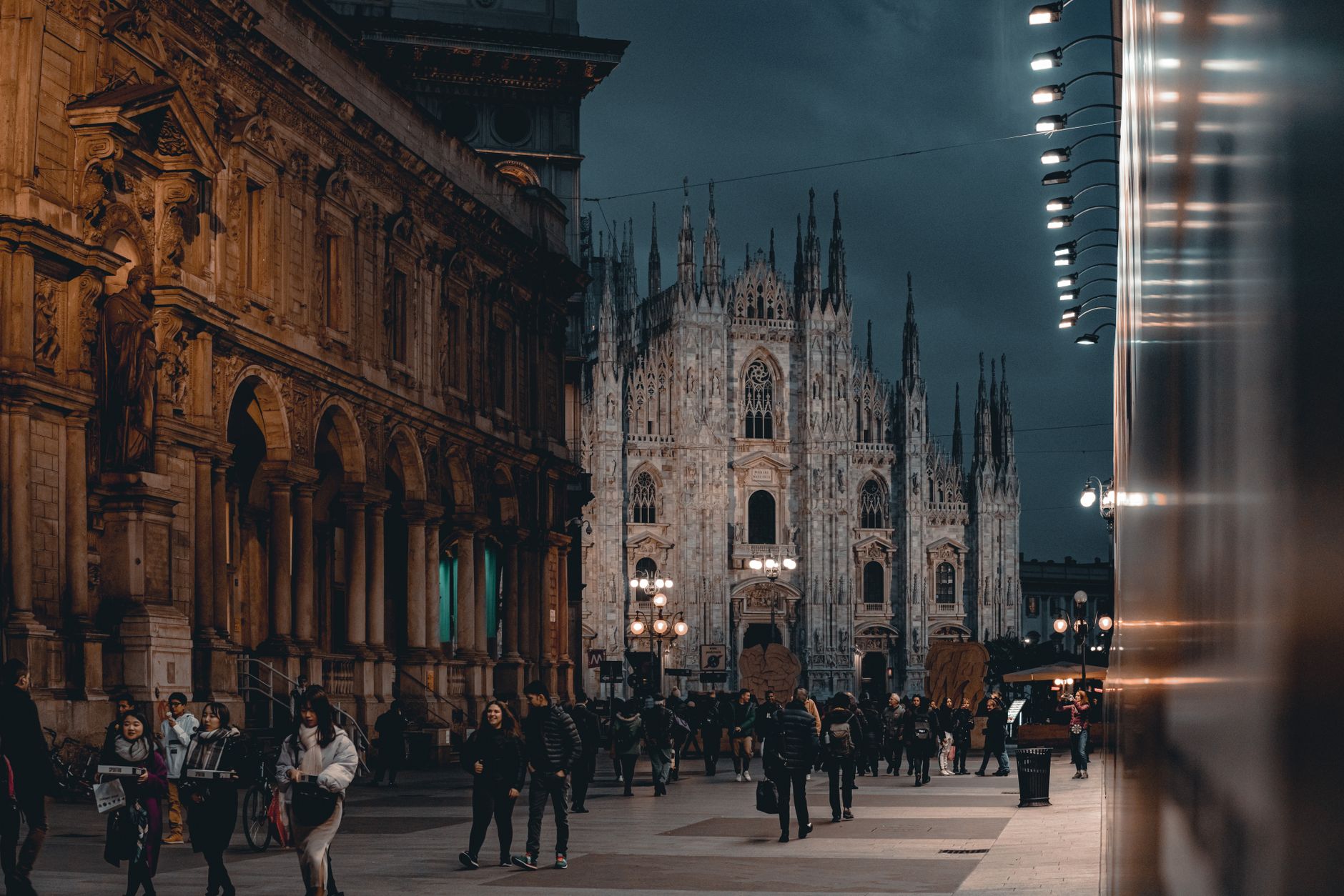
• Duomo & terraces: book a timed ticket for morning or sunset. Rooftop views are best in clear weather.
• Santa Maria delle Grazie (Last Supper): reserve well in advance; strict timed entry.
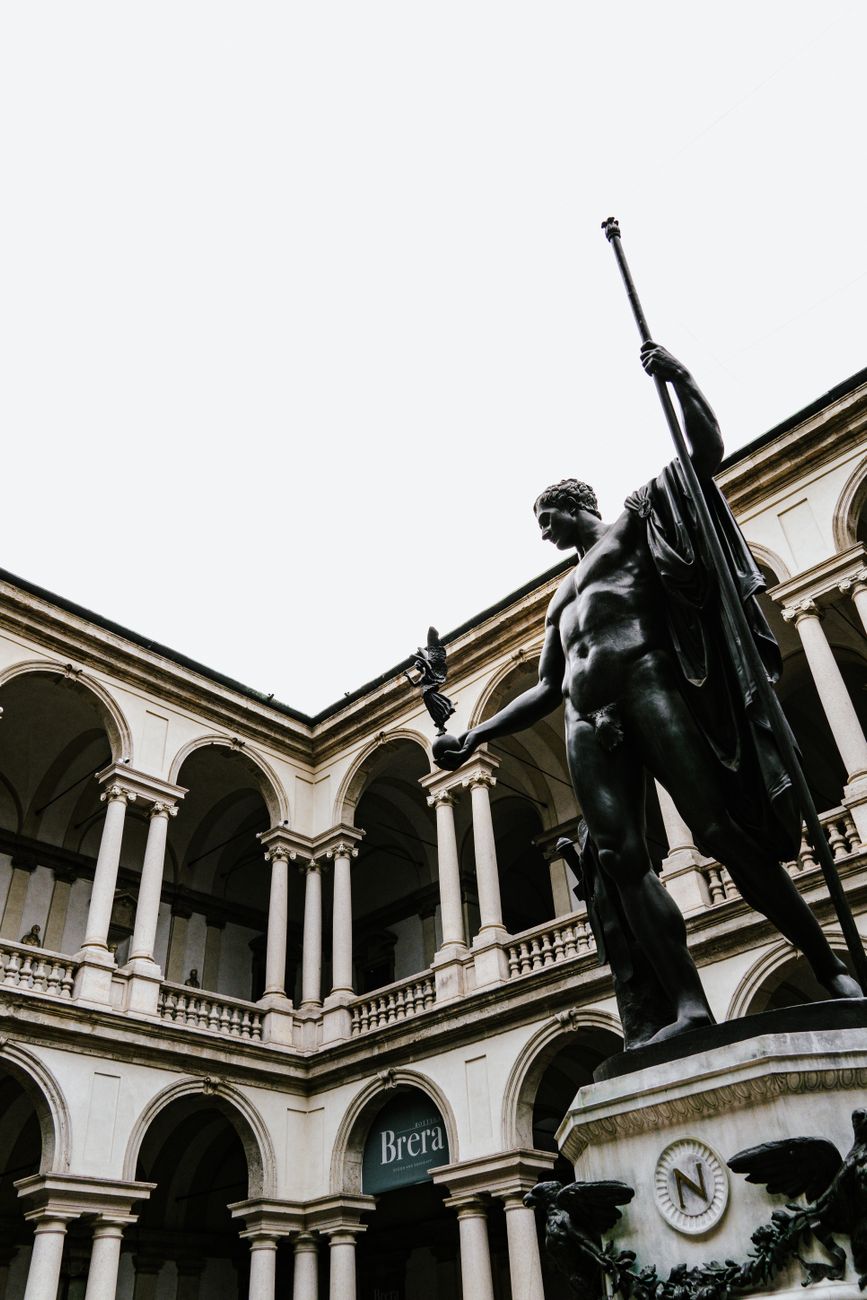
• Brera district: Pinacoteca di Brera, artisan shops, and quiet cafes—ideal for slow afternoons.
• Navigli at dusk: canal stroll and sustainable aperitivo at a family-run bacaro or market stall.
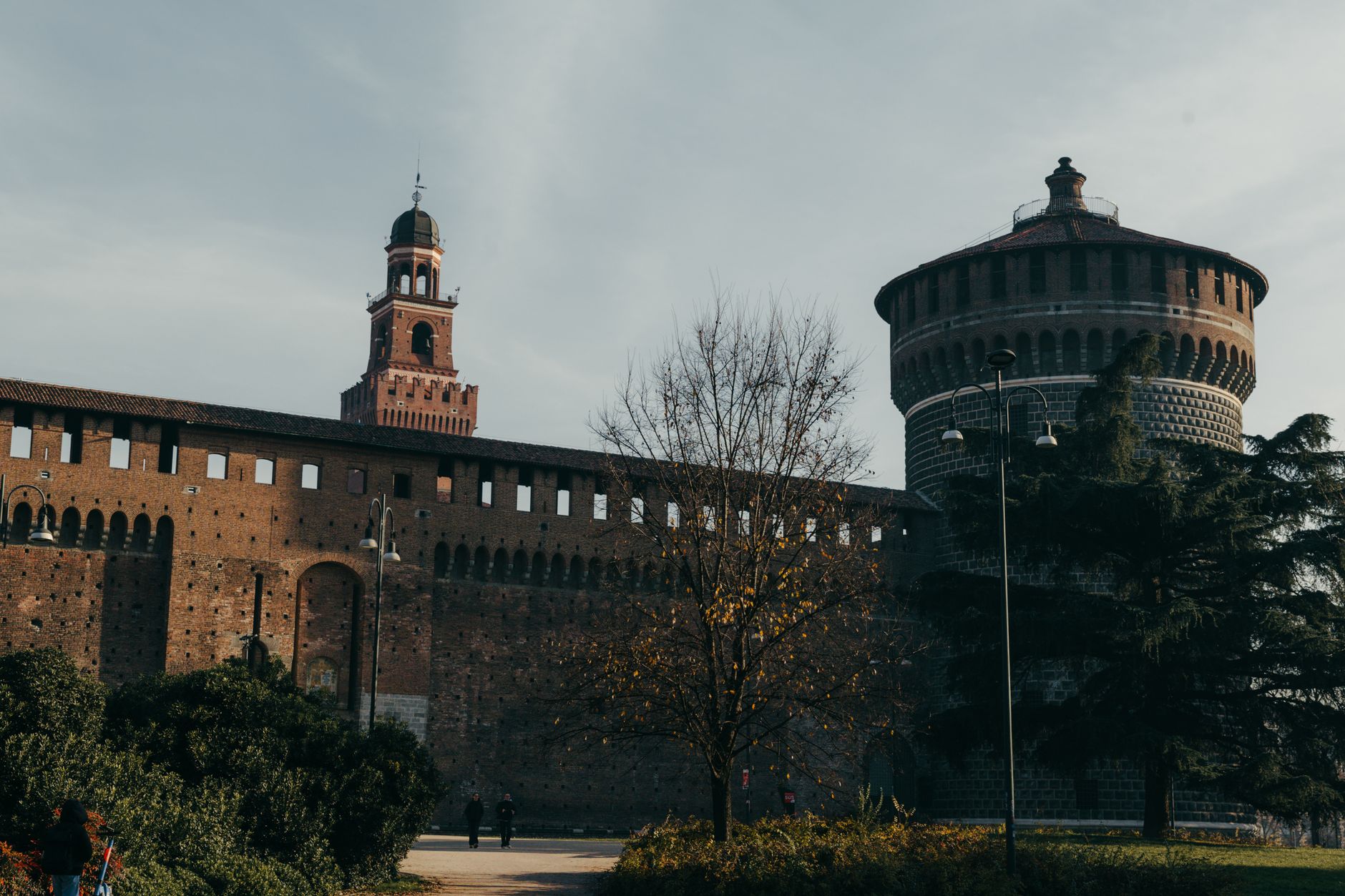
• Castello Sforzesco & Parco Sempione: good for a picnic and easy public-transport access.
• Modern Milan: Porta Nuova and Corso Como for contemporary architecture and green spaces.
For full-day options, combine with a train day trip to Como (lake views) or Bergamo (historic Città Alta). See the 3 days in Milan guide for suggested sequencing and timings.
Local Context
Neighborhoods and seasonal patterns matter:
• Brera and Quadrilatero della Moda are compact and walkable but busy during fashion week (Feb/Sept).
• Navigli is lively evenings year-round but quieter in winter—shoulder seasons (Apr–May, Sep–Oct) balance weather and crowds.
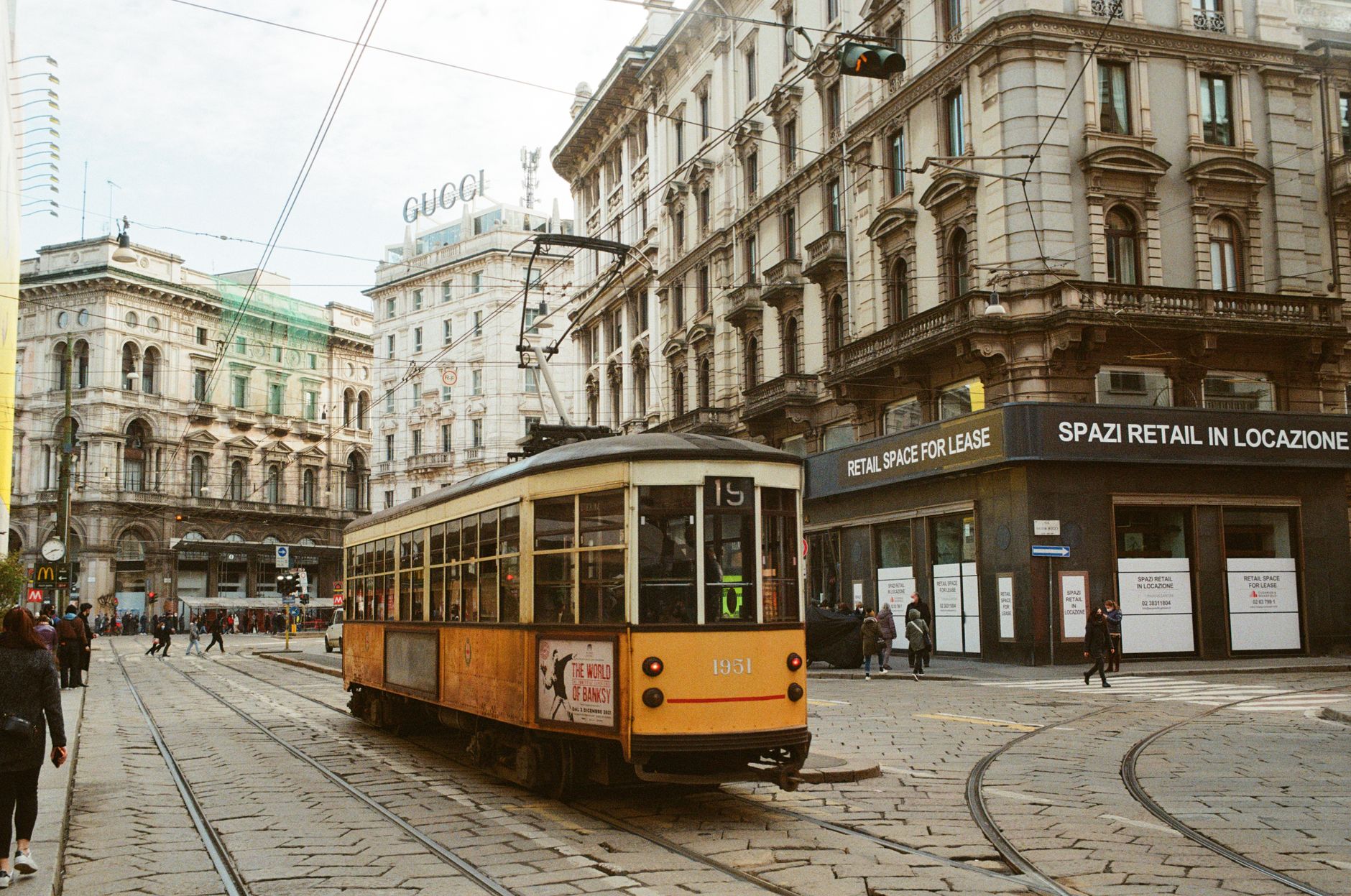
• Public transit: Milan’s metro and tram network are efficient; many central streets are pedestrian or ZTL (Area C) with a congestion fee—check before driving.
• Markets and food scene: Mercato Metropolitano (Porta Romana) and dozens of neighborhood markets are great for local producers.
• Etiquette: a quiet voice in churches and galleries, tipping is modest (round up or 5–10% for table service), and validate paper transit tickets when boarding trams or buses.
How to Choose Well
Pick experiences that match your travel values:
• If you prefer fewer crowds: book early-morning museum slots and reserve rooftop Duomo sunset on a clear day.
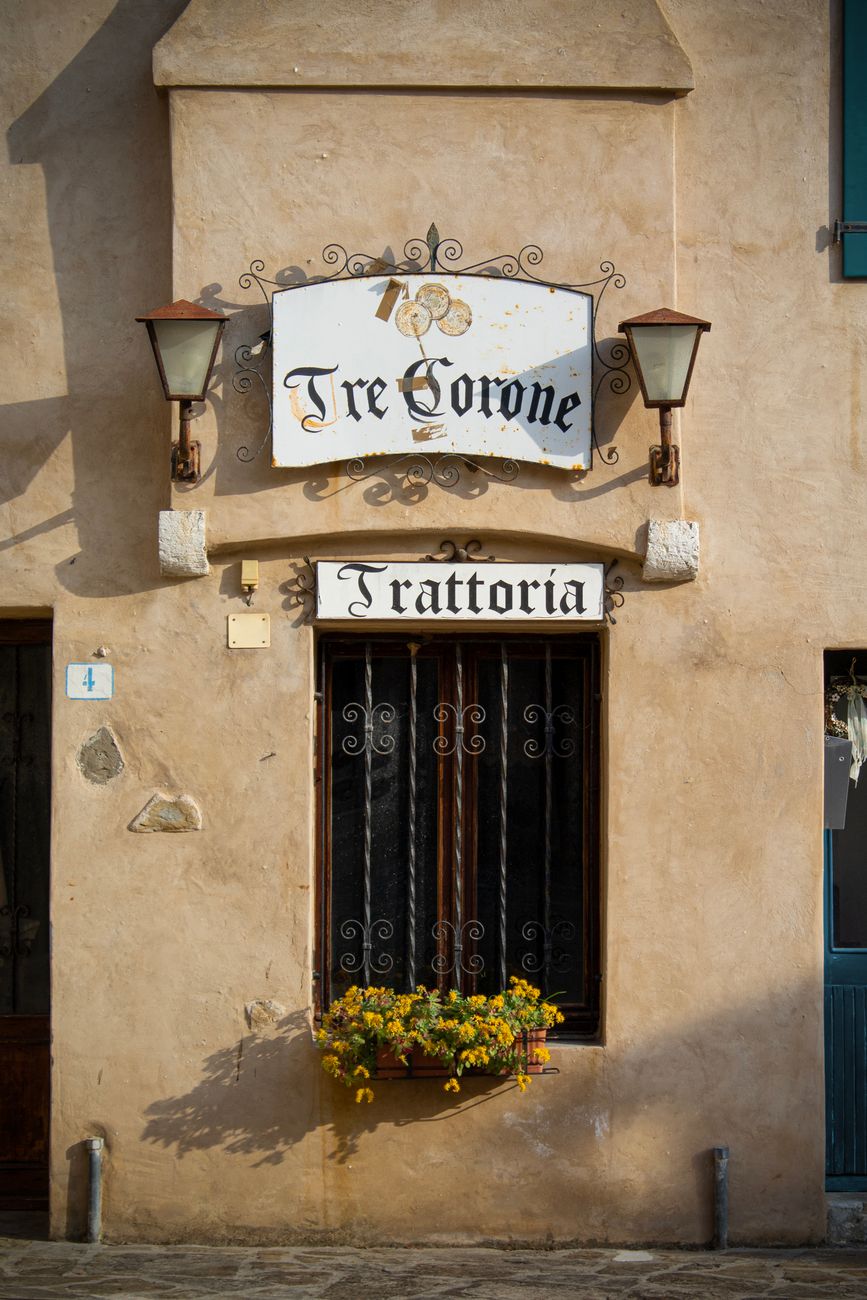
• If you favor local economy: eat at family-run trattorie in Ticinese, buy pastries from a neighborhood pasticceria, and join small-group, certified walking tours run by local guides.
• If you want low-impact transit: rely on metro, tram, and BikeMi bike-share for short hops; avoid car rentals in the central zone.
• If combining with nearby cities: trains to Como, Bergamo, and Parma are frequent—plan day trips on weekdays or early mornings to avoid weekend crowds.
Responsible and Local-First Tips
Practical ways to travel responsibly in Milan:
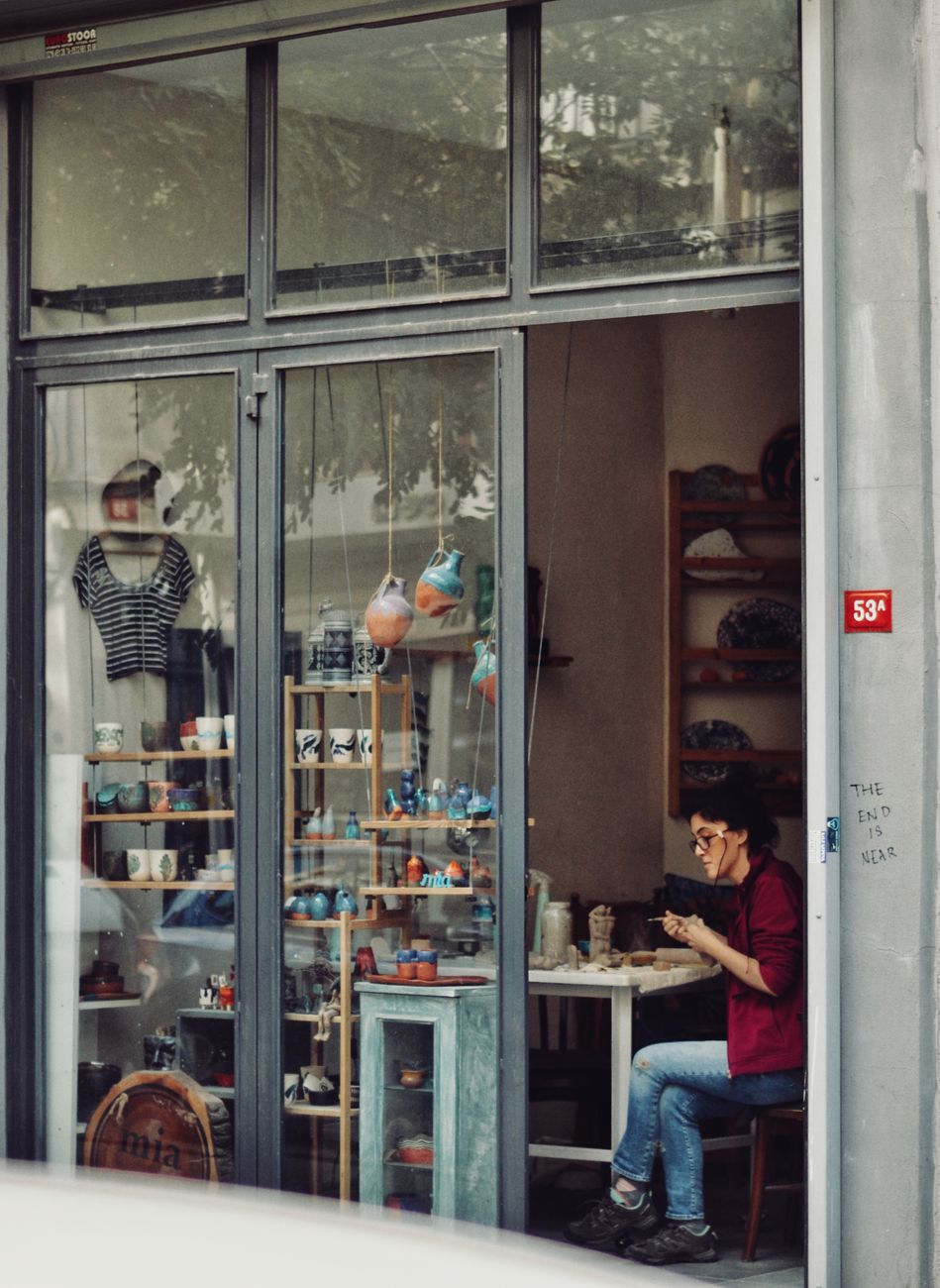
• Support small businesses: choose neighborhood cafes, family-run restaurants, and local artisans in Brera and Isola.
• Reduce waste: carry a reusable water bottle (fountains are common in parks and piazzas) and bring reusable cutlery for takeout.
• Low-impact sightseeing: favor walking routes, guided walks by local associations, and public transit passes (24H/48H) instead of taxis.
• Cultural respect: follow rules in churches and museums, don’t touch artworks, and photograph respectfully in religious spaces.
• Off-peak visits: travel in shoulder seasons and midweek to keep pressure off peak tourist days—this helps local vendors and reduces crowding.
Common Mistakes to Avoid
Avoid these frequent errors:
• Waiting to buy Last Supper or Duomo rooftop tickets: both sell out; book several weeks ahead in high season.
• Trying to drive into central Milan without checking Area C restrictions and parking—use transit instead.
• Assuming all museums are open Monday—check opening days; many close one weekday.
• Dining at the first canal-side restaurant you see in Navigli—look for places with local clientele and seasonal menus.
• Overpacking activities: leave time for neighborhood wandering, which often yields the most authentic experiences.
FAQ
How far in advance should I book the Last Supper?
Book as early as possible—weeks to months in high season. Timed slots are strictly enforced and official reseller tickets are recommended.
Is public transit easy to use for a 3-day visit?
Yes. Milan’s metro and trams cover central and surrounding neighborhoods. Buy 24/48-hour tickets or use contactless where available. Validate paper tickets on trams/buses.
What’s the best time to visit the Duomo terraces?
Early morning for fewer people and soft light, or sunset for dramatic views—both require timed tickets. Avoid mid-afternoon on busy days.
Can I do Como or Bergamo as day trips from Milan?
Absolutely. Frequent regional trains make Como and Bergamo easy day trips. Take an early train to maximize time and check return schedules on weekends.
Where should I go for an authentic aperitivo?
Look for small bars in Navigli, Ticinese, or Isola that produce simple, seasonal plates. Avoid tourist traps by choosing venues with a local crowd and handwritten menus.
Conclusion
Milan rewards travelers who slow down and choose neighborhoods over one-size-fits-all itineraries. Use the main 3 days in Milan guide to structure mornings and afternoons, then slot in these recommendations based on your interests, season, and commitment to local-first choices. Small decisions—bookings, where you eat, how you travel—make the biggest difference for the city and for your experience.
How this guide was prepared
This guide was prepared through a structured research that combines destination research, geographic context, itinerary planning logic, and content review.