
Where to Stay in Milan — Neighborhoods, Practical Advice, and Sustainable Choices
A practical guide to choosing the best neighborhood in Milan for your 3-day itinerary and day trips to Como, Bergamo, Brescia, Desenzano del Garda, or Parma. Transit, seasons, booking tips, and local-first recommendations.
Clear, scan-friendly advice on where to stay in Milan for first-timers, families, design lovers, and day-trippers — with sustainable and local-first tips to make the most of a 3-day trip.
Quick Answer
Clear, scan-friendly advice on where to stay in Milan for first-timers, families, design lovers, and day-trippers — with sustainable and local-first tips to make the most of a 3-day trip.
Who This Page Is For
This page is for travelers planning a stay in Milan who want clearer decisions about where to stay, local logistics, timing, budgeting, and practical trip planning.
How This Page Was Prepared
This page was prepared through a structured editorial workflow that combines destination research, geographic context, and practical travel-planning review.
Plan the Rest of Your Trip
Use this page together with the full itinerary and the related planning pages below to make better booking, timing, transport, and budget decisions.
If you have 3 days and want easy day trips, stay near Milano Centrale or Cadorna for the best rail connections. For a first-time, walk-to-sights experience choose the Duomo/Brera area. Design and nightlife: Navigli or Zona Tortona. For a quieter, local feel with good dining, consider Porta Romana or Isola. Book early for Salone del Mobile and Fashion Week; shoulder seasons April–May and September–October balance weather and crowds.
This page helps you pick a place to sleep in Milan that fits your pace — whether you want walkable classic sights, a design-focused neighborhood, a budget-friendly student zone, or fast rail links for day trips to nearby cities like Como, Bergamo, Brescia, Desenzano del Garda, and Parma. It focuses on practical realities: transport, seasonal demand, local etiquette, and low-impact choices that keep money in the neighborhood.
What This Page Helps You Decide
Use this page to pick a neighborhood based on: proximity to trains for day trips, walking distance to main sights, nightlife/noise tolerance, budget, and sustainability priorities.
It helps you decide:
- Where to stay to make daily walking practical for a 3-day itinerary.
- Which neighborhoods are best for single-night transfers or longer stays.
- When to book and how to save by choosing shoulder-season dates or family-run guesthouses.
For route planning and a day-by-day flow, see the companion 3 days in Milan guide — this page keeps accommodations and location choices practical and low-impact.
Top Recommendations
Quick neighborhood picks with who they suit and transit notes:
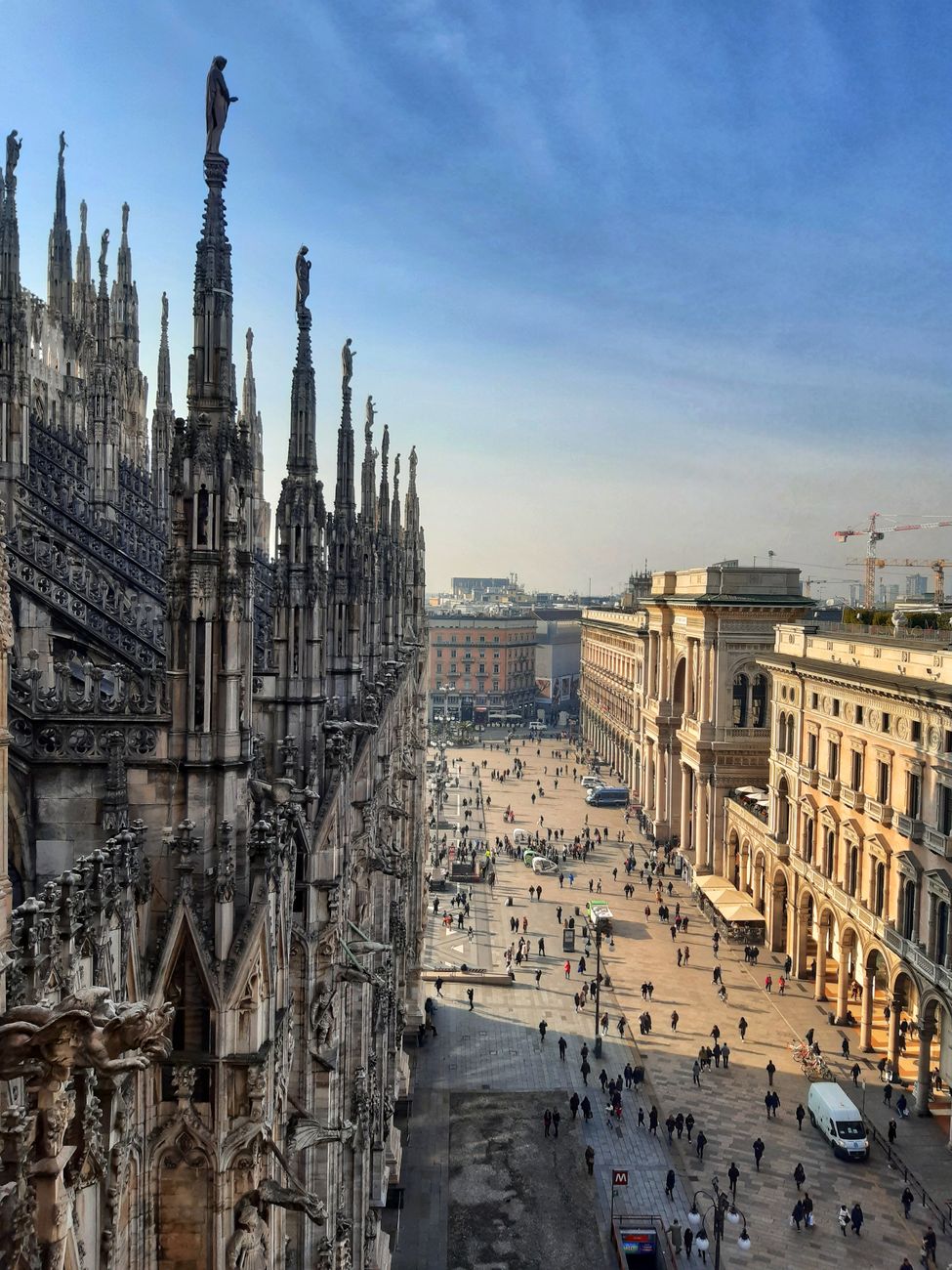
- Duomo / Brera: Best for first-timers who want to walk to major sights, shopping, and galleries. Expect higher prices and more tourist traffic. Closest metros: M1/M3.
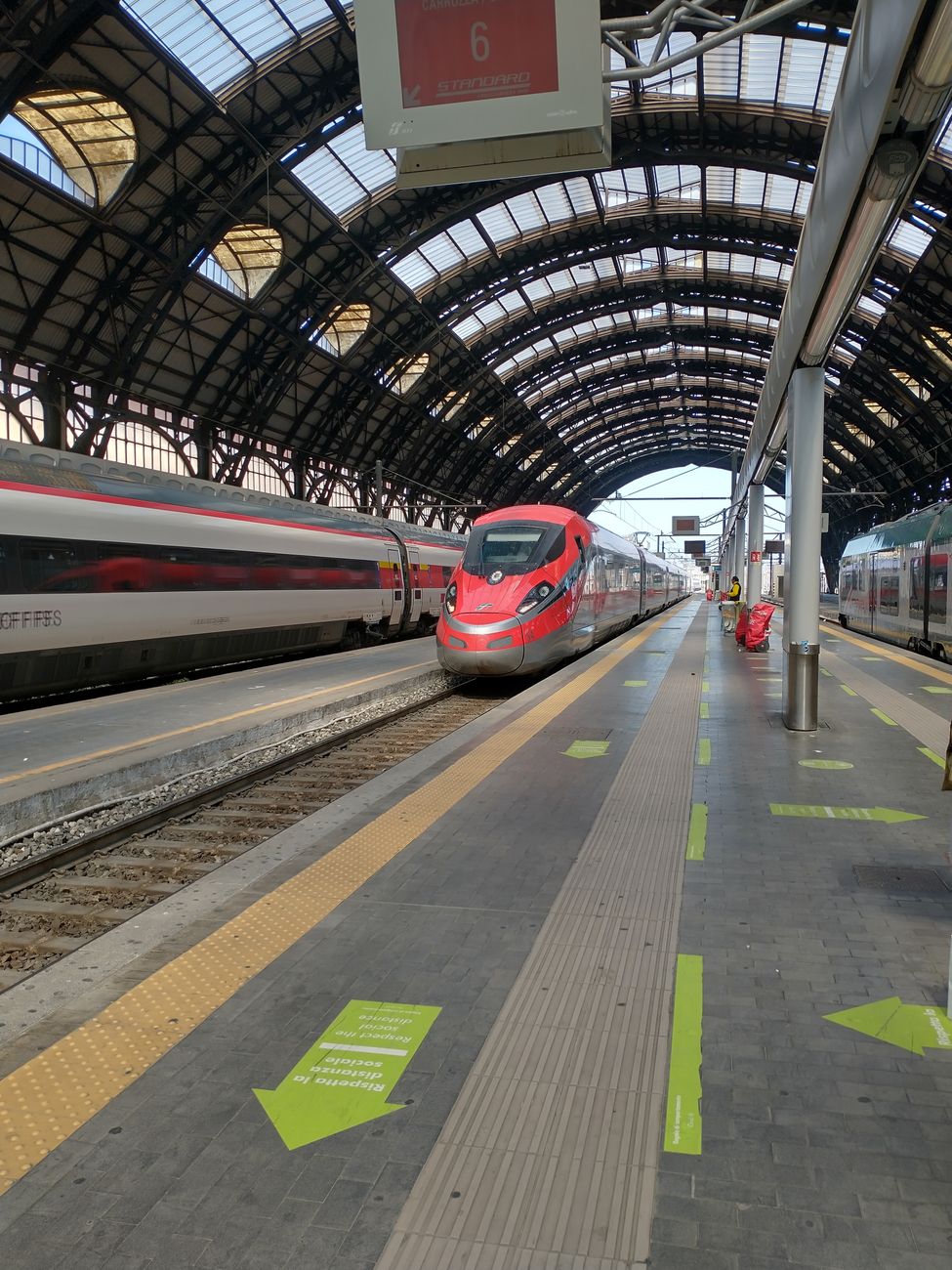
- Milano Centrale / Stazione Centrale: Best for train-based day trips to Como, Bergamo, Brescia, Desenzano del Garda, and Parma. Wide range of hotels and good night trains. Near metro lines M2/M3 and Malpensa Express.
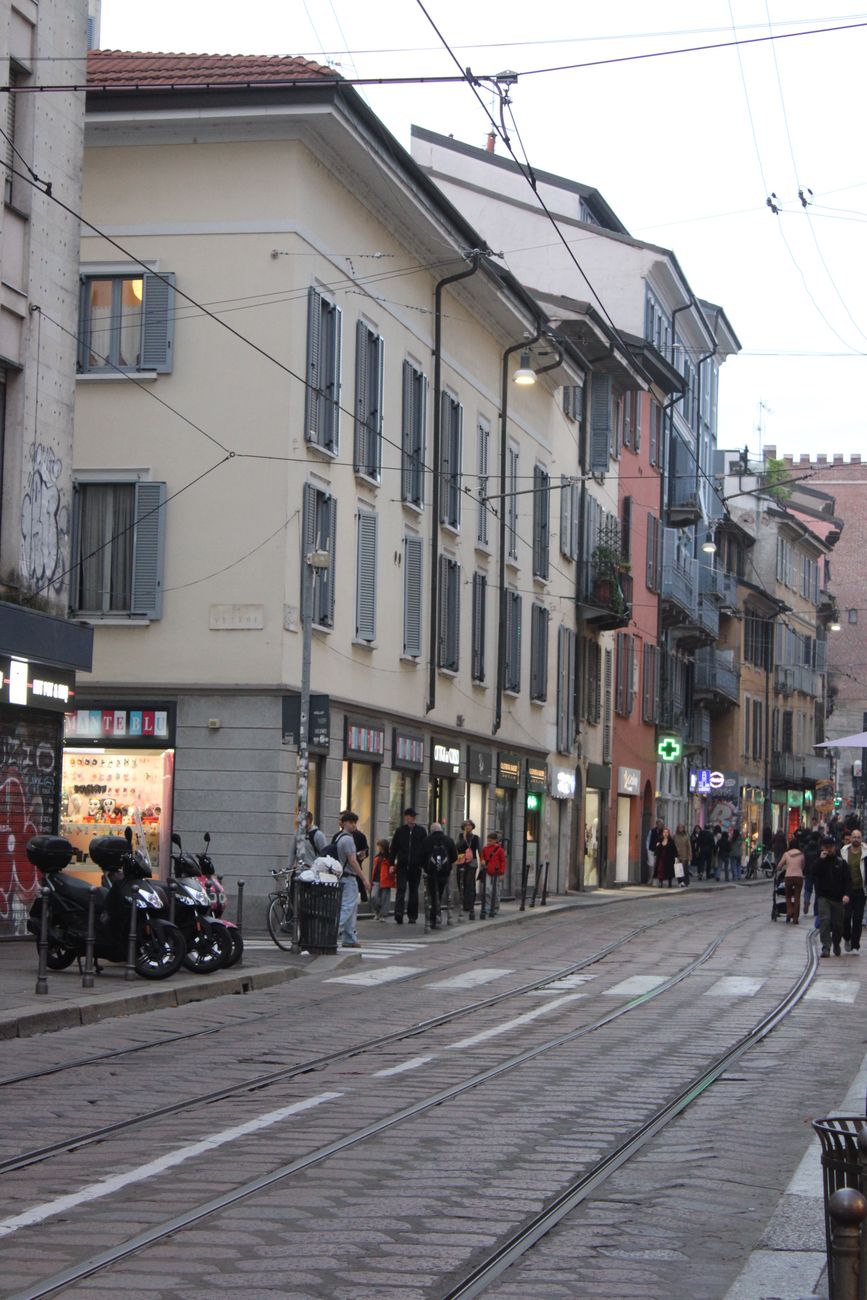
- Navigli / Porta Ticinese / Zona Tortona: Great for evening canalside dining, creative studios, and design travelers. Lively at night; choose a quieter street if you need early mornings. Tram and M2 access via nearby stops.
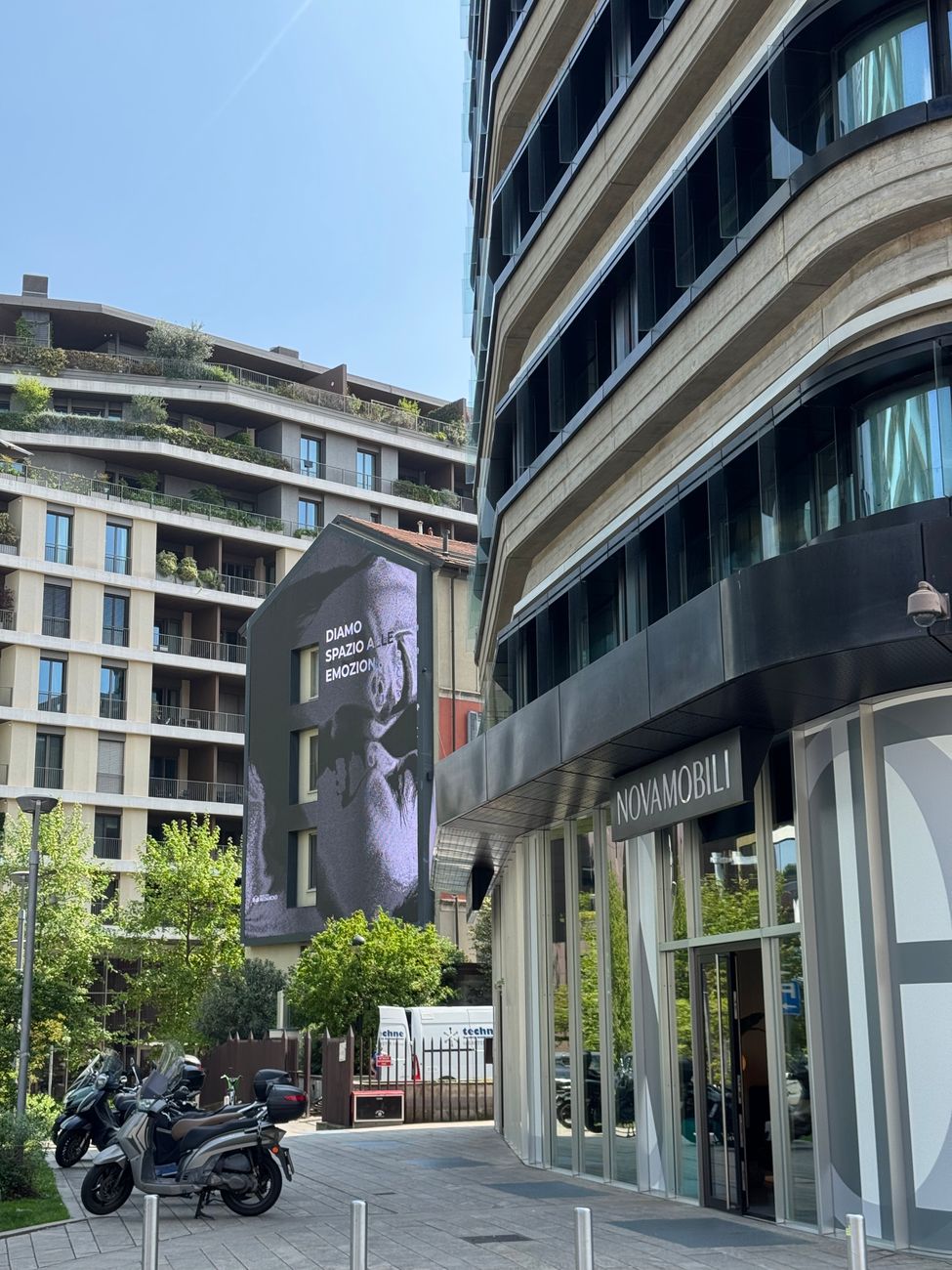
- Porta Garibaldi / Isola / Porta Nuova: Modern, efficient, and good for business travel and families who want green space (Parco Biblioteca degli Alberi). Fast links to the airport rail and regional trains.
- Porta Romana / Città Studi: Local neighborhoods favored by residents and students — affordable, excellent restaurants, good tram and metro access (M3). Ideal for longer stays and lower-impact tourism.
Booking tip: during Milan Fashion Week and Salone del Mobile hotels sell out and prices spike — reserve months in advance or choose a slightly farther neighborhood with a fast metro link.
Local Context
Seasonality and events
- Peak demand: April–June (events + spring), September–October (salon and fashion fringe), and December holidays. Summer is hot and quieter in terms of business travel but some local businesses close in August.
Transport realities
- Airports: Linate (closer, good for short connections), Malpensa (longer transfer by Malpensa Express), Bergamo/Orio al Serio is further but serves low-cost carriers.
- Rail: Milano Centrale and Cadorna are practical hubs for day trips. Regional trains connect quickly to Como (direct trains to Como S. Giovanni), Bergamo, Brescia, Desenzano, and Parma.
- Metro/tram: Milan's network is compact and efficient — M1 (red), M2 (green), M3 (yellow), M5 (lilac). Trams can be the fastest short-hop option.
Local etiquette
- Keep noise minimal in residential streets after 11pm. Many locals value quiet evenings.
- Dress respectfully in churches (Duomo and small parish churches), and remove hats in religious sites.
- Cash is accepted widely, but cards are common. Support neighborhood shops and markets rather than chain stores when possible.
How to Choose Well
Match your priorities:
- Fast day trips by train: pick Milano Centrale or Cadorna — short walks to regional platforms and direct services to Como, Bergamo, Brescia, Desenzano, and Parma.
- Walk-to-sights (compact stay): Duomo or Brera — easy walking to Galleria, La Scala, and Sforzesco Castle.
- Design, shopping, nightlife: Navigli, Zona Tortona, or Corso Como/Brera for showrooms and evening dining.
- Budget and longer stays: Città Studi or outer stretches of Porta Romana for lower nightly rates and more apartment rentals.
- Families: Sempione/Arco della Pace area or Porta Nuova/Isola for parks and quieter evenings.
Practical booking tips:
- Choose refundable rates for dates near major events.
- Check if accommodation participates in waste-reduction or linen policies if you prefer low-impact stays.
- For short stays, prioritize time saved: a slightly higher price near the Duomo can cut transit time and maximize your 3-day itinerary.
Responsible and Local-First Tips
Stay small and local when possible:
- Prefer small guesthouses, family-run B&Bs, or locally owned hotels rather than large international chains.
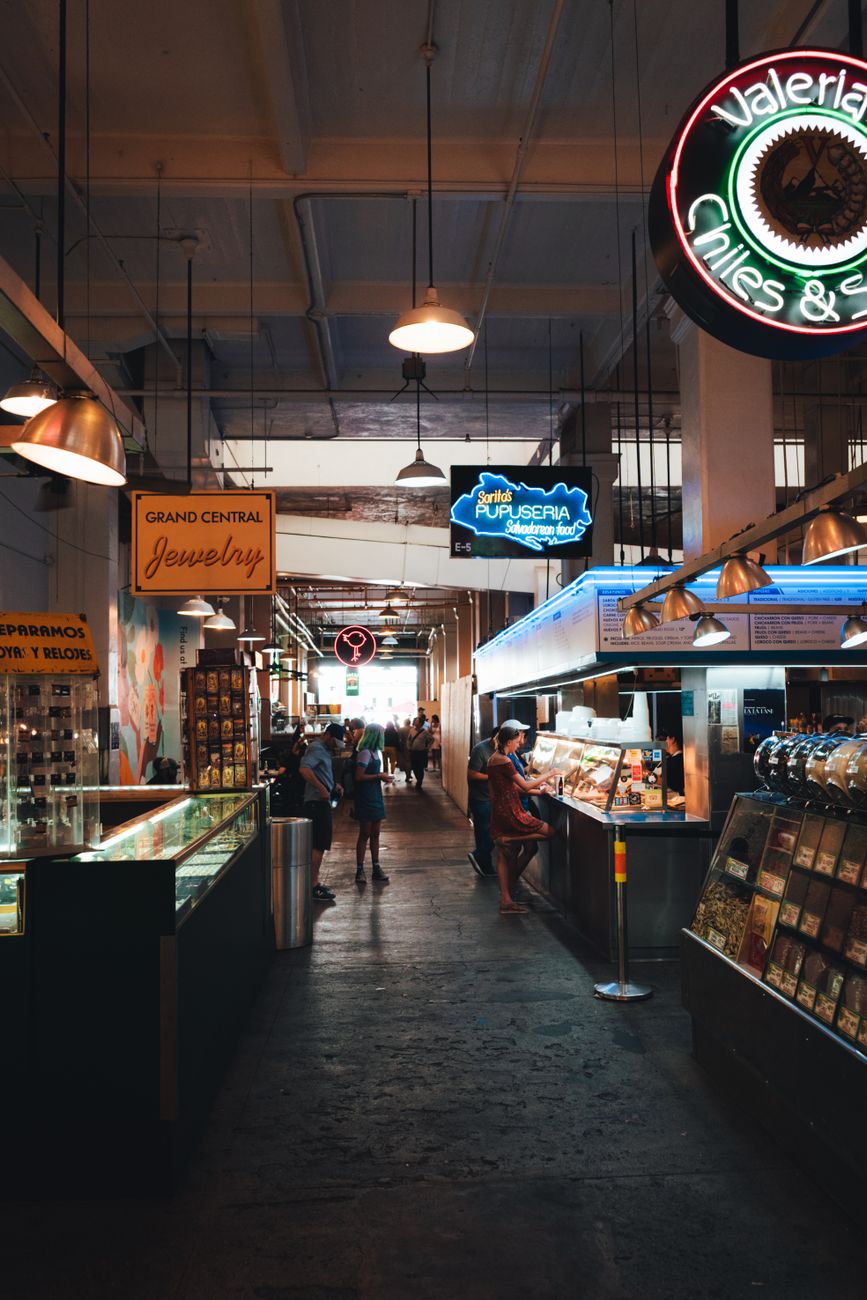
- Eat at neighborhood trattorie and markets — Mercato Centrale Milano and small Navigli osterie channel more tourist spending into local businesses.
- Use public transport, trams, and bike sharing (BikeMi) to reduce carbon footprint. Walk short distances to discover hidden ateliers and independent shops.
- Reduce laundry and reuse towels during short stays; ask hosts about energy and water-saving practices.
- If you rent an apartment, follow neighborhood rules (trash sorting is enforced) and avoid creating noise after 11pm.
Support nearby day-trip towns by taking regional trains rather than private transfers when feasible — trains deliver more tourist spending into local economies along the route.
Common Mistakes to Avoid
- Booking last-minute during Salone del Mobile or Fashion Week — prices spike and availability disappears.
- Choosing the cheapest outskirts option without checking transit times — a 'bargain' hotel an hour away can cost you half a day each way.
- Assuming every neighborhood is nightlife-friendly — Navigli is lively at night; parts of Brera and residential zones are quiet after 11pm.
- Driving into the center without understanding Area C (ZTL) and parking costs — prefer park-and-ride or peripheral garages.
- Ignoring local regulations for waste separation and recycling in apartment rentals — fines are possible and it's disrespectful to hosts.
FAQ
Which neighborhood is best for a 3-day first visit to Milan?
Duomo/Brera is the most convenient for seeing the cathedral, Galleria, La Scala, and Sforzesco on foot. If you plan frequent day trips by train, consider Milano Centrale for direct regional services.
Where should I stay if I want to visit Como and Bergamo easily?
Stay near Milano Centrale or Cadorna. Milano Centrale offers fast regional trains toward Brescia and Desenzano, and direct trains or easy connections to Como and Bergamo; Cadorna is convenient for Malpensa and some regional lines.
Is Navigli noisy at night? Will it affect sleep?
Navigli is lively after sunset with bars and restaurants. If you need quiet mornings, choose accommodation on a side street away from piazzas or canals, or a small guesthouse with soundproofing.
How early should I book for Fashion Week or Salone del Mobile?
Book at least 3–6 months ahead. If options are limited, choose a neighborhood with a direct metro or tram link and check refundable rates.
Can I drive between towns instead of taking trains?
You can, but driving adds parking fees, ZTL restrictions, and city traffic. Trains are faster, more sustainable, and often cheaper for single-day hops to Como, Bergamo, Brescia, Desenzano, and Parma.
Any safety concerns for solo travelers?
Milan is generally safe. Standard urban precautions apply: keep an eye on belongings in crowded areas and on public transport, avoid poorly lit streets late at night, and prefer licensed taxis or ride apps after midnight.
Conclusion
Pick the neighborhood that saves you transit time for what matters most on your 3-day itinerary. For day trips to Como, Bergamo, Brescia, Desenzano del Garda, or Parma, prioritize rail access (Milano Centrale/Cadorna). For an authentic, lower-impact stay, favor family-run accommodations, eat locally, and use public transport or bikes. Use this page alongside the 3 days in Milan itinerary to line up lodging that supports your pace, budget, and sustainability goals.
How this guide was prepared
This guide was prepared through a structured research that combines destination research, geographic context, itinerary planning logic, and content review.