
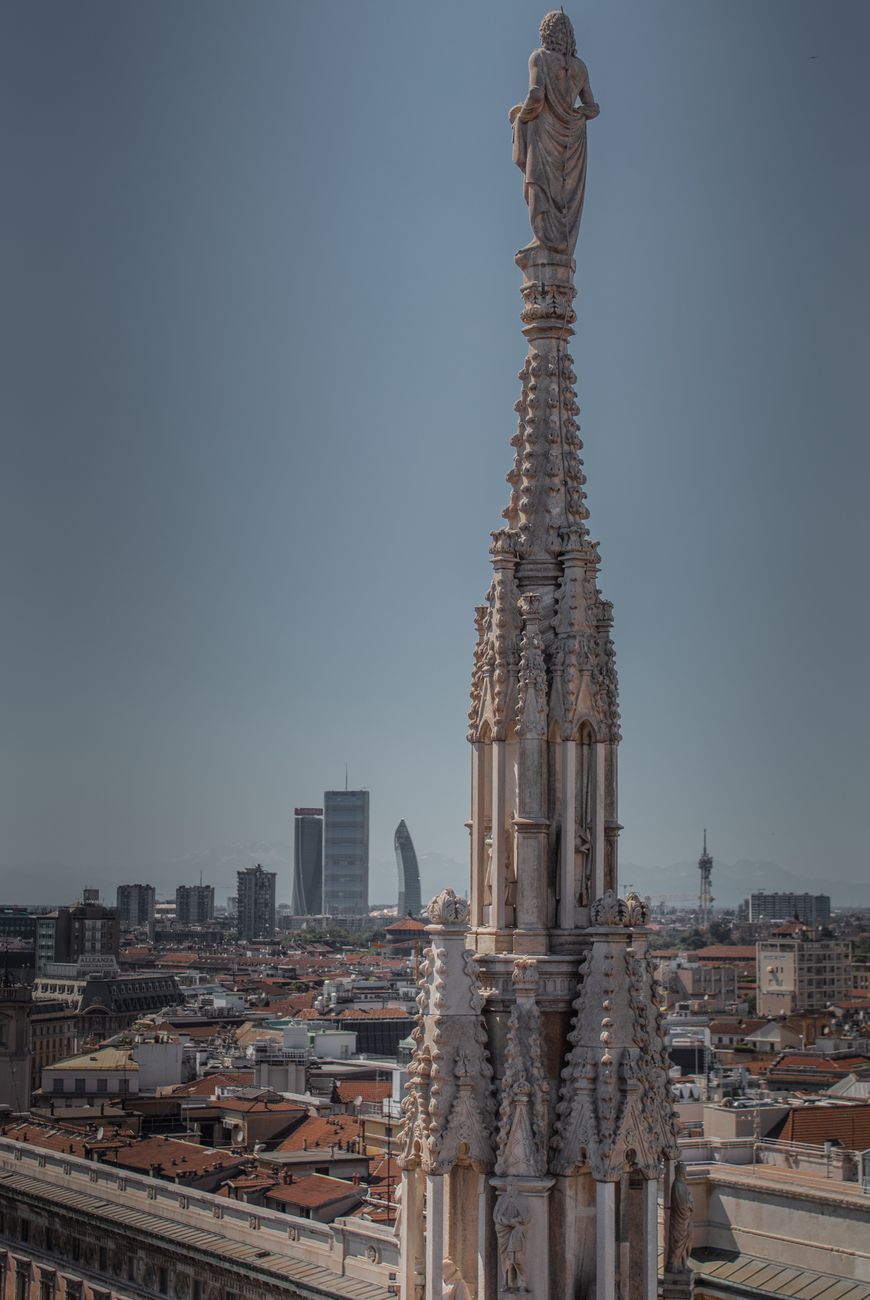
Milan on a Budget — Practical Costs, Smart Choices, and Local Tips
A clear, practical budget guide to Milan: expected daily costs, best neighborhoods for value, cheap eats, transport passes, and low-impact tips for pairing with the 3 days in Milan itinerary.
Daily cost ranges, where to stay affordably, smart transport passes, sustainable local-first tips, and budget-friendly day trips to Como, Bergamo, Brescia and Parma.
Quick Answer
Daily cost ranges, where to stay affordably, smart transport passes, sustainable local-first tips, and budget-friendly day trips to Como, Bergamo, Brescia and Parma.
Who This Page Is For
This page is for travelers planning a stay in Milan who want clearer decisions about travel budget, local logistics, timing, budgeting, and practical trip planning.
How This Page Was Prepared
This page was prepared through a structured editorial workflow that combines destination research, geographic context, and practical travel-planning review.
Plan the Rest of Your Trip
Use this page together with the full itinerary and the related planning pages below to make better booking, timing, transport, and budget decisions.
Typical daily budget ranges (per person, excluding international flights):
– Shoestring: €35–€60 — dorm or very basic private room, groceries, walks, a museum or two with free options.
– Budget: €60–€120 — modest private hotel or B&B, occasional sit-down meal, public transport and one paid attraction.
– Comfortable: €120–€220 — midrange hotel near metro, two meals at local trattorie, guided tour or paid rooftop visit.
Prices spike during Salone del Mobile and Fashion Week; book early or choose shoulder seasons (April–May, September–October).
This page gives practical, realistic budget guidance for travelers using the main 3 days in Milan itinerary. It focuses on daily cost bands, neighborhood tradeoffs, cheap and authentic food options, sensible transport choices, and sustainable alternatives for day trips to Como, Bergamo, Brescia, Desenzano del Garda and Parma. Use these numbers to refine reservations and avoid last-minute premium prices.
What This Page Helps You Decide
Use this page to choose among:
– How much to budget per day depending on travel style.
– Which neighborhoods offer best value while keeping access to the 3-day Milan itinerary.
– Whether to buy single tickets, a day pass, or a multi-day transport card.
– When to book hotels to avoid trade-fair surcharges.
– Whether a cheap day trip to Como or Bergamo fits your budget and low-impact goals.
It complements the main 3 days in Milan guide by giving cost details and greener alternatives for side trips.
Top Recommendations
Where to save and where to spend:
– Sleep: Pick a B&B or small hotel near a metro line. Best value neighborhoods: Città Studi (student area), Porta Romana, Lambrate, and parts of Navigli for evening economy.
– Eat: Favor daily market stalls, rotisserie shops, and cicchetti bars instead of tourist restaurants around the Duomo. Look for set-lunch menus (menu del giorno) in neighborhood trattorie.
– Transit: Buy an ATM 24-hour ticket if you plan multiple trips in a day. For 3 days, compare 72-hour passes vs single tickets depending on itineraries. Use regional trains for Como and Brescia; book returns early on weekends.
– Attractions: Reserve paid entries (Duomo rooftop, Last Supper) in advance to avoid peak pricing. Balance paid museums with free sights like Sforza Castle grounds and canal walks along Navigli.
– Day trips: For Como, use the regional train from Porta Garibaldi or Milano Centrale for the cheapest option. For sustainable choices, prefer trains over private car tours.
Local Context
Seasonal and city realities that affect costs:
– Peak events: Fashion Week (February/June) and Salone del Mobile (April) raise accommodation and flight prices dramatically.
– Shoulder seasons: April–May and September–October offer lower rates, milder weather, and fewer crowds.
– Transport hubs: Milano Centrale and Garibaldi are transit-rich but busy; arriving late at night may mean higher taxi fares. Malpensa and Linate transfers add time and cost — check the Malpensa Express or shuttle buses.
– Etiquette and charges: Many places add a coperto (cover charge) and service may be included; tipping is modest. Dress respectfully for churches like the Duomo.
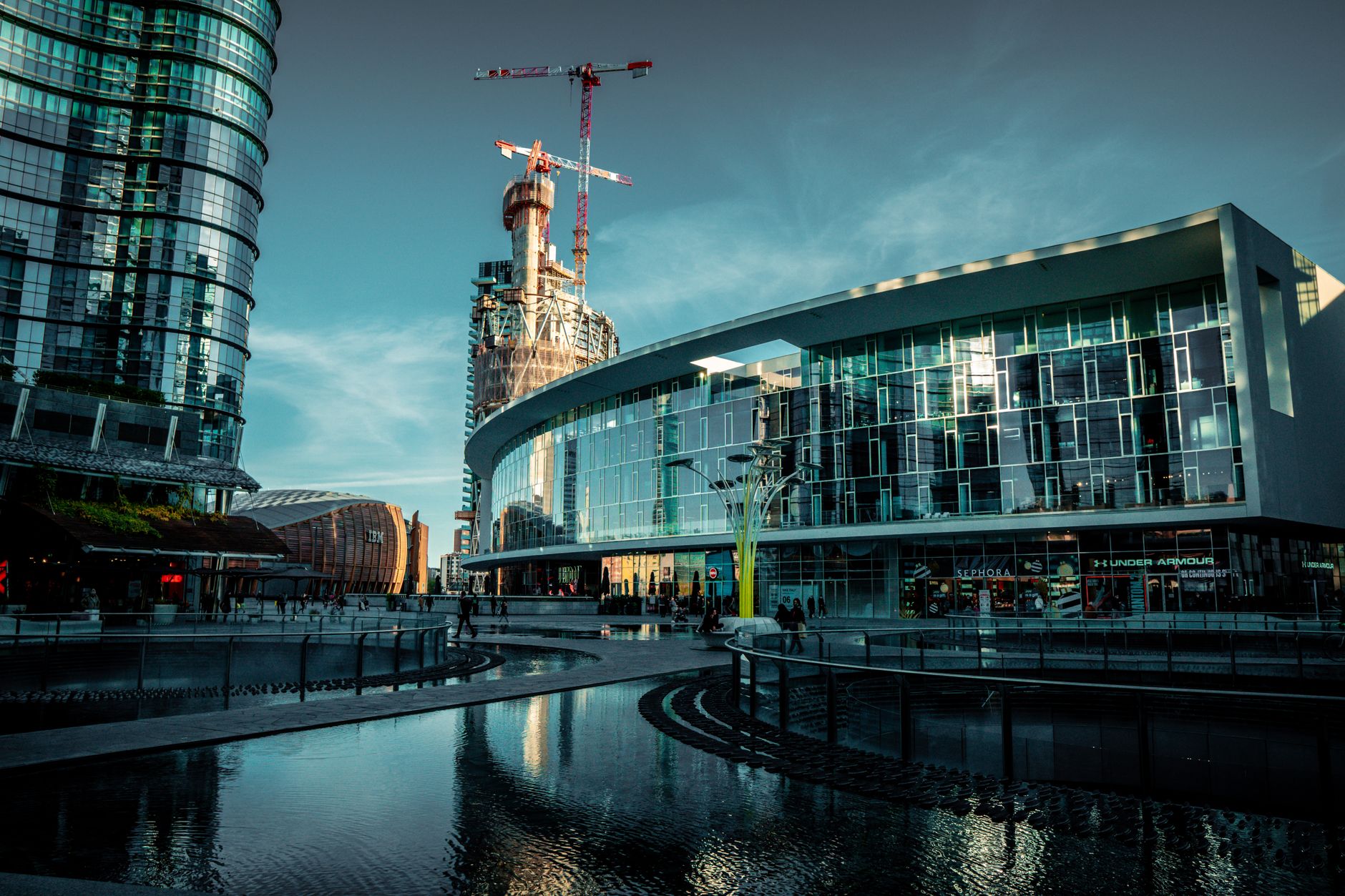
– Neighborhood personalities: Brera is artsy and pricier; Navigli is lively at night; Città Studi caters to students and is budget-friendly; Porta Nuova and Isola are modern with mixed prices.
How to Choose Well
Decision checklist:
– Lodging proximity: Aim to be within 10–15 minutes of a metro station on M1, M2, or M3 for fast access to main sights and the train stations used for day trips.
– Booking window: For non-peak dates, book 2–4 weeks ahead. For trade-fair dates or weekends, book 8+ weeks in advance.
– Transport passes: Estimate trips per day. If you plan more than three metro/tram rides per day, a 24- or 48-hour pass usually saves money.
– Eating choices: Combine one nicer meal with market meals and supermarket snacks to keep costs down while supporting local vendors.
– Day trips: Choose train day trips (Como, Bergamo, Brescia) for cheapest, lowest-carbon travel and buy regional tickets in advance when possible.
Responsible and Local-First Tips
Spend where it benefits locals and reduces impact:
– Eat at family-run trattorie away from the Duomo and buy produce at community markets such as Mercato Centrale Milano or local municipal markets.
– Prefer regional trains for Como, Bergamo and Brescia; avoid private minivan tours that add traffic and emissions.
– Support small artisan shops in Brera and Città Studi rather than international chains in the tourist core.
– Reduce waste: carry a reusable bottle — tap water fountains (fontanelle) are common in Milan.
– Time visits off-peak: sightseeing early morning or late afternoon reduces pressure on popular sites and supports local cafes during quieter hours.
Common Mistakes to Avoid
Frequently seen errors that cost money or time:
– Staying only near the Duomo without checking prices — it can be much more expensive and noisy.
– Buying single tickets for several journeys in one day instead of a day pass.
– Waiting to book entry times for the Duomo rooftop or Last Supper — they sell out and surge prices on last-minute bookings.
– Taking taxis from Milano Centrale without checking flat rates; night and airport trips can be pricey.
– Choosing car day tours for Como/Bergamo instead of trains, which are cheaper and often faster off-peak.
FAQ
How much should I budget per day in Milan for a moderate trip?
Plan for €100–€150 per day per person: midrange lodging, two casual meals, metro use, and one paid attraction.
Is public transport in Milan expensive?
No. Single tickets are around €2.20 and cover 90 minutes; 24-hour and 48-hour passes offer better value if you travel several times per day.
Are trains to Como and Bergamo cheap?
Regional trains to Como and Bergamo are affordable (often €4–€10 one way). IC/fast trains cost more. Book regional tickets at the station or online; check return times on weekends.
What's the cheapest area to stay that still feels safe and central?
Città Studi and Lambrate offer student-friendly prices with good metro or tram links. Porta Romana gives a quieter, local atmosphere while staying well connected.
How can I avoid tourist traps around the Duomo?
Walk two to three blocks away for better-priced meals. Seek out cafés and trattorie in Brera, Ticinese, or Città Studi. Check menus for fresh-cooked options and a menu del giorno.
Conclusion
Milan can be done on a tight budget without missing the city's highlights. Prioritize a metro-connected neighborhood, balance paid attractions with free public space, and use trains for economical day trips to Como, Bergamo, Brescia and nearby lakes. For a smooth trip, pair these budget choices with the 3 days in Milan itinerary and book transport and key attractions ahead of time. Favor local businesses and shoulder-season travel to keep costs and impact low.
How this guide was prepared
This guide was prepared through a structured research that combines destination research, geographic context, itinerary planning logic, and content review.