

Ubud Travel Budget: How Much to Plan for 3 Days and Beyond
Practical Ubud budget guide with day-by-day cost ranges, seasonal tips, neighborhood advice, transport realities, and local-first recommendations to support a 3-day Ubud itinerary.
Clear daily budgets, realistic costs for lodging, food, transport and activities in Ubud, plus sustainable tips and booking advice to pair with your 3 days in Ubud itinerary.
Quick Answer
Clear daily budgets, realistic costs for lodging, food, transport and activities in Ubud, plus sustainable tips and booking advice to pair with your 3 days in Ubud itinerary.
Who This Page Is For
This page is for travelers planning a stay in Ubud who want clearer decisions about travel budget, local logistics, timing, budgeting, and practical trip planning.
How This Page Was Prepared
This page was prepared through a structured editorial workflow that combines destination research, geographic context, and practical travel-planning review.
Plan the Rest of Your Trip
Use this page together with the full itinerary and the related planning pages below to make better booking, timing, transport, and budget decisions.
Budget ranges per person, per day (approx):
– Backpacker: IDR 200,000–500,000 (≈ $12–$32) — dorm beds or basic homestays, warung meals, scooter share.
– Budget private: IDR 500,000–900,000 (≈ $32–$60) — private room, local meals, occasional driver or Grab rides.
– Mid-range: IDR 900,000–2,000,000 (≈ $60–$130) — boutique guesthouse, regular activities (yoga, guided rice terraces), day driver.
– Comfort/splurge: IDR 2,000,000+ (≈ $130+) — upscale resorts, private drivers, spa packages.
These totals include accommodation, three modest meals, local transport, and 1–2 paid activities. For a detailed day-by-day breakdown and suggested costs tied to activities in Ubud’s centre, see the 3 days in Ubud companion guide.
This page gives clear, practical cost guidance for visiting Ubud so you can plan daily budgets that match your style and support local businesses. It’s written to pair with the main 3 days in Ubud itinerary: use that itinerary for timing and this page for what to expect to pay, how to book, and how to do Ubud low-impact and local-first.
Estimates are presented as ranges in Indonesian rupiah (IDR) with approximate USD equivalents to help you choose backpacker, mid-range, or comfort budgets. Prices vary with season, location in town, and whether you go for locally run experiences or tourist-oriented services.
What This Page Helps You Decide
Use this page to decide:
– What daily budget matches your travel style and the length of stay.
– Whether to stay in Ubud centre or quieter neighborhoods (Penestanan, Sayan, Mas) based on cost and access.
– When to prebook accommodations, drivers, or popular classes (yoga, cooking) to avoid disappointment.
It supports itinerary choices on the 3 days in Ubud page by translating activities into expected costs and sustainable options.
Top Recommendations
Prioritize value and local benefit:
– Stay with family-run homestays in Penestanan or Nyuh Kuning for lower rates and money staying local.
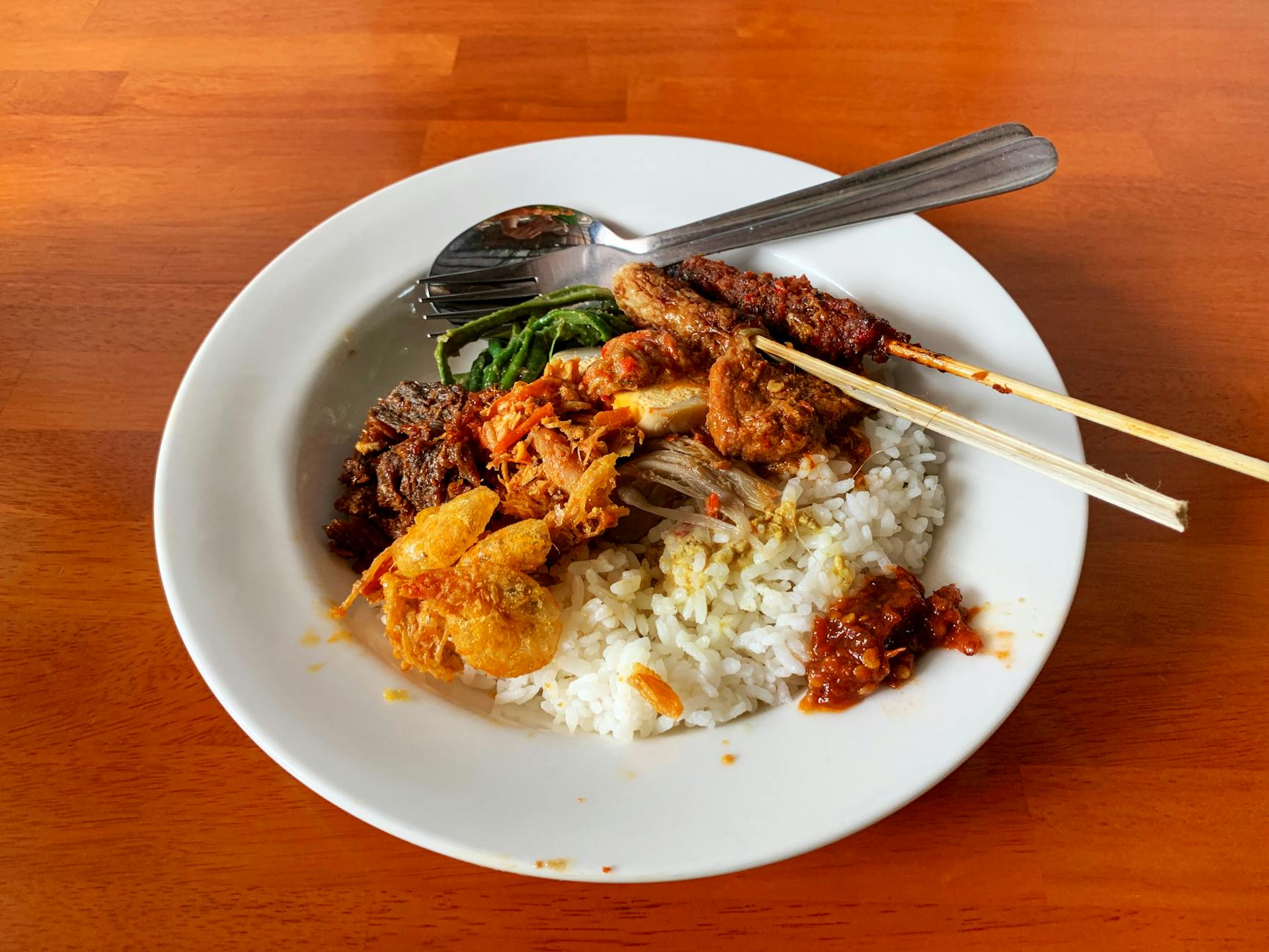
– Eat at warungs and neighbourhood cafés: meals 20k–60k IDR are common and directly support local households.
– Book a trusted local driver for day trips (600k–900k IDR) instead of expensive packaged tours — they are often cheaper and better for community income.
– Reserve popular activities in advance (yoga studios, cooking classes) during July–August and school holidays.
If you’re using the 3 days in Ubud itinerary, replace one paid tour with a walking morning market visit to cut costs and deepen local connections.
Local Context
Neighborhoods and what to expect:
– Ubud Centre (Jalan Raya Ubud): busiest, easiest access to shops and evening performances; prices higher for convenience.
– Penestanan and Sayan: quieter artist enclaves with guesthouses and short walks to Campuhan Ridge; good value for mid-range stays.
– Mas: wood carving workshops and reasonably priced stays near craft shops.
– Tegallalang (north): scenic rice terraces; expect parking or small entrance fees and vendors.
Seasonal patterns:
– Dry season Apr–Oct is busiest; July–Aug and around school holidays see higher rates.
– Shoulder seasons Apr–May and Sep–Oct offer lower prices and clearer skies.
– Rainy season Nov–Mar brings afternoon showers and occasional road washouts; negotiate scooter rates accordingly.
Transport realities:
– Denpasar (DPS) to Ubud: 1–1.5 hours by car depending on traffic. Expect negotiated taxi fares of 300k–450k IDR from the airport or prebook a private transfer.
– Within Ubud: many places are walkable around the centre. Use GoJek/Grab or local taxis for longer trips; motorbike taxis are economical but not for everyone.
– Intercity links: fly from Denpasar to Surabaya, Yogyakarta, or Semarang for fast connections; coaches + ferries are cheaper but much slower. See nearby-city planning notes on the 3 days in Ubud companion page.

How to Choose Well
Match choices to priorities:
– Lowest cost: choose a basic homestay near Ubud Market or Penestanan, eat at local warungs, walk or use GoJek motorbike for short hops.
– Best value: boutique guesthouse in Sayan or Mas with included breakfast and occasional driver hire for excursions.
– Comfort with local impact: small eco-lodges that hire local staff, prioritize refillable amenities, and partner with community guides.
Booking tips:
– Book accommodation for high season and Nyepi well ahead. Nyepi (Balinese Day of Silence, date varies in March) closes services; plan travel and bookings around it.
– Compare rates across local platforms and international OTAs — sometimes a homestay’s direct rate is lower and supports the owner more.
– For expensive activities (cooking class, full-day rafting, multi-day treks), ask about group sizes and who receives the income; smaller local operators often distribute revenue locally.
Responsible and Local-First Tips
Simple choices that help local communities and reduce impact:
– Spend at local warungs, artist co-ops in Mas, and markets rather than international chains.
– Choose tours run by Balinese operators and ask how proceeds support guides and villages.
– Minimize single-use plastics: carry a refill bottle and buy from places with refill stations.
– Respect monkeys and wildlife: do not feed or provoke monkeys at the Sacred Monkey Forest; follow ranger rules.
– Temple etiquette: wear a sarong and sash when required; ask before photographing ceremonies and people.
Sustainable activity swaps:
– Replace motorbike trips with guided walks (Campuhan Ridge, rice terrace loops) where possible.
– Pick small-group yoga studios and local teachers over big chains; book drop-ins in advance during busy weeks.
Common Mistakes to Avoid
Avoid these frequent errors:
– Underestimating transit time and cost from Denpasar airport — budget for 1–1.5 hours and prebook transfers if arriving late.
– Renting a scooter without experience — narrow lanes, unpredictable traffic, and slippery roads in the rainy season.
– Expecting consistent opening hours — many small warungs and studios close mid-afternoon for a break.
– Treating the Monkey Forest as a free playground — there’s an entrance fee and strict rules; avoid carrying food or items that attract monkeys.
– Not checking Nyepi dates — services and transport shut down for 24 hours; plan accommodations and flights around it.
Simple money-savers:
– Walk morning markets instead of paying for guided market tours.
– Share a day driver if you’re traveling as two or more people to split cost.
FAQ
What is a sensible daily budget for a solo traveler?
For a solo traveler aiming for comfort without splurging, plan IDR 900k–1.5M per day (≈ $60–$100) which covers a mid-range guesthouse, three meals at mixed venues, a yoga class or cooking class, and local transport.
Do you need a scooter in Ubud?
No. Ubud center is compact and walkable. Scooters are useful for reaching Tegallalang or remote lodges but carry risk. Use GoJek/Grab motorbike taxis for short trips if you’re comfortable with them.
How much should I tip in Ubud?
Tipping is appreciated but not mandatory. Small tips (10–20k IDR) for good service at restaurants, and 20–50k for drivers and guides, are common. For homestays, a modest tip on checkout supports the family.
Is Ubud expensive compared with other parts of Bali?
Ubud has a mix: budget options are plentiful, but boutique accommodations and wellness activities can raise costs. Staying outside the centre usually saves money while keeping access.
Any safety or health cost concerns?
Bring basic medicines and a refillable water bottle. Travel insurance that covers scooter accidents and medical evacuation is wise. Pharmacies and clinics are available in town.
How to get from Ubud to nearby cities like Kuta, Yogyakarta, or Surabaya?
Kuta is a 30–90 minute drive depending on traffic; book a private transfer or shuttle. For Java cities (Yogyakarta, Surabaya, Semarang, Malang) consider a flight from Denpasar (DPS) for speed. Ferries + trains are cheaper but much slower — factor overnight travel into budgets. Check connections in advance and compare flight vs combined ferry+train options.
Conclusion
Ubud’s costs are flexible: you can travel affordably while directly supporting local families, or choose higher-end wellness and cultural experiences. Use the budget ranges here to set expectations, prebook key activities during high season, and pair choices with the 3 days in Ubud itinerary to convert budgets into days of practical plans. Prioritize local-first vendors, respect Balinese customs, and favor walking and small-group experiences to keep your visit low-impact and rewarding.
How this guide was prepared
This guide was prepared through a structured research that combines destination research, geographic context, itinerary planning logic, and content review.