
Essential 3-Day Itinerary for Turin: Practical City Guide
Three days in Turin covers Mole Antonelliana, Museo Egizio, Porta Palazzo market, riverside terraces and clear transit, timing and cost advice.
A tightly paced, realistic three-day plan for Turin that balances museums, neighbourhood walks, market food and local drinks with honest cost and transit details.
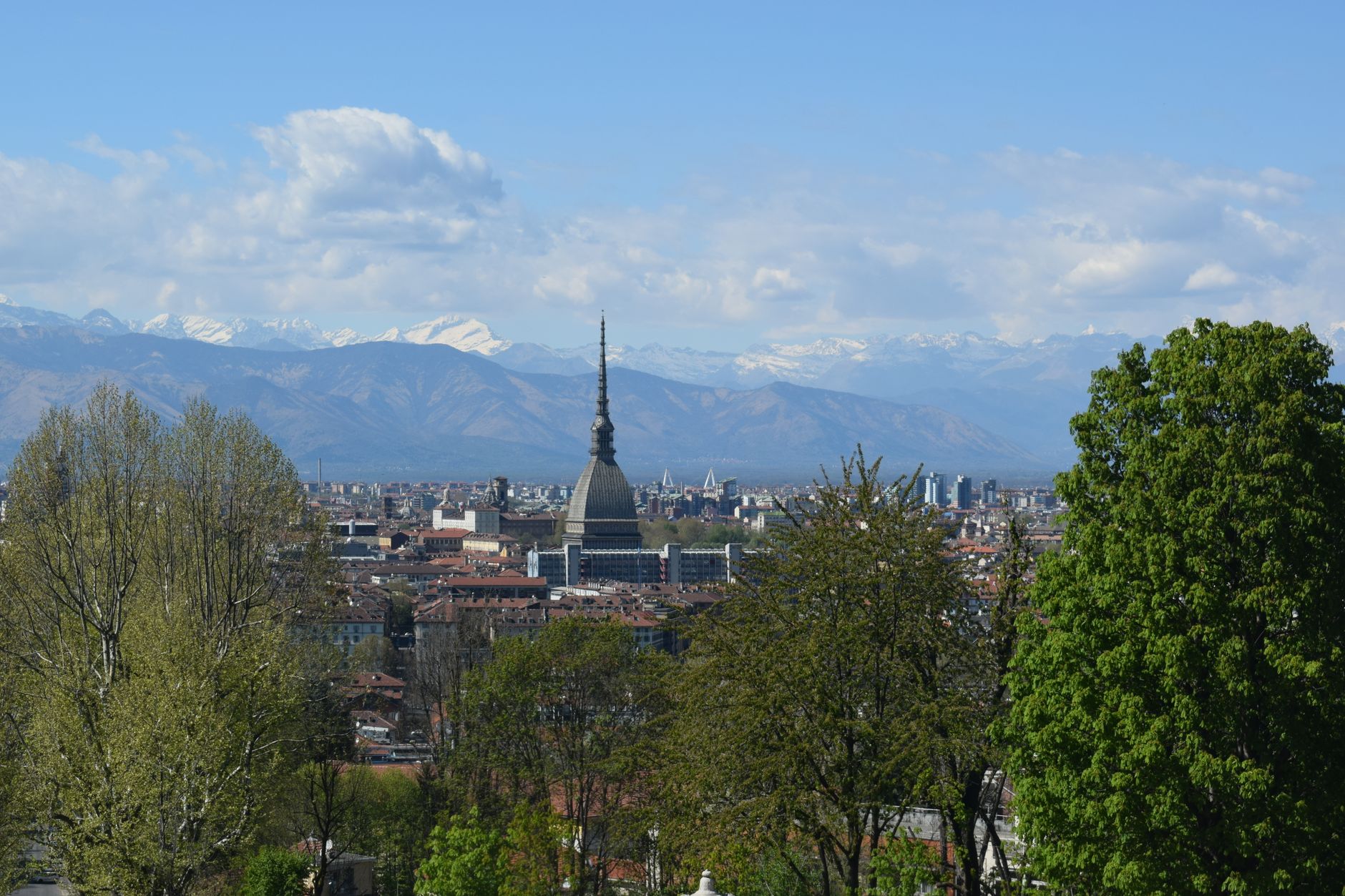
First impressions are likely to be a mix of broad arcades, long boulevards and a low skyline punctured by the Mole Antonelliana. The pace feels measured: trams and espresso bars set a working rhythm more than tourist frenzy. Streets around Via Roma and Piazza San Carlo are full of daytime shoppers and office workers; evenings concentrate around aperitivo bars in San Salvario and the riverbank near Piazza Vittorio.
Expect tidy classical façades and some industrial-era architecture rather than big, open squares of other northern cities. Public squares and markets operate as neighbourhood hubs, and that local routine is the most interesting thing to watch. The city suits people who like compact cultural visits, food markets and cafés rather than nonstop sightseeing or long hikes.
Is 3 days in Turin enough?
Yes—three days is enough to see the Mole Antonelliana, Museo Egizio, the Royal Palace area and a market or two without rushing. The caveat: it leaves little margin for slow museum days or day trips to the Langhe; choices must be made between extra museums and neighbourhood time.
Who This Guide Is For
Best for first-time visitors who want culture, food and walkable neighbourhood exploration on a moderate budget. Less suitable for travellers wanting extensive wine-country day trips or a relaxed, slow holiday.
Local Tips for Turin
Practical details that most travel sites skip — specific to Turin.
- Buy single urban GTT tickets for €1.70 (valid 90 minutes) at machines or kiosks; validate on boarding—inspectors fine unvalidated passengers.
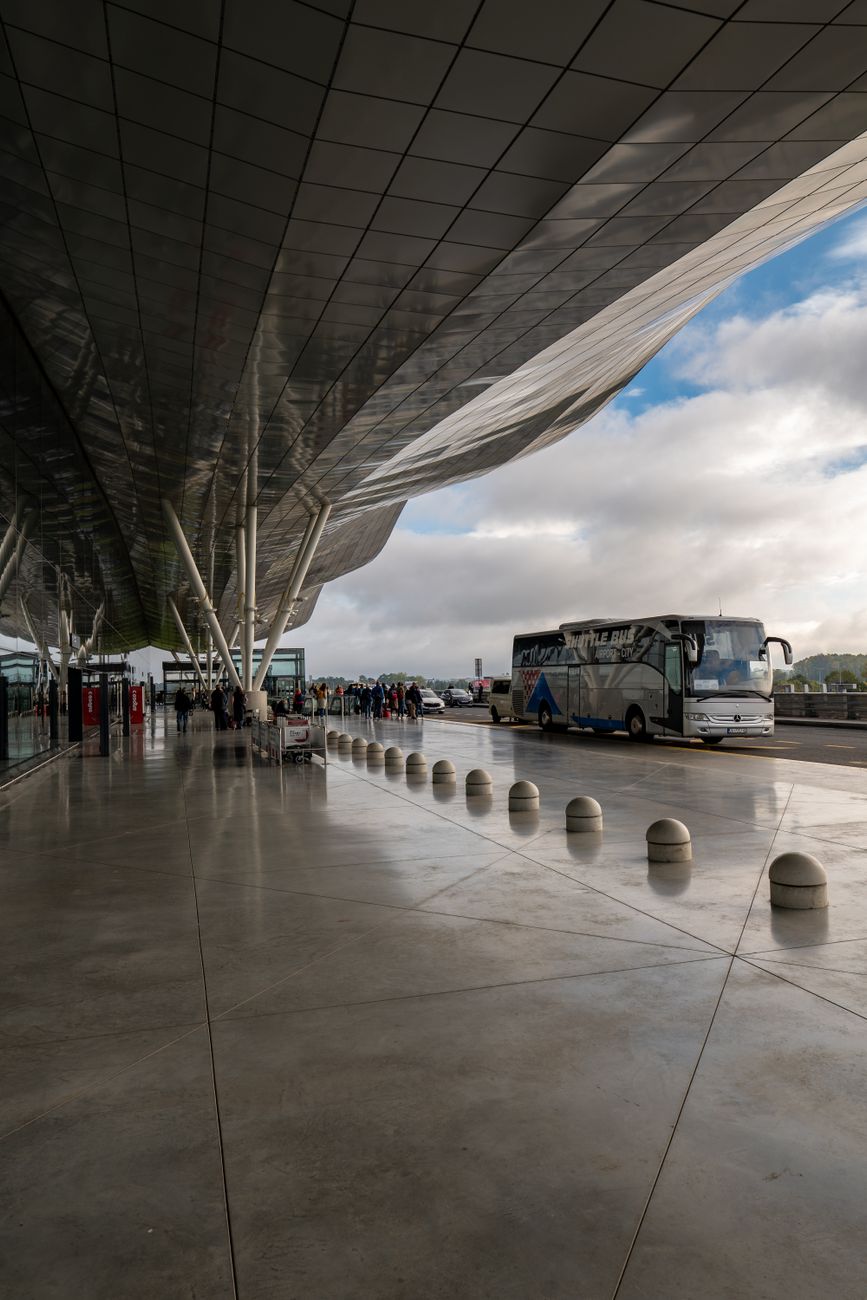
- Catch the Aeroporto Bus (Sadem/GTT) from Caselle (TRN) to Porta Susa; buy the ticket at the airport desk or machine for about €6–8 and expect 40–50 minutes.
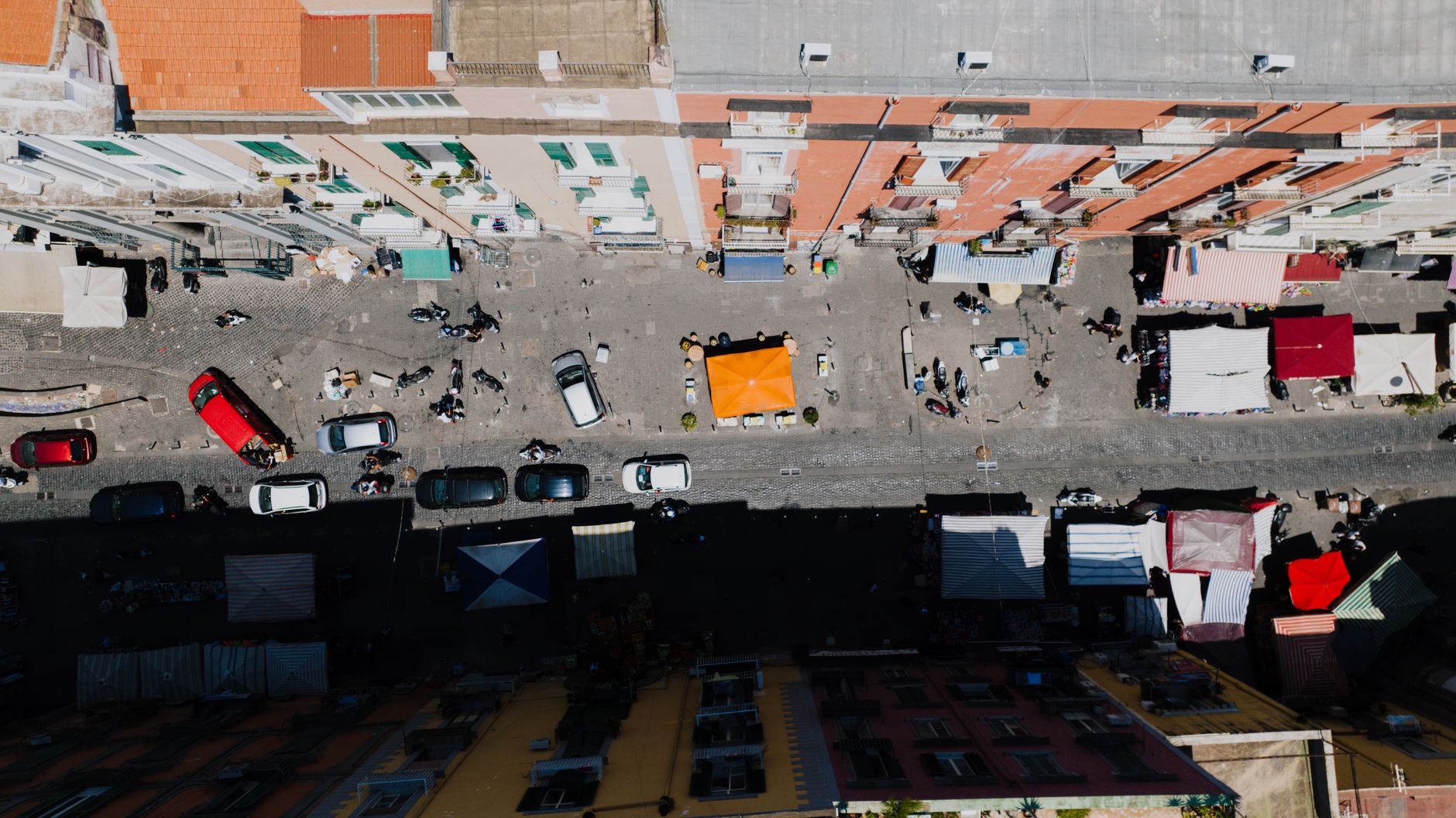
- Mercato di Porta Palazzo runs on Piazza della Repubblica; the covered stalls (frutta, banco fresco) are busiest Saturday mornings and many specialist vendors close by midafternoon.
- Order bicerin at a café like Caffè Al Bicerin on Piazza della Consolata for about €4–€6; it’s coffee, thick chocolate and whipped cream served layered in a small glass.
- Pick up a Torino+Piemonte Card if planning several museums—cards come in 48/72-hour options and can cut the per-museum cost if visiting Museo Egizio and Museo Nazionale del Cinema back-to-back.
How This Guide Was Prepared
This guide treats Turin as a city of close-knit neighbourhoods and specific pleasures rather than a checklist of famous sights. Many guides flatten the place into a list dominated by the Mole and the Egyptian Museum; this itinerary shows how to arrange those headline visits around markets, cafés and tram rides so a visitor gets a meaningful feel in just 72 hours. This guide was prepared through a structured research that combines destination research, geographic context, itinerary planning logic, and content review.
Plan Your Stay in Turin
Use this itinerary as your starting point, then compare areas to stay, transport options, seasonal timing, and realistic daily costs before booking.
Why Visit
Museums with depth: Museo Egizio holds one of the largest Egyptian collections outside Cairo, and Museo Nazionale del Cinema inside the Mole Antonelliana is a singular experience for film buffs. Both justify prioritising time for indoor visits.
Markets and food culture: Mercato di Porta Palazzo is Europe's largest open-air market by area and delivers cheap produce, deli counters and street snacks within a short walk of the historic centre. Local specialities like gianduiotto and bicerin are region-specific and easy to sample in cafés and pastry shops.
A compact urban layout: historic streets, arcades and the Po riverside sit close together, letting a visitor move between palaces on Via Po, parks on the river and artisan workshops in Borgo Dora in a few tram rides or long walks. This makes three days efficient for a balanced itinerary.
Nearby industry-meets-design: the Lingotto area, with the old Fiat factory, rooftop test track and Eataly at the old pin factory, offers a different architectural and food-oriented contrast to the core museums.
Quick Planning Tips
Arrival: the main airport is Torino Caselle (TRN). The Aeroporto bus (Sadem/GTT) runs to Porta Susa and Porta Nuova; city-bound trains from Torino Porta Susa and Porta Nuova connect to Milan and other Italian cities. If arriving at Malpensa, expect a train plus regional connection of 2–2.5 hours.
Payment: Euros are used; small shops and market stalls often prefer cash for transactions under €10–15. Many restaurants accept cards but always carry coins for buses, market purchases and café counters.
Avoid this planning mistake: booking back-to-back major museums on the same morning without pre-booked timed tickets. Museo Egizio and the Cinema Museum are popular—reserve entry slots online to avoid long queues and wasted time.
Day 1
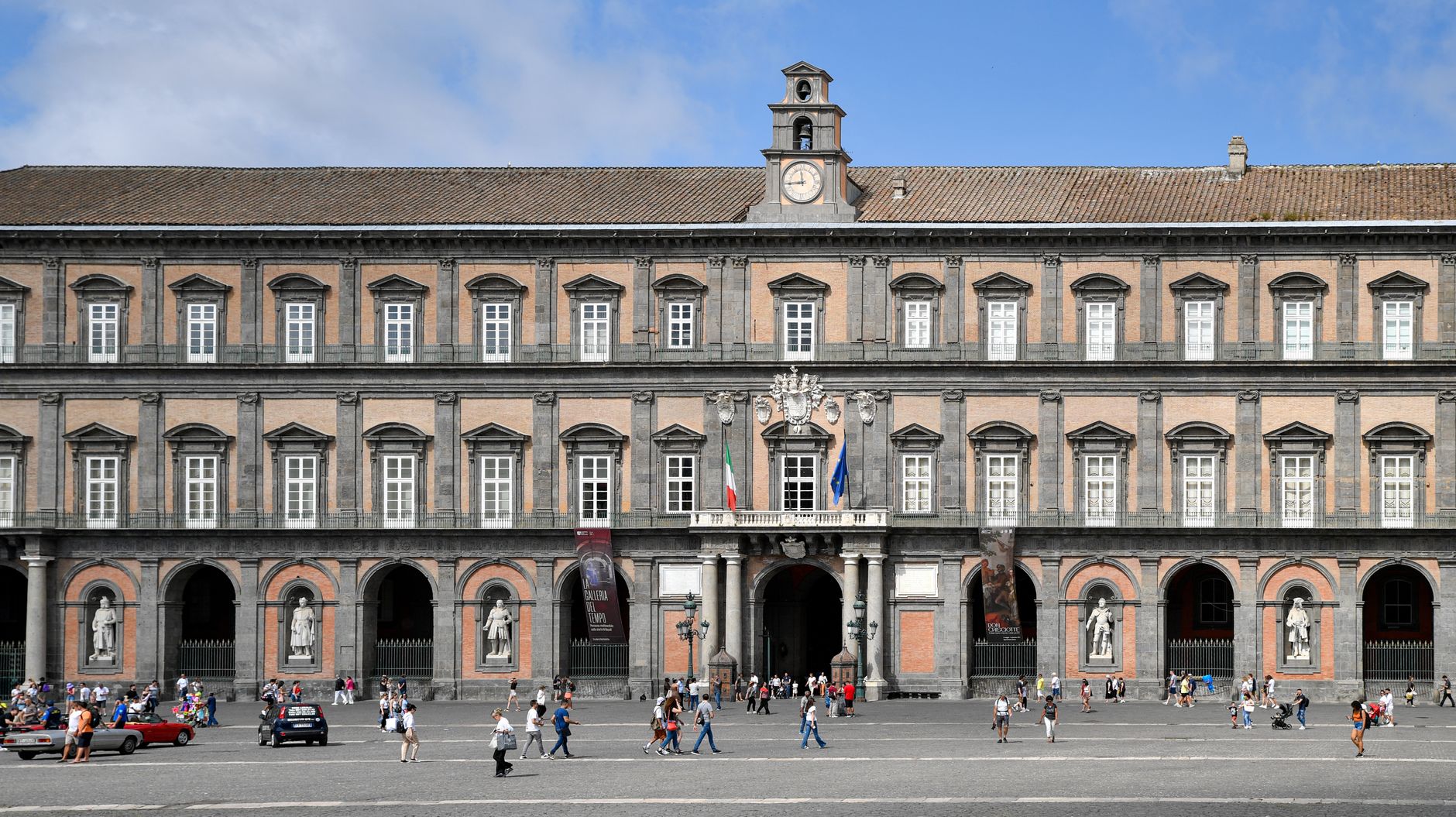
Morning: Start at Piazza Castello to visit Palazzo Reale (allow 1–1.5 hours) and the Duomo (Duomo di Torino) where the Shroud chapel is adjacent; both are within a five-minute walk of each other. Walk to Museo Egizio on Via Accademia delle Scienze—plan 2–3 hours for the main galleries and temporary exhibitions; timed entry is recommended.
Lunch: Eat nearby at Tre Galli or a trattoria on Via Po for agnolotti and a quick espresso—expect €12–€18 for a pasta dish. After lunch stroll down Via Po toward Piazza Vittorio Veneto; the walk along Via Po from Museo Egizio is about 10–15 minutes.
Afternoon: Cross the Po via Ponte Umberto I to reach the riverbank and Parco del Valentino; visit the Borgo Medievale inside the park (20-minute walk from Piazza Vittorio). If interested in automobiles, take a tram or bus to Museo dell'Automobile in Corso Unità d'Italia—allow 1.5 hours.
Evening: Return toward Piazza San Carlo for aperitivo at a café or bar; aperitivo plates typically cost €8–€15 with a drink. For dinner choose a trattoria in San Salvario (15–20 minutes by tram from the centre) to try bagna cauda or a regional meat dish.
Day 2
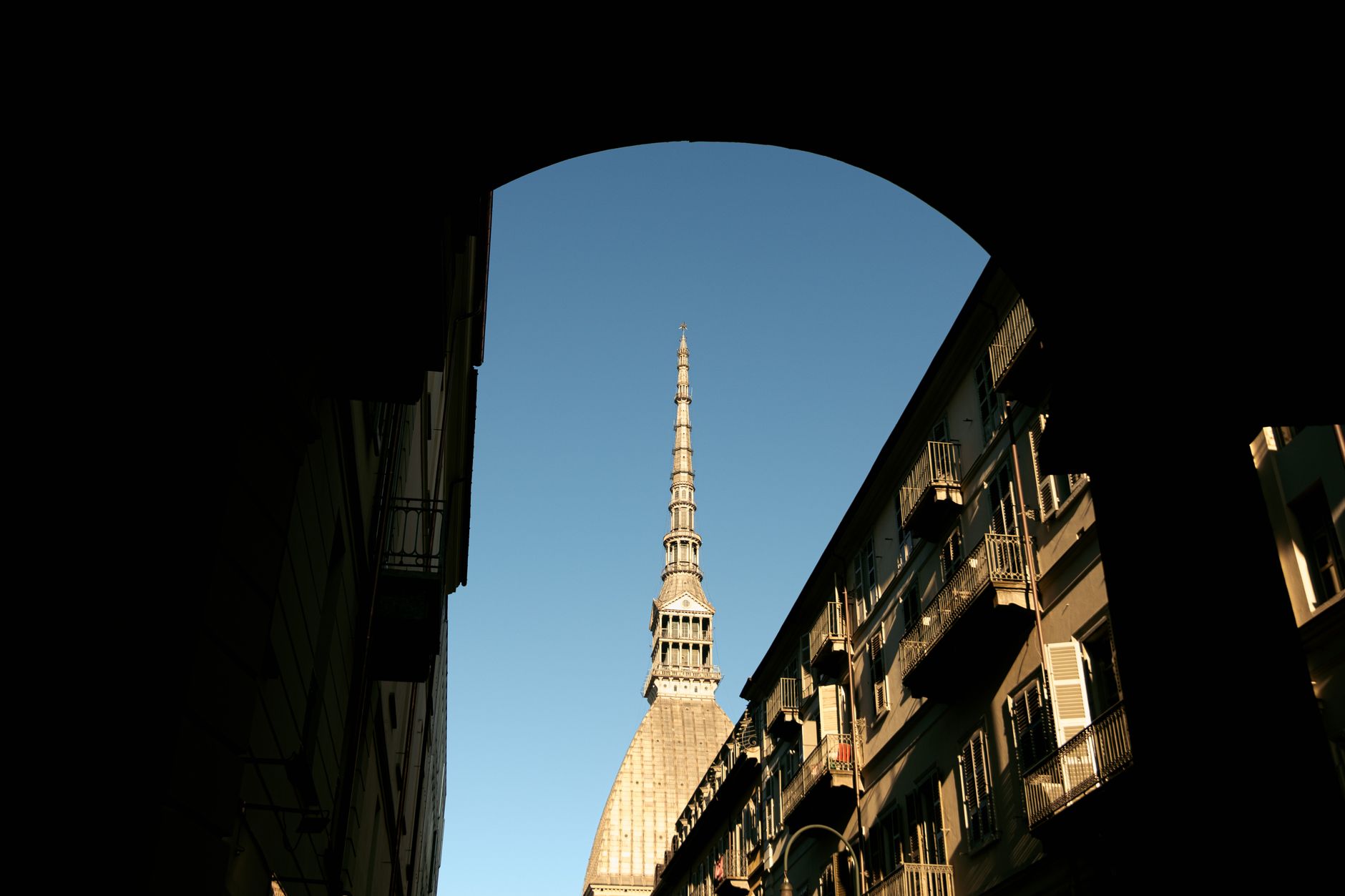
Morning: Dedicate the morning to the Mole Antonelliana and Museo Nazionale del Cinema—enter the museum and take the panoramic lift to the Mole’s top for city views; allow 2–3 hours. From there walk north along Via Montebello or take tram line 9 toward Borgo Dora (15 minutes) to reach the next neighbourhood.
Lunch: Eat at Eataly (Via Nizza, Lingotto) if continuing south; it’s reachable by Metro Line 1 to Lingotto or a 20–25 minute tram ride. Expect a casual meal price of €10–€20 depending on chosen stall.
Afternoon: Explore Borgo Dora market and the Balon flea market area (if it’s a Saturday), a 10-minute walk from Porta Palazzo. This area has small ateliers, street food stalls and antique dealers—allow 1.5–2 hours for browsing. From Borgo Dora, take tram 4 or walk to Corso Vinzaglio to see industrial conversions and independent galleries.
Evening: Head to San Salvario for dinner and an aperitivo crawl; this neighbourhood comes alive at night and is about 10 minutes by tram from Porta Palazzo. Finish with a late espresso or a bicerin at a traditional café near Piazza Vittorio.
Day 3
Morning: Start with Mercato di Porta Palazzo for breakfast pastries, fresh produce and a quick panino—arrive by 9am to see stalls fully stocked. From Porta Palazzo walk 10–15 minutes to Via Garibaldi for shopping arcades or take tram 4 toward the river.
Late morning: Visit Palazzo Madama and the civic art collections in Piazza Castello—this is a compact museum that pairs well after a market visit. Allow 1–1.5 hours. If a visitor prefers contemporary design, allocate this slot to the Pinacoteca Agnelli and Lingotto complex (Metro M1 to Lingotto, 20–25 minutes).
Lunch: Try a local osteria near Piazza Carlo Felice or a sandwich at a market stall; budget €8–€15. If catching an afternoon flight from Caselle, plan to leave central stations 2–2.5 hours before departure to allow for travel and airport check-in.
Afternoon: For departures, take the Sadem/GTT airport bus from Porta Susa or the regional train from Porta Nuova. If staying for the evening, walk along the Po toward Monte dei Cappuccini for sunset views (about 25–30 minutes from Piazza Vittorio) and an easy final dinner in the Old Town.
Best Local Experiences
Mercato di Porta Palazzo: shop vegetables, fish stalls and cheap street snacks; go Saturday morning for the fullest selection. Balon flea market (Borgo Dora): active on Saturday with antiques, vintage clothing and small curios; bargain with cash.
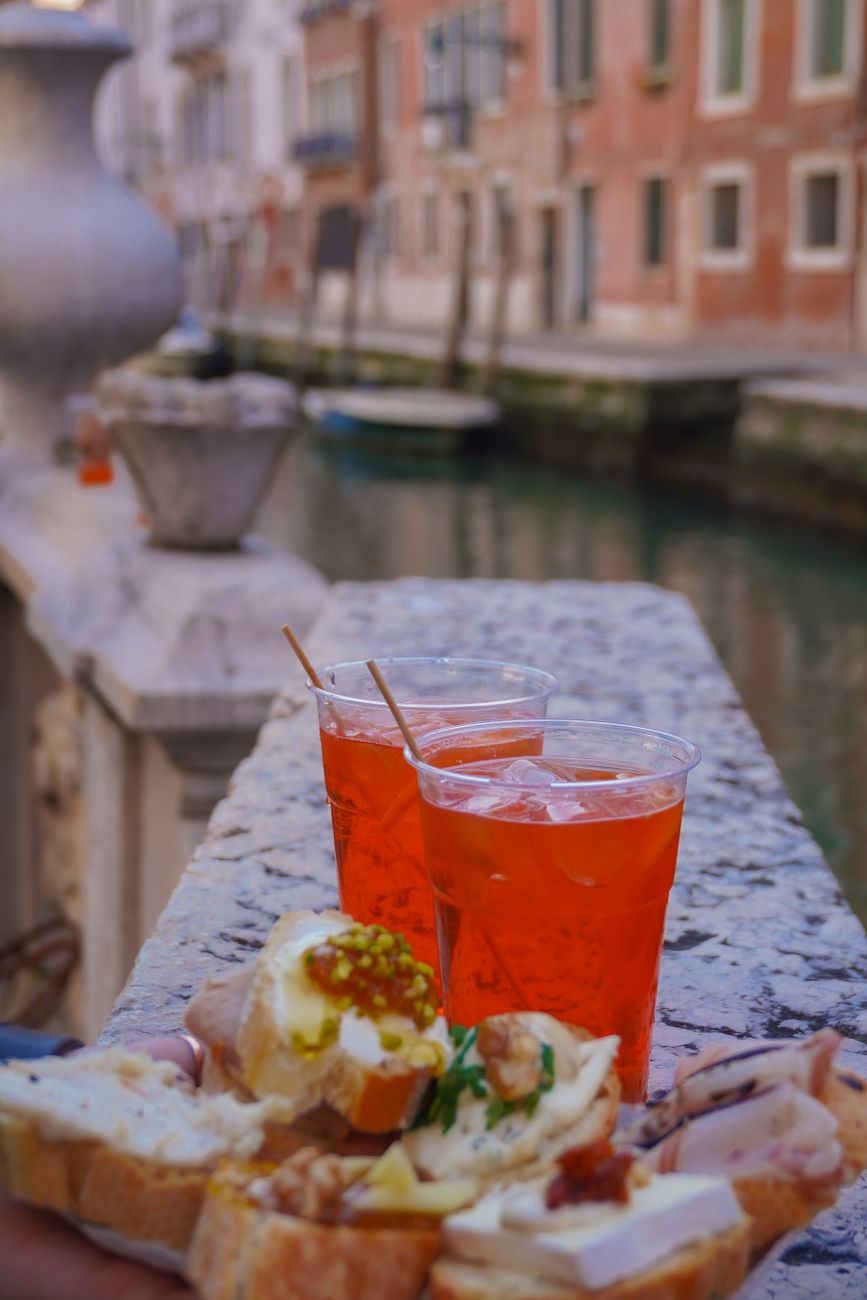
Aperitivo in San Salvario: bars around Via Madama Cristina and Via Baretti serve aperitivo plates with a drink for €8–€15; this is where locals linger into the evening. Bicerin tasting: order at Caffè Al Bicerin or historic cafés near Piazza Consolata to see how the layered drink is traditionally served.
Lingotto and Eataly: climb the rooftop test track (photograph the roofline) and eat at Eataly for local cheeses and cured meats. Parco del Valentino and Borgo Medievale: an afternoon here suits a quieter pace, with the medieval village offering photo opportunities and small craft shops.
Where to Stay
Centro / Centro Storico (around Piazza Castello and Via Roma): Suited for first-time visitors who want museums and main squares within walking distance. Many hotels and B&Bs here range from about €90 to €200 per night (EUR), roughly $100–220 USD depending on season.
San Salvario: Better for nightlife and food-focused travellers; close to the station and tram lines, lively after dark. Expect guesthouses and mid-range hotels at €60–€120 per night, about $65–130 USD.
Crocetta / San Secondo (near Corso Re Umberto and the University): Suited for those wanting a quieter, residential feel with easy metro access to Lingotto; typical nightly rates run €70–€130, around $75–140 USD. Crocetta offers more local bakeries and simpler dinners than the central district.
Lingotto / Nizza Millefonti: Good for design and food pilgrims who want Eataly and the former Fiat complex nearby. Accommodation here is often modern and slightly cheaper than the centre—€60–€120 per night, about $65–130 USD.
Food and Drink
Agnolotti: small folded pasta pockets often filled with beef or roasted vegetables and served in butter and sage or with a meat sauce. Find a good version at Trattoria Valenza or Osteria Antiche Sere; expect €10–€15 per plate.
Bagna cauda: a warm dip of garlic, anchovy and olive oil served with raw and roasted vegetables; traditional in Piedmont. Try it at local trattorie in San Salvario or near Piazza Vittorio—portions for sharing run €12–€20.
Gianduiotto / gianduja chocolate: a local chocolate made from hazelnut paste mixed with cocoa. Buy artisanal gianduiotti at Guido Gobino or Peyrano; a small box costs around €6–€15.
Bicerin: a layered hot drink of espresso, drinking chocolate and whipped cream, served in a small glass. Order at historic cafés like Caffè Al Bicerin or Caffè Torino; price about €4–€6.
Street food and breakfast: a cornetto and espresso at a bar is a standard breakfast (€2–€4). For street lunch try a panino with porchetta at the market or a sandwich stall in Porta Palazzo for €4–€8. For dinner, reserve a table at a trattoria serving tajarin or agnolotti for €15–€25 per person.
Getting Around
Operator and modes: Public transit run by GTT includes Metro Line 1 (Metropolitana), an extensive tram network (notable lines: 4, 7, 9), buses and suburban regional trains. Taxis and ride-hailing apps are available but can surge during events.
Tickets and cards: Single urban ticket is €1.70 and valid 90 minutes; 24-hour and 48/72-hour tourist cards are available—buy at machines, tobacco shops (tabaccherie) or via the GTT mobile app. Local transit apps include GTT Mobile and Muoversi a Torino for schedules and route planning.
Airport and trains: Aeroporto Caselle (TRN) connects by Sadem/GTT bus to Porta Susa/Porta Nuova in about 40–50 minutes for €6–8. Regional trains connect Torino Porta Nuova and Torino Porta Susa to Milan, Milan Malpensa and other northern cities. A taxi from Caselle to the city center typically costs €35–€45 depending on time and luggage.
Best Time to Visit
Spring (April–June): Temperatures generally 10–24°C and comfortable for walking; shoulder-season weeks in April and May offer good value and fewer crowds than summer. Summer (July–August): Expect 20–30°C; the city can be hot and museums busier—August sometimes sees locals leave for holiday, which can make restaurants limited.
Autumn (September–October): Temperatures 12–22°C with grape harvest and food fairs; September is an excellent balance of weather and events. Winter (November–March): Cold months dip near 0–8°C; Christmas markets and winter sales draw visitors but expect shorter daylight and chillier river breezes.
Best value months are late April–May and September when hotel prices are lower than July and cultural venues are fully open.
Budget and Practical Tips
Daily budget (moderate traveller): Accommodation €80–€140 (USD $85–$155), food €30–€55 ($33–$60), transport €3–€6 ($3.25–$6.50), entry fees €10–€25 ($11–$28). A realistic 3-day total excluding travel: €350–€550 ($370–$580) depending on hotel choice and museum visits.
Entry costs: Museo Egizio typically around €15–€20 for a standard ticket; Museo Nazionale del Cinema around €10–€12; Palazzo Reale combined entries around €10–€14—check current prices and book timed tickets when available. Many churches have free entry but request small donations for special chapels.
Tipping norms: Service is often included (servizio) on restaurant bills; leaving small change for good table service (5–10%) is appreciated but not required. Round up or leave €1–€2 at bars after counter coffee if table service is provided.
Practical note: Carry small cash for market stalls and validate transport tickets; inspectors issue fines for unvalidated or ticket-less passengers.
FAQ
Is Turin safe for solo travellers?
Yes; central neighbourhoods and tram corridors are generally safe during the day and evening. Usual urban caution toward pickpockets in crowded markets and trains applies.
Is three days enough to visit the big museums?
Three days allows Museo Egizio and Museo Nazionale del Cinema plus one or two smaller museums if time is scheduled; longer visits to both on the same day will feel rushed.
Is a Torino city card or Torino+Piemonte Card worth it?
The Torino+Piemonte Card is worth it if planning two or more paid museums in a short span (48–72 hours); compare card cost to individual ticket prices before buying.
How to get from Caselle airport to the city center?
Take the Sadem/GTT Aeroporto bus to Porta Susa or Porta Nuova; journey takes 40–50 minutes and costs around €6–8. Taxis cost about €35–€45 depending on time and luggage.
Can most attractions be reached on foot?
Many central sights (Palazzo Reale, Museo Egizio, Piazza San Carlo, Piazza Vittorio) are within walking distance, but the Po river, Lingotto and Borgo Dora require trams or a longer walk.
Are English signs and staff common in museums and tourist spots?
Major museums and tourist sites provide English signage and audio guides; smaller venues and markets may have limited English, so basic Italian phrases help.
Are there day trips from here worth considering?
Nearby options include a train to Milan (about 1–1.5 hours) or visiting the Langhe wine region by car or organised tour; day trips require an earlier start and may compress museum time.
Is public transit easy for visitors to use?
Yes; single tickets are sold at machines and tabaccherie, GTT app provides timetables, and Metro Line 1 plus trams cover most tourist routes.
Conclusion
A well-planned three-day stay yields a solid cross-section: two major museums, a full market experience, riverbank time and a neighbourhood or two for evening food. The most lasting impressions tend to be the layered drinks and chocolates, the arcade cafés, and market sounds rather than a single landmark.
If time runs short, prioritise one indoor museum (Museo Egizio or the Cinema Museum) plus Porta Palazzo or a long riverside walk and an evening in San Salvario. Those choices preserve both cultural depth and a clear sense of how the city feels.
How this guide was prepared
This guide was prepared through a structured research that combines destination research, geographic context, itinerary planning logic, and content review.