

Getting Around Brussels — Practical transit, bikes, and day trips
How to navigate Brussels responsibly: metro, trams, trains, Villo! bikes, airport links, and sustainable tips for day trips to Brugge, Ghent, Antwerp and Leuven. Practical ticketing and neighborhood guidance for a 3-day visit.
A clear, local-first guide to moving around Brussels during a short stay. Focus on public transit, bike-share, trains for day trips, neighborhood walking routes, ticketing, accessibility realities and shoulder-season advice.
Quick Answer
A clear, local-first guide to moving around Brussels during a short stay. Focus on public transit, bike-share, trains for day trips, neighborhood walking routes, ticketing, accessibility realities and shoulder-season advice.
Who This Page Is For
This page is for travelers planning a stay in Brussels who want clearer decisions about getting around, local logistics, timing, budgeting, and practical trip planning.
How This Page Was Prepared
This page was prepared through a structured editorial workflow that combines destination research, geographic context, and practical travel-planning review.
Plan the Rest of Your Trip
Use this page together with the full itinerary and the related planning pages below to make better booking, timing, transport, and budget decisions.
Use STIB/MIVB for inner-city travel (metro, tram, bus), SNCB/NMBS for regional and intercity trains, and Villo! or walking for short hops. Buy or validate a single ticket or a multi-day STIB pass before boarding; use SNCB for trains to Brugge, Gent, Antwerpen, Leuven and Namur. For airport connections, take the direct train to Bruxelles-Midi/Central/North or an airport bus depending on your schedule. See the 3 days in Brussels guide for neighborhood-based day plans that match these routes.
This page gives fast, practical guidance for getting around Brussels during a short visit and supports the main 3 days in Brussels itinerary. It prioritizes low-impact options—metro, trams, regional trains and Villo! bike-share—while explaining ticket rules, neighborhood realities and how to make day trips to nearby Belgian cities. Read this before you decide where to base yourself and how to spend each day.
What This Page Helps You Decide
Use this page to choose how to reach sights each day in the 3 days in Brussels itinerary, where to stay to minimize commuting, and whether to take regional trains for day trips. It helps you decide:
- Which transit pass or tickets to buy for your length of stay.
- When to walk or cycle versus taking tram/metro.
- How to reach the airport or Gare du Midi for onward trains.
Practical outcomes: fewer taxi rides, more time in neighborhoods that support local cafes and shops, and lower transport costs through passes and smart planning.

Top Recommendations
Follow these simple, local-first choices to move efficiently and responsibly:
- Prioritize STIB for inner-city trips. Get a 24/48/72-hour pass if you expect frequent short hops during your 3-day stay.
- Use SNCB trains for day trips to Brugge, Gent, Antwerpen, Leuven and Namur—trains are fast, frequent and low-impact. Reserve high-speed international services (Eurostar/Thalys) ahead.
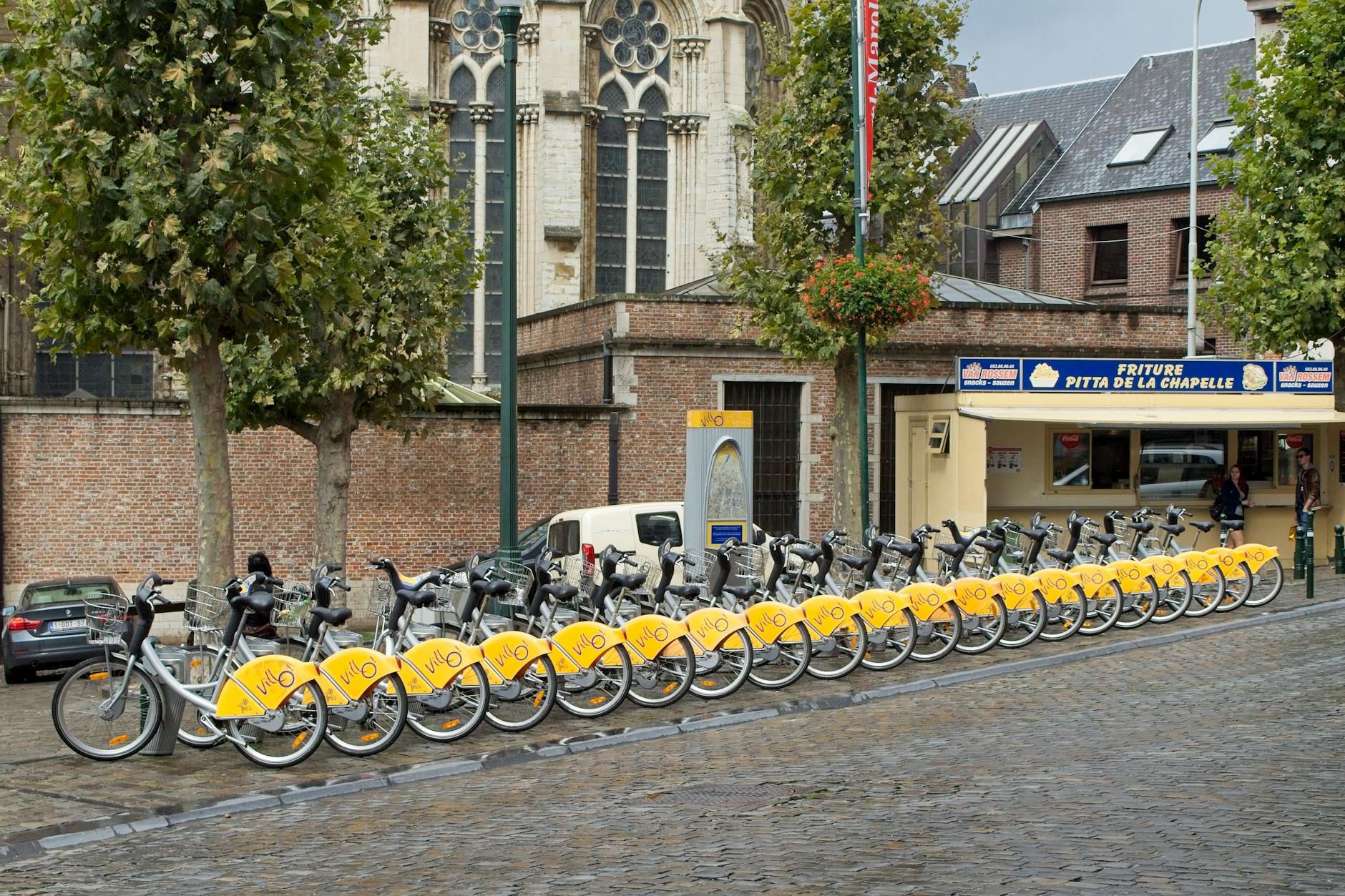
- Rent a Villo! bike for short trips inside neighborhoods like Sablon, Marolles, Saint-Géry, Ixelles and the European Quarter; use bike lanes and avoid rush-hour car routes.
- Walk more in compact districts (Grand Place, Sablon, Dansaert) to support local businesses and discover markets and cafés.
These choices balance convenience, cost and support for the local economy.
Local Context
Brussels is a polycentric city: neighborhoods feel distinct and some are hillier than others. The main public-transport operator (STIB/MIVB) covers the metro, trams and buses within the city. SNCB operates regional and intercity trains; Bruxelles-Midi, Central and Nord are the main rail hubs.
Neighborhood notes:
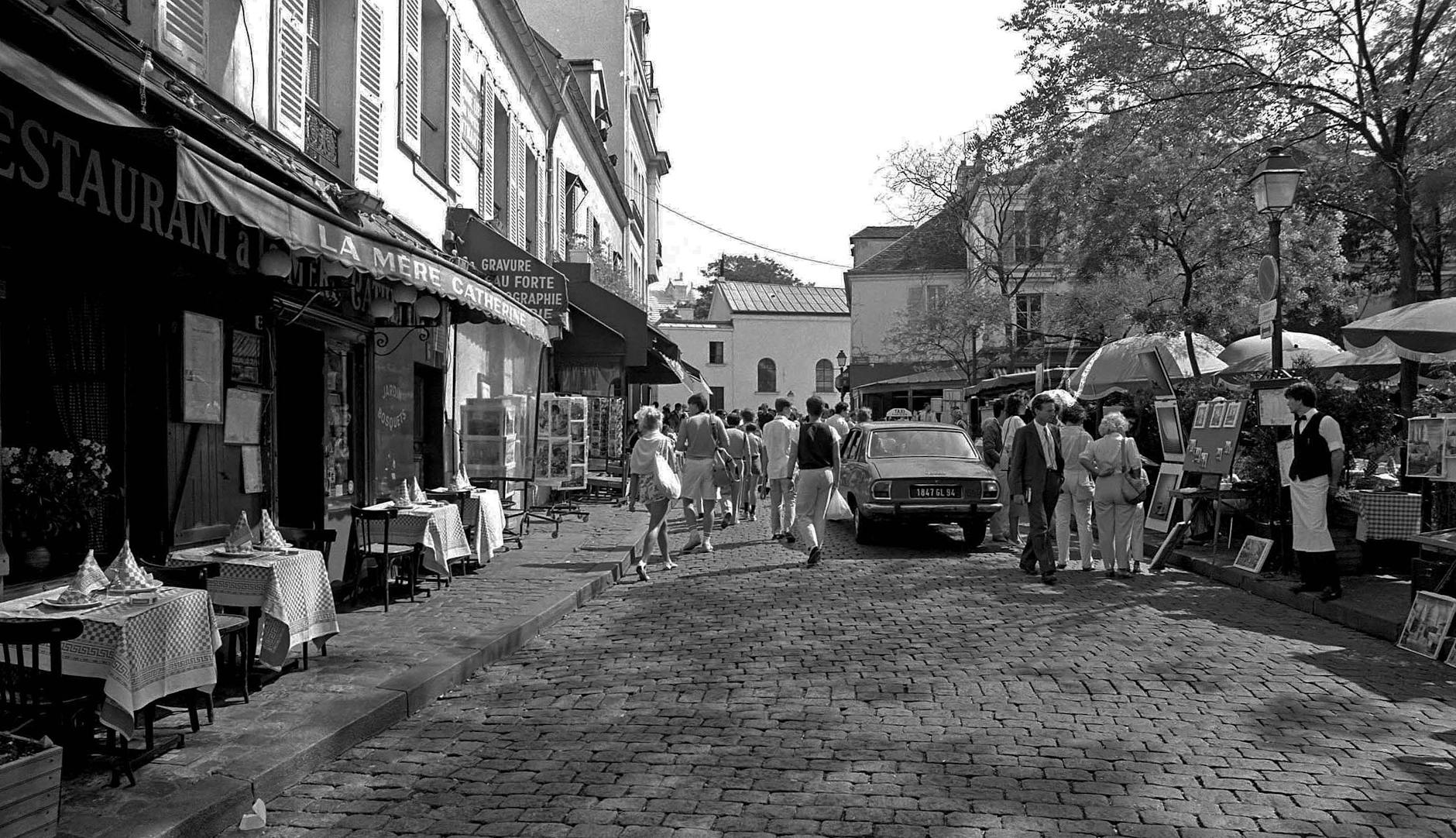
- Marolles and Sablon: compact, best on foot or by short bike ride.
- European Quarter / Cinquantenaire: well-served by metro; expect security checks near institutions.
- Saint-Gilles and Ixelles: lively cafés and independent shops—good to stay here if you want local life.
Seasonal reality: Brussels is pleasant in shoulder seasons (April–June, September–October) when trains for day trips are less crowded and outdoor terraces are lively.
How to Choose Well
Match your travel style and schedule to transport options:
- If you plan 2–3 inner-city hops daily, a 24/48/72-hour STIB pass will usually be cheaper and simpler than single fares.
- For a day trip to Brugge, Gent, Antwerpen, Leuven or Namur, use SNCB regional trains; no seat reservation is normally required but buy tickets in advance for busy weekends.
- If you want flexibility and short errands, Villo! bike-share is cheaper than taxis and keeps money in the local economy.
Booking tips:
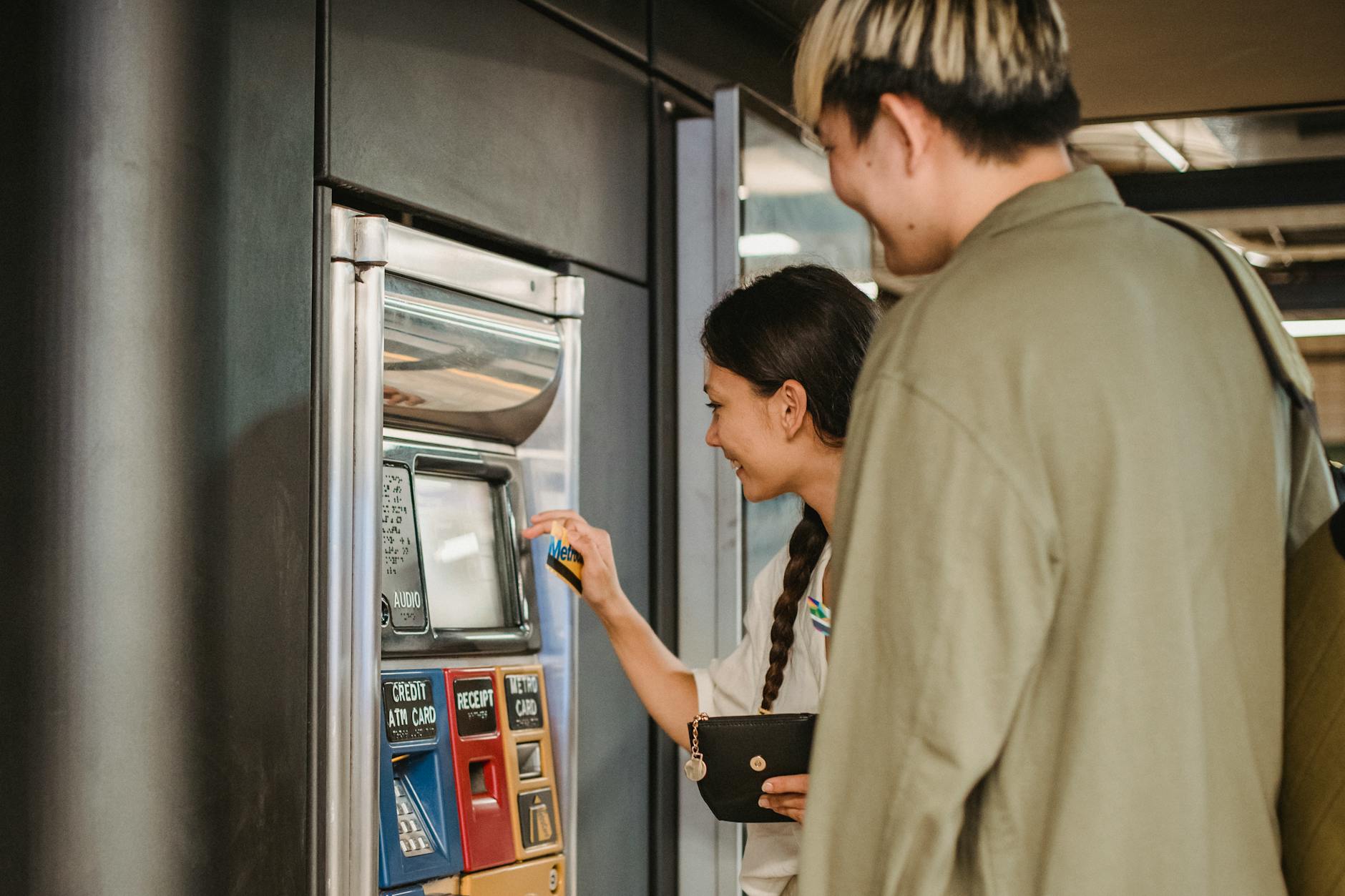
- Buy STIB tickets at machines, kiosks, or the STIB app and validate before boarding.
- Use the SNCB app or website for train times and to buy e-tickets; reserve on Eurostar/Thalys.
- Check station accessibility if you rely on elevators—many older metro stations have limited step-free access.
Responsible and Local-First Tips
Make choices that minimize impact and benefit Brussels residents:
- Favor public transport and rail day trips over driving. Trains connect Brussels to Brugge, Gent, Antwerpen and Leuven quickly and with low emissions.
- Eat at neighborhood cafés, market stalls (Place du Jeu de Balle, Sainte-Catherine) and family-run restaurants rather than tourist traps around Grand Place.
- Use refillable water bottles; many stations have kiosks and cafés for refills.
- Take shorter, slower walks in neighborhoods to discover independent shops and artisans—this spreads tourist spending across the city.
Responsible booking: choose accommodations that contribute to the local economy (family-run guesthouses, small hotels) and avoid last-minute private car hires for short trips inside the city.

Common Mistakes to Avoid
Avoid these frequent errors that add cost or delay:
- Not validating a ticket: STIB requires validation before boarding; inspectors check regularly and fines are enforced.
- Confusing SNCB and STIB tickets: they use separate fares—plan each segment (metro/tram vs. regional train) accordingly.
- Expecting elevator access everywhere: some metro stations are not step-free—check accessibility if needed.
- Leaving day-trip train tickets until the last minute on peak weekends: regional trains can fill, and high-speed services require reservations.
- Relying only on ride-hail apps: taxis and Uber-like services exist but are more expensive and less efficient than public transit for most routes.
FAQ
How do I get from Brussels Airport (BRU) to the city center?
Take the SNCB train from the airport to Bruxelles-Midi, Central or Nord—trains run regularly. Alternatively, scheduled bus services connect the airport to the city; check current timetables and choose trains for speed and lower environmental impact.
Should I buy a STIB day pass or single tickets?
If you plan more than two or three trips a day inside Brussels (metro/tram/bus), a 24/48/72-hour STIB pass is usually simpler and cheaper. Buy at machines, kiosks or the STIB app and remember to validate before travel.
Is Villo! bike-share easy for tourists?
Yes. Villo! stations are widespread in central neighborhoods. Use the short-term subscription or app, follow local bike lanes, lock bikes properly and avoid cycling on busy main roads if you’re not confident.
How do I day-trip to Brugge, Gent, Antwerp or Leuven?
Use SNCB regional trains from Bruxelles-Midi or Central. Trains are frequent and fast; no seat reservation is required for most domestic services, but buy tickets in advance on busy days. Plan routes in the morning to maximize sightseeing time and return in the evening.
Is public transport safe at night?
Public transport is generally safe, but services are less frequent late at night. Use well-lit stations, keep valuables secure, and prefer official night bus services or a licensed taxi for late returns.
Conclusion
Brussels is easiest to explore by combining STIB metro/tram for city travel, Villo! bikes or walking for short trips, and SNCB trains for low-impact day trips to nearby cities. Plan passes and train tickets ahead for busy periods, base yourself in a lively neighborhood to support local businesses, and follow simple validation and accessibility checks to keep your trip smooth. For a neighborhood-by-neighborhood plan that ties these choices to attractions, see the 3 days in Brussels itinerary.
How this guide was prepared
This guide was prepared through a structured research that combines destination research, geographic context, itinerary planning logic, and content review.