
Getting Around Buenos Aires: Practical Transport Guide
How to move around Buenos Aires efficiently, safely, and sustainably — using the Subte, colectivos, trains, bikes, taxis and long-distance buses. Tips on SUBE, airport transfers, neighborhood routes, seasonality, and trips to Rosario, Mar del Plata, Córdoba, Mendoza and Salta.
Essential, low-impact ways to navigate Buenos Aires for a 3-day itinerary or longer stay: step-by-step advice on the SUBE card, buses, subway lines, cycling, safe taxi use, airport transfers, and sensible day-trip planning.
Quick Answer
Essential, low-impact ways to navigate Buenos Aires for a 3-day itinerary or longer stay: step-by-step advice on the SUBE card, buses, subway lines, cycling, safe taxi use, airport transfers, and sensible day-trip planning.
Who This Page Is For
This page is for travelers planning a stay in Buenos Aires who want clearer decisions about getting around, local logistics, timing, budgeting, and practical trip planning.
How This Page Was Prepared
This page was prepared through a structured editorial workflow that combines destination research, geographic context, and practical travel-planning review.
Plan the Rest of Your Trip
Use this page together with the full itinerary and the related planning pages below to make better booking, timing, transport, and budget decisions.
Most visitors rely on a mix of walking, the Subte, and buses for inner-city travel. Use a SUBE card to pay fares across Subte, buses and many trains. For day trips and longer journeys—Tigre, Rosario, Mar del Plata, Córdoba, Mendoza, Salta—book long-distance buses or trains from Retiro in advance. Choose cycling for short trips in Palermo and along the Costanera, and prebook airport transfers for Ezeiza unless you arrive during daytime and are comfortable taking a radio taxi or Aeroparque shuttle.
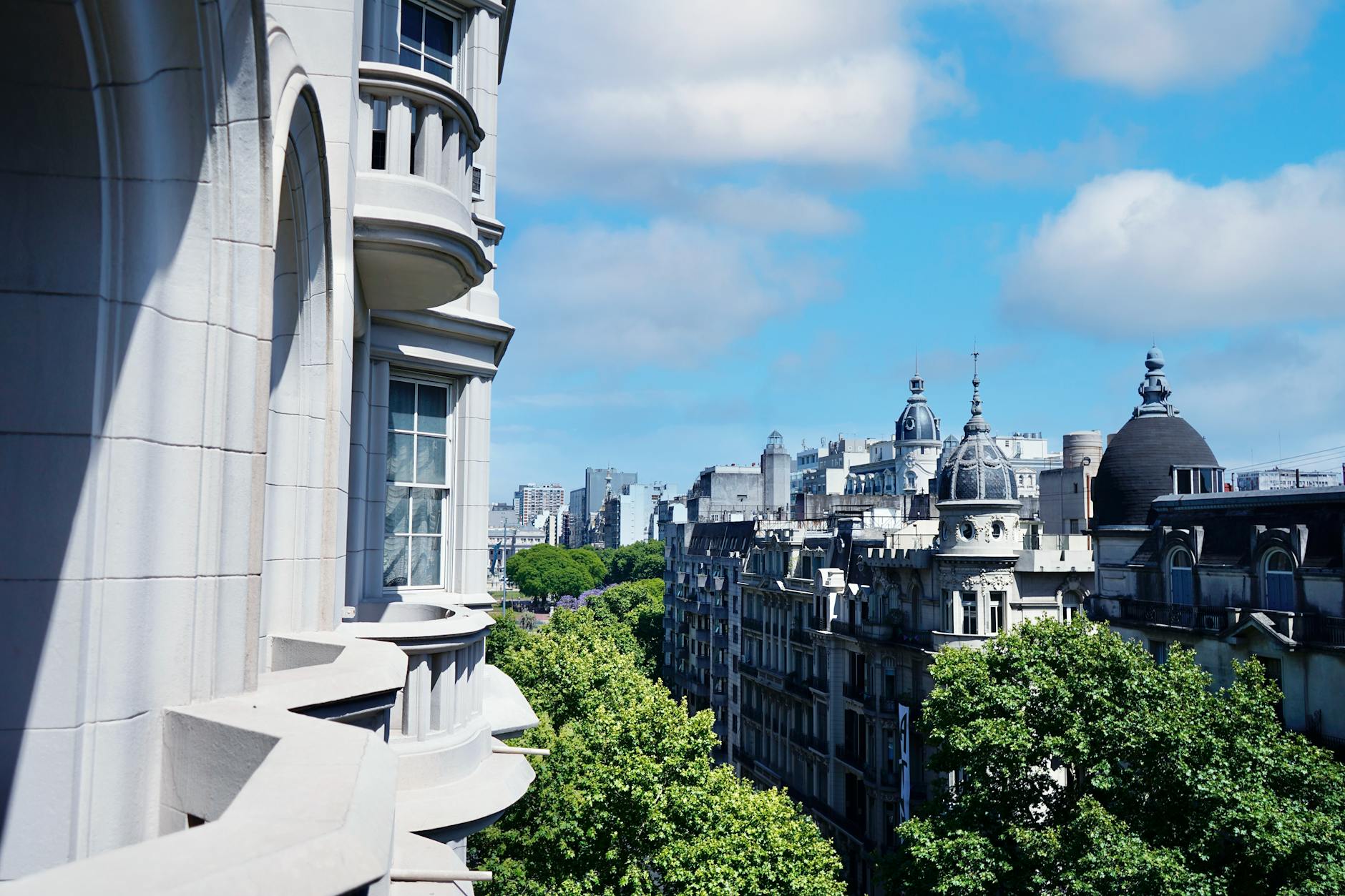
Buenos Aires is a large, walkable capital with layered transport options: an aging but extensive subway (Subte), a dense bus network (colectivos), commuter trains to river towns and suburbs, plentiful taxis and app rides, and growing cycling infrastructure. This page focuses on practical decisions for travelers who want low-impact, local-first choices while following a compact plan like our 3 days in Buenos Aires itinerary.
What This Page Helps You Decide
Use this guide to choose the best ground transport for:
Top Recommendations
Practical, local-first options that balance cost, time, and impact:
- Buy a SUBE card on arrival (kiosks, Subte stations) and top up regularly. It’s the cheapest, most flexible option for Subte, colectivos and many trains.
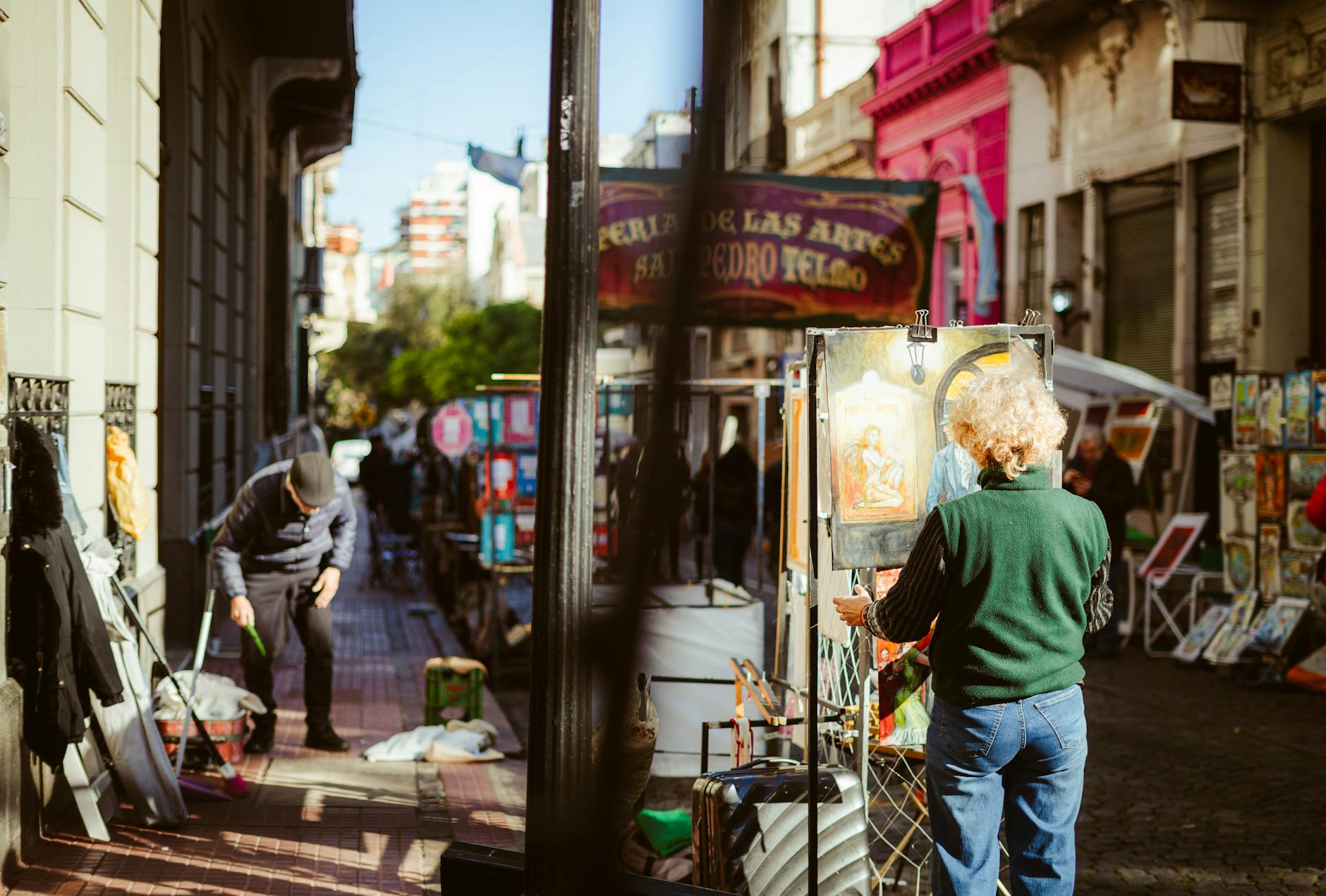
- Walk neighborhood clusters—Palermo, Recoleta, Microcentro, and San Telmo—rather than crossing the city; this supports local shops and reveals small businesses.
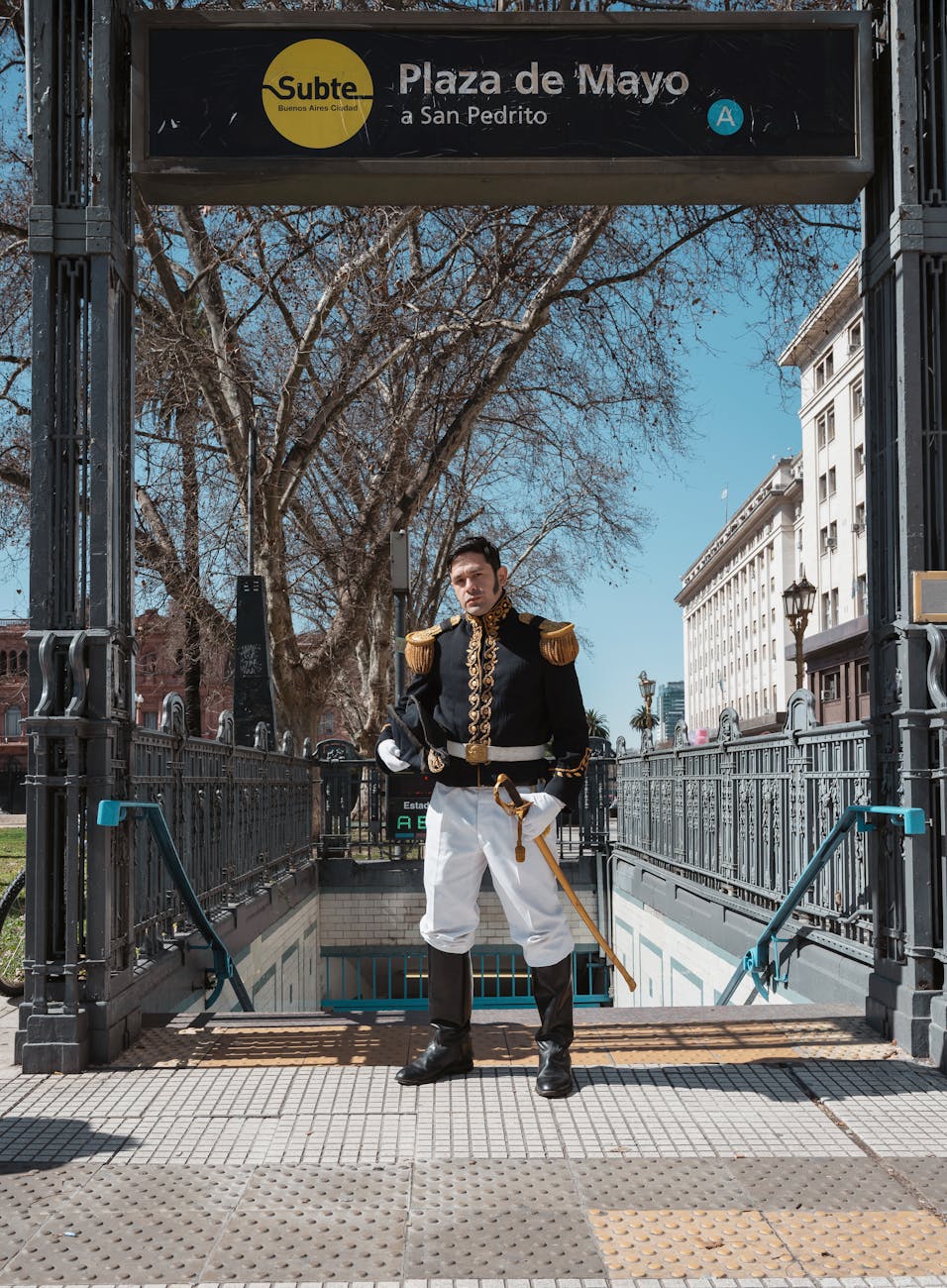
- Use the Subte for fast north–south and east–west trips: lines D and H are useful for Palermo–Recoleta; Line A and C for Microcentro and historic areas.
- Prefer colectivos for routes the Subte doesn’t serve; read route numbers on bus stop signs and validate with SUBE on boarding.
- For trips to Tigre or the Delta, take the Mitre Line train from Retiro; for coastal Mar del Plata, Rosario, Córdoba, Mendoza and Salta, use the Retiro long-distance bus terminal and book ahead during holidays.
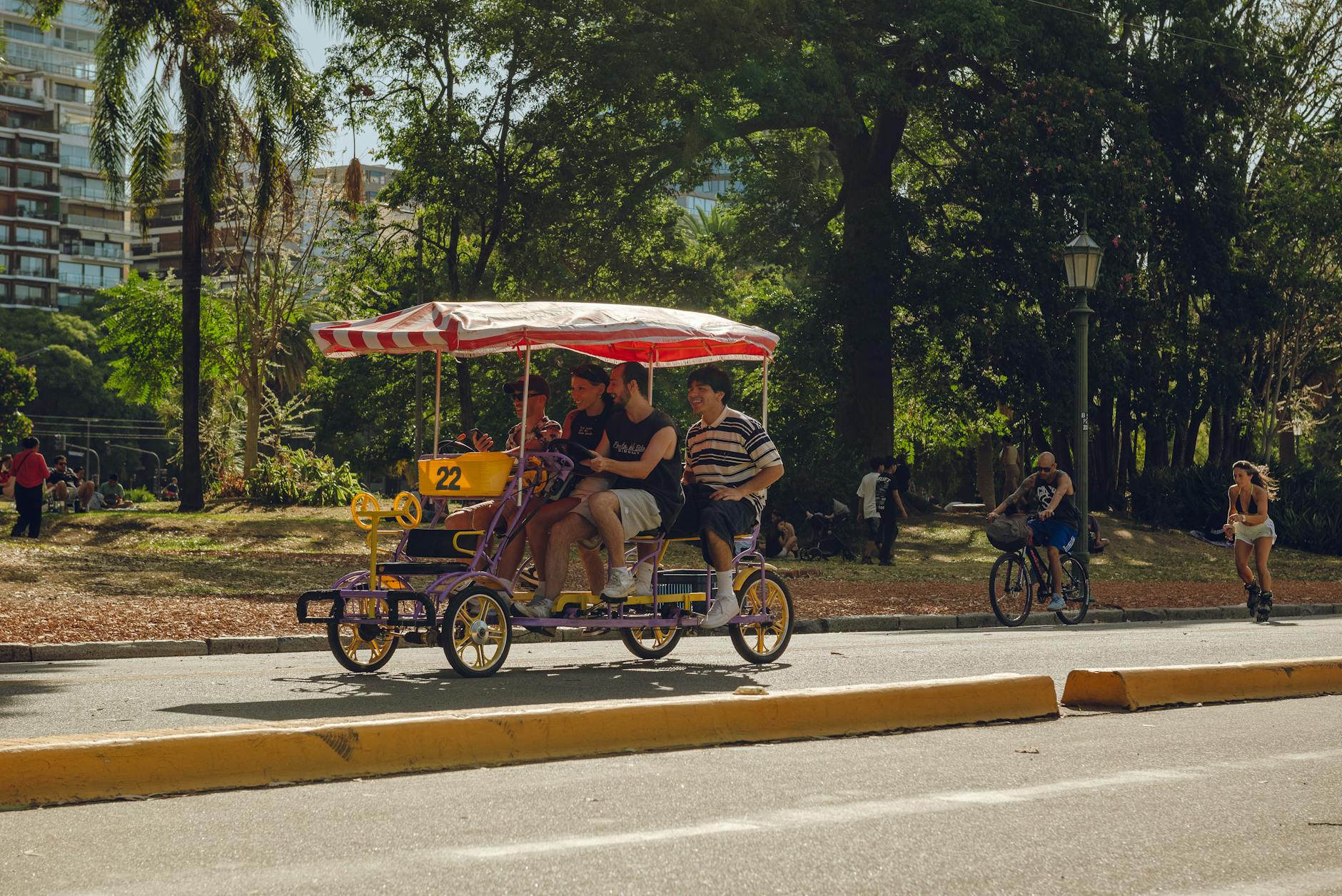
- Choose bike lanes in Palermo and the Costanera for short daytime rides. Use Ecobici or reputable rental shops and lock your bike in visible spots.
- For Ezeiza (international), prebook a shared shuttle or official transfer. Aeroparque is close to Palermo and can be reached by taxi or bus.
Local Context
Buenos Aires transport basics and seasonality:
- SUBE: Single reusable card that stores fares. You must tap on subte turnstiles, on buses when you board, and at some suburban train gates. Keep it topped up—many kiosks accept cash only.
- Subte: Runs roughly 5:30–23:30 depending on line; schedules change on weekends. Cars can be hot in summer (Dec–Feb); lines A and B still carry older rolling stock on some sections.
- Colectivos: Very extensive but learn route numbers and the final destination shown on the front. They don’t give change for cash; SUBE is required.
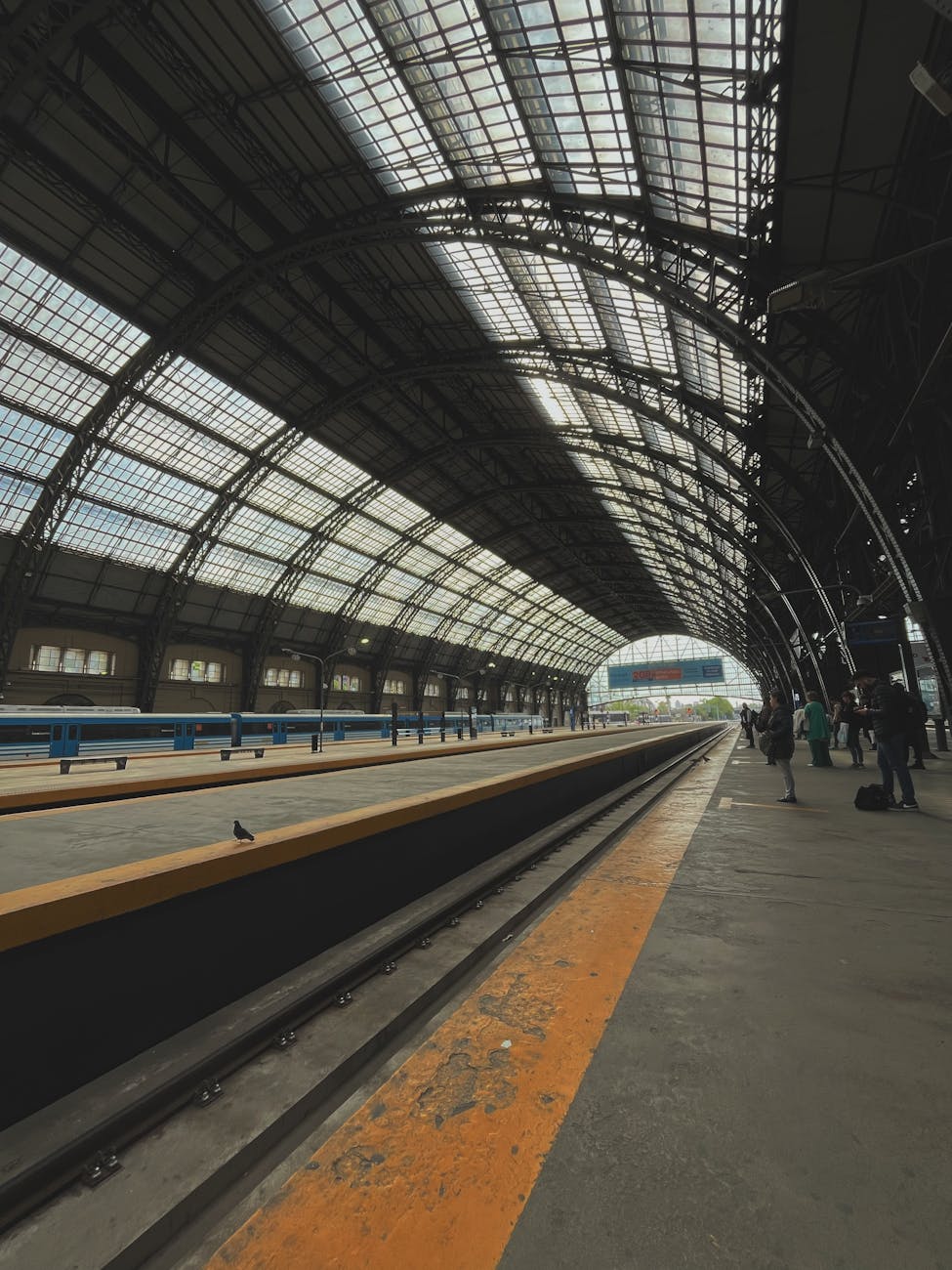
- Trains: Commuter trains link Retiro to Tigre and northern suburbs, Constitución to La Plata, and Federico Lacroze/Once hubs to west/northwest lines. Trains are useful for markets and day trips but can be crowded at rush hour.
- Taxis and apps: Radio taxis and app services (Uber/Cabify/BATaxi) operate in the city. Hail official black-and-yellow taxis on the street during day; prefer apps or radio dispatch late at night.
- Airports: Aeroparque (AEP) is urban and close to Palermo/Recoleta; Ezeiza (EZE) is 45–75 minutes away depending on traffic. Traffic spikes during weekday rush hours and holiday weekends.
Neighborhood notes:
– Palermo (Soho/Hollywood) is best explored on foot and by bike.
– Recoleta is compact but hilly and connected to Subte D.
– San Telmo and La Boca are great daytime walks; La Boca after dark is discouraged.
– Microcentro is dense with one-way streets—allow more time for taxis through the grid.
How to Choose Well
Match mode to trip length and time of day:
- Short daytime hops (under 3 km): walk or bike. Supports local businesses and reduces emissions.
- Inner-city transfers (3–8 km): Subte if a line connects your origin and destination; otherwise a colectivo. Avoid taxis in rush hour—traffic can make them the slowest, most expensive option.
- Night travel: prefer radio taxis booked through a hotel/restaurant or an app. Avoid walking alone in poorly lit areas.
- Airport to city: Aeroparque—taxi or ride app; Ezeiza—book a shared or private transfer for late arrivals, or take the authorized airport bus and transfer at Retiro.
- Day trips: trains to Tigre or bus/trains to coastal towns are often cheaper and more sustainable than charter tours. Book long-distance bus tickets in advance for weekends and holidays.
Booking and info sources:
– Purchase long-distance bus tickets via official terminal counters or reputable online agencies (book early for holiday periods).
– Use official BA transit maps, Moovit, and Google Maps for real-time routing; check Subte service alerts for strikes or maintenance.
Responsible and Local-First Tips
Reduce your footprint and support neighborhood economies:
- Favor public transit, walking and biking for short trips; they put money into local services and reduce congestion.
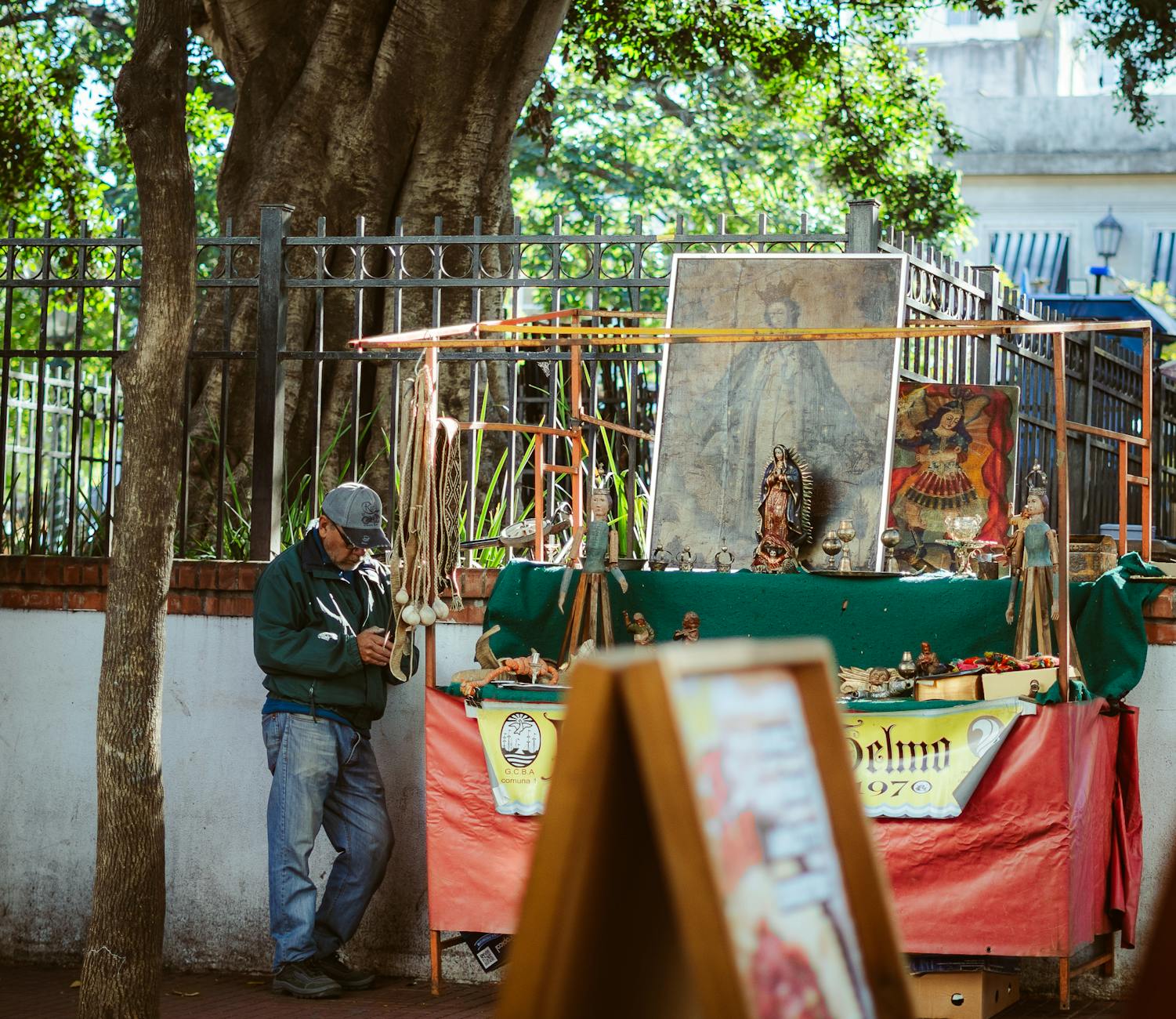
- Eat at family-run bodegones, bakeries and market stalls in San Telmo or Belgrano rather than chains; buy souvenirs from artisans at Feria de San Telmo or markets in Mataderos.
- If you take taxis, round up fares or tip small amounts locally; drivers are often daily-earners.
- When booking day trips to Tigre or the Delta, use small, licensed boat operators who respect the environment and local regulations.
- Respect local customs: a single cheek kiss greeting is common; avoid loud phone calls on public transport and keep backpacks in front in crowded places to discourage pickpockets.
- Travel off-peak where possible: shoulder seasons (March–May, September–November) have milder weather, thinner crowds and often lower prices.
Common Mistakes to Avoid
Practical pitfalls visitors make and how to avoid them:
- Not buying a SUBE card on day one and paying higher taxi fares instead.
- Assuming Subte and buses run 24/7—check schedules, especially for late nights and Sundays.
- Hailing an unlicensed taxi at the airport or in late-night areas; use the official taxi ranks or apps.
- Trying to visit La Boca or certain ports after dark—keep visits to daylight hours and stick to main tourist paths like Caminito.
- Forgetting to validate SUBE on every bus ride and missing transfers that could reduce costs.
- Booking last-minute long-distance bus tickets during holiday peak weeks; do so earlier to secure seats and sleep-class options.
FAQ
How do I get and use a SUBE card?
Buy SUBE at kiosks, Subte stations or tobacconists. Load cash at kiosks or online top-up points. Tap once when boarding buses and at Subte turnstiles; keep a small balance and check it before long journeys.
Is Uber safe and legal in Buenos Aires?
App services like Uber and Cabify operate in the city. They are widely used but local regulations and availability can change—use official taxi radio services or apps if you prefer municipally sanctioned options.
How do I get from Ezeiza (EZE) to downtown cheaply?
Options: prebook a shared shuttle or private transfer for convenience; or take an authorized airport bus to Retiro and transfer from there. Avoid hailing unmetered cars at arrivals.
Can I use the Subte and buses to reach tourist neighborhoods in the 3 days in Buenos Aires plan?
Yes. Your 3 days in Buenos Aires route is intentionally compact to use Subte lines and walking. See that itinerary for suggested sequences that minimize transfers and highlight local markets.
How do I get to Rosario, Mar del Plata, Córdoba, Mendoza or Salta?
The main long-distance bus terminal at Retiro serves all those cities. Trains operate to some destinations (e.g., Mar del Plata seasonally). Book tickets in advance for holiday weekends and check operators’ baggage rules.
Are there safe bike-share options for tourists?
The city’s Ecobici program and private rental shops offer short-term options. Register where required, use designated lanes, and avoid cycling at night on busy avenues.
Conclusion
Getting around Buenos Aires is straightforward once you master the SUBE card, the Subte map, and a handful of key bus routes. Prioritize walking and public transit for a lower-impact, more authentic experience. For itinerary planning, link transport choices to the neighborhoods in our 3 days in Buenos Aires guide, and book long-distance bus tickets early for trips to Rosario, Mar del Plata, Córdoba, Mendoza and Salta. Small, local decisions—eating at family restaurants, choosing trains over private transfers—help spread tourism benefits across the city.
How this guide was prepared
This guide was prepared through a structured research that combines destination research, geographic context, itinerary planning logic, and content review.