

Getting Around Bangkok: Practical, Low-Impact Transport for a 3-Day Visit
Clear, sustainable advice for getting around Bangkok: BTS, MRT, river boats, buses, taxis, and day-trip links to Pattaya, Hua Hin and Udon Thani. Practical tips for timing, etiquette, cards and packing.
How to move efficiently and responsibly around Bangkok during a short stay. Choose trains, riverboats and short walks to reduce stress, support local businesses, and connect to nearby destinations in the main 3 days in Bangkok itinerary.
Most efficient short-stay plan:
- Use BTS Skytrain for east–west travel across Sukhumvit and Silom and to reach Siam shopping and temple transfer points.
- Use MRT for north–south and to access Chatuchak and Hua Lamphong connections.
- Use Chao Phraya Express Boat and local river taxis for riverfront attractions (Grand Palace, Wat Arun) and to avoid road congestion.
- Walk or cycle short neighborhood trips (Sukhumvit, Siam, Chinatown) to support local cafés and markets.
For day trips to Pattaya, Hua Hin, Si Racha or Udon Thani, see transport notes below and consult our main 3 days in Bangkok guide for timing and packing.
This page gives concise, practical guidance for getting around Bangkok during a short trip, with an emphasis on lower-impact choices and supporting local businesses. Use trains (BTS, MRT), boats and walking for most central sightseeing, and reserve taxis or Grab for late-night or luggage-heavy moves. If you’re following our 3 days in Bangkok itinerary, these tips will help you save time and limit stress while leaving more money with small vendors and local guides.
What This Page Helps You Decide
Use this page to choose the best way to move between hotels, markets and sights during a 3-day stay. It helps you decide:
- When to use BTS/MRT versus riverboats or taxis.
- How to reach the airports and nearby cities (Pattaya, Hua Hin, Si Racha, Cha-am, Udon Thani).
- Which prepaid card or ticket type reduces queues and waste.
- How to schedule trips to avoid rush hour and heavy rain.
If you plan to include a day trip from Bangkok in your itinerary, this page points to practical departure points (Ekkamai bus terminal, Bangkok Railway Station, or transfer hubs) and timing suggestions.
Top Recommendations
Essentials to make moving around Bangkok faster and kinder to the city:
- Buy a reloadable transit card: Rabbit (BTS) or MRT stored-value; both save time and cut single-use ticket waste. Top up at stations.
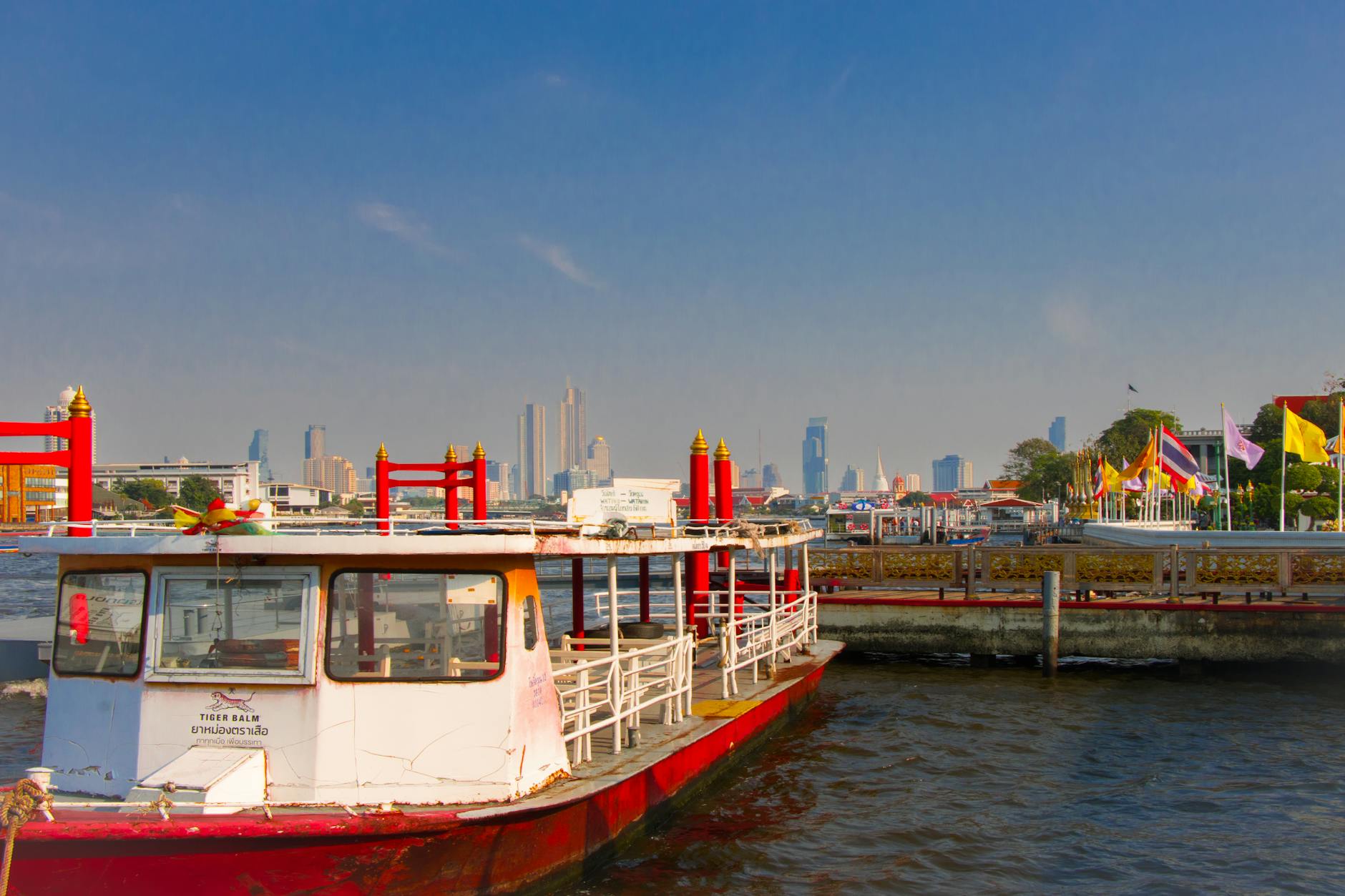
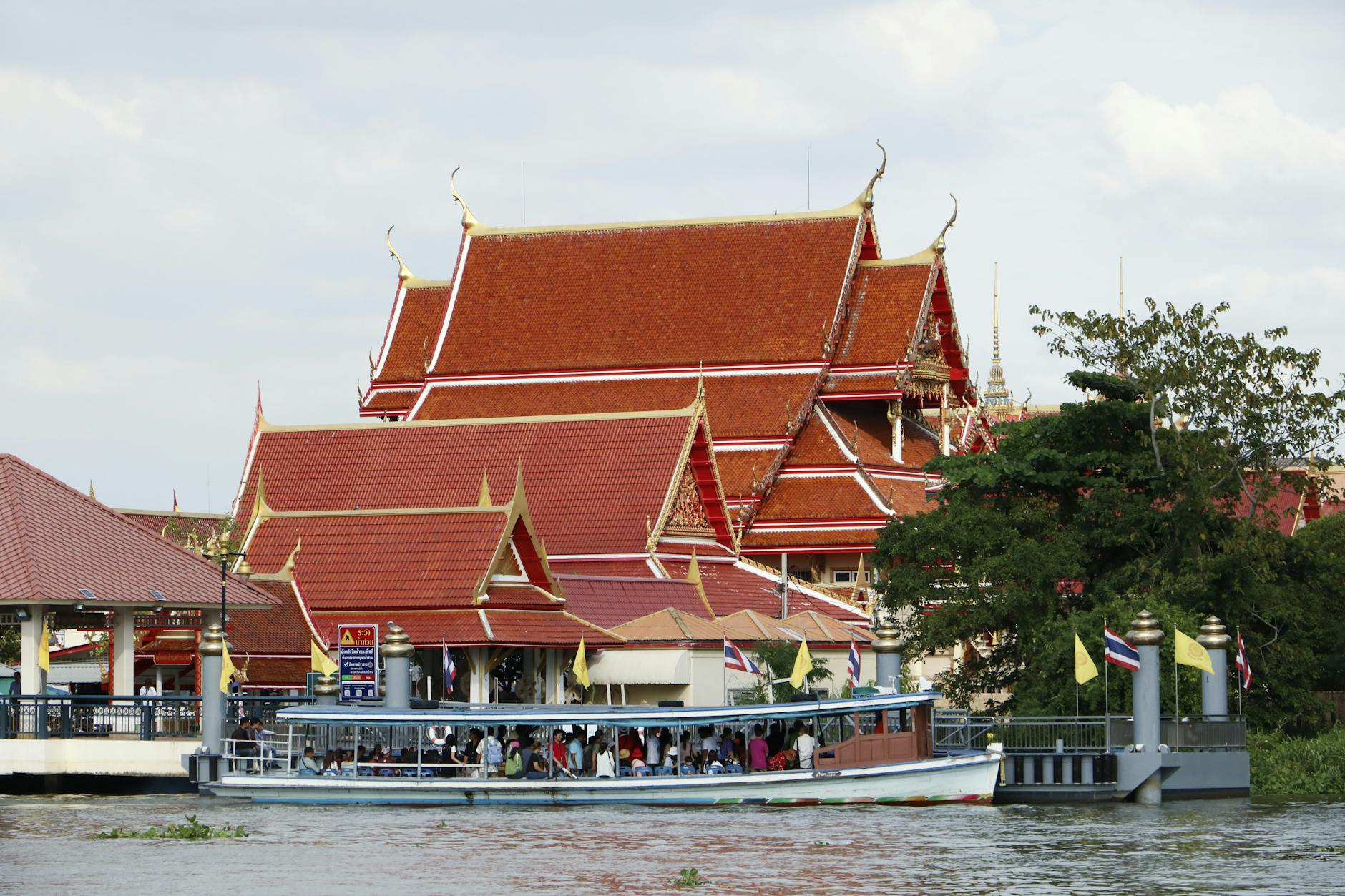
- Use the Chao Phraya Express Boat (orange/green flag lines) for riverside temples and markets—faster than roads during peak times and supports boat vendors.
- Plan around rush hours: weekday mornings 7–9:30 and evenings 16:30–19:00. Avoid long taxi transfers then.
- For airport transfers: use the Airport Rail Link from Suvarnabhumi to Phaya Thai (connect to BTS). From Don Mueang, combine A1/A2 bus and BTS/MRT or Grab/taxi depending on luggage.
- For nearby cities and beaches: leave early from Ekkamai (Eastern Bus Terminal) or Mo Chit/Bus Terminal, or take trains from Hua Lamphong for Hua Hin and Udon Thani services. Book seats in advance during holidays.
Practical packing tip: Bring a lightweight rain jacket and a foldable tote for market shopping to minimize plastic bags.
Local Context
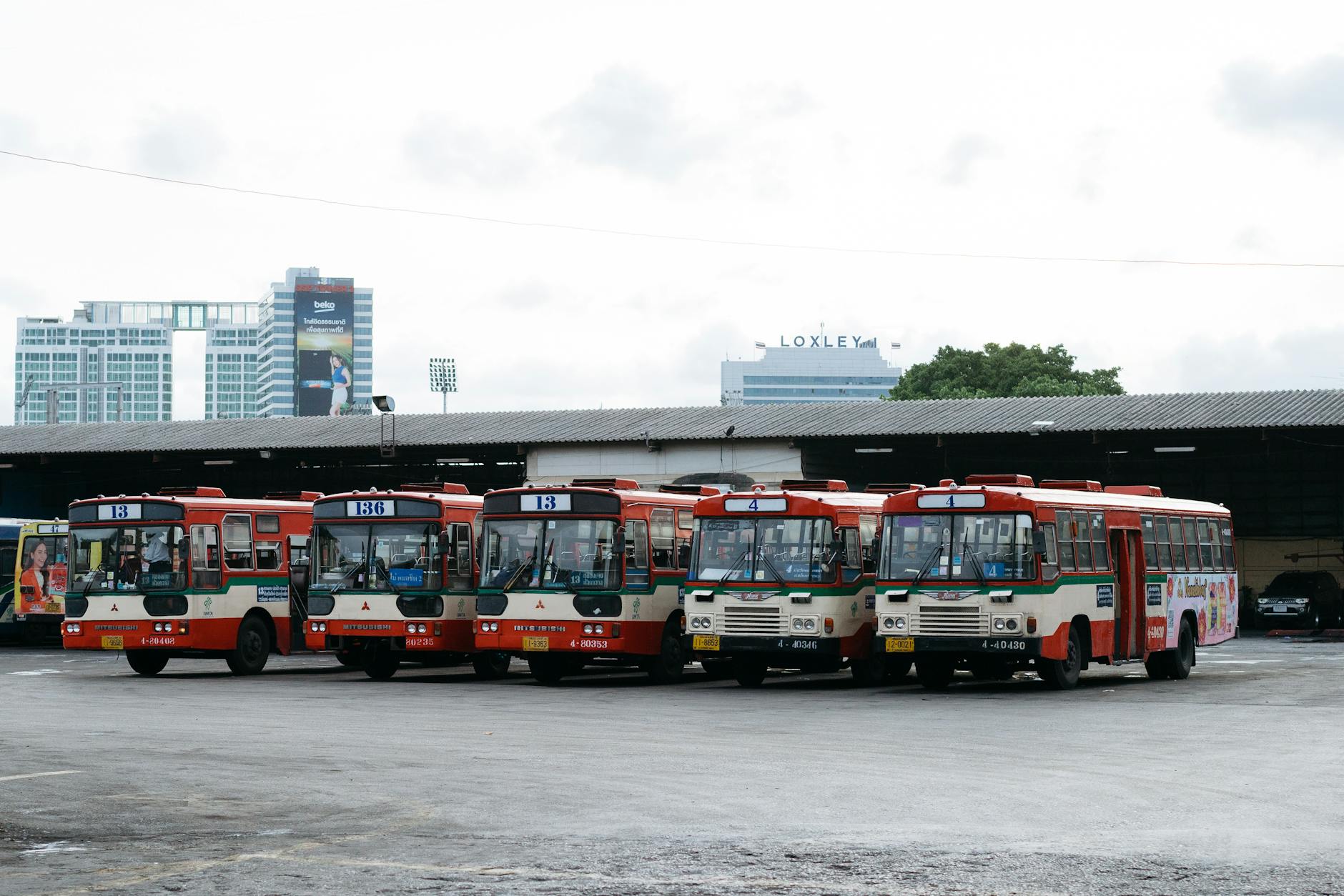
Bangkok’s transport mix reflects rapid growth: efficient elevated trains (BTS) and a growing subway (MRT) sit alongside a dense road network, river services and many informal options.
Seasonal and traffic realities:
- Rainy season (May–October) brings quick, heavy storms that cause local flooding and delay road travel. Keep flexibility on those days.
- High tourist season (November–February) is cooler but busier; book intercity tickets early.
- Shoulder months (September–October and March–April) can offer fewer crowds but variable weather.
Local etiquette and safety:
- Keep voices low on public transit and give priority seating to the elderly, pregnant people and those with disabilities.
- Remove shoes at temple entrances, dress modestly at religious sites, and follow local photography rules.
- Use helmets for motorbike taxis. Insist on a helmet or choose another mode if one isn't provided.

How to Choose Well
Decide by weighing time, comfort, luggage and impact:
- Short hops inside central areas: walk, cycle or use the BTS/MRT. You’ll save time and spend with local cafés and shops.
- Riverside sights: take Chao Phraya boats—they’re fast and low-impact compared with taxis stuck in traffic.
- Late-night returns or airport transfers with heavy luggage: use meter taxis or Grab; confirm the meter or app price before starting.
- Day trips: choose the slow train for lower carbon footprints and local interaction, or an express bus for faster schedules. Book tickets via official terminals (Ekkamai, Mo Chit) or reputable apps.
Use maps and transit apps (Google Maps, Moovit, or local apps) but keep a paper or screenshot of station names in Thai for taxi drivers when necessary.
Responsible and Local-First Tips
Support local economies and reduce impact:
- Favor boats, trains and buses over private cars when feasible—money saved can be spent at local markets.
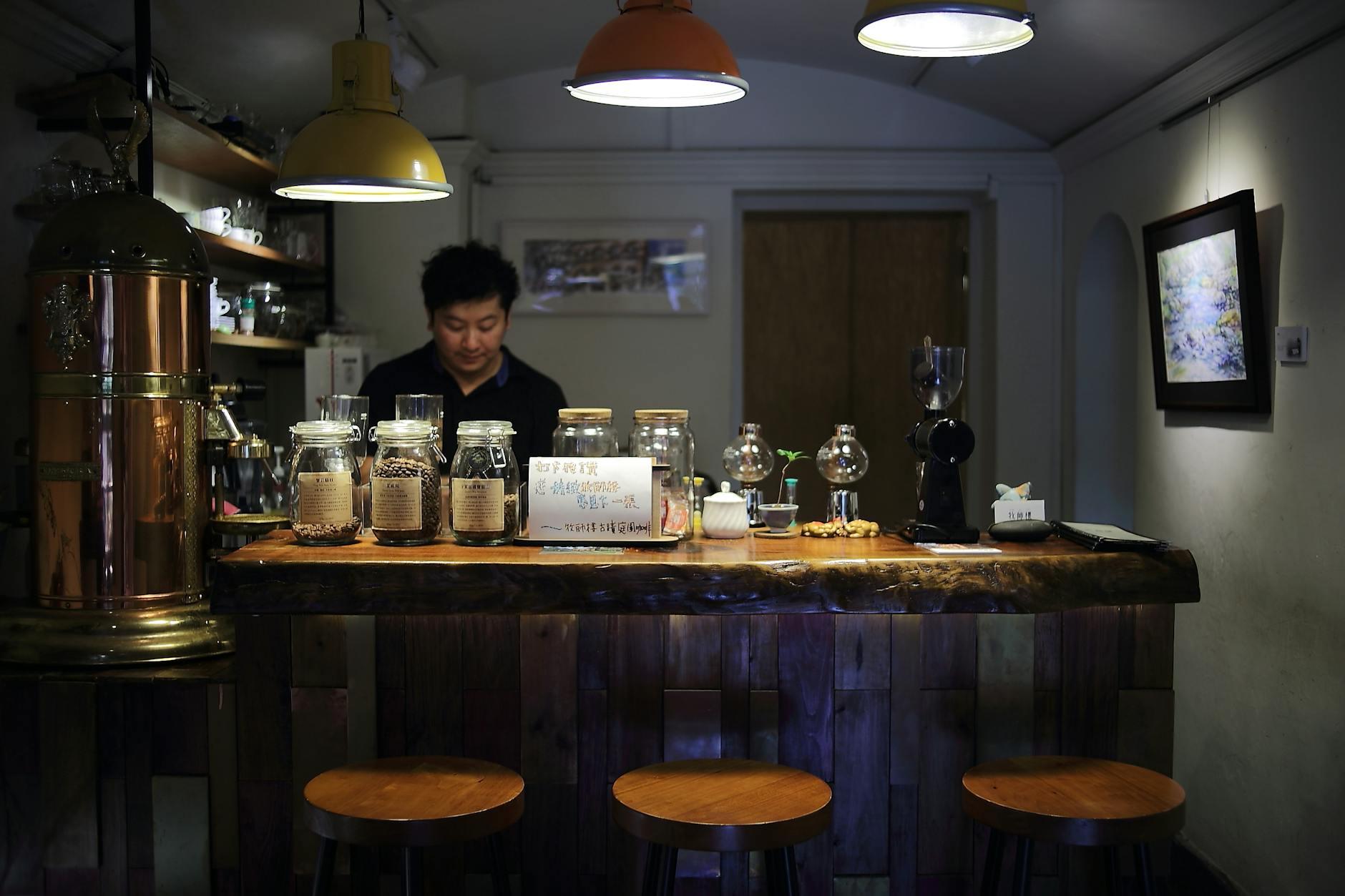
- Use small, family-run food stalls and coffee shops rather than international chains; buy snacks and bottled water from convenience stores to reduce single-use plastic when reusable options aren’t available.
- Choose licensed drivers and registered taxis or Grab for safety and fair pay; avoid unmetered fares on arrival at busy tourist spots.
- For neighborhood exploration, hire local guides or join small-group walking tours in Banglamphu, Chinatown or Old Town—this spreads tourism income.
- If renting bikes, pick operators who maintain equipment and route riders through residential streets rather than busy arterials.
When visiting nearby beach towns like Pattaya or Hua Hin, pick off-peak departures to minimize congestion and consider overnight stays to share benefits with local businesses.
Common Mistakes to Avoid
- Assuming taxis will take you on the meter—always ask to use the meter or switch to a Grab booking.
- Leaving no buffer for rush hour or sudden storms; add at least 60–90 minutes for airport transfers during peak times.
- Relying solely on tuk-tuks for long journeys; they’re fun short rides but inefficient and often negotiated at tourist premiums.
- Not checking boat lines—there are multiple Chao Phraya routes and tourist boats that stop at different piers.
- Forgetting to verify train station exits—Siam, Asok and Mo Chit have multiple exits that can add 10–20 minutes to a walk.
- Carrying only large bills into markets; small notes (20–100 THB) make transactions smoother and keep local sellers from losing business due to lack of change.
FAQ
What’s the fastest way from Suvarnabhumi Airport to central Bangkok?
The Airport Rail Link to Phaya Thai is usually fastest for central areas; transfer to BTS for Sukhumvit or Silom. Taxis are door-to-door but allow extra time for traffic and insist on the meter.
How do I get from Don Mueang Airport to the city center?
Take the A1/A2 airport shuttle bus to Mo Chit or Makkasan and transfer to BTS/MRT, or use Grab/taxi for convenience if you have heavy luggage.
Is the BTS/MRT safe to use at night?
Yes. Trains run until about midnight (times vary by line). For late-night travel beyond train hours, use licensed taxis or Grab and avoid isolated streets.
Can I use one card across BTS, MRT and boats?
Not yet universally. BTS and some partners use Rabbit; MRT uses its own stored-value system. For boats and buses you usually pay cash. Keep a small amount of cash for river piers and small vendors.
How should I reach Pattaya, Hua Hin or Udon Thani from Bangkok?
Pattaya and Hua Hin are best reached by bus from Ekkamai or Southern Bus Terminal, or by private transfer. Trains run to Hua Hin from Hua Lamphong. For Udon Thani, night or daytime trains and flights from Don Mueang are options—book ahead during holidays.
Any advice for travel during the rainy season?
Carry a compact rain jacket, allow extra travel time, and prefer trains and boats over road travel when flooding is possible.
Conclusion
Bangkok rewards travelers who mix trains, boats and walking: you’ll save time, lower your footprint, and leave more money with local vendors. Use the transit cards and apps suggested above, allow extra time for traffic and weather, and tie transport choices to your 3 days in Bangkok itinerary for the best experience. For day trips, consult departures from Ekkamai, Hua Lamphong and Mo Chit and consider shoulder-season timing to avoid crowds.
How this guide was prepared
This guide was prepared through a structured research that combines destination research, geographic context, itinerary planning logic, and content review.