
Getting Around Seoul — Practical Transport Guide for a 3-Day Visit
How to navigate Seoul efficiently and responsibly: subway, buses, taxis, bikes, airport links, day trips to Goyang, Incheon, Suigen, Busan and Jeju, plus neighborhood advice for a 3-day itinerary.
Clear, practical guidance for using Seoul's subway, buses, taxis and shared mobility during a short stay. Includes neighborhood choices, sustainable tips, apps to use, and quick links to day-trip options mentioned in the 3 days in Seoul itinerary.
Quick Answer
Clear, practical guidance for using Seoul's subway, buses, taxis and shared mobility during a short stay. Includes neighborhood choices, sustainable tips, apps to use, and quick links to day-trip options mentioned in the 3 days in Seoul itinerary.
Who This Page Is For
This page is for travelers planning a stay in Seoul who want clearer decisions about getting around, local logistics, timing, budgeting, and practical trip planning.
How This Page Was Prepared
This page was prepared through a structured editorial workflow that combines destination research, geographic context, and practical travel-planning review.
Plan the Rest of Your Trip
Use this page together with the full itinerary and the related planning pages below to make better booking, timing, transport, and budget decisions.
For a typical 3-day visit: use a T-money card on subway and buses, walk within historic and shopping neighborhoods, and call or app-book taxis for late-night legs or heavy luggage. Use AREX express or all-stop trains for Incheon Airport transfers; reserve KTX tickets for intercity trips to Busan. Rely on KakaoMap or Naver Map rather than Google Maps for the best routing and live transit times. See the main 3 days in Seoul itinerary for where each day starts and which neighborhoods to base yourself in.
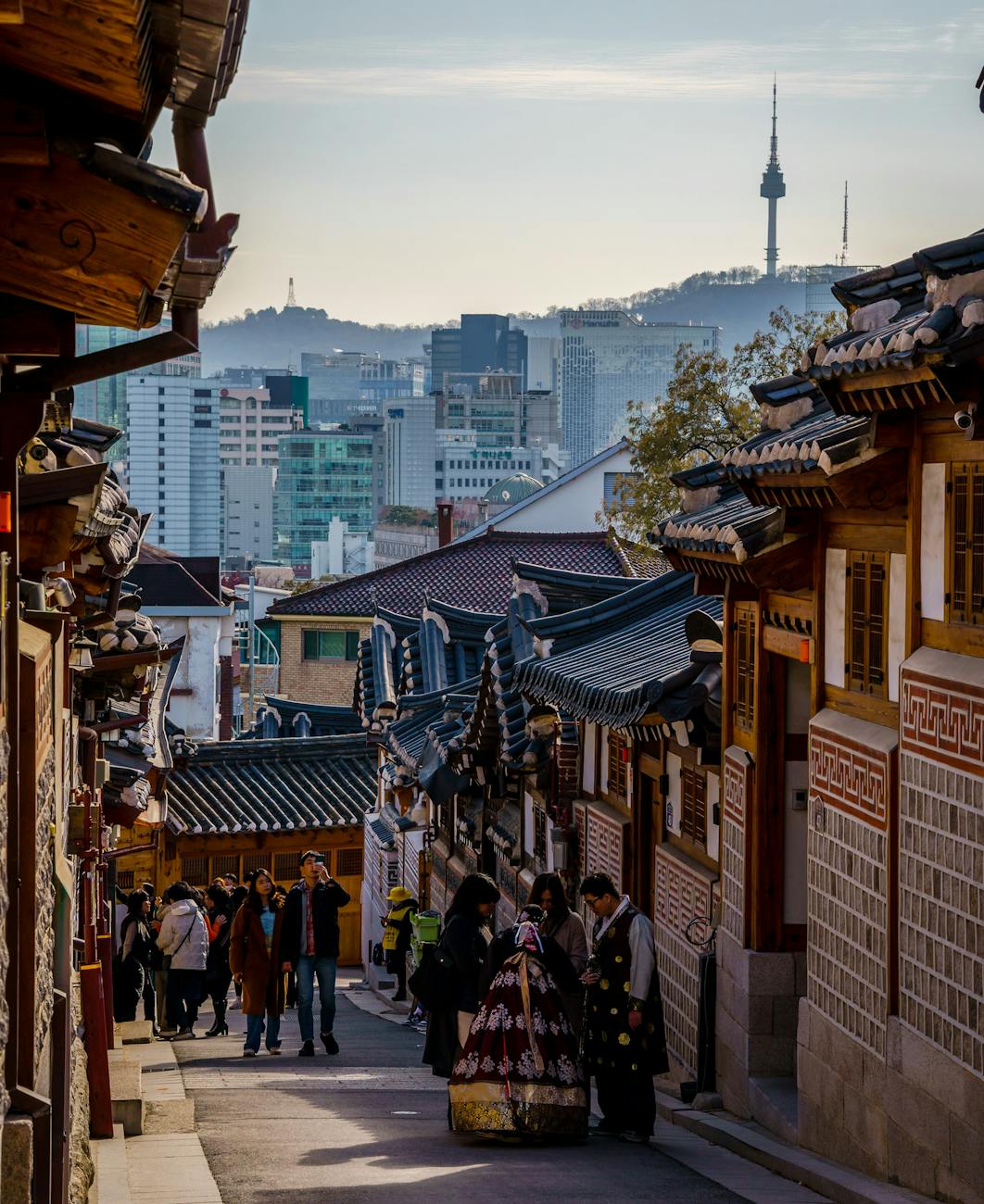
Seoul is a large, walkable city with an extensive, affordable subway and bus network. For a short trip tied to a 3-day itinerary, most days will be easiest by subway plus walking within neighborhoods. Expect clear English signage at major stations, frequent service, and a travel-card culture centered on the rechargeable T-money card. This page helps you choose neighborhoods, pick the right transport for each day, and plan low-impact day trips to nearby cities such as Goyang and Incheon. It also points to practical booking and app options so you can keep your travel smooth and environmentally considerate.
What This Page Helps You Decide
This page helps you quickly choose:
- Which neighborhood to base yourself in depending on priorities (history, nightlife, shopping, business).
- When to take the subway versus a taxi, and how to budget for each.
- How to reach and depart from Incheon Airport and how that affects arrival or departure days in the 3-day plan.
- Which day trips (Goyang, Incheon, Suigen, Busan, Jeju) are realistic from a short stay and how to get there sustainably.
You'll find neighborhood-specific walking advice and low-impact transport options so you can stick to a compact, local-minded itinerary.

Top Recommendations
Key practical moves for a smooth trip:
- Buy a T-money card on arrival (convenience stores or subway stations) and keep it topped up. It works on subways, buses, some taxis and bike shares.
- Download KakaoMap and Kakao T (taxi app) or Naver Map; these show reliable transit routes and platform numbers.
- Base yourself near a subway line junction to reduce transit time — Jongno/Insadong or Myeongdong for easy access to historic sites; Hongdae for younger nightlife; Gangnam if you need business district convenience.
- Walk neighborhoods in the morning or late afternoon to avoid subway rush hours (weekday 7–9am and 6–8pm).
- Book KTX in advance for Busan day trips; compare travel time versus flying to Jeju (usually fly) and reserve early for lower-carbon rail travel where possible.
Small choices that help: use refillable water bottles, buy meals at local markets like Gwangjang to support small vendors, and prefer off-peak travel between zones.
Local Context
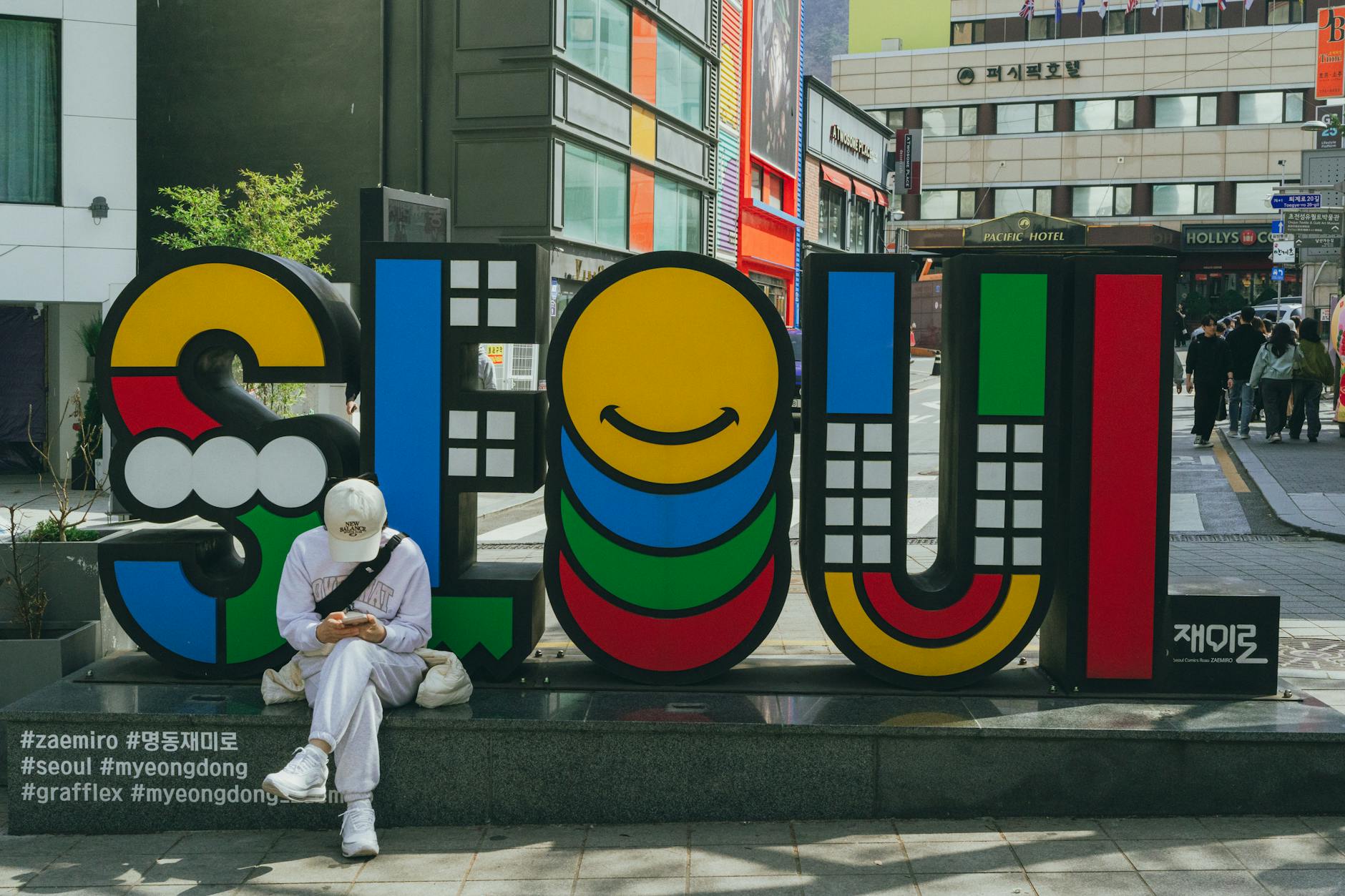
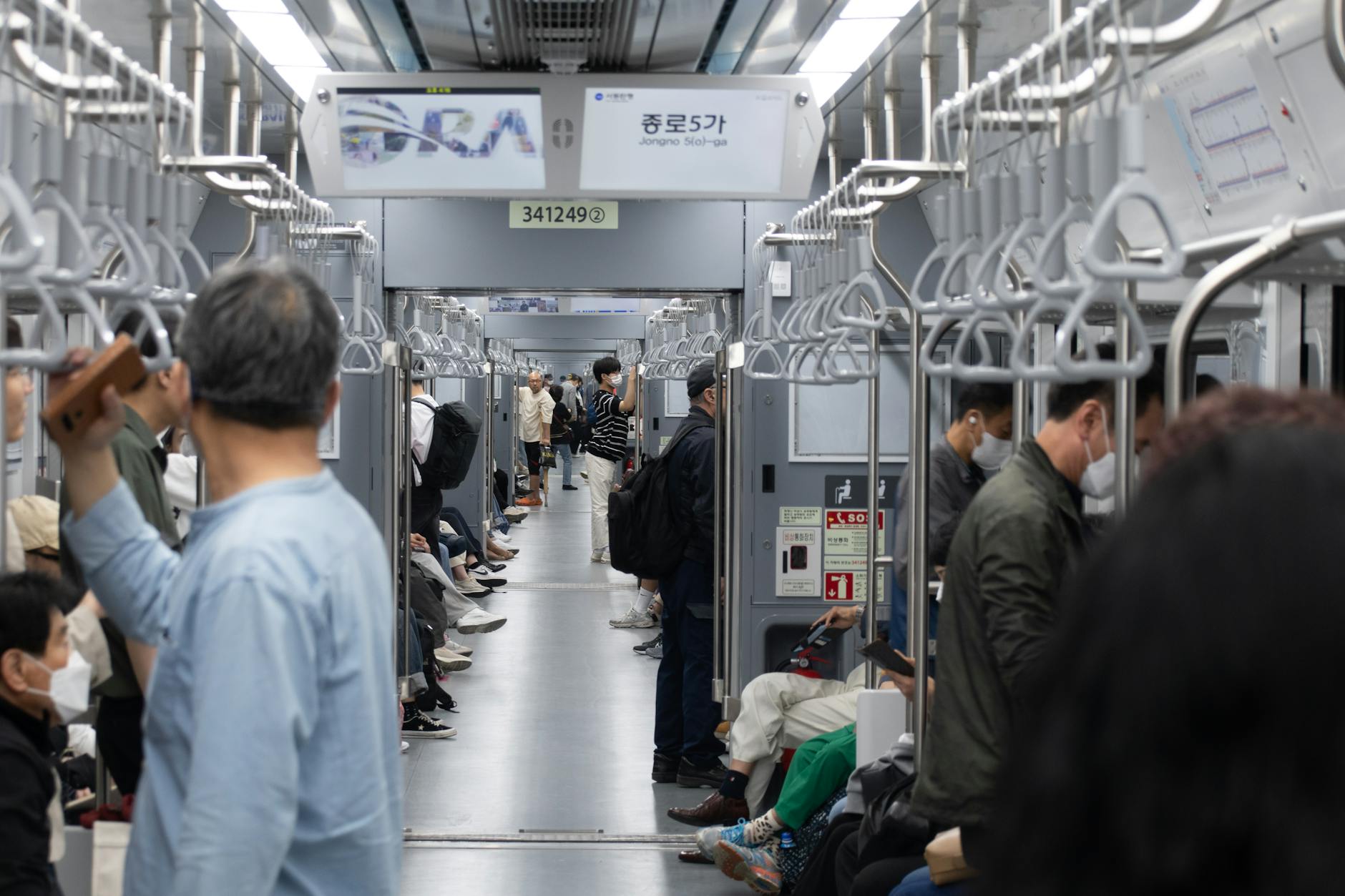
Seoul's public transit covers the city and suburbs with 20+ subway lines and an extensive bus network run by color-coded routes. English announcements and signs appear at major stations, but platform numbers and transfers are easiest to follow in KakaoMap.
Seasonal notes:
– Spring (March–May) and autumn (September–November) are shoulder-season and pleasant for walking; expect crowds during cherry blossom and autumn foliage weekends.
– Summer is hot and humid; rely more on AC transit and indoor markets.
– Winter has cold snaps and occasional snow; check delayed services for extreme weather.
Etiquette and realities:
– Queue at marked spots on platforms and give priority seats to older passengers.
– Avoid loud phone calls on public transit; use headphones for audio.
– Last trains generally leave around midnight on most lines; plan a taxi if you'll be out later.
Airport and regional links:
– AREX Express cuts travel time to Incheon Airport; all-stop trains are cheaper and stop at Seoul Station.
– Intercity KTX trains connect to Busan (2.5–3 hours) and other cities; flights are typical for Jeju.
How to Choose Well
Make choices based on three simple questions:
1) Where are most of your planned sights located? Base within a 10–20 minute subway ride of those neighborhoods.
2) Do you have early/late flights or heavy luggage? If yes, stay near Seoul Station, Yongsan, or express line stations on AREX.
3) Are you taking day trips to nearby cities? For Goyang or Incheon, regional trains and metro connections are often faster than driving; for Busan pick KTX from Seoul Station; for Jeju choose a flight from Gimpo or Incheon depending on schedule.
Practical booking tips:
– Reserve KTX seats online in advance during weekends and holidays.
– For airport transfers, book AREX or an airport limousine bus if you need door-to-door service with luggage.
– If you plan many intercity trips, factor in transit time: a day trip to Busan from Seoul is long but possible; Jeju typically requires an overnight on a short trip.

Responsible and Local-First Tips
Choose low-impact transport and support local economies:
- Prefer subway and buses for most city travel; they reduce congestion and emissions.
- Walk local streets and eat at neighborhood markets (Gwangjang, Tongin) to keep spending within the community.
- Use public bike programs or dockless bikes for short trips in flat areas like Yeouido; follow local parking rules to avoid cluttering sidewalks.
- Hire guide services or small-group tours that pay local vendors and explain cultural context rather than large, extractive operators.
- Bring a reusable bottle and utensils; many convenience stores and markets will fill bottles and some vendors accept reusable containers by request.
When visiting nearby smaller towns like Goyang or Suigen, seek out local cafes and family-run restaurants rather than chain outlets to ensure tourism dollars stay local.

Common Mistakes to Avoid
Watch for these common missteps:
- Relying solely on Google Maps for transit. Use KakaoMap or Naver Map for accurate routes and platform numbers in Korea.
- Ignoring rush-hour crowds. Trains and buses are crowded on weekday mornings and evenings; plan sightseeing outside these windows when possible.
- Missing the last train. Last departures are around midnight; confirm times if you will be out late and have a backup taxi plan.
- Expecting door-to-door convenience by taxi everywhere. Traffic in central Seoul can be slow; subway is often faster during the day.
- Overpacking a single day. Seoul rewards slower, neighborhood-based exploration. The 3 days in Seoul itinerary balances sights so you can avoid wasting time crisscrossing the city.
FAQ
How do I pay for subway and buses in Seoul?
Buy a T-money rechargeable card at any convenience store or station kiosk. Tap on entry and exit for subways and on the bus when boarding. The card also works for many taxis and bike shares.
Are taxis safe and easy to use for tourists?
Yes—licensed taxis are safe and widely available. Use Kakao T or ask your hotel to call one if you have language or accessibility needs. Expect credit-card acceptance but carry cash as a backup for smaller, older taxis.
What's the best way to get to Incheon International Airport?
Use AREX Express for the fastest direct ride to the airport from Seoul Station, or take the all-stop AREX if you’re closer to another stop. Airport limousine buses are a good door-to-door alternative if you have heavy luggage.
Can I do a day trip to Busan from Seoul?
It’s possible by KTX (about 2.5–3 hours one-way) but leaves limited daytime for sightseeing. Consider an overnight to reduce travel stress or choose Goyang or Incheon for shorter regional outings.
Are bike shares and walking safe at night?
Walking in popular neighborhoods like Hongdae, Itaewon, and Myeongdong is generally safe, but stick to well-lit streets. Use bike shares during daylight and park them in designated areas to respect local rules.
Which maps or apps should I download before arrival?
KakaoMap and Naver Map for navigation; Kakao T for taxis; Korail app for KTX bookings. Install translation apps and save offline addresses for your accommodation.
Conclusion
Plan each day around a neighborhood cluster, rely on the subway plus walking to keep time and carbon impact low, and use taxis or reserved transfers for late-night or luggage-heavy legs. Before you go, download KakaoMap and top up a T-money card. For specifics on day-by-day routes and timing, see the companion 3 days in Seoul itinerary for suggested morning-to-evening flows and recommended restaurants. If you want to extend your trip, the same transit principles apply when traveling to nearby destinations like Goyang, Incheon, Suigen, Busan, or Jeju — choose rail where practical, fly only when time-critical, and favor local vendors to maximize benefits for the communities you visit.
How this guide was prepared
This guide was prepared through a structured research that combines destination research, geographic context, itinerary planning logic, and content review.