
Madrid Travel Budget: Practical Costs, Where to Save, and Low-Impact Choices
Realistic daily budgets for Madrid, neighborhood cost trade-offs, transport and day-trip estimates, and sustainable tips to support local businesses. Companion support for the 3 days in Madrid itinerary and nearby day trips to Toledo, Alcalá, Salamanca, Valladolid and Burgos.
A concise, practical breakdown of what you’ll actually spend in Madrid — accommodation, food, transport, attractions and day trips — with neighborhood guidance, shoulder-season savings, and local-first tips to stretch your travel budget without sacrificing authentic experiences.
Quick Answer
A concise, practical breakdown of what you’ll actually spend in Madrid — accommodation, food, transport, attractions and day trips — with neighborhood guidance, shoulder-season savings, and local-first tips to stretch your travel budget without sacrificing authentic experiences.
Who This Page Is For
This page is for travelers planning a stay in Madrid who want clearer decisions about travel budget, local logistics, timing, budgeting, and practical trip planning.
How This Page Was Prepared
This page was prepared through a structured editorial workflow that combines destination research, geographic context, and practical travel-planning review.
Plan the Rest of Your Trip
Use this page together with the full itinerary and the related planning pages below to make better booking, timing, transport, and budget decisions.
Rough daily budget per person (typical ranges in euros):
- Shoestring/backpacker: €40–70 — dorm or basic private room, groceries or cheap menus del día, lots of walking and occasional metro/bus.
- Comfortable mid-range: €90–160 — small hotel or apartment in central neighborhood, two modest restaurant meals, transport pass, one paid museum or attraction.
- Comfortable with treats: €160–260+ — nicer boutique hotel, several paid experiences, taxis or occasional rideshares.
Expect extra costs for airport transfers (allow €6–20 depending on metro vs taxi), and day trips: Toledo or Alcalá de Henares often €10–30 round-trip by regional transport when booked in advance; Salamanca, Valladolid, and Burgos are longer and usually cost more by train or bus (plan €20–60+ round-trip). These ranges assume shoulder-season travel (April–May, Sep–Oct) when prices are gentler.
This page is a compact, practical budget guide you can use alongside the '3 days in Madrid' itinerary. It translates common decisions — where to stay, how to get around, which museums to pay for, and which day trips are worth the cost — into concrete choices that favor local businesses and low-impact options.
It also points to realistic price expectations for different styles of travel and highlights seasonal and transport realities that affect both your wallet and your carbon footprint. If you’re planning day trips, this page references nearby destinations often paired with a Madrid stay: Alcalá de Henares, Toledo, Salamanca, Valladolid and Burgos.
What This Page Helps You Decide
Use this page to quickly choose the most cost-effective and locally positive options for a 3-day stay:
- Which neighborhood balances price, safety and access to the itinerary (see Lavapiés, La Latina, Malasaña, Chamberí).
- Whether a day-by-day transport pass or pay-as-you-go tickets save you money.
- If you should book trains or buses for specific day trips in advance.
- Which attractions are worth paying full price vs. visiting during free hours.
Practical internal links: consult the '3 days in Madrid' itinerary for how budget choices change each day and for suggested routes to linked destinations like Toledo and Alcalá de Henares.
Top Recommendations
Neighborhoods and lodging
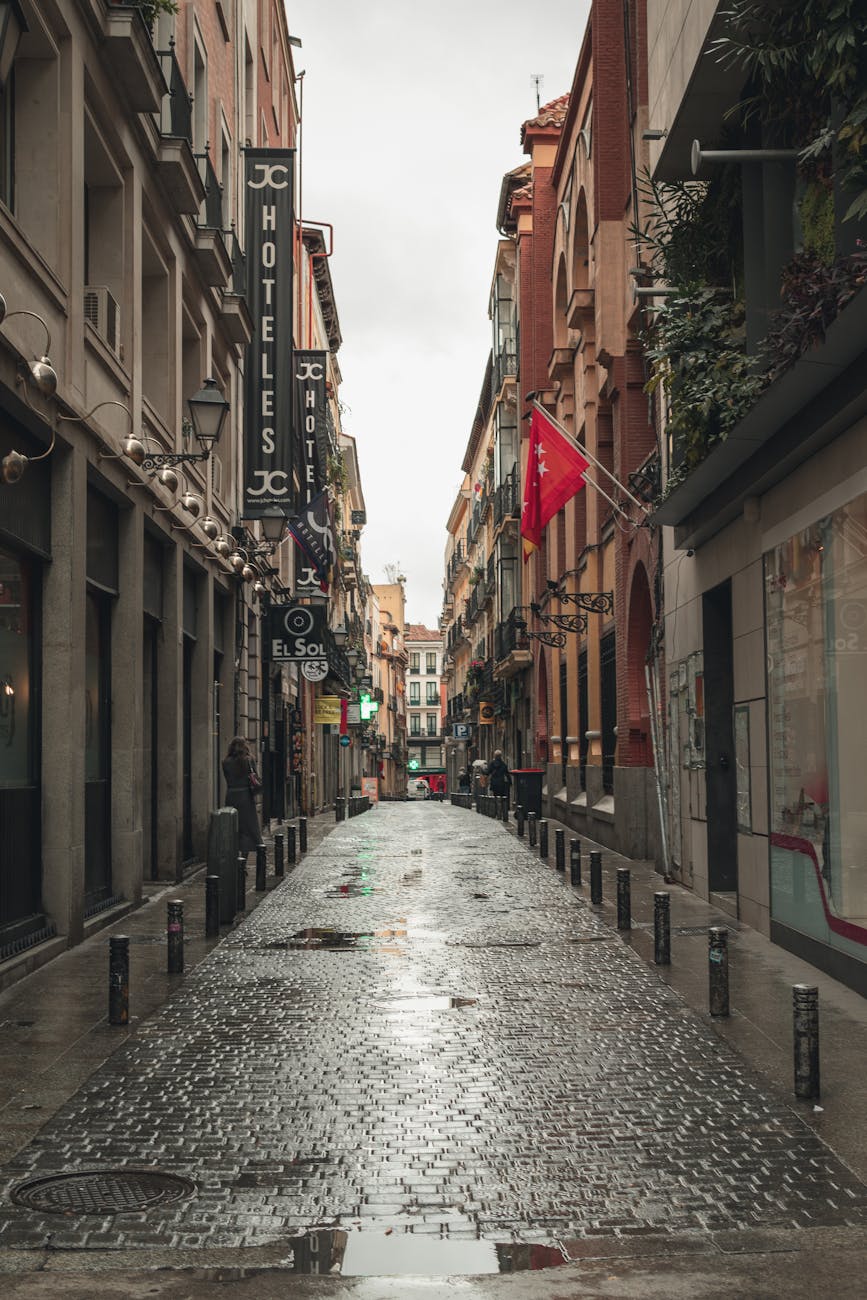
- Choose central, Zone A neighborhoods to reduce transport costs: La Latina and Lavapiés for budget and authentic food; Malasaña for nightlife and cafés; Chamberí or Salamanca for quieter streets and more expensive options.
- Consider a small apartment or guesthouse with a kitchenette to save on meals; book cancellable rates and check for A/C in summer.
Transport and passes
- For 2–4 full days in Madrid, compare the Madrid Tourist Travel Pass (unlimited rides 1–7 days) with pay-as-you-go 10-journey tickets. If you plan many trips or a station-to-station airport transfer, the tourist pass often wins.
- Use Cercanías trains from Atocha for nearby day trips (Alcalá de Henares) and Renfe/long-distance trains for Toledo, Salamanca, Valladolid and Burgos. Book long-distance tickets in advance for cheaper fares.
Eating and attractions
- Look for menú del día at lunchtime (fixed-price multi-course meals) to save without sacrificing quality.
- Pick one major paid museum (Prado or Reina Sofía) and use free-entry hours for smaller visits.
- Buy tickets online in advance for popular slots (Prado, Palacio Real, flamenco shows) to avoid queues and variable-price late purchases.
Day trips
- Alcalá de Henares: short, inexpensive Cercanías ride and strong local culture (saves transit costs).
- Toledo: affordable day trip if you book early; aim for morning trains to maximize time.
- Salamanca, Valladolid, Burgos: longer journeys—compare bus vs train; overnight stays may make sense if you want to reduce rush and carbon-intensive returns.
Local Context
Seasonal patterns
- Shoulder seasons (April–May and September–October) balance mild weather, lower prices, and fewer crowds. Winter sees the lowest rates but shorter daylight; summer is busiest and hottest.
Transport realities
- Madrid’s metro is dense and usually reliable, especially inside central Zone A. Expect crowds during weekday morning/evening peaks.
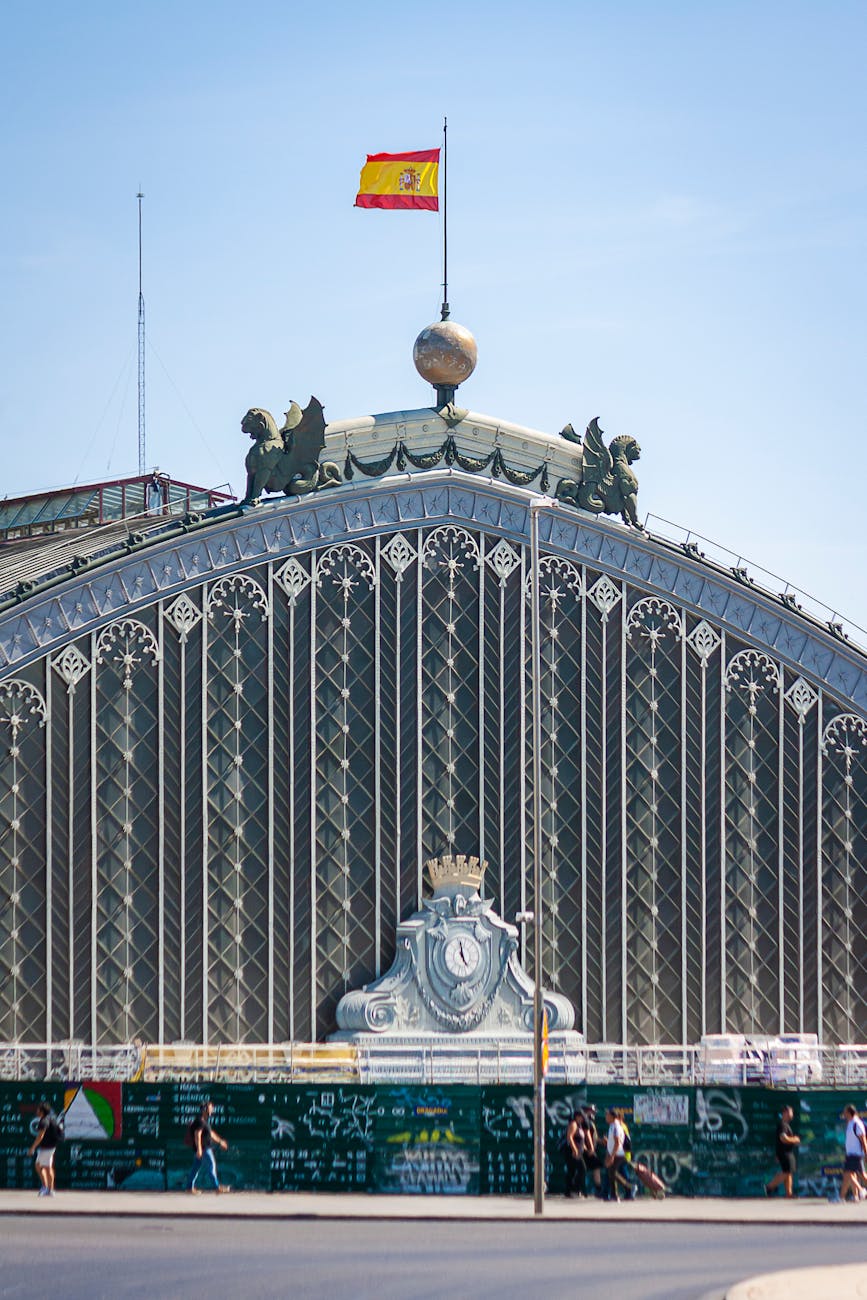
- Atocha is the main rail hub for long-distance trains; allow extra time for luggage and security checks if catching connections.
Local etiquette and timing
- Dining hours run later than in many countries: lunch from 13:30–15:30, dinner often after 21:00. Menú del día is typically at lunchtime.
- Tipping is modest: rounding up or leaving 5–10% in sit-down restaurants is appreciated but not mandatory.
- In less-touristy neighborhoods, small shops may close for a long lunch; plan errands for morning/late afternoon.
How to Choose Well
Match choices to your priorities:
- If lowest cost matters: stay in Lavapiés or Usera, cook some meals, use a 10-journey ticket or walk. Expect basic comfort for less.
- If time efficiency matters: stay near Sol/Gran Vía or Retiro Park to cut cross-city travel time.
- If authentic local experiences matter: pick a small guesthouse in La Latina or Malasaña and favor family-run bars and neighborhood markets.
Booking advice
- Reserve long-distance train tickets early (Renfe sales open months ahead) to access discounted fares.
- For short stays, check hotel/apartment cancellation policies; flexible fares let you switch dates to catch lower shoulder-season rates.
- Compare official tourist transport passes with cumulative single tickets depending on your planned trips; simple math often reveals the best value.
Responsible and Local-First Tips
Spend locally
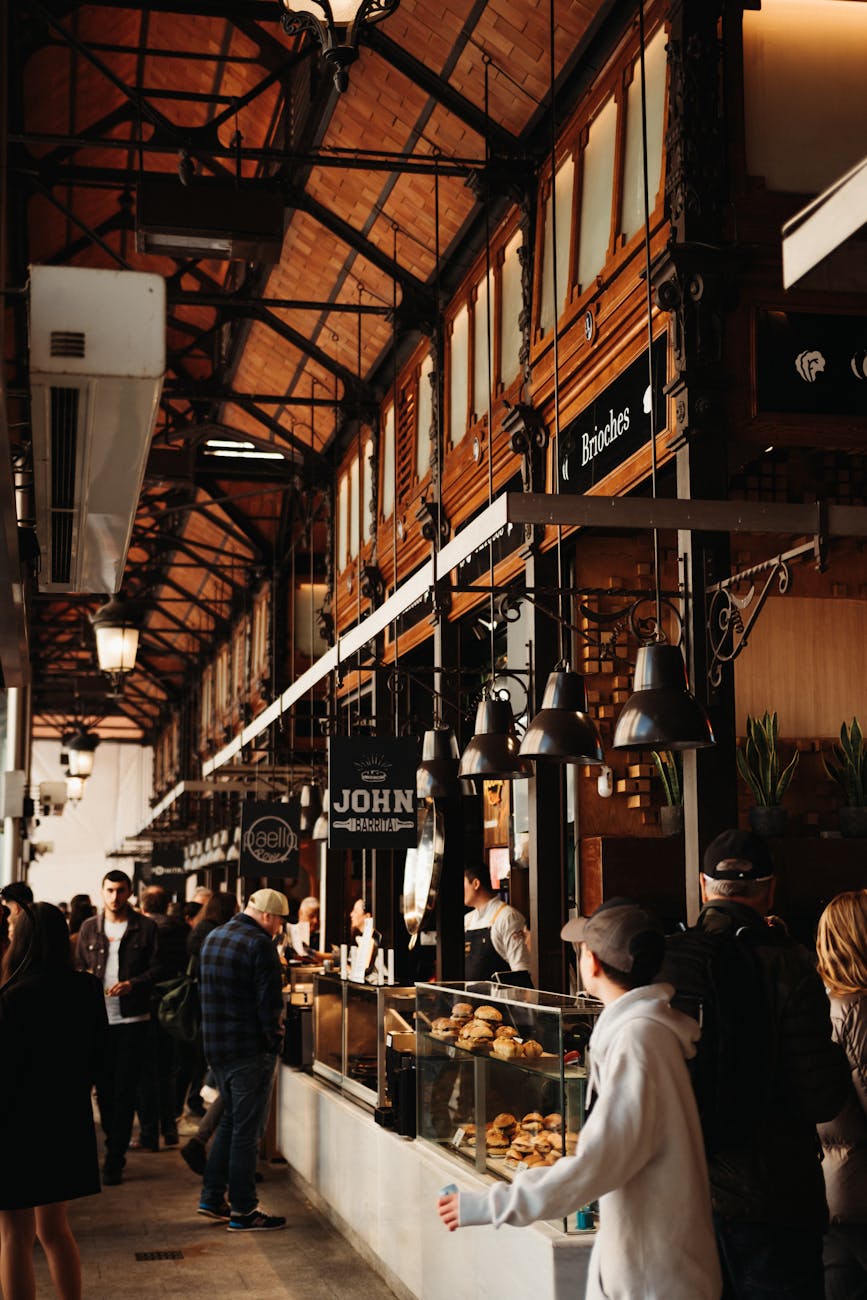
- Choose markets and family-run taverns (Mercado de San Fernando, local bakeries) over tourist-heavy stalls like parts of Mercado de San Miguel.
- Book walking tours with small, community-minded guides or pay-what-you-want local guides to support the neighborhood economy.
Lower-impact transport and choices
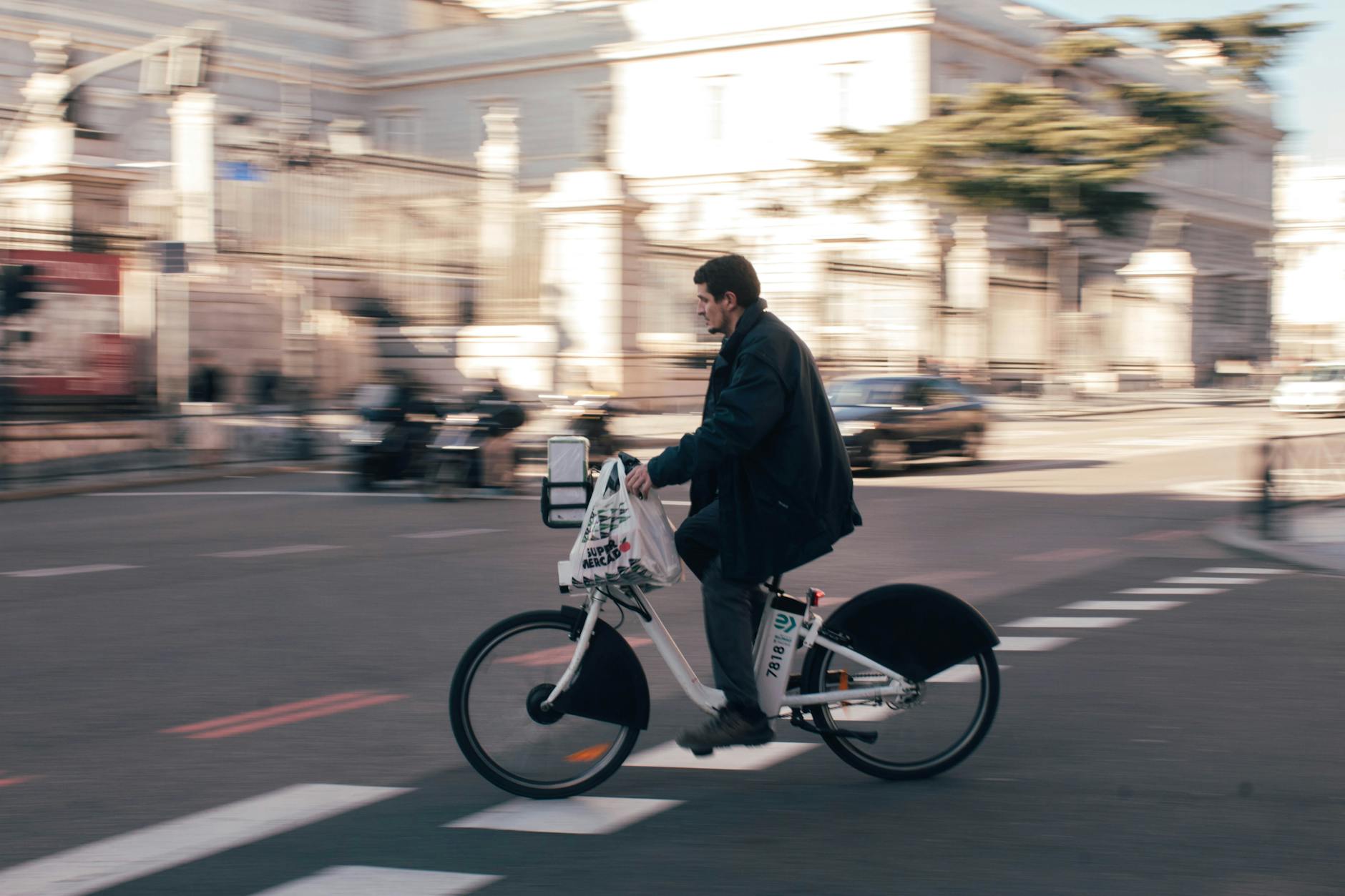
- Walk or rent a BiciMAD e-bike for short hops; use Cercanías trains for day trips rather than rental cars.
- Prefer compact, centrally located stays to reduce daily transit emissions.
Low-cost sustainable swaps
- Carry a refillable water bottle; many parks and plazas have tap water points.
- Choose accommodation with responsible credentials when possible and prioritize properties that employ local staff.
Respect and cultural sensitivity
- Ask before photographing people in markets. Learn a few Spanish phrases — locals appreciate the effort and it opens more authentic interactions.
Common Mistakes to Avoid
- Booking expensive last-minute train tickets for day trips. Buy in advance or use buses for cheaper flexible fares.
- Staying outside Zone A to “save” then spending the savings on long commutes and taxi fares. Zone A centrality often saves time and money.
- Eating only in tourist hotspots (around Plaza Mayor or Gran Vía) — these are pricier and less authentic. Walk two blocks off the main routes for better value.
- Assuming free museum hours mean no queues — book timed entries where available to avoid waiting.
- Forgetting local opening hours: some smaller shops close midday or on Sundays, so schedule grocery or shopping for mornings.
FAQ
How much should I budget for 3 days in Madrid?
For a typical 3-day visit, budget about €120–450 per person total depending on style: €40–70/day for shoestring, €90–160/day for mid-range, €160+/day for more comfort. Include extra for day trips and museum tickets.
Is it cheaper to buy a tourist transport pass or single tickets?
If you plan multiple metro/Cercanías trips per day, the Madrid Tourist Travel Pass (1–7 days) is usually the best value. For only a couple of trips, pay-as-you-go or a 10-journey ticket can be cheaper. Do the math based on your planned itinerary in the '3 days in Madrid' guide.
What’s the most budget-friendly neighborhood that’s still convenient?
Lavapiés and La Latina offer excellent value with great food markets and walking access to major sights. Malasaña is slightly pricier but still affordable and lively. Avoid staying in far suburbs unless you want the lowest nightly rate and don’t mind transit time.
How should I plan day trips to nearby cities like Toledo or Alcalá?
Book trains early for better fares. Alcalá de Henares is a short Cercanías ride and inexpensive; Toledo typically needs a regional or medium-distance train—reserve morning departures. For Salamanca, Valladolid and Burgos compare long-distance trains vs buses (ALSA) depending on price and duration; sometimes an overnight stay is more sustainable and less rushed.
Are there cheap authentic food options in Madrid?
Yes. Seek out menú del día at lunchtime, neighborhood tapas bars in La Latina and Lavapiés, and local mercados for prepared food. Avoid the most-touristy stalls near Plaza Mayor for better prices and flavors.
Any tips for saving money without missing Madrid’s highlights?
Visit one major paid museum, use free-entry times for others, walk between nearby neighborhoods, cook one or two meals in an apartment, and take one thoughtful paid experience (a neighborhood food tour or flamenco show) instead of many small-ticket tourist traps.
Conclusion
Madrid can be as budget-friendly or as indulgent as you choose. Prioritize central lodging, strategic transport choices, and a mix of paid and free experiences to get the most from a short trip. For a day-by-day plan that applies these budget decisions to specific routes and timing, see the '3 days in Madrid' itinerary. When possible, favor local businesses, walk or take public transit, and travel in shoulder seasons to reduce costs and impacts while supporting Madrid’s neighborhoods.
How this guide was prepared
This guide was prepared through a structured research that combines destination research, geographic context, itinerary planning logic, and content review.