
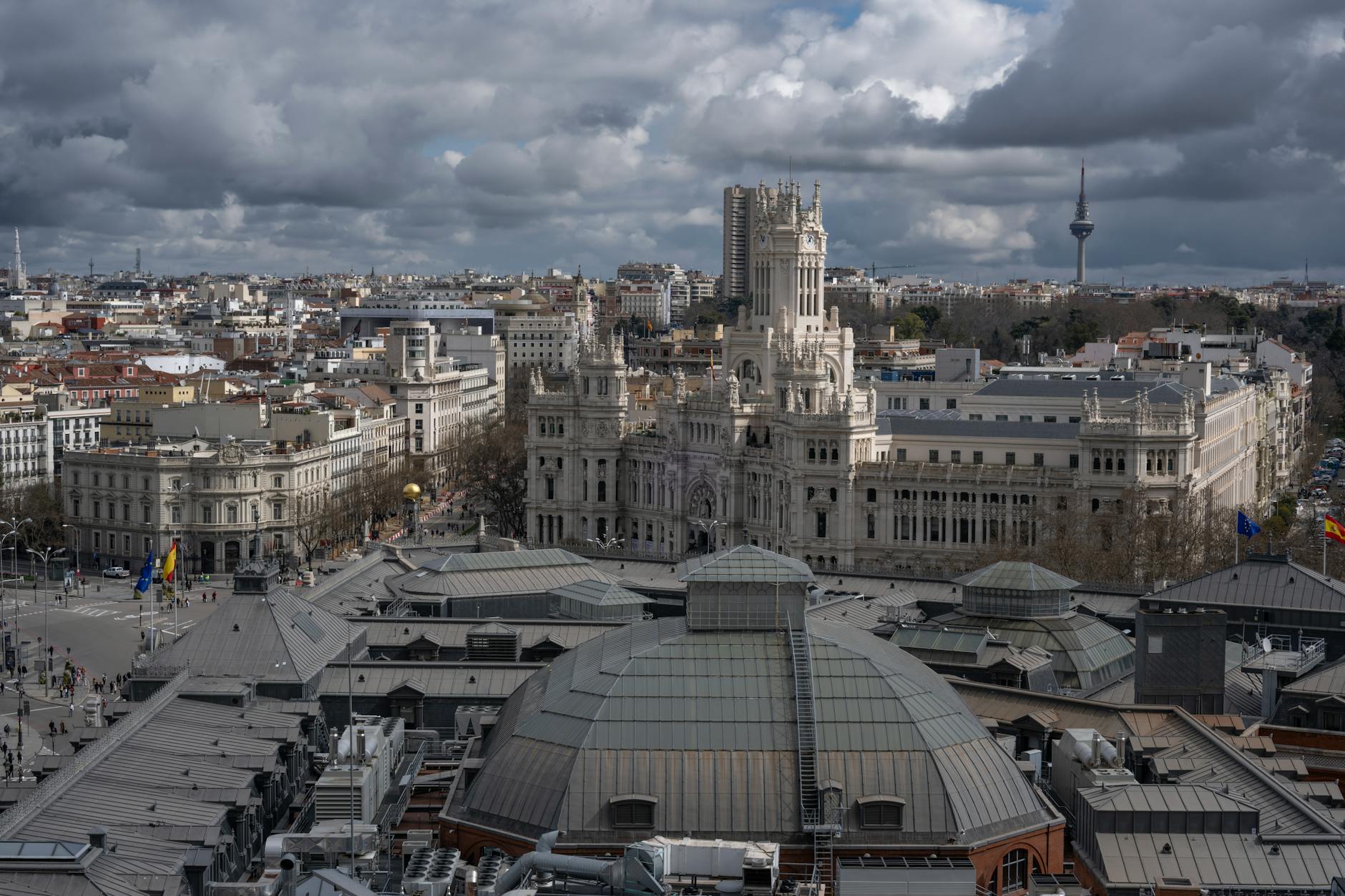
Getting Around Madrid — Practical, Sustainable Advice for 3 Days and Beyond
How to move efficiently and responsibly around Madrid: metro, Cercanías, buses, bikes, walking routes, and practical tips for day trips to Alcalá, Toledo, Salamanca, Valladolid and Burgos.
Clear, local-first guidance on public transit, walking neighborhoods, bike-share, taxis, and regional trains—designed to support a 3-day Madrid itinerary and nearby day trips.
Quick Answer
Clear, local-first guidance on public transit, walking neighborhoods, bike-share, taxis, and regional trains—designed to support a 3-day Madrid itinerary and nearby day trips.
Who This Page Is For
This page is for travelers planning a stay in Madrid who want clearer decisions about getting around, local logistics, timing, budgeting, and practical trip planning.
How This Page Was Prepared
This page was prepared through a structured editorial workflow that combines destination research, geographic context, and practical travel-planning review.
Plan the Rest of Your Trip
Use this page together with the full itinerary and the related planning pages below to make better booking, timing, transport, and budget decisions.
For most visitors: buy a Tourist Travel Pass for Zone A if you plan to use Metro and buses heavily for 1–3 days. Otherwise use a Tarjeta Multi or contactless bank card for single trips, and favor walking in central neighborhoods. Use Cercanías trains for quick, low-impact day trips to Alcalá de Henares and high-speed trains from Atocha to Toledo. Reserve longer regional or AVE seats (Salamanca, Valladolid, Burgos) in advance.
Madrid is compact at its core but richly spread with walkable neighborhoods and a large, well-connected transit network. For a 3-day stay focused on central highlights (see the companion 3 days in Madrid guide), prioritize walking and short Metro or Cercanías rides. This reduces carbon impact, supports small businesses in neighborhoods such as La Latina, Malasaña, Chueca and Salamanca, and gives you time to notice markets, plazas and local shops.
What This Page Helps You Decide
This page helps you choose how to move day-to-day in Madrid and to nearby towns, balancing speed, cost and sustainability.
You’ll get clear guidance on:
– When to walk vs. take Metro or bus
– Which transit pass or ticket to buy for short stays
– Best ways to do low-impact day trips (Alcalá, Toledo, Salamanca, Valladolid, Burgos)
– Bike-share, taxi and accessibility considerations
Use these recommendations alongside the 3 days in Madrid itinerary to slot transport times into each day and plan any excursions to nearby cities.
Top Recommendations
Stay central and walk when you can. Distances between main sites (Puerta del Sol, Plaza Mayor, Prado, Retiro) are short and walking reveals markets and artisans.
Buy the right transit product:
– Tourist Travel Pass (Abono Turístico) Zone A for heavy use over 1–3 days.
– Tarjeta Multi (reloadable anonymous card) or contactless payments for occasional trips.
Use Cercanías trains for short regional hops—frequent, fast, and low-impact—especially to Alcalá de Henares. For Toledo, book fast trains from Atocha; seats are limited on peak days. For longer regional journeys (Salamanca, Valladolid, Burgos), book Renfe AVE/Alvia in advance to secure lower fares.
Prefer local-first services: shop at mercados, take small-group walking tours run by local guides, and use BiciMAD or public bikes for short rides instead of taxis when feasible.
Local Context
Neighborhood and season realities:
– Centro (Sol, Austrias, La Latina): busiest, best for walking and tapas markets but expect crowds and pickpockets in summer.
– Malasaña and Chueca: vibrant day-to-night neighborhoods with narrow streets—ideal for foot travel.
– Salamanca and Chamberí: calmer, upscale areas with good bus and Metro links.
Service patterns:
– Metro runs roughly from early morning until around 1:30–2:00 a.m.; schedules extend slightly for events. Night buses (“búhos”) cover core routes after Metro closes.
– Cercanías is frequent across the day; some suburban lines reduce frequency late evening.
Etiquette and safety:
– Keep a low-profile wallet, especially on Metro and Cercanías.
– Small shops expect polite greetings and brief conversation; “hola” and “gracias” go a long way.
– When visiting churches, cover shoulders and avoid loud behavior.
Local costs:
– Metro rides inside Zone A are cheap; tourist passes can save money if you use public transit multiple times a day.
How to Choose Well
Match transport to the trip:
– Short hops within Centro: walk first, Metro for longer cross-town trips (Gran Vía to Atocha).
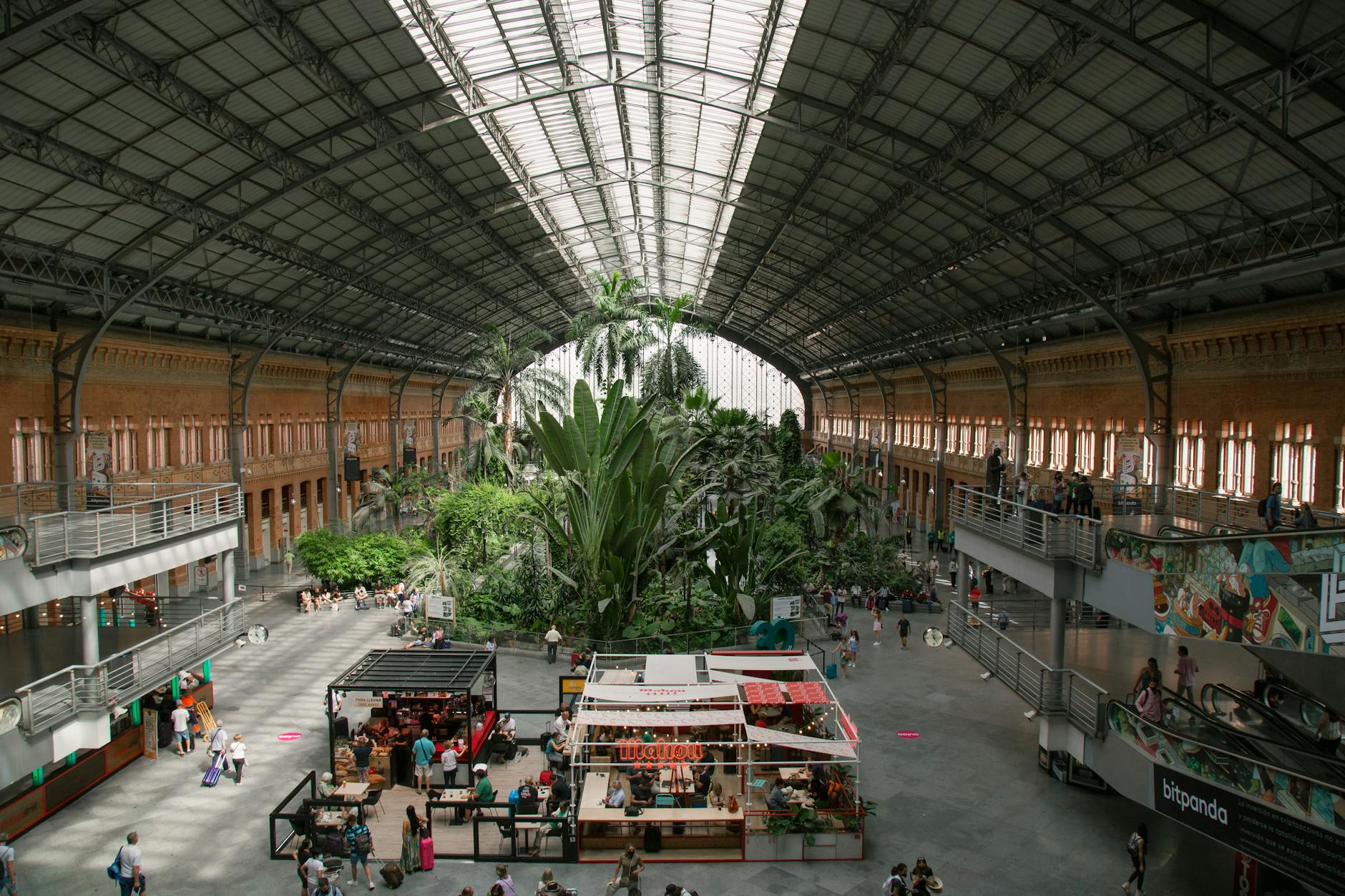
– Airport transfers: Cercanías (C1/C10 depending on flight) and the Metro (Line 8 from Nuevos Ministerios) are efficient—expect luggage and allow extra time; airport taxi flat fares exist for central zones.
– Day trips:
– Alcalá de Henares: use Cercanías for the quickest, lowest-impact option.
– Toledo: fast trains from Atocha take under an hour on many services; book ahead on weekends.
– Salamanca, Valladolid, Burgos: these are doable as long day trips by AVE/Alvia—compare travel time and value; consider overnight stays for relaxed exploration.
Practical booking tips:
– Buy Renfe tickets online for longer routes to secure prices.
– Get a Tourist Travel Pass at stations or online; machines accept cards and some cash.
– For BiciMAD or shared scooters, download and verify apps before arrival and carry an ID.
Responsible and Local-First Tips
Prioritize low-impact options and local businesses:
– Walk or use Metro/Cercanías for shorter trips; these choices reduce emissions and keep you engaged with neighborhoods.
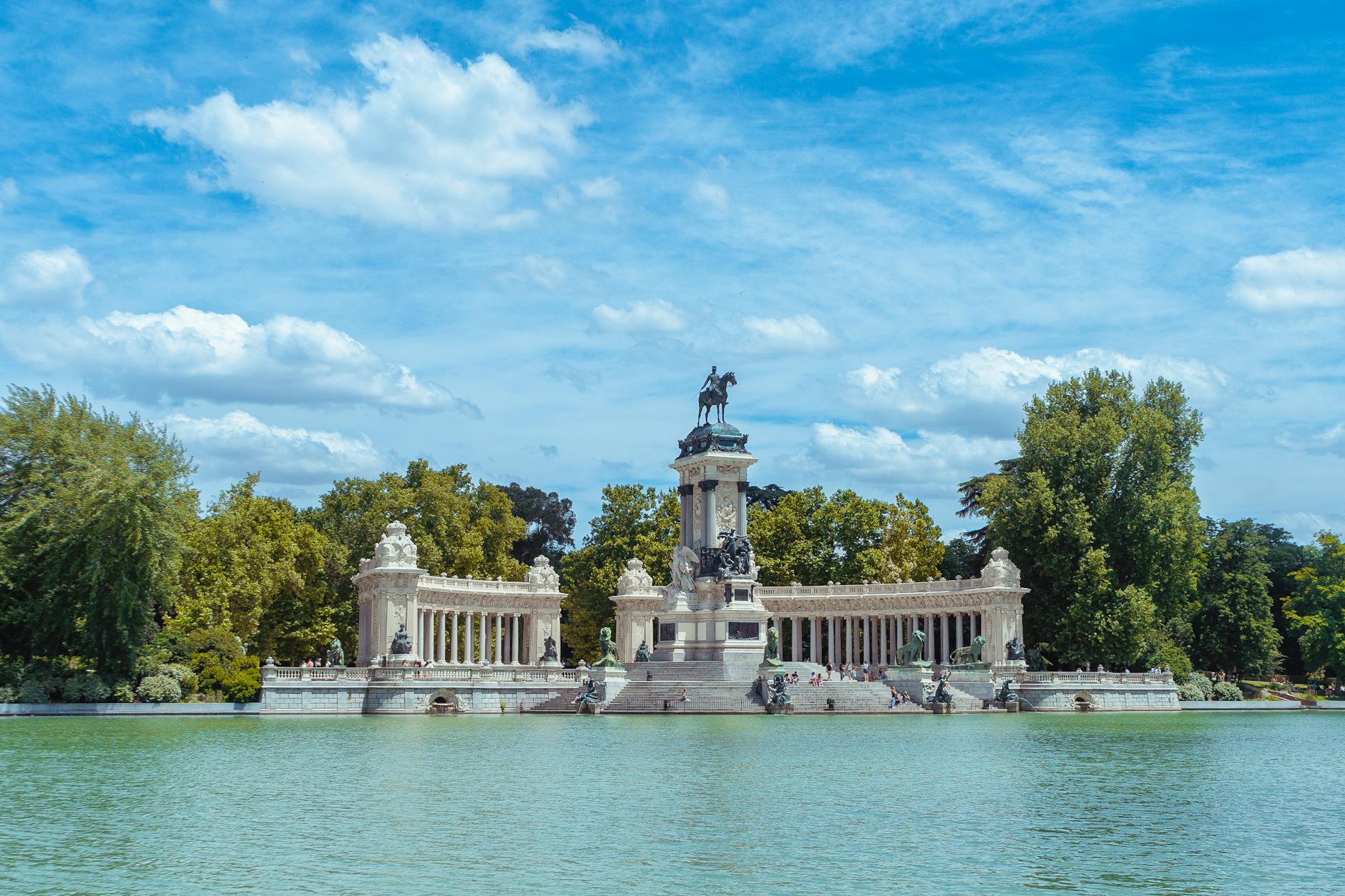
– Use BiciMAD docked e-bikes for short errands and to reach parks like Retiro, supporting a public mobility system.
– Eat at mercados and small tavernas instead of international chains—this directs spending to local producers.
– Choose small-group or independent guides when booking tours to nearby towns; they retain more revenue locally and offer better cultural context.
– Travel offs-peak where possible: spring and autumn shoulder seasons are cooler and less crowded than midsummer, allowing more pleasant walking and easier bookings for trains and museums.
Common Mistakes to Avoid
Avoid these common mistakes:
– Underestimating walking time: Madrid’s neighborhoods are compact but unevenly spread; allow extra time between sites.
– Assuming taxis are fastest or cheapest: in rush hour, Metro or Cercanías often outpace cars.
– Waiting until the last minute to buy Renfe AVE/Alvia tickets for popular day trips—prices rise and seats sell out.
– Not carrying a refillable bottle or small tote: single-use bottles and bags add cost and waste.
– Over-relying on tour buses: they skip small businesses and congest streets; mix in walking and local tours for better impact.
FAQ
Should I buy a Tourist Travel Pass for 3 days in Madrid?
If you expect to use Metro and buses several times each day, a Tourist Travel Pass for Zone A usually saves money and simplifies travel. For mostly walking days with one or two trips, a Tarjeta Multi or contactless single fares may be better.
How do I get to Alcalá de Henares or Toledo from Madrid?
Alcalá de Henares is best reached by Cercanías commuter trains from central stations—frequent and low-impact. Toledo is a popular day trip served by fast Renfe trains from Madrid Atocha; book tickets ahead for weekends. For Salamanca, Valladolid and Burgos, use Renfe AVE/Alvia services—reserve seats in advance.
Is Madrid bike-friendly?
Central Madrid has many bike lanes and the public BiciMAD e-bike system. Use bikes for short cross-neighborhood trips and parks, avoid busy rush-hour avenues, and follow local helmet and parking rules. Prefer docked bikes in busy tourist zones.
When is public transport busiest and how can I avoid crowds?
Metro and buses are busiest weekday mornings (8:00–9:30) and evenings (18:00–20:00). Aim to sightsee early mornings or late afternoons, and schedule day trips for midweek when possible to avoid weekend peaks.
Any security or etiquette tips for public transit?
Keep valuables in a zipped bag, avoid showing large cameras in crowded trains, and offer seats to elderly passengers. A polite “permiso” when passing through a crowd is appreciated.
Conclusion
Madrid’s transport mix makes it easy to craft an efficient, low-impact trip that supports local businesses. Combine walking in central neighborhoods with Metro and Cercanías for day trips. Use the 3 days in Madrid itinerary as your base, add one sustainable day trip (Alcalá or Toledo are excellent choices), and book longer regional rail travel in advance. These choices save time, money and help keep more revenue in local communities.
How this guide was prepared
This guide was prepared through a structured research that combines destination research, geographic context, itinerary planning logic, and content review.