

Responsible travel in Atlanta
Practical advice for low-impact travel in Atlanta: transit tips, local markets, neighborhood alternatives, and seasonal choices to reduce footprint and support local businesses.
How to visit Atlanta with lower environmental and social impact. Use MARTA and the BeltLine, prioritize local markets like Sweet Auburn Curb Market, avoid peak tourist crowds at the Aquarium, and choose neighborhoods where spending benefits small owners.
Responsible travel in Atlanta?
Buy a MARTA Breeze Card ($2) and pay $2.50 per ride, use the BeltLine and Grant Park Farmers Market to move around and spend locally, and swap a Georgia Aquarium visit (around $40) for Oakland Cemetery or the Atlanta BeltLine for lower-impact options. Focus on weekdays in Oct–Nov or Mar–May to avoid summer heat and major weekend crowds.
Who This Page Is For
This page mainly helps travelers who want to reduce environmental impact and funnel spending to locally owned shops and markets in Atlanta. It is less useful for visitors whose main goal is seeing high-volume attractions like the Georgia Aquarium regardless of impact.
Key Takeaways for Atlanta
- MARTA fare is $2.50 per ride; get a Breeze Card ($2) or use the MARTA mobile app for convenience.
- Sweet Auburn Curb Market and Grant Park Farmers Market direct money to local vendors and run regular weekend hours.
- Visit in shoulder seasons (October–November or March–May) to avoid extreme summer heat and reduce energy strain.
- Swap one paid attraction like Georgia Aquarium (~$40) for free or low-cost alternatives: Oakland Cemetery tours or walking the BeltLine Eastside Trail.
How This Page Was Prepared
This page was prepared through a structured editorial workflow that combines destination research, geographic context, and practical travel-planning review.
Plan the Rest of Your Trip
Use this page together with the full itinerary and the related planning pages below to make better booking, timing, transport, and budget decisions.
Use MARTA and active routes: buy a Breeze Card ($2) and expect $2.50 per rail or bus ride. Favor walking or biking on the Atlanta BeltLine Eastside Trail and shop at Sweet Auburn Curb Market or Grant Park Farmers Market to keep spending local. Avoid peak summer months (June–August) and weekend afternoons at Georgia Aquarium and World of Coca-Cola; instead visit Oakland Cemetery, Historic Fourth Ward Park, or neighborhood restaurants in East Atlanta Village for similar experiences with lower crowds and cost.
For planning, allow one transit ride or a 30–60 minute walk between neighborhoods rather than multiple ride-hail trips to reduce cost and emissions.
This page answers a single practical question: how to visit Atlanta while minimizing environmental and social impact and directing spend to locally owned businesses. Many visitors underestimate how much transport choices and attraction selection determine impact in Atlanta; relying on solo ride-hail trips and downtown tourist circuits concentrates benefits in big operators and increases vehicle miles. MARTA, the Atlanta BeltLine, and neighborhood markets provide concrete alternatives that lower emissions and keep money with local owners.
Specific local choices matter. A $2.50 MARTA rail ride to Inman Park or West End is cheaper and lower-impact than a $10–20 ride-hail trip across town. Choosing Sweet Auburn Curb Market or Grant Park Farmers Market sends dollars to small vendors instead of large chains inside overly visited hubs. This guide focuses on measurable actions—fares, market names, seasons, and transit lines—so planning decisions immediately reduce footprint and support local operators.
What This Page Helps You Decide
Decide whether to prioritize high-profile paid attractions or neighborhood-based experiences that support small businesses. This guide helps pick between a downtown ticketed visit (Georgia Aquarium, World of Coca-Cola) and nearby lower-impact options such as Oakland Cemetery tours, Atlanta BeltLine walks, or the Fernbank Museum for natural history. It also helps choose transport: whether to buy a Breeze Card and use MARTA rail and buses for $2.50 per ride, or rely on ride-hail and accept higher cost and emissions.
Decisions about season and timing are included: this page explains why Oct–Nov and Mar–May are preferable for lower heat and smaller crowds, and how to use markets and co-ops (Sweet Auburn, Grant Park) to direct spending to local vendors instead of chain food halls or tourist traps.

Top Recommendations
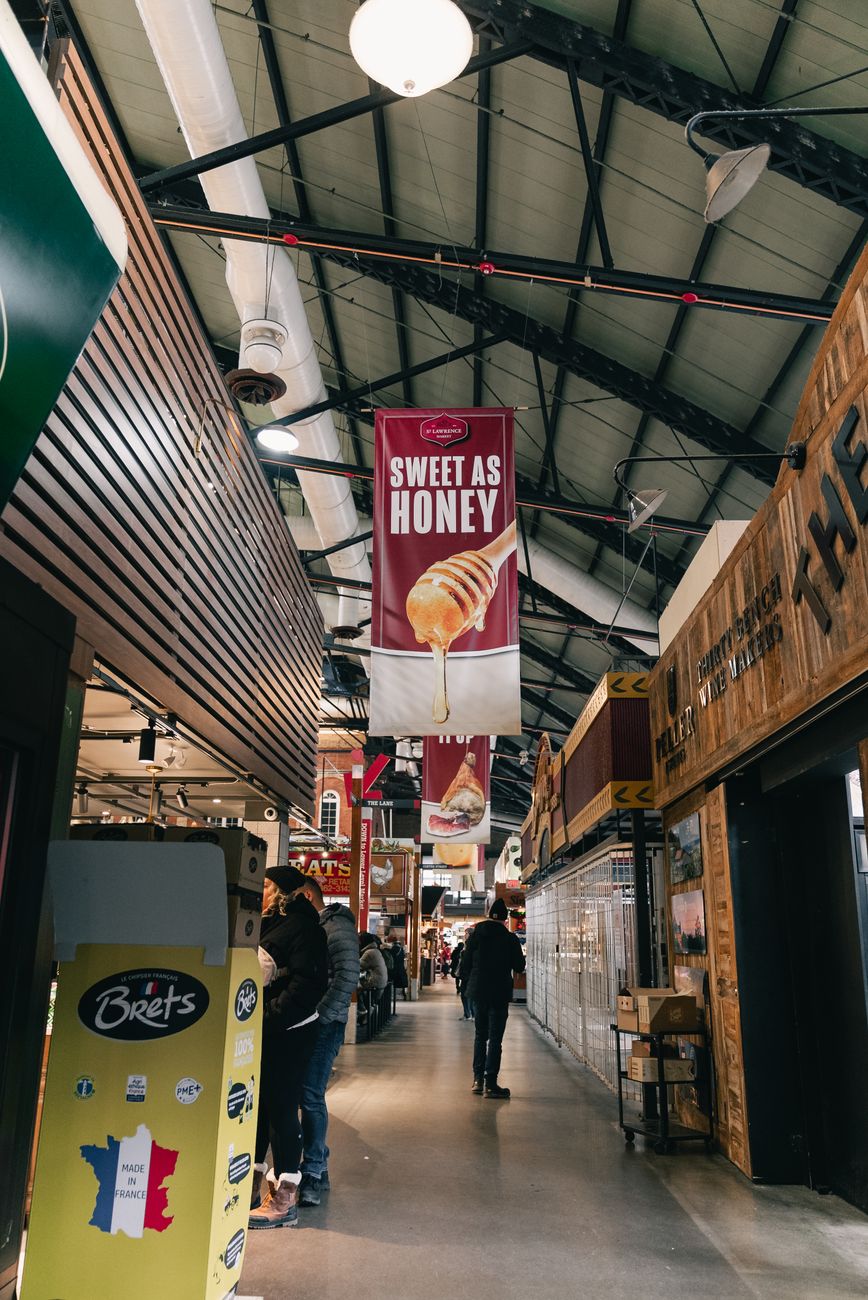
Prioritize local markets and co-ops for meals and groceries. Shop Sweet Auburn Curb Market (39 Edgewood Ave SE) for local butchers, bakers, and produce vendors; visit Grant Park Farmers Market (Grant Park near Zoo Atlanta) on Saturday mornings for local produce and prepared foods. For weekday options, check East Atlanta Village Farmers Market and Peachtree Road Farmers Market in Buckhead on Saturdays. These places keep revenue with small proprietors and typically sell seasonal produce at lower markup than tourist food halls.
Use public and active transport whenever practical. Buy a Breeze Card ($2) at MARTA stations or use the MARTA mobile app; standard rail and bus fare is $2.50 per ride. Use MARTA Red or Gold lines to access downtown (Peachtree Center) and midtown (Arts Center) and the Blue/Green lines for east–west travel. Walk or bike short links along the BeltLine Eastside Trail from Inman Park to Ponce City Market; that avoids short ride-hail trips and reduces emissions.
Choose lower-impact alternatives for crowded attractions. Georgia Aquarium and World of Coca-Cola often charge around $40 per adult for same-day admission; instead, book an Oakland Cemetery guided walking tour (tickets typically $12–20) or spend time in Historic Fourth Ward Park and the BeltLine, which are free. When visiting popular spots like Ponce City Market or Krog Street Market, dine at smaller neighborhood restaurants instead: try Busy Bee Cafe (soul food on Irwin St.) orNeeMa's Kitchen in East Atlanta Village to support local ownership.
Adjust seasonal choices and behavior. Visit during shoulder months (October–November or March–May) to avoid summer heat and reduce dependence on air-conditioned indoor venues. On hot summer days, plan indoor museum visits in the morning and outdoor walks late afternoon to avoid driving back and forth. When possible, carry a reusable bottle and buy from local refill stations or markets rather than single-use plastic at tourist sites.
Local Context
Atlanta's layout concentrates major paid attractions in central downtown near Peachtree Street and Centennial Olympic Park. That concentration produces heavy weekend and summer crowds at Georgia Aquarium, World of Coca-Cola, and Centennial Park. These attractions also generate many short ride-hail trips, increasing congestion and emissions in downtown areas.
Neighborhood economies matter. Areas like East Atlanta Village, Westview, and Kirkwood have high percentages of locally owned restaurants and small retail. Money spent in those neighborhoods tends to recirculate locally. Midtown and Buckhead contain more chains and large landlords, so small purchases there often benefit bigger firms. BeltLine development has increased foot traffic and changed retail composition along the corridor; supporting long-standing businesses on the BeltLine east and west stretches helps counter displacement.
Seasonality affects choices. Summers bring high heat and thunderstorms—daily highs frequently reach the 30s Celsius (upper 80s–90s°F) from June through August. Winters are mild but can have brief cold snaps and icy conditions that disrupt MARTA bus service. Pollen season in March–April affects outdoor plans; fall (October–November) usually gives the most pleasant combination of lower humidity and thinner crowds.

How to Choose Well
Weigh cost, impact, and experience. If the goal is low cost and low impact, favor MARTA rides ($2.50) and walking the BeltLine or visiting free parks like Piedmont Park and Historic Fourth Ward Park. If the goal is a single must-see paid attraction, buy timed tickets in advance for Georgia Aquarium or World of Coca-Cola and go on weekday mornings to reduce crowding and queue times.
Compare neighborhoods for where to spend money. Dining in East Atlanta Village, Inman Park, or Westview puts revenue into locally owned restaurants; Ponce City Market and Krog Street Market are useful but many vendors are part of larger operations and draw tourist dollars away from small independent operators. For lodging, consider a small guesthouse or B&B in Inman Park or Grant Park rather than a large chain in Downtown to preserve more lodging income for local owners.
Factor in transit convenience. MARTA rail is best for north–south trips on Red/Gold lines and east–west trips on Blue/Green lines; buses fill gaps. A Breeze Card saves time and reduces single-use paper tickets. For short trips under 2 miles, walking or bike share on the BeltLine often costs less and emits nothing compared with a 10–15 minute ride-hail that typically costs $8–$20.

Responsible and Local-First Tips
Put money into small operators. Eat at Busy Bee Cafe for traditional soul food, visit local bakeries inside Sweet Auburn Curb Market, and choose independent restaurants in East Atlanta Village like H&F Burger (local ownership) or The Village Corner. Buy produce at Grant Park Farmers Market to support small farmers and prepared foods sold by local entrepreneurs.
Use public transit or active transport. Purchase a Breeze Card at MARTA stations for $2 and load fares for $2.50 per ride, or use the MARTA mobile app to reduce paper. Walk or bike the BeltLine Eastside Trail instead of taking short ride-hail trips; bring a lock and use a public bike rack at Ponce City Market or Krog Street Market.
Reduce waste and energy. Carry a reusable bottle and use water refill stations at Piedmont Park and many markets. Visit attractions in shoulder seasons to avoid heavy air-conditioning demand in summer. When staying in neighborhood guesthouses, request fewer linen changes and turn off HVAC when out to reduce energy use and utility costs passed to small operators.
Common Mistakes to Avoid
Underestimating transit time and assuming MARTA won't reach certain neighborhoods leads to unnecessary ride-hail usage. MARTA rail and buses serve most central neighborhoods; explore MARTA route maps and the mobile ticketing option before booking multiple ride-hail trips.
Assuming Ponce City Market spending helps local owners equally. Many vendors inside large food halls are regional or corporate; instead, spend at nearby independent eateries on edge neighborhoods like Krog Street Market vendors or family-run restaurants in East Atlanta Village.
Traveling only on summer weekends increases environmental impact and costs. Summer temperatures push travelers indoors and increase energy use for cooling. Choosing shoulder months reduces AC demand and usually yields lower crowds and lower peak-priced services such as tour slots and short-term rentals.
FAQ
How much does MARTA cost and how to pay?
Standard MARTA fare is $2.50 per rail or bus ride. Buy a physical Breeze Card for about $2 at station vending machines or use the MARTA mobile app to load fares.
Which months are best for lower impact travel in Atlanta?
October–November and March–May are the best months for lower humidity, milder temperatures, and smaller crowds, which reduces time spent in air-conditioned tourist attractions.
Are the Georgia Aquarium and World of Coca-Cola unavoidable?
They are avoidable. Georgia Aquarium tickets are around $40 per adult and draw large crowds. Alternatives include Oakland Cemetery walking tours (approx $12–20) or free walks on the BeltLine Eastside Trail.
Where to buy locally produced food in Atlanta?
Sweet Auburn Curb Market and Grant Park Farmers Market are reliable spots for local produce, baked goods, and prepared foods sold by independent vendors. Check market hours—most run Saturday mornings.
Is bike share or scooters a good option here?
For short trips along the BeltLine and adjacent neighborhoods, bike or dockless scooters can be efficient. Use bike lanes where available and park responsibly at racks to avoid sidewalk clutter.
How to support local businesses without increasing footprint?
Combine transit trips and plan multi-stop walking routes. Shop at markets like Sweet Auburn or small restaurants in East Atlanta Village instead of making multiple short ride-hail trips to distant chains.
Are guided tours environmentally friendly choices?
Small, local-guided walking tours (Oakland Cemetery, neighborhood history walks) usually have lower per-visitor emissions and revenue stays local. Avoid large coach-based tours that concentrate emissions and bookings with outside operators.
Conclusion
The single most important thing to remember is that transport and spending choices define most of the visitor impact in Atlanta: prefer MARTA ($2.50 per ride with a $2 Breeze Card), walk or bike the BeltLine, and spend at markets and neighborhood restaurants rather than only downtown attractions. Planning travel in shoulder seasons (Oct–Nov or Mar–May) reduces heat-related energy use and crowds.
For a low-impact short stay, combine a BeltLine walk, a market visit at Sweet Auburn or Grant Park Farmers Market, and a neighborhood meal in East Atlanta Village. Consult the linked 3 days in Atlanta itinerary for a practical route that connects these recommendations into a coherent daily plan.
How this guide was prepared
This guide was prepared through a structured research that combines destination research, geographic context, itinerary planning logic, and content review.