

Practical 3-Day Guide to Limoges: Itinerary, Tips, Costs
A practical 3-day Limoges guide with walking routes, museum prices, neighbourhood advice and realistic budgets for a weekend in France's porcelain city.
Three days gives time to see the historic centre, the major porcelain museums, key markets and a neighbourhood walk along the Vienne without rushing through everything.
Expect a medium-sized provincial French city where porcelain and the river shape what people do. The first impression is a strong railway identity: the stone dome of Gare de Limoges-Bénédictins dominates the skyline near a compact medieval centre.
The centre has short walking distances and a calm daytime pace; evenings are quieter and several restaurants close early on Sundays or Mondays. This suits visitors who plan museums, markets and daytime walks rather than a late-night programme.
Is 3 days in Limoges enough?
Three days is enough to see the cathedral, the national ceramics collection, a porcelain studio, the main market and a neighbourhood walk along the Vienne. One honest caveat: full factory tours (Bernardaud or other ateliers) usually require advance booking, so spontaneous visitors will miss in-depth factory access.
Who This Guide Is For
Best for travellers who favour museums, craft heritage and short walks rather than nightlife or day-long guided tours. Not ideal for those wanting a fast-paced big-city shopping or club scene.
Local Tips for Limoges
Practical details that most travel sites skip — specific to Limoges.
- Gare de Limoges-Bénédictins is a short 10–15 minute walk from the Cathédrale Saint-Étienne and makes arriving by train easy for a weekend trip.
- Musée National Adrien Dubouché (ceramics/porcelain) charges around €6–8 for standard adult entry; free or reduced access often applies to EU under-26 visitors—check the museum's website before going.
- Musée Bernardaud (manufacturer museum) offers guided visits and demonstrations but most guided slots require online reservation at least a few days ahead, especially on weekends.
- Les Halles (the central covered market) is busiest Saturday 08:00–12:00; weekday markets exist but many stallholders take Monday off or reduce hours.
- Local bus network is run by STCL; single on-board tickets are about €1.50 and drivers accept cash — contactless cards and the SNCF Connect app will show TER train times to Tours, Bordeaux and Clermont-Ferrand.
How This Guide Was Prepared
A short stay in Limoges is best treated as a focused immersion: ceramics and local food anchored around a compact medieval core and a working provincial train hub. Many guides over-emphasise day trips and skip practical details like museum opening rhythms, factory-visit booking needs and the bus network realities. This guide was prepared through a structured research that combines destination research, geographic context, itinerary planning logic, and content review.
Plan Your Stay in Limoges
Use this itinerary as your starting point, then compare areas to stay, transport options, seasonal timing, and realistic daily costs before booking.
Why Visit
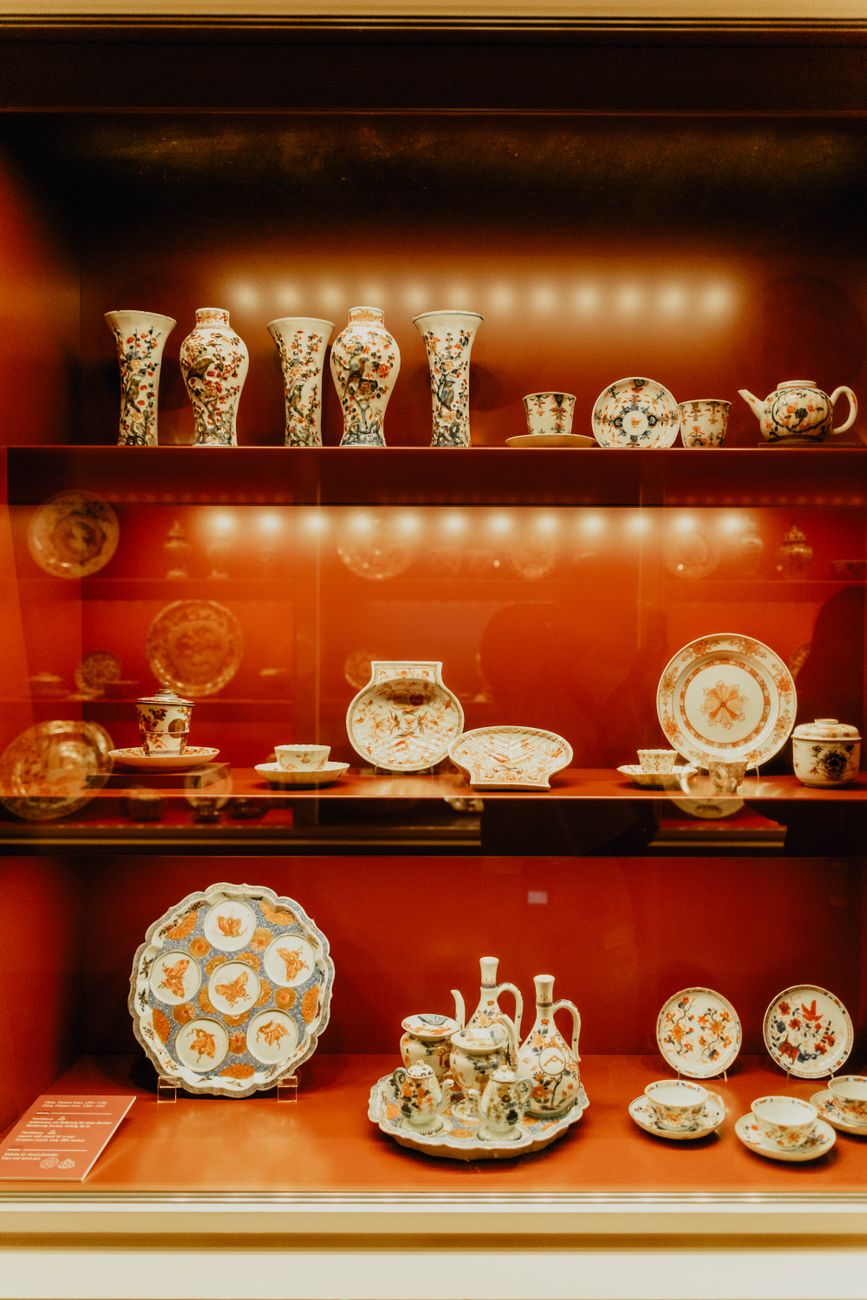
Ceramics matter here: the Musée National Adrien Dubouché and Musée Bernardaud explain production, technique and why 'Limoges' became a porcelain name. The historic core around Place de la République and the Quartier de la Boucherie offers compact medieval streets and riverside views without long transfers.
Markets and provincial food show the Limousin countryside: Les Halles sells local charcuterie and seasonal produce. The rail connections make the city a practical base for slow regional travel to Bordeaux or Clermont-Ferrand without committing to long drives.
Quick Planning Tips
Fly into Aéroport de Limoges-Bellegarde (codes LIG) or arrive by SNCF to Gare de Limoges-Bénédictins; taxis from the airport run about €20–30 to the centre and the airport shuttle bus timetable varies by flight. Buy bus tickets on board STCL vehicles (single ≈ €1.50) or use SNCF Connect for regional TER timetables.
Bring cash for small markets and confirm museum opening days online—many close Monday. Book any porcelain factory or Bernardaud guided visit in advance to avoid disappointment.

Day 1
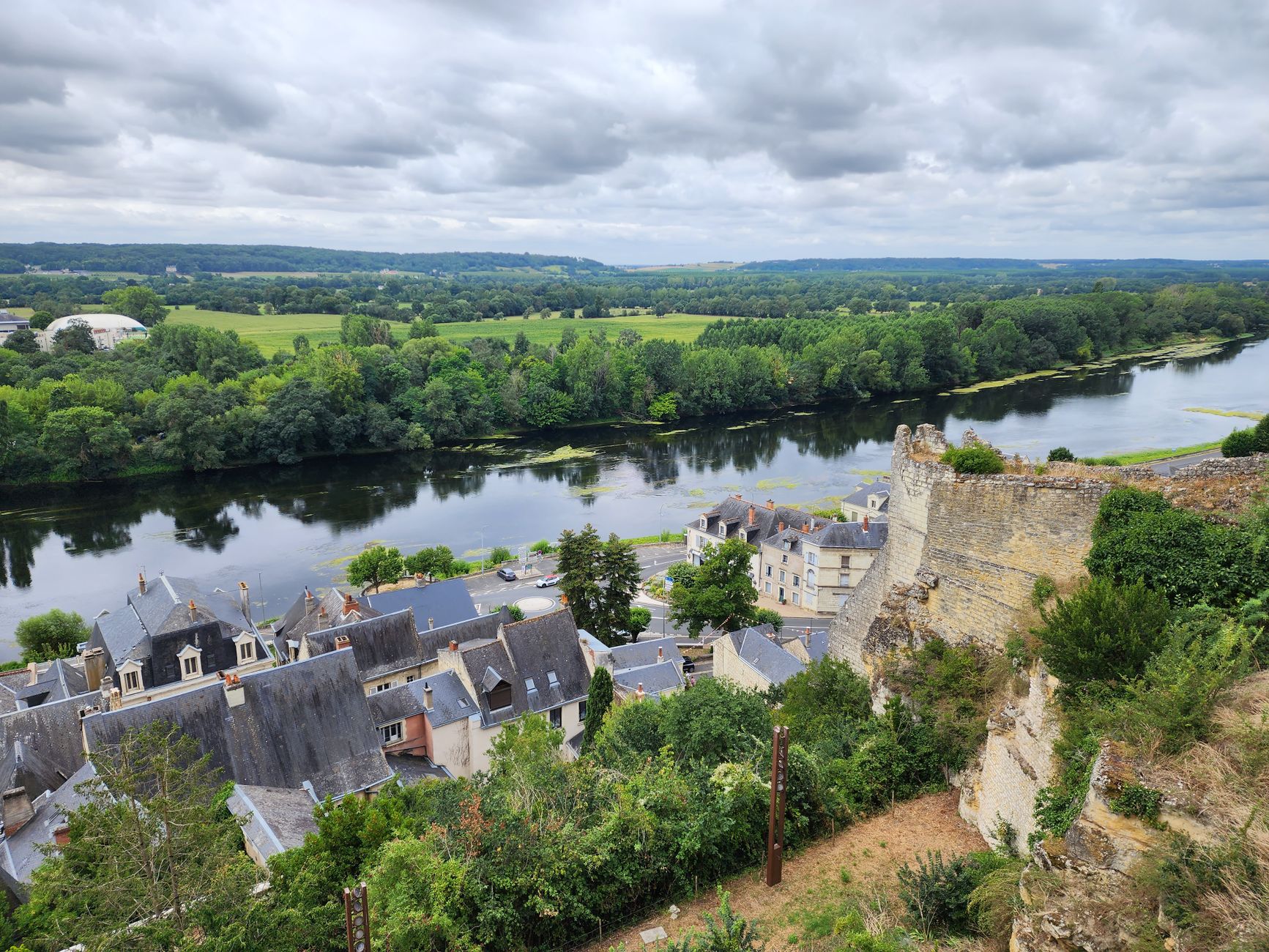
Start at Gare de Limoges-Bénédictins to admire the dome and clock tower, then walk 10–15 minutes to Cathédrale Saint-Étienne de Limoges to see its unusual roofline and stained glass. From the cathedral, cross into the Jardin botanique de l'Évêché for a breather and a view over the Vienne; allocate 20–30 minutes for the garden and photos.
Walk 5–10 minutes to the Quartier de la Boucherie for narrow streets and lunch at Les Halles (market stalls and small cafés); lunch at the market usually costs €8–15 per person depending on choices. After lunch, visit Musée National Adrien Dubouché (15 minutes on foot) — allow 1.5–2 hours for the porcelain displays (adult admission ~€6–8). Finish the afternoon with a riverside stroll to Pont Saint-Martial (10–15 minutes). For dinner, pick a centre-ville bistro near Place de la République and expect main courses €12–20. Evening recommendation: a gentle promenade along the Vienne and a beer or café at a riverside terrace; many places close around 22:00 so check opening times.
Day 2
Dedicate this day to porcelain and workshops. Begin at Musée Bernardaud (allow 1–1.5 hours) to see manufacturer archives and contemporary work; guided demonstrations need booking and the visit is about a 15–20 minute taxi or bus ride from the cathedral area. Return to the centre to visit Musée des Beaux-Arts de Limoges (near Place de la République) for ceramics in context and local painting — plan 1–1.5 hours.
In the afternoon explore the university and Beaux-Arts district for quieter streets and small galleries; cafés here are slower and less touristy. Take a late-afternoon bus or a 20–25 minute walk to Parc Victor-Thuillat or a neighbourhood green space for a picnic if the weather is good. Dinner option: a restaurant offering Boeuf Limousin or pâté aux pommes de terre — expect mains €14–25. Evening recommendation: check for any temporary exhibitions or evening openings at museums before planning the night.

Day 3
Use the last day for markets, a laid-back neighbourhood and a short trip before departure. Start at Les Halles for breakfast and local pastries, then walk to the markets around Place de la République for specialties and bargaining tips; plan 1–1.5 hours. Visit a small specialist shop selling porcelain tableware for souvenirs—many open mid-morning and close early afternoon.
If catching an afternoon flight, return to the hotel to collect luggage by 12:00–13:00 and allow 30–45 minutes to reach Aéroport de Limoges-Bellegarde by taxi. If leaving by train, reserve extra time at Gare de Limoges-Bénédictins to photograph the station and to purchase any last-minute treats. Evening recommendation if staying: a relaxed dinner near Gare with simpler regional dishes and local wine; avoid rushing to the airport or station on the last night by confirming transport the day before.

Best Local Experiences
Spend time inside the Musée National Adrien Dubouché to watch craftsmen explain porcelain techniques and see rare transferware. Book a Bernardaud visit for showroom displays and factory context, even if full production tours are limited.
Shop and eat at Les Halles (Saturday morning busiest) for charcuterie, local cheeses and seasonal produce. Walk the Quartier de la Boucherie and cross Pont Saint-Martial for different river views. Attend a temporary exhibition at Musée des Beaux-Arts or a municipal craft fair—regional artisans display enamel work, ceramics and linens periodically, so check the cultural calendar before arrival.

Where to Stay
Centre-ville / Place de la République: Suits first-time visitors who want walking access to the cathedral, museums and restaurants; expect mid-range hotel rooms €80–120 per night (≈ €85–130). This area is the most convenient for short stays.
Near Gare de Limoges-Bénédictins: Suits train travellers and those arriving late; rooms are slightly cheaper and taxis are easier at night, with rates roughly €70–100 per night (≈ €75–110). Expect some daytime noise from the station.
La Bastide / east bank of the Vienne: Suits people who prefer calmer residential streets and riverside walks; small guesthouses and apartments typically €60–90 per night (≈ €65–95) and provide better value for longer stays.
Food and Drink
Pâté aux pommes de terre: a flaky pastry filled with thinly sliced potatoes and bacon or lardons; find it at Les Halles or local boulangeries for about €3–6 a portion. Boeuf Limousin: beef from the local Limousin breed; restaurants serve it as steak or stew, mains €14–25.
Clafoutis aux cerises: a baked cherry custard-like dessert available in pastry shops and cafés, €3–6. Market street food: charcuterie sandwiches and cheese plates at Les Halles for €6–12 make a reliable quick lunch. Regional wines: many bars offer bottles from nearby Bergerac or Cahors; glass prices €3.50–6. For breakfast, pick a boulangerie croissant and café crème near Place de la République for about €4–6.
Getting Around
Main modes: SNCF TER regional trains at Gare de Limoges-Bénédictins, and local STCL buses across the metropolitan area. There is no metro; most visitors walk between central sights. Single STCL bus ticket is roughly €1.50; a day pass is commonly about €4.50—confirm prices at ticket machines or with the driver.
Taxis from Aéroport de Limoges-Bellegarde to the centre run about €20–30 depending on time and luggage. Use SNCF Connect for regional train bookings and schedules and rely on Google Maps or the STCL timetable on the city transport website for local bus routes.
Best Time to Visit
Spring (April–June): temperatures 10–20°C and lower hotel prices than summer; gardens and market produce are at their best. Summer (July–August): warmer 18–28°C, museum crowds increase and some local businesses close for August holidays; book accommodation early if visiting mid-August.
Autumn (September–October): mild 10–18°C with harvest-season markets and fewer visitors — good value for a weekend. Winter (November–March): 0–8°C, quiet museums and lower rates but shorter daylight; Sundays and Mondays can be frustrating with closures, so plan activities for open days.
Budget and Practical Tips
Daily budget estimate (per person): accommodation €70–110 (local hotels) ≈ €75–115 USD/EUR; food €25–45 for market lunches and bistro dinners ≈ €27–48; local transport €3–6; entry fees €6–15 depending on museums. Expect museum admissions like Musée National Adrien Dubouché around €6–8, Musée Bernardaud around €5–8; some sites have reduced rates for EU youth or concessions.
Tipping: service is often included on bills (service compris) but rounding up or leaving a few euros for good table service is appreciated. Practical tip: check museum opening days and reserve factory tours in advance; bring cash for market purchases and smaller cafés.
FAQ
How safe is the city centre for tourists?
The centre is generally safe by daytime standards; usual precautions apply at night around the station and quieter streets — keep valuables secure and avoid poorly lit areas after midnight.
Is three days enough to see the porcelain museums and factories?
Yes for museums (Adrien Dubouché, Bernardaud showrooms) but full factory production tours often need advance booking and may take half a day.
Are there direct trains from Paris and how long do they take?
TER services connect to Paris via Limoges with journey times roughly 3.5–4.5 hours depending on the service; check SNCF Connect for exact schedules and fares.
Is a city card or museum pass worth buying?
No widely marketed all-in-one city card exists; buying individual tickets and checking museum combined offers is usually better for a 3-day stay.
What is the best way to get from the airport to the centre?
Taxis run about €20–30 and take 15–25 minutes depending on traffic; check shuttle bus schedules if available for a cheaper option.
Are English guides available at major museums?
Some museums provide English panels or occasional English tours, but availability varies; check museum websites and book guided tours in advance if an English guide is essential.
Can porcelain pieces be shipped or checked on flights?
Many shops provide professional packaging and shipping; for air travel, use the manufacturer’s packaging and declare fragile items at check-in to avoid rough handling.
Is public transport card payment contactless?
Drivers accept cash for single STCL tickets; contactless payments and apps may show schedules but confirm payment options on the STCL site or with the driver.
Conclusion
A 72-hour visit delivers a clear sense of why porcelain defines the local identity, plus relaxed market mornings and riverside walks. The most memorable elements are the station dome, concentrated porcelain displays and the markets that connect the city to the Limousin countryside.
If time runs short, prioritise the Musée National Adrien Dubouché and a market visit on Saturday morning — they capture the craft focus and food culture in a compact window.
How this guide was prepared
This guide was prepared through a structured research that combines destination research, geographic context, itinerary planning logic, and content review.