

Responsible Travel in Dublin — Local, low‑impact choices for 3 days in Dublin
Practical, sustainable tips for visiting Dublin: neighborhood choices, seasonal timing, transport realities, and local-first activities that pair with our 3 days in Dublin itinerary.
A compact, scan‑friendly guide to low‑impact travel in Dublin that supports local businesses, avoids crowds, and plugs directly into the 3 days in Dublin itinerary and nearby day trips to Luimneach, Gaillimh, Cork, Belfast, and Liverpool.
Quick Answer
A compact, scan‑friendly guide to low‑impact travel in Dublin that supports local businesses, avoids crowds, and plugs directly into the 3 days in Dublin itinerary and nearby day trips to Luimneach, Gaillimh, Cork, Belfast, and Liverpool.
Who This Page Is For
This page is for travelers planning a stay in Dublin who want clearer decisions about responsible travel, local logistics, timing, budgeting, and practical trip planning.
How This Page Was Prepared
This page was prepared through a structured editorial workflow that combines destination research, geographic context, and practical travel-planning review.
Plan the Rest of Your Trip
Use this page together with the full itinerary and the related planning pages below to make better booking, timing, transport, and budget decisions.
If you have three days in Dublin, prefer shoulder seasons (April–May, September–October) to avoid peak crowds. Stay in a residential neighborhood like Portobello, Stoneybatter, or Rathmines for local businesses and lower noise. Use a Leap Card for buses, Luas, and DART; walk and use DublinBikes for short trips. Book timed tickets for the Book of Kells and Kilmainham Gaol in advance, and plan one low‑impact day trip to Howth or the Wicklow Mountains instead of a longer, energy‑heavy transfer.
This page is a practical companion to the main 3 days in Dublin itinerary. It focuses on choices that lower impact, support local businesses, and make your short stay feel authentic rather than rushed. Use it to decide where to sleep, how to move around, which tickets to book ahead, and which nearby cities work as day trips.
What This Page Helps You Decide
Use this page to make fast, practical decisions that complement the 3 days in Dublin guide:
- Where to base yourself (neighborhood tradeoffs).
- Which transport passes and ticketed attractions to prebook.
- Which day trips are realistic without adding carbon‑heavy travel.
- How to prioritize local food, markets, and small venues.
It’s intentionally short on sightseeing detail because the companion 3 days in Dublin itinerary covers schedules and timing; this page focuses on responsible choices around those plans.

Top Recommendations
Neighborhoods and stays:
- Portobello, Rathmines, or Stoneybatter: quieter, locally run cafés, easy tram/bus links.
- Avoid staying inside Temple Bar if you want sleep and local life; use it for an evening visit instead.
Transport and passes:
- Get a reusable Leap Card for buses, Luas trams, and DART — cheaper and faster than individual fares.
- Use DublinBikes for short hops; check locks and return stations at night.
Must‑book experiences (book early):
- Book of Kells (Trinity College) timed tickets.
- Kilmainham Gaol tours — limited capacity and popular.
- Guinness Storehouse and Jameson Distillery if you choose them — early morning slots are quieter.
Low‑impact activities:
- Walk the Georgian squares, Merrion Park and St. Stephen’s Green.
- Spend a half‑day on the Howth cliff walk and market using DART instead of a coach tour.
- Choose small, independent guided walks (neighborhood history, food tours that pay the neighbourhood) rather than large coach tours.

Local Context
Seasons and crowd patterns:
- Summer (June–Aug) is busiest; museums and attractions use timed entries and local restaurants fill up. Shoulder seasons offer milder weather and fewer crowds. Winter has low rates but shorter daylight.
Transport realities:
- Traffic congestion is common mid‑morning and late afternoon; Luas and DART are more reliable for cross‑city or coastal trips.
- Taxis are available but can surge during events; card machines are widespread but have occasional outages.
Local etiquette and norms:
- Queuing is expected for trams and at takeout counters; be polite and patient.
- Support live music with a drink or buy a CD — busking and pubs rely on small income.
- Tipping: rounding up or 10% in restaurants where service isn’t included; small change to pub staff is fine but not required.

How to Choose Well
Decide based on time, impact, and what you want to feel:
- If you want relaxed local life: choose accommodation in Portobello, Rathmines, or Smithfield. Expect quieter nights and more cafés frequented by residents.
- If you prioritize iconic sights: plan timed morning visits to the Book of Kells and St. Patrick’s Cathedral to avoid crowds.
- For a coastal day that’s low‑impact: take the DART to Howth, walk the headland, and eat at a small seafood stall rather than joining a coach tour.
Booking tips:
- Reserve popular museums and gaol tours at least 2–4 weeks in peak season; off‑peak a week may suffice.
- Use refundable or flexible bookings for accommodation; choose guesthouses or small B&Bs to keep spending local.
- For day trips to Luimneach, Gaillimh, Cork, Belfast, or Liverpool, compare train vs. coach carbon and time — overnight or early morning departures minimise daytime congestion.
Responsible and Local-First Tips
Practical, local‑first choices:
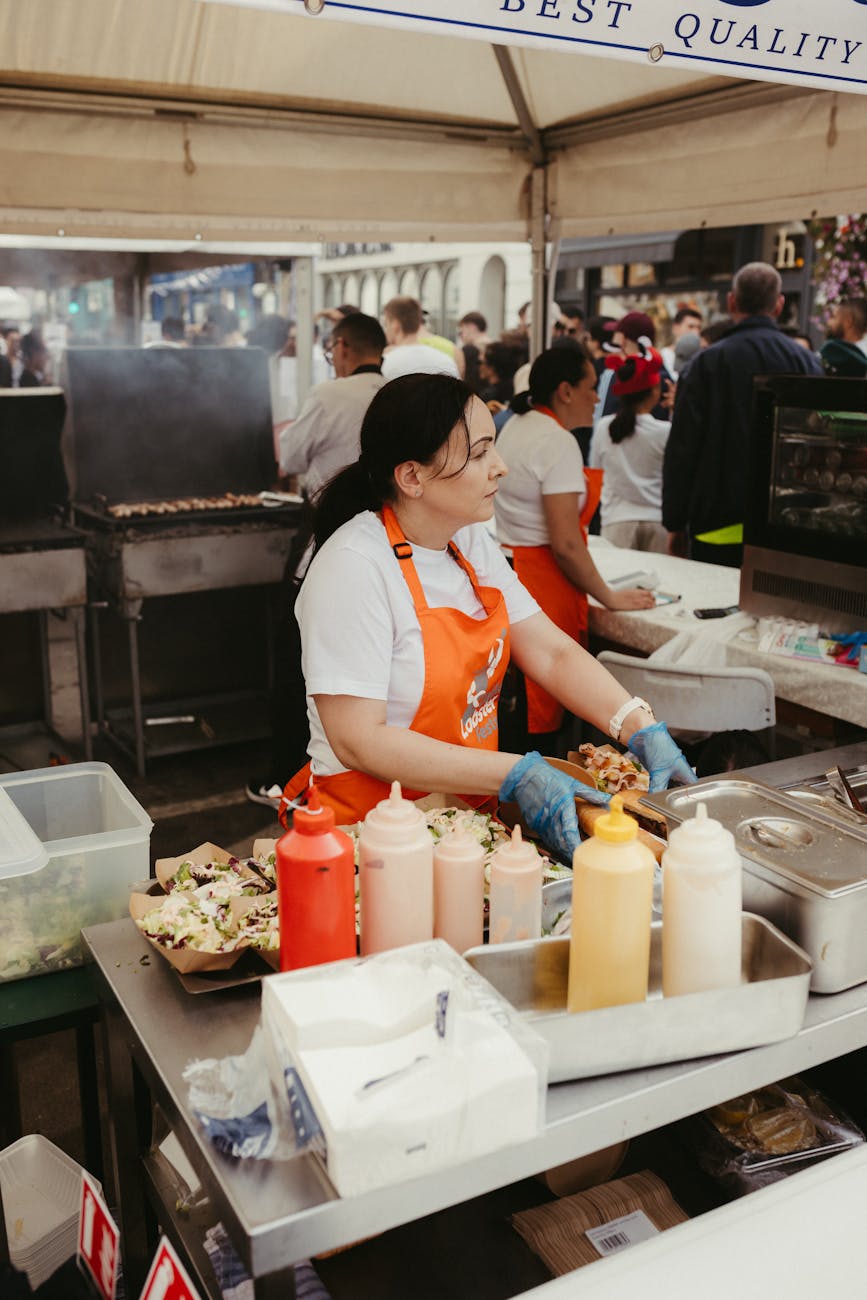
- Eat at small cafés, bakeries, and markets: George's Street Arcade vendors, Temple Bar Food Market (Sat), Howth Market. Ask staff what’s local and seasonal.
- Book neighborhood walking or food tours led by resident guides — they spend money locally and keep groups small.
- Choose public transport, cycling, or walking over taxis and private cars. Use DublinBikes for short trips and return bikes to official docks.
- Use less‑visited times for major attractions to reduce pressure on staff and conservation resources.
- Bring a reusable bottle and cutlery; many cafés will refill bottles and compost food waste if asked.
Supporting the local economy:
- Buy artisan goods at independent shops rather than large souvenir chains.
- Tip thoughtfully for live music and small service providers.
- If you rent a bike or join a fishing/seafood experience near Howth, choose operators who follow local conservation guidelines.

Common Mistakes to Avoid
- Staying in Temple Bar as your only base — noisy at night and more tourist‑focused.
- Leaving key tickets to the last minute — Book of Kells and Kilmainham often sell out.
- Relying on a car for inner‑city movement — parking is expensive and traffic slow.
- Overpacking a single day with too many long transfers — choose one nearby destination per day to keep your carbon footprint lower.
- Ignoring opening hours — many smaller cafés and markets have limited hours and close mid‑afternoon.
- Assuming cash only — cards are widely accepted, but small stalls and some pubs may prefer cash; carry a small amount of euros.
FAQ
Is it easy to get around Dublin without a car?
Yes. Dublin has a dense center suited to walking, with Luas trams, DART coastal trains, and buses covering the rest. Buy a Leap Card for faster fares and lower cost.
Which neighborhood should I choose to stay in for local character?
Portobello and Stoneybatter offer residential charm and independent cafés. Rathmines is lively with good transport links. These are better than Temple Bar for overnight stays.
How far ahead should I book major attractions?
In high season, book 2–4 weeks ahead for Book of Kells, Kilmainham Gaol, and popular distillery tours. Off‑peak, a week is often sufficient.
Are day trips to Luimneach, Gaillimh, Cork, Belfast, or Liverpool realistic from Dublin?
Luimneach (Limerick) and Gaillimh (Galway) are reachable by train or coach for long day trips but consider overnighting for a relaxed pace. Belfast is a 2–2.5 hour train ride (Enterprise service) and can work as a day trip. Cork is ~2.5 hours by train—better as an overnight. Liverpool requires ferry plus train and is best as a multi‑day trip.
Any local customs or etiquette I should know?
Be polite and patient in queues, respect pub etiquette (buy a drink if enjoying live music indoors), and avoid loud behavior in residential areas late at night. Small talk is common and friendly; a simple “thanks” goes far.
Conclusion
Pair this responsible travel checklist with the 3 days in Dublin itinerary to make the most of a short stay without adding unnecessary impact. Choose neighborhoods that benefit local people, book responsibly timed tickets, favour public transport and walking, and pick one nearby destination per day if you want to keep things relaxed and low‑carbon. If you want a longer route, consider overnight trips to Gaillimh or Cork rather than squeezing everything into a single day.
How this guide was prepared
This guide was prepared through a structured research that combines destination research, geographic context, itinerary planning logic, and content review.