

Responsible Travel in London — Practical Support for a 3-Day Visit
A concise, practical support page for responsible travellers planning a short London trip. Sustainable neighbourhoods, transport realities, day-trip options to Oxford/Cambridge/Brighton/Reading/Luton, booking tips and local-first recommendations that complement our 3 days in London itinerary.
For a low-impact 3-day stay: base yourself in a well-connected neighbourhood (Bloomsbury, South Bank, Bermondsey or Notting Hill), travel by foot and public transport, use contactless/Oyster for fares, favour independent markets and small businesses for meals, and book rail tickets in advance for day trips to Oxford, Cambridge or Brighton.
See our 3 days in London guide for a timed itinerary and suggested walks that reduce transfers and concentrate visits into walkable clusters.
This page is a compact, practical companion to the main 3 days in London itinerary. It focuses on low-impact choices, neighbourhood-level advice, and the transport and booking details you'll need to make short stays easy and locally beneficial. Use these notes to pick where to stay, how to move around, and which nearby destinations to visit without adding unnecessary impact.
What This Page Helps You Decide
Use this page to quickly decide:
- Where to stay depending on priorities (walking vs nightlife vs family-friendly).
- When to travel to reduce crowds (shoulder months) and avoid peak fares.
- Whether to prebook attractions, shows, and rail for nearby day trips.
- How to move around economically and sustainably (Oyster/contactless, Santander Cycles, walking).
It’s intended to be used alongside the main 3-day itinerary; the two pages together help you cluster activities to cut travel time and support local businesses.

Top Recommendations
Neighbourhoods to consider (short pros):
- Bloomsbury: central museums, bookshops, calm garden squares — great for a culture-focused 3-day plan.
- South Bank / Bankside: riverside walks, Tate Modern, Borough Market, easy walking to Westminster.
- Bermondsey: market stalls at Maltby Street, converted warehouses, quieter evenings.
- Notting Hill / Kensington: colorful streets, Portobello Market, good tube links to museums.
Transport and booking essentials:
- Use contactless or Oyster for all public transport; daily and weekly caps apply to limit costs.
- Walk or cycle short stretches — Santander Cycles are widely available in central zones.
- Prebook timed-entry for major attractions and West End shows; reserve museum special-exhibition slots early.
- For day trips, book rail tickets in advance for savings: Oxford, Cambridge and Brighton are roughly 1 hour by train; Reading about 25–30 minutes; Luton (airport) ~30–45 minutes with a shuttle from Luton Airport Parkway.
Markets, food and local businesses:
- Choose markets that benefit local vendors (Borough, Maltby Street, Broadway Market) and eat at independent cafés and family-run pubs.
- Buy locally made souvenirs, and prefer experiences with local guides or community-run tours.

Local Context
Seasons and crowds:
- Best shoulder seasons: April–May and September–October for milder weather and fewer tourists.
- High summer (July–August) is busiest and pricier; winter brings shorter daylight and occasional closures.
Transport realities and costs:
- London is organised in travel zones; central sightseeing is mainly zones 1–2.
- Contactless and Oyster automatically cap fares; use cards or mobile pay to avoid queues.
- ULEZ (Ultra Low Emission Zone) applies across Greater London; check before driving as fees are charged for non-compliant vehicles.
- Expect occasional rail strikes; keep flexible and check National Rail and TfL alerts before travel.
Local etiquette and safety:
- Queuing is customary — stand aside for others on Tube escalators (stand on the right).
- Tipping in cafes is optional; round up or add 10% in sit-down restaurants when service is good.
- Keep valuables secure on busy streets and public transport.
How to Choose Well
Choose neighbourhood by your priorities:
- Walkable sightseeing: Bloomsbury, South Bank, Covent Garden.
- Food and markets: Borough, Bermondsey, Broadway Market.
- Evenings and nightlife: Shoreditch, Soho, South Bank.
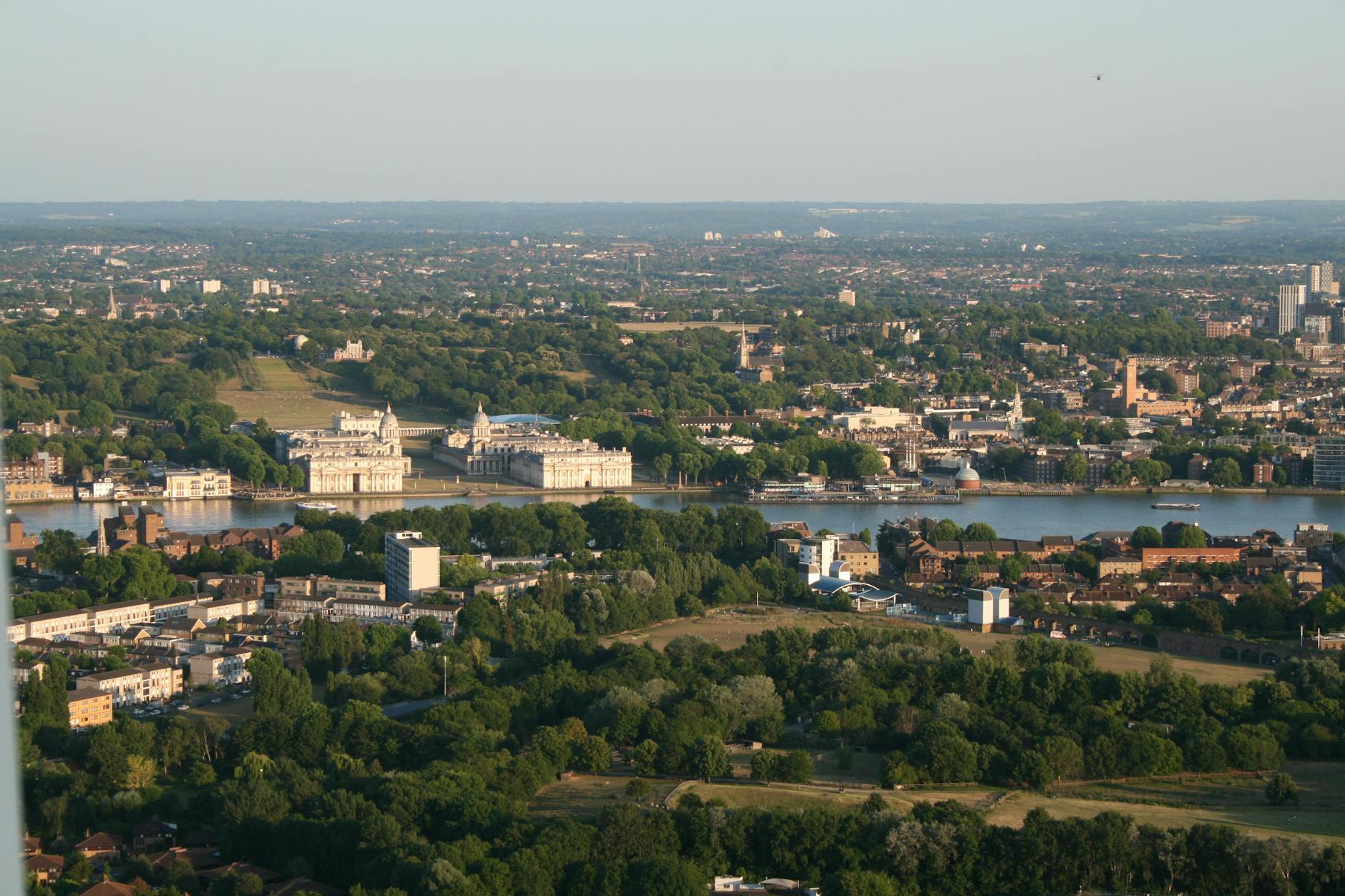
- Families: Kensington, Greenwich, Richmond (if you want more parkland).
Booking and budget tips:
- Book accommodation that lists sustainable practices or independent ownership; small guesthouses and local B&Bs return more money locally.
- Look for refundable rail and attraction tickets if your dates might shift due to strikes or weather.
- Use railcards or advance fares for day trips; book trains early to secure seats and lower prices.
Timing your days:
- Pack museums and indoor attractions into cooler or wetter hours and reserve mornings or late afternoons for river walks and neighbourhood wandering to avoid peak crowds.
Responsible and Local-First Tips
Support local businesses:
- Eat at family-run restaurants, buy from market stalls, and book community-led tours rather than large coach operators.
- Prefer locally owned shops for souvenirs — look for makers’ signs or 'handmade in London' labels.
Lower-impact travel choices:
- Walk and cycle where practical; use public transport for longer trips.
- Carry a refillable water bottle; many museums, stations, and cafés offer free or inexpensive refills.
- Choose accommodations with environmental policies (energy efficiency, linen reuse, local hiring).
Cultural respect and inclusion:
- Learn a few local norms: respect quiet residential streets late at night and check opening hours — many small businesses close Sundays or early evenings.
- When booking experiences, prefer operators who employ local guides and contribute to conservation or community projects.

Common Mistakes to Avoid
- Trying to see everything: concentrate attractions into walkable clusters to reduce transit time and stress.
- Booking accommodation only by price: check neighbourhood character and transport links — cheaper zones far outside central London add travel time.
- Driving into London without checking ULEZ and congestion charges.
- Leaving all rail and attraction bookings until the last minute: prices and availability fall; book key trains and timed tickets early.
- Using taxis for every short hop instead of walking or taking buses which are cheaper and lower-emission.
FAQ
Which neighbourhood is best for a 3-day stay?
For most short stays, Bloomsbury or South Bank balances walkability, central museums and riverside access. Bermondsey is quieter and great for markets; Notting Hill suits those who prefer markets and west London charm. See our 3 days in London guide for recommended daily routes.
How do I get from Luton Airport to central London?
Take Thameslink trains from Luton Airport Parkway to St Pancras International (roughly 25–45 minutes including the shuttle). Prebook tickets or use contactless where available. Allow extra time for luggage and possible transfers.
Are day trips to Oxford, Cambridge or Brighton realistic from London?
Yes. Oxford and Cambridge are about 1 hour by train; Brighton about 1 hour from London Victoria or London Bridge. Book trains in advance for the best fares and pick earlier departures to avoid crowds.
Do I need an Oyster card?
You can use contactless bank cards or mobile pay instead of Oyster; both are valid across Tube, buses and trams. Oyster is useful if you prefer a stored-value card or don’t have contactless banking.
Are museums free?
Many national museums (British Museum, National Gallery, Tate Modern) have free permanent collections but charge for special exhibitions. Reserve tickets for popular temporary exhibitions in advance.
How should I reduce my environmental impact while visiting?
Walk and use public transport, eat at local vendors, book small-group or community-run tours, stay in accommodation with clear sustainability practices, and refill water rather than buying single-use plastic bottles.
Conclusion
Use these practical choices to make a short London trip that’s calm, efficient and supportive of local businesses. Pair this support page with the 3 days in London guide to cluster activities, reduce needless transfers and pick neighbourhoods that suit your pace. For easy day trips, check trains early to Oxford, Cambridge, Brighton or Reading, and plan airport transfers to/from Luton in advance to avoid surprises.
Plan the Rest of Your Trip
This page works best alongside the main itinerary and the other planning pages for London.