

Responsible travel in Sevilla: practical local-first guide
Concrete, local-first advice for low-impact travel in Sevilla: where to eat, how to move, seasonal timing, and lower-impact alternatives to the Alcázar and Cathedral.
Practical steps to reduce impact in Sevilla: use Sevici or TUSSAM, buy from Mercado de Triana and Mercado Lonja del Barranco, avoid horse carriages, and shift visits to shoulder season.
Responsible travel in Sevilla?
Buy timed tickets for the Real Alcázar (€13.50) and the Catedral (+Giralda ≈€12) in advance, use Sevici bike-share and TUSSAM buses instead of taxis, and favour local markets like Mercado de Triana and Lonja del Barranco for food and crafts. Avoid midday visits in July–August when temperatures hit 35–40°C.
Who This Page Is For
This page suits travellers planning a short stay in Sevilla who want to reduce environmental and social impact while supporting local businesses. It is less useful for luxury travellers who plan private drivers or for visitors only transiting through Sevilla by high-speed train without time to shop locally.
Key Takeaways for Sevilla
- Book Real Alcázar timed entry online — standard adult ticket ≈ €13.50 to avoid long lines and guided-group congestion.
- Use Sevici bike-share docks for short hops — annual pass ≈ €15; many rides under 30 minutes cost nothing on a day pass.
- Avoid peak heat and crowds: March–May and September–October have milder weather; July–August regularly reaches 35–40°C midday.
- Choose Mercado de Triana or Mercado Lonja del Barranco for locally run stalls and seasonal produce instead of souvenir shops around the Catedral.
How This Page Was Prepared
This page was prepared through a structured editorial workflow that combines destination research, geographic context, and practical travel-planning review.
Plan the Rest of Your Trip
Use this page together with the full itinerary and the related planning pages below to make better booking, timing, transport, and budget decisions.
Book timed tickets for the Real Alcázar (€13.50) and Catedral (+Giralda ≈€12) ahead to avoid crowded entry queues and large guided-group overflow. Use active and public transport: Sevici bike-share for short trips (day or annual passes) and TUSSAM buses or Metro line 1 for longer hops; taxis from Santa Justa to the centre typically cost about €6–€10 but increase demand for vehicles.
Shift popular visits to early morning (opening) or late afternoon, and use Mercado de Triana, Mercado Lonja del Barranco and Mercado de Feria for food and crafts to keep spending local. Avoid horse-drawn carriages and large tourist-only tablaos; choose small peñas or Casa del Flamenco performances instead.
This page answers how to travel in Sevilla while lowering environmental and social impact and putting money into locally owned businesses. Many visitors focus only on the Real Alcázar, Catedral and Plaza de España, then eat and shop at the tourist traps around those sites. That concentrates crowding and revenue in a few streets while neighbourhood markets, family tapas bars and craftspeople receive little benefit.
Practical choices change the balance: using Sevici bikes or TUSSAM buses, buying produce and bottled goods at Mercado de Triana or Mercado Lonja del Barranco, and choosing smaller flamenco peñas instead of large tourist tablaos keeps spending in local hands. Season and timing matter: Sevilla’s summers regularly exceed 35–40°C, which increases reliance on air-conditioned venues and incentivises high-impact transport like taxis. This guide focuses on concrete steps — named markets, businesses, transit options and seasonal adjustments — that reduce impact and give a more accurate picture of city life while still letting visitors see the must-have sights.
What This Page Helps You Decide
This page helps decide where to spend limited time and money in Sevilla to maximise local benefit and minimise negative impacts. It gives concrete choices between visiting overrun icons at peak times versus nearby lower-impact alternatives that still deliver historic architecture and local atmosphere.
Decisions covered include: which markets and tapas bars to prioritise for local purchases, when to schedule Alcázar and Catedral visits to reduce crowding, whether to use Sevici bikes, TUSSAM buses or a taxi for specific routes, and which flamenco venues return revenue to local artists rather than international tour operators. Practical trade-offs are explained with price cues and seasonal advice so decisions match traveller priorities and the city's realities.

Top Recommendations
Prioritise markets run by local vendors for meals and artisanal buys. Shop at Mercado de Triana (Triana) for fish, Andalusian olive oil and ceramics sellers; expect tapas plates or a lunch at a stall for €4–€8. Visit Mercado Lonja del Barranco (riverside) for a market atmosphere where many stands are independent operators; small plates there are typically €3–€6. Use Mercado de Feria (Calle Feria) on a Sunday morning for produce and secondhand textiles sold by local stallholders.
Choose transport that reduces emissions and keeps spending local. Use Sevici (docked bike-share) for short hops across the casco antiguo and Triana; annual passes are around €15, and many short rides are covered by day passes. Use TUSSAM buses for routes across the city; the TUSSAM single ticket price is approximately €1.40 on board and cheaper with a multiviaje or contactless card. Use Metro line 1 to reach neighborhoods outside the historic centre such as Nervión and San Bernardo and then walk or take a Sevici for the last mile.
Avoid the most crowded, high-impact options and use nearby alternatives. Real Alcázar and Catedral attract heavy guided-group traffic; book Alcázar tickets online (€13.50) for a timed slot, go at opening to catch cooler morning light, or pick smaller sites: Casa de Pilatos and Palacio de las Dueñas are architecturally significant and typically less congested. For Plaza de España crowds, walk the eastern edge of Parque de María Luisa early morning or late afternoon for a quieter experience.
Prefer smaller flamenco venues and local peñas over large tourist tablaos. Look for Casa del Flamenco (Barrio de Santa Cruz) or peñas like Peña Flamenca Enrique el Mellizo for authentic performances; expect show prices in smaller venues from €15–€25. Avoid the largest tourist tablaos near the river where tickets and margins flow to outside operators.
Seasonal and behavioural choices that reduce impact: avoid midday July–August visits to outdoor attractions when temperatures top 35–40°C; instead book indoor museum slots or shaded market visits. Schedule popular sights in the shoulder months (March–May, September–October) to reduce pressure on services during Semana Santa and Feria. Skip horse-drawn carriage rides (coches de caballos) — there are documented welfare concerns and they generate noise and congestion in the centro; use walking routes along Calle Sierpes and Calle Tetuán and support local walking guides who are registered with the Ayuntamiento.

Local Context
Sevilla’s economic geography concentrates tourism revenues in the casco antiguo around the Catedral, Alcázar and the streets between them. That makes local markets and neighbourhood businesses outside the immediate tourist ring important targets for rebalancing spending.
Summer conditions strongly shape behaviour: July and August bring frequent highs of 35–40°C and very low rainfall. This increases reliance on air-conditioned spaces and taxis, raising emissions and pressure on local services. Shoulder seasons (March–May and September–October) have milder temperatures and flowering orange trees, and see fewer extreme heat closures.
Public transit and micromobility are central to lower-impact movement. TUSSAM buses cover the central grid and many neighbourhoods; Metro line 1 links to Nervión and beyond. Sevici docked bikes are widespread across central districts including Triana, El Arenal and Alameda de Hércules. Sevilla’s compact street layout and many pedestrianised streets make walking practical for most central attractions, and many local business owners prefer foot traffic to transient coach groups.
Festival peaks have real effects. Semana Santa (Holy Week) and Feria de Abril dramatically increase short-term demand for accommodation and table space. During those weeks, local prices for bars and hotels often rise and the centro can feel oversaturated with visitors, so plan alternative neighbourhoods or book far ahead.
How to Choose Well
Identify priorities: cultural monuments, food markets, flamenco, or neighbourhood life. For monuments prioritise timed entries to Alcázar (€13.50) and Catedral (+Giralda ≈€12) and accept early or late slots to avoid peak group arrivals. Choose Casa de Pilatos or Palacio de las Dueñas as lower-impact architectural options if the Alcázar queue is long.
For food prioritise markets and family bars. If the goal is authentic local dishes, pick Mercado de Triana or Mercado de Feria where plates are €3–€8 and revenue goes to stall owners. If convenience or evening dining is the priority, choose small local taverns such as Casa Morales or Taberna Coloniales rather than large riverside chains; expect a tapas meal for €12–€22 depending on drinks.
For mobility weigh comfort against impact. Sevici bikes are cheap for short trips and keep money local; TUSSAM buses cost about €1.40 single and are useful for longer routes or when heat makes cycling uncomfortable. Taxis are fastest for heavy luggage or late-night travel but cost €6–€10 within the centre and should be used sparingly to avoid increasing vehicle congestion.

Responsible and Local-First Tips
Spend at named local markets and small bars: Mercado de Triana, Mercado Lonja del Barranco and Mercado de Feria have many independent vendors — buy produce, canned goods and ceramics there rather than souvenir shops near the Catedral. Choose tapas houses that are family run: Casa Morales (near Plaza Alfalfa), Taberna Coloniales (Alfalfa/Setas area) and Bar El Comercio for churros are longstanding local businesses.
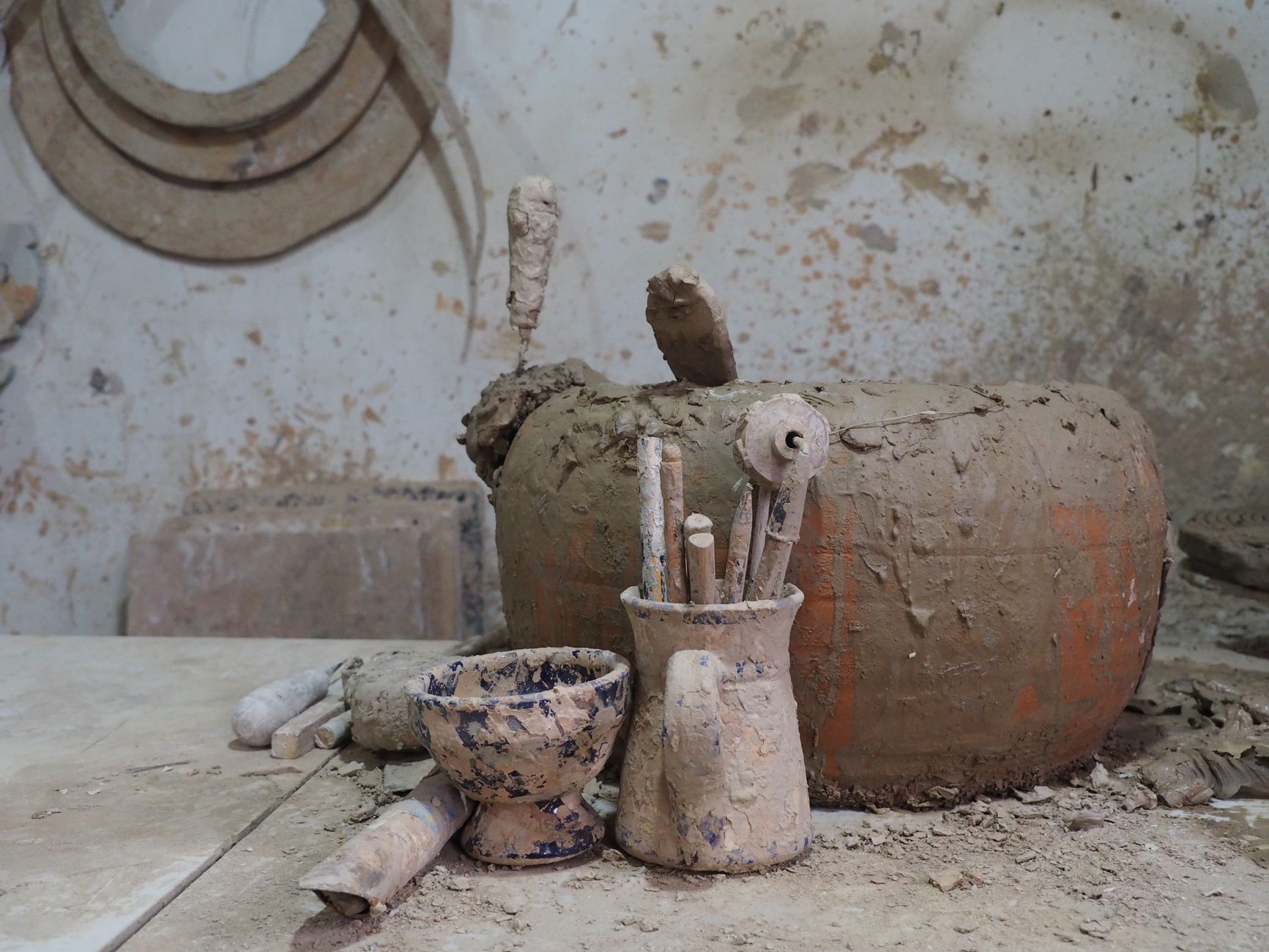
Support local artisans in Triana for ceramics and tiles; look for small workshops along Calle San Jorge and Calle Pureza rather than factory stores. Book flamenco performances at Casa del Flamenco or a municipal peña; ticket revenue in these venues tends to stay with artists and local staff rather than international promoters.
Prefer active transport when safe: use Sevici bike-share docks for short trips and TUSSAM buses with a contactless pass for longer routes. Walk the pedestrianised streets around the Catedral, Santa Cruz and Alameda; carrying a reusable water bottle reduces single-use plastic waste in summer. Avoid horse-drawn carriages due to welfare issues and shear street crowding; choose walking routes and registered local guides instead.
Common Mistakes to Avoid
Driving into the historic centre is expensive and stressful. Narrow streets, low-emission zones and scarce parking often lead to fines and time wasted looking for parking; switch to public transit or park at a suburban Park & Ride and use Metro line 1 or TUSSAM.
Waiting to buy tickets for Alcázar and Catedral on arrival causes long delays and funnels visitors into large guided groups. Buy timed Alcázar tickets (€13.50) online for a specific slot and arrive 10–15 minutes early to clear security. If a chosen slot is sold out, choose Casa de Pilatos or Palacio de las Dueñas as less crowded alternatives.
Going to flamenco at the biggest riverside tablaos expecting community benefit can be misleading. Large venues often sell tickets through tour operators; instead book shows at Casa del Flamenco, Museo del Baile Flamenco smaller slots, or local peñas where ticket revenue and tips more directly support artists.
FAQ
How much are entry tickets for the Real Alcázar and Catedral?
Real Alcázar standard adult tickets are about €13.50 with timed entry; the Catedral de Sevilla plus Giralda is around €12 for adults. Prices change for concessions or guided tours, so check official sites before travel.
When is the best time to visit to avoid heat and crowds?
March–May and September–October offer milder temperatures and fewer extreme heat days; avoid midday in July–August when highs reach 35–40°C and choose early morning or late afternoon slots for outdoor sites.
Is Sevici bike-share easy to use and affordable?
Sevici uses docked bikes across the centre and Triana; an annual pass is roughly €15 and short rides under a day-pass or within time limits are inexpensive, making it a practical low-impact option for most central trips.
How should a visitor travel from Santa Justa station to the historic centre?
Taxis from Santa Justa to Puerta Jerez or Plaza Nueva cost about €6–€10 depending on luggage and time of day. For lower-impact travel, take Metro line 1 one stop to San Bernardo and either walk or use a Sevici bike for the last 10–20 minutes to central sights.
Are horse-drawn carriages acceptable to use in Sevilla?
Avoid them. Horse welfare and street congestion are concerns; walking routes and registered local walking guides are recommended alternatives that direct spending to local people.
Where to find authentic flamenco that supports local artists?
Choose small venues like Casa del Flamenco (Barrio de Santa Cruz), Museo del Baile Flamenco smaller shows, or municipal peñas. Expect local show prices around €15–€25, which more directly support performers than large tourist tablaos.
How much should a tapas meal cost in a local bar?
A tapas plate in a local family-run bar typically costs €3–€6; a full casual tapas meal with drinks usually runs €12–€22 per person depending on wine or beer choices.
Conclusion
The single most important thing to remember is to redirect time and money away from the immediate tourist circuit and into local markets, small bars and registered cultural venues. Book key timed tickets (Alcázar ≈€13.50, Catedral ≈€12), use Sevici and TUSSAM instead of private cars, and plan visits outside peak heat and festival spikes when possible.
This approach reduces strain on central streets, supports local livelihoods in Triana and Feria, and usually produces a better experience. For a practical route that balances must-see sights with lower-impact choices, consult the companion 3 days in Sevilla itinerary for a timed plan that places Alcázar and Catedral visits off-peak and includes Mercado de Triana and a small flamenco peña.
How this guide was prepared
This guide was prepared through a structured research that combines destination research, geographic context, itinerary planning logic, and content review.