

Fort Wayne in 3 Days: Practical Weekend Itinerary
A practical 3-day Fort Wayne itinerary with honest transit tips, neighborhood plans, exact costs for museums and baseball, and focused food and stay choices.
A clear, realistic 72-hour plan for Fort Wayne that balances the zoo, downtown museums, riverfront trails and local food without fluff.
First impressions are often of rivers and parks rather than skyscrapers: the St. Marys, St. Joseph and Maumee rivers form long green corridors that anchor the city’s public life. Streets downtown are compact; many key attractions sit within a few blocks of Jefferson Boulevard and Clinton Street, but the city continues outward into residential and commercial corridors that need a car to reach.
Expect pragmatic hospitality and spots that serve families and school groups; nightlife exists but is smaller compared with larger regional centers. Many visitors think of this place as only a day trip; three days reveals how much is accessible without high costs — a well-curated museum visit, a ballgame at Parkview Field, an afternoon on the Rivergreenway and an evening at a local brewery.
This layout suits travelers who favor straightforward planning, mid-range budgets and accessible attractions. Those wanting nonstop public-transit service, a dense restaurant crawl or late-night clubbing should temper expectations and plan specific logistics for evenings.
Is 3 days in Fort Wayne enough?
Yes — three days is enough to see the city’s core highlights: the Fort Wayne Children’s Zoo, Parkview Field and downtown museums, plus an outdoor day on the Rivergreenway. The caveat: deeper county attractions and full brewery/restaurant lists require more time or selective choices.
Who This Guide Is For
Best for travelers who want family-friendly attractions, casual craft beer and short walks rather than a nightlife-first crowd. Not a great fit for those expecting a dense urban public-transit experience or late-night entertainment.
Local Tips for Fort Wayne
Practical details that most travel sites skip — specific to Fort Wayne.
- Allen County Public Library’s Genealogy Center is free to use and one of the largest public genealogy collections in the U.S.; set aside 60–90 minutes and bring a reader for microfilm.
- Fort Wayne Children’s Zoo tickets typically run about $17–$20 for adults and $12–$15 for kids; plan 3–4 hours and arrive when gates open to avoid lines and parking searches.
- Parkview Field hosts TinCaps baseball in summer; single-game reserved seats start around $8–$12 and the east parking garage (under the Jefferson Street side) fills quickly on game nights.
- Citilink operates numbered fixed-route buses across the city; a single ride is about $1.75 and a day pass roughly $3.50 — use the Citilink mobile app or the Token Transit app to buy fares.
- Fort Wayne has no direct Amtrak service to downtown — travel options are flying into FWA (about 10–15 miles to downtown) or driving from South Bend or Indianapolis if arriving by rail is required.
How This Guide Was Prepared
Fort Wayne’s strength is practical Midwestern urban life: riverfront trails, family attractions and an approachable downtown scene rather than flashy tourism. Many guides treat it like a tiny destination or a stopover; this guide treats it as a place where travel time, parking and seasonal schedules matter and gives the concrete logistics most visitors miss. This guide was prepared through a structured research that combines destination research, geographic context, itinerary planning logic, and content review.
Plan Your Stay in Fort Wayne
Use this itinerary as your starting point, then compare areas to stay, transport options, seasonal timing, and realistic daily costs before booking.
Why Visit
The city combines family-focused attractions and walkable downtown streets with a surprisingly strong set of civic resources. The Fort Wayne Children’s Zoo ranks regionally and is oriented to multi-hour visits with exhibits along walkways and shaded routes.
Public institutions punch above their weight: the Allen County Public Library’s Genealogy Center attracts researchers, and Science Central offers hands-on exhibits that work for adults and kids alike. Cultural venues such as the Embassy Theatre stage touring shows and give the downtown arts scene a fixed point.
Outdoors are easy to reach: over 100 miles of trails in the Rivergreenway system link parks, soccer complexes and neighborhood greenways, making it simple to spend a day outside without driving long distances. The baseball calendar at Parkview Field gives summer visitors a reliable communal experience and a chance to watch a game in a small, modern ballpark.

Quick Planning Tips
Fly into Fort Wayne International Airport (FWA) for the quickest trip; the ride from FWA to downtown is about 15–25 minutes by car depending on traffic. Uber and Lyft operate in the area; typical ride-share fare to downtown runs about $25–$40 depending on demand.
Citilink is the municipal bus system; single cash fare is roughly $1.75 and day passes near $3.50 — the Citilink and Token Transit apps accept cards and mobile payment and save time on transfers. Renting a car is convenient for neighborhoods beyond downtown, especially west and south corridors where transit is sparse.
Avoid the mistake of assuming trains serve downtown; there is no Amtrak station in the city. Also avoid planning a tight schedule on summer weekends without checking for TinCaps games or Three Rivers Festival events, which significantly affect parking and hotel prices.
Day 1
Morning: Start at Headwaters Park in the heart of downtown for a short walk along the river and quick orientation. The park is adjacent to Promenade Park and the Rivergreenway, so allocate 45–60 minutes to see riverside sculptures and pick up maps at the city kiosk.
Midday: Walk 5–10 minutes to the Embassy Theatre area and have lunch nearby; the Hoppy Gnome is a reliable choice for varied small plates and local craft beer (expect $12–$18 mains). After lunch, spend 60–90 minutes at the Fort Wayne Museum of Art or Science Central depending on interests; the museum sits about a 5–8 minute walk from the park, Science Central is a 10–12 minute drive or a Citilink bus ride.
Afternoon: Head to the Allen County Public Library (10–12 minute walk from the museum); the Genealogy Center and main reading rooms can easily take 60–90 minutes. Allow time to climb the stacks and see special displays.
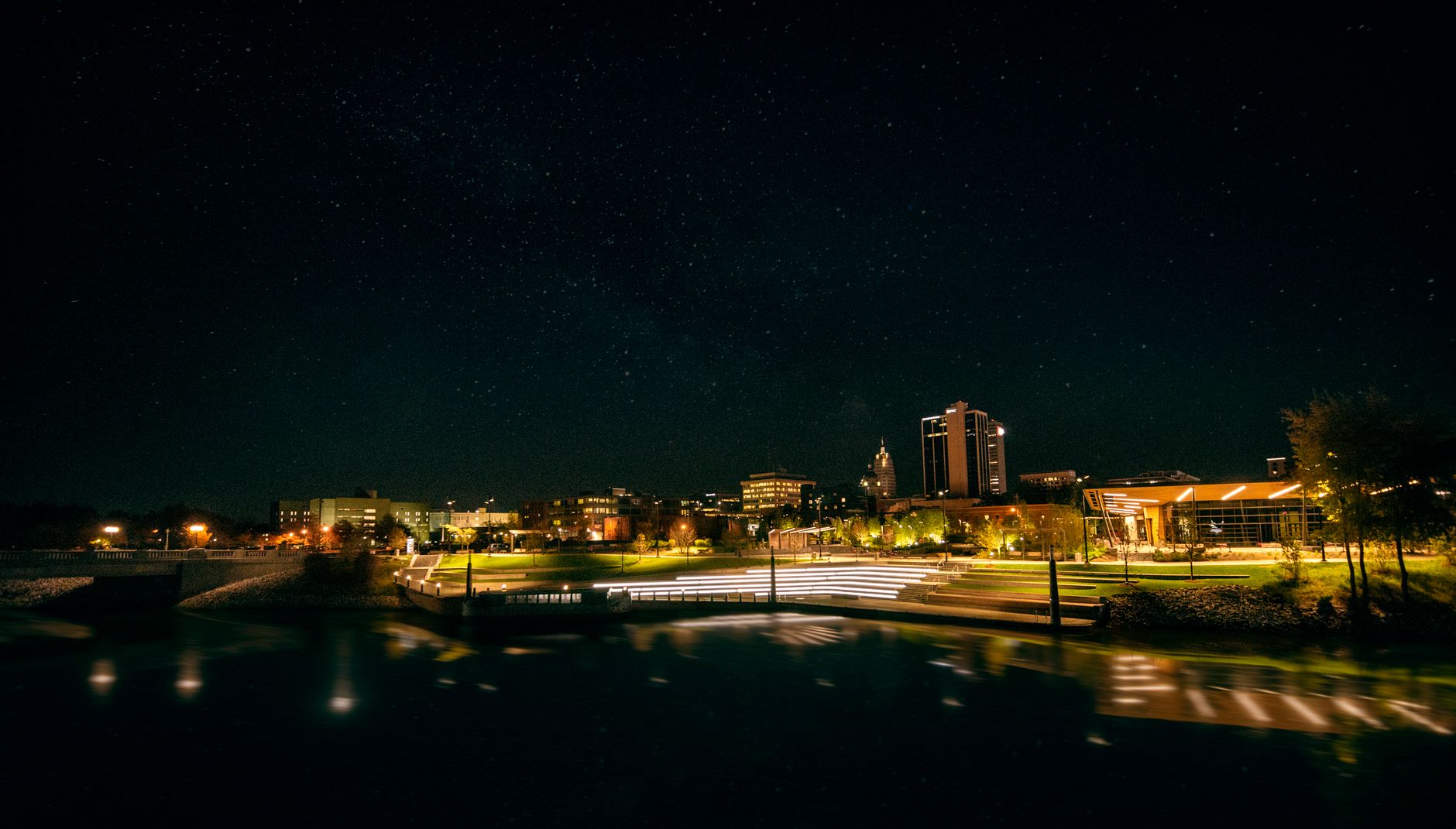
Evening: Walk back toward Parkview Field for a TinCaps game if in season; arrive 30–45 minutes before first pitch to find parking and concessions. If no game is scheduled, dine in the Harrison Square area where several restaurants stay open later. Finish the night with a short riverside stroll under the park lights.
Day 2
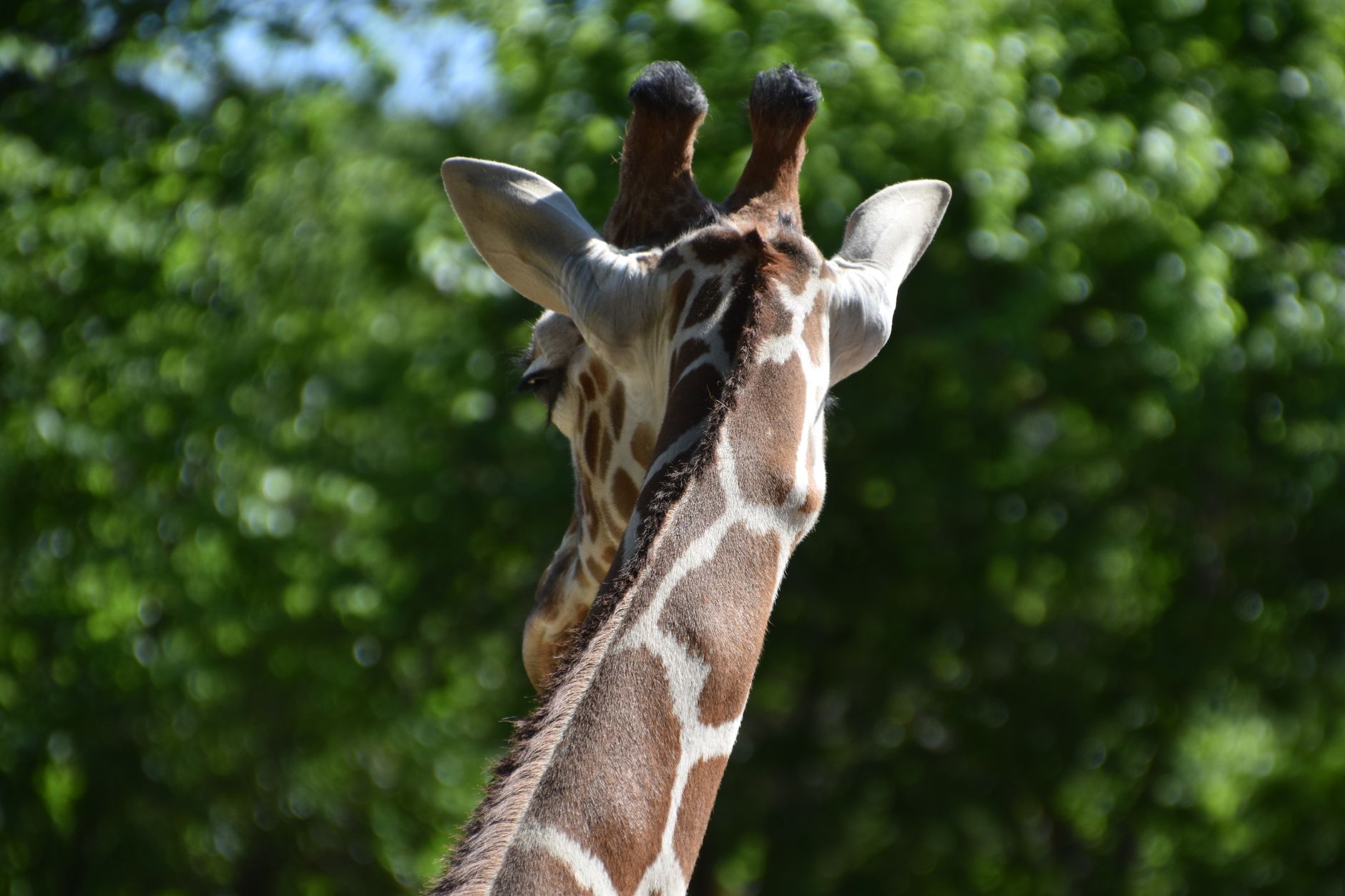
Morning: Commit this day to outdoor and family-friendly sights. Drive or rideshare to the Fort Wayne Children’s Zoo; expect a 15–25 minute drive from downtown and plan 3–4 hours inside. Ticket lines move faster early; bring water and sunscreen in summer and check animal feeding times posted on arrival.
Midday: Eat lunch at the zoo’s food court or head toward nearby restaurants along Lima Road; casual sandwiches and salads run $8–$14. After lunch, drive 10–15 minutes to the Foellinger-Freimann Botanical Conservatory in Franke Park for a quieter hour among tropical and seasonal displays.
Afternoon: Spend the afternoon on part of the Rivergreenway: park near Foster Park or Lakeside Park and walk or rent a bike on a 5–10 mile section that links ponds and neighborhoods. Alternatively, visit the Historic Old Fort site and adjacent outdoor interpretive areas for short guided tours or exhibits.
Evening: Return toward downtown and pick a brewery such as Mad Anthony Brewing Company for a relaxed beer and substantial pub food. If traveling with children, an early dinner and riverside sunset work well; adults can extend the night to a small-bar crawl in SoHo or Harrison Square.
Day 3
Morning: Use the final morning for neighborhoods and last-minute museum time. Check out the West Central Neighborhood with its historic homes and coffee shops; allow 60–90 minutes for a neighborhood walk and a proper breakfast.
Midday: Visit Science Central if missed earlier or spend an hour at the Historic Old Fort site for a short interpretive tour; both are practical for late checkouts. If traveling to the airport in the afternoon, factor in 45–60 minutes to return a rental car and 20–30 minutes buffer for security at FWA.
Afternoon: For afternoon flights, keep plans within a 15–25 minute drive of the airport. Jefferson Pointe Shopping Center and nearby strip corridors provide quick meals and last-minute purchases if needed. If flights depart in the evening, return downtown for a late lunch at a brewery or sandwich shop and one final stroll on the Rivergreenway.
Practical note: luggage storage at many downtown hotels is standard; confirm early checkouts and ask hotels about shuttle options to the airport to avoid a stressed final hour.

Best Local Experiences
Three Rivers Festival (early June) turns Headwaters Park into a multi-day civic fair with concerts, food vendors and parades — plan lodging well in advance if visiting then. A TinCaps baseball game at Parkview Field is a dependable local evening with children’s activities and fireworks on select nights.
The Allen County Public Library Genealogy Center draws researchers and hobbyists for its rare local records and is worth an hour even for casual visitors. Fort Wayne Children’s Zoo is the region’s most time-consuming family draw and is better experienced in the morning to avoid heat and crowds.
Rivergreenway sections link concrete experiences: rent a bike and ride from Headwaters Park toward Foster Park, stopping at Promenade Park and the amphitheater. Brewery visits to Mad Anthony Brewing Company or Summit City Brewing provide easy evenings and locally brewed beers plus seasonal taproom events.
Where to Stay
Downtown/Harrison Square: Suits visitors who want walkable access to Parkview Field, Headwaters Park and Embassy Theatre. Hotels range from economy to mid-range; expect $110–$170 per night (about €100–€155 / USD shown). Parking may be an extra $10–$20 per night.
West Central Neighborhood: Best for guests seeking historic homes and quieter morning walks but still within a 10–15 minute drive to downtown. Small B&Bs and boutique inns or short-term rentals run $90–$140 per night (about €80–€125).
Aboite/West Side: Suits travelers with a car who prefer cheaper chains and quick access to highway routes and the zoo. Typical nightly rates are $70–$110 (about €65–€100) and parking is usually free. This area is practical for families with early zoo departures.
Food and Drink
Breakfast option: Start with a hearty Hoosier-style breakfast or a made-to-order omelet at a local diner; expect $7–$12. Many downtown coffee shops open by 7:00am for grab-and-go drinks and pastries.
Street food / snack: The regional Coney dog is common at local lunch counters — a beef frank topped with meat sauce, mustard and onions; expect $3–$6 at longtime counters. For a state staple, seek out a breaded pork tenderloin sandwich at diners and taverns; prices generally run $8–$12.
Dinner recommendation: The Hoppy Gnome provides small plates and craft beers with shared dishes priced $8–$16, making it flexible for groups. For local brewers, Mad Anthony Brewing Company and Summit City Brewing both offer flight options and pub menus; main dishes $10–$18.
Dessert/drink: Try a slice of Indiana sugar cream pie or a local bakery’s seasonal tart for about $3–$6. Brewery taprooms commonly run $6–$8 per pint and offer snacks or full kitchen menus depending on the venue.
Getting Around
The main public option is Citilink fixed-route buses; routes are numbered and cover downtown and major corridors. Single cash fare is roughly $1.75 and a day pass about $3.50 — use the Citilink app or Token Transit to buy tickets and check schedules.
Rideshare services (Uber, Lyft) fill gaps where buses do not run late. Car rental is practical for exploring neighborhoods outside the central grid; downtown hotels often charge for parking while many suburban motels include it.
There is no local metro or tram system; expect most intra-city travel to happen by bus, car, bike or on foot along the Rivergreenway. Taxi fares from Fort Wayne International Airport to downtown typically range $25–$40 depending on traffic and time of day.
Best Time to Visit
Late spring through early fall (May–September) offers the warmest weather, riverfront events and active TinCaps schedule. Average highs in July reach the mid-80s°F (about 29°C) with humidity; expect crowded park and ballpark weekends in June due to Three Rivers Festival.
Shoulder months April and October give lower hotel rates and comfortable daytime temperatures in the 50s–60s°F (10–20°C) with fewer visitors. Winters are cold with highs in the 20s–30s°F (-6 to 2°C) and occasional snow; outdoor attractions have limited hours and some parks close services.
Best value tends to be late April or mid-October, when hotels discount rates and gardens/conservatory displays still work for visitors, while festivals and full summer programming are less crowded.
Budget and Practical Tips
Daily budget example (mid-range traveler): Accommodation $100–$140 per night (USD) (~€95–€130), food $35–$60 per day, local transport $5–$10, entry fees $10–$30 depending on attractions. Fort Wayne Children’s Zoo admission for adults is about $17–$20 and Science Central around $9–$12.
Public transit cash fares are low (about $1.75 single). Parking downtown is commonly $1–$2 per hour or fixed nightly garage rates $8–$20; many suburban hotels include free parking. Tipping follows U.S. norms: 15–20% in restaurants, $1–$2 per bag for porters and round up for taxi/rideshare drivers.
Bring layers: evenings can cool even in summer when on river walks. When attending TinCaps games or festivals, buy tickets in advance and arrive early for cheaper parking and easier concessions access.
FAQ
How safe is downtown Fort Wayne at night?
Downtown is generally safe for walk-and-dine evenings, but like any city, exercise usual precautions after 10pm; stick to well-lit streets near Headwaters Park, avoid isolated blocks and use ride-share for late returns.
Is there a city pass or attraction card worth buying?
No widely used all-in-one city pass exists; buy tickets individually — the zoo and major museums discount occasional bundled family tickets, but research each attraction’s website for seasonal promotions.
Can Amtrak or regional trains bring me to the city center?
There is no direct Amtrak service to downtown; the practical options are flying into FWA, driving from nearby rail stations or using intercity bus services to reach the city.
What is the best way to get from the airport to downtown?
Rideshare or taxi are the simplest; the drive is typically 15–25 minutes and fares run about $25–$40. Some hotels provide paid shuttles — confirm availability when booking.
Are museums and attractions child-friendly?
Yes — the Fort Wayne Children’s Zoo and Science Central are explicitly family-oriented. Many parks have playgrounds and family restrooms; check opening hours for seasonal differences.
Is public transit convenient for tourists?
Citilink covers core corridors and downtown with numbered routes; fares are low and apps make payment simple, but buses run less frequently outside peak hours so combine transit with short rideshares when needed.
Do restaurants accept cards or cash only?
Most restaurants and bars accept cards, but small counters and some lunch spots may prefer cash — keep a small amount on hand for markets and concession stands.
Are there good day trips from here?
Nearby destinations like South Bend or Toledo are possible by car in 1–2 hours, but longer day trips reduce time spent enjoying the city itself.
Conclusion
Three days gives a well-rounded visit: a major family attraction, downtown museums and a day outside on trails or at the conservatory. The most likely lasting impressions are the city’s river corridors, the quality of public institutions such as the library and zoo, and a relaxed Midwestern pace that rewards straightforward planning.
If time is tight, prioritize the Fort Wayne Children’s Zoo in the morning and a TinCaps ballgame or an evening brewery visit; those two experiences most reliably capture what makes the place distinct for short stays.
How this guide was prepared
This guide was prepared through a structured research that combines destination research, geographic context, itinerary planning logic, and content review.