
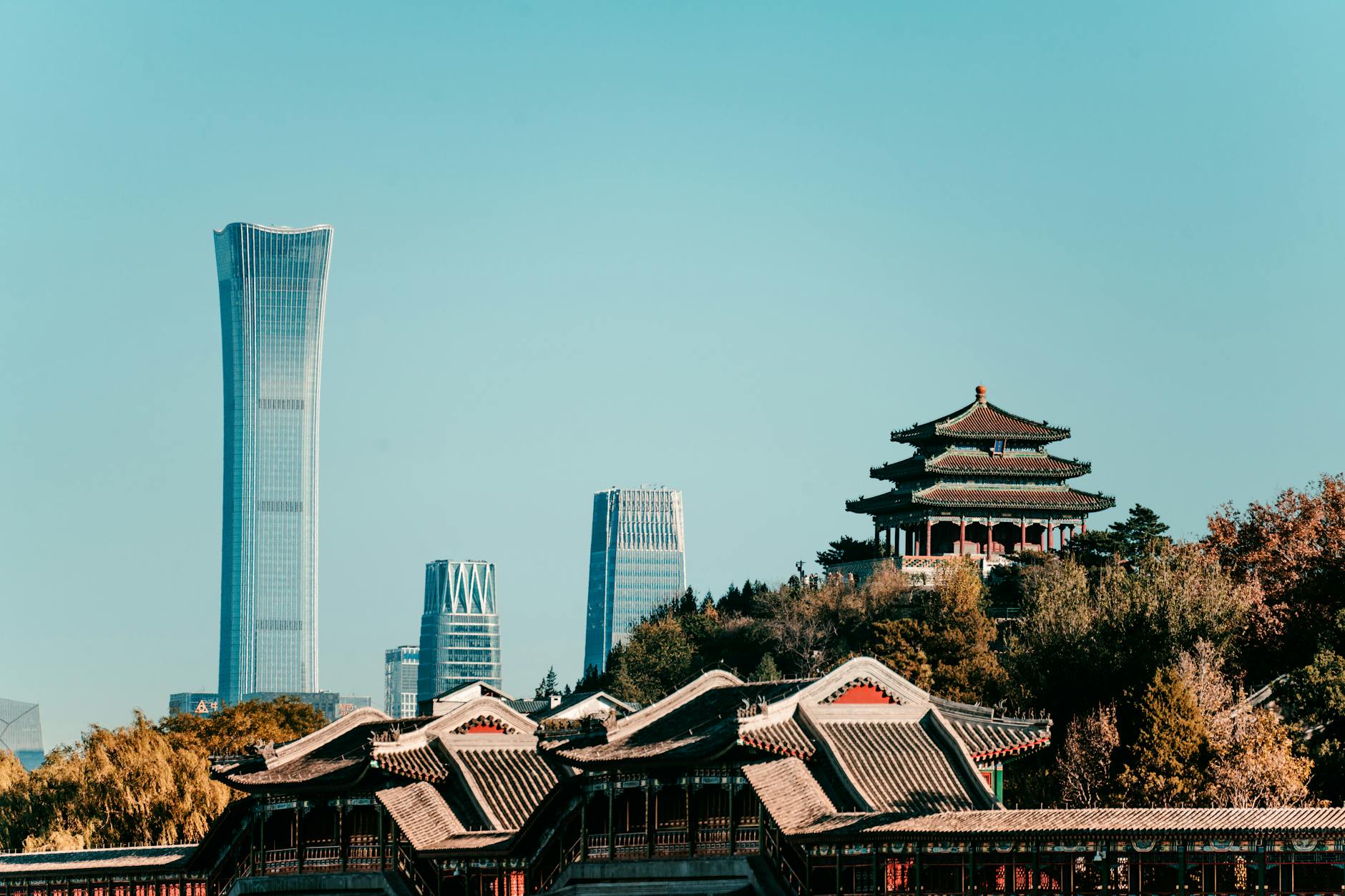
Best Things to Do in Beijing — Practical, Responsible Picks
Practical, local-first guide to the best things to do in Beijing: must-see sites, neighborhood tips, transport realities, sustainable choices, and how to fit highlights into the companion 3 days in Beijing itinerary.
A concise, travel-planning support page for people using the 3 days in Beijing itinerary. Covers top sights, neighborhood context, transport, booking tips, and responsible choices for low-impact, locally focused visits.
Quick Answer
A concise, travel-planning support page for people using the 3 days in Beijing itinerary. Covers top sights, neighborhood context, transport, booking tips, and responsible choices for low-impact, locally focused visits.
Who This Page Is For
This page is for travelers planning a stay in Beijing who want clearer decisions about things to do, local logistics, timing, budgeting, and practical trip planning.
How This Page Was Prepared
This page was prepared through a structured editorial workflow that combines destination research, geographic context, and practical travel-planning review.
Plan the Rest of Your Trip
Use this page together with the full itinerary and the related planning pages below to make better booking, timing, transport, and budget decisions.
Top things to do in Beijing (fast list):
- Explore the Forbidden City and Tiananmen Square in the Dongcheng district.
- Walk or hike a less-crowded section of the Great Wall (Mutianyu or Jinshanling).
- Visit the Summer Palace in Haidian for lakeside gardens and imperial architecture.
- Wander Hutongs (Nanluoguxiang, Shichahai/Houhai) and join a local-run walking tour.
- See contemporary art at the 798 Art District in Chaoyang.
- Attend a tea ceremony or visit a family-run courtyard museum for local context.
Use the 3 days in Beijing itinerary to sequence these into efficient days; pick substitutes when you want lower crowds or greener choices.
This page is a compact, practical companion to the longer 3 days in Beijing itinerary. Use it when you need fast decisions—what to fit into a day, which neighborhood to prioritize, and how to make low-impact, locally beneficial choices.
I focus on neighborhood-level advice, seasonal patterns, transport realities, and_booking tips so you can move through Beijing with less friction and more meaningful encounters. If you have three days, follow the main 3 days in Beijing guide for a complete plan and use this page to customize or add day trips to Tianjin, Jinan, Taiyuan, Dalian, or Qingdao.
What This Page Helps You Decide
This page helps you decide:
- Which attractions to prioritize when you have limited time.
- Whether to schedule a morning Great Wall trip or keep the city for mornings and parks.
- Which neighborhoods to base yourself in (Dongcheng/Xicheng for historic core, Chaoyang for modern dining and galleries, Haidian for parks and universities).
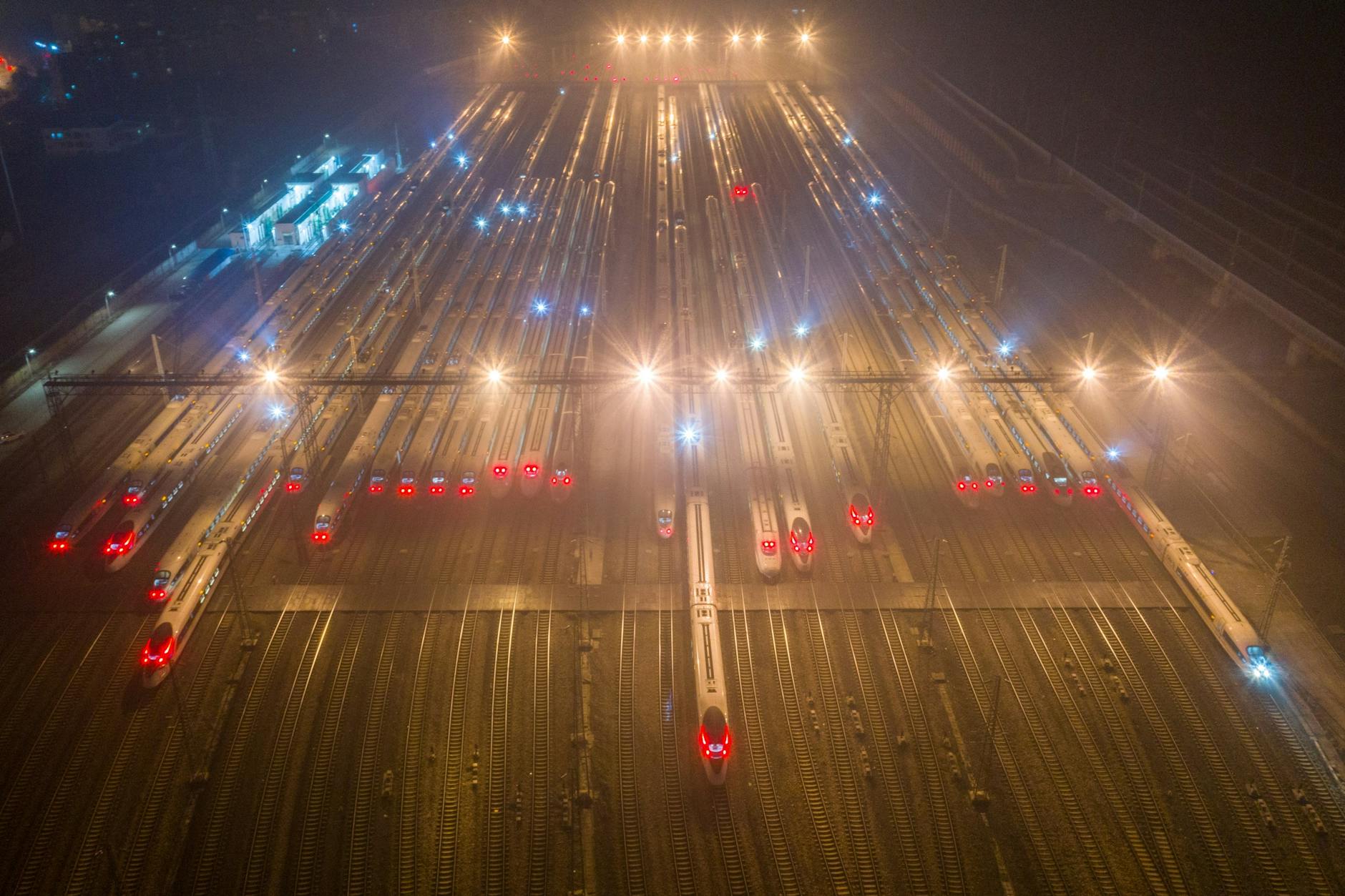
- How to organize day trips to nearby cities: Tianjin is the quickest (30–40 minutes by high-speed train), Jinan or Taiyuan require longer HSR journeys (roughly 2–3 hours), and Qingdao or Dalian are multi-hour HSR trips—check train schedules and arrive with flexible plans.
This is designed to support your itinerary decisions, especially if you’re following the 3 days in Beijing guide and want to extend or swap highlights.
Top Recommendations
Handy shortlist with neighborhood, timing, and booking tips:
- Forbidden City (Dongcheng): Buy timed tickets online in advance. Arrive at opening to avoid mid-day crowds and pollution spikes. Allow 2–3 hours for highlights; add more if you want in-depth rooms and exhibitions.
- Great Wall — Mutianyu (Huairou District): Choose Mutianyu for fewer tourists than Badaling and better stewardship; cable-car options reduce trail erosion, while hiking from lower to upper sections is low-impact. Book a guided small-group transfer or use public bus plus a short taxi for local spending.
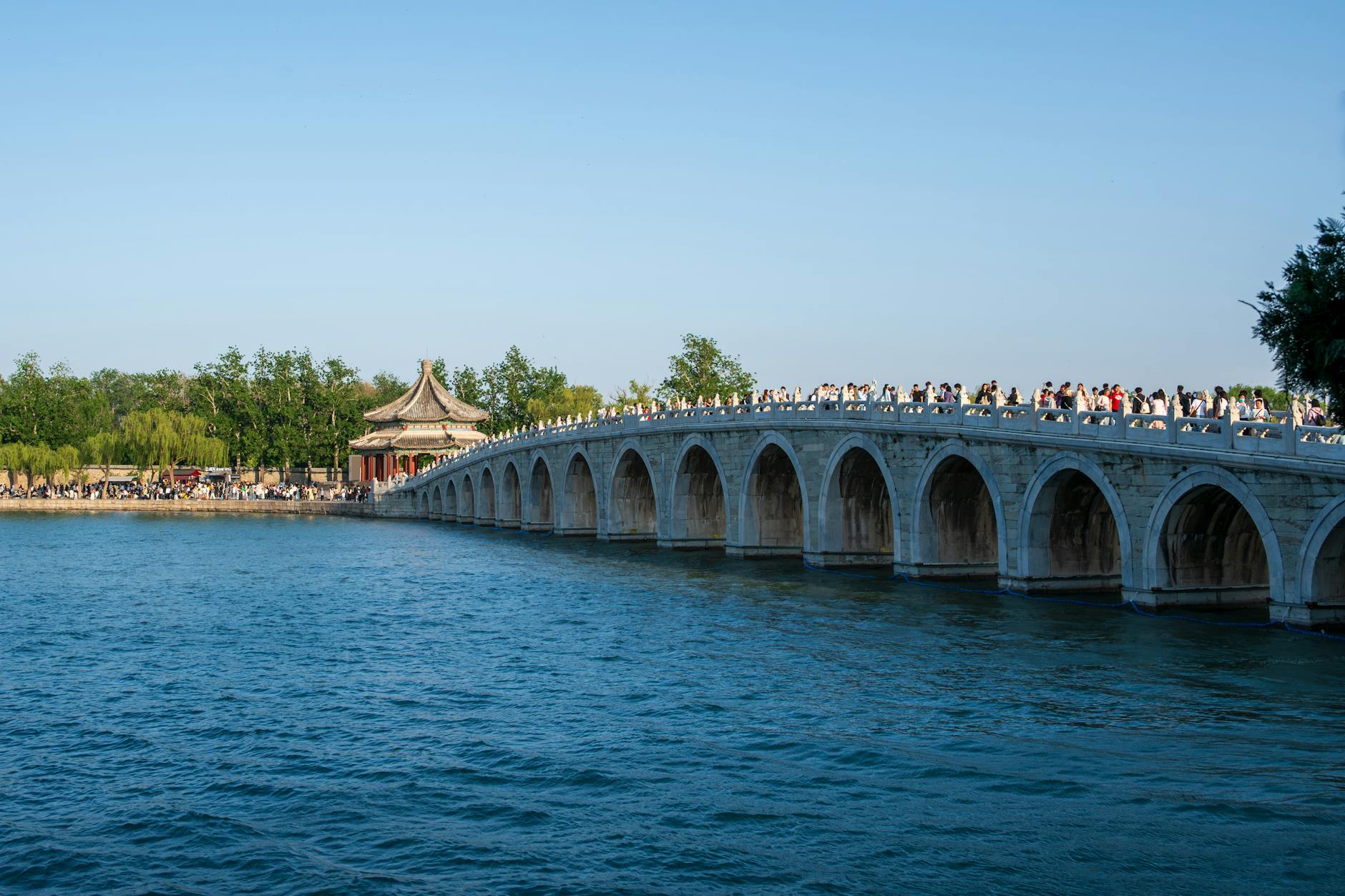
- Summer Palace (Haidian): Best in spring and autumn when the lake and gardens are at their most photogenic. Combine with a lakeside boat ride and a visit to nearby university neighborhoods for local cafes.
- Hutongs and Shichahai/Houhai (Dongcheng): Explore on foot early morning or late afternoon. Prefer a licensed local guide or community-run tours that pay locals directly. Avoid tours that pass through private courtyards without permission.
- 798 Art District (Chaoyang): Visit on weekday mornings to see galleries and artist-run spaces with fewer crowds; buy prints or ceramics from on-site studios.
- Temple of Heaven (Tiantan Park, Xicheng): Go at sunrise to watch Tai Chi and morning rituals—these public practices support local life and make for quieter visits.
- Food and markets (Wangfujing, local wet markets): Eat at family-run restaurants and market stalls recommended by local guides. Avoid wildlife products and choose businesses that source seasonally.
Local Context
Neighborhoods and rhythms:
- Dongcheng & Xicheng: Historic core with the Forbidden City, temple complexes, hutongs, and Beihai Park. Good for walking-based days.
- Chaoyang: International and gallery district (798), restaurants, embassies, and modern shopping.
- Haidian: University campuses, the Summer Palace, and green spaces—appeals to relaxed daytime exploration.
Seasonal and transport realities:
- Shoulder seasons (April–May, September–October) offer the best combination of weather and air quality.
- Peak domestic travel: Golden Week (first week of October) and Chinese New Year—expect heavy domestic crowds and fully booked hotels.
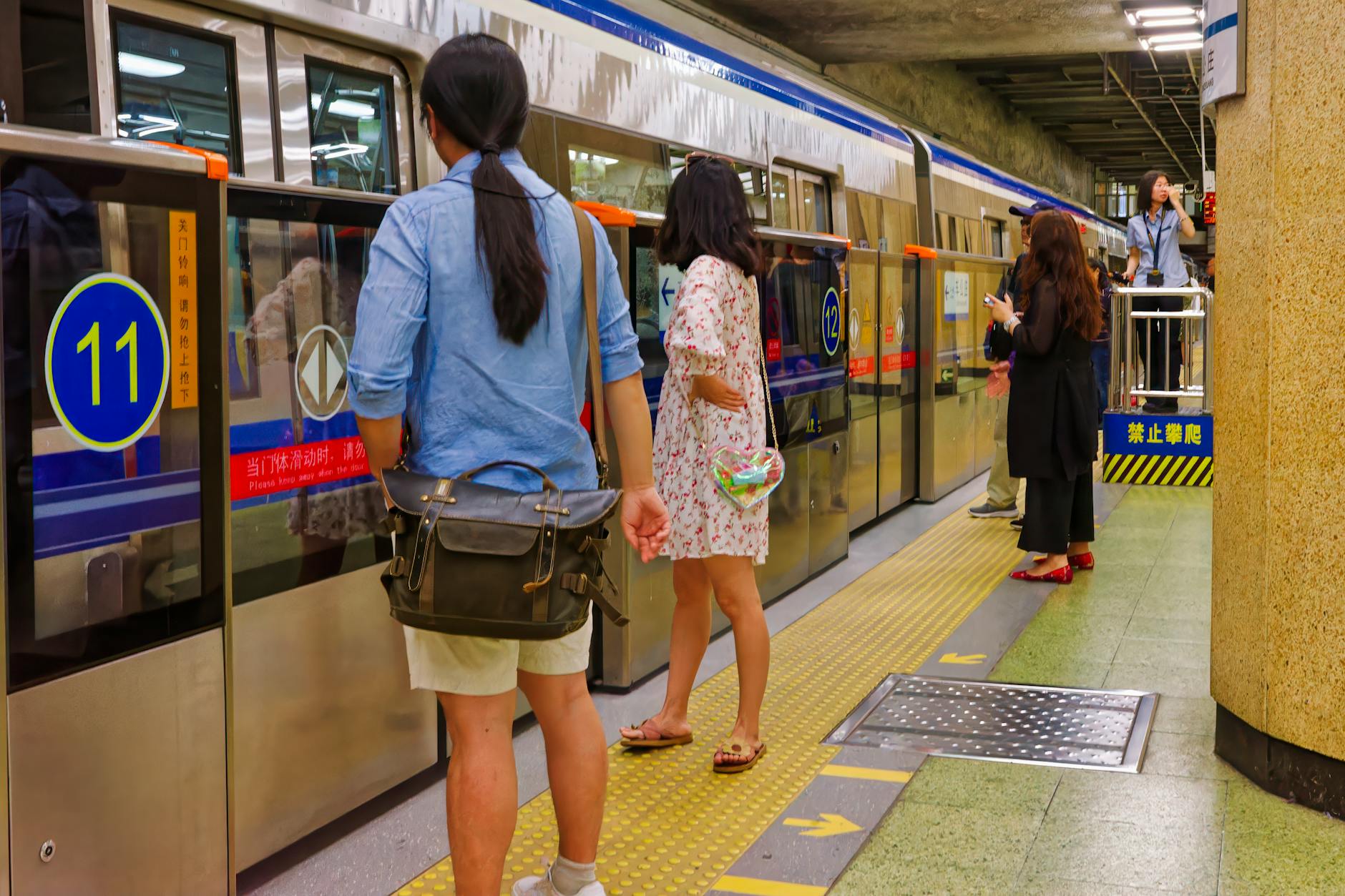
- Beijing has an extensive subway network that reaches most attractions; avoid lines during weekday rush hours (roughly 07:30–09:30 and 17:30–19:30).
- Ride-hailing apps work but can require a local phone number or ID verification. Taxis are plentiful; insist on the meter.
Etiquette and practicalities:
- Carry your passport for ticket pick-up and hotel registrations.
- Security checks are routine at large sites; allow extra time for screening.
- At temples, dress modestly, speak quietly, and respect worshippers' space.
- Queuing is expected; follow local lines and procedures to keep interactions smooth.
How to Choose Well
Make choices based on time, mobility, and values:
- If you have one day: pick one major site (Forbidden City or Great Wall) plus a neighborhood walk. Avoid over-scheduling transport-intensive sites in one day.
- If you have three days: follow the 3 days in Beijing guide for an efficient sequence. Use this page to swap a museum for a local food tour or to add a quieter Great Wall section.
- Mobility-friendly planning: choose Mutianyu with cable car access or the Summer Palace lakeside paths rather than long uphill hikes.
- For fewer crowds and lower impact: visit popular sites at opening or late afternoon, choose weekday visits, and pick less-developed Great Wall sections (Jinshanling for hiking, Mutianyu for family visits).
Booking tips:
- Book Forbidden City timed tickets online well in advance, especially in peak season.
- Book high-speed train tickets for day trips at least a few days ahead; use official rail apps or station counters.
- For hutong and food tours, prioritize small operators that pay local hosts and cooks directly.

Responsible and Local-First Tips
Practical ways to make your visit benefit local people and places:
- Use public transport and walking whenever possible. This reduces emissions and puts your money toward city services.
- Choose licensed, independent guides and book local-run tuk-tuk or rickshaw tours that pay drivers fairly.
- Eat at family-run restaurants and neighborhood markets rather than only international chains; ask locals for referrals.
- Avoid buying products derived from endangered species or animal parts. Opt for local crafts, ceramics, or prints sold by artisans in 798 or hutong markets.
- Carry a reusable water bottle and a small snack to avoid single-use packaging on long days.
- Respect cultural sites: stay on marked paths, don’t climb fragile ruins, and follow photography rules inside museums and temples.
- If tipping, do so modestly and in cash; tipping is not always expected but appreciated for exceptional service.
Common Mistakes to Avoid
Frequent errors travelers make—and how to avoid them:
- Overpacking the schedule: Two major attractions per day plus a neighborhood walk is realistic.
- Waiting to buy Forbidden City tickets on-site: they sell out for popular times—book online and choose morning entry for clearer skies.
- Choosing Badaling by default: it's heavily touristed. For a quieter, more local-feeling visit, prefer Mutianyu or Jinshanling.
- Ignoring air quality: check local AQI forecasts; shift outdoor time to mornings on high-PM days.
- Using unmetered taxis or unofficial drivers: insist on meters or use verified ride-hailing to avoid overcharges.
- Expecting universal card payments: many small vendors accept only Alipay/WeChat—carry cash or a card and arrange local payment options in advance.
FAQ
What should a first-time visitor absolutely not miss?
The Forbidden City, a walk through nearby hutongs, and one Great Wall experience. Use the 3 days in Beijing itinerary to order these efficiently and add a neighborhood evening in Houhai.
Which Great Wall section is best for fewer crowds?
Mutianyu is a good balance of accessibility, conservation practices, and lower crowds than Badaling. For hiking and solitude, Jinshanling is better but requires longer travel.
When is the best time to visit Beijing?
Shoulder seasons—April–May and September–October—offer the best weather and typically clearer skies. Avoid Golden Week (early October) if you want fewer crowds.
How do I get around the city quickly?
The Beijing Subway covers most tourist areas and is fastest during off-peak times. Taxis and ride-hailing are convenient for late nights or trips with luggage; allow time for traffic on the ring roads.
Do I need WeChat or Alipay to pay for things?
Many local vendors accept only mobile payments. International cards work in larger hotels, museums, and chains. Get some cash, set up a tourist-friendly payment option, or use foreign-card-friendly kiosks.
Can I visit Tiananmen and the Forbidden City in the same morning?
Yes, but the Forbidden City uses timed-entry tickets—book early slot and arrive before your entry time to pass security. Tiananmen Square is open to the public but has its own security checks.
Are guided tours worth it?
For deep local history, hutong visits, or specialized food tours, a licensed local guide is worth the cost. For museums, an audio guide or a well-paced self-guided visit can suffice.
How practical are day trips to nearby cities?
Tianjin is the easiest (about 30–40 minutes by HSR). Jinan or Taiyuan are doable day trips on high-speed trains with 2–3 hour journeys; Qingdao and Dalian require full-day travel or overnight stays. Check high-speed train timetables and book seats ahead.
Conclusion
Beijing rewards slow choices: pick fewer sites and explore them more deeply, favoring neighborhood strolls, local-run experiences, and off-peak visits. Use this page to tailor the 3 days in Beijing itinerary to your pace—swap a museum for a hutong food tour, or add Mutianyu for a quieter Great Wall day. Prioritize public transport, licensed guides, and local businesses to keep your visit low-impact and locally beneficial.
If you’re extending beyond Beijing, check train times to Tianjin, Jinan, Taiyuan, Dalian, and Qingdao when you plan connections; short-notice tickets fill fast during peak travel weeks. Enjoy your trip, and if you need a custom tweak to the 3-day plan, I can help rearrange days or suggest quieter alternatives.
How this guide was prepared
This guide was prepared through a structured research that combines destination research, geographic context, itinerary planning logic, and content review.