
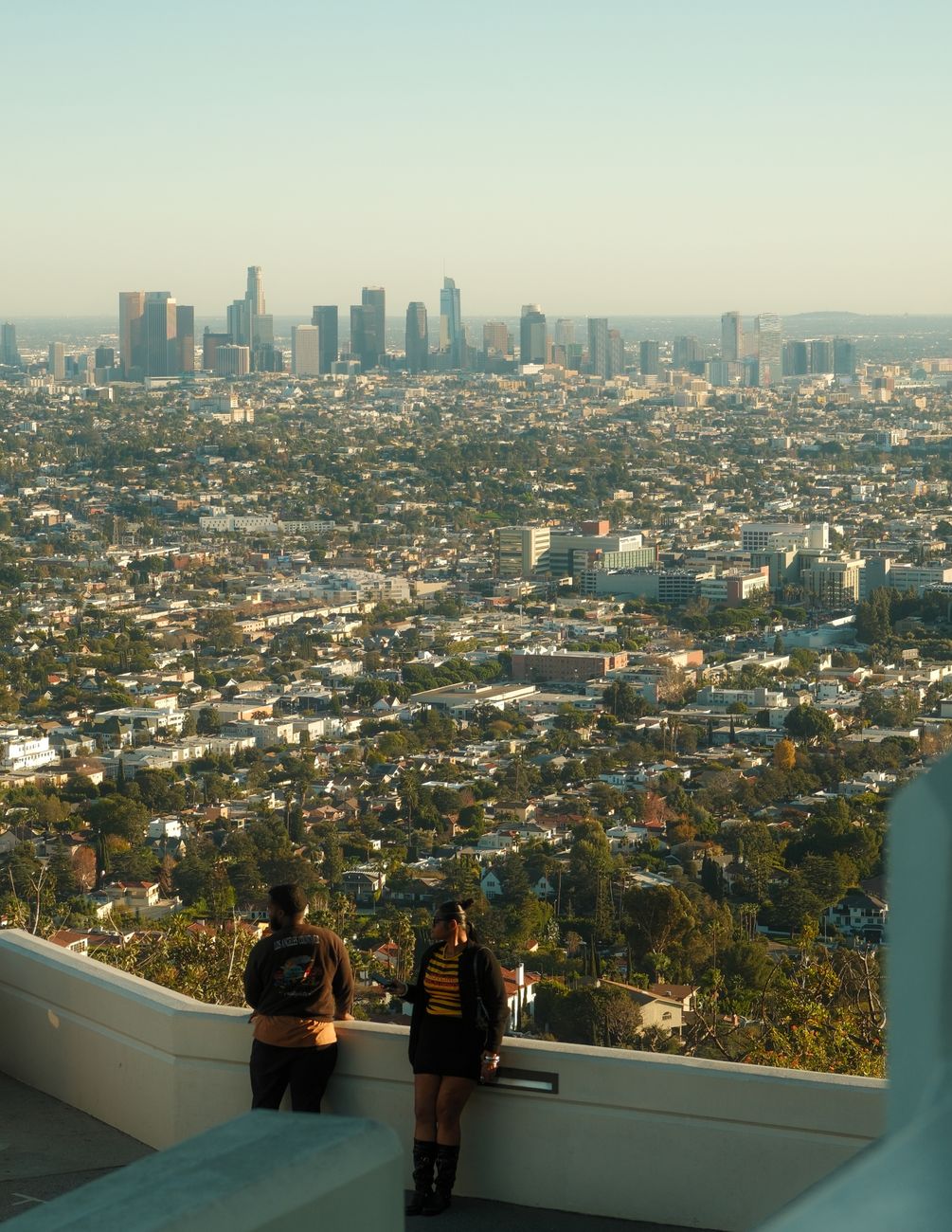
Where to Stay in Los Angeles — Neighborhood Guide
Decide where to stay in Los Angeles: DTLA, Koreatown, Santa Monica, Hollywood, Venice — prices, transit (Metro B, E, A), parking and local tips for smart booking.
Practical neighborhood choices for Los Angeles with real nightly price ranges, transit links (Metro B, E, A), one caution area and one best-value pick to match trip style.
Where to stay in Los Angeles?
For first-time visitors who want central transit access and lower nightly rates, Koreatown or Downtown Los Angeles are the best single bases — expect typical hotel rates of about $100–220 USD per night. Santa Monica or Venice are better for beach time but cost $200–400 USD a night and add travel time to inland attractions; use Metro E Line to reach Downtown from Santa Monica.
Who This Page Is For
This page benefits first-time and repeat visitors deciding a base for 2–5 nights in Los Angeles; families and beach-first travellers will find Santa Monica or Long Beach recommendations useful. Nightlife-only travellers or those with strict small-car budgets may need a different, more specialised guide.
Key Takeaways for Los Angeles
- Koreatown: best-value central option with many hotels from $80–160 USD (€75–€150) and strong bus links to Wilshire and the Metro surface network.
- Santa Monica: beach-first choice, expect $200–400 USD per night (€185–€370) and direct service to Downtown on Metro E Line (Expo).
- Downtown LA (DTLA): near Union Station and landmarks like Grand Central Market; typical rates $120–260 USD (€110–€240) and easy Metrolink/Metro access.
- Hollywood: tourist-heavy and noisy, often $150–300 USD per night (€140–€280) with Metro B Line access but less value for beach access.
How This Page Was Prepared
This page was prepared through a structured editorial workflow that combines destination research, geographic context, and practical travel-planning review.
Plan the Rest of Your Trip
Use this page together with the full itinerary and the related planning pages below to make better booking, timing, transport, and budget decisions.
Pick Koreatown or Downtown Los Angeles for the best mix of transit access and price: many hotels in Koreatown run about $80–160 USD (€75–€150) per night and DTLA hotels are about $120–260 USD (€110–€240). Pick Santa Monica or Venice if beach access matters most but expect $200–400 USD (€185–€370) nightly and use the Metro E Line (Expo) from Downtown to Santa Monica.
Avoid choosing a Hollywood hotel solely for a cheap central location unless noise and heavy foot traffic are acceptable. If bringing a car, budget $25–50 USD per night for hotel parking in central areas and factor LA rush-hour traffic into itinerary timing.
This page answers where to stay in Los Angeles based on trip type, budget, and how much time will be spent driving versus using public transit. Many visitors underestimate how spread out Los Angeles is and assume attractions are a short hop from any hotel. Road congestion, limited east–west transit (Wilshire and Santa Monica corridors are the busiest), and parking fees change what “central” means in practice.
Expect to compromise between beach proximity, night-life noise, transit access, and hotel price. This guide names specific neighbourhoods, gives realistic nightly price ranges in USD and EUR, lists the Metro lines and other transit links that matter, and flags at least one caution area and one best-value choice.
What This Page Helps You Decide
This page helps choose a base by clarifying trade-offs between centrality, beach access, nightlife, family needs, parking costs, and transit convenience. Decisions supported include whether to book in Koreatown for lower nightly rates and central access; whether to book Santa Monica for morning beach walks and bike paths; whether to accept Hollywood's tourist density for proximity to Universal and the Walk of Fame; and whether Downtown LA is preferable for museum and transit connections.
Also helps decide when to prioritize a hotel with free parking, when to rely on Metro and TAP cards, and when to factor taxi/ride-hail fares into the daily budget. The linked 3 days in Los Angeles itinerary shows how much travel time to expect between recommended bases and core attractions.
Top Recommendations
Koreatown — best-value central option for urban explorers and budget travellers. Close to Wilshire/Fairfax, many Korean BBQ and late-night restaurants, and frequent Metro Rapid buses; typical nightly range $80–160 USD (€75–€150). Noisy streets late at night are common but hotels are dense and check-in often runs late.
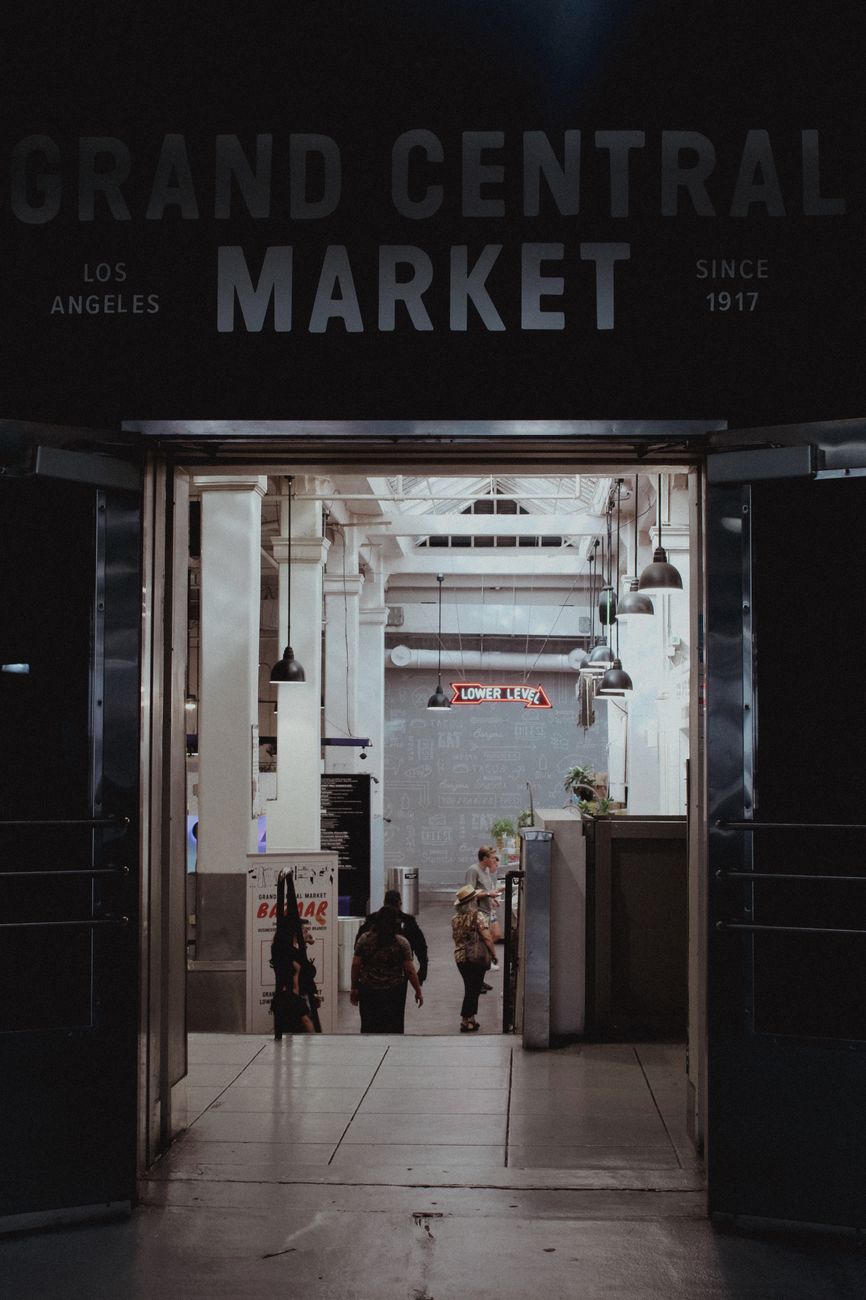
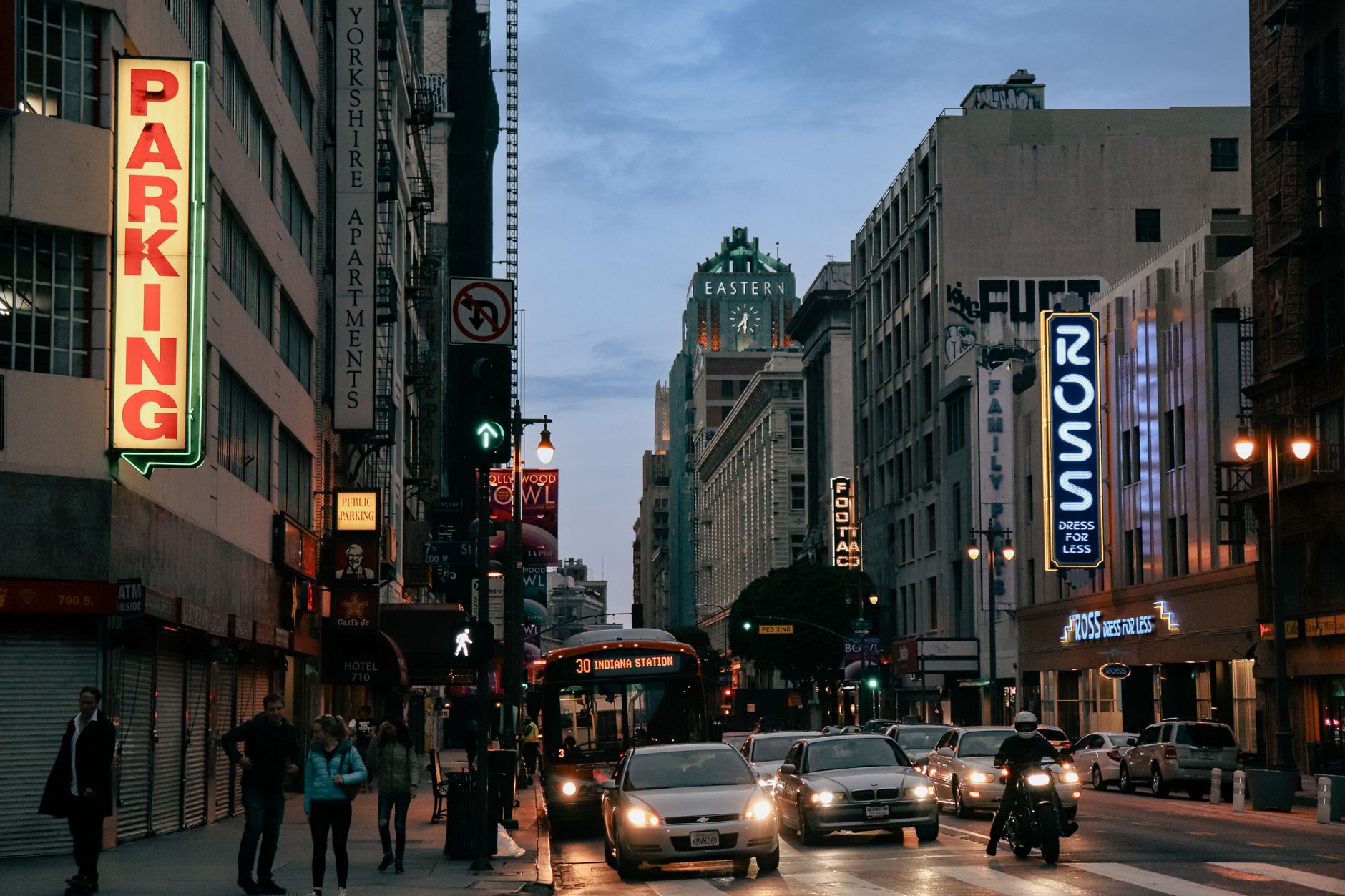
Downtown Los Angeles (DTLA) — good for museum and rail access, suits first-time visitors who want Union Station and Grand Central Market nearby. Close to The Broad, Walt Disney Concert Hall, and transit hubs (Union Station connects Metro B and D lines, Metrolink, Amtrak); typical nightly range $120–260 USD (€110–€240). Watch weekend event surges and variable neighborhood safety after midnight.
Santa Monica — beach-focused travellers and families who want the pier and paved bike path. Direct service to Downtown via Metro E Line (Expo), and local Big Blue Bus routes; nightly range $200–400 USD (€185–€370). High season (June–August) and summer weekends push prices and parking fees up.
Hollywood — suits travellers wanting proximity to Universal Studios, TCL Chinese Theatre, and nightlife. Served by Metro B Line stations (Hollywood/Highland, Hollywood/Vine); nightly range $150–300 USD (€140–€280). Caution: heavy tourist foot traffic and noise on Hollywood Boulevard, and it is not ideal for beach access.
Extra notes: Venice is ideal for beach cyclists and independent shops but can be very crowded and parking is limited and expensive—prices often match Santa Monica. West Hollywood is excellent for nightlife and LGBTQ+ travellers but expect higher rates and meter/valet parking fees. Best-value area: Koreatown for central access and lower hotel rates. Area to be cautious about: Hollywood for noise and tourist-targeted pricing.
Transit specifics: Metro TAP card required for Metro rail and buses; single fare around $1.75 USD, 1‑day unlimited TAP option ~ $7 USD. Use Metro Official App, Google Maps, or Transit app to check schedules and transfers.

Local Context
Weather and timing change how neighbourhoods feel. June often brings "June Gloom" on the coast — cool mornings and overcast skies — while inland areas like DTLA and Koreatown warm significantly by afternoon, especially July through September. Winter is mild but occasional rain can slow traffic.
Parking and driving affect hotel choice. Expect hotel parking fees of $25–50 USD per night in DTLA and Santa Monica; street meters in Santa Monica and West Hollywood add to daily costs. Rush hours, typically 7–9am and 4–7pm on I‑405, I‑10, and US‑101, can double trip times between neighbourhoods.
Transit grew but is still limited: Metro E Line links Santa Monica to 7th/Metro Center; A Line runs between Downtown and Long Beach; B Line serves Hollywood and connects to Union Station. Bus coverage is extensive but subject to surface traffic delays. Ride-hailing apps (Uber, Lyft) are ubiquitous and often faster late at night, but surge pricing can make short Metro trips more economical.
Food and timing matter for costs. Popular spots like Grand Central Market, Howlin' Ray's (note long lines), and KBBQ restaurants in Koreatown often require lining up. Budget an extra 15–30 minutes for popular meals.

How to Choose Well
Balance daily plans against travel time. If most activities are museums and downtown sights, choose DTLA to limit transfers. If the trip centers on beaches and bike paths, pick Santa Monica or Venice and accept longer drives when visiting inland museums.
Consider parking needs versus public transit. Families with a lot of luggage or strollers might prefer a hotel with guaranteed parking in Santa Monica or DTLA despite the fee. Solo or couple travellers without a car often save money in Koreatown by relying on Metro buses and occasional rideshares.
Weigh noise and nightlife. West Hollywood and Hollywood put nightlife at the doorstep but can reduce sleep quality and add late-night taxi costs. Choose quieter side streets or boutique hotels that advertise soundproofing when booking. For best value while retaining central access, Koreatown gives short rides to Wilshire museums and lower nightly rates.
Responsible and Local-First Tips
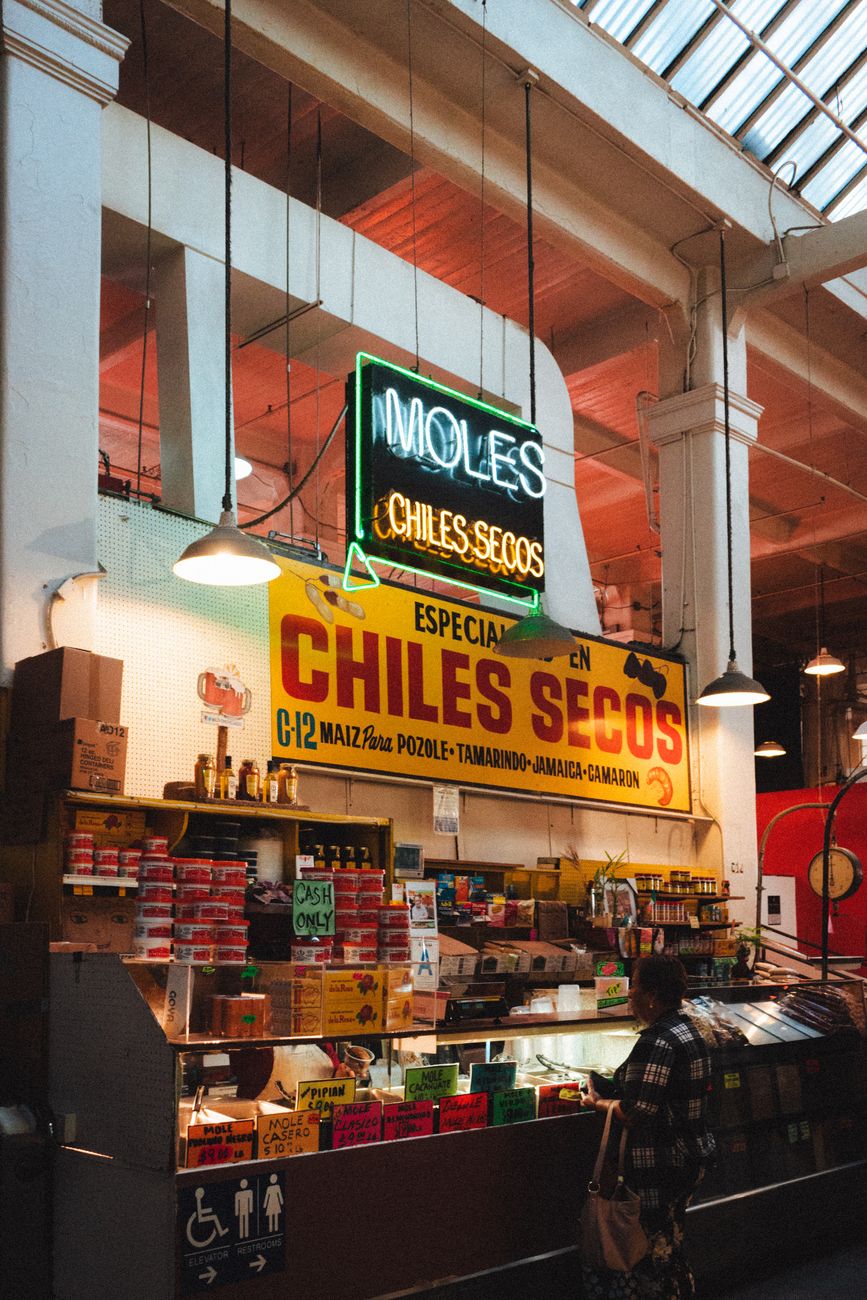
Support neighbourhood businesses by eating at local spots such as Grand Central Market vendors, Koreatown barbecue restaurants on 6th Street, and mom-and-pop cafes in Silver Lake and Echo Park. Buy coffee at independent roasters and pick up groceries at local markets instead of relying on chains.
Reduce impact by favoring transit for shorter trips: use Metro rail and bus lines, or the Big Blue Bus in Santa Monica, and buy a TAP card at vending machines or via the Metro app. When renting a car, prefer hybrid or fuel-efficient models and avoid parking that displaces residents.
Book small locally owned hotels, guesthouses, or family-run inns when possible. Tip service workers at 15–20% for table service and $1–2 per bag for bell staff. Consider shopping at the Santa Monica Farmers Market or supporting small retailers along Abbot Kinney Boulevard in Venice.
Common Mistakes to Avoid
Mistake: Choosing a hotel for a single attraction (for example, booking on Hollywood Boulevard) and underestimating travel time to other places. Hollywood hotels sit next to heavy foot traffic and are often farther from beaches; trips to Santa Monica can take 45–90 minutes in traffic.
Mistake: Ignoring parking costs. Downtown and beach-area hotels commonly charge $25–50 USD per night; cheap advertised room rates may disappear once parking is added. Check whether a hotel offers free or reduced parking for longer stays.
Mistake: Treating Metro like full subway coverage. Metro rail helps on major corridors (E Line to Santa Monica, B Line to Hollywood), but many neighbourhood-to-neighbourhood trips still require buses or rideshares. Confirm connections on the Metro app and leave extra time for surface transit delays.
FAQ
What is the typical nightly hotel cost in Los Angeles?
Budget hotels in Koreatown often run $80–160 USD per night; central DTLA hotels typically cost $120–260 USD; beach areas like Santa Monica and Venice commonly range $200–400 USD per night.
Which neighbourhood is best for quick access to the beach?
Santa Monica and Venice are the best for beach access; Santa Monica connects to Downtown on the Metro E Line (Expo) and has Big Blue Bus service.
How does public transit fare work and how much does it cost?
Single Metro fare is about $1.75 USD; TAP cards are used for fare payment and a 1‑day pass is roughly $7 USD. Use the Metro app or TAP vending machines to load fares.
Is Downtown Los Angeles safe to stay in at night?
DTLA has many safe, active pockets (e.g., near Grand Central Market and Financial District) but some blocks can feel deserted after midnight; choose a hotel near well-lit main streets and avoid poorly lit side streets late at night.
When is the cheapest time to book a hotel in LA?
January–February (excluding awards weekends) and mid-November are typically lower-price windows; book at least 3–6 weeks ahead for the best deals on weekend stays.
Is it worth staying near Hollywood if visiting Universal Studios?
Staying in Hollywood reduces transfer time to Universal City via Metro B Line and Metro Red/Orange connections; however, hotels on Hollywood Boulevard are noisy and often priced for tourists.
How long does it take to get from Santa Monica to Downtown by Metro?
The Metro E Line ride from Downtown (7th/Metro Center area) to Downtown Santa Monica stations takes about 50–60 minutes end-to-end; factor in walk or transfer time to/from stations.
Conclusion
The single most important decision is whether the trip will be beach-first or attraction-first: choose Santa Monica/Venice for beach days and Koreatown/DTLA for central transit access and lower nightly rates. Budget for parking and traffic when comparing hotel prices, and buy a TAP card for Metro and bus savings when relying on public transit.
For a balanced first visit, Koreatown or DTLA pair well with the main 3-day Los Angeles itinerary because they minimize cross-city travel and give access to Metro lines and frequent buses. Use the linked 3-day guide to map daily travel times from the recommended bases.
How this guide was prepared
This guide was prepared through a structured research that combines destination research, geographic context, itinerary planning logic, and content review.