

Best things to do in Los Angeles
Practical guide to the best things to do in Los Angeles: major sights, local experiences, transit costs, and weather-proof options for a 3-day trip.
Concrete, local-first recommendations for spending time in Los Angeles: what to prioritize, realistic costs, transit tips, and how to choose activities for weather and crowds.
Best things to do in Los Angeles?
For a first visit, prioritize Griffith Observatory (free; budget 2–3 hours) and a Santa Monica/Venice afternoon. Expect to pay Metro base fare $1.75 (buy a TAP card) and allow extra time for traffic when using a car.
Who This Page Is For
This page helps travelers planning a short stay in Los Angeles who want practical choices—especially first-time visitors or those using public transit. It is less useful for travelers focused only on studio tours or theme-park–only itineraries.
Key Takeaways for Los Angeles
- Griffith Observatory has free public entry; budget about 2–3 hours for views and exhibits.
- Getty Center admission is free but parking costs $20 (≈€18); plan 2–3 hours plus transport time.
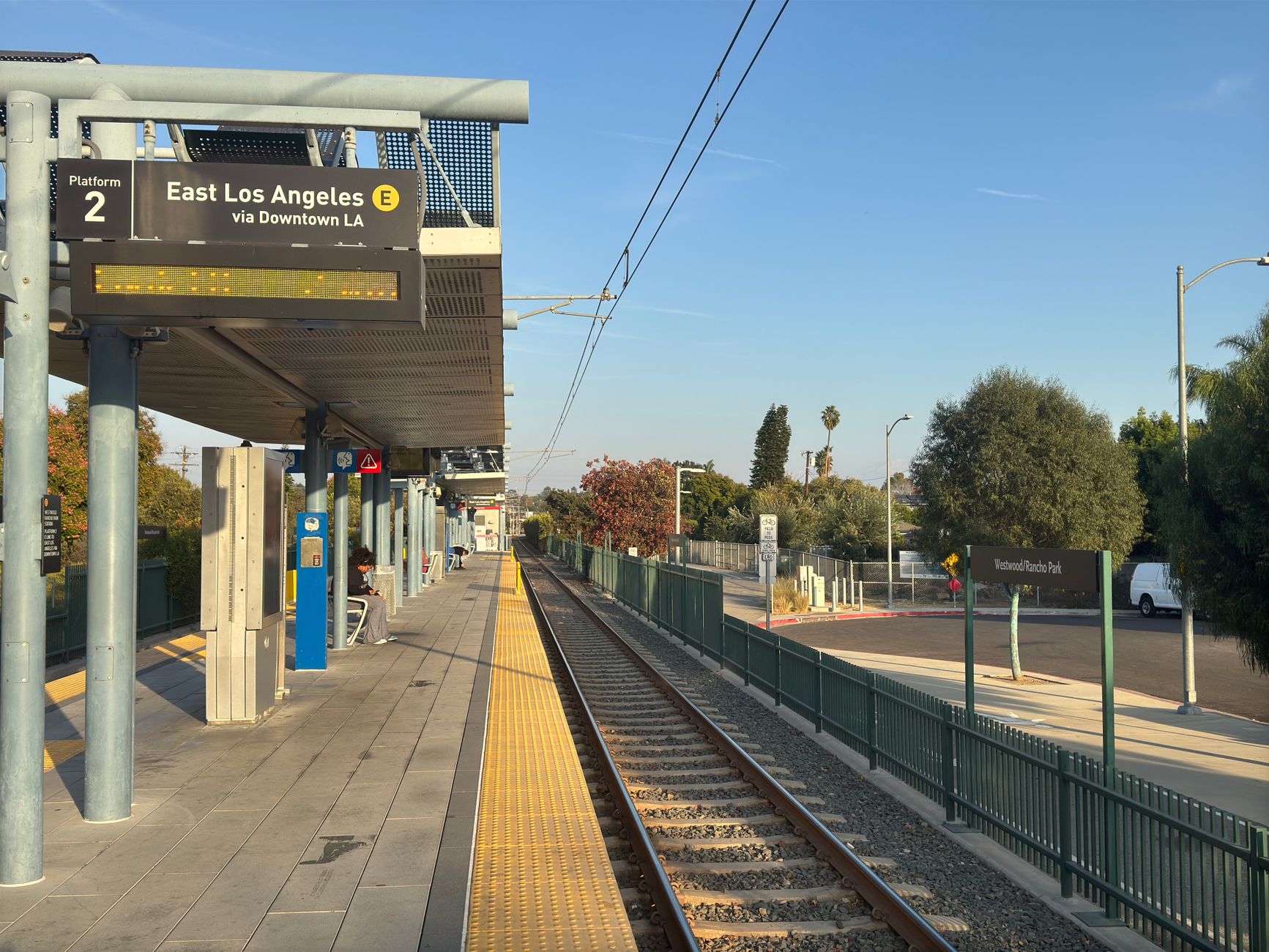
- Metro base fare is $1.75; get a TAP card and use the Metro/Transit apps for E Line to Santa Monica and B Line to Hollywood.
- California Science Center general admission is free; IMAX shows cost about $8–$12 (≈€7–€11); good rainy-day option, budget 2–4 hours.
How This Page Was Prepared
This page was prepared through a structured editorial workflow that combines destination research, geographic context, and practical travel-planning review.
Plan the Rest of Your Trip
Use this page together with the full itinerary and the related planning pages below to make better booking, timing, transport, and budget decisions.
Start with Griffith Observatory and the Hollywood area for skyline views and easy hikes, then spend an afternoon in Santa Monica and Venice for the coast. Budget Metro rides at $1.75 each (use a TAP card) or factor in parking fees like Getty Center $20 (≈€18) if driving.
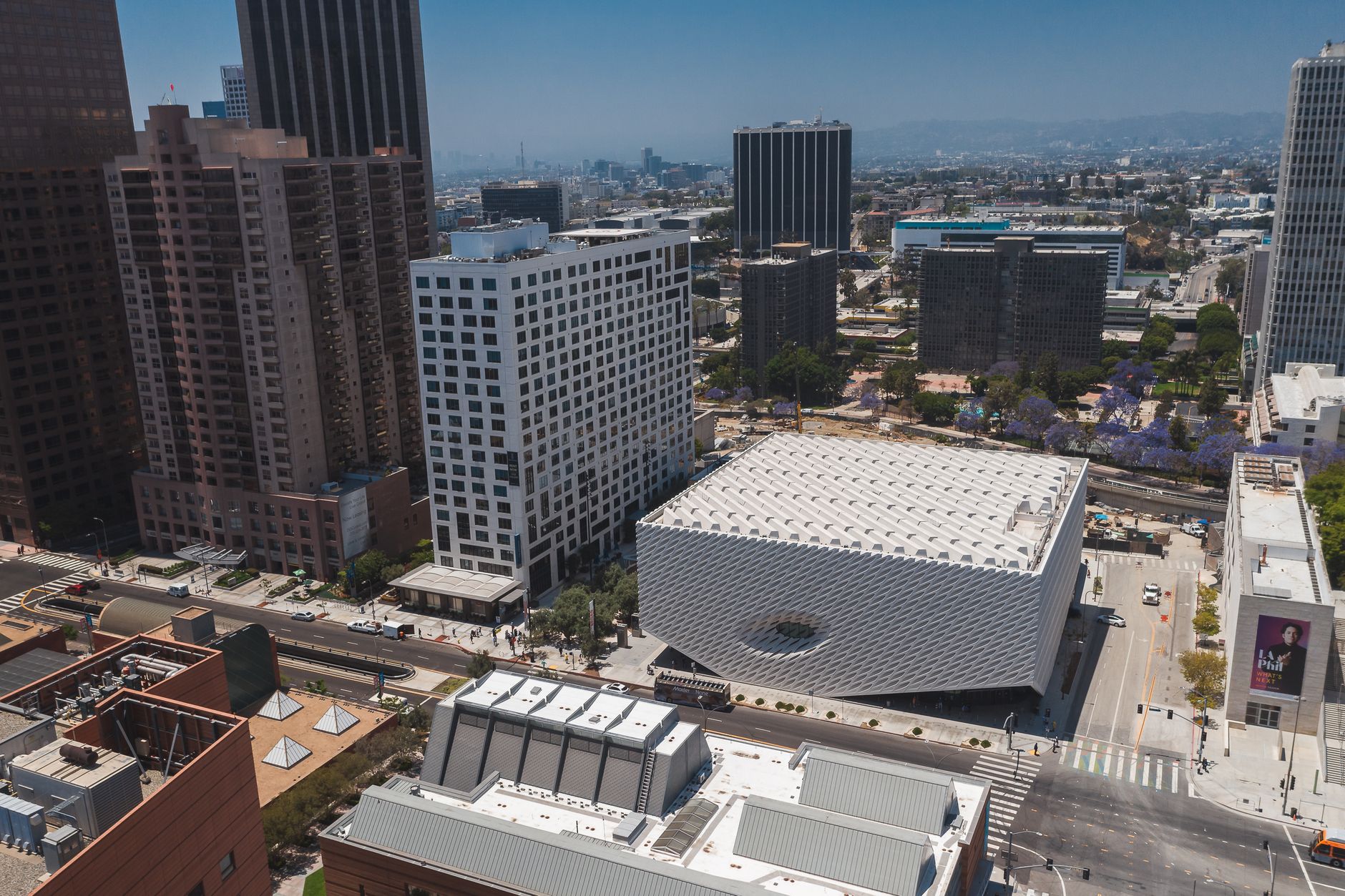
Reserve free timed tickets for The Broad ahead of time to avoid waiting. For bad-weather backup, choose the California Science Center or LACMA; both have indoor exhibits and reliable opening hours.
This page answers the practical question: what are the best things to do in Los Angeles when time, transit, cost and weather matter. Many visitors underestimate how spread out LA is and how much time transfers add—what looks close on a map can be 45–90 minutes by car in peak hours. That affects whether to prioritize downtown museums, a beach afternoon, or Griffith Park hikes.
Advice here focuses on real costs (Metro fares, Getty parking, museum fees), transit routes (E Line, B Line, A Line), and realistic time budgets for each attraction. The aim is to help build an efficient 1–3 day plan while avoiding common timing and reservation mistakes.
What This Page Helps You Decide
This guide helps decide which neighborhoods and attractions to prioritize based on time, cost, transport mode and weather. Specific trade-offs covered include whether to drive to Getty Center (pay parking $20) or take transit and rideshare, and when to schedule downtown visits versus beach time to avoid rush-hour traffic.
Guidance includes which museums need advance reservations (The Broad), where free entry exists (Getty Center, Griffith Observatory), and which activities work in rain (California Science Center, Natural History Museum). The page also helps pick lower-key local experiences like Grand Central Market stalls and Abbot Kinney shopping.

Top Recommendations
Downtown / Bunker Hill / Arts District:
– The Broad — Contemporary art museum with free general admission (reserve timed tickets online); special exhibits $9–$25 (≈€8–€23). Budget 1–2 hours. Nearest: Civic Center/Grand Park or 7th St/Metro Center.
– Grand Central Market — Food hall with Eggslut, Tacos Tumbras a Tomas and other stalls. Expect $8–$18 per dish (≈€7–€16). Budget 1–2 hours.
– Walt Disney Concert Hall (exterior and tours) — Guided tours around $15 (≈€14) or self-guided exterior walk; budget 45–75 minutes.
Museum Row / Miracle Mile:
– Los Angeles County Museum of Art (LACMA) — General admission about $25 adult (≈€23); plan 2–3 hours. Check for Urban Light installation on Wilshire.
– Petersen Automotive Museum — Tickets roughly $20–$22 (≈€18–€20); budget 1–2 hours for highlights.
Griffith Park / Hollywood:
– Griffith Observatory — Admission to building and grounds is free; planetarium shows about $7 (≈€6–€7). Budget 2–3 hours including short hikes and views of the Hollywood Sign.
– Hollywood Walk of Fame and TCL Chinese Theatre forecourt — Free to walk; if visiting Chinese Theatre museum or tours, expect $15–$25 (≈€14–€23). Budget 1–1.5 hours.
Santa Monica / Venice (coastal cluster):
– Santa Monica Pier and Third Street Promenade — Pier access is free; Pacific Park rides priced individually (Ferris wheel ~$6–$7, ≈€5–€6). Budget 2–3 hours for pier plus promenade.
– Venice Boardwalk and Abbot Kinney — Street performers and shops are free to stroll; stop for coffee or a meal at Gjelina or local taco stands ($10–$25, ≈€9–€22). Budget 2–3 hours.
Bad-weather and family options:
– California Science Center — General admission is free; IMAX shows typically $8–$12 (≈€7–€11). The Space Shuttle Endeavour exhibit is free but requires separate entry when timed tickets are needed. Budget 2–4 hours.
– Natural History Museum of Los Angeles County — Adult admission around $15 (≈€14); budget 2–3 hours for dinosaur and regional exhibits.
Lower-key local experiences:
– Echo Park Lake pedal boats — Rentals roughly $6–$12 per half hour (≈€5–€11); budget 45–75 minutes.
– Little Tokyo — Visit Japanese Village Plaza, try mochi or ramen at Daikokuya; budget 1–2 hours.
Notes on grouping: plan Downtown museums and Grand Central Market in one block; combine Griffith Observatory with Hollywood sites; group Santa Monica and Venice as a coastal afternoon. Each grouping reduces transit time and makes the day realistic for a 3-day visit.

Local Context
Neighborhoods are distant from one another by traffic time, not just miles. A drive from Downtown (Bunker Hill) to Santa Monica can take 20 minutes off-peak and 45–90 minutes in late afternoon. Public transit options include Metro B Line (subway to Hollywood), E Line (Expo to Santa Monica), and A Line for Long Beach.
Seasonal weather affects choices. Summers (June–September) bring warm, dry days and heavy sunset crowds at Griffith; marine layer mornings occur frequently from May to July and can hide views. Winter rain is limited but concentrated; museum days work best then.
Parking varies widely: Getty Center charges $20 parking (≈€18), while street parking near Venice can be metered or require apps. Downtown parking garages often charge $10–$25 for a few hours. Using the Metro TAP card can sidestep parking but require walking or short rideshares from stations.
How to Choose Well
Match time and interest to neighborhoods. If limited to one day near the coast, choose Santa Monica Pier + Venice Boardwalk for an easy afternoon and evening sunset. Budget at least 3–4 hours including transit time.
If interested in museums and architecture, pick either Getty Center plus LACMA (requires separate travel) or Downtown museums (The Broad and Grand Central Market) to minimize transfers. Allow 2–3 hours per major museum and factor in time for timed tickets.
For outdoor activity and skyline views, prioritize Griffith Observatory early morning or late afternoon to avoid both heat and midday haze. For rainy days, prioritize California Science Center or Natural History Museum where indoor exhibits occupy several hours.
Responsible and Local-First Tips
Support local businesses by eating at small vendors and markets: buy a coffee from a Venice roaster, choose a taco stall at Grand Central Market, or order from a family-run restaurant on Broadway. These purchases keep money in neighborhood economies.
Prefer public transit where practical: Metro base fare $1.75 with a TAP card minimizes parking demand and road congestion. Walk short distances in districts like Downtown, Santa Monica and Larchmont to reduce driving.
Avoid taking photos that block sidewalks or disrupt vendors. If buying souvenirs, consider local artisans on Abbot Kinney or at the Artists & Fleas market instead of large chain stores.

Common Mistakes to Avoid
Not reserving timed-entry tickets for The Broad and special exhibitions leads to long waits or missed visits. Check The Broad website and reserve months in advance during peak season.
Assuming free parking at major cultural sites causes unexpected costs; Getty Center charges $20 parking (≈€18) and many museums use private lots in Miracle Mile and downtown. Factor parking fees into budgets.
Trying to do beach, Griffith and Museums in a single short day without planning transit results in long car time and missed experiences. Group attractions geographically and allow buffer time for traffic or transit delays.
FAQ
How much does public transit in Los Angeles cost?
Metro base fare is $1.75 per ride; buy a TAP card ($2 purchase fee at some locations) and load fares via TAP app or vending machines. Day and weekly passes are available through the TAP app with varying prices.
Do major museums require advance reservations?
The Broad requires free timed tickets for general admission during peak periods; Getty Center generally does not require a ticket for building entry but reserve parking online to secure a spot. LACMA recommends buying tickets in advance for busy days.
What is the best time to visit Griffith Observatory for views?
Early morning or late afternoon (before sunset) offers cooler temperatures and clearer air. Avoid midday in summer when the marine layer can obscure the view.
What are good rainy-day options in Los Angeles?
California Science Center (free general admission), Natural History Museum ($15 adult), and indoor galleries at LACMA are solid choices when it rains.
How long should a first-time visitor budget per attraction?
Budget 1–2 hours for The Broad or Grand Central Market, 2–3 hours for Griffith Observatory and Getty Center, and 2–4 hours for the California Science Center or LACMA.
Is using rideshares better than renting a car?
For concentrated days (Downtown or Hollywood), rideshare or Metro is easier. For multiple neighborhood transfers across the region, a car can be useful but expect parking fees and traffic delays.
Can Santa Monica and Venice be done in half a day?
Yes—plan 3–4 hours to stroll the pier, do Third Street Promenade, and walk Abbot Kinney, but add transit time if coming from farther neighborhoods.
Conclusion
The single most important thing to remember is to group activities by neighborhood and allow extra time for transit or traffic. Prioritize one cluster per half-day—Downtown museums, Griffith/Hollywood, and Santa Monica/Venice are each full, manageable blocks.
Use the main 3-day Los Angeles guide to assemble these blocks into an itinerary: one museum-focused day downtown, one outdoor day with Griffith and Hollywood, and one coastal afternoon in Santa Monica and Venice. Reservations for The Broad and checking Getty parking will save time and money.
How this guide was prepared
This guide was prepared through a structured research that combines destination research, geographic context, itinerary planning logic, and content review.