
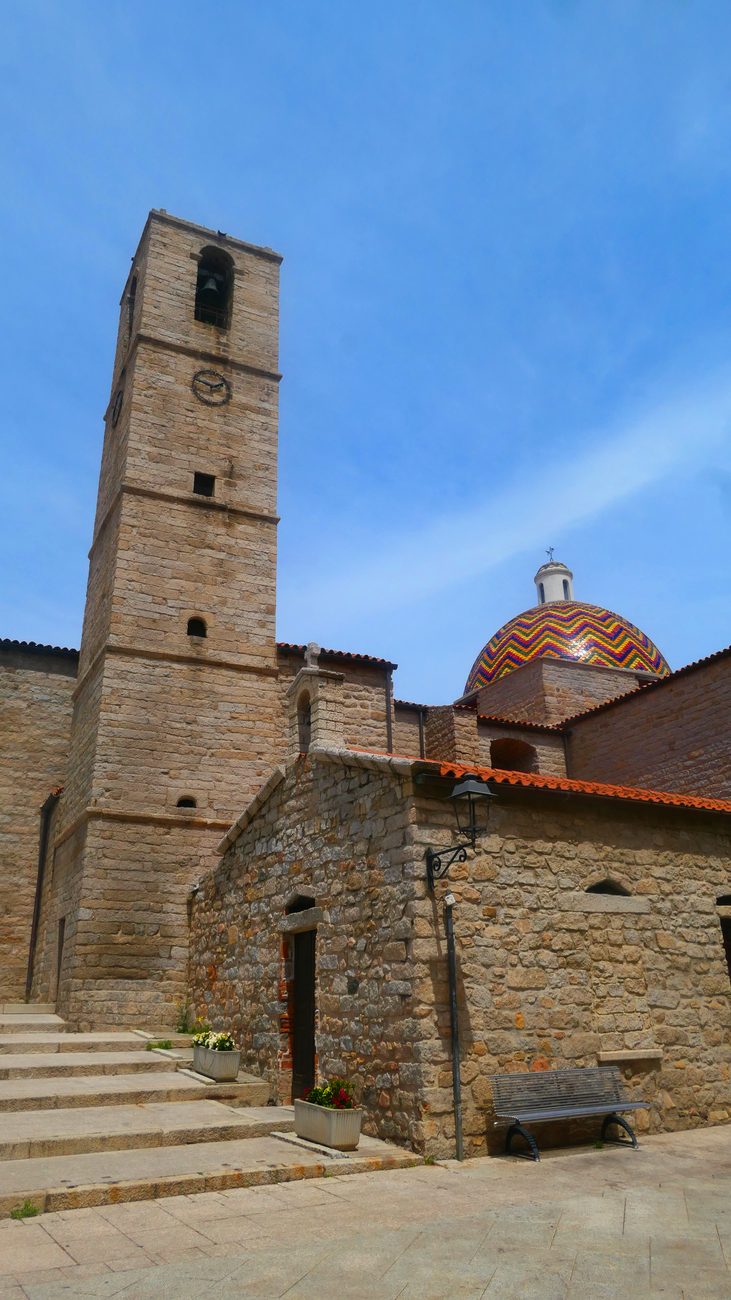
3-Day Olbia Itinerary and Practical Travel Guide for Sardinia
A practical 3-day guide to Olbia with routes, neighbourhood tips, transit costs, eating spots, and a day-by-day plan to maximise limited time.
A realistic three-day plan that balances the town centre, nearby beaches and a short nature trip, with transit tips, prices and common pitfalls.
Olbia feels like a compact working port with a modest historic core, ferry activity and an outsize relationship with nearby beaches and luxury resorts. First impressions are likely to be a mix of harbour cranes, the pedestrian Corso Umberto with shops and cafés, and sudden coastal vistas a short bus ride from town. The city suits travellers who want quick access to beaches and short day trips without staying in an expensive resort; it is less suitable for those expecting a nonstop nightlife hub or a city with extensive museums. Expect some noisier streets near the port and a more utilitarian pace than resort towns farther up the coast.
Is 3 days in Olbia enough?
Three days are enough to see the historic centre, sample nearby beaches like Pittulongu, and take one nature-oriented half-day trip to Tavolara or Golfo Aranci. There will not be time to do an exhaustive Costa Smeralda tour or visit both Alghero and Cagliari, so pick one major day trip.
Who This Guide Is For
Best for travellers who want a compact mix of town life and nearby beaches with moderate walking; poor fit for those seeking a week of nonstop beach-only resort time or a tight luxury Costa Smeralda itinerary.
Local Tips for Olbia
Practical details that most travel sites skip — specific to Olbia.
- Geasar runs the airport shuttle (AeroBus) between Olbia Costa Smeralda Airport and the main bus station; single fare is about €1.50–€3 and buses run roughly every 20–30 minutes outside peak season.
- Buy ARST regional bus tickets at tabaccherie, ATMs with ticket panels or on the ARST/Biglietti app; a route to San Teodoro or Golfo Aranci typically costs €3–€6 one-way.
- Street parking uses blue lines (strisce blu) in the centre and near Pittulongu; expect roughly €1–€2 per hour and pay at machines with cash or card.
- Museo Archeologico di Olbia (Museo Civico) usually charges about €3–€5; Basilica di San Simplicio accepts free entry with suggested small donations for upkeep.
- Regular ferries and hydrofoils to the island of Tavolara leave from Porto Isola Bianca or nearby docks; a return ticket is commonly €10–€18 depending on operator and season.
How This Guide Was Prepared
This guide treats Olbia as a working port town with nearby coastlines rather than a glossy resort. Most guides over-focus on Costa Smeralda day trips and ignore how the city itself works: local markets, the small museum circuit, harbour-front dining and short ferry or bus hops that save time. Practical walking routes, realistic transit times and honest cost ranges are the emphasis. This guide was prepared through a structured research that combines destination research, geographic context, itinerary planning logic, and content review.
Plan Your Stay in Olbia
Use this itinerary as your starting point, then compare areas to stay, transport options, seasonal timing, and realistic daily costs before booking.
Why Visit
Access to excellent beaches within 15–30 minutes makes this town a practical base for exploring northeast Sardinia. Pittulongu and the shell-white inlets near Golfo Aranci offer clear water and fewer crowds than the famous Costa Smeralda beaches. The historic core contains the Roman-era city plan and the Basilica di San Simplicio, a genuine Romanesque site that gives a clear local contrast to nearby glam resorts. A short boat ride or ferry from Porto Isola Bianca to Isola di Tavolara opens a different landscape: steep granite slopes and protected marine areas good for snorkelling or short hikes. Practical connections by ARST buses and ferries mean day trips to San Teodoro, Porto Cervo or La Maddalena can be done without private transfers if time is planned carefully.
Quick Planning Tips
The most direct arrival is Olbia Costa Smeralda Airport (OLB); use the Geasar AeroBus shuttle to the main bus station for a cheap transfer and to connect with local buses. Regional trains are limited; the main long-distance option is buses by ARST, and Trenitalia trains to Sassari require planning around timetables. Euros are used everywhere; small shops may prefer cash for tickets or market purchases, but credit cards are widely accepted at restaurants and larger shops. One common planning error is underestimating summer travel times for short drives: coastal parking and ferries fill early in July and August, so book transfers and boat slots ahead if possible.
Day 1
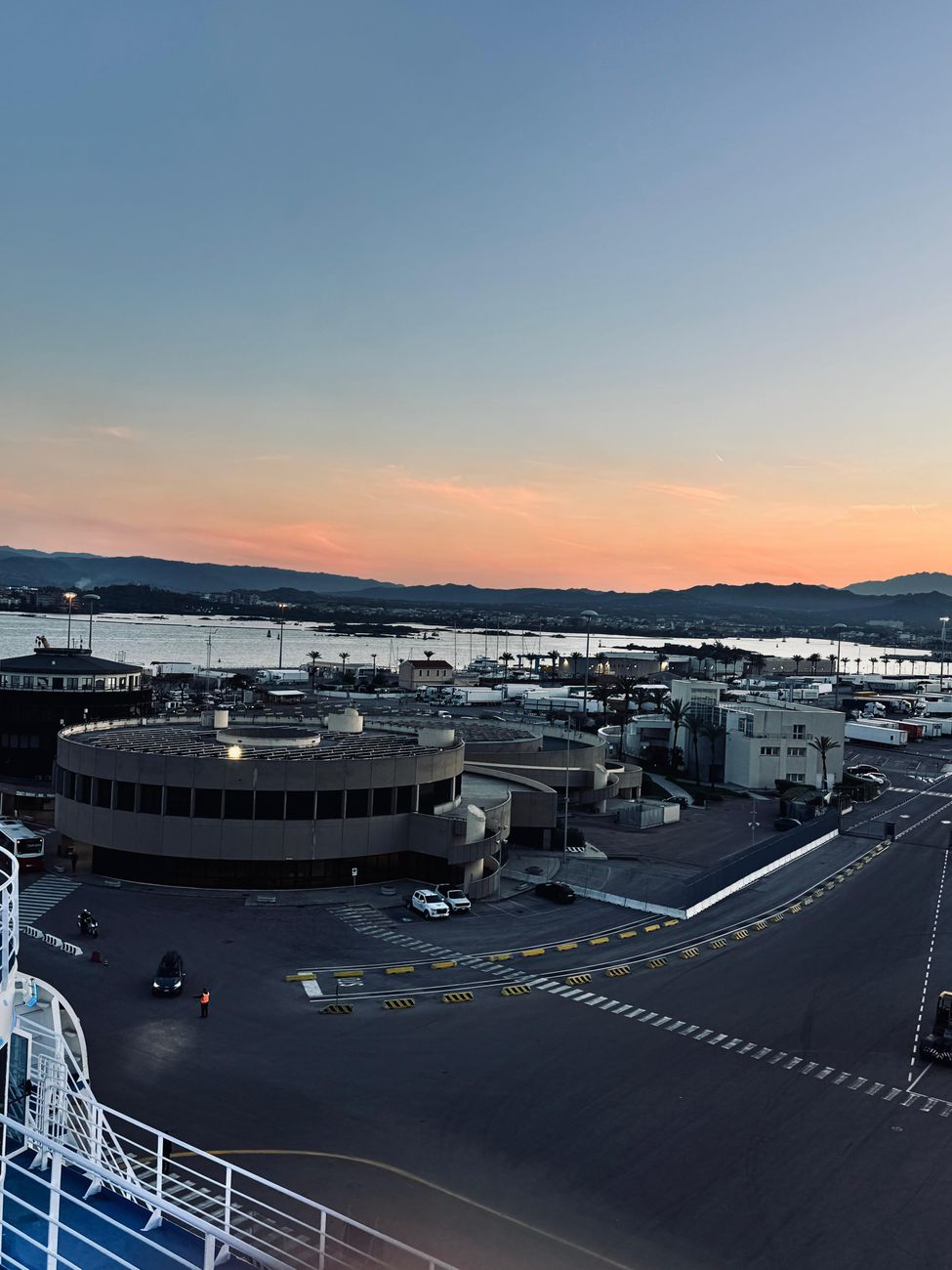
Start in the historic centre around Corso Umberto and Piazza Matteotti to get the layout and local rhythms. Visit Basilica di San Simplicio (10–20 minutes walk from the bus station) and allow 30–45 minutes for the church and cloister. Follow with Museo Archeologico di Olbia (10–15 minutes on foot from the basilica) and budget about 45–60 minutes to see the permanent displays; entry is roughly €3–€5. Take a coffee break at a café on Corso Umberto, then walk 10 minutes to the harbourfront at Porto Isola Bianca to see the ferries and small fishing fleet. Lunch at the covered Mercato Civico food stalls on Via Principe Umberto offers simple seafood and rosticceria options for about €8–€15. In the afternoon stroll north along Lungomare Francesco Ferrucci for sea views then take the local bus or a 15–20 minute walk to the waterfront neighbourhood of Molo Brin for sunset light on the yachts. For dinner choose a seafood restaurant on the harbourfront; expect €20–€35 per person for a main course and a glass of wine. Evening suggestion: a relaxed walk along Corso Umberto to watch shop shutters close and join locals for an after-dinner espresso by Piazza del Popolo.
Day 2
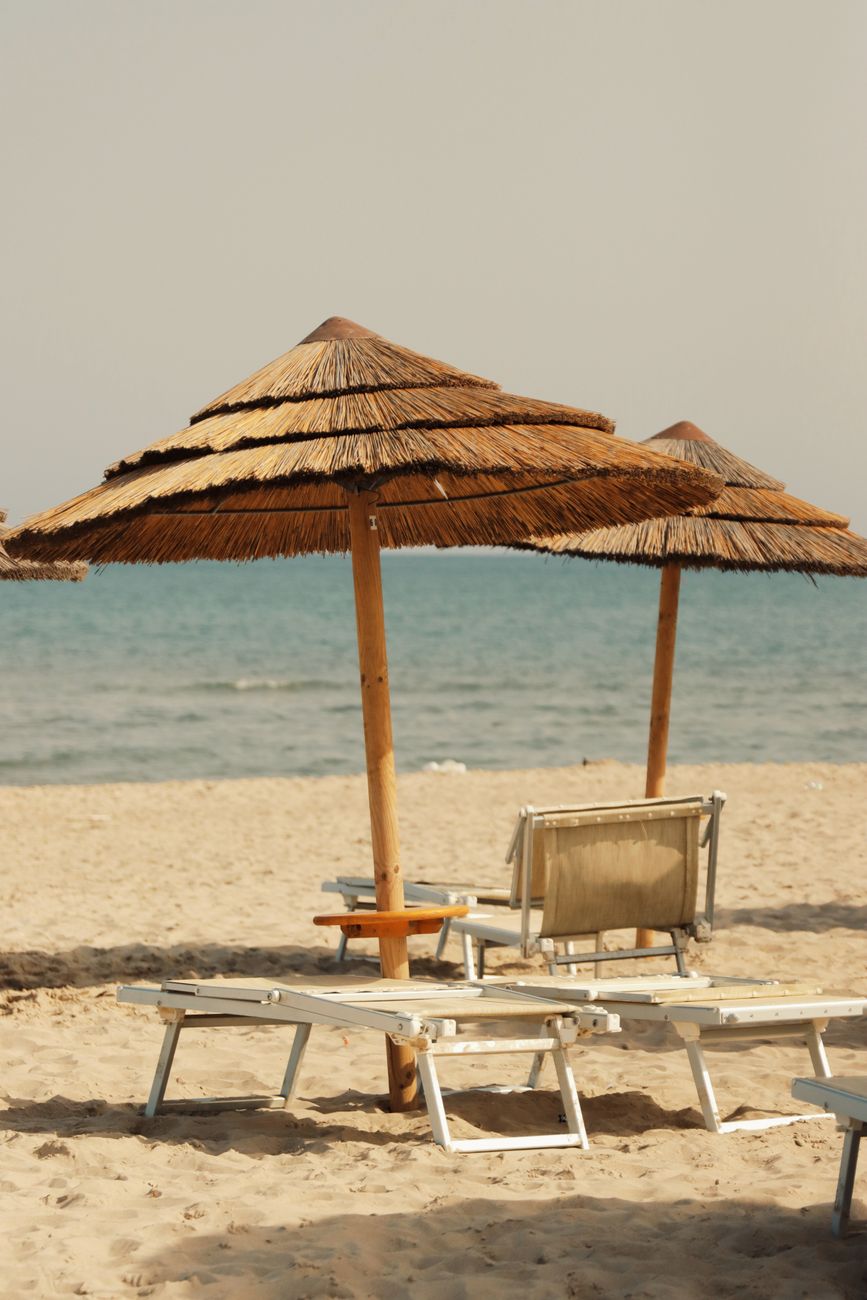
Dedicate the day to coastline and a short island trip. Start early and take the bus or a short taxi to Pittulongu (15–20 minutes), where a main sandy stretch and several rocky coves are accessible; plan 2–3 hours here for swimming. From Pittulongu catch a ferry or boat excursion to Isola di Tavolara — ferries leave from the nearby small ports and the crossing takes about 20–30 minutes. Allow at least three hours on Tavolara for a shoreline swim, snorkeling or a short path hike; bring water, sunscreen and cash for small vendors. Return to Olbia in the late afternoon and, if energy allows, stop at Golfo Aranci en route for its pebble coves and quieter harbour (bus or regional line; add 15–20 minutes extra travel). Dinner back in town can be a simple pizzeria or trattoria near Piazza Matteotti; expect €12–€20 for pizza and €6–€10 for a local Vermentino by the glass. Evening recommendation: visit a gelateria on Corso Umberto and plan transport back — night buses are limited so check timetables.
Day 3
Use the final day to move slowly through local life and prepare for departure. Begin with the Mercato Civico or the covered market near Via Acquedotto for breakfast and produce browsing; budget 45–75 minutes and buy snacks for travel. Visit Palazzo Civico and the small archaeological spots in the centre, then walk the shopping arcades on Corso Umberto for local ceramics or bottarga sellers; plan short 10–15 minute walks between these sites. If checking out midday and catching an afternoon flight, store luggage at the bus station lockers or the airport left-luggage service and head to the waterfront for a final seafood lunch at a harbour café — allow one hour and a taxi of €15–€25 to the airport depending on time of day. Practical flight note: return AeroBus timetables to Costa Smeralda should be checked the day before; allow 90 minutes for airport procedures in summer and up to two hours if travelling during peak holiday weeks.
Best Local Experiences
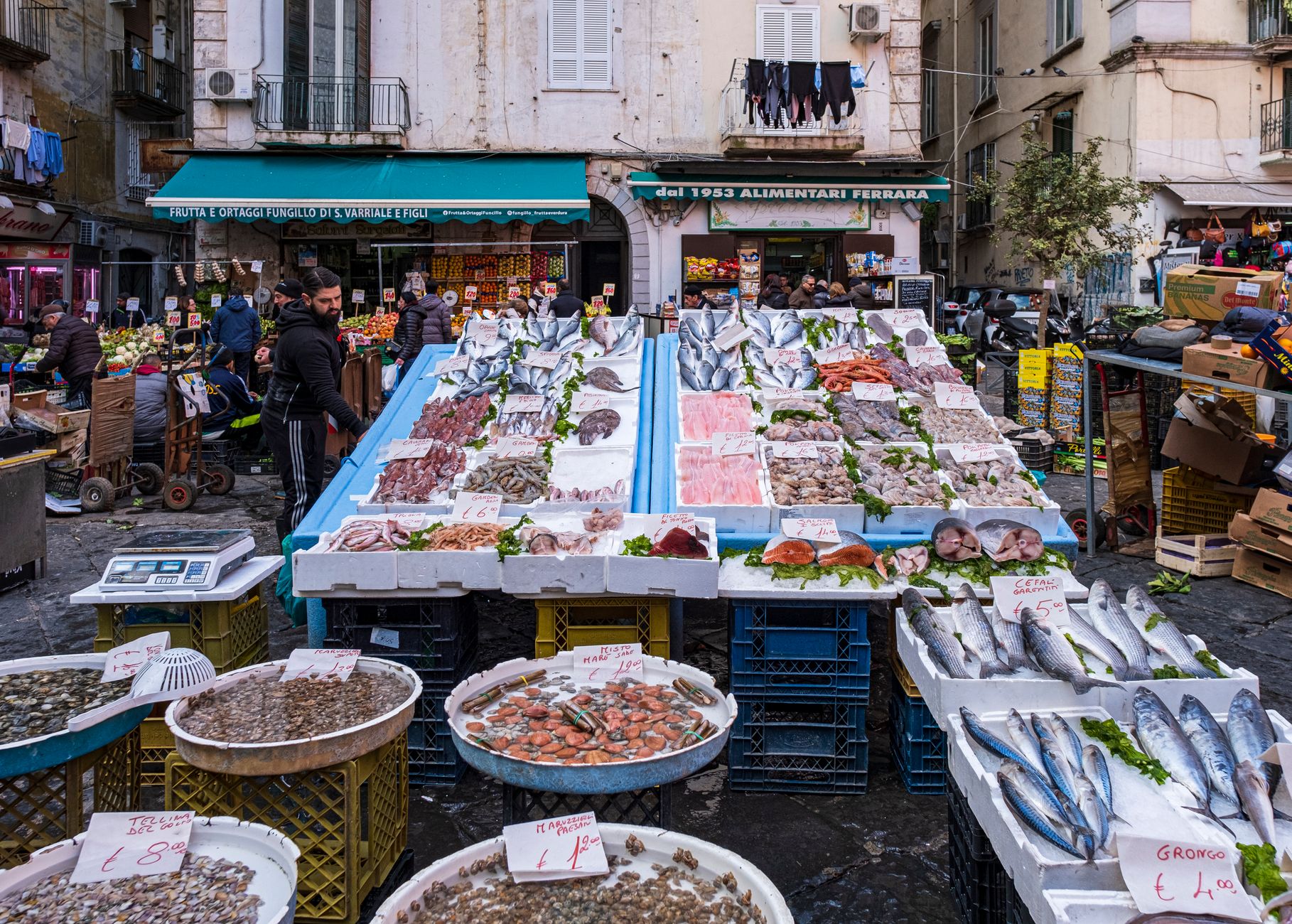
Sample fresh fish at Porto Isola Bianca waterfront restaurants and watch small-scale unloading operations — this frames the local catch-to-table pattern. Visit the Mercato Civico early on market mornings for fruit, local pecorino and bottarga stalls; midweek markets are quieter but still useful. Attend the Festa di San Simplicio in mid-May if travel dates match; the procession, music and street food reflect genuine local religious and communal life. Take a short boat trip to Isola di Tavolara for snorkeling in the protected marine area or join a half-day boat charter for a coastal circuit including Cala Brandinchi. Walk the seafront route from the main harbour to Molo Brin at sunset to observe fishing boats returning and locals meeting for evening coffee or aperitivo.
Where to Stay
Historic Centre (Corso Umberto / Piazza Matteotti): best for first-time visitors who want walking access to the basilica, the market and harbour. Expect small B&Bs and hotels from around €80–€140 per night (€88–$155). Porto Isola / Waterfront: suits those who prioritise harbour views and early ferry access; rooms here are slightly pricier in summer, roughly €90–€160 per night (€99–$177), and are convenient for boat trips to Tavolara. Pittulongu / Seafront area: suits beach-first travellers who do not mind a 15–20 minute transfer to the town centre; expect apartments and mid-range hotels at €70–€130 per night (€77–$144). Book early for July and August when rates spike and small properties sell out.
Food and Drink
Vermentino di Gallura (wine): a crisp local white grown nearby; glass at a restaurant ~€4–€7 and bottles from shops ~€10–€20. Bottarga di muggine (cured mullet roe): thinly sliced over pasta or crostini; expect €6–€12 as an antipasto in mid-range places. Seadas: fried semolina pastry filled with pecorino and drizzled with honey; dessert price ~€4–€7 at cafés or trattorie. Porceddu (roast suckling pig): a Sardinian signature, usually ordered for a larger plate or in family-style places — price varies from €12–€25 per portion in a traditional trattoria. Pane carasau: thin crisp flatbread served as a side or base for antipasti; available at markets and bakeries for €1–€3. Breakfast option: cornetto and espresso at a bar on Corso Umberto for about €2.50–€4. Street-food/snack option: rosticceria stands near the market selling fried calamari or panini with local cold cuts for €5–€10. Dinner recommendation: choose a harbourfront seafood trattoria for grilled fish or mixed seafood platters; expect €20–€35 per person for a main course and a local wine.
Getting Around
Local mobility mixes walking, local bus lines and taxis. Use the Geasar AeroBus for airport transfers and ARST buses for regional travel to San Teodoro, Golfo Aranci and Porto Cervo; Trenitalia runs limited regional trains from the main station for connections further afield. Expect a single urban bus ticket to cost about €1.30–€1.50; a day pass or multi-trip card is uncommon in the small city but regional passes from ARST can reduce costs for multiple day trips. Taxi fares from Costa Smeralda airport to the centre are commonly €15–€25 depending on luggage and time; nighttime or holiday rates can be higher. Useful apps: ARST or ARST Mobile for regional bus timetables, Geasar for airport shuttle info and Moovit for local route planning.
Best Time to Visit
Late spring (May–June) offers warm days (18–25°C) with moderate crowds and good value; this is the best overall window for weather and prices. High summer (July–August) gives hot weather (25–32°C) and crowded beaches and higher accommodation costs; plan early departures to avoid midday heat and arrive at beaches before 10:30. Early autumn (September) keeps warm sea temperatures (21–27°C) with fewer crowds and lower rates; ferries and some services still run frequently. Winter months (November–March) are mild but quieter (8–15°C); many tourist shops or seasonal restaurants close, making this period best for low-budget travellers who do not need full beach services.
Budget and Practical Tips
Daily budget (per person, mid-range): accommodation €80–€120 (€88–$133), food €25–€50 (€28–$55), transport €5–€15 (€5.50–$16.50), entry fees €3–€15 (€3.30–$16.50). A three-day mid-range traveller should budget €150–€250 per day including accommodation. Many restaurants include servizio or a coperto small cover charge (coperto) of €1–€3 per person; tipping is appreciated but not compulsory — rounding up or leaving 5–10% for good service is normal. Carry small change for market purchases and pay parking machines; larger shops accept cards. Book ferries and popular boat excursions in high season and check ARST timetables for evening bus services.
FAQ
Is Olbia safe for tourists?
Yes — central neighbourhoods and harbour areas are generally safe by day; normal urban precautions apply at night and keep an eye on belongings at crowded beaches.
How do I get from Olbia Airport to the city centre?
Use the Geasar AeroBus shuttle to the main bus station (about €1.50–€3) or a taxi for roughly €15–€25 depending on time and luggage.
Is public transit good for day trips to San Teodoro or Porto Cervo?
ARST regional buses serve San Teodoro, Golfo Aranci and Porto Cervo; they are reliable but runs are less frequent in the evening so plan return journeys ahead.
Are beaches free and accessible?
Most beaches are free, though some stretch fronts have private lido sections with sunbed rental; public access remains at most sites but parking can be paid and limited in summer.
Is a city card or tourist pass worth buying?
No widely used Olbia city card exists; individual ferry, museum and bus tickets are more practical than a local pass for most three-day visits.
Can daytrippers reach La Maddalena from here?
Direct ferry connections to La Maddalena are more practical from Palau; reaching Palau requires a one-hour drive or a regional bus transfer then the ferry.
Are credit cards accepted everywhere?
Cards are accepted at hotels, larger restaurants and shops; small market vendors and some beach kiosks prefer cash, so carry small euro notes.
Is English widely spoken?
Tourist-facing staff often speak basic English, but a few Italian phrases are useful, especially in markets and smaller family-run restaurants.
Conclusion
Three days will leave a clear memory of harbour mornings, a couple of relaxed beach hours and a short marine or coastal excursion. Prioritise the historic centre, a half-day at Pittulongu and a boat trip to Tavolara if time is short. Travellers who choose those three elements will get a representative mix of local life, seafood and easy sea access without overcommitting to long drives or multiple resort visits.
How this guide was prepared
This guide was prepared through a structured research that combines destination research, geographic context, itinerary planning logic, and content review.