
Best Things to Do in Stockholm — Practical, Local-First Guide
A practical, sustainable guide to the best things to do in Stockholm: neighborhoods, museums, parks, archipelago trips, transport tips, and how this supports a 3-day itinerary and nearby city travel.
Clear, local-first recommendations for sightseeing, walking routes, museums, island trips and transit. Designed to support a 3-day Stockholm itinerary and eco-conscious day trips to Gothenburg, Malmö or across the Baltic to Turku.
Quick Answer
Clear, local-first recommendations for sightseeing, walking routes, museums, island trips and transit. Designed to support a 3-day Stockholm itinerary and eco-conscious day trips to Gothenburg, Malmö or across the Baltic to Turku.
Who This Page Is For
This page is for travelers planning a stay in Stockholm who want clearer decisions about things to do, local logistics, timing, budgeting, and practical trip planning.
How This Page Was Prepared
This page was prepared through a structured editorial workflow that combines destination research, geographic context, and practical travel-planning review.
Plan the Rest of Your Trip
Use this page together with the full itinerary and the related planning pages below to make better booking, timing, transport, and budget decisions.
If you have limited time, prioritize: 1) a walking loop through Gamla stan and the Royal Palace; 2) Djurgården museums (Vasa, Skansen or ABBA Museum) for culture and open-air history; 3) a Södermalm walk for cafés, secondhand shops and city views; 4) a short archipelago ferry trip to Vaxholm or Fjäderholmarna for islands without a car.
These choices are compact, support local businesses, and slot neatly into a 3-day plan.
Stockholm stretches across 14 islands and mixes medieval streets with modern design, parks and a vast archipelago. This page lists durable, low-impact options and easy-to-book experiences that pair well with our main 3 days in Stockholm itinerary. If you want the exact order for a short stay, consult the 3-day guide; use this page to pick activities that match your interests and travel pace.
What This Page Helps You Decide
Use this page to choose the right kinds of Stockholm experiences depending on time, season, and your sustainability priorities.
It helps you decide:
– Which museums to book in advance (Vasa, Fotografiska, Moderna) and which to save for flexible days.
– When to swap a museum day for an archipelago outing (better in shoulder season and summer).
– Which neighborhoods match your interests: history (Gamla stan), design and museums (Djurgården), local life and cafés (Södermalm), city views and nightlife (Norrmalm/Gamla stan border).
It also points to nearby day-trip options — Gothenburg and Malmö by train, or overnight ferries to Turku — if you want to extend beyond the 3-day city plan.
Top Recommendations
Core experiences (easy to combine with a 3-day itinerary):
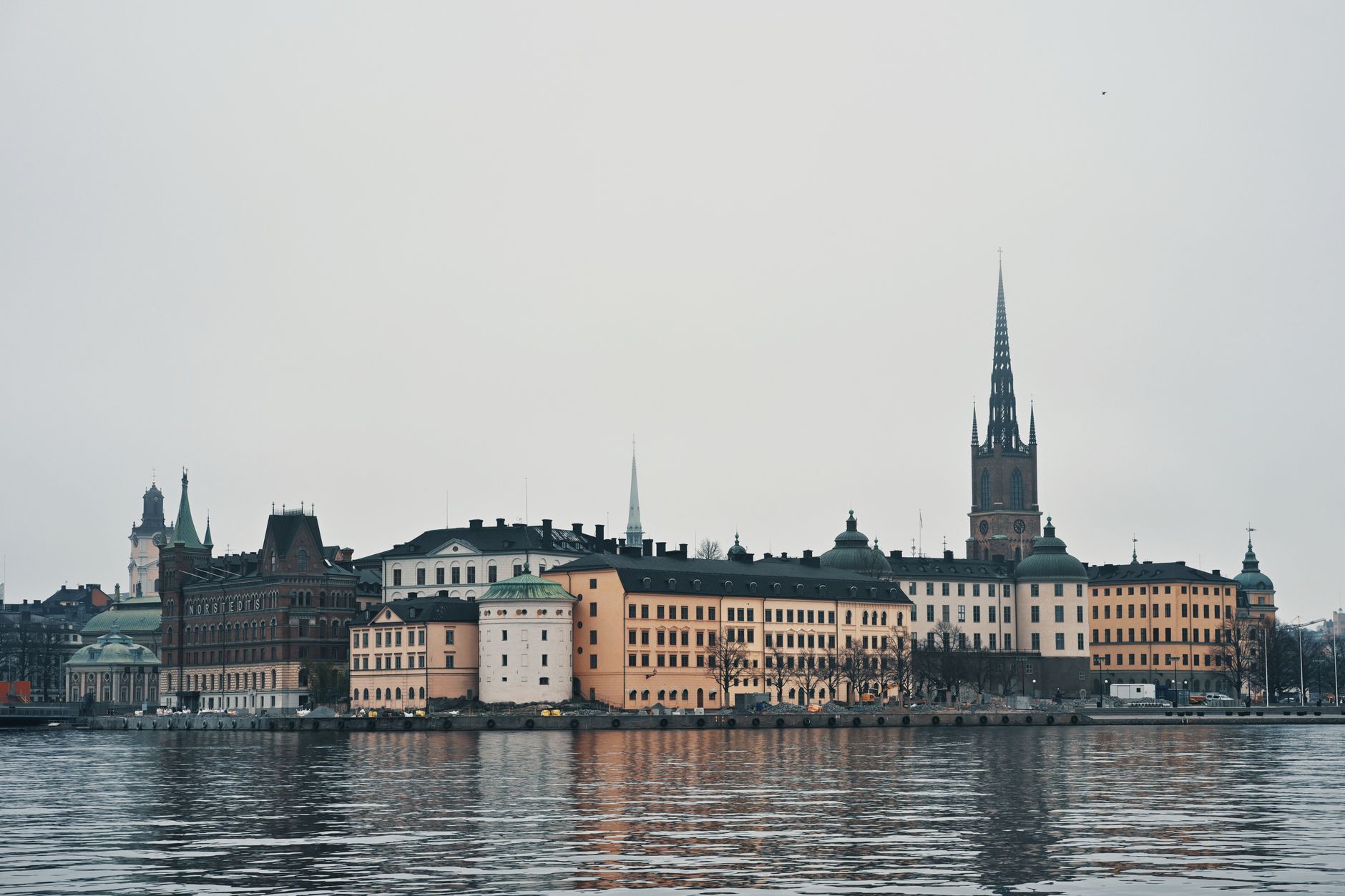
- Gamla stan walking loop: Start at Stortorget, visit the Royal Palace courtyard, and look for small artisan shops. Go early to avoid cruise crowds.
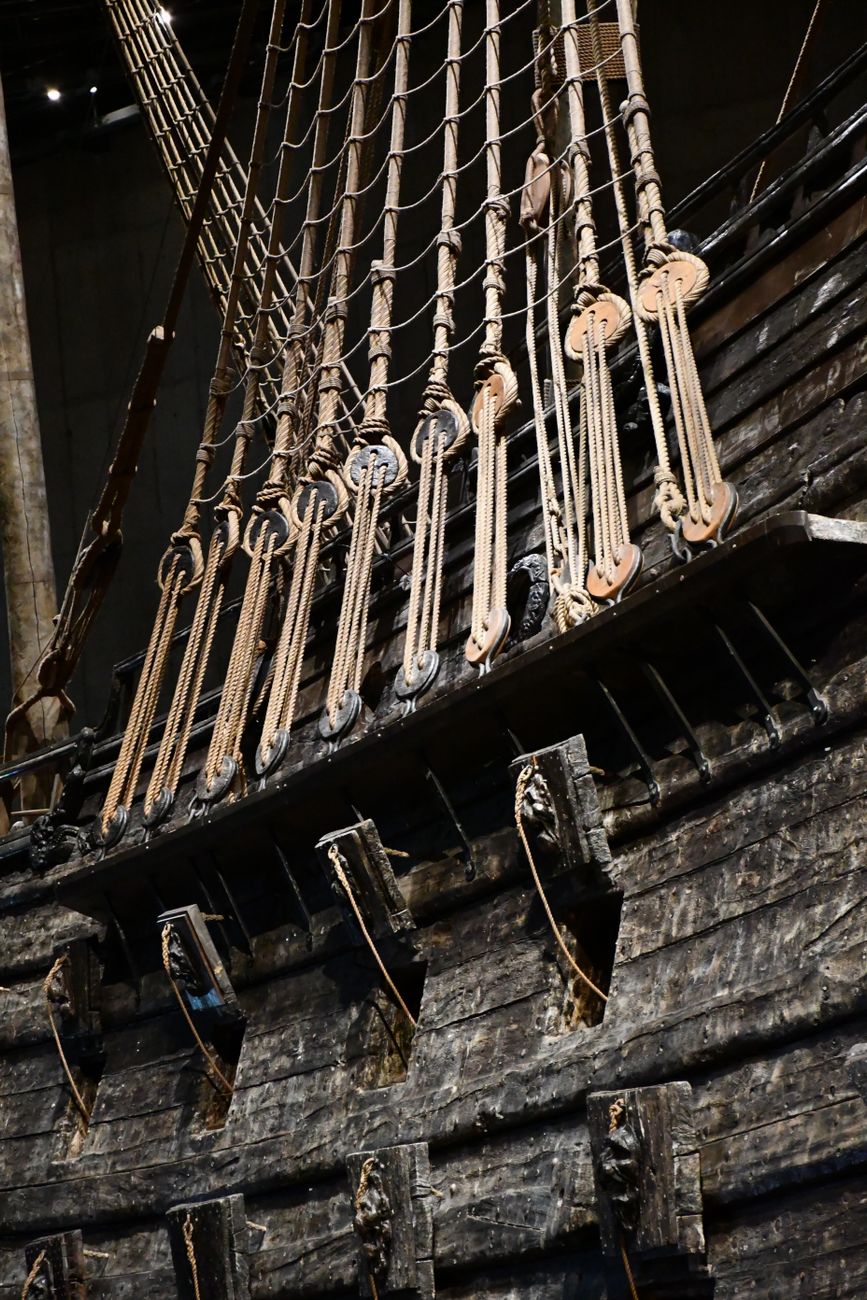
- Djurgården museums: Choose Vasa Museum for naval history, Skansen for an open-air look at Swedish rural life, or Fotografiska for contemporary photography. Buy timed tickets in summer.
- Södermalm exploration: Walk from Slussen up to Monteliusvägen for skyline views; browse independent bookshops, vintage stores and fika spots on Götgatan.
- Stadshuset (City Hall): Take a guided tour to see the Blue Hall and the Nobel banquet hall — tours fill, so book ahead if your schedule is tight.
- Archipelago short trips: Fjäderholmarna or Vaxholm offer easy island time on public ferries; pick Fjäderholmarna for craft shops and light hiking if you want a short outing.
- Boat-based transport: Use regular SL ferries for sustainable island travel instead of private motorboats.
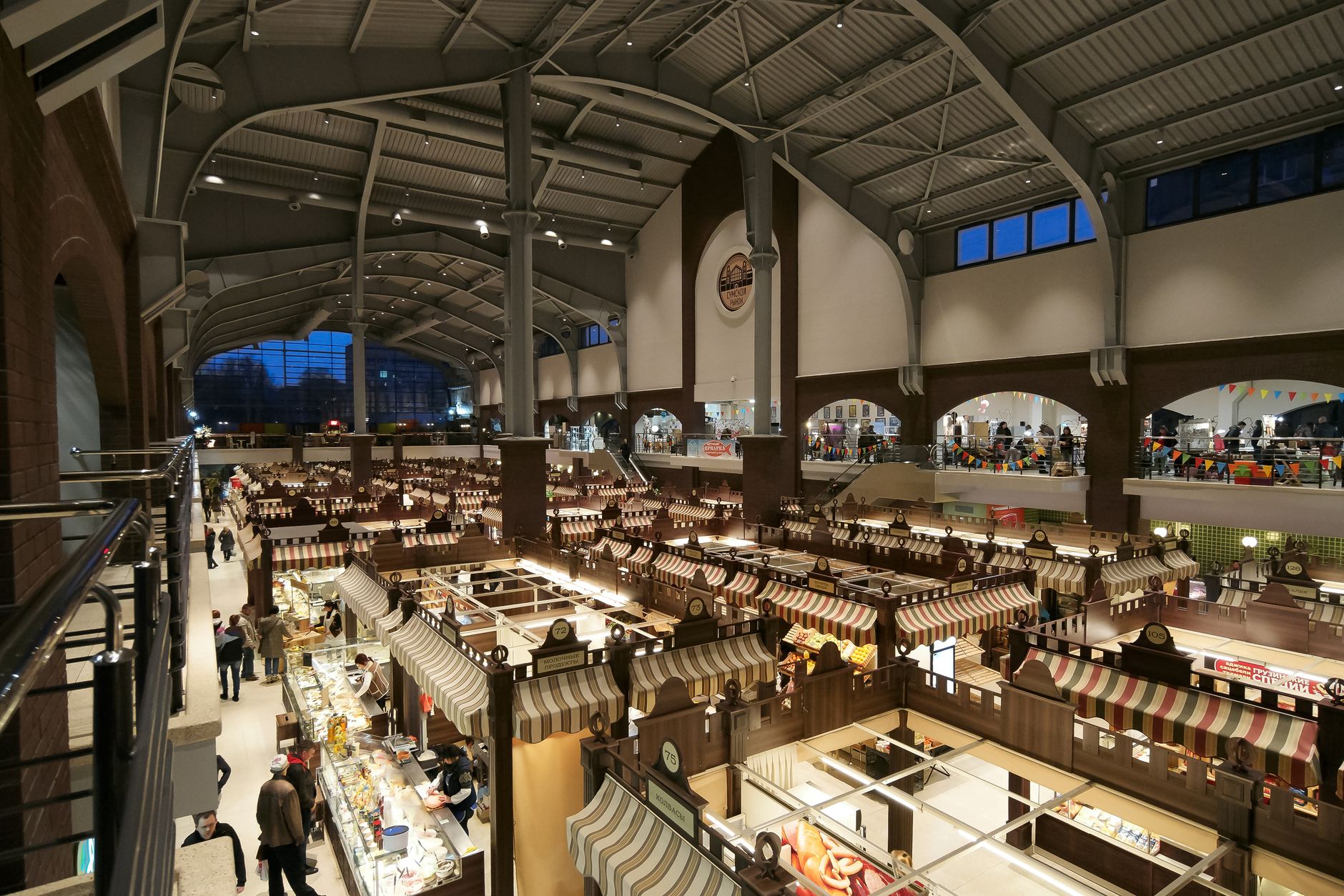
- Food and markets: Östermalm Saluhall for artisanal foods; local outdoor markets in Södermalm for street food and makers.
- Modern art and design: Moderna Museet and the design shops around Östermalm and Södermalm.
Less touristy but rewarding:
– Guided neighborhood walks with local guides that donate or split fees with community projects.
– Cycle or walk Djurgården’s quieter paths rather than driving.
Booking and timing tips:
– Reserve Vasa and Stadshuset tours in the high season (June–August).
– Visit museums on weekday afternoons for fewer crowds.
– Take archipelago ferries in shoulder seasons (May–June, September) for calmer waters and lower visitor numbers.
Local Context
Neighborhoods and what to expect:
– Gamla stan: Medieval core — small alleys, tourist shops and important historical sites; best early or late in the day.
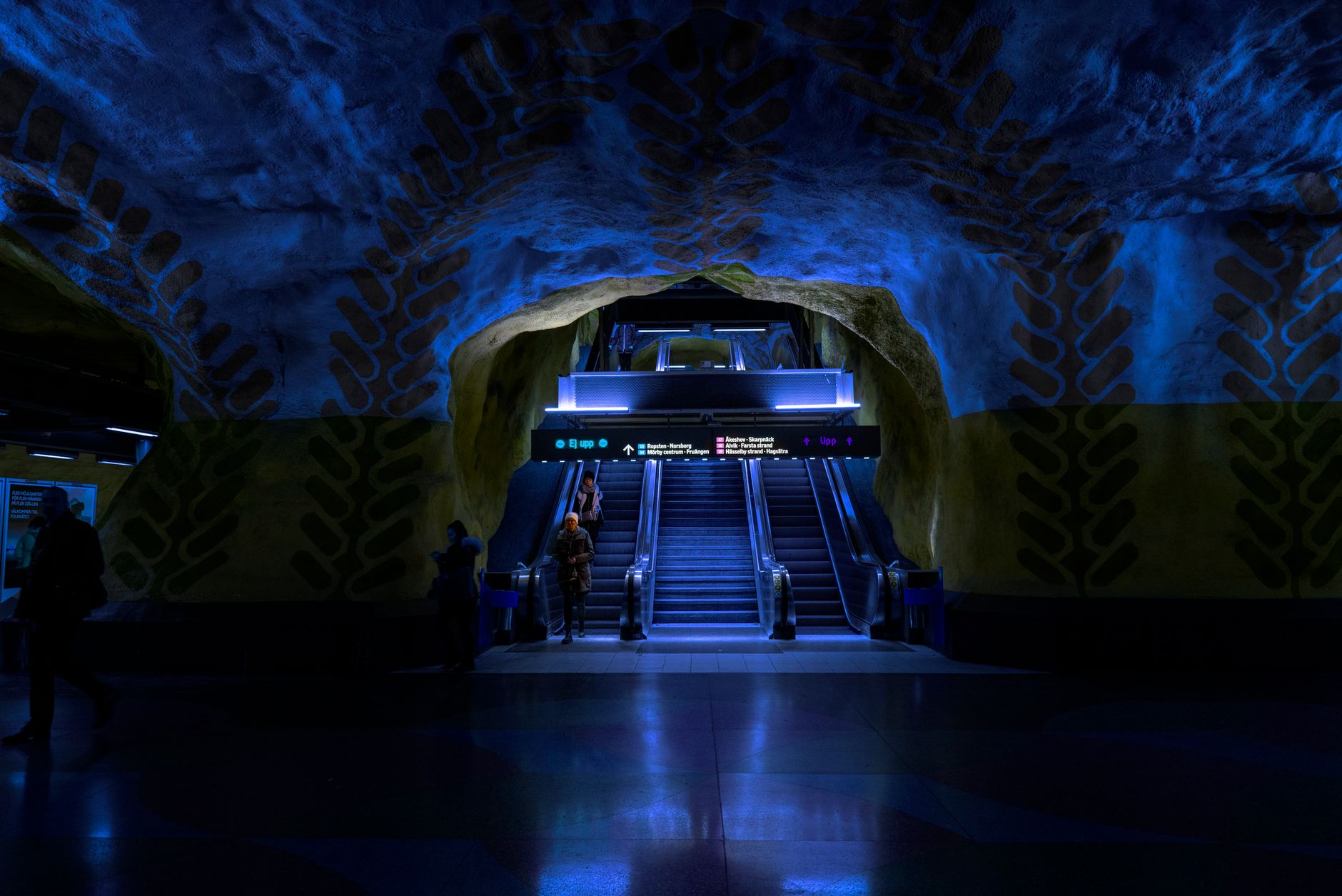
– Norrmalm/Central: Main shopping streets, public transport hub at T-Centralen and Central Station.
– Södermalm: Creative, relaxed neighborhoods with cafés, bars and vintage stores; good for evening walks.
– Östermalm: Upscale food halls and late‑19th-century architecture.
– Djurgården: Green museum island, popular in summer and on weekends.
Seasonal realities:
– High season: June–August — long daylight, crowded attractions, book ahead. Ferries run more frequently.
– Shoulder seasons: May–June, September–October — milder crowds, good prices, comfortable walking weather.
– Winter: Short days and snow are possible; some attractions have reduced hours, but winter markets and cozy cafés are rewarding.
Transport reality:
– SL (public transport) covers metro, buses, trams and commuter ferries. Buy an SL card or single-day pass through the SL app or ticket machines.
– Ferries to the archipelago use SL routes to nearby islands or local operators for further islands — check schedules in advance.
– Trains to Gothenburg (Göteborg) and Malmö run from Central Station; book SJ tickets early for lower fares.
Local etiquette and practicalities:
– Swedes value punctuality; arrive on time for tours and dinner reservations.
– Tipping is modest — round up or add a small tip (5–10%) for table service; not obligatory.
– Many businesses accept cards; carry a small amount of cash only for markets or very small purchases.
How to Choose Well
Match activities to your days and energy level:
– Short stays (1–2 days): Focus on Gamla stan, a museum on Djurgården, and a Södermalm walk. Keep travel times short and use SL to move quickly.
– Standard stay (3 days): Follow the 3 days in Stockholm guide — use this page to swap museums for a short archipelago trip or an evening concert.
– Longer stays: Add day trips — Gothenburg (roughly 3–4 hours by train) or Malmö (about 4–5 hours by train), or overnight ferry crossings to Turku.
Accessibility and mobility:
– Stockholm’s metro stations often have escalators; not all have elevators, especially in older areas. Check station accessibility on the SL website.
– Cobblestones in Gamla stan can be uneven; wear supportive shoes.
Booking advice:
– Reserve popular guided tours, Stadshuset slots and Vasa Museum tickets in advance during summer.
– For archipelago trips, check ferry timetables the day before — services vary seasonally.
– Consider weekday visits to high-traffic museums to reduce congestion and support local staffing balance.
Responsible and Local-First Tips
Prioritize experiences that benefit small businesses and reduce impact:
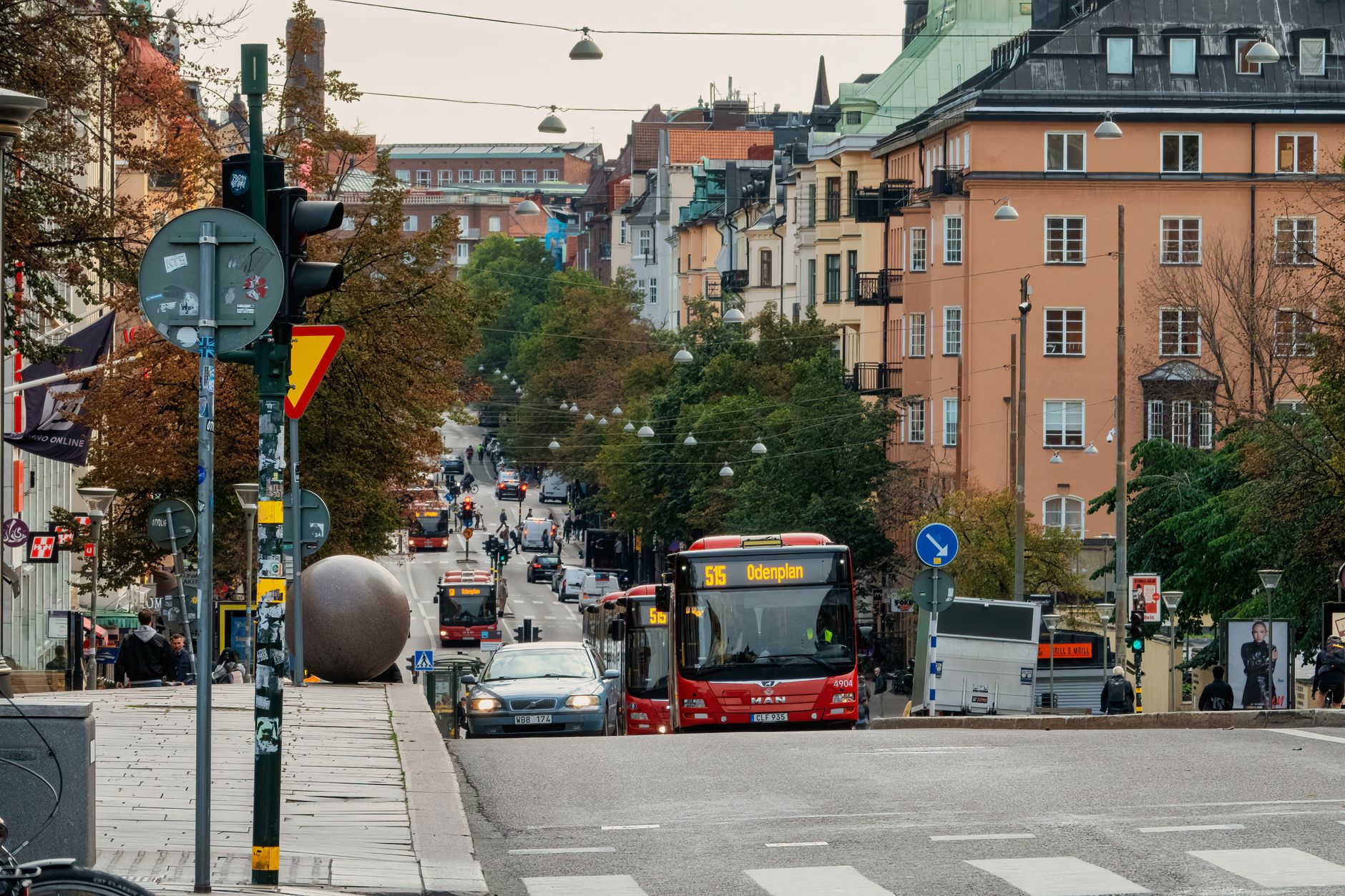
- Use public transport and commuter ferries (SL) instead of taxis for island hops when practical.
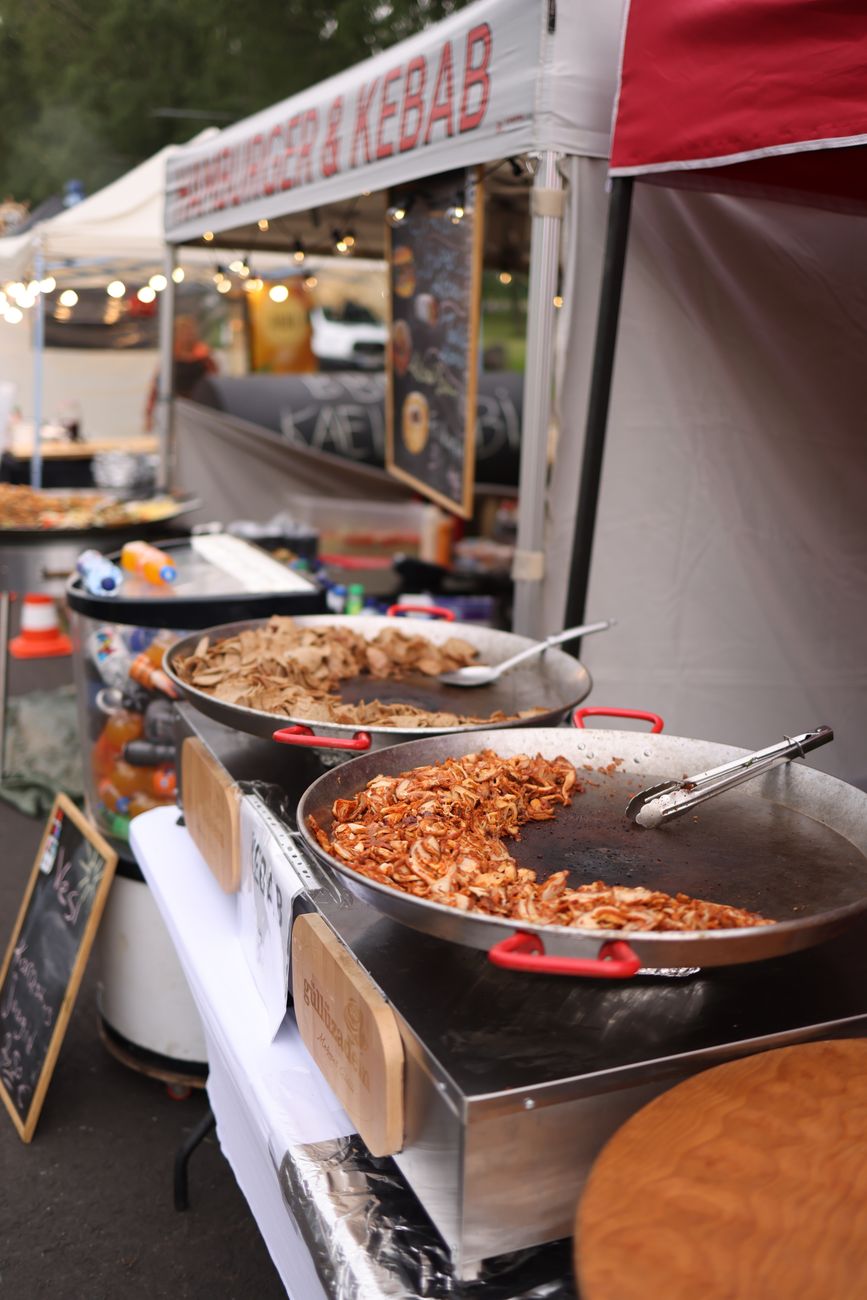
- Buy market food and snacks from local vendors (Östermalm Saluhall, Hornstull market) rather than international chains.
- Choose small, licensed local guides or community-led walking tours; ask where fees go and prefer those who hire local staff.
- Avoid one-day group minibusses that cross the city in a day; split longer trips into more meaningful local visits.
- Reduce single-use plastics: bring a refillable bottle (water fountains are common) and reusable bags for market purchases.
- When island hopping, pick nearby islands (Fjäderholmarna, Vaxholm) for shorter transit and lower fuel use.
Supportable souvenirs:
– Buy ceramics, textiles and prints from independent makers in Södermalm and small shops in Gamla stan.
– Look for the Utanför or local design labels that indicate Swedish makers.
Common Mistakes to Avoid
Avoid these repeat problems:
- Overpacking too many museums into a single day — choose two at most and leave time to walk between neighborhoods.
- Relying solely on taxis during peak hours — they can be slow and expensive; SL is cheaper and often faster.
- Visiting the Vasa Museum or Stadshuset without a timed ticket in high season — you may face long waits or sold‑out slots.
- Ignoring weather and footwear — cobbles and stairs are common; bring layers and comfortable shoes.
- Falling for the “hop-on, hop-off” bus as the only way to see the city — walking and public ferries reveal more local life and smaller businesses.
- Skipping shoulder season — late spring and early autumn often offer better weather-to-crowd balance and more sustainable tourism impacts.
FAQ
What are the absolute must-see attractions if I only have one day?
Start in Gamla stan (Stortorget and the Royal Palace), walk across to Norrmalm for a quick look at Stadshuset from the outside, then head to Djurgården for one museum (Vasa or Skansen). Keep travel tight and use SL ferry or tram to save time.
Is Stockholm expensive and how can I save money?
Stockholm can be pricey. Save by using SL passes, eating at market halls and casual local cafés, choosing free walking routes and parks (Djurgården, Tantolunden), and booking trains and tours in advance for lower fares.
Can I do a sustainable archipelago trip in a half-day?
Yes. Public ferries to Fjäderholmarna or Vaxholm are short and operate on scheduled routes; they use larger passenger boats and are a lower-impact option compared with private speedboats.
How do I get from Stockholm to Gothenburg or Malmö?
Trains depart Stockholm Central Station for Gothenburg (roughly 3–4 hours) and Malmö (around 4–5 hours). Book with SJ for regional or high‑speed services; early bookings get the best prices.
Are English and other languages widely spoken?
Yes. Most Swedes speak fluent English, and tourist services generally have English signage. Basic Swedish greetings are appreciated but not required.
Is it easy to visit Turku, Espoo or Tampere from Stockholm?
For Turku, overnight ferries run from Stockholm to Turku; it's a common overnight route. Espoo and Tampere are best reached via Helsinki — take a ferry to Helsinki then train to those cities. Plan overnight travel and check seasonal schedules.
Conclusion
Stockholm rewards slow, local-minded travel: combine compact walking routes, one or two museums, and an island outing for a balanced visit. Use the 3 days in Stockholm itinerary as your backbone and return to this page to swap activities based on season, energy and sustainability priorities. If you're extending north or south, trains to Gothenburg and Malmö or ferries to Turku make good regional additions that keep your trip locally connected.
How this guide was prepared
This guide was prepared through a structured research that combines destination research, geographic context, itinerary planning logic, and content review.