

3 Days in Alcudia: Alcúdia in 3 Days: A Practical, No-Nonsense Itinerary
Plan 3 days in Alcudia with this practical itinerary covering major sights, neighborhoods, food, and transport.
A grounded 72-hour plan for Alcúdia that prioritises efficient routing, market mornings, coastline time, and realistic costs so a visitor sees the core without wasting a day.
Approach the town expecting two distinct experiences: a tightly defined medieval centre with cobbled streets, defensive walls and a weekday market rhythm, plus a long public coastline with family beaches and day-trip infrastructure. First impressions are often split — tourists arrive at the port or the beach resort and assume the whole place is a sun-and-resort town, only to be surprised by the quiet lanes and 14th-century gates inside the walls.
The pace is mellow outside July–August but noisy and crowded during the high season; expect coach arrivals, loud family resorts and busy parking if visiting in July. The town suits travellers who want short walks, local markets, accessible archaeology and beaches within easy walking or short bus rides, and who are prepared to book popular restaurants in advance in high season.
Is 3 days in Alcudia enough?
Yes, three days gives a clear, non-rushed view of the old town, the Roman site of Pollentia, a long beach morning at Playa de Muro and a nature walk in Parc Natural de s'Albufera. The caveat: full boat trips to Formentor or a full-day excursion to Palma require extra time and will need to be skipped.
Who This Guide Is For
Best for travellers who want a mix of history, beaches and nature without late-night clubbing; families, active couples and small-group friends fit well. Not ideal for travellers seeking a high-energy nightlife hub or an urban cultural museum crawl.
Local Tips for Alcudia
Practical details that most travel sites skip — specific to Alcudia.
- Alcúdia weekly market runs on Tuesdays and Sundays in the old town around Plaça de la Constitució and Avinguda d'Antoni Maura — arrive by 09:00 for food stalls before mid-morning crowds.
- TIB interurban buses link Palma Intermodal to Alcúdia; single fares are typically €7–10 one way — buy tickets at Palma Intermodal, use the TIB app, or purchase from the driver if available.
- Museu Monogràfic de Pollentia (near the Roman forum) usually charges about €4–€6 for entry; the outdoor ruins are free but bring sun protection and water in summer.
- Parc Natural de s'Albufera de Mallorca has its main visitor access at Platja de Muro; entry to the park is free but guided birdwatching walks or kayak trips run about €10–€25 per person.
- Hidropark Alcúdia offers online advance tickets that are roughly €4 cheaper; standard adult entry in peak season is about €20–25 and the park runs May–September.
How This Guide Was Prepared
This guide treats Alcúdia as a town with two main characters: the compact medieval old town and the long, public coastline with Playa de Muro. Many guides over-focus on the beach resorts and ignore the weekday market rhythms, Pollentia archaeology and the s'Albufera wetlands that define local life. This guide was prepared through a structured research that combines destination research, geographic context, itinerary planning logic, and content review.
Plan Your Stay in Alcudia
Use this itinerary as your starting point, then compare areas to stay, transport options, seasonal timing, and realistic daily costs before booking.
Why Visit
The old town is compact and walkable with intact medieval walls, narrow lanes and municipal museums like the Museu Monogràfic de Pollentia that connect visible ruins to exhibits. Pollentia itself offers a readable Roman forum, residential blocks and a small museum that make Roman settlement tangible without the crowds of Palma.
The coastline offers a rare combination of a long public beach (Playa de Muro) with shallow water suited to families and wind-protected stretches for swimming. The Parc Natural de s'Albufera de Mallorca provides a short, accessible nature escape with birdwatching hides, marked trails and cycling routes less than 15 minutes by bike from the old town.
Practical convenience is another reason: the town is compact so a single base covers town, port and parts of the beach; local goods, weekly markets and family-run bakeries are easy to reach on foot, saving taxi costs.
Quick Planning Tips
From Palma Airport the most budget-friendly option is a TIB interurban bus to the town; buy at Palma Intermodal or use the TIB app to check live schedules. Renting a car is useful for reaching less-served beaches and the northern peninsula, but factor in summer parking costs and narrow old-town streets.
Bring a contactless card or euros; many small bakeries and market stalls prefer cash for small purchases under €10. Avoid arriving on the main market mornings without booking accommodation or parking — Tuesdays and Sundays bring extra day visitors and many businesses extend opening hours on market days.

Day 1
Morning: Start at Plaça de la Constitució inside the town walls and walk the perimeter along the Alcúdia Walls to see the Porta de Mallorca and medieval towers — the full circuit takes about 30–45 minutes on foot. From the walls, visit Església de Sant Jaume on Carrer de Sant Jaume; the church interior and small nave are worth 20–30 minutes.
Late morning: Walk to the Museu Monogràfic de Pollentia (10–15 minutes from the church) to view the Roman finds and then follow the signage to the outdoor archaeological area. Allocate 1.5–2 hours for museum plus ruins; the outdoor site is exposed so bring sun protection.
Lunch: Eat at Ca'n Torrat (or a similar local tavern near Plaça de la Constitució) for pa amb oli and a local fish dish — expect to pay €12–18 per person for a light lunch. Afternoon: Walk down Carrer de Sant Vicenç to the harbour; the stroll takes about 20 minutes and passes artisan shops and cafes. Spend the late afternoon on Port d'Alcúdia promenade for swimming or a rented pedal boat.
Evening: Dine on the port esplanade at a seafood restaurant; book in high season. Finish with a short sunset walk on the beach (Playa d'Alcúdia) and return to the old town if staying there.
Day 2
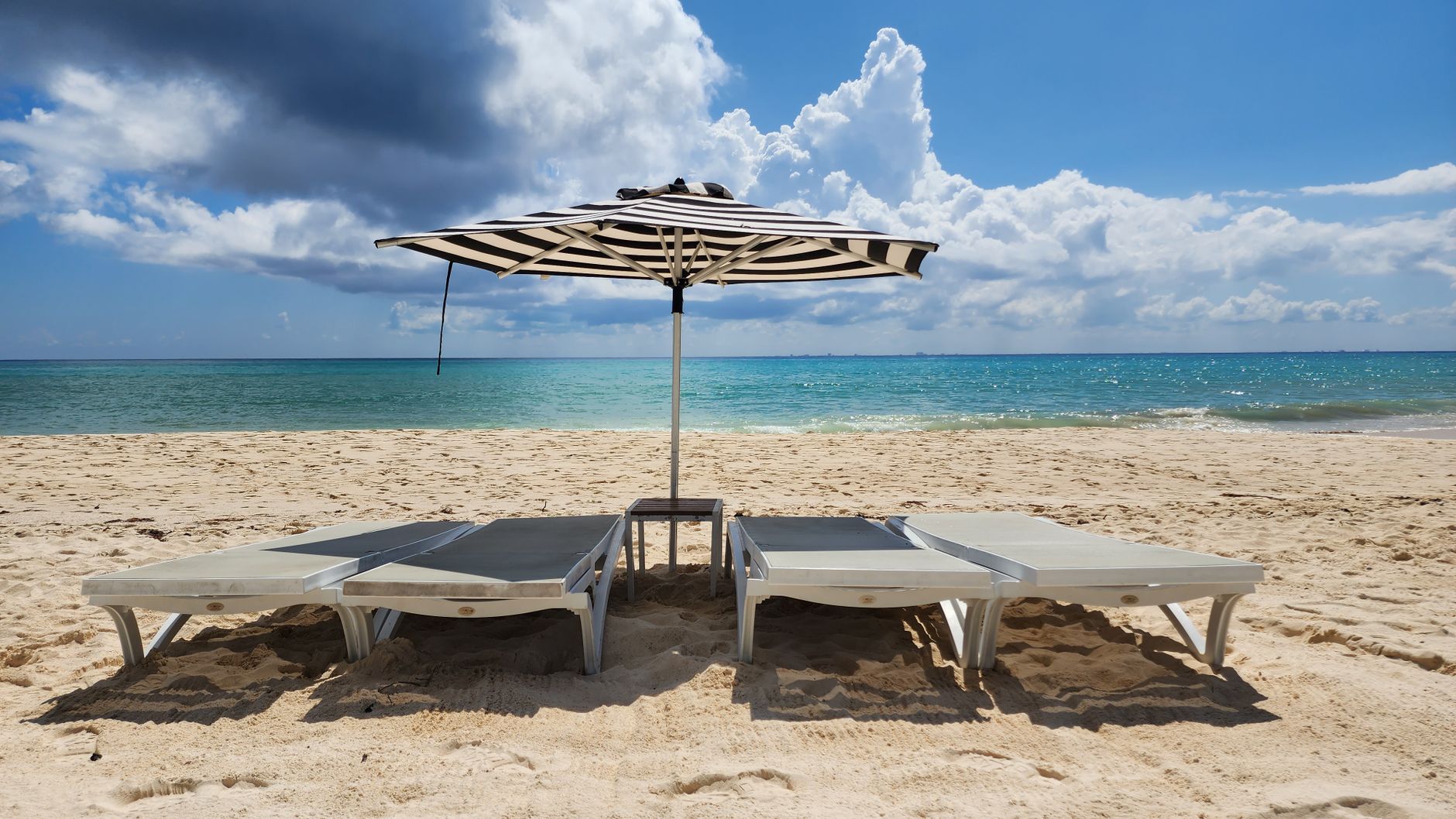
Morning: Catch an early bus or cycle 10–20 minutes to Playa de Muro for a beach morning; the shore is wide and shallow, ideal for swimming and wind-protected. Rent a sun umbrella and loungers if staying more than a couple of hours; expect rental prices around €12–€20 for a set.
Late morning: Walk or cycle the boardwalk towards s'Albufera access points and enter Parc Natural de s'Albufera de Mallorca from the Platja de Muro side; follow marked trails and bird hides for 1.5–2 hours. Bring water, binoculars, and mosquito repellent in spring.
Lunch: Head back toward the small cluster of beach restaurants on Avinguda de Pere Mas and try a seafood fideuà or grilled dorada — mid-range plates cost €15–€25. Afternoon: Reserve mid-afternoon for a short boat trip from the port if available, or rent a bicycle and explore the farmland paths toward Sa Pobla; cycling routes are flat and well signposted.
Evening: Return to the old town for tapas-style dining on Carrer de Sant Vicenç or a relaxed dinner near the walls. Nighttime is quieter here than at the port except in high season.
Day 3
Morning: Visit the weekly market if it is a Sunday or Tuesday — arrive early to see local produce, cheeses and cured sobrassada while shops are restocked. If no market day, use the morning for the Roman Theatre of Pollentia and less-visited corners of the archaeological area.
Late morning: Walk along the port front to the old lime kilns and small fishing piers for photography and a coffee; this area takes 45–60 minutes at a leisurely pace. If planning an afternoon flight, check bus times or book a taxi in advance.
Lunch: Choose a café on the seafront promenade and opt for lighter options like fresh salads, tapas or an ensaimada for takeaway — plan €6–€15 per person. Afternoon: If the flight is in the afternoon, head to Palma Intermodal by TIB bus allowing at least 90 minutes transfer plus airport check-in; alternatively, reserve a taxi (€70–€90 to Palma Airport depending on time and luggage).
Evening: For late departures, finish with a final short wall walk and a drink in Plaça d'Espanya. Those checking out can store luggage at accommodation or use local lockers where available, then pick up bags before heading to transport.
Best Local Experiences
Alcúdia market on Tuesdays and Sundays — local produce, Mallorcan cheeses and cured sobrassada stalls are concentrated near Plaça de la Constitució. Pollentia archaeological circuit — the Museu Monogràfic de Pollentia plus the outdoor forum and theatre let visitors link artifacts to ruins.
Birdwatching in Parc Natural de s'Albufera de Mallorca — short trails and hides make for accessible wildlife watching, especially at dawn and dusk. A morning on Playa de Muro — long shallow waters suit families and snorkelling close to shore; boardwalk stretches are good for a quick run or walk.
Hidropark Alcúdia for family water-park fun — good for children and a weather-proof half-day if sun is strong. Small group boat trips to the Bay of Alcúdia or short hire of kayaks from the port for a different coastal perspective.

Where to Stay
Old Town (within the walls): Suited to walkers and culture-focused visitors who want immediate access to museums, restaurants and the market. Rooms range widely — expect €70–€150 per night in low to shoulder season, €120–€220 in high season (EUR estimates similar). Parking can be limited; check for hotel parking.
Port d'Alcúdia / Seafront: Ideal for families and diners who want beach and promenade access. Mid-range beachfront hotels typically cost €80–€180 per night outside July–August, rising to €150–€300 in peak weeks. Expect more nightlife noise and coach arrivals in July–August.
Playa de Muro / Rural outskirts: Suited to people seeking long beaches and bike access to s'Albufera; self-catering apartments and small hotels here often run €60–€140 per night except high season. Driving is useful from this area for reaching small coves and neighbour towns.
Food and Drink
Ensaimada (breakfast pastry): A spiral filo-like sweet baked good, often filled with cream or pumpkin jam; buy from local panaderia for €1.50–€3.00. Pa amb oli (bread with oil and toppings): Rustic bread rubbed with tomato and olive oil served with cheese or sobrassada — found in local bars for €3–7.
Sobrassada: A soft cured pork sausage spiced with paprika; buy vacuum-packed from market stalls or local shops for €4–€8 depending on size. Suquet de peix: A Mallorcan fish stew with potatoes and garlic; order at seafront restaurants for €15–28 per person. Fideuà: Similar to paella but with short noodles — common on the port and a good seafood lunch option for €12–20.
Drink note: Hierbas Mallorquinas (anise-flavoured herbal liqueur) is the classic digestif; small glasses are €2–€4 in bars. For breakfast, local café cortado or café amb llet is €1.50–€2.50.
Getting Around
Local mobility relies on TIB interurban buses and local shuttle services; there is no regional train. Common TIB routes connect Palma Intermodal with the North (check Palma–Sa Pobla–Alcúdia corridor); single interurban fares are roughly €7–€10. Local buses and shuttles circulate between the old town, port and Playa de Muro; short rides often cost €1.50–€3.
Taxi from Palma Airport to town usually runs about €70–€90 depending on luggage and time of day; pre-booked transfers may be cheaper for groups. Consider renting a bicycle for short trips to Playa de Muro and s'Albufera — many rental shops on Avinguda de Pere Mas and the port; half-day rates start around €8–€12.
Useful app: TIB App for schedules and ticket info; Google Maps works for walking and cycling routes but verify bus numbers on TIB. If using public transport regularly, check for multi-ride options on the TIB website or at Palma Intermodal.
Best Time to Visit
May–June and September–early October offer the best balance of warm weather (20–28°C), open services and fewer crowds than July–August; hotel rates and ferry crowds are lower. July–August brings hot temperatures of 28–34°C and packed beaches, especially Playa de Muro, with higher accommodation prices and coach groups.
Winter months (November–March) are quiet, many beach businesses close and daytime temperatures range from 10–16°C; good for lower prices but restricted opening hours. Late spring and early autumn are recommended for travellers who want swimming plus quieter streets.
Budget and Practical Tips
Typical daily budget per person (moderate): Accommodation €70–€150, food €30–€50, local transport €5–€15, entry fees €5–€15. In EUR: expect roughly €110–€230 per day; in USD approximate $120–$250 depending on exchange rates. High-season weeks in July–August can double accommodation costs.
Tipping norms: Rounding up the bill and leaving 5–10% in restaurants is customary but not mandatory; small cash tips for taxi drivers and porters are appreciated. Carry small change for market purchases and coffees because some stalls prefer cash. Check opening hours of family-run restaurants; many close for a mid-afternoon siesta off-peak.
FAQ
Is Alcúdia safe for solo travellers?
Yes. The town is generally safe with low violent crime; standard petty-theft precautions apply on crowded beaches and market days.
How long does the bus from Palma Airport to the town take?
The interurban TIB bus takes around 50–75 minutes depending on route and traffic; allow extra time in summer and always check real-time schedules on the TIB app.
Is a car necessary to see the main sights?
Not strictly — the old town, port and Playa de Muro are reachable by bus, bicycle or on foot, but a car adds flexibility for remote coves and inland villages.
Are the beaches free and public?
Yes, Playa de Muro and the main beaches are public and free; extras like loungers or umbrellas have rental fees.
Is a city card or pass worth buying?
There is no single Alcúdia city card covering all attractions; pay-as-you-go is usually cheaper unless visiting multiple paid museums and attractions in quick succession.
What are the best months for swimming?
Late May through September offers sea temperatures suitable for swimming, with warmest months July and August.
Conclusion
This three-day plan balances the old town, the Roman ruins at Pollentia, long beach time at Playa de Muro and a nature half-day in s'Albufera. The thing visitors most often remember is the contrast between compact medieval streets and a long, accessible public shoreline — that contrast is the priority if time is tight. If one must cut a visit short, prioritise a morning in the old town and an afternoon on the beach for the clearest sense of what the town offers.
How this guide was prepared
This guide was prepared through a structured research that combines destination research, geographic context, itinerary planning logic, and content review.