

Responsible Travel in Athens — Practical, Low-Impact Choices to Support Local Life
Practical tips for low-impact, locally focused travel in Athens: where to stay, when to visit, transport realities, booking advice, sustainable day trips and links to the 3 days in Athens itinerary.
A short, practical guide to experiencing Athens responsibly: neighborhood choices, transit and walking tips, seasonal advice, and local-first recommendations that pair well with our 3 days in Athens itinerary.
Quick Answer
A short, practical guide to experiencing Athens responsibly: neighborhood choices, transit and walking tips, seasonal advice, and local-first recommendations that pair well with our 3 days in Athens itinerary.
Who This Page Is For
This page is for travelers planning a stay in Athens who want clearer decisions about responsible travel, local logistics, timing, budgeting, and practical trip planning.
How This Page Was Prepared
This page was prepared through a structured editorial workflow that combines destination research, geographic context, and practical travel-planning review.
Plan the Rest of Your Trip
Use this page together with the full itinerary and the related planning pages below to make better booking, timing, transport, and budget decisions.
Pick a compact base (Monastiraki/Plaka for first-time access, Koukaki for quieter local life) and rely on walking plus Athens’ metro and tram. Buy the 5-day Combined Archaeological Ticket if you plan multiple sites; book Acropolis time slots in advance for mornings or late afternoons to avoid crowds and heat. Prioritise family-run tavernas and neighbourhood cafés, and choose licensed local guides for themed walks that keep money in the community.
If you need an itinerary shortcut, consult the linked 3 days in Athens page for a responsible daily plan and use this support page for low-impact alternatives and day-trip options to Piraeus or island connections.
This page is a compact, practical companion to the main 3 days in Athens guide. It focuses on choices that reduce environmental impact and increase benefits to local people: where to base yourself, how to move around, what to book in advance, and how to spend money so it supports neighbourhood businesses.
Use this as a quick-reference planning tool whether you’re tightening an urban itinerary, fitting in a Piraeus ferry, or choosing a responsible day trip to nearby islands like Kos or a return connection to Chania and Rethymno on Crete.
What This Page Helps You Decide
- Where to stay for responsible, low-impact days in Athens (neighbourhood trade-offs).
- When to schedule Acropolis and museum visits to minimise crowds and heat stress.
- How to move around: public transport passes, walking routes, ferries from Piraeus.
- Which kinds of tours and vendors to book so your money supports local guides and small businesses.
- Sensible day-trip choices to Piraeus, Kos, or ports serving Crete (Chania, Rethymno).
Pair these decisions with the practical day-by-day suggestions in the 3 days in Athens itinerary for a complete trip plan.

Top Recommendations
Short, actionable picks to keep your visit low-impact and locally beneficial:
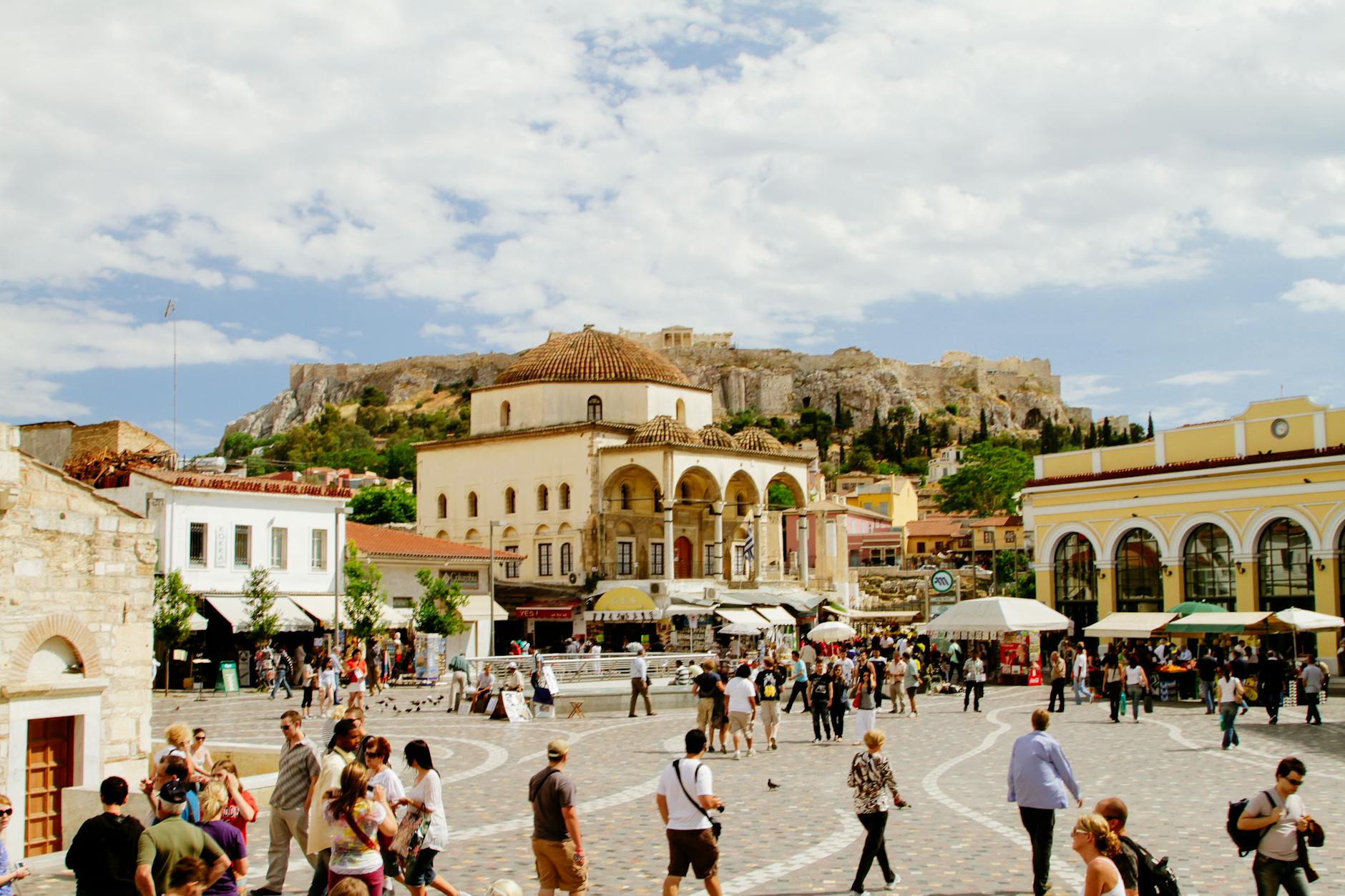
- Base neighbourhoods: Monastiraki/Plaka for immediate access to historic sites; Koukaki for quieter streets and local cafés; Psiri for creative businesses and evening food options.
- Timing: Visit Acropolis early (opening) or late (two hours before close) to avoid cruise-ship surges and midday heat.
- Tickets: Buy the Combined Archaeological Ticket (5-day) if visiting multiple sites; reserve Acropolis slot online in summer.
- Transport: Use the Ath.ena Card for metro/tram/bus; walk where possible—many central streets are pedestrian-friendly.
- Day trips: Choose Piraeus for port logistics or a ferry to Kos; prefer slower ferries and off-peak crossings to reduce strain on local infrastructure.
- Eating: Prioritise neighbourhood tavernas, meze bars and bakeries with local suppliers; avoid international chains in the historic centre.
- Tours: Book licensed local guides or community-led walks (food markets, artisans, refugee-led enterprises) instead of generic big-operator tours.
- Bookings: Reserve peak-season lodgings and popular guided visits at least 6–8 weeks ahead; shoulder season bookings can be made later but still check opening hours.

Local Context
Neighbourhood realities:
– Plaka and Monastiraki: tourist-facing but walkable; expect souvenir shops near main monuments. A few blocks inland the scene becomes more local.
– Koukaki: residential, short walk to Acropolis and a good choice for quieter evenings and family-run restaurants.
– Psiri: creative and nightlife-oriented; good for independent cafés and artisans.
– Exarchia and Pangrati: local markets, secondhand shops, and an active cultural scene—Exarchia is politically engaged, so be mindful of demonstrations.
Seasonal patterns:
– Best shoulder months: April–May and September–October. Summer (June–August) brings heat and cruise crowds; winter is mild but some island connections reduce frequency.
Transport and practicalities:
– Athens is compact and very walkable in the centre, but expect uneven cobbles and steps around historic sites.
– Metro is fast and covers most key points; tram serves the southern coastal route toward Piraeus and the southern suburbs.
– Ferries to Kos and Crete depart from Piraeus—book in advance during summer.
– Taxis are plentiful but use them for late-night or luggage-heavy trips; prefer official taxis or app-based services.
Local etiquette:
– Greet with a friendly “Kalimera” (good morning) or “Kalispera” (good evening).
– Dress respectfully in churches and covered museums; use a quiet voice in sacred or archaeological spaces.
– Small tips (5–10%) are appreciated in cafés and for good service but not mandatory.

How to Choose Well
Choose accommodation:
– Look for small guesthouses or family-run hotels with local hiring practices and energy-saving measures.
– Prioritise places near a metro stop or within walking distance of Monastiraki or Syntagma to reduce taxi use.
Choose tours and guides:
– Verify guide licensing and prefer themed walks that focus on local life (market tours, neighborhood food walks, artisan visits).
– Join small-group or private walks to reduce noise and congestion around fragile archaeological sites.
Choose day trips:
– For islands, favour less-frequented options and off-peak crossings; consider returning overnight to spread visitor impact.
– If visiting Piraeus for logistics or local seafood, combine with a neighbourhood walk rather than a quick port-side lunch.
Booking tips:
– Book Acropolis and big museum visits online during high season; many smaller museums accept walk-ups.
– Reserve ferries and intercity flights early for July–August travel; shoulder season is more flexible.
Responsible and Local-First Tips
- Spend in neighbourhoods rather than only on the tourist strip: buy pastries, coffee, or crafts from small shops in Koukaki, Psiri, or Pangrati.
- Use refillable water bottles: many cafés and museums will refill them for you; single-use plastics are common locally, so refusing them helps.
- Walk or use public transport for short hops; the metro and tram reduce emissions and congestion compared with taxis.
- Choose locally owned restaurants and ask about provenance—fish and produce sourced from local suppliers supports regional fisheries and farmers.
- Support community initiatives: look for tours run by social enterprises, refugee-led projects, or cooperatives selling crafts made in Athens.
- Respect archaeological sites: stay on marked paths, don’t climb monuments, and avoid commercial photo shoots that damage surfaces.
- Keep visits balanced: visit the Acropolis early, then distribute museum and neighbourhood visits across your stay to reduce peak pressure.
- If taking a day trip to island ports (Kos, Crete), choose operators with clear waste management practices and avoid last-minute overloaded boats.

Common Mistakes to Avoid
- Scheduling the Acropolis at midday in summer—heat and crowds make this uncomfortable and stressful for staff and monuments.
- Staying only on the high-traffic tourist strip and missing neighbourhood businesses where your money helps locals more.
- Buying tours from unlicensed operators; they often underpay local guides and offer lower-quality interpretation.
- Assuming all places accept cards—smaller cafés and market stalls may be cash-preferred, so carry some euros.
- Overpacking a single day with long museum lists; spread visits to avoid crowding and to enjoy each site more responsibly.
- Ignoring demonstration warnings—Exarchia and central squares can have protests; follow local advice and avoid risks.
- Ordering bottled water everywhere—use refill stations when available to cut plastic waste.
FAQ
When is the best time of day to visit the Acropolis to limit crowds and heat?
Morning opening or late afternoon (two hours before closing) are best. Book a timed ticket online in high season to avoid queues and cruise-ship surges.
Which neighbourhood is best for a responsible base near the sites?
Koukaki offers quieter evenings and local shops while still being a 10–20 minute walk to the Acropolis; Monastiraki/Plaka puts you at the centre but expect more tourist traffic. Choose based on whether you prefer calm evenings or immediate access.
How do I get to Piraeus and are day trips to islands sustainable?
Metro Line 1 and suburban trains connect central Athens to Piraeus; trams also serve parts of the coast. For islands, pick ferries with clear passenger limits and consider overnight trips to spread visitor impact. Book ferry tickets in advance during summer.
Are there good low-impact day tours from Athens?
Yes—look for small-group walking tours focused on markets, neighbourhood food, and local crafts. Community-run projects and licensed guides provide better local benefit than large bus tours.
Should I buy the Combined Archaeological Ticket?
If you plan to visit more than two archaeological sites (Acropolis, Ancient Agora, Kerameikos, Roman Agora, etc.) the 5-day Combined Ticket is cost-effective and reduces repeated ticketing lines.
Is English widely spoken and are guide services reliable?
Many service workers and licensed guides speak English; verify guide credentials and read recent reviews. For specialist topics (archaeology, food), search for guides with clear expertise and local ties.
Conclusion
Use this page alongside the full 3 days in Athens itinerary to shape a short stay that balances major sights with neighbourhood life. Prioritise walking, public transport, licensed local guides, and small businesses to keep your trip low-impact and beneficial to Athens’ communities. For organised day trips, check ferries at Piraeus and link onward to Kos, Chania, or Rethymno with advance bookings and quieter-season timing.
How this guide was prepared
This guide was prepared through a structured research that combines destination research, geographic context, itinerary planning logic, and content review.