

Responsible travel in Los Angeles: how to reduce impact and support local businesses
Practical, local-first tips for low-impact travel in Los Angeles: transit costs, neighborhood alternatives, local vendors, seasonal timing, and where to spend money locally.
Concrete, verifiable guidance for travellers who want to reduce impact in Los Angeles: TAP fares, transit lines, locally-owned eateries and markets, crowd alternatives to Santa Monica Pier and Hollywood, and seasonal tips.
Responsible travel in Los Angeles?
Buy a TAP card ($2) and use Metro fares — $1.75 per ride or a $7 Day Pass — plus prefer Metro E Line to Santa Monica and Metro A Line to Long Beach. Skip peak midday weekends at Santa Monica Pier and the Walk of Fame and instead spend time at Grand Central Market, local co-ops, and neighborhood businesses reachable by bike or Metro.
Who This Page Is For
Best for travellers who intend to stay within Los Angeles proper and want to minimise car use while supporting local businesses. Not aimed at day-trippers who will only drive through on freeways or those needing full accessibility services — check Mobility initiatives on Metro for accommodations.
Key Takeaways for Los Angeles
- Buy a TAP card ($2) and load single-ride Metro fares at $1.75 or a $7 1-Day Pass for unlimited local rides.
- Use Metro E Line to Santa Monica and Metro A Line to Long Beach; a single ride on either line is $1.75.
- Expect modest meals at Grand Central Market vendors like Eggslut or Tacos Tumbras a Tomas to cost about $8–15.
- Summer inland highs in July–August commonly reach 85–95°F; coastal neighborhoods like Venice and Santa Monica stay cooler, roughly 65–75°F.
How This Page Was Prepared
This page was prepared through a structured editorial workflow that combines destination research, geographic context, and practical travel-planning review.
Plan the Rest of Your Trip
Use this page together with the full itinerary and the related planning pages below to make better booking, timing, transport, and budget decisions.
Prioritise public and active transport: buy a TAP card ($2), load $1.75 single-ride fares or a $7 Day Pass, and use Metro Rail and Metro Bus for cross-city movement. For Santa Monica, use the Metro E Line from 7th Street/Metro Center; for Long Beach use the Metro A Line from 7th Street/Metro Center.
Avoid driving to Santa Monica Pier or Hollywood Walk of Fame during weekend middays when parking costs $20–40 and crowds are concentrated. Instead, eat at local markets and neighborhood restaurants reachable by Metro or bike — Grand Central Market, Guerrilla Tacos (street schedule), Gjusta in Venice, and Sqirl in Silver Lake are practical examples.
This page answers how to travel in Los Angeles with lower environmental and social impact while directing spending to locally-owned businesses. Visitors commonly underestimate how spread-out neighborhoods are, how slow highway traffic can be, and how many authentic food and retail options are within walking distance of Metro stations. Many assume that renting a car is required; that increases parking costs and concentrates visitor spending in large tourist zones.
Concrete choices about where to eat, how to get around, and when to visit determine whether a trip benefits local workers or mainly corporate operators. This guide focuses on practical steps — which transit lines to use, where to buy local food, clear low-impact alternatives to over-touristed places, and seasonal behaviour that reduces energy and crowd pressure. The result is a travel plan that is verifiable and actionable in Los Angeles.
What This Page Helps You Decide
Choose whether to rent a car or rely on public transit for a Los Angeles stay of any length. The guide compares costs and times for TAP card fares versus typical Uber/Lyft rides across the city and gives realistic examples for trips like Union Station to Santa Monica or Downtown to LACMA.
Decide where to spend limited dining and shopping budgets to support locally-owned vendors. Specific recommendations name markets and cooperatives, with price ranges so travelers can allocate $10–20 per meal at market vendors versus $25–45 at sit-down tourist restaurants.
Select times and neighbourhood alternatives to avoid overtourism. Concrete options include visiting Santa Monica before 9am, choosing Point Fermin or El Matador State Beach instead of the Pier, or seeing Hollywood from Griffith Park on weekdays when parking and trails are less pressured.

Top Recommendations
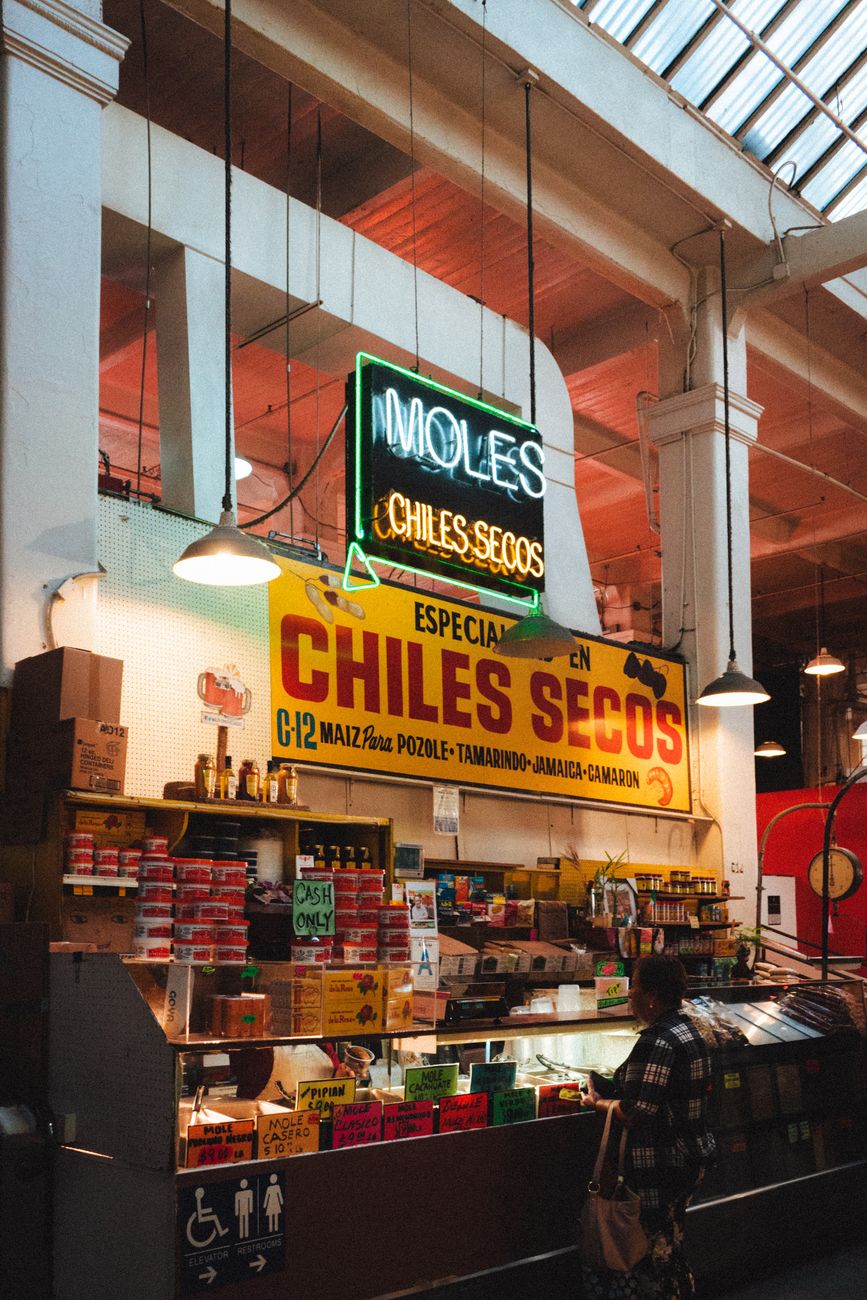
Spend money at named locally-owned businesses and markets. Visit Grand Central Market (317 S Broadway) for vendors like Eggslut (breakfast sandwiches $10–14) and Tacos Tumbras a Tomas (tacos $3–5) to keep dollars with local operators. In Venice, buy baked goods at Gjusta (320 Sunset Ave) or sandwiches at Wabi-Sabi Cafe; in Silver Lake try Sqirl (720 N Virgil Ave) for jarred preserves and toast ($8–14).
Use public and active transport whenever practical. Purchase a TAP card ($2) at Union Station or a Metro vending machine and load fares: $1.75 single or $7 Day Pass. Use the Metro E Line to Santa Monica, Metro A Line to Long Beach, and Metro G Line busway in the Valley. For short neighbourhood trips, use Metro Bike Share or dockless bikes/scooters where allowed; lock bikes properly and park in marked corrals.
Identify over-touristed spots and lower-impact alternatives. Instead of Santa Monica Pier midday on weekends, visit Early Morning Santa Monica (6–9am), or choose Point Fermin Park in San Pedro or El Matador State Beach in Malibu for coastal walks. Rather than Hollywood Walk of Fame, take the Griffith Park Observatory trail from Vermont Canyon for the city viewpoint, or stroll along Los Feliz Boulevard and support local cafes like HomeState (breakfast tacos $3.50–4.50).
Select seasonal and behavioural choices that reduce impact. In summer, prefer coastal mornings to avoid inland heat and air-conditioning loads; carry a refillable bottle and use water fountains at Union Station, LACMA, and Griffith Park. During heavy wildfire smoke events (check AirNow), avoid strenuous outdoor activities and shift museum visits to the Getty Center or Broad Museum, both accessible by transit plus a short walk or shuttle.
Where to shop ethically: pick small cooperatives and mission-driven stores such as Goodwill of Southern California (for reuse) and the Downtown Women’s Center thrift shop. For groceries, buy from local farmers at Hollywood Farmers Market (Ivar Avenue, Sundays) or at the Original Farmers Market (3rd and Fairfax) which hosts many independent vendors.
Local Context
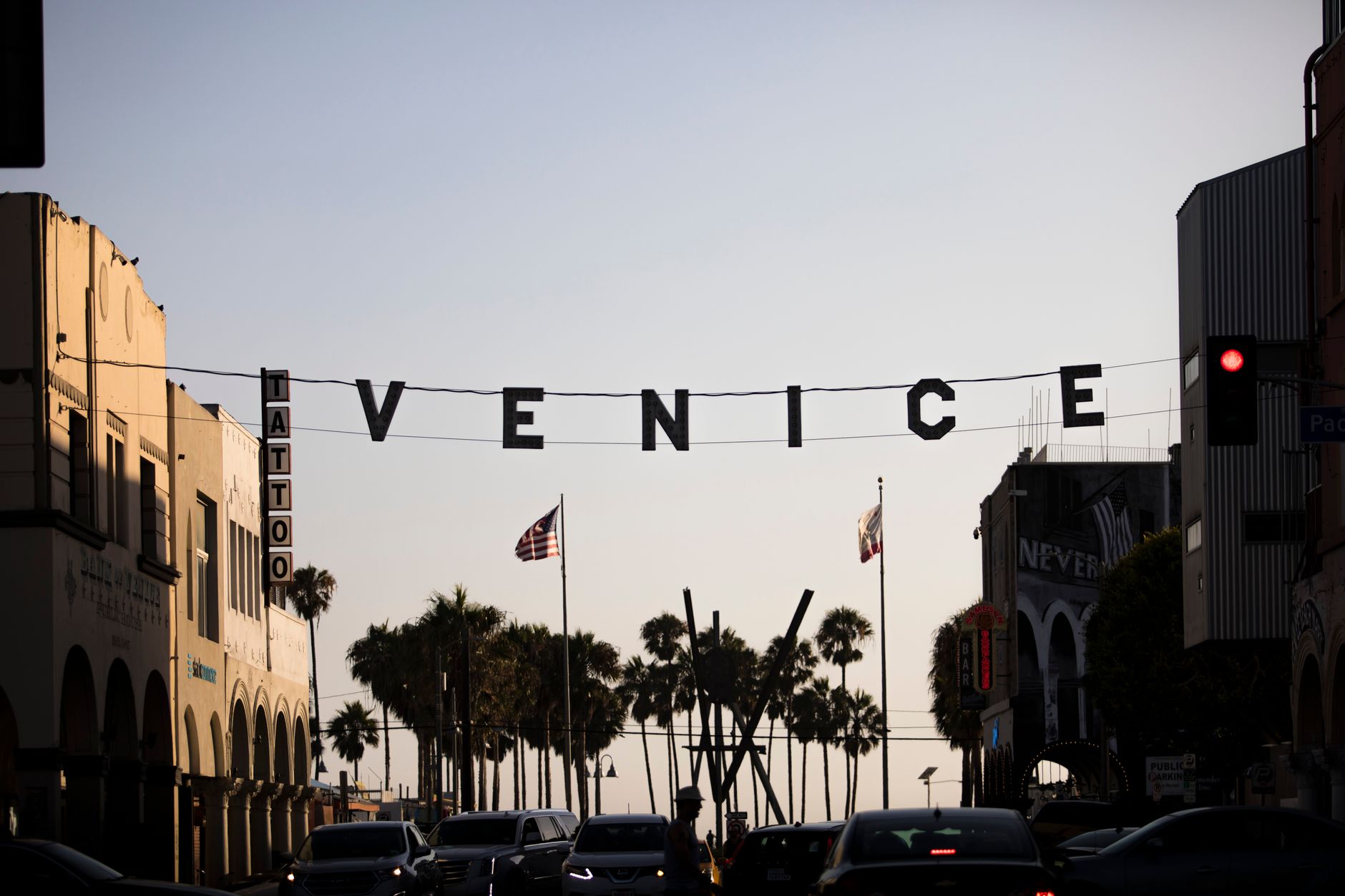
Los Angeles covers many neighbourhoods with different characters and infrastructure. Downtown Los Angeles (DTLA) has dense transit connections at Union Station and 7th Street/Metro Center. Coastal areas like Santa Monica and Venice are cooler and more walkable but suffer heavy weekend tourist flows.
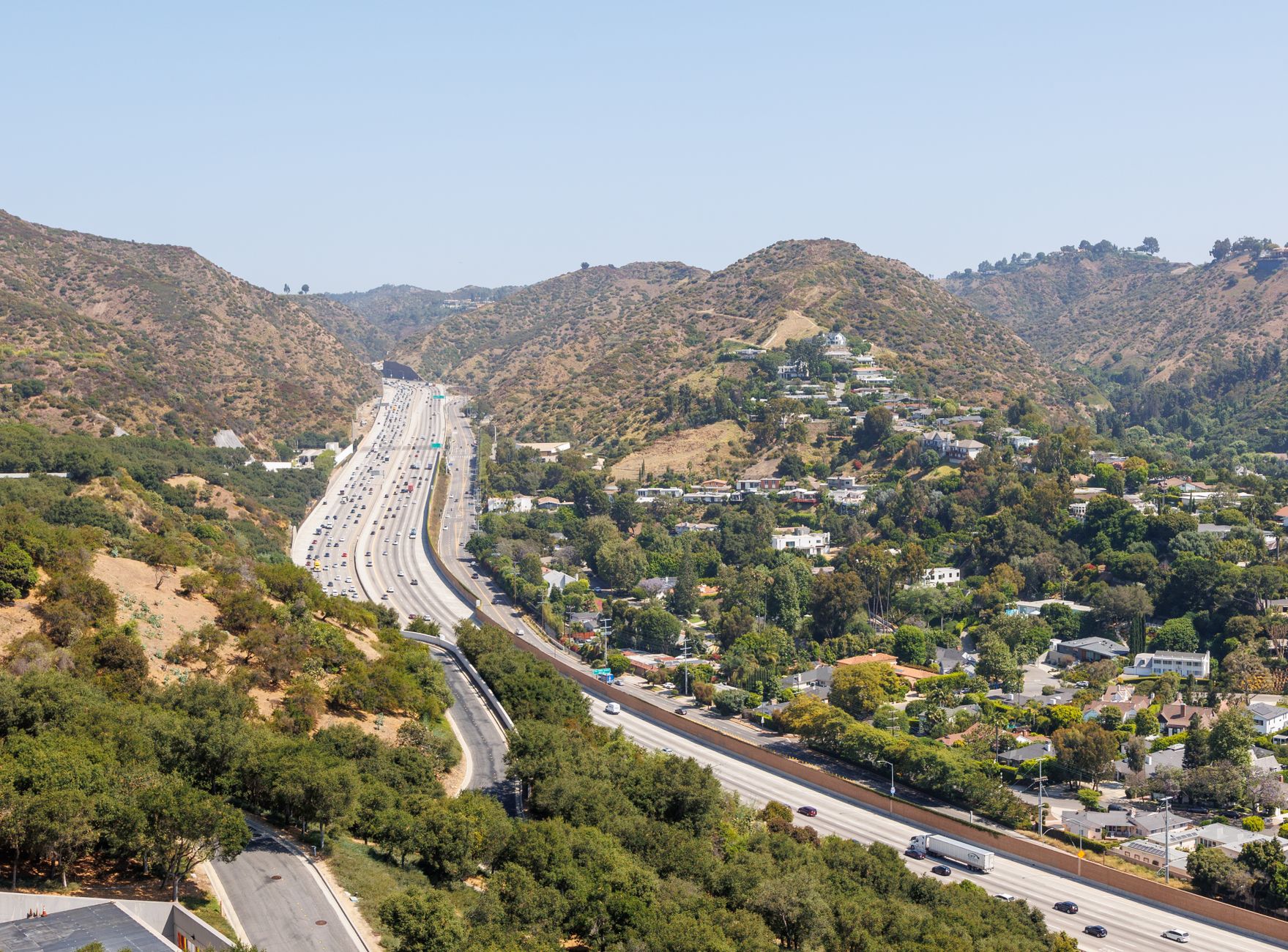
Traffic congestion is severe on I-405 and I-10 during rush hours; expect delays of 30–60 minutes on those corridors. Metro Rail offers predictable alternatives: E Line (to Santa Monica), A Line (to Long Beach), B/D Lines (subway segments), and G Line (bus rapid transit) across the Valley. TAP is accepted across Metro services and many municipal buses.
Pricing context matters. A $1.75 single Metro fare compares to short Uber/Lyft rides that often cost $8–15 inside the city. Parking in hotspots like Santa Monica or Hollywood often runs $20–40 per day. Eating at markets and independent vendors typically costs $8–20 per person, while sit-down tourist restaurants average $25–45.
Seasonal realities affect comfort and impact: summer inland heat creates higher energy use and wildfire smoke can close trails. Winter is mild along the coast but can be cool and rainy in January–February. Weekends draw the largest tourist crowds in Santa Monica, Venice, and Hollywood.
How to Choose Well
Weigh time versus impact: if travel time is tight, a car can be faster for door-to-door trips across widely separated neighbourhoods such as West Hollywood to San Pedro, but expect parking fees of $15–40. For most central itineraries (Downtown, Hollywood, West Hollywood, Santa Monica), Metro Rail plus short rideshare or bike segments reduce both emissions and parking costs.
Match budget to behaviour: a visitor who spends $7 on a Day Pass and $10–20 per market meal keeps transport and food costs lower than multiple short rideshare trips costing $8–20 each. For longer day trips to Anaheim or Orange County, compare Metrolink regional rail fares (Union Station to Anaheim approx $10–$12 depending on zones) to a round-trip rental or rideshare.
Pick neighbourhood alternatives based on crowd tolerance. For a quieter coastal day, choose El Matador State Beach (access via Pacific Coast Highway; parking fee varies $5–10) instead of Santa Monica Pier. For a local food experience with fewer tourists, choose the Farmers Market at Fairfax or the Mercado at Grand Central Market’s periphery vendors rather than restaurants on the Pier or Hollywood Boulevard.
Factor in mobility needs: Metro stations are accessible but some suburban bus stops and older buildings have limited accessibility. Check Metro’s Accessibility page and plan last-mile routes with paratransit or accessible rideshare options if needed.

Responsible and Local-First Tips
Spend intentionally at small businesses and cooperatives. Examples: buy breakfast at Eggslut in Grand Central Market, loaves from Gjusta in Venice, and produce at Hollywood Farmers Market. For purchases of art, favour independent galleries and co-ops on Abbot Kinney Boulevard or the ROW DTLA maker spaces.
Use transit services and apps that keep fares local. Tap with a TAP card and use the Metro app or Transit app for real-time schedules. For cross-county travel, choose Metrolink trains (Union Station) instead of multiple rideshares to reduce vehicle miles travelled.
Reduce waste and energy use. Carry a refillable water bottle and use refill stations at Union Station, LACMA, and most larger parks. Bring a compact reusable bag for market purchases. Avoid single-use plastics by ordering food with reusable cutlery or eating at sit-down stalls that use real dishes at places like the Original Farmers Market.
Support workers directly. Tip appropriately: 15–20% minimum for table service, $1–2 per drink for baristas at small shops, and cash tips for street vendors when possible. If a vendor prefers digital, use their direct payment options such as Venmo or local payment terminals rather than third-party delivery apps that take large commissions.
Common Mistakes to Avoid
Relying on a rental car for every trip increases parking costs and concentrates visitor impact. Parking near tourist sites is often $20–40 and neighborhoods like West Hollywood and Santa Monica have permit restrictions; instead, use the Metro E Line, local buses, or bike for short trips.
Visiting peak tourist spots at peak times. Arriving at Santa Monica Pier or Hollywood Walk of Fame on a Saturday afternoon guarantees heavy crowds and fewer authentic local experiences. Shift visits to early morning (6–9am) or late weekday afternoons to cut crowd pressure and get better service at local shops.
Expecting major museums and smaller vendors to operate like chain hours. Many independent vendors close mid-afternoon or have irregular hours; check schedules on their websites or Instagram. For example, Guerrilla Tacos follows a street-food schedule and Gjusta has earlier opening hours and may sell out of popular items by midday.
FAQ
How much does local transit cost in Los Angeles?
A TAP card costs $2 to buy; single Metro fares are $1.75 and a 1-Day Pass is $7. Use TAP at machines in Metro stations or at Union Station.
Is it easy to get from Downtown LA to Santa Monica without driving?
Yes. Take the Metro E Line from 7th Street/Metro Center or transfer at Expo/Flower; the trip usually takes about 45–60 minutes depending on transfers and costs $1.75 with TAP.
When are tourist crowds worst and how to avoid them?
Peak crowds occur weekend mid-days, especially in July–August and on holiday weekends. Visit Santa Monica before 9am or on weekday mornings, and choose alternatives like El Matador State Beach or Point Fermin.
Which local markets are best for supporting small vendors?
Grand Central Market (Downtown), Original Farmers Market (3rd and Fairfax), and Hollywood Farmers Market (Ivar Ave) are strong options; expect market meals in the $8–20 range.
Are bikes and scooters reliable for short trips?
Yes in many neighbourhoods. Use Metro Bike Share in central LA and dockless services where allowed; always park in marked racks and lock devices. Costs vary by provider — expect $1–2 per short ride plus per-minute charges.
How to handle wildfire smoke days?
Check AirNow and restrict strenuous outdoor activity when AQI is high. Shift plans to indoor museums like The Broad or Getty Center, accessible by transit plus short shuttle or walk.
Is tipping expected at small vendors and markets?
Yes. Tip 15–20% for table service and $1–2 per drink at coffee shops. For market stalls, cash tips of $1–3 are appreciated and support local staff directly.
Conclusion
The single most important thing to remember is to plan routes by transit or bike and direct spending to small, locally-owned businesses to reduce environmental impact and maximise local benefit. Carry a TAP card, prioritise the Metro E Line, and choose market meals at Grand Central Market or small neighbourhood cafes rather than only visiting Santa Monica Pier or Hollywood Boulevard.
For a practical next step, consult the companion 3 days in Los Angeles itinerary and map those days around Metro stations (Union Station, 7th Street/Metro Center, and Expo/Sepulveda) so most travel is by transit or short bike rides. That will keep costs lower, reduce parking hassles, and make the trip more supportive of local workers and businesses.
How this guide was prepared
This guide was prepared through a structured research that combines destination research, geographic context, itinerary planning logic, and content review.