

Three-Day Bologna Itinerary: Practical 72-Hour City Guide
A practical 3-day plan for Bologna that covers must-see sights, neighbourhoods, food, transit tips, and realistic budgets for a focused weekend trip.
A clear, realistic 72-hour plan for exploring Bologna's central sights, food scene, and neighbourhoods with transport tips and budget estimates.
First impressions are often about porticoes, red-brick facades and the university presence. Traffic is calmer than in larger northern Italian cities but streets near the station can be noisy; expect bicycles, scooters and students in the evenings. Walkable centre distances make it easy to cover a lot on foot, but narrow streets mean some areas get crowded mid-morning and at lunch.
Visitors often assume this city is a shorter version of Florence; the difference is in scale and daily life. This place keeps many shops and markets geared to locals and students, not just tourists, and food is integrated into everyday routines rather than staged for outsiders. The plan below aims to show key monuments and the food market scene alongside realistic transit and timing advice.
Is 3 days in Bologna enough?
Yes — three days are enough to see Piazza Maggiore, climb Torre degli Asinelli, visit at least one major museum, and eat a range of local dishes. The honest caveat: time is tight for side trips to Modena or Ravenna and long, in-depth museum days must be cut back.
Who This Guide Is For
Best for food-focused travellers, architectural sightseers, and people who like walking between compact areas. Less suitable for travellers who want day trips combined with slow museum immersion or luxury shopping on a tight schedule.
Local Tips for Bologna
Practical details that most travel sites skip — specific to Bologna.
- Buy urban tickets on the TPERmobile app or MyCicero; a single urban ticket costs about €1.70 and is valid for 75 minutes.
- Marconi Express links Bologna Centrale with Guglielmo Marconi Airport in about 7 minutes; expect roughly €8–9 one-way; cheaper coach options (Aerobus BLQ) may run for about €6 if available.
- Climbing Torre degli Asinelli costs about €5; the ticket office is in Piazza di Porta Ravegnana and the tower often sells out for midday slots, so go early or late afternoon.
- Mercato di Mezzo and the Quadrilatero area (Via Pescherie Vecchie, Via Clavature) are best for quick local bites; many stalls close by mid-afternoon but Mercato delle Erbe stays open later and serves sit-down meals.
- Restaurants commonly list a coperto (€1–3) and may add servizio for large tables; check the menu posted on the wall before ordering to avoid surprises.
How This Guide Was Prepared
Bologna rewards focused, slow visits: narrow streets, long porticoes and dense food markets mean three days can cover the essentials without rushing. Most guides treat it like a day-trip from Florence; this plan shows how to use 72 hours to see core monuments, eat well, and also feel how locals move between markets and students at the university. This guide was prepared through a structured research that combines destination research, geographic context, itinerary planning logic, and content review.
Plan Your Stay in Bologna
Use this itinerary as your starting point, then compare areas to stay, transport options, seasonal timing, and realistic daily costs before booking.
Why Visit
Historic architecture sits next to an active university, giving the city a steady student energy. The Archiginnasio and Teatro Anatomico illustrate how the university shaped local culture and are compact visits that reveal academic life dating back to medieval times.
Food markets and specialist shops are unusually intact: the Quadrilatero market area (Via Pescherie Vecchie, Via Clavature) and Mercato delle Erbe make tasting local products easy without long detours. Bologna is also the origin of specific dishes—tortellini and ragù—that are best tried where recipes are local rather than tourist-adapted.
The city is centrally placed for short regional hops to Modena, Ferrara or Ravenna, so it doubles as a practical base for a longer trip. The focus here is on what can be done in three days without turning the trip into a checklist of far-flung day trips.

Quick Planning Tips
Arrive by train if possible: Bologna Centrale is on high-speed lines from Milano and Firenze and is a short walk to the historic centre. For airport transfers, use the Marconi Express people mover (about 7 minutes) or the Aerobus BLQ coach if seeking a slightly cheaper option.
Bring a contactless card or cash; many small delis and market stalls accept only card or cash under a low threshold. Buy TPERmobile or MyCicero tickets before boarding buses; single rides cost around €1.70.
Don't plan major museum visits on Monday. Check opening hours for the Pinacoteca Nazionale and Museo Civico Archeologico, and reserve a time for Torre degli Asinelli if climbing is a priority.

Day 1
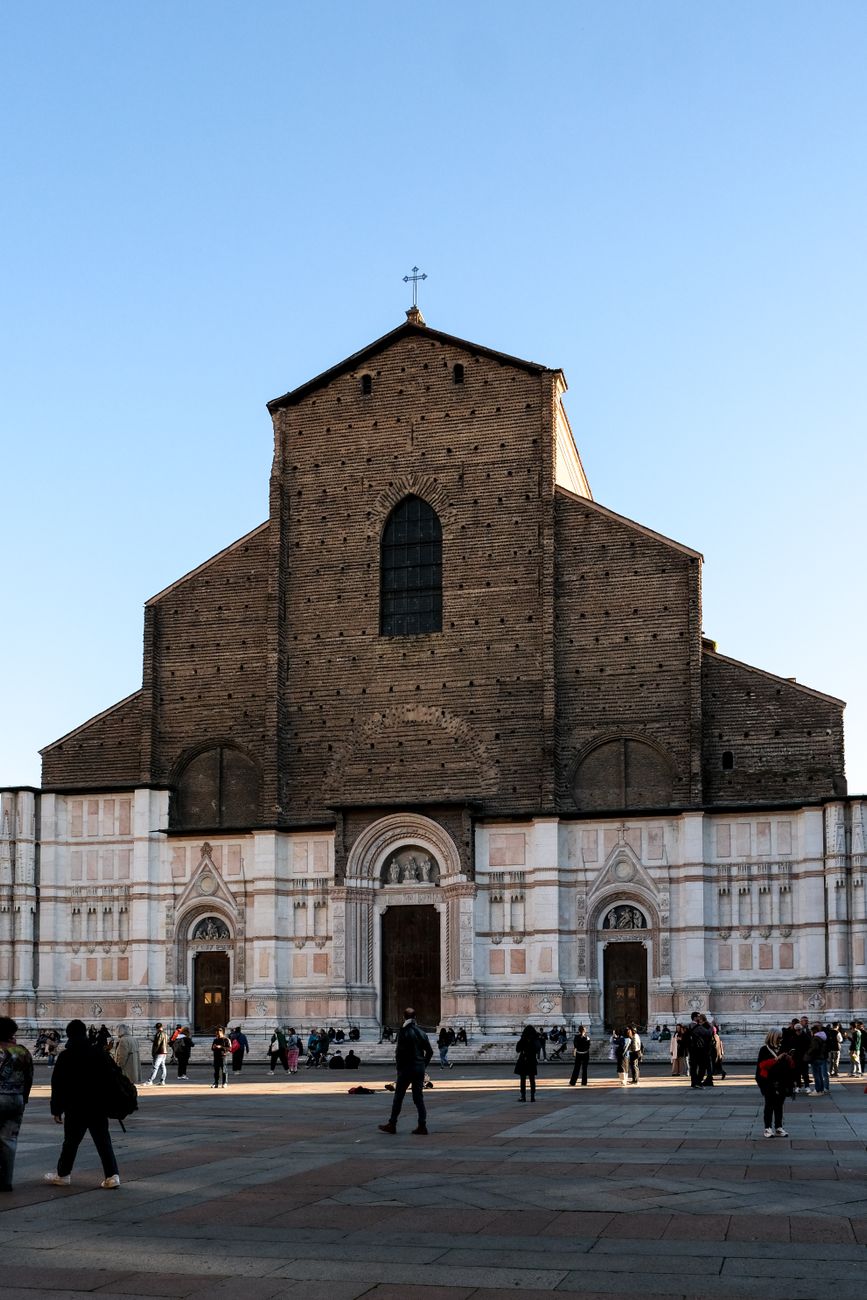
Morning: Start in Piazza Maggiore and spend time at Basilica di San Petronio (allow 45–60 minutes). The basilica has an enormous interior and the meridian line; entry is free for the church but access to some areas costs extra. From Piazza Maggiore walk 2 minutes to the Archiginnasio and the Teatro Anatomico—plan 45–60 minutes there for the anatomy theatre and the old university hall.
Late morning: Walk 3–5 minutes to the Quadrilatero and Mercato di Mezzo for market browsing and a mid-morning snack; try a small plate of mortadella or a slice of focaccia at a stall. The market area is compact; expect 30–60 minutes here.
Lunch: Sit at a trattoria in Via Pescherie Vecchie—Osteria dell'Orsa or Trattoria di Via Serra are examples of places locals use; a pasta dish will cost about €10–15. After lunch, walk 7–10 minutes to Torre degli Asinelli and Torre Garisenda. Climb Asinelli if fit; the ascent takes 15–20 minutes up narrow stairs.
Afternoon: Head 10–15 minutes on foot to Museo Civico Archeologico or the Pinacoteca Nazionale (choose one depending on interest). Allocate 1.5–2 hours.
Evening: Dine in the Santo Stefano area or near Via delle Moline where osterie serve traditional ragù and tortellini. Finish with an aperitivo on Via Zamboni or in the university quarter where bars cater to students and stay open late.
Day 2
Morning: Spend the morning exploring Santo Stefano complex (the ‘Seven Churches’) and the nearby quieter lanes; allow 60–90 minutes. From there walk 10 minutes to the Galleria Cavour area for a contrast: fashion boutiques and cafes near Piazza Galvani.
Late morning: Cross to Via dell'Indipendenza for a short shopping stretch or a coffee, then take bus or walk 15–20 minutes to Mercato delle Erbe for a second market perspective and a light lunch at an indoor stall.
Lunch: Eat at Mercato delle Erbe’s sit-down restaurant area—fresh pasta or local antipasti plates cost about €8–15. After lunch, take bus or tram (check TPER routes) to FICO Eataly World if interested in an expanded food theme park experience; the ride is about 25–35 minutes depending on route.
Afternoon: Alternatively, visit MAMbo (Museo d’Arte Moderna di Bologna) in the Navile area for contemporary art and a different pace from the historic centre. Allow 1.5–2 hours and factor 10–20 minutes transit time between these sites.
Evening: Return toward Via del Pratello for dinner; this street has taverns and bars that attract a younger crowd. Try a slow-cooked dish at a small osteria and expect to pay €18–30 for a main and a glass of wine.

Day 3
Morning: Use the last day to cover anything missed and to relax. Start with a relaxed breakfast—caffe and cornetto at a bar on Via Ugo Bassi or in the university quarter; expect €2–4. Then visit Pinacoteca Nazionale if not already seen; plan 1.5–2 hours.
Late morning: Walk 10–15 minutes to the Museo per la Memoria di Ustica or the small artisan shops around Via San Felice for local craft finds. If baggage storage is needed, use lockers at Bologna Centrale or left-luggage services near the station and allow time for transit.
Lunch: Have a last lunch in the Quadrilatero or at Trattoria Anna Maria on Via del Pino for classic pasta; leave 60–90 minutes so there is no rush.
Afternoon / departure: If catching an afternoon flight, head to Bologna Centrale and take the Marconi Express (7 minutes) to the airport or a taxi (expect €20–€30). For train travellers, allow 30–45 minutes to walk or take a short bus to the station depending on luggage. If time allows, finish with a short walk under the porticoes to a gelateria before departure.

Best Local Experiences
Quadrilatero food market crawl: explore Via Pescherie Vecchie, Via Clavature and Mercato di Mezzo for cured meats, fresh pasta and local sweets. Allocate an hour for sampling.
Torre degli Asinelli climb: a short but steep climb with city views; best booked early to avoid queues. Bring water and watch for narrow stairs.
Aperitivo on Via del Pratello: evening bar scene where students gather; good for lower-cost drinks and casual plates.
Mercato delle Erbe lunch crawl: indoor stalls and small restaurants that show daily local cuisine rather than tourist menus.
Sunday morning walk under the porticoes from Porta Maggiore toward Giardini Margherita for a local park atmosphere; combine with a visit to the university district and its bookshops.
Also consider an evening at Teatro Comunale for opera or concerts if dates match; ticket prices vary widely so check the schedule in advance.

Where to Stay
Centro storico (historic centre): Suits travellers who want to be within walking distance of Piazza Maggiore, Torre degli Asinelli and the Quadrilatero. Expect mid-range hotels or B&Bs for about €120–200/night (≈ $130–220). Streets can be busy and some rooms face narrow lanes.
Università / Zona Santo Stefano: Suits younger travellers or those who want evening life and cheaper food options. Rooms and guesthouses often range €70–130/night (≈ $75–140). This area has many bars and is quieter late at night on weekday afternoons.
Near Bologna Centrale / Fiera: Suits travellers arriving late or with early trains and people who need easier luggage access. Prices vary widely: budget hotels from €50–90/night (≈ $55–95) and business hotels €100–160/night (≈ $110–175). Expect more traffic noise but faster airport connections.
Food and Drink
Tortellini in brodo: small stuffed pasta served in a clear meat broth; find good versions at traditional osterie in the Quadrilatero or family-run trattorie for about €8–15 a portion.
Tagliatelle al ragù (Bolognese): fresh ribbon pasta with a slow meat sauce; expect €10–16 at mid-range trattorie. Try places that make pasta fresh rather than frozen for the best texture.
Mortadella: cured pork cold cut from local butchers and stalls in Mercato di Mezzo; buy slices for €2–4 depending on portion size.
Crescentina (tigella): a Modenese/Bolognese bread served with cured meats and cheeses; found in small bakers and osterie for about €4–8 as a snack.
Breakfast: Caffè and cornetto at a bar on Via Ugo Bassi or near Piazza Santo Stefano—€1.20–3 depending on standing at the counter or sitting at a table. Street food: a quick slice of pizza al taglio from a forno in the Quadrilatero for €2–4.
Dinner recommendation: a traditional osteria offering tortellini and tagliatelle with local wines — set aside €20–35 per person for a main, glass of wine and shared antipasti.
Getting Around
The urban transport system is run by TPER. Buy single tickets on TPERmobile or MyCicero; a single urban ticket is about €1.70 and valid for 75 minutes. A 24-hour pass costs around €6.50 and suits several short journeys in a day.
There is no metro; travel is by buses and a few tram lines. Key airport link is the Marconi Express people mover (Bologna Centrale to Guglielmo Marconi Airport, about 7 minutes, roughly €8–9 one-way) and some coach services (Aerobus BLQ) that may offer cheaper fares around €6. Taxis from the airport to the historic centre typically cost €20–€30 depending on traffic and luggage.
Useful apps and cards: TPERmobile and MyCicero for tickets, and the Marconi Express app for airport connections. For walking directions under the porticoes, offline maps or a downloaded city map are handy since GPS can wobble under covered walkways.
Best Time to Visit
Spring (April–June): Temperatures generally 12–25°C; pleasant for walking and outdoor market visits. Crowds increase in May and early June with both tourists and university activity.
Summer (July–August): Temperatures often 25–33°C; the city gets hot and many locals leave on holiday in August. Museums are open but streets can feel very warm; this period has fewer local events and some family-run businesses may close for a fortnight in August.
Autumn (September–October): Temperatures 12–22°C; harvest season boosts food markets and dining is good value. This period combines lower crowds and comfortable weather and is often the best value for a three-day trip.
Winter (November–March): Temperatures often 0–10°C; fewer tourists and better hotel deals, but some attractions and restaurants have reduced hours. January and February are coldest and quietest.
Budget and Practical Tips
Daily budget estimate (per person): Accommodation: budget €60–100/night (€65–110 USD), mid-range €120–200/night (€130–220 USD). Food: €25–45/day (€27–50 USD) if mixing market snacks, coffee and one sit-down meal; higher for nightly dining.
Transport: €2–8/day depending on passes (single €1.70 or 24-hour pass €6.50). Entry fees: Torre degli Asinelli about €5, Pinacoteca Nazionale about €7–10, MAMbo around €6–10 — expect €20–30 total if visiting two or three paid sites.
Tipping: Menus may include coperto; tipping for table service is appreciated but not obligatory. Round up small bills, leave €1–3 for good table service, and €5–10 for exceptional private tours or drivers.
Practical note: many small shops and bakeries close mid-afternoon and on Sunday mornings; plan market stops for mornings and early afternoons. Carry a reusable water bottle; public fountains provide drinking water in several parts of the centre.
FAQ
Is three days enough to see the main sights?
Yes, three days covers Piazza Maggiore, Torre degli Asinelli, Archiginnasio, Quadrilatero markets and one or two museums at a comfortable pace.
Is Bologna safe for solo travellers?
Yes; streets are generally safe by day and into the evening. Standard precautions apply—keep valuables secure and avoid poorly lit backstreets late at night.
Are museum passes worth buying?
There is no single pass that covers everything cheaply for a short stay; buy individual tickets for the attractions planned, or check a local tourist card if planning multiple paid entries.
How to get from the airport to the city centre?
The Marconi Express people mover is fastest (about 7 minutes, roughly €8–9). Regional coaches (Aerobus BLQ) can be cheaper (about €6) and taxis cost €20–€30 depending on traffic.
Can public transport tickets be bought onboard?
Usually not; tickets should be bought in advance via TPERmobile, MyCicero, tabacchi or ticket machines. Inspectors fine travellers without valid tickets.
Are credit cards widely accepted?
Cards are accepted at most restaurants and shops, but small market stalls and family-run bars may prefer cash or require a minimum amount for card use.
What are common dining mistakes tourists make?
Sitting at a table in tourist-heavy streets without checking the menu price, and not noticing coperto or servizio fees. Check menus on walls or ask before ordering.
Is Bologna a good base for day trips to Modena or Ravenna?
Yes; both Modena and Ravenna are reachable by regional train in 20–50 minutes depending on destination, making them realistic single-day excursions.
Conclusion
A 72-hour visit will leave a clear sense of how the city functions: markets tied to daily life, a student rhythm after dark, and compact historic streets that reward walking. Most visitors remember the food and the view from Torre degli Asinelli more than long museum lists.
If time runs short, prioritise Piazza Maggiore + Archiginnasio in the morning, a Quadrilatero market stop, and climbing Asinelli for the view—these give the most immediate sense of place in a single afternoon.
How this guide was prepared
This guide was prepared through a structured research that combines destination research, geographic context, itinerary planning logic, and content review.