
Three Days in Rosario: Practical 72-Hour Itinerary
A practical 3-day Rosario guide with concrete itineraries, SUBE and airport tips, neighbourhood notes, museum costs and realistic food and transit budgets.
A clear, realistic three-day plan for Rosario focused on riverfront landmarks, neighbourhood eating and practical transit advice — not a glossy brochure.
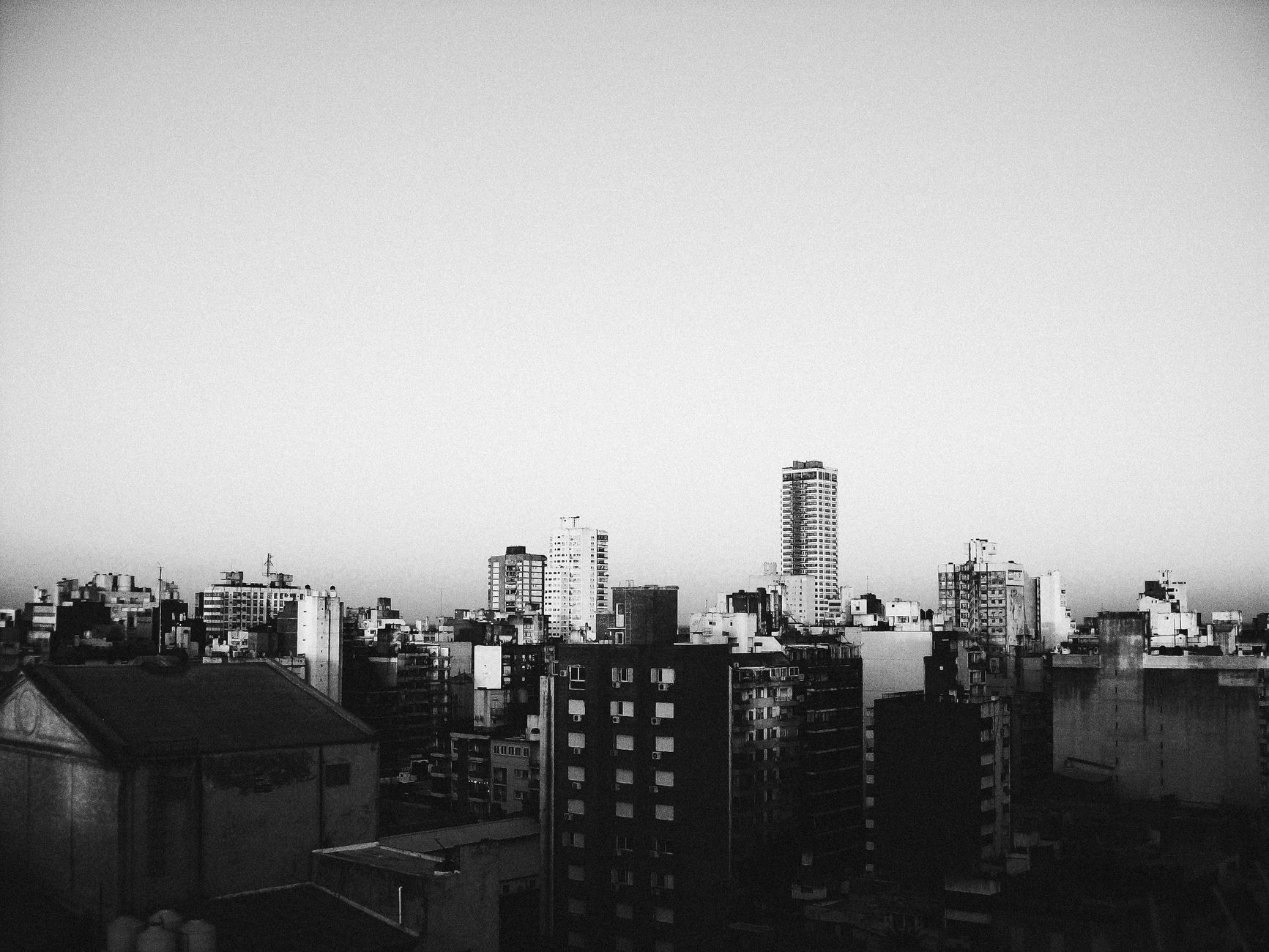
Rosario feels like a provincial capital with strong local identity: the river, football loyalties and wide boulevards shape daily life more than tourism. The first impression is open space—long riverwalks, broad plazas and avenues lined with old houses and municipal museums.
Expect a city with active daytime culture and neighbourhood cafés; nightlife is concentrated in pockets like Pichincha and around Bv. Oroño rather than spread across the centre. Many visitors arrive expecting Buenos Aires-level attractions and are surprised by the calmer pace and local focus on food stalls, community cultural centres and stadium culture.
This guide suits people who want a practical, walkable plan: museum visits, a food market, a riverfront stroll and a neighbourhood bar crawl. It avoids promising nonstop nightlife or a long list of must-see monuments.
Is 3 days in Rosario enough?
Three days gives enough time to see the Monumento a la Bandera, Parque de la Independencia museums, the riverfront and a neighbourhood food crawl. One honest caveat: there won't be time for an extended trip to nearby wineries or a full football derby experience.
Who This Guide Is For
Best for travellers who like museums, markets and food walking tours and who prefer a compact city with river access. Less suitable for travellers expecting a major nightlife scene or a multi-day nature escape.
Local Tips for Rosario
Practical details that most travel sites skip — specific to Rosario.
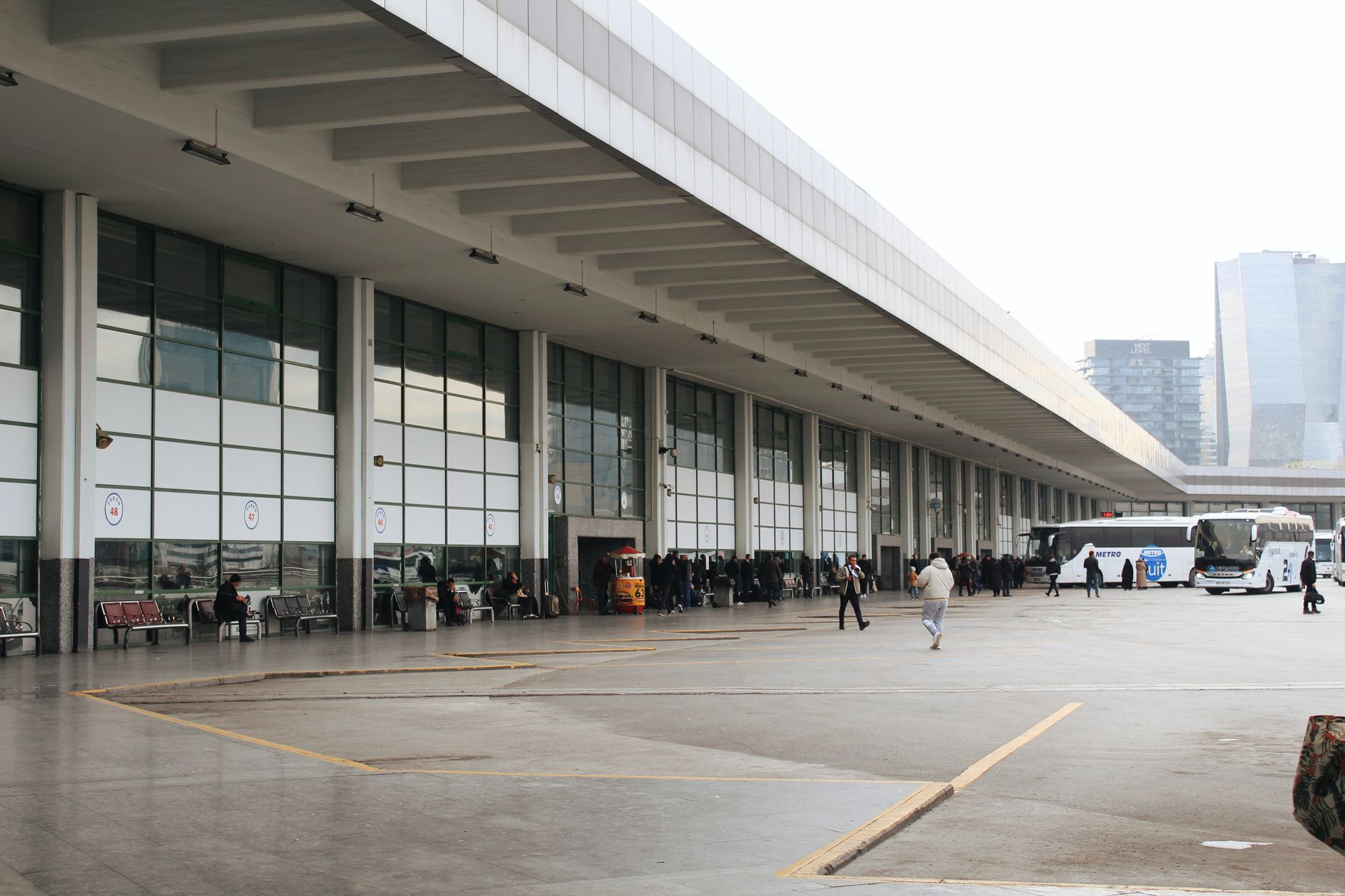
- Buy a SUBE card at any kiosco or at the Terminal de Ómnibus Mariano Moreno; buses (colectivos) use SUBE and a single ride costs roughly ARS 80–160 depending on distance.
- The Monumento Nacional a la Bandera has a ticketed tower visit with limited morning hours and a small fee (typically ARS 200–500); check the onsite ticket office before planning a climb.
- From Aeropuerto Internacional Islas Malvinas (ROS) the taxi or remis to the city centre is about 25–35 minutes and costs roughly ARS 2,500–4,000 depending on time of day; there is no frequent airport bus line.
- Mercado del Patio on Bv. Oroño is the main modern food hall and producers' market; many stalls accept cards but bring cash for small empanada stands and weekday lunch queues can be long.
- Pichincha neighbourhood bars centre on San Luis and the Pichincha passage; Friday and Saturday nights are busiest—weeknights see earlier closing times and quieter streets.
How This Guide Was Prepared
Rosario is a mid-size Argentine city whose riverfront and neighbourhood life reward slow, ground-level exploration rather than rushing between icons. Most guides over-emphasize the Monumento a la Bandera as a single highlight and skip the city's markets, football culture and municipal museums that give a better feel for daily life. This guide was prepared through a structured research that combines destination research, geographic context, itinerary planning logic, and content review.
Plan Your Stay in Rosario
Use this itinerary as your starting point, then compare areas to stay, transport options, seasonal timing, and realistic daily costs before booking.
Why Visit
The riverfront public spaces are a defining reason: the Paseo del Siglo and the Paseo Ribereño give readable urban space and easy walking along the Paraná. The Monumento Nacional a la Bandera and Centro Cultural Parque de España offer readable civic history and rotating cultural programming rather than only static monuments.
Food and market culture are another reason: Mercado del Patio gathers local producers and craft beer stands in one accessible spot, while neighbourhood parrillas and empanada shops reveal regional preferences. Third, municipal museums such as Museo Castagnino and MACRo provide solid collections and contemporary shows with low or moderate admission fees, useful for avoiding long museum queues.
Finally, football matters: stadium visits (Estadio Marcelo Bielsa or Gigante de Arroyito) explain local loyalties and, when schedules align, match day atmospheres that are intense but well organized for visitors who prepare in advance.
Quick Planning Tips
Arrive via Aeropuerto Internacional Islas Malvinas (ROS) or by long-distance bus to Terminal de Ómnibus Mariano Moreno; taxis or remis from the airport take about 25–35 minutes to reach central Rosario. Buy a SUBE card at any kiosco or the bus terminal; buses (colectivos) and some municipal services use it and drivers do not accept cash fares directly.
Carry cash for small vendors, empanadas and weekend market stalls; most larger restaurants and Mercado del Patio stalls accept cards. One planning mistake to avoid is trying to squeeze both stadium tours and multiple museums into one afternoon—museum hours can be limited midday and stadium access depends on club schedules.
Day 1
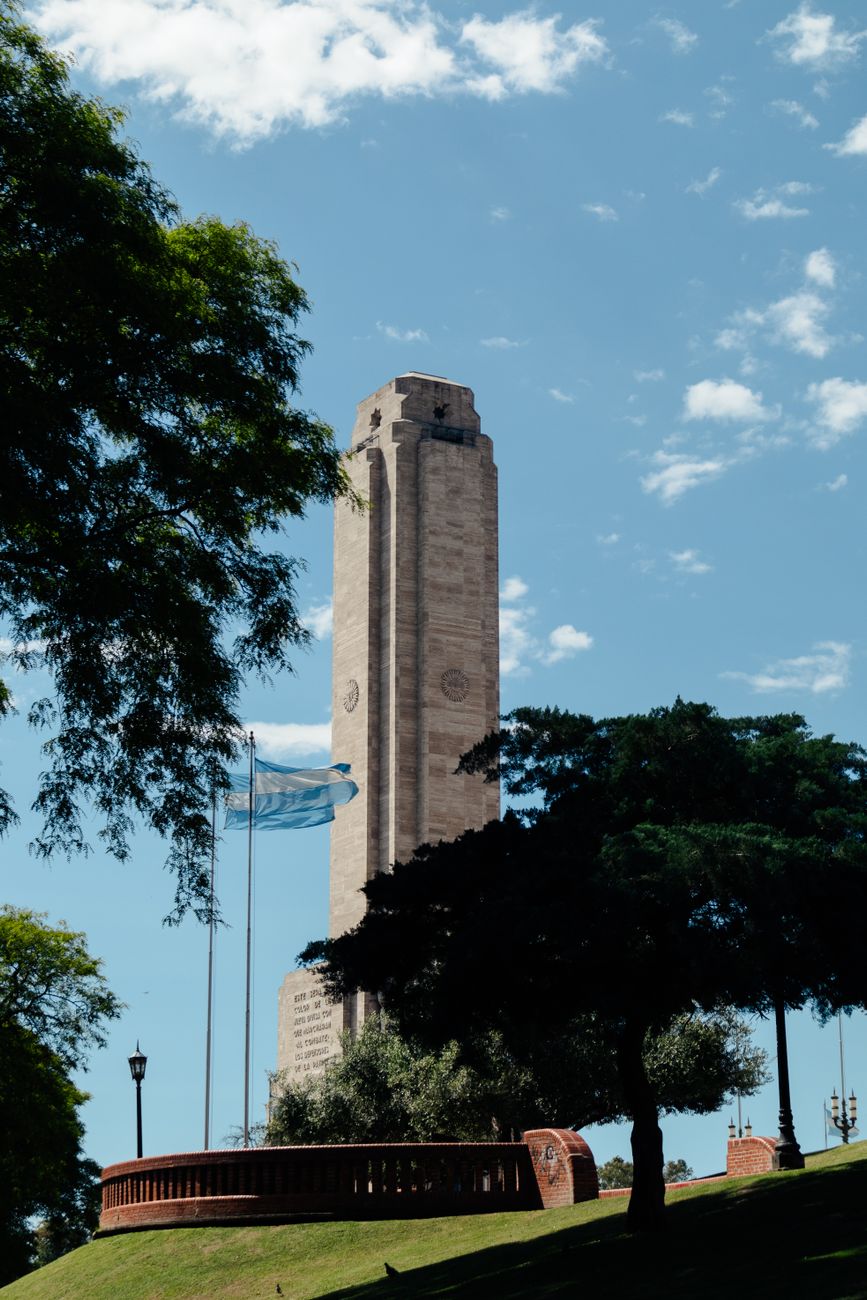
Morning: Start at the Monumento Nacional a la Bandera on Boulevard Oroño and Avenida Belgrano. Spend 45–75 minutes on the plaza, view the memorial and, if open, buy a ticket for the tower visit (allow 30 minutes for the climb and photos).
Midday: Walk 10–15 minutes along the river promenade to Centro Cultural Parque de España for an exhibition or a coffee in the cultural centre café; exhibitions change and visits usually take 45–90 minutes. From there, cross to Paseo del Siglo area (about a 10–15 minute walk) and stroll past early 20th-century mansions on Bv. Oroño and Córdoba.
Lunch: Eat at Mercado del Patio (short taxi or a 20–25 minute walk from Monumento). Try grilled provoleta or empanadas from a stall and a local craft beer; expect to spend roughly ARS 800–1,500 per person.
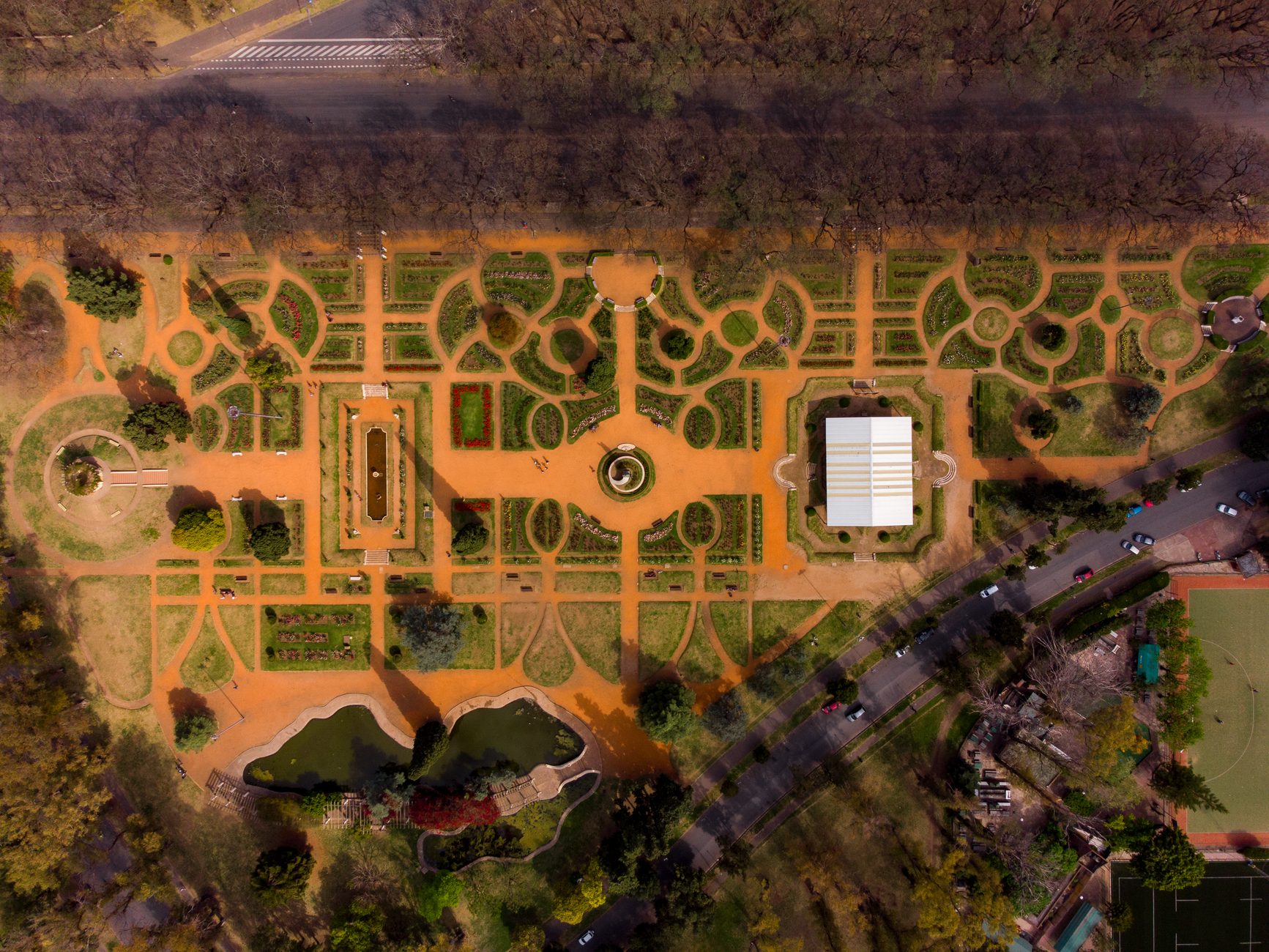
Afternoon: Visit Museo Municipal de Bellas Artes "Juan B. Castagnino" inside Parque de la Independencia (taxi 10–15 minutes from Mercado del Patio). Allow at least 90 minutes to see the collection and temporary exhibits. Then walk the Parque de la Independencia grounds for 20–40 minutes to see the rose garden and small lakes.
Evening: Head to Pichincha neighbourhood for dinner on Calle San Luis—small parrillas and bodegones cluster here. End the night with a bar on the Pichincha passage; Friday–Saturday stay open later than weeknights.
Day 2
Morning: Focus on museum depth in the Parque de la Independencia area. Start at Museo de Ciencias Naturales (within the park) for 45–60 minutes and then walk 5–10 minutes to Museo Castagnino to see Argentine painting and decorative arts; expect 60–90 minutes there.
Midday: Walk or take a short taxi to Bv. Oroño and have lunch at a café facing the boulevard—look for menú ejecutivo at a mid-range restaurant to save time and cost. After lunch, use the city's bicycle hire or a taxi to cross to the south bank areas for a different feel.
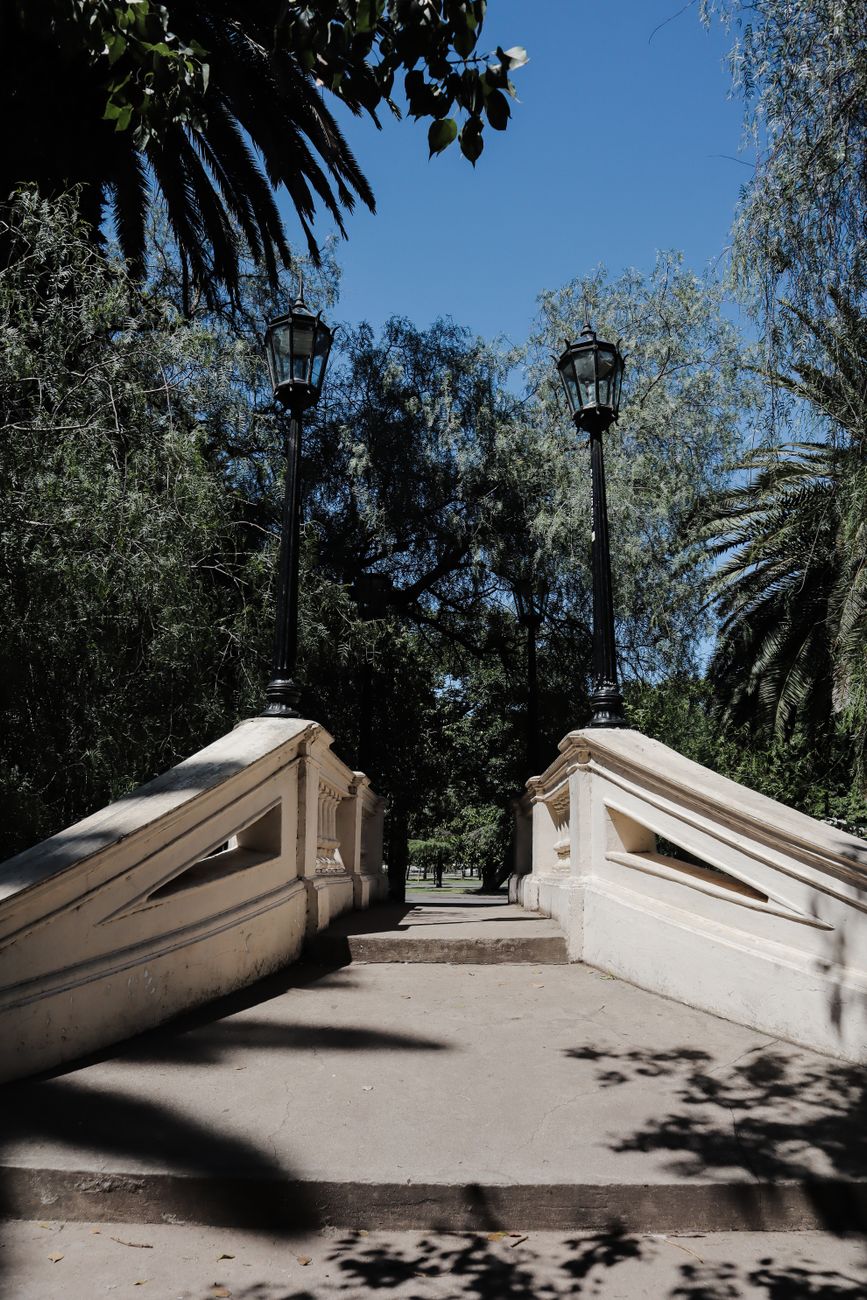
Afternoon: Head to MACRo on the riverfront for contemporary exhibitions and its rooftop views; allocate 60–90 minutes. From MACRo, walk the riverfront towards Parque España for public art and river views (15–25 minutes walking between these sites).
Evening: Choose a neighbourhood with a different mood—try the shopping streets around Córdoba between Maipú and Rioja for a calmer dinner or return to Pichincha for a different bar. If interested in football, check if there’s a Rosario Central or Newell's match at Estadio Gigante de Arroyito or Estadio Marcelo Bielsa and allow extra time for transport and crowds.
Day 3
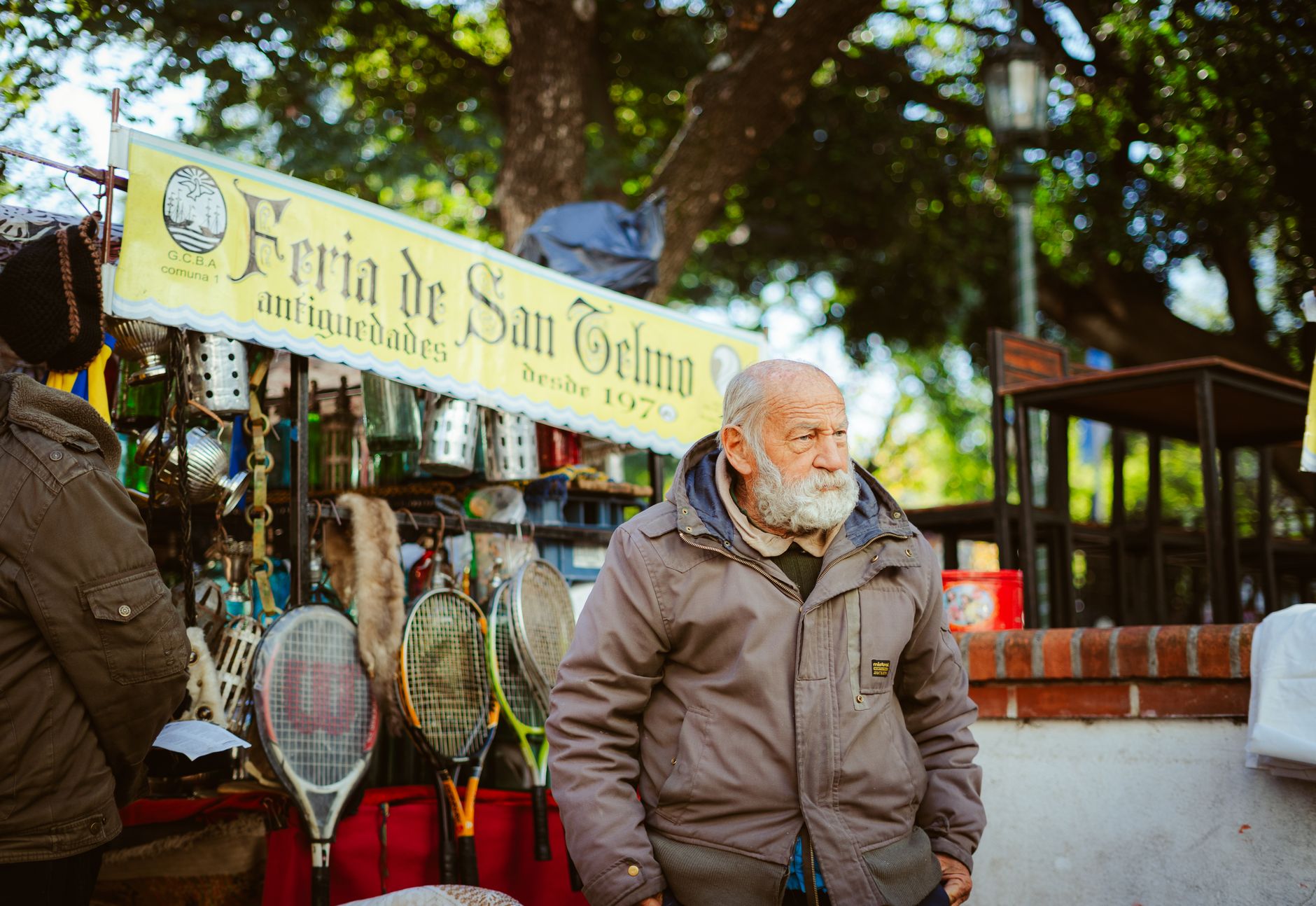
Morning: Devote the morning to a market or neighbourhood walk. Visit the Feria de Artesanos on Plaza San Martín or smaller Sunday artisan markets near Pichincha; allow 60–90 minutes for browsing and coffee. If staying near the bus terminal, explore nearby cafés and the area around Plaza 25 de Mayo.
Midday: Take a 15–25 minute taxi to the Barrio Abierto section or to a local parrilla for a traditional lunch. If planning an afternoon flight, allow at least 2–2.5 hours for airport transfer from central Rosario and factor in luggage and check-in time.
Afternoon: If time allows before departure, stop at the Rose Garden in Parque de la Independencia or the small Museo Histórico Provincial Dr. Julio Marc for a quick visit (30–45 minutes each). For travellers checking out in the morning, store luggage at the hotel and plan a riverfront walk that ends near the hotel or the bus terminal.
Evening: If still in town after a late flight is no concern, consider a final dinner on Bv. Oroño and a slow walk by the river to close the trip. Otherwise prioritise leaving extra time for airport security and traffic.
Best Local Experiences
Walk the Paseo Ribereño along the Paraná from Parque España to the Monumento a la Bandera for layered views of shipping, anglers and urban life. Spend a meal at Mercado del Patio to sample producers: local cheeses, salames and craft beers under one roof.
Attend a club match at Estadio Marcelo Bielsa or Gigante de Arroyito if schedules align—match days are noisy and organised and require advance tickets and early arrival. Explore Pichincha's San Luis strip for a concentrated bar and parrilla scene that changes character between weekday evenings and weekend nights.
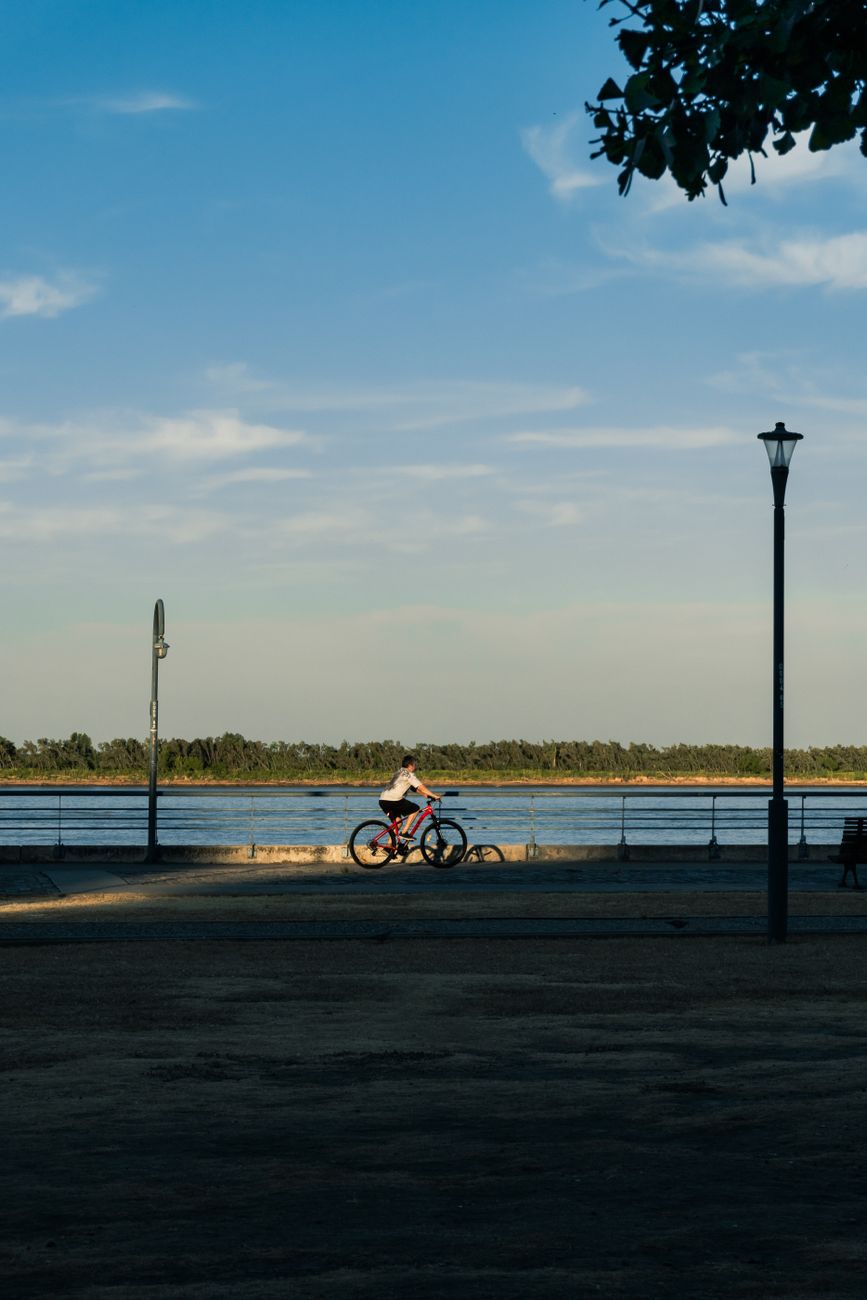
Visit Museo Castagnino and MACRo on different days to compare municipal collections and contemporary shows; both rotate exhibits and offer lower-cost entry than national museums in Buenos Aires. Finally, try a bicycle ride on the river paths at sunset to see how locals use the open spaces for exercise and family time.
Where to Stay
Centro (microcentro around Plaza 25 de Mayo and Córdoba): Suits travellers who want short walks to museums, bus terminal access and a central base. Expect mid-range hotels or guesthouses at roughly ARS 10,000–20,000 per night (≈EUR 20–40 / USD 20–40) depending on season.
Bv. Oroño and Parque Independencia: Best for quieter leafy streets, cafés and proximity to Museo Castagnino and the rose garden. Mid-range and boutique options here cost about ARS 12,000–25,000 per night (≈EUR 25–55 / USD 25–55).
Pichincha and Puerto Norte: Pichincha suits evening eaters and bar-goers and has small design hotels; Puerto Norte is newer and closer to the riverfront and shopping—expect ARS 15,000–30,000 per night (≈EUR 30–65 / USD 30–65). Choose Pichincha for nightlife access and Parque Independencia for calmer days near museums.
Food and Drink
Empanadas santafesinas: Dough pockets filled with finely chopped seasoned meat or chicken, often with a nutmeg note; good versions at La Cocina de los Colectivos or small corner bakeries for ARS 150–300 each. Milanesa a la napolitana: Breaded steak topped with ham, tomato and cheese; common in bodegones and mid-range restaurants for ARS 900–1,800.
Parrilla and provoleta: Grilled meats and oven-melted provolone—look for parrillas on San Luis in Pichincha or near Avenida Pellegrini; expect to pay ARS 1,200–3,000 per main depending on cut and sharing. Alfajor and dulce de leche desserts: Available at panaderías and bakeries across the city for ARS 200–500.
Breakfast option: Café con medialunas at a barrio café (AR S 250–500), often paired with a strong coffee. Street food: Choripán from kiosks or parrilla stands near the river or stadiums is common and costs ARS 300–600. Dinner recommendation: A mid-range parrilla near Bv. Oroño or Pichincha, where a shared grill meal with salad and wine runs ARS 2,000–4,500.
Getting Around
Public buses (colectivos) cover the city; pay with a SUBE card purchased at kioscos or the bus terminal. Single-ride fares vary by distance but are typically in the ARS 80–160 range; full-day passes are not common but local multi-ride discounts apply on SUBE.
Key stops and lines include buses toward Bv. Oroño for the riverfront, and numbered lines serving Parque Independencia—use Moovit or Google Maps for live routing. The main long-distance terminal is Terminal de Ómnibus Mariano Moreno for intercity buses; urban taxis and remis are widely available and can be booked by phone, app or by hailing.
Airport transfer by taxi/remis costs roughly ARS 2,500–4,000 and takes 25–35 minutes from the centre. For short trips, expect to pay ARS 300–800 within central neighbourhoods; use official taxis or app-based remises and insist on a meter or fixed price.
Best Time to Visit
Spring (September–November) brings mild temperatures around 15–24°C and fewer domestic tourists than summer; this is one of the best value windows for outdoor walking. Summer (December–February) is hot and humid, often above 28–32°C with weekend crowds at riverbank beaches and higher hotel rates.
Autumn (March–May) offers comfortable temperatures 12–24°C and crisper evenings; cultural programming resumes after summer and museum openings are steady. Winter (June–August) is cool and dry, temperatures 6–15°C; museums and indoor attractions are fully operational and hotel prices can be lower but expect shorter daylight hours.
Budget and Practical Tips
Daily budget estimates per person: Budget traveller: accommodation ARS 10,000, food ARS 1,800, transport ARS 200, entries ARS 400 — total roughly ARS 12,400 (≈EUR 25 / USD 25). Mid-range traveller: accommodation ARS 18,000, food ARS 3,500, transport ARS 400, entries ARS 1,200 — total roughly ARS 23,100 (≈EUR 45 / USD 45).
Museum entry fees vary; expect ARS 200–800 for special exhibitions, while municipal museums often have lower or free days. Tipping: leaving 10% in restaurants is common if service is good; small cafés and street stalls rarely expect tip but rounding up is appreciated.
Practical tip: exchange or withdraw enough cash for small purchases and markets—some small vendors and taxis may not accept cards. Another common mistake is underestimating weekend busyness for intercity buses and stadium days; book long-distance bus tickets or match tickets in advance.
FAQ
Is Rosario safe for tourists?
General safety is similar to other Argentine cities: daytime tourist areas and riverfront are usually safe with normal vigilance; avoid poorly lit side streets at night and keep an eye on belongings in crowded spots.
Is SUBE worth getting for three days?
Yes—getting a SUBE card saves time paying for buses and avoids carrying exact change; it is used across buses and some municipal services.
How to get from the airport to the city centre?
Taxis and remises are the main options; the trip is about 25–35 minutes and costs roughly ARS 2,500–4,000 depending on time and traffic.
Are English speakers common at attractions?
Spanish is dominant and English is not widespread at smaller museums or markets; translate menus and phrases ahead or use offline translation tools for smoother visits.
Is a city card or pass worth it?
There is no widely used all-in-one city card for Rosario; pay per museum or check municipal free days—most visitors save money by buying individual tickets.
Can a day trip be made to Buenos Aires or Córdoba from here?
Long-distance buses and trains connect to Buenos Aires and Córdoba, but trips take several hours—Buenos Aires is typically 3.5–5 hours by bus, so a day trip is long and not recommended; overnight is better.
Are stadium tours available?
Both major clubs offer stadium tours or museum visits at varying schedules and prices—book ahead and verify on club websites to avoid closed days or match-day restrictions.
What app works best for public transit and navigation?
Moovit and Google Maps reliably show bus routes and schedules; use them with SUBE balance checks to plan trips.
Conclusion
A three-day visit will leave an impression of a city that lives by its river, food markets and local clubs rather than by tourist monuments alone. The most memorable elements are likely to be a riverwalk at sunset, a meal at Mercado del Patio or a parrilla in Pichincha, and the clarity of civic spaces like the Monumento a la Bandera.
If time is short, prioritise the Monumento and a riverfront walk plus one museum (Castagnino or MACRo) and a meal at Mercado del Patio—those three items together provide a compact but honest sense of the city.
How this guide was prepared
This guide was prepared through a structured research that combines destination research, geographic context, itinerary planning logic, and content review.