
Three Days in Cagliari: Practical 3-Day Itinerary and Tips
Three-day Cagliari guide with neighbourhood itineraries, transport and ferry tips, realistic budgets, museum costs, food recommendations and warnings.
A hands-on 72-hour plan for Cagliari focused on workable walking routes, realistic costs, transport details and food spots that save time and disappointment.
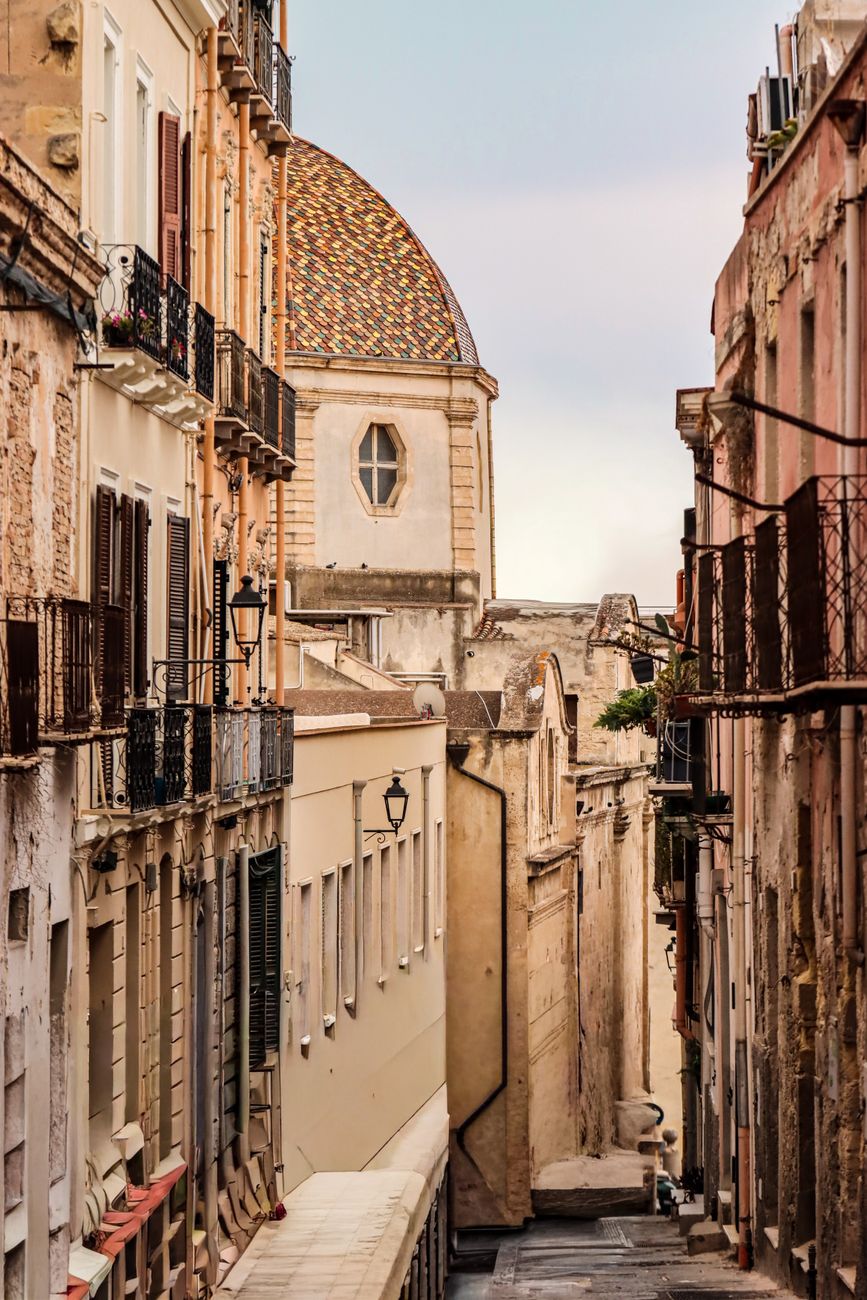
An immediate impression on arrival is of a compact historical hill beside a working port and a long city beach. Streets in Castello feel narrow and uneven; noise from street life and church bells mixes with ferry horns from the Marina and occasional construction work.
The centre is best seen on foot with breaks for espresso and market stints. Accommodation tends to cluster in Castello, Marina and the Stampace quarter, which makes short stays efficient but also means some rooms are small and have limited views.
Is 3 days in Cagliari enough?
Yes — three days allow a good mix of the Castello hill, the central market, a Poetto beach stretch and the Molentargius flamingo wetlands. The main caveat: a day trip to Nora or the southern coast will require cutting time from museums or a beach morning.
Who This Guide Is For
Best for travellers who like mixing short cultural walks with seaside breaks and local markets; not ideal for those seeking full-on nightlife or a long rural hiking trip.
Local Tips for Cagliari
Practical details that most travel sites skip — specific to Cagliari.
- San Benedetto Market (Via Francesco Cossiga) opens from early morning to about 14:00 most days; aim for 08:00–10:30 for the best seafood counters and takeaway plates.
- The regional bus operator is CTM for urban lines and ARST for regional routes — buy CTM single tickets at tabacchi or machines for about €1.30 and validate on board.
- Bastione di Saint Remy offers sunset views over Via Roma; access from Piazza Costituzione takes 3–7 minutes on foot from the Marina.
- Molentargius–Saline Regional Park (the flamingo area between Elmas and Poetto) is reachable by a short CTM bus or a 20–30 minute cycle from Poetto; flamingos are most visible at low light in spring and autumn.
- Elmas Airport (Aeroporto di Cagliari-Elmas) is roughly 7–10 km from the centre; the ARST/CTM airport shuttle costs around €1.30–€1.50 single and taxis to the centre are about €20–€30 depending on luggage.
How This Guide Was Prepared
This guide treats Cagliari as a compact working city with a seaside edge rather than an endless resort. Many guides over-focus on Poetto or the ancient centre and skip the salt-lagoon ecosystems, market rhythms and ferry/practicalities that make short visits successful. This guide was prepared through a structured research that combines destination research, geographic context, itinerary planning logic, and content review.
Plan Your Stay in Cagliari
Use this itinerary as your starting point, then compare areas to stay, transport options, seasonal timing, and realistic daily costs before booking.
Why Visit
The medieval Castello hill provides dense, walkable history: Torre dell'Elefante, the cathedral and the Anfiteatro Romano are all within short distances. A half-day at San Benedetto Market and the seafood stalls supplies an immediate local food experience that longer guides sometimes push to day trips.
Poetto offers an urban beach with a long promenade that contrasts with the city's stone quarters; it’s possible to combine morning beach time and an afternoon museum visit without long transfers. The Molentargius–Saline park gives a surprisingly accessible nature encounter with resident flamingos very near the airport.

Quick Planning Tips
Fly into Elmas (Aeroporto di Cagliari-Elmas); the airport shuttle operated by ARST/CTM runs frequently and taxis to the centre are typically €20–€30. Trains arrive at Cagliari Centrale; the station sits a 15–20 minute walk from Castello.
Buy CTM single tickets at a tabacchi or vending machine and validate on board to avoid fines. One planning mistake to avoid is assuming every museum is open every day; check opening hours for Museo Archeologico Nazionale and the Anfiteatro Romano, which sometimes close Mondays or have reduced hours.

Day 1
Morning: Start in Castello. Enter via Torre dell'Elefante for early photos before tour buses arrive. Walk to Cattedrale di Santa Maria and then the Museo Archeologico Nazionale (expected ticket around €8) which explains Sardinian archaeology and nuragic culture. Walking time between Torre dell'Elefante and the museum is about 5–10 minutes.
Lunch: Walk down toward Stampace to Mercato di San Benedetto for a takeaway seafood plate or a small trattoria near Via Roma; allocate 45–75 minutes. Afternoon: Descend the Bastione di Saint Remy and follow Via Roma along the Marina to the port; this is a 10–15 minute stroll with benches and cafés. Stop at the Anfiteatro Romano on the island side of Castello for a 20–30 minute visit.
Evening: Dinner in the Marina or along Via Sardegna; choose a restaurant that serves fregola with seafood or bottarga. Finish with a sunset at the Bastione ramparts or a drink on Piazza Yenne.

Day 2
Morning: Head to Poetto beach for a swim or a walk along the shore; allow 30–40 minutes on public transport from the city centre or 25–30 minutes cycling. Stop at one of the chiringuiti for a quick breakfast or coffee. Midday: From Poetto, visit the Molentargius–Saline Regional Park; a short bus or cycle ride of 10–20 minutes brings one to flamingo-watching hides and saline pans.
Lunch: Try a beachside trattoria in Quartu Sant'Elena or a simple panino at Poetto. Afternoon: Return to the city to explore Stampace and Villanova quarters, including small artisan shops along Via Sardegna and Via Manno; this is a 10–15 minute bus ride from the centre. Evening: For dinner, reserve a table in the Marina near the port or seek a small osteria that lists porceddu on the menu; nightlife is modest and most places quiet after 23:00.

Day 3
Morning: Visit any missed museums or return to San Benedetto Market for specialties to take home; arrive early as stalls close by 14:00. Alternatively, plan a half-day trip to Nora (Pula) if renting a car or using ARST regional buses; the transfer takes about 45–60 minutes each way. Allow at least 3–4 hours for Nora’s ruins if choosing the excursion.
Lunch: If staying in the city, eat in Stampace or near Piazza Yenne. Afternoon: If checking out of accommodation, store luggage at Cagliari Centrale or ask the hotel for a late checkout; allow 30–45 minutes transit to the airport. For an afternoon flight, avoid planning Poetto and Nora on the same day—give two hours buffer to reach Elmas Airport by taxi or shuttle.

Best Local Experiences
San Benedetto Market for early-morning seafood and local produce; start there before 10:30. Poetto promenade for a long seaside walk, kitesurf watching and casual beach bars; mornings are quieter and ideal for swims.
Molentargius–Saline Regional Park for flamingo spotting at dawn or dusk; bring binoculars and expect mud paths. Festa di Sant'Efisio (May 1–4) for the island’s major procession if dates align; the route goes from the city to Nora with traditional costumes and carts. Evening aperitivo in the Marina on Via Roma or Piazza Yenne provides simple seafood plates and an unpretentious crowd.

Where to Stay
Castello: Best for history-focused travellers who want immediate access to Bastione di Saint Remy, the cathedral and narrow streets. Rooms tend to be compact and slightly pricier; expect roughly €90–€160 per night (≈ USD 100–175). Marina / Via Roma: Suits visitors wanting port access, ferries and restaurants on the waterfront. Midrange hotels and B&Bs are common; expect €70–€120 per night (≈ USD 78–132).
Stampace and Villanova: Good for quieter local life, bakeries and shorter walks to the market and museums. Prices are generally more affordable, about €60–€100 per night (≈ USD 66–110). Poetto/Quartu stretch: Best for beach access and fewer stairs; accommodation can range €60–€120 depending on season and proximity to the shoreline.
Food and Drink
Breakfast: Cornetto and espresso from a bar — a cornetto typically costs €1.20–€2.50. Market or bar breakfasts near Piazza Yenne are reliable.
Street food: Panini with porchetta or local cured meats from market stalls and bakeries; expect €4–€8. Lunch: Fregola con arselle (Sardinian pearl pasta with clams) is widely available in trattorie near the Marina and in Castello; price about €10–€16.
Dinner dishes: Porceddu (roast suckling pig) is a Sardinian specialty best booked at a traditional rosticceria or agriturismo; expect €18–€30 for a portion. Culurgiones are Sardinian stuffed dumplings (potato/ricotta) found in family restaurants; price around €8–€14. Dessert: Seadas — fried pasta with cheese and honey — at cafés and dessert menus for €4–€7. Drink: Mirto (myrtle liqueur) is the local digestif; a small glass costs €2–€5.
Getting Around
Urban buses are operated by CTM; a validated single ticket is roughly €1.30 and covers most city journeys for about 50–70 minutes. ARST runs regional buses toward southern and inland Sardinia; check ARST timetables for trips to Nora and beyond. Trains run into Cagliari Centrale on national lines; local suburban trains connect short regional points.
Taxis are metered; expect an airport fare of about €20–€30 to the centre. Useful apps include Google Maps for routing, Moovit for live CTM/ARST bus times and the ARST app for regional timetables. Buy tickets at tabacchi, newsstands or vending machines and always validate on board.
Best Time to Visit
Late spring (May–June) and early autumn (September) offer the best balance of pleasant temperatures (about 20–26°C) and fewer crowds than peak summer. These months also keep ferry and restaurant schedules regular and shops open.
High summer (July–August) brings hotter weather (28–33°C) and crowded beaches plus local closures around Ferragosto (mid-August) when some small businesses shut. Winter months are mild (8–15°C) but several seasonal eateries and services reduce hours; value can be good for off-season travellers prepared for shorter daylight.
Budget and Practical Tips
Sample daily budget (midrange): Accommodation €80–€130 (≈ USD 88–143), food €25–€50 (≈ USD 28–55), transport €3–€8 (≈ USD 3–9), entries and extras €8–€20 (≈ USD 9–22). Expect higher accommodation costs in July–August and during festivals. A tight-budget traveler can manage on about €60–€90 per day by using market food and budget rooms.
Tipping norms: Rounding up small bills and leaving 5–10% in sit-down restaurants for good service is common but not mandatory. Carry some euros in cash for markets, buses bought at tabacchi and older ticket machines that may not accept cards.
FAQ
Is Cagliari safe for solo travellers?
Yes; the central districts are generally safe by day and evening, but standard precautions apply around late-night streets and poorly lit areas.
How do I get from Elmas Airport to the centre?
Use the ARST/CTM airport shuttle bus for an economical option or a taxi for a door-to-door transfer costing roughly €20–€30.
Are the buses reliable and what ticket should I buy?
CTM buses are frequent within the city; buy single tickets at tabacchi or vending machines for around €1.30 and validate on board.
Is a Cagliari city card or pass worth it?
There is no widely used single city card that covers all sites; buying individual museum tickets and a CTM day-ticket is usually more economical for a 3-day stay.
Can day trips to Nora or Pula be done without a car?
Yes, ARST regional buses and occasional trains connect the sites but timetables are less frequent; allow 90–150 minutes round trip including site time.
What should be avoided in high summer?
Expect heat above 30°C and some smaller shops closing around Ferragosto in mid-August; plan market visits for early morning and reserve tables for dinner.
Conclusion
This plan prioritizes time on the Castello hill, a market-based food experience and a sensible beach or wetland visit to reflect the best compact variety a 72-hour stay can offer. A short trip will most likely be remembered for seafood and the contrast between limestone streets and a long sandy shore.
If time becomes tight, prioritise San Benedetto Market for an authentic meal and Bastione di Saint Remy for views; both provide a concentrated sense of what makes this place distinct.
How this guide was prepared
This guide was prepared through a structured research that combines destination research, geographic context, itinerary planning logic, and content review.