
Colonia del Sacramento: Practical 3-Day City Guide for Travelers
Three-day Colonia del Sacramento plan with step-by-step routes, ferry and bus connections, realistic costs, neighborhood and dining tips for weekend travelers.
A practical, honest 72-hour plan for seeing Barrio Histórico, the lighthouse, riverside promenades and nearby beaches without wasting travel time.
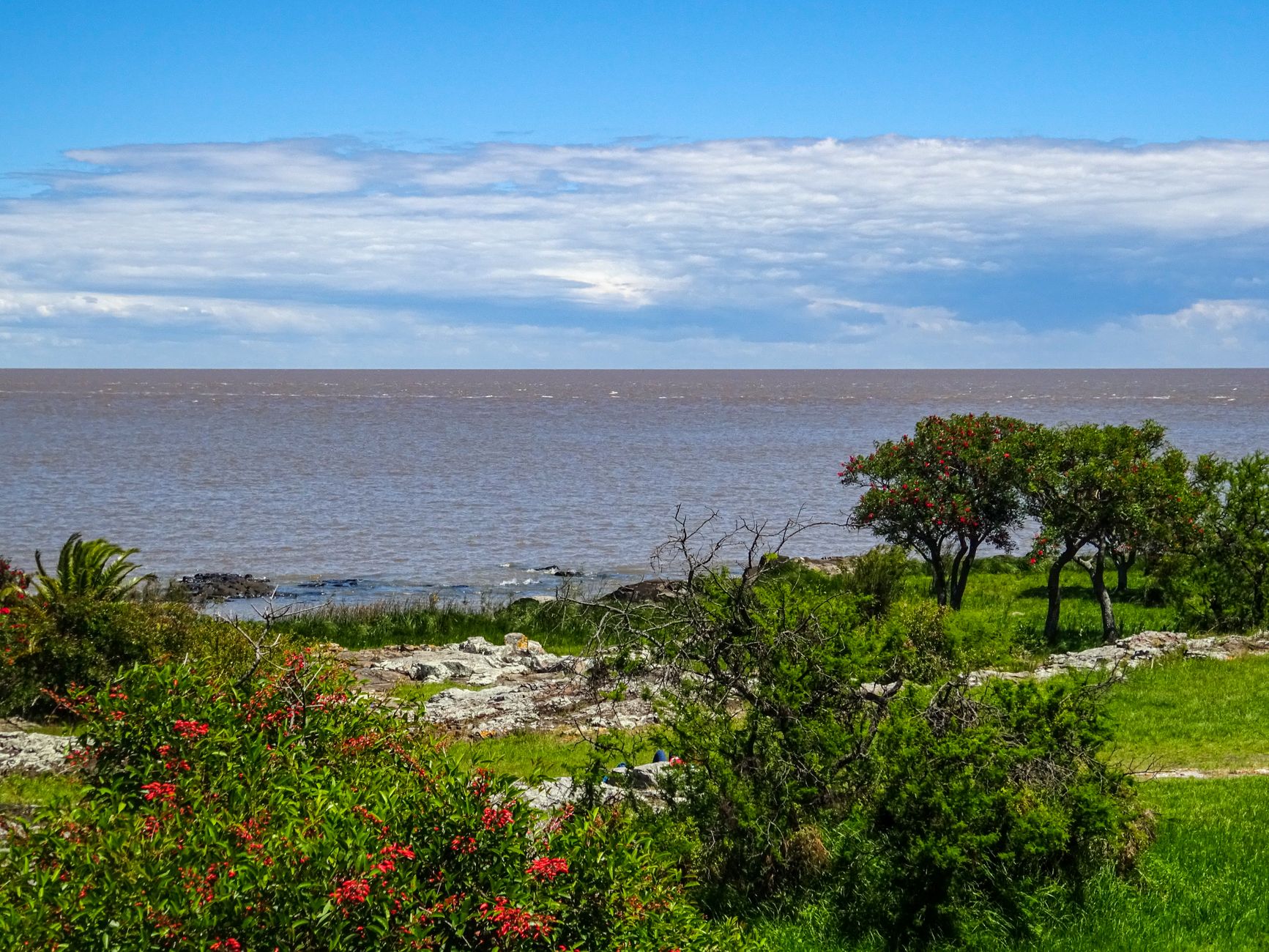
A compact riverside town with a clear center and a slow-moving rhythm, Colonia del Sacramento presents itself through stone streets, a low skyline and wide views over the Río de la Plata. The first impression is of a place built for walking: most attractions cluster inside and immediately around the Barrio Histórico, where cobbles, old walls and a handful of museums concentrate visitor traffic. Visitors often expect a busy resort and are surprised by how quiet much of the rest of town is outside the plaza and the ferry terminal.
Accommodation, cafes and restaurants spread outward from the historic core, with quieter residential streets and parks a short walk away. This layout suits travelers who like to sightsee on foot and then pause for long meals or a sunset walk along the rambla. Expect some crowds around the ferry times and on sunny summer weekends, but otherwise the pace is relaxed and straightforward.
Is 3 days in Colonia del Sacramento enough?
Three days are enough to see the Barrio Histórico, climb the Faro lighthouse, walk the rambla and fit in a relaxed ferry day or an inland winery visit. A caveat: three days won’t allow deep exploration of multiple coastal hamlets or an extended Montevideo side trip.
Who This Guide Is For
Best for weekenders from Buenos Aires, travelers who prefer walking and slow exploration, and couples or older travelers seeking low-key culture. Not a great fit for nightlife seekers or people who want an action-packed urban itinerary.
Local Tips for Colonia del Sacramento
Practical details that most travel sites skip — specific to Colonia del Sacramento.
- Ferries arrive at Puerto de Colonia (Buquebus and Colonia Express); book morning sailings if returning the same day to Buenos Aires and aim for midday departures to avoid the biggest crowds.
- The Faro (lighthouse) near Plaza Mayor charges a small entry fee (around UYU 100–200); climb the spiral for the best sunset angle over Río de la Plata.
- Intercity buses use Terminal de Ómnibus on Avenida Tomás Berreta; companies COT and COPSA run regular services to Montevideo and prices typically sit around UYU 800–1,200 one-way.
- Many small museums and some restaurants are closed on Mondays; check Museo Portugués and Museo Municipal opening hours before planning a first-day visit.
- Carry small UYU notes for markets and taxis; credit cards are widely accepted at restaurants but several cafes and craft stalls prefer cash and ATMs charge high withdrawal fees.
How This Guide Was Prepared
Three days here reveal a slow coastal town shaped by Portuguese colonial streets, a compact historic core and a working ferry link to Buenos Aires. Most guides treat it as a one-day photo stop; this guide explains how to use extra hours to relax, eat well and see quieter corners beyond the main plaza. This guide was prepared through a structured research that combines destination research, geographic context, itinerary planning logic, and content review.
Plan Your Stay in Colonia del Sacramento
Use this itinerary as your starting point, then compare areas to stay, transport options, seasonal timing, and realistic daily costs before booking.
Why Visit
The town’s Portuguese colonial quarter is unusually intact for the region, with specific sights such as Calle de los Suspiros, Portón de Campo and Plaza Mayor offering easily walkable history. History is visible at eye level and in a handful of small museums like Museo Portugués and the Museo Municipal that explain the layered Spanish and Portuguese presence.
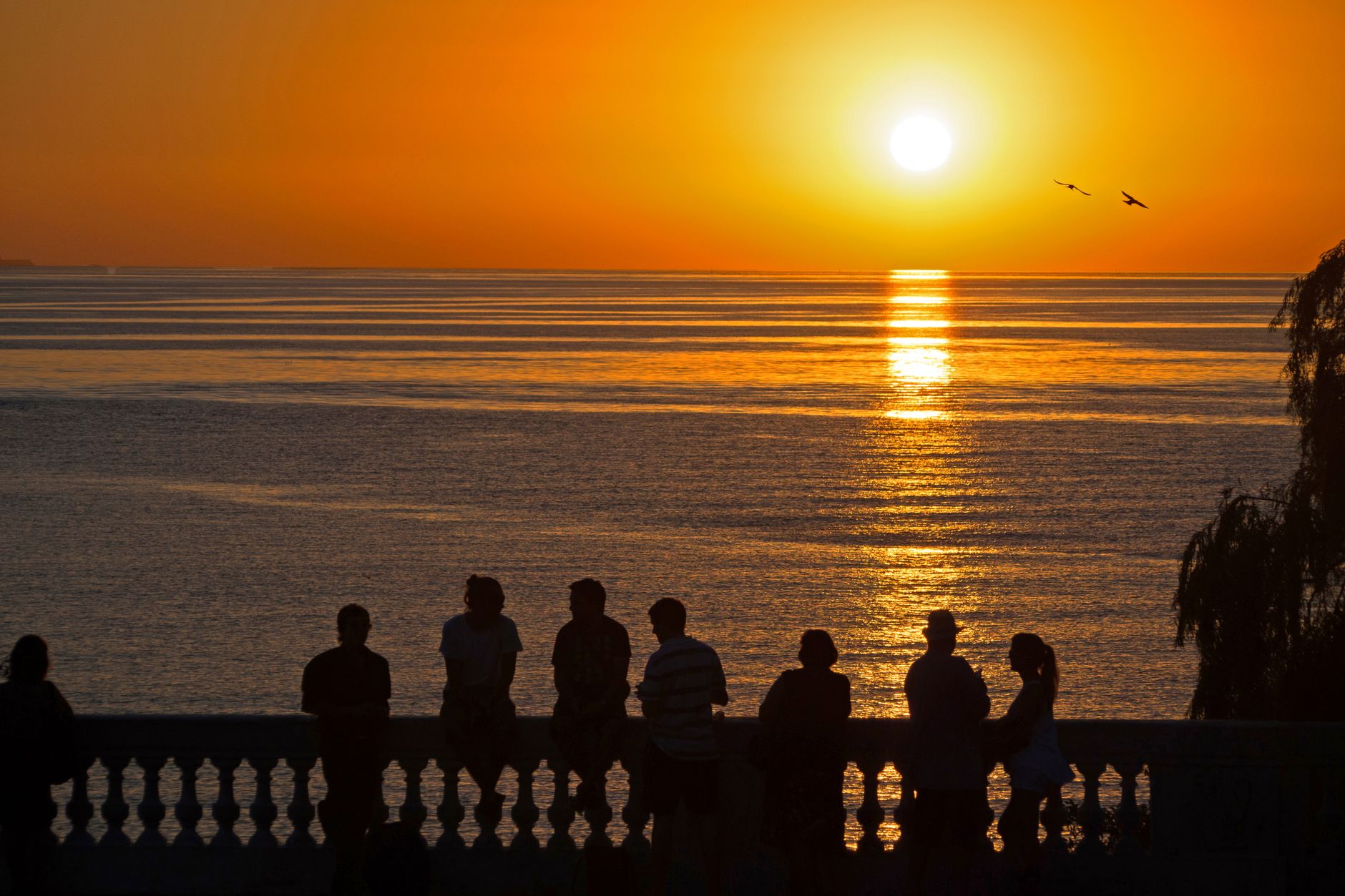
The Faro de Colonia and the adjacent ramparts give panoramic river views uncommon in similar-size towns; sunsets from the Faro and the Rambla Costanera are well worth the slower schedule they demand. Practical advantages include short connections to Buenos Aires via Buquebus and Colonia Express ferries, and a small, walkable layout that makes it easy to move between museums, shops and riverside promenades without long transit times.
Food-wise, local parrillas and seafood restaurants serve regional dishes at prices lower than Montevideo, and a short drive or taxi can reach small bodegas and countryside estancias for wine and lamb. The town suits travelers who want relaxed cultural time rather than packed museum days.
Quick Planning Tips
Arrive by ferry if coming from Buenos Aires; Buquebus and Colonia Express dock at Puerto de Colonia and are the quickest option. From Montevideo, take an intercity bus to Terminal de Ómnibus on Avenida Tomás Berreta; travel time is about 2 hours and 30–90 minute variations occur depending on the service chosen.
Bring Uruguayan pesos (UYU) for markets, small cafes and taxis; credit and debit cards work in most restaurants and hotels but small vendors may prefer cash. ATMs are available near the ferry terminal and Plaza Mayor but expect withdrawal fees and occasional service outages.
Planning mistake to avoid: assuming every museum and restaurant is open seven days a week. Several museums close on Mondays and many family-run restaurants finish service by 9pm, so check opening hours before scheduling late activities.

Day 1
Start inside the Barrio Histórico at Portón de Campo, the old city gate, and spend time on Calle de los Suspiros and the streets around Plaza Mayor — allow 1–2 hours to walk and read plaques. From Plaza Mayor, walk 3–5 minutes to the Faro de Colonia; climbing the lighthouse and taking photos of the river usually takes 30–45 minutes.
After the Faro, visit the Museo Portugués (about 10 minutes on foot back toward the main square) and the Basílica del Santísimo Sacramento; budget another 60–90 minutes if visiting both. For lunch, sit down at El Drugstore (on the edge of the historic quarter) or La Pulpería, where typical mains cost UYU 500–900 and service is relaxed.
In the afternoon walk the Rambla Costanera toward Playa Ferrando (20–30 minutes at a steady pace) to see how the town opens onto the river. Return to the historic quarter for a late afternoon coffee or medialuna at Confitería Edelweiss near Plaza Mayor.
Evening recommendation: have dinner at a parrilla such as El Buen Suspiro or La Florida — both offer grilled cuts and local wines. Finish the night with a quiet stroll along the lit ramparts; the Barrio is much less crowded after most ferries depart.
Day 2
Spend the second day beyond the immediate historic core in Real de San Carlos and the newer port area. Begin with Museo del Automóvil (a 10–15 minute taxi from Plaza Mayor or a 25–30 minute walk depending on pace); car enthusiasts should allow 60–90 minutes there. From the museum, walk or take a short taxi to Avenida General Flores for a taste of local daily life and smaller shops.
Midday head to the port and the waterfront markets around Puerto de Colonia; if the market stalls are open, sample fresh fish or empanadas and spend 45–60 minutes browsing. For lunch try a riverside restaurant like La Bodeguita de los Pescadores with modest mains around UYU 600–1,000.
In the afternoon visit the Plaza de Toros (the old bullring) and then take a taxi 15–20 minutes out of town to a local bodega or estancia that offers tastings and tours; reserve ahead. Return in the evening to the Barrio Histórico for a different dining experience — try a small wine bar or a place serving local lamb.

Day 3
Use the final day to catch anything missed and to leave time for departure logistics. If planning an afternoon ferry or bus, keep the morning flexible. Start with a slower breakfast near Plaza Mayor at a café serving medialunas and café con leche, then revisit any museum that was closed earlier or return to favored viewpoints like the Faro or the Casa Nacarello viewpoint.
If the schedule allows, take a short taxi ride to Playa Ferrando or to the small beaches along Route 1 for a quick swim or shoreline walk; allow 20–30 minutes travel each way from the historic core. For lunch pick a simple parrilla or a seafood spot near the port; expect to spend UYU 500–1,200 depending on dishes.
Practical note for departures: if catching an afternoon ferry to Buenos Aires, arrive at Puerto de Colonia at least 60–90 minutes before departure for international boarding procedures. For buses to Montevideo aim to be at Terminal de Ómnibus 20–30 minutes early; taxis from the historic center to the terminal are about 8–12 minutes depending on traffic.
Evening wrap-up: if time permits before leaving, take a final walk down Calle de los Suspiros and buy local craft souvenirs from stalls near Plaza Mayor.
Best Local Experiences
Explore the Museo Portugués inside the Barrio Histórico for explanations of the Portuguese urban plan and artifacts. Walk the ramparts from Portón de Campo toward the Faro to see the layered defensive walls and river views.
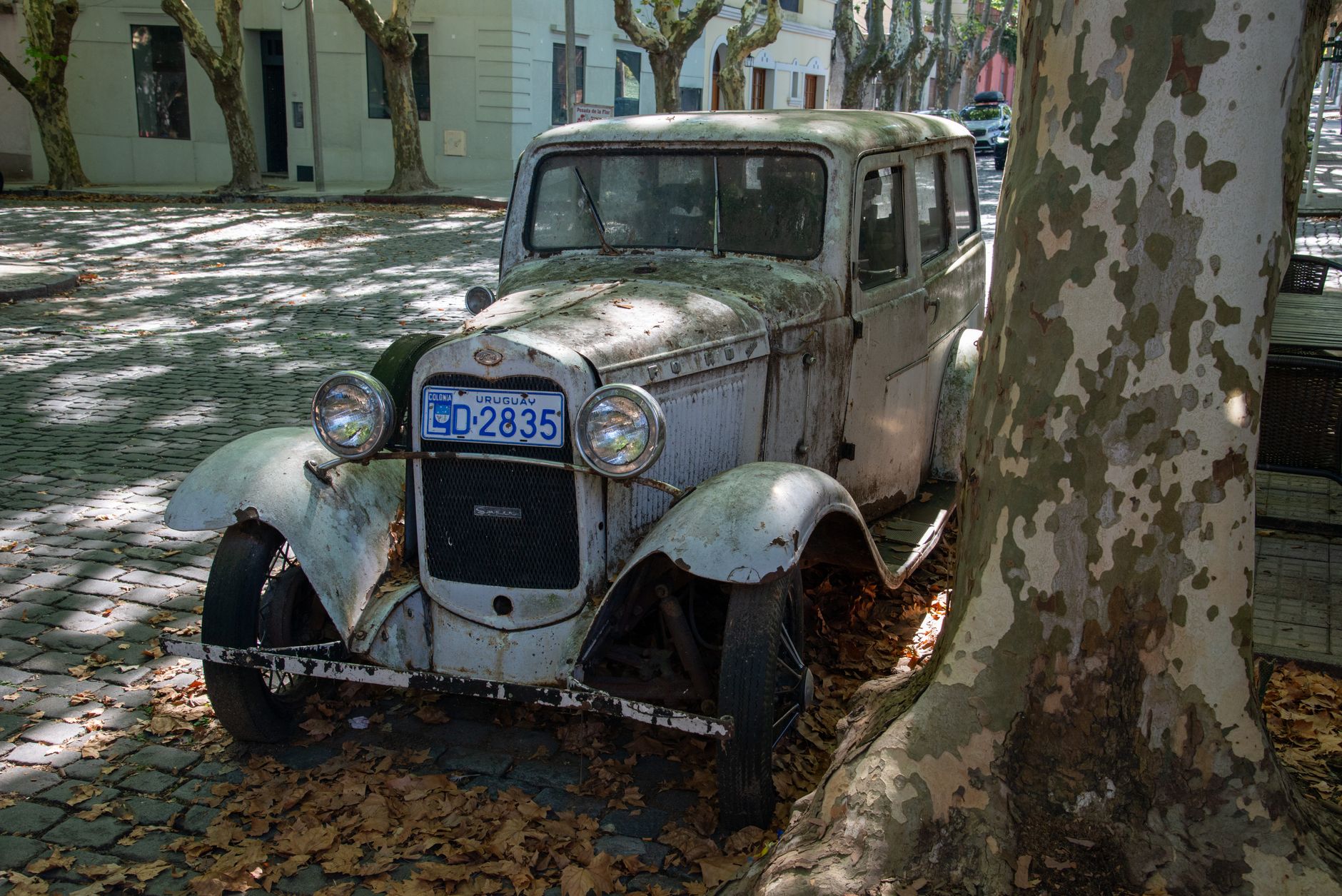
Visit the Museo del Automóvil for a small but well-arranged private collection of classic cars. Spend time at the Rambla Costanera for long riverside walks and sunset watching; local families use the promenade for evening strolls. Check for weekend craft markets near Plaza Mayor or temporary stalls along Avenida General Flores, where local artisans sell ceramics and textiles.
Day trips: book a short visit to a nearby bodega or estancia for a tasting and lamb or parrilla lunch; several small ranches a 15–30 minute drive from town run tours by appointment. Attend small seasonal events such as the Semana de la Cultura local concerts in spring or municipal holiday parades if the timing aligns with the visit.
Where to Stay
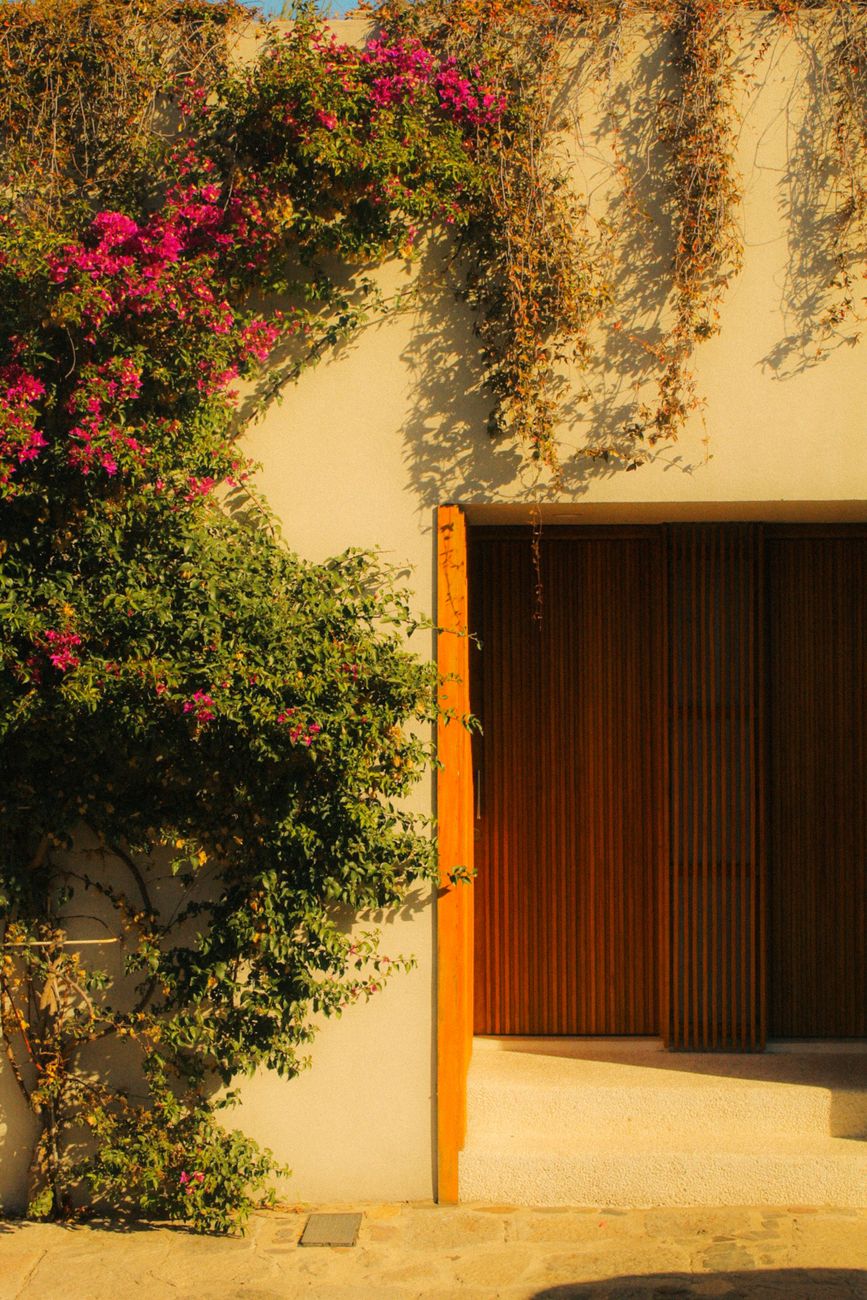
Barrio Histórico: best for first-timers who want doors, terraces and immediate access to sights like Plaza Mayor and the Faro. Nightly cost for mid-range guesthouses runs roughly UYU 4,000–8,000 (≈ USD 90–180 / EUR 80–160) depending on season.
Port area / Puerto de Colonia: good for travelers catching early ferries and those who want riverside views without staying inside the cobbled core. Expect mid-range hotels and B&Bs from UYU 3,500–6,000 per night (≈ USD 80–135 / EUR 70–120).
Avenida General Flores / Nueva: a practical option for budget-minded travelers and families, close to the Terminal de Ómnibus and supermarkets. Prices for simple hotels and rentals are often UYU 2,500–4,500 per night (≈ USD 55–100 / EUR 50–85).
Choose Barrio Histórico for atmosphere and walking access, the port for convenience with ferries, and Avenida General Flores for lower prices and better bus connections. Book ahead for summer weekends when rates rise and rooms sell out.
Food and Drink
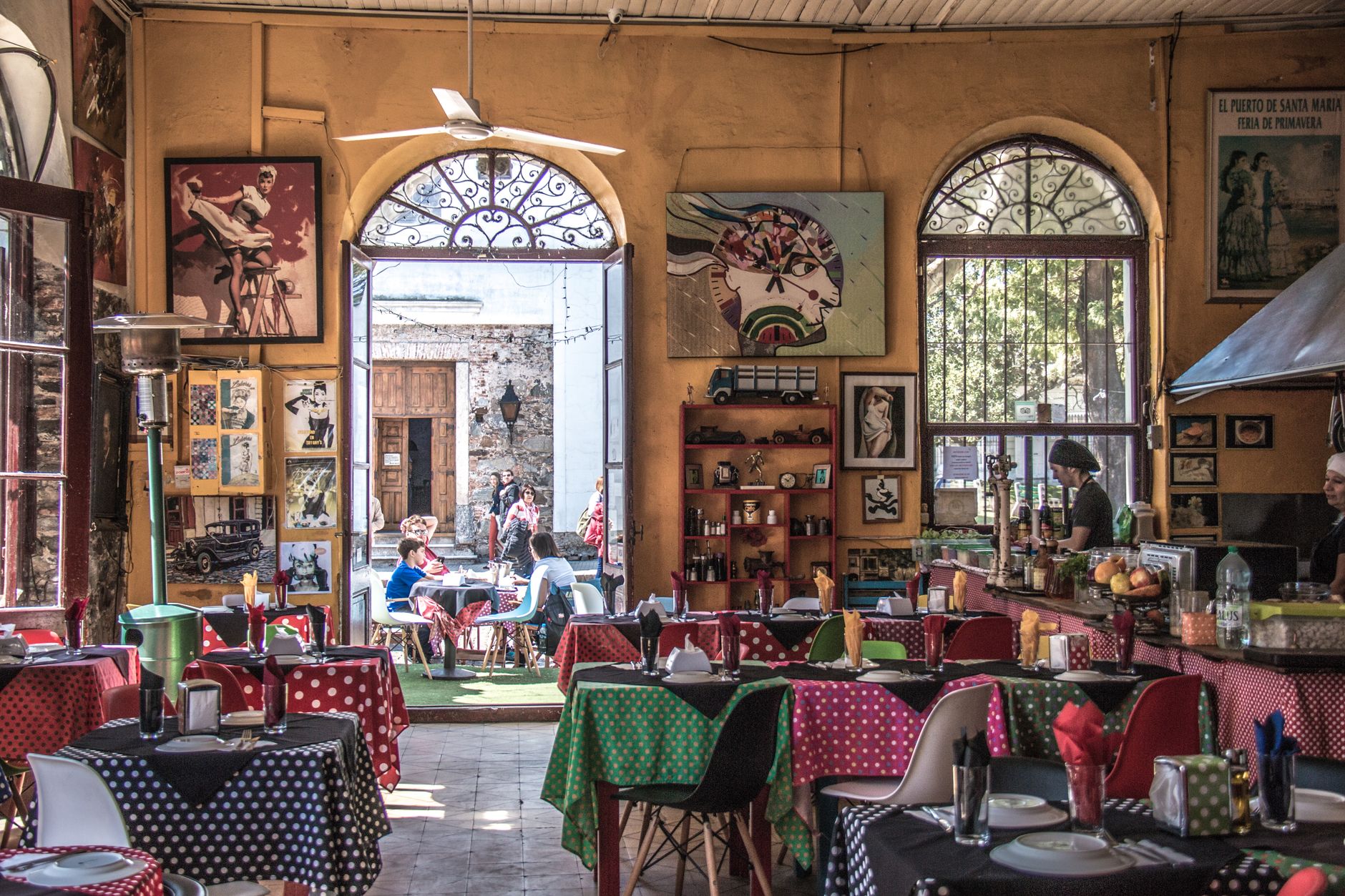
Breakfast: medialunas and café con leche at Confitería Edelweiss or local bakeries; expect UYU 150–300 for a coffee and pastry. Street food: empanadas from market stalls or small kiosks cost UYU 80–200 depending on filling; look for cheese and chivito-style options.
Signature dish: chivito — a hefty sandwich with steak, ham, cheese, egg and salad; find good versions at parrillas such as El Buen Suspiro, price around UYU 600–1,200. Asado/parrilla: grilled beef and mixed cuts at traditional parrillas; mid-range meals run UYU 700–1,500 per person including a shared bottle of local wine.
Seafood: local river fish and fried mixed fish plates at port restaurants; expect mains UYU 600–1,200. Sweet option: alfajores and dulce de leche desserts sold in pastry shops and markets for UYU 80–250.
Dinner recommendation: a riverside restaurant near Puerto de Colonia for grilled fish or lamb and regional wines; reserve on summer weekends. For coffee and dessert choose a café near Plaza Mayor to soak in the surroundings.
Getting Around
Most exploration is on foot inside the Barrio Histórico; cobbled streets and low speeds make walking the easiest option for the core. Local buses operate within town but services are infrequent; a single local bus ride typically costs around UYU 40–80. Intercity buses to Montevideo and other destinations depart from Terminal de Ómnibus; one-way fares to Montevideo are commonly around UYU 800–1,200 depending on company and service level.
Taxis and remises are widely available at the ferry terminal and near Plaza Mayor; a short trip inside town costs roughly UYU 120–300. If traveling from the ferry to a hotel, budget UYU 150–300 for a taxi. Ride-hailing apps work intermittently; local taxi radio services and hotel-arranged transfers are reliable alternatives.
Bicycle rentals are common in high season for short rides along the rambla. There is no city metro or unified transit card in wide use here, so cash or card per ride and paper tickets are the norm.
Best Time to Visit
Summer (December–February) brings warm weather, temperatures around 24–30°C, and the highest crowds and prices, especially weekends and holiday periods. Spring (September–November) and autumn (March–May) offer milder temperatures around 15–22°C, fewer tourists and better value for accommodation and restaurants.
Winter (June–August) is cool and quiet with daytime highs around 10–15°C and lower prices, but some seasonal businesses reduce hours. Best value months are March–May and September–November when weather is comfortable, daylight is long enough for walks, and ferries remain frequent without peak-season surcharges.
Budget and Practical Tips
Typical daily budget for a mid-range traveler: accommodation UYU 4,000–6,000 (≈ USD 90–135 / EUR 80–120), food UYU 1,000–1,500 (≈ USD 22–34 / EUR 20–30), local transport UYU 200–400 (≈ USD 4–9 / EUR 4–8), entry fees and activities UYU 300–1,000 (≈ USD 7–22 / EUR 6–18). A modest two-night weekend for two could run UYU 12,000–20,000 including mid-range lodging, meals, and an excursion.
Carry small denominations of UYU for taxis, small shops and market stalls. Tipping: rounding up the bill or leaving 10% in restaurants is common and appreciated but not universally expected; for small services, leaving loose change is fine. Bring a light waterproof layer for breezy evenings by the river and comfortable shoes for cobbles.
Book ferries during high season in advance and reconfirm museum openings if the schedule is tight. Use hotel or ferry terminal information desks to arrange local remises or bodega visits for reliability.
FAQ
Is Colonia del Sacramento safe for solo travelers?
Yes; the town is generally safe during daytime and early evening in main tourist areas, but standard precautions apply—watch belongings at busy ferry times and avoid poorly lit residential backstreets late at night.
How do I get from the ferry terminal to the historic quarter?
The historic quarter is a 10–15 minute walk from Puerto de Colonia; taxis are abundant and cost roughly UYU 120–300 depending on luggage.
Is a city card or pass worth buying?
There is no widely used tourist city pass; individual museum tickets and guided tours are inexpensive, so a pass is not necessary.
Can a traveler do Colonia as a day trip from Buenos Aires?
Yes, many visitors do; however, day trips are rushed—three days allow time to slow down, dine, and visit a bodega or beach.
Are museums and attractions open every day?
Several museums close on Mondays and some tourist shops reduce hours midweek; check specific opening times before planning.
What are the transport options to Montevideo?
Regular intercity buses from Terminal de Ómnibus (companies like COT and COPSA) run multiple times daily and take about 2–2.5 hours; book ahead in high season.
Is it worth renting a car here?
Not necessary for the town itself; a car is useful for countryside estancias or exploring beaches and bodegas beyond immediate taxi range.
Are credit cards accepted everywhere?
Most restaurants and hotels accept cards, but small stalls, taxis and craft sellers may prefer cash; ATM fees can be high.
Conclusion
Three days provide a manageable rhythm: daytime exploration of Plaza Mayor, the Faro and the museums, afternoons along the rambla or at a nearby beach, and a flexible slot for a bodega visit or a ferry day trip. The most memorable experiences tend to be small and slow — a late-afternoon walk on the ramparts, a long lunch at a parrilla and the light over the river at sunset.
If time becomes tight, prioritize a sunset at the Faro and a walk through Calle de los Suspiros; those two give the clearest sense of why people return. Practical planning and realistic timing are what turn a rushed stop into a restful long weekend.
How this guide was prepared
This guide was prepared through a structured research that combines destination research, geographic context, itinerary planning logic, and content review.