

3-Day Dubrovnik Itinerary and Honest Practical City Guide
A frank three-day plan for Dubrovnik with transport, meal prices, walking times, and seasonal tips to avoid peak cruise crowds and wasted time.
A realistic 72-hour plan focused on Old Town, the Elaphiti islands and local neighbourhoods, with timed tickets, transit advice and meal-costs.
Arriving gives a clear first impression: a compact medieval core hemmed in by stone walls and a steady stream of day trippers from large ships. The pace inside the Old Town is intense between late morning and early afternoon, then eases toward evening when many cruise crowds have left.
The city suits people who can tolerate concentrated tourism and want short, walkable days with a few boat trips. Expect steep limestone streets, stone steps and frequent short queues at the main attractions.
Before arrival, the least obvious fact is how much timing matters—timed tickets, ferry departures and cable-car windows decide how smoothly three days work. Accommodation choices outside the walls change travel time to the main sites significantly.
Is 3 days in Dubrovnik enough?
Yes — three days gives time to see the Old Town, walk the City Walls, take a short island trip and explore one outer neighbourhood. The honest caveat: skipping long, relaxed island-hopping or a full beach day is likely unless extra days are available.
Who This Guide Is For
Best for travelers on a long weekend or those stopping off from a regional trip who want a concentrated mix of history, sea and short boat trips. Less suitable for beach-only travellers or cruise passengers with strict time windows.
Local Tips for Dubrovnik
Practical details that most travel sites skip — specific to Dubrovnik.
- Buy City Walls timed-entry tickets at the Pile Gate ticket office or online; morning slots (08:00–10:30) fill fastest on cruise days.
- Use the Libertas bus network for local transfers — single paper tickets are sold at kiosks and on some buses; carry small change as drivers don’t always have change.
- Ferry departures to Lokrum and the Elaphiti islands leave from Gruž harbour; operators like Jadrolinija and local private lines publish summer timetables that change in low season.
- The Dubrovnik Card covers select museums and some transport; compare its price against individual entries and the cable car if planning multiple paid sites.
- Cable car to Mount Srđ runs from the lower station above the Old Town; sunset trips are popular so book or arrive early if aiming for the view.
How This Guide Was Prepared
This guide treats Dubrovnik as a small, intensely visited coastal city rather than an idealised medieval postcard. Many guides overemphasize photo spots and ignore how cruise schedules, timed-entry City Walls tickets and seasonal island timetables shape a short visit. This guide was prepared through a structured research that combines destination research, geographic context, itinerary planning logic, and content review.
Plan Your Stay in Dubrovnik
Use this itinerary as your starting point, then compare areas to stay, transport options, seasonal timing, and realistic daily costs before booking.
Why Visit
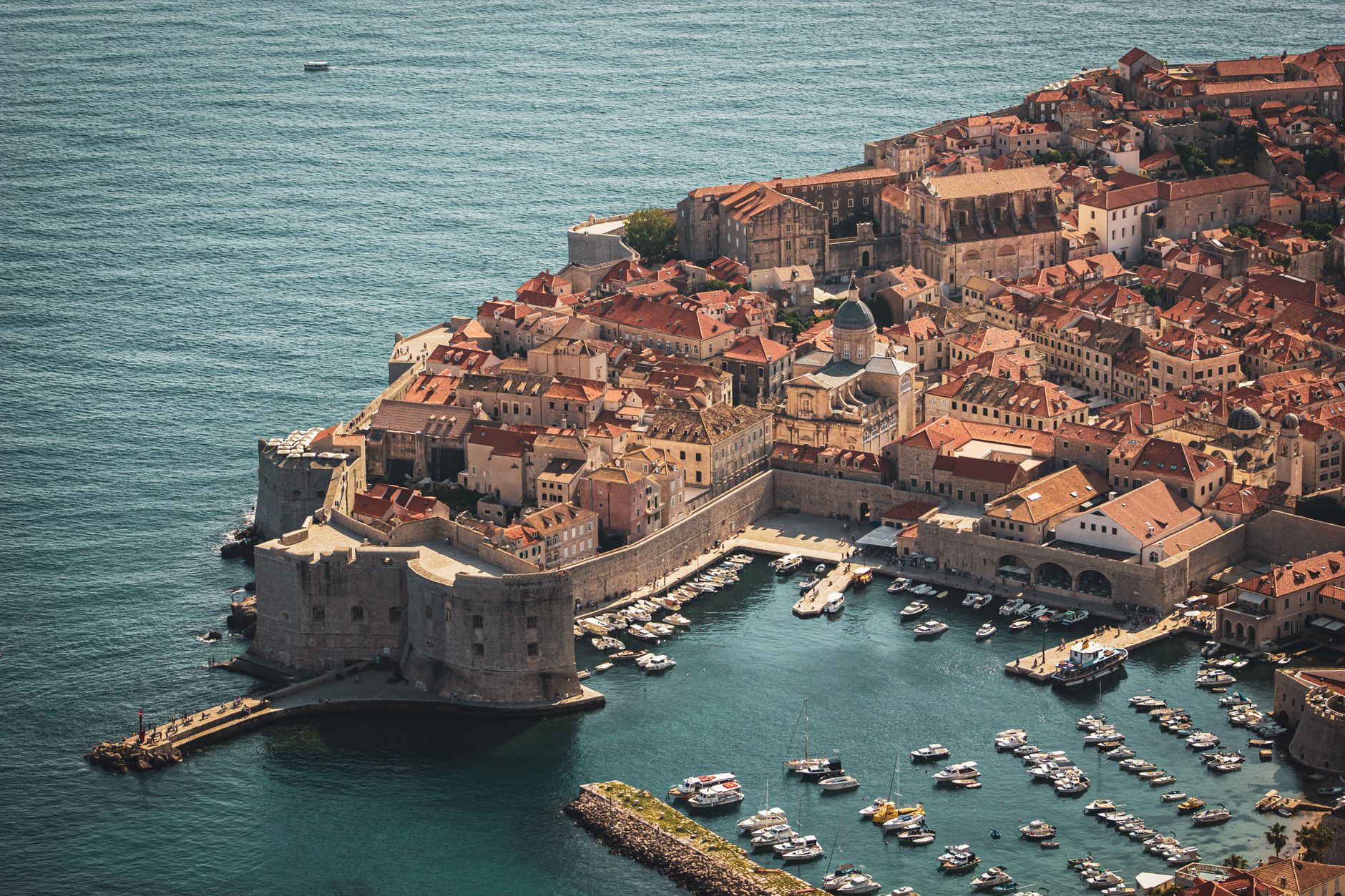
Historic fortifications are unusually intact and walkable: the City Walls offer a continuous, roughly 2-kilometre loop with views over the Adriatic and red-tiled roofs. Walking the loop provides a compact way to understand the port’s defensive layout and sea approach.
The coastline and island access are immediate. Short boat trips to Lokrum and the Elaphiti islands are practical day trips; Gruž harbour runs frequent summer departures and private-boat operators sell half-day itineraries.
Cultural heritage is concentrated and accessible: the Rector's Palace, Franciscan Pharmacy and the Maritime Museum sit within minutes of one another, letting visitors sample different collections without long transfers. Finally, Mount Srđ provides panoramic views reachable by cable car, which is the most efficient way to see the archipelago and city in one sweep.

Quick Planning Tips
From Dubrovnik Airport (Čilipi) the shuttle buses and public coaches run to Pile Gate and Gruž; journey time is roughly 30–45 minutes depending on traffic. Airport taxis are faster but significantly costlier; check posted fares and expect surge pricing during high season.
Croatia uses the euro; most shops and restaurants accept cards but small kiosks, some local buses and market stalls may prefer cash. Withdraw modest amounts at an ATM to avoid multiple fees.
Avoid planning City Walls, popular museums and the cable car for the single midday window when cruise ships arrive. Booking timed tickets and ferry slots in advance prevents wasted queuing during July and August.
Day 1
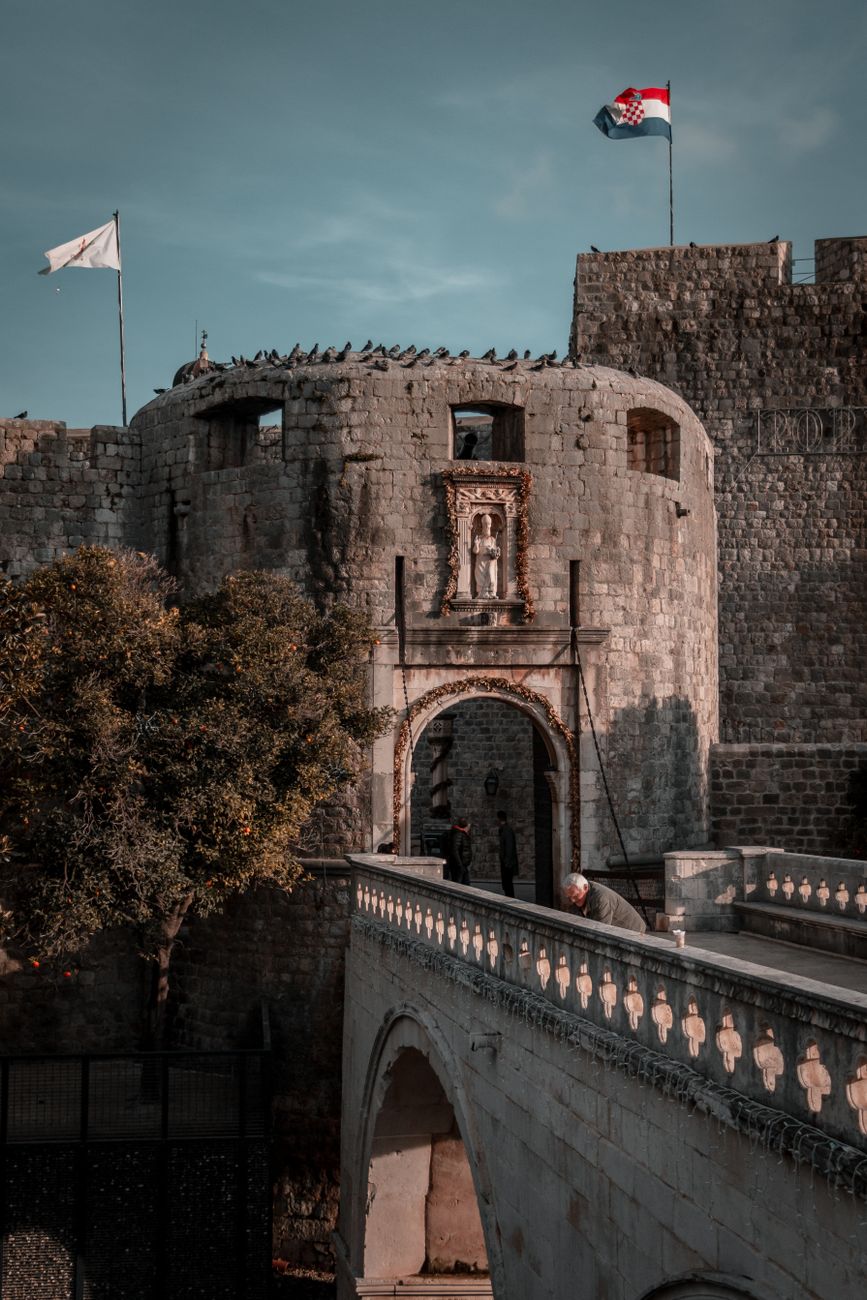
Morning: Start at Pile Gate and enter the Old Town via Stradun (Placa). Walk north to the Rector's Palace (allow 30–45 minutes including the small museum) and then turn south to visit the Franciscan Monastery and its historic pharmacy (10–15 minute walk between sites).
Late morning: Join the City Walls circuit at the nearest entrance (Pile or Ploče Gate). Allocate 1.5–2 hours to complete the loop at a steady pace; plan for 2–3 photo stops and a coffee break. The walls are best done early to avoid midday heat and cruise crowds.
Lunch: Eat at Taj Mahal (Bosnian-style but popular) near the Old Town for a quick, affordable meal; allow 45–60 minutes and expect to pay around €10–€18 for a main.
Afternoon: Visit Fort Lovrijenac across from the western wall (5–10 minute walk from the western end of Stradun) and then explore the quieter eastern alleys toward Ploče Gate where small galleries and local craft shops appear.
Evening: Take the short cable car ride to Mount Srđ for sunset views (20–30 minutes from Ploče Gate including walk to lower station). Return after dark when the Old Town lights create a different atmosphere.

Day 2
Morning: Catch the short boat from the Old Port to Lokrum Island (10–15 minute ride). Spend 2–3 hours on marked walking trails, see the botanical gardens and the ruined Benedictine monastery; check the return boat times before going ashore.
Late morning to early afternoon: Return to Gruž harbour and walk the Gruž market and dockside area (allow 60–90 minutes). This is where locals shop for fish and produce; sample small pastries or a coffee at a harbour café.
Afternoon: Take a Libertas bus to the Lapad Peninsula (roughly 15–20 minutes from Old Town). Walk the Lapad promenade, relax at a pebble beach or rent a paddle board. A bus back to Ploče or Pile takes about 20 minutes.
Dinner: Choose a seafood konoba on the Lapad waterfront — portions are generous and slightly cheaper than Old Town. Evening option: return to Buža Bar (on the cliff by the western walls) for a late drink and sea air.

Day 3
Morning: Visit the Maritime Museum in the Old Port and the Aquarium (the Aquarium is next to the jetty and the Maritime Museum is a short walk inland); combine both for about 90–120 minutes. Early slots are quieter and allow a relaxed pace.
Late morning: Walk to the War Photo Limited gallery or the Dominican Monastery if interested in smaller, focused collections (10 minutes between these sites and the port). These are compact visits of 30–60 minutes each.
Afternoon: If catching an afternoon flight or coach, store luggage at a hotel or the main bus station and do a final stroll along Stradun for last-minute shopping (allow 60–90 minutes). The airport shuttle requires 30–45 minutes to reach Čilipi, so allow ample transfer time and factor in peak-hour traffic.
If time allows and no luggage constraints exist, take a short boat trip to the nearest Elaphiti island such as Koločep for a final swim, returning to Gruž in time for departure.
Best Local Experiences
Gruž Fish Market: early-morning action and fresh catch sold from stands and small boats; go before 09:00 for the best selection. Lokrum Island swim and botanical gardens: a short hop that feels like a very accessible escape, useful for both morning and late-afternoon trips.
Elaphiti islands day trip (Koločep, Lopud, Šipan): book a half-day skipper or a full-day tour to visit several islands — each island has distinct beaches and quiet villages. Cable car to Mount Srđ at sunset: the view over the Old Town and harbour is the clearest way to read the city’s layout.
Buza Bar (holes in the western city wall): a narrow cliffside spot for a late drink and a swim jump in calmer months. Dubrovnik Summer Festival (July–August): open-air theatre and music performances in Old Town venues — check the program before arrival.

Where to Stay
Old Town (Stari Grad): Suits first-time visitors who want to be within the walls and walk to major sites. Expect high noise evenings from restaurants and a premium price: roughly €140–€300 per night for mid-range to boutique rooms.
Ploče and Ploče Gate area: Good for travellers who want close Old Town access but quieter streets and faster cable-car access to Mount Srđ. Many mid-range hotels and private apartments run €110–€220 per night.
Lapad and Babin Kuk: Best for families and people wanting a seaside promenade and beaches, with easier parking and more space. Expect larger hotels and apartments at €80–€160 per night; this area is 15–25 minutes by bus from the Old Town.
Gruž: Practical for ferry and boat departures and budget stays; quieter at night and closer to bus connections for onward travel. Prices can be lower, around €60–€120 per night, but expect longer transit to the Old Town during rush hour.
Food and Drink
Black risotto (crni rižot): squid ink risotto with tender cuttlefish; find it at konobas near the Old Port and Lapad for around €12–€20. Pasticada: slow-braised beef served with gnocchi, a Dalmatian specialty available at traditional restaurants near Old Town for €18–€28.
Fresh grilled fish: usually priced by weight or market price; expect €20–€40 per person at a mid-range seaside konoba. Rozata: a custard dessert flavoured with rose or citrus — an inexpensive café dessert at roughly €3–€6.
Breakfast option: burek or croissants from local bakeries near Stradun or Gruž; simple bakery options cost €1.50–€4. Street snack: grilled sardines or a small sandwich from a harbour stall, €3–€8. Local drink: Pošip white wine and local rakija (grape brandy) both appear on most menus; expect a glass of domestic wine for €3.50–€6.
Getting Around
Public buses are run by Libertas Dubrovnik and connect Old Town with Gruž, Lapad and the airport shuttle stops; single tickets are sold at kiosks and on some buses. Expect short journeys within town of 10–25 minutes depending on route.
Airport shuttle buses connect Čilipi with Pile Gate and Gruž; journey time is 30–45 minutes. Taxis and private transfers are available outside the terminal; typical airport taxi fares to Old Town run noticeably higher than the shuttle.
Apps: use Google Maps or Moovit for timetables and Libertas published schedules; check ferry operators like Jadrolinija for island routes. Note that many Old Town streets are pedestrian-only so expect short walking transfers at either end of every trip.
Best Time to Visit
High season (June–August): temperatures range 24–30°C with hot, sunny days and heavy cruise-ship traffic; expect very crowded Old Town between 09:30 and 15:30. Shoulder seasons (May and September–early October): temperatures typically 18–26°C, fewer crowds and more frequent island-boat availability — best trade-off of weather and space.
Low season (November–March): temperatures often 8–15°C with occasional rain; many tourist services reduce schedules and some restaurants close. April and late October offer cooler weather and cheaper accommodation while still retaining some island services.
Budget and Practical Tips
Realistic daily budget examples (per person): budget €70–€110 (cheap guesthouse €40–€60, street food €10–€20, local bus €2–€5, one paid entry €5–€10). Mid-range €160–€240 (private double room €110–€180, two meals at sit-down restaurants €30–€50, local transport and two paid attractions). Higher range €300+ covers nicer hotels and several guided tours.
Entry fees: City Walls and major museums are the largest single-ticket items; check online for current prices and timed slots. Tipping: a modest 5–10% in restaurants is common if service is not included; small change or rounding up is usual for cafés and taxis.
FAQ
Is Dubrovnik safe for solo travellers?
Yes, generally safe; normal urban caution applies—watch for pickpockets in crowded areas and keep valuables secure in busy markets.
How to get from the airport to the Old Town cheaply?
Use the airport shuttle bus to Pile Gate or Gruž; it is the most economical and reliable daytime option versus taxis.
Is the Dubrovnik Card worth buying for three days?
It can be worth it if planning multiple paid-museum entries plus the cable car and public transport; compare the card price to individual tickets before purchasing.
Can a cruise passenger see the City Walls in a day?
It’s possible if the cruise tender time aligns early morning and a timed City Walls slot is booked; allow at least 2–3 hours for the walls plus transit time to/from the ship berth.
Are swims and beaches easy to reach from the Old Town?
Banje and Buža are nearest to Old Town for quick swims; Lapad and the Elaphiti islands offer better beach options reachable by short bus or boat rides.
What are the taxi and public transport options to nearby Split or other Croatian cities?
Inter-city buses depart from Dubrovnik bus station (Gruž) and private transfers are available; ferries and catamarans link to Split and other coastal towns seasonally.
Conclusion
Three days will most often be remembered for the Old Town atmosphere, the City Walls loop and at least one short boat trip. If pressed for time, prioritise an early City Walls circuit plus a cable-car trip to Mount Srđ for the clearest sense of the place.
This plan balances walking, a short island outing and a quieter neighbourhood visit; departures run more smoothly with timed tickets, advance ferry checks and allowance for cruise-ship crowd spikes.
How this guide was prepared
This guide was prepared through a structured research that combines destination research, geographic context, itinerary planning logic, and content review.